
From Lepanto to Hiroshima, the Most Holy Rosary has been credited with victories, conversions, and preservations that defy natural explanation. Every Pope of the modern era has placed the Rosary at the heart of his pontificate.
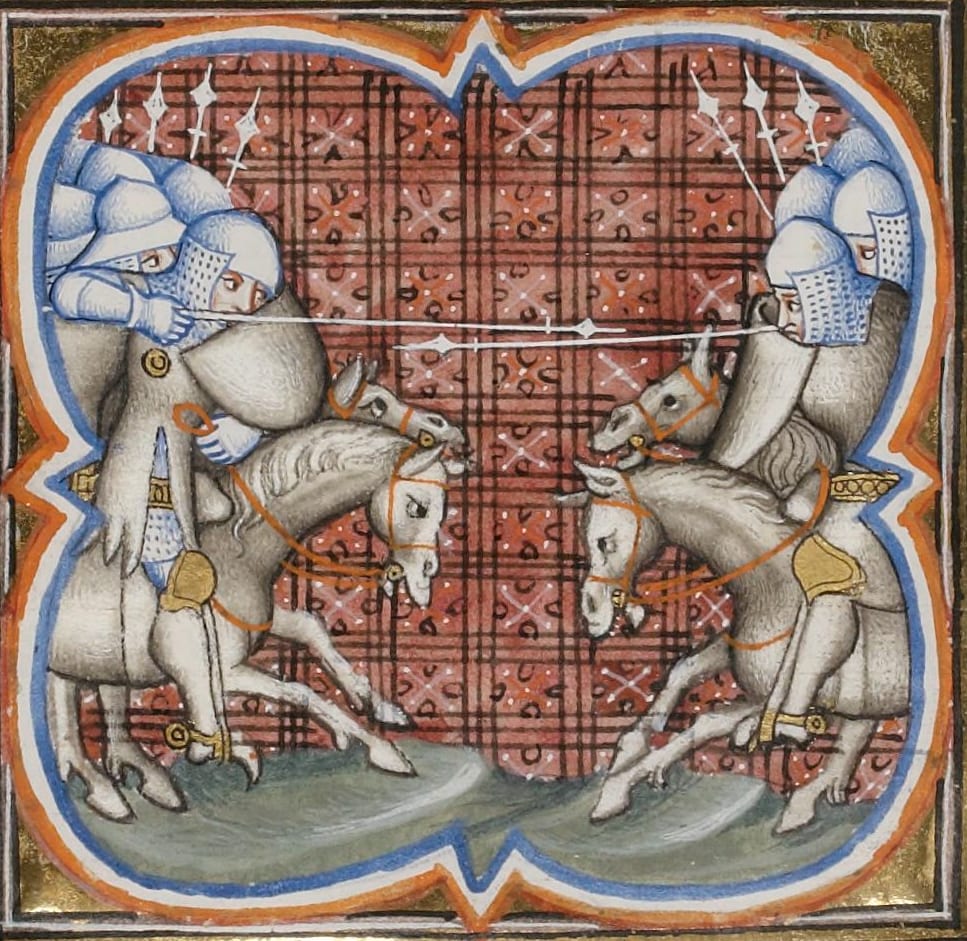
The Battle of Muret
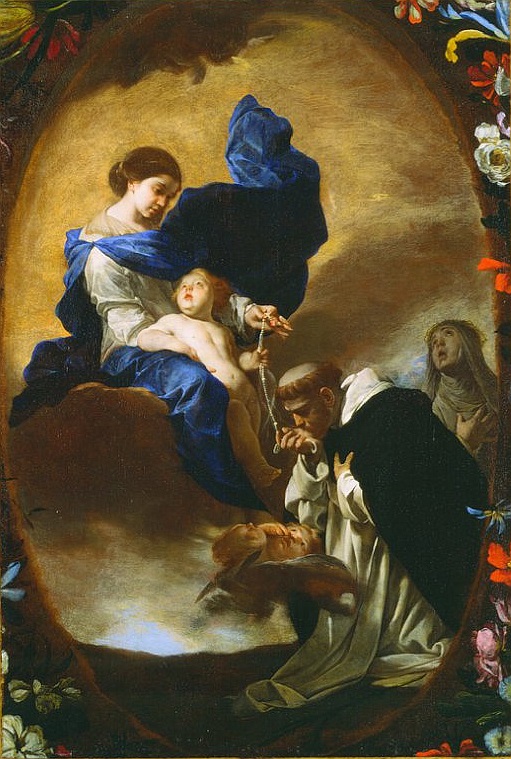
St. Dominic led a Rosary procession during the battle that ended the Albigensian Crusade. The vastly outnumbered Catholic army won; tradition holds that Dominic received the Rosary as a weapon from the Virgin during the night before.
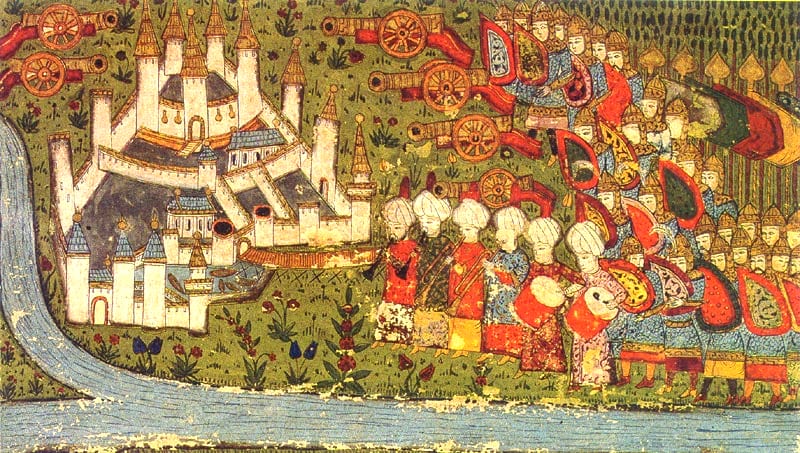
The Relief of Belgrade
Three years after the fall of Constantinople, the Ottoman army of Mehmed II besieged Belgrade — the gateway to central Europe. St. John Capistrano led an irregular Crusader army praying the Rosary. The Ottoman army was routed in a single night.
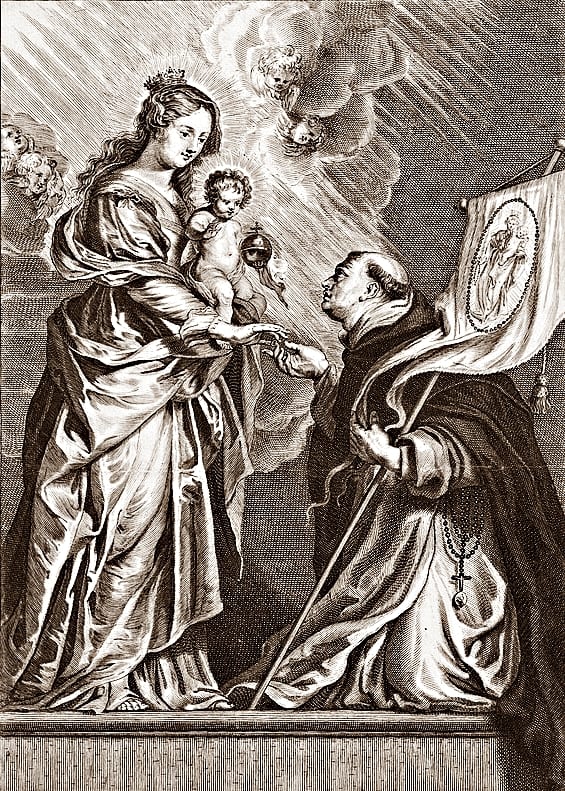
Bl. Alanus de Rupe and the Confraternity of the Rosary
The Breton Dominican Bl. Alanus de Rupe founded the first Confraternity of the Most Holy Rosary at Douai in 1470, codified the 'Fifteen Promises of Mary' to those who pray the Rosary, and is credited with launching the modern Rosary devotion that the Battle of Lepanto (1571) would crown.
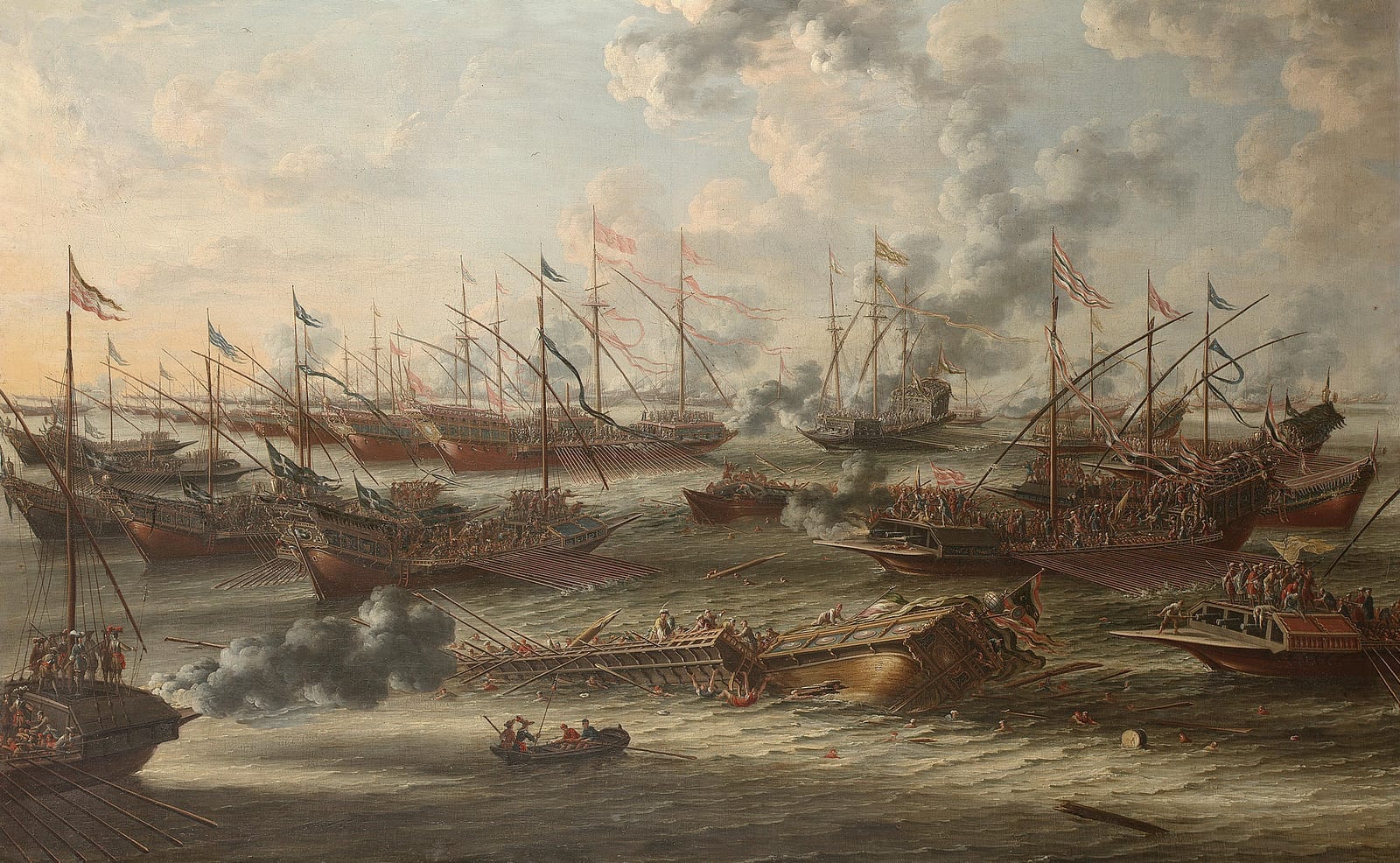
The Victory of Lepanto
Pope St. Pius V called for Rosary processions throughout Christendom. The outnumbered Holy League fleet defeated the Ottoman armada. The feast of Our Lady of the Rosary was established in thanksgiving.
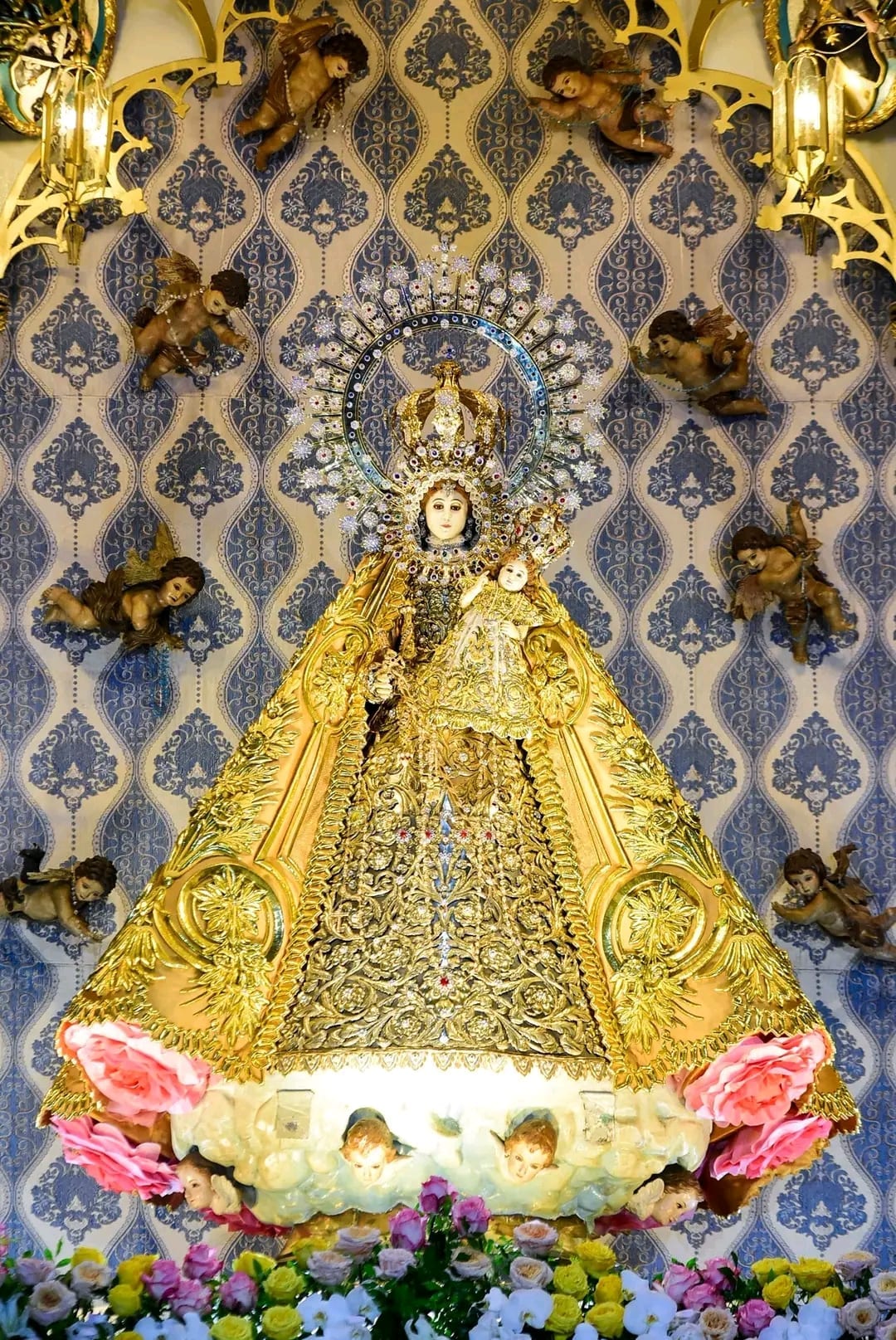
La Naval de Manila (1646)
Two Spanish galleons defended Manila Bay against the much larger Dutch Protestant fleet across five running engagements in 1646. The Spanish-Filipino crews prayed the Rosary throughout. All five engagements were won; the Archdiocese of Manila formally recognised the victories as a miracle of the Rosary.
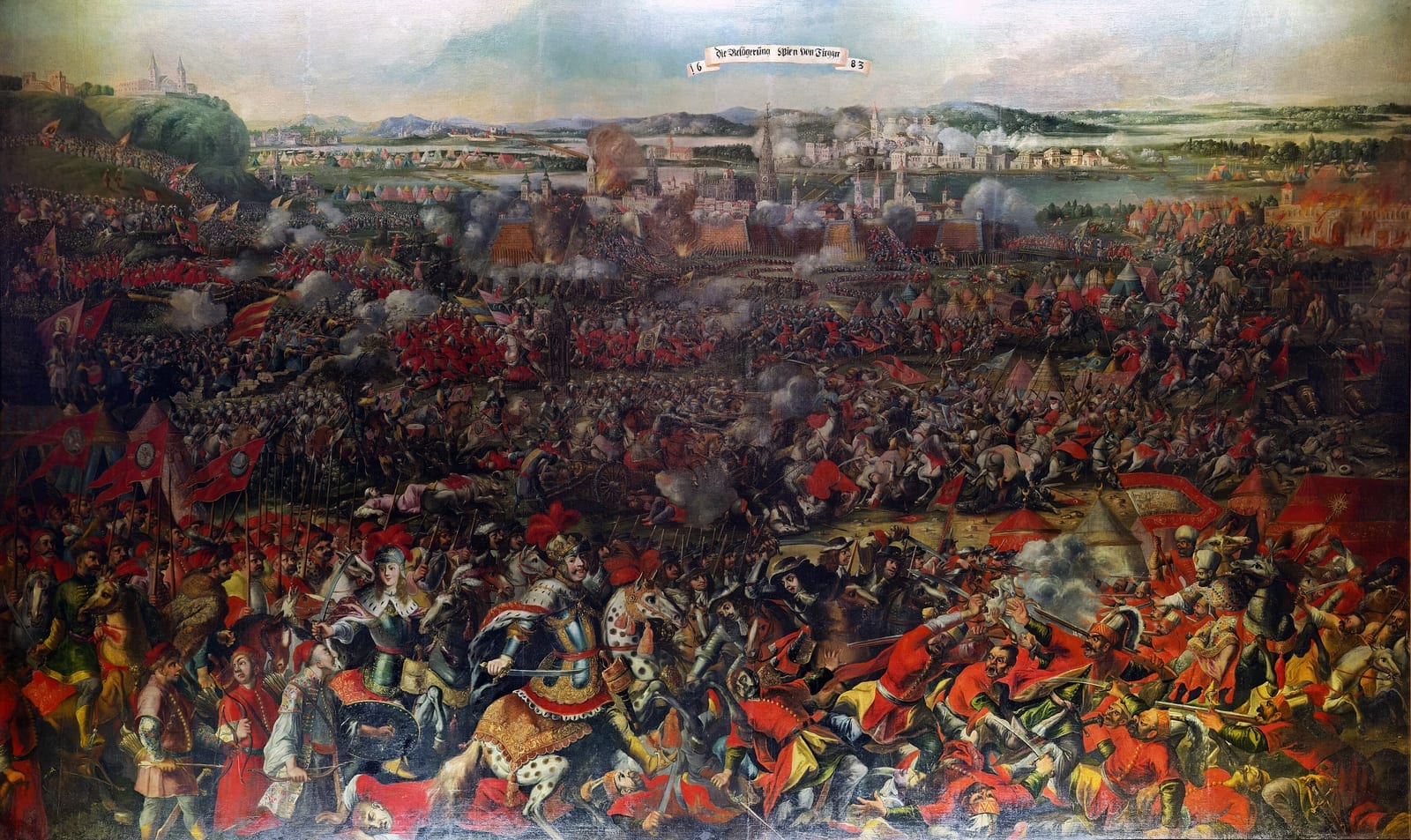
The Relief of Vienna
Pope Innocent XI called Christendom to the Rosary as the Ottoman army besieged Vienna. King Jan Sobieski III of Poland descended on the besiegers with the largest cavalry charge in history, breaking the Turkish lines on the feast of the Holy Name of Mary.
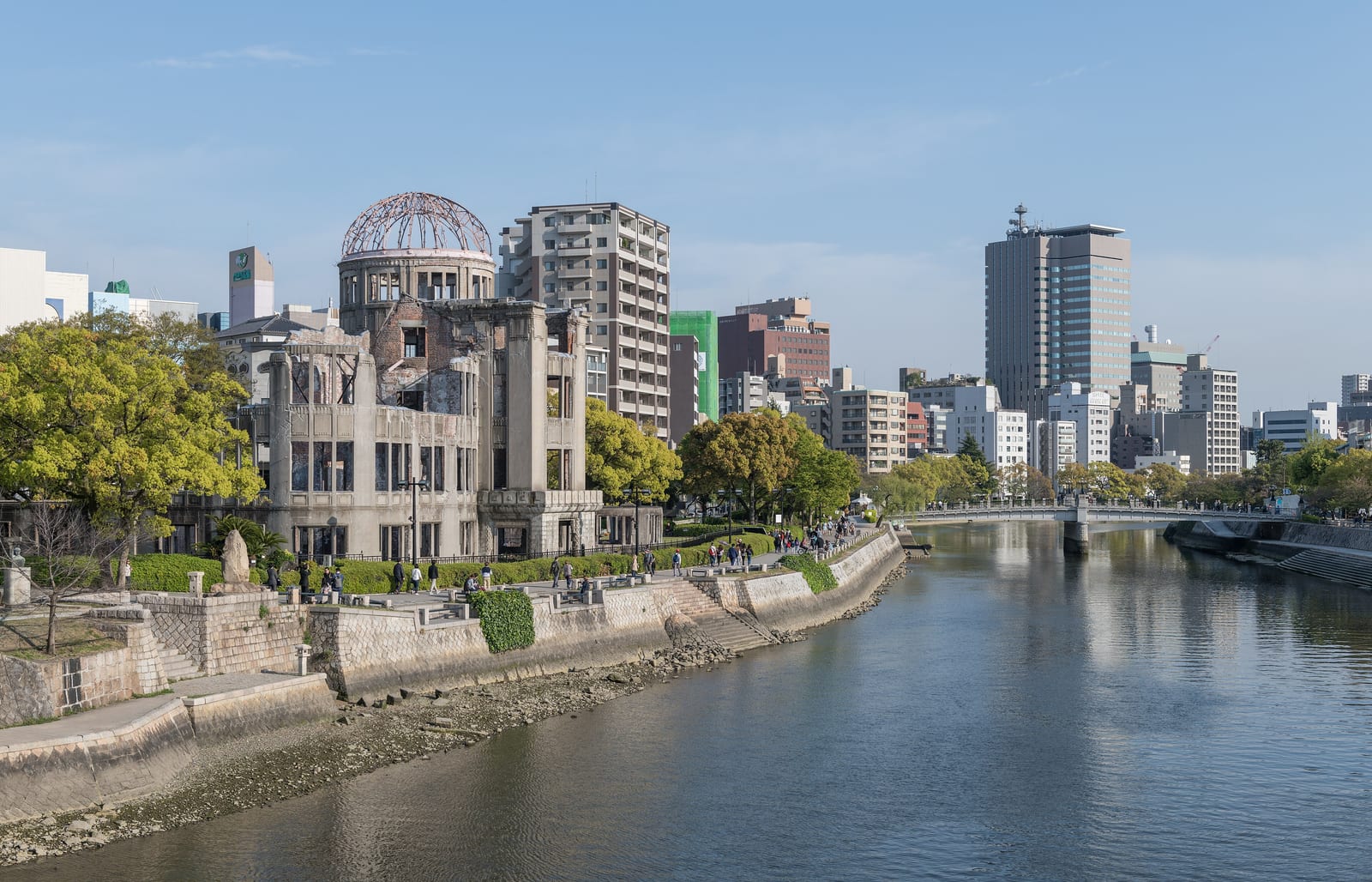
The Eight Jesuits of Hiroshima
Eight Jesuit priests living roughly eight blocks from the atomic-bomb hypocentre survived intact and lived for decades after — a fact they attributed to praying the daily Rosary and living the message of Fatima.
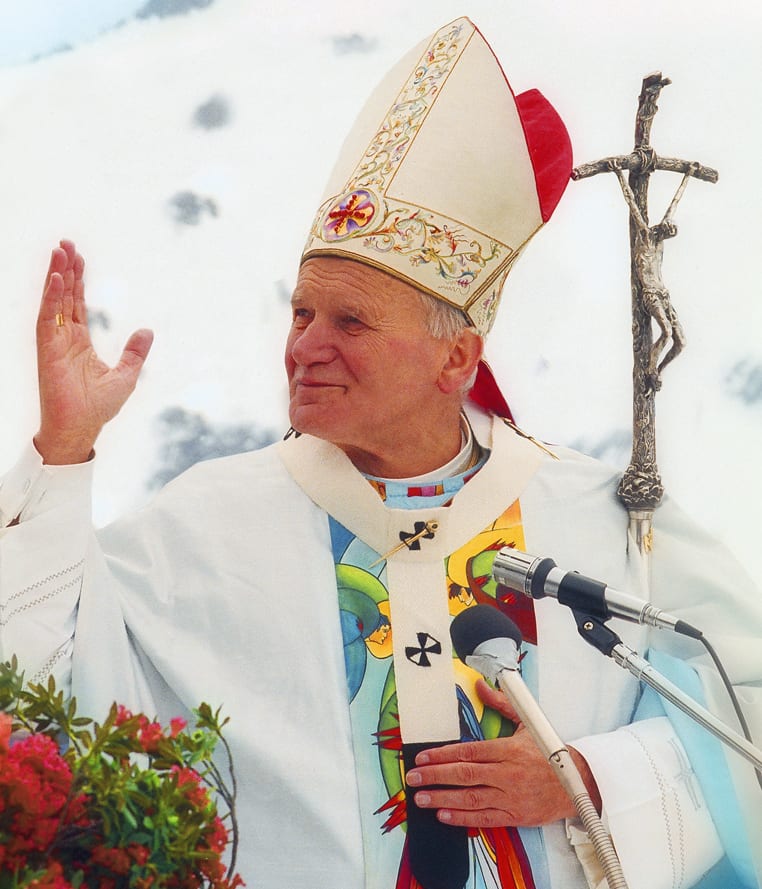
John Paul II Saved on the Feast of Fátima — the Bullet in Our Lady's Crown
On the feast of Our Lady of Fátima, 13 May 1981, Mehmet Ali Ağca fired four shots at John Paul II at close range in St. Peter's Square; two struck the Pope. He survived, and said: 'One hand fired, and another guided the bullet.' The bullet taken from his body is set in the crown of the statue of Our Lady of Fátima.
L/Cpl. Glenn Hockton's Rosary — Afghanistan
Lance Corporal Glenn Hockton of the Coldstream Guards, on patrol in Helmand Province in 2008, felt his rosary slip from his neck. Bending to retrieve it, he discovered he was standing on a pressure-plate mine. The family story — his great-grandfather Joseph 'Sunny' Truman likewise survived a Second World War bombardment by stooping to recover a fallen rosary — has been preserved through three generations.