
On August 18, 1996, at the Church of Santa María y Caballito Almagro in Buenos Aires, a consecrated host fell during the distribution of Communion. Following Church protocol, Fr. Alejandro Pezet placed it in a container of water in the tabernacle so that it would dissolve.
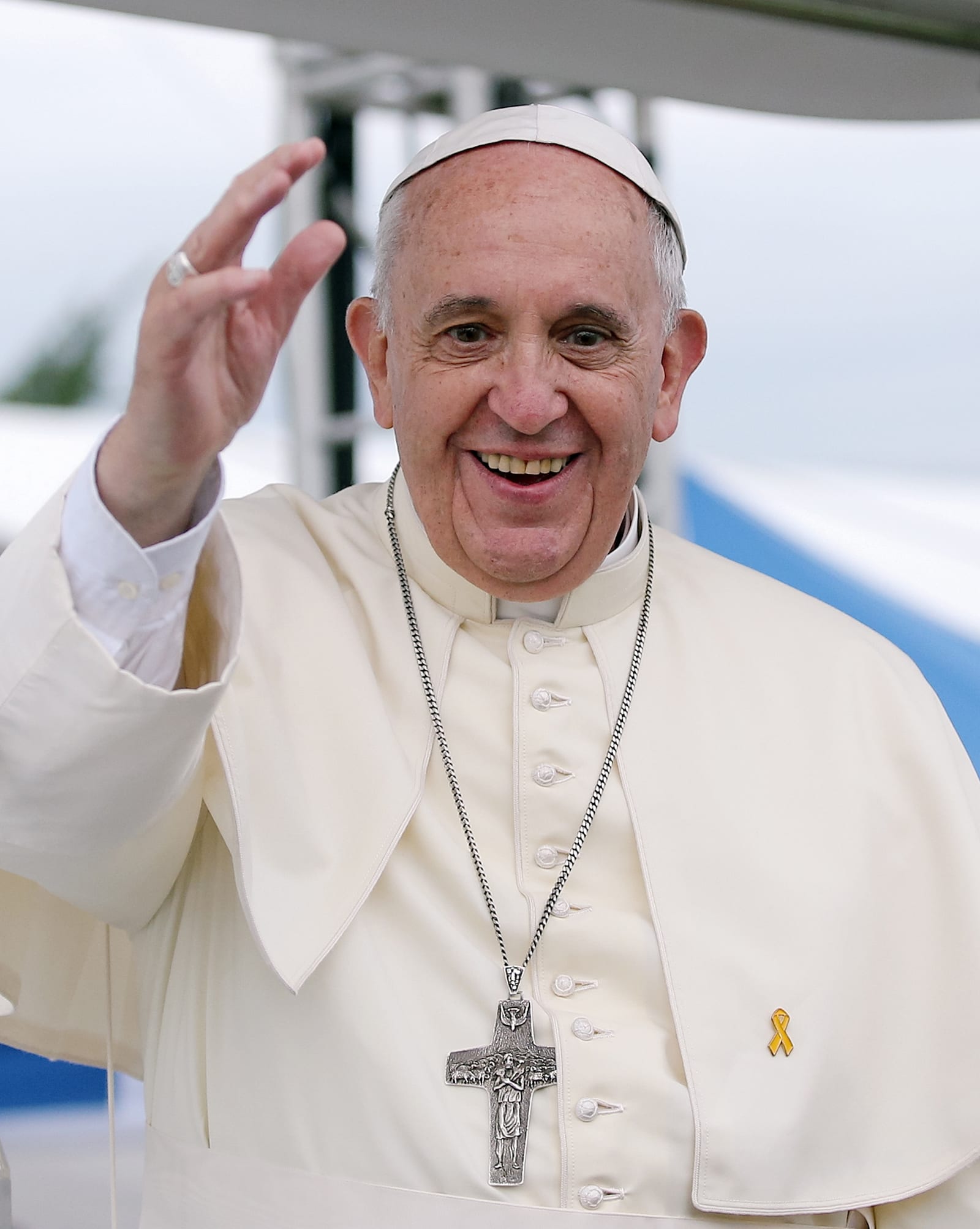
Eight days later, when Fr. Pezet opened the tabernacle, the host had not dissolved. Instead, it appeared to have become bloody tissue. He notified the auxiliary bishop, and then-Archbishop Jorge Bergoglio — the future Pope Francis — ordered that the substance be professionally photographed and preserved.
Three years later, samples were sent (without disclosing their origin) to Dr. Frederic Zugibe, a cardiologist and forensic pathologist at Columbia University. His analysis identified the tissue as human cardiac muscle from the left ventricle, in a state of inflammation consistent with a heart in agony — and showed white blood cells, which indicated the tissue was alive when sampled. He was astonished when told the source.
The Buenos Aires investigation was one of three modern Eucharistic miracles — alongside Tixtla (Mexico, 2006) and Sokółka (Poland, 2008) — that have undergone the most extensive scientific analysis. All three reportedly found human cardiac tissue, AB blood, and signs consistent with a heart under extreme stress.