
Across nearly two thousand years and dozens of countries, the Church has chronicled signs of the Real Presence — consecrated hosts becoming flesh, wine becoming blood, and the Eucharist preserved against every natural law.
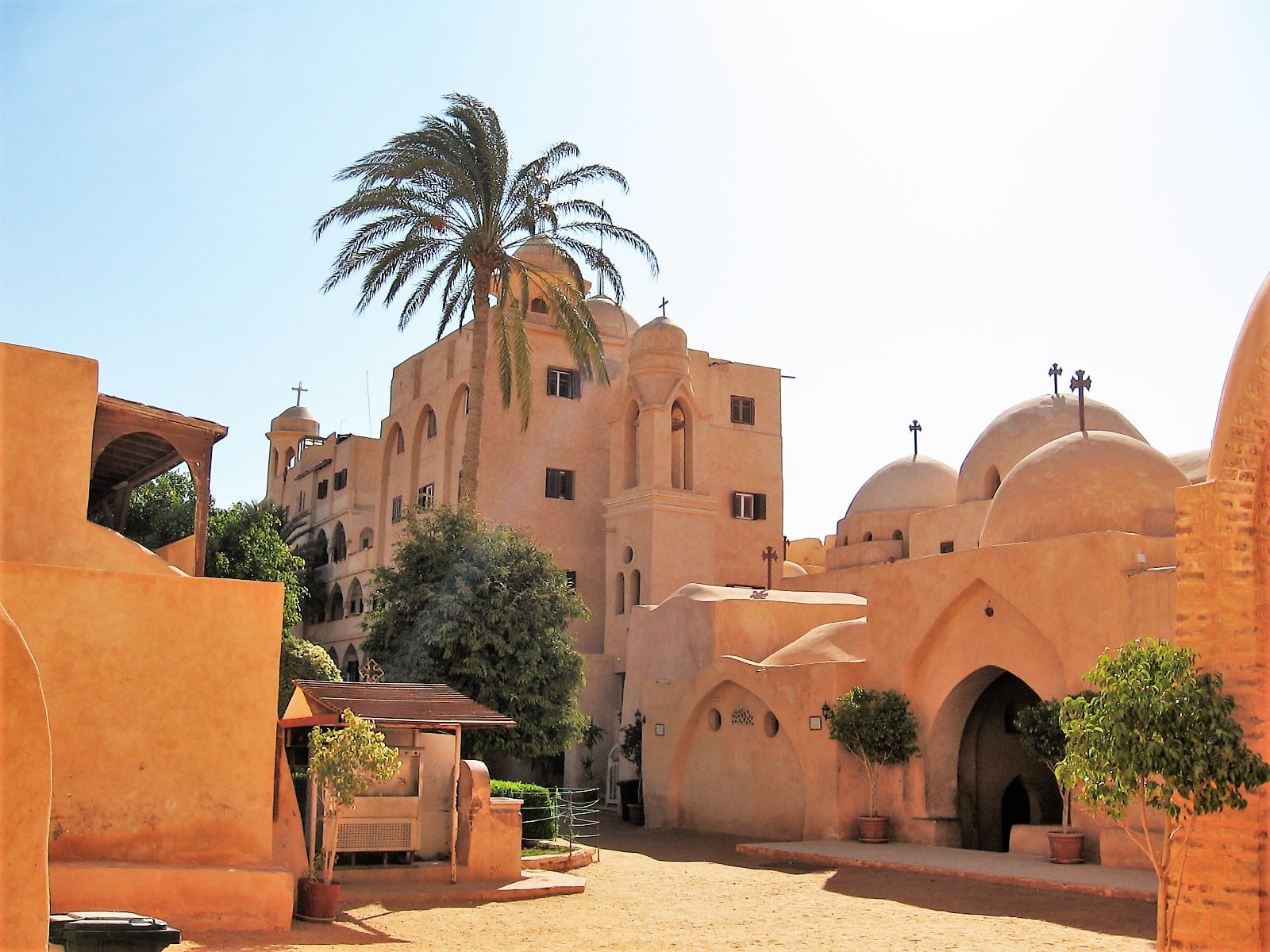
The Desert Fathers and the Sceptical Monk (Scete)
Recorded in the Apophthegmata Patrum: a Desert Father troubled by doubts about the Real Presence saw the consecrated host in his fellow monk's hands transform into a piece of bleeding child-flesh at Mass.
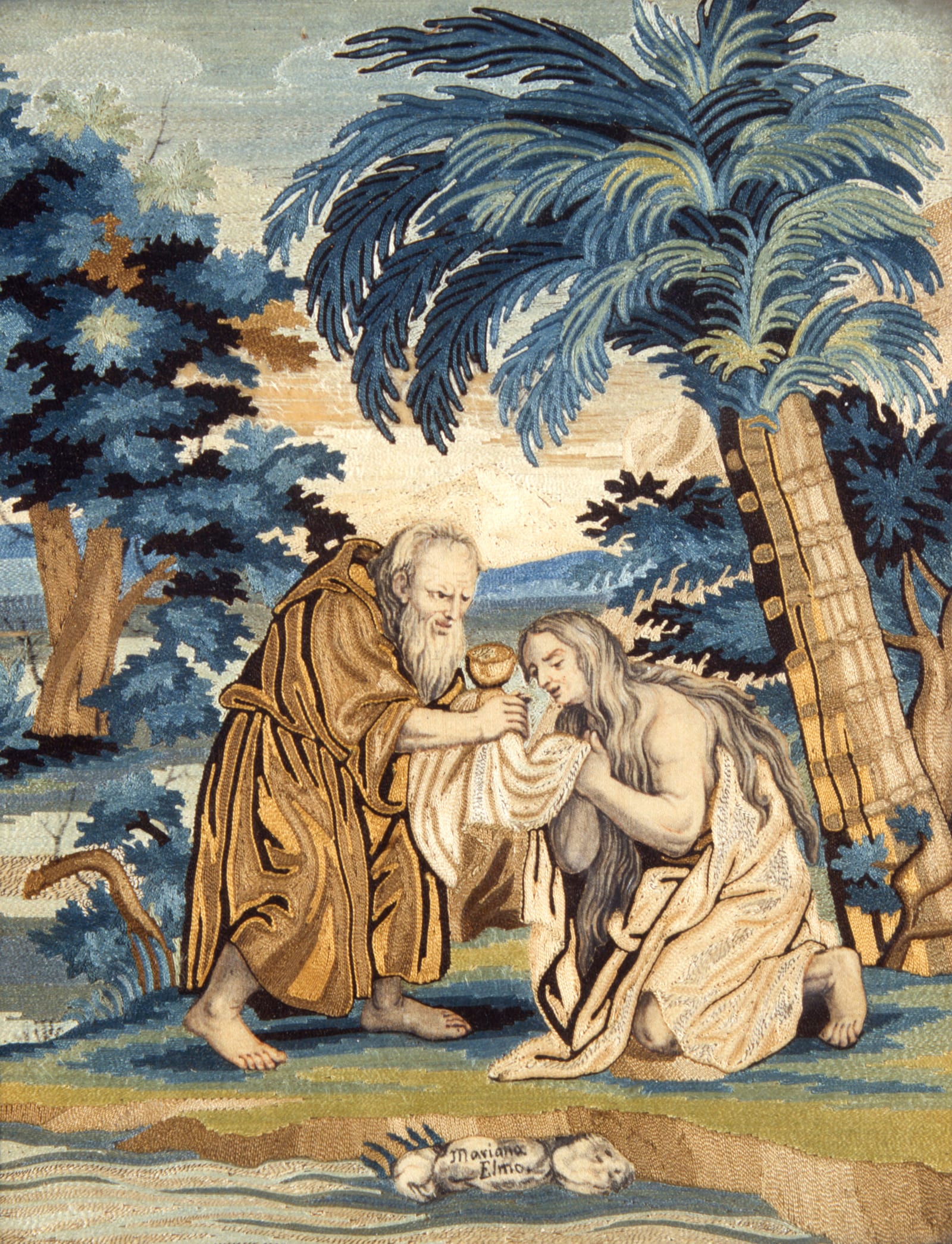
The Last Communion of St. Mary of Egypt
After forty-seven years alone in the desert beyond the Jordan, the penitent Mary of Egypt crossed the river on foot, as on dry land, to receive the Eucharist from the monk Zosimas — and was found dead, her last Communion made, a year later.
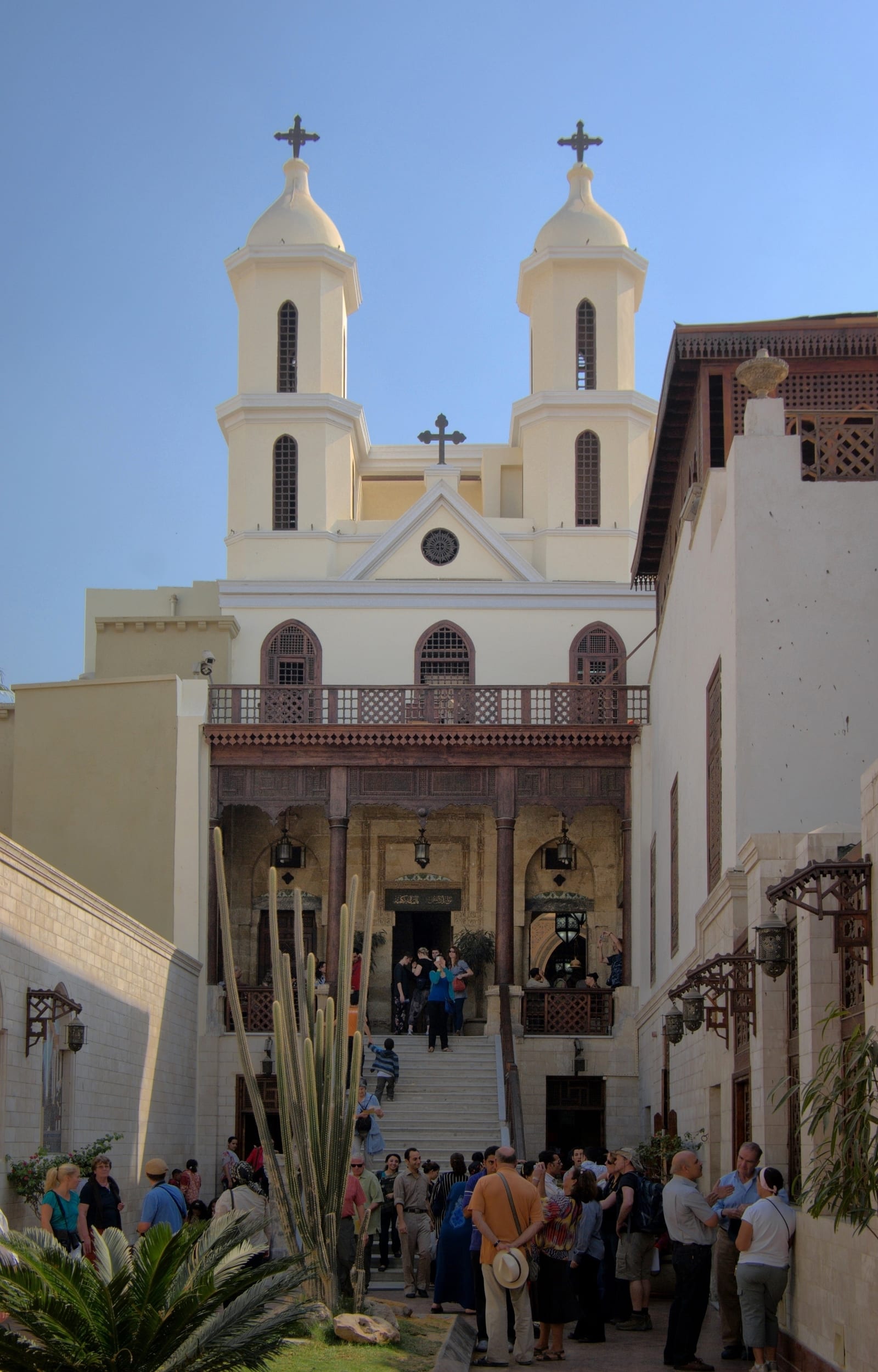
The Eucharistic Miracle of Old Cairo
An early Coptic miracle preserved in the patristic tradition: a Eucharistic host given to a doubting catechumen at Old Cairo was seen by him to transform into a small portion of bleeding flesh as he received it on his tongue.
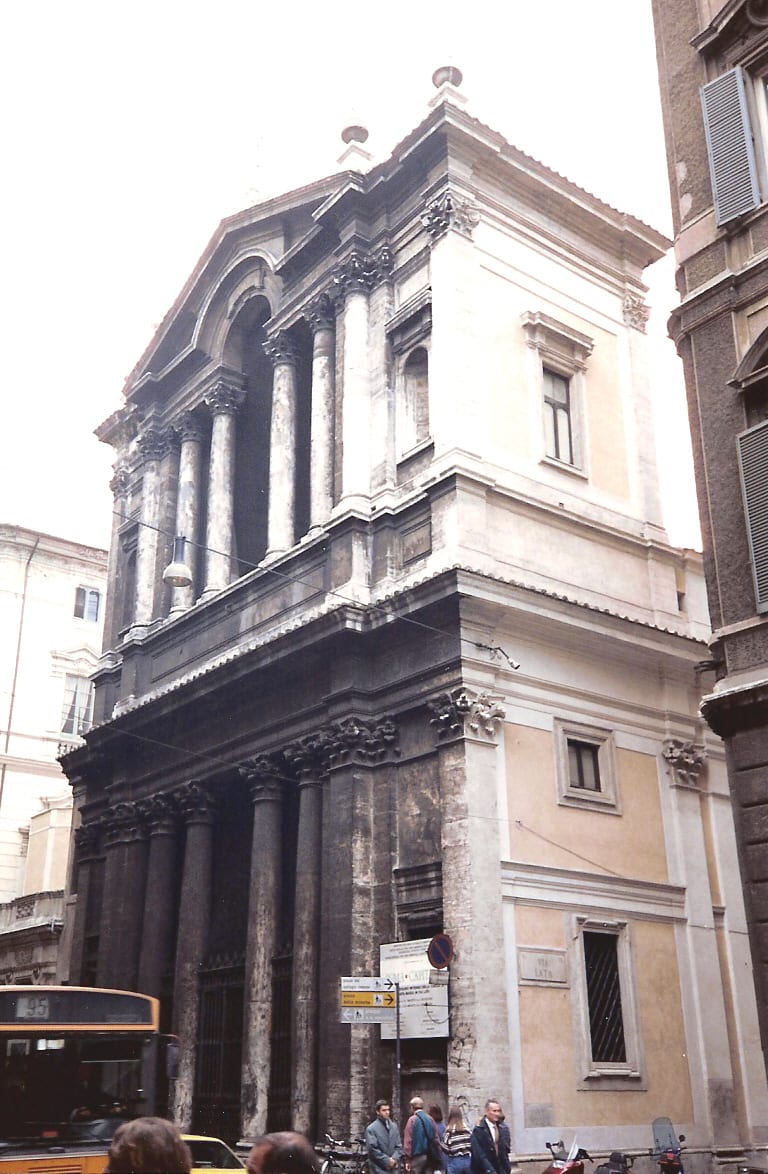
The Eucharistic Miracle of Rome (Santa Maria in Via Lata)
In the early Roman church of Santa Maria in Via Lata, a doubting priest of the 7th century saw the consecrated host transform into living flesh — one of the earliest Roman Eucharistic miracles, recorded in early martyrologies.
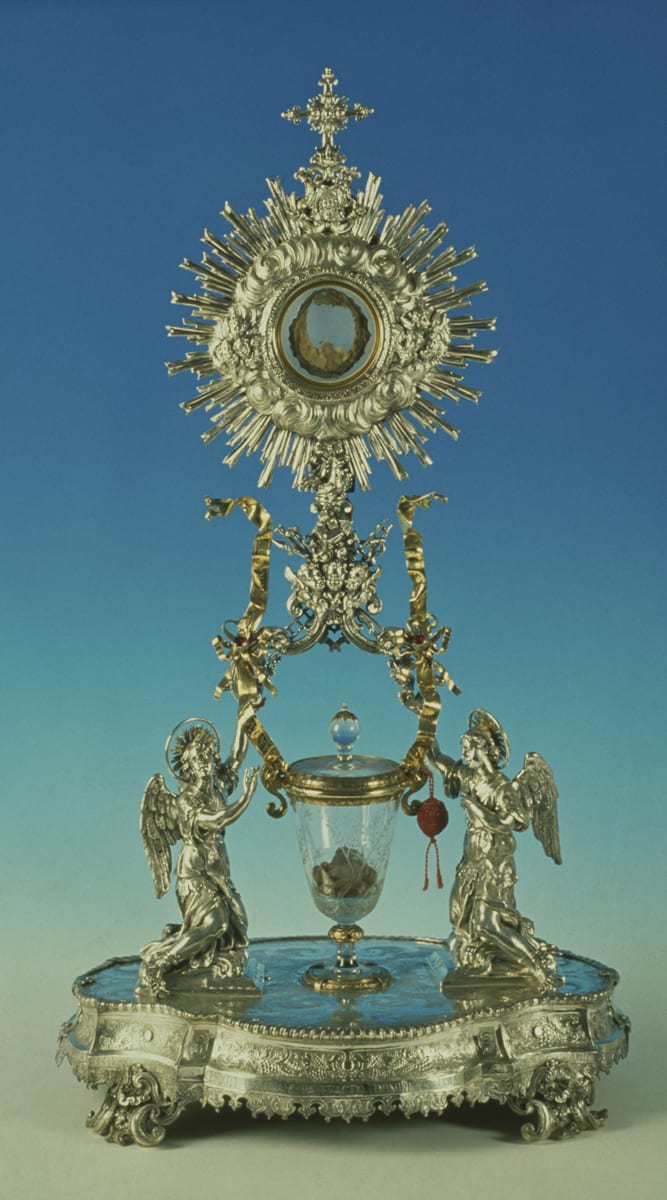
The Eucharistic Miracle of Lanciano
A doubting Basilian monk saw the host become flesh and the wine become blood during Mass. The relics — human cardiac tissue and AB blood — have been preserved without treatment for ~1,300 years.
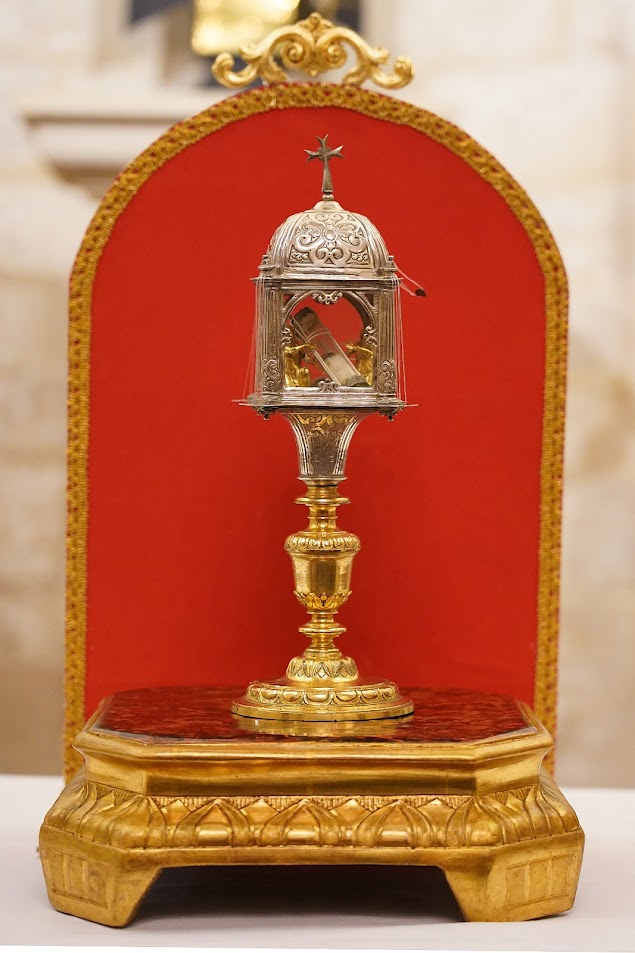
The Eucharistic Miracle of Trani
A consecrated host stolen from the cathedral of Trani in Apulia and placed in a frying pan in a private home began to bleed and to expand; the witnesses of the act converted on the spot.
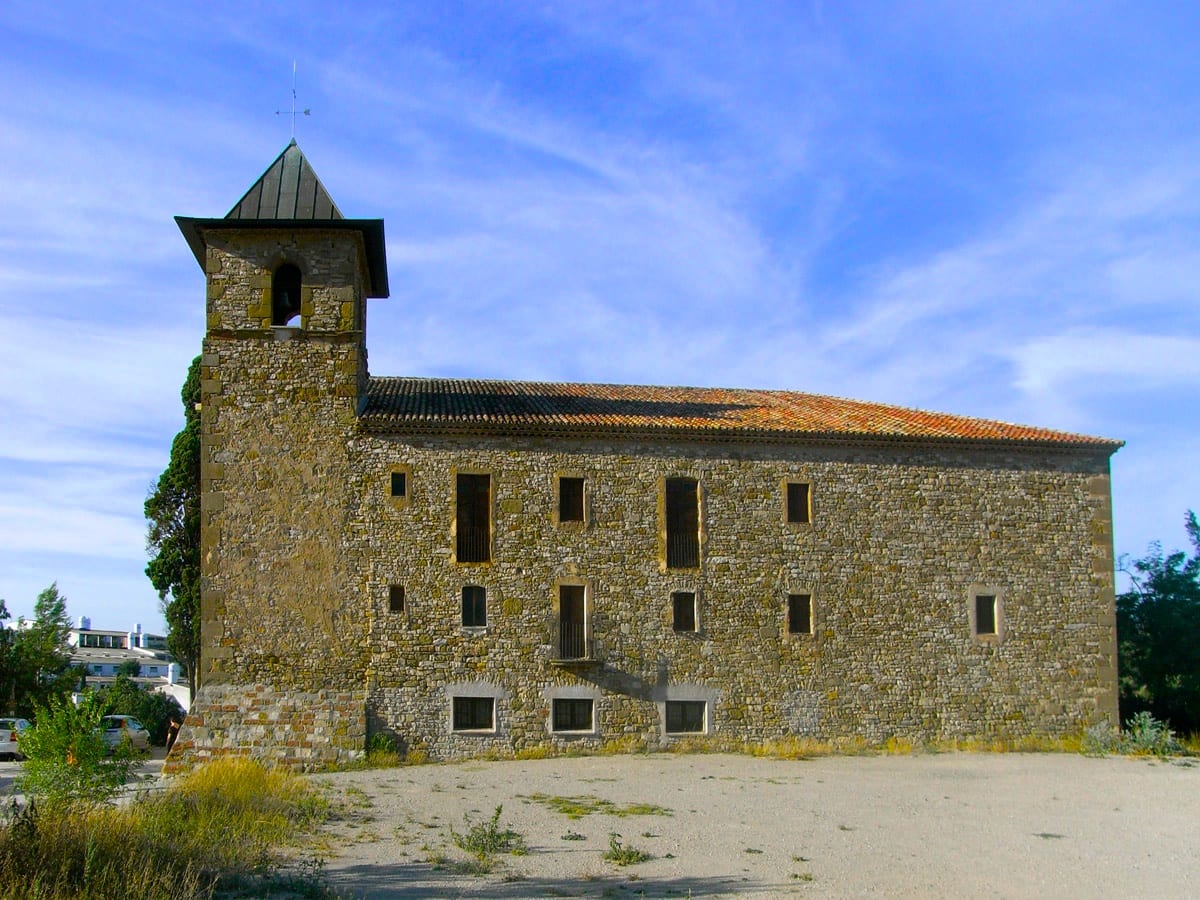
The Eucharistic Miracle of Ivorra
The earliest documented Eucharistic miracle of Spain. A doubting priest, Bernat Oliver of Ivorra, saw the consecrated wine boil in his chalice at the moment of consecration.
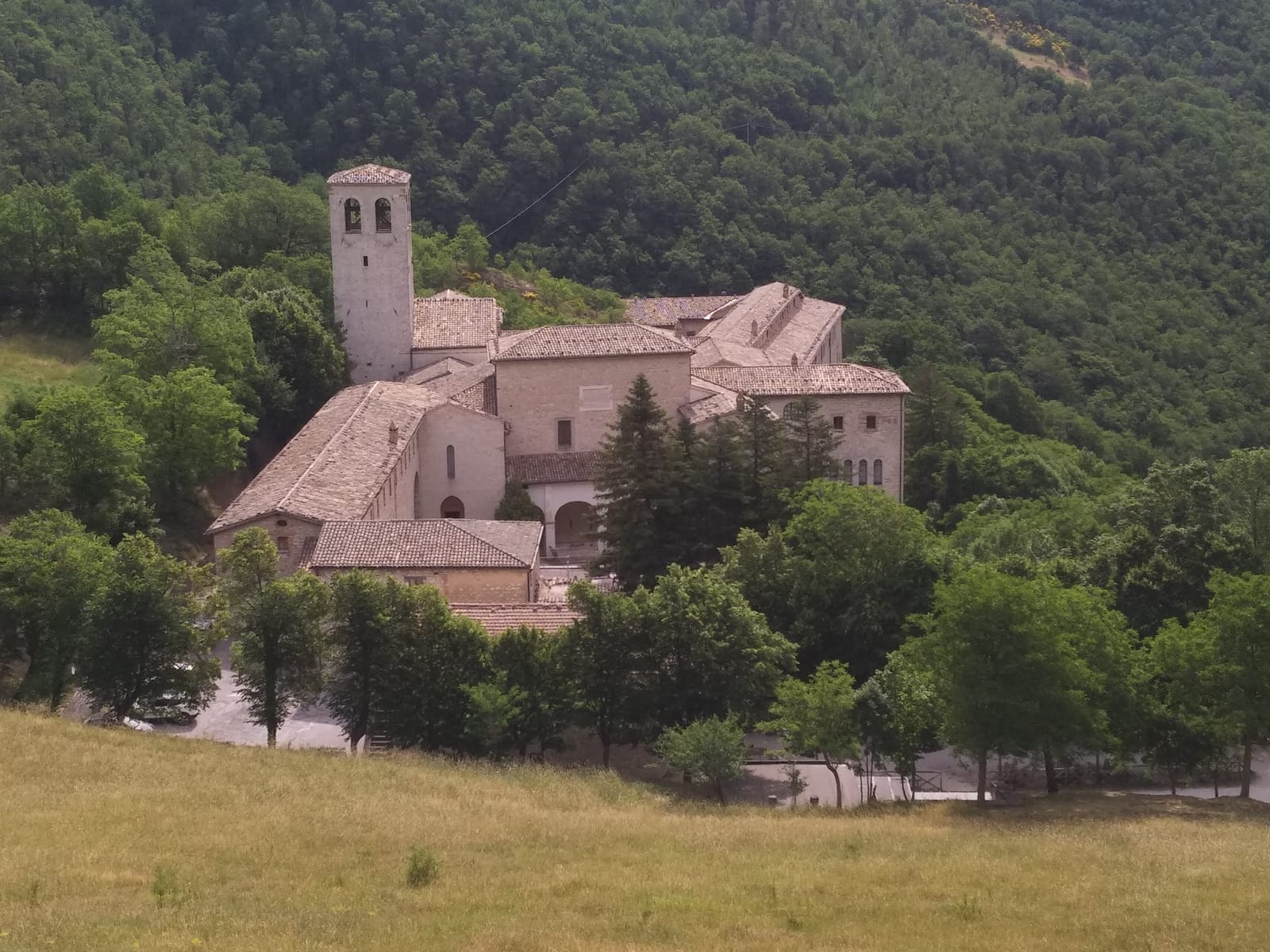
The Eucharistic Miracle recorded by St. Peter Damian
A woman hid a consecrated Host to use in sorcery; when the priest caught her and unfolded the cloth, half the Host had visibly become Flesh while the other half kept the appearance of bread. St. Peter Damian, Doctor of the Church, recorded the event himself.
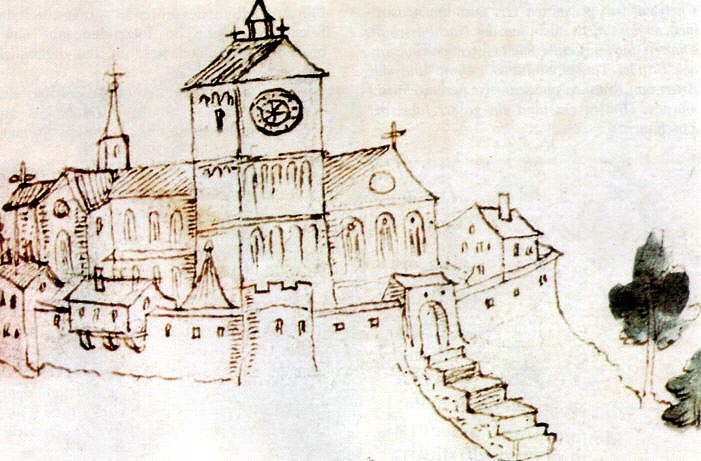
The Holy Blood of Weingarten
A relic of the Holy Blood — by tradition gathered at Calvary and transmitted through Mantua — was given to Weingarten Abbey in 1094. The annual Blutritt is the largest Eucharistic horse-procession in the world.
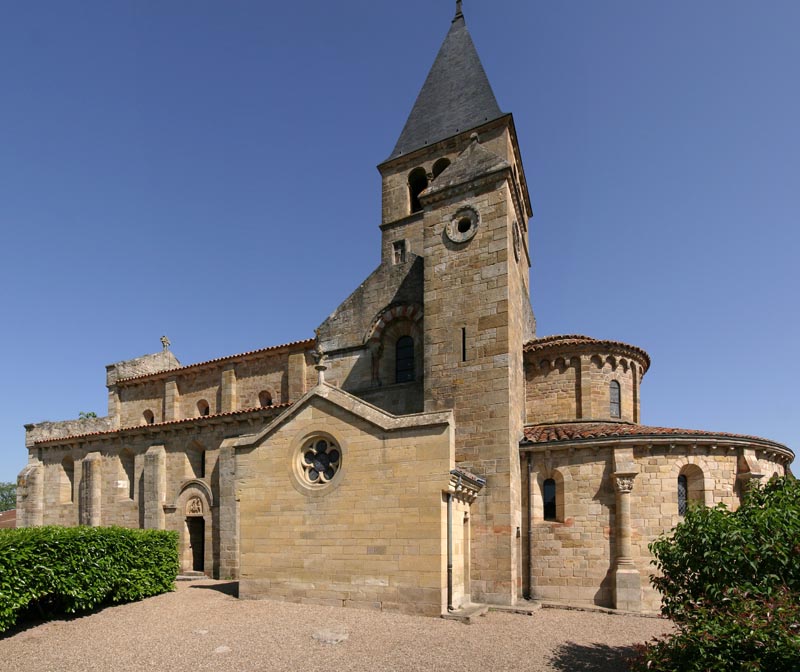
The Holy Blood of Bois-Sainte-Marie
The small Burgundian church of Bois-Sainte-Marie preserves a Holy Blood relic gathered (per tradition) at Calvary, brought through the East and given to the church by Cluniac monks in the medieval period.
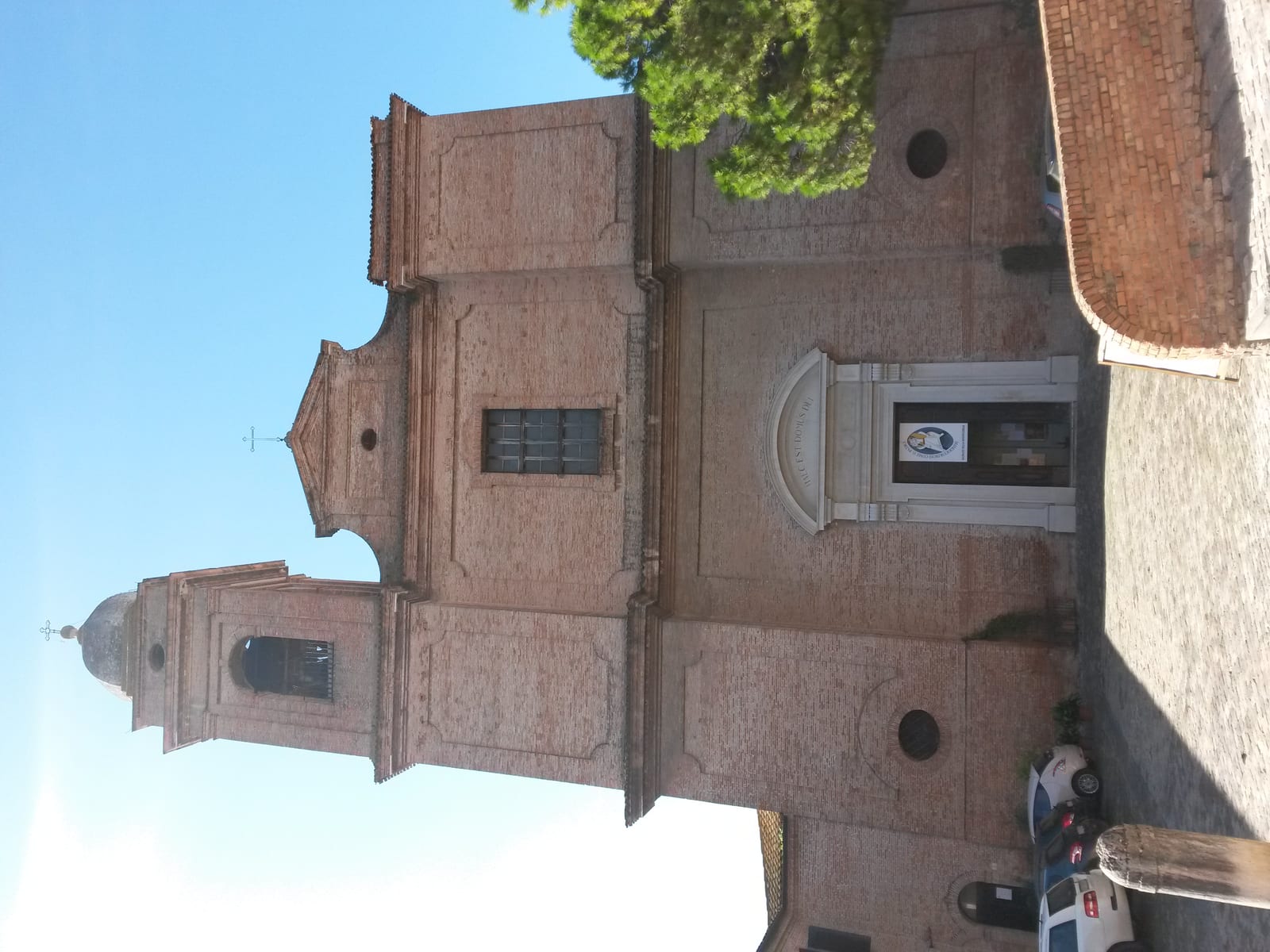
The Eucharistic Miracle of Santarcangelo
A heavy stone slab in a wall opened of itself to reveal a small alcove with a perfectly preserved consecrated host inside — hidden by a priest fleeing the Investiture Controversy.
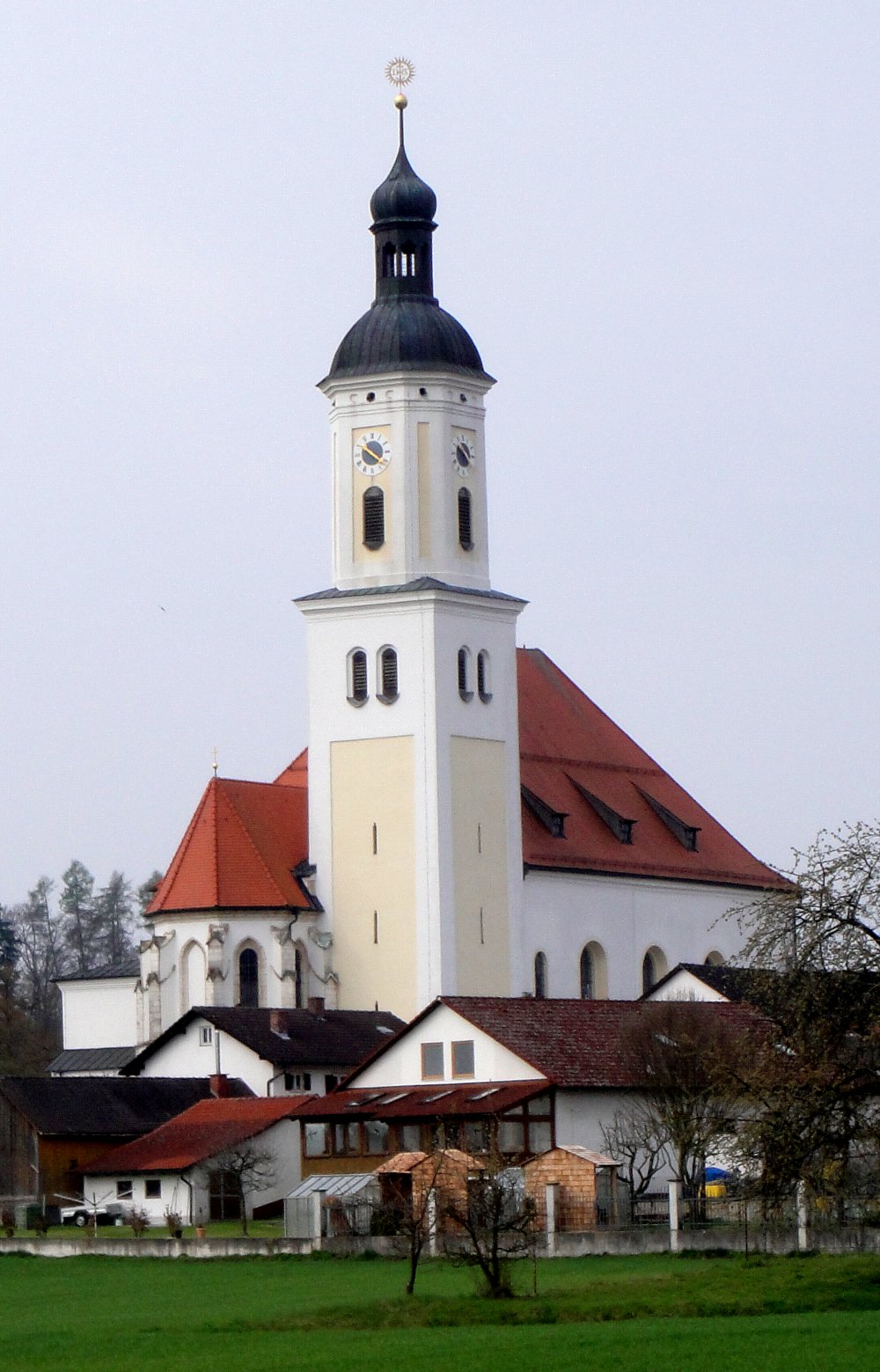
The Eucharistic Miracle of Bettbrunn
A herdsman who hid a consecrated host in the top of his staff threw the staff at his straying cattle; the host fell and no one — not he, not his priest — could lift it from the ground until the Bishop of Regensburg vowed to build a chapel on the spot. Bavaria's oldest host pilgrimage grew from it.
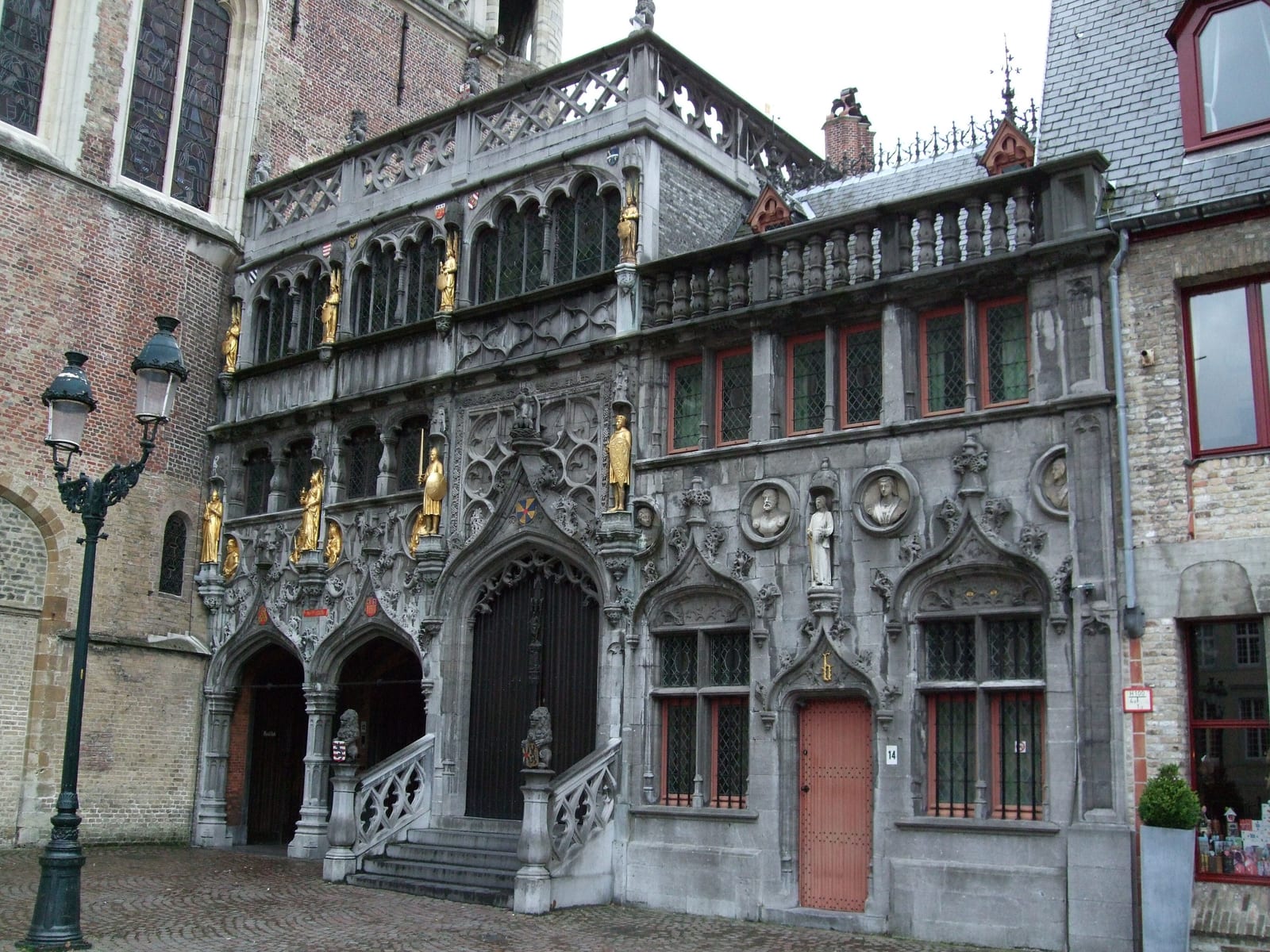
The Holy Blood of Bruges
A small phial of the Holy Blood of Christ — gathered at Calvary and translated from Constantinople by Count Thierry of Alsace after the Second Crusade — has been venerated at Bruges since 1150. Carried through the city in the annual Holy Blood Procession.
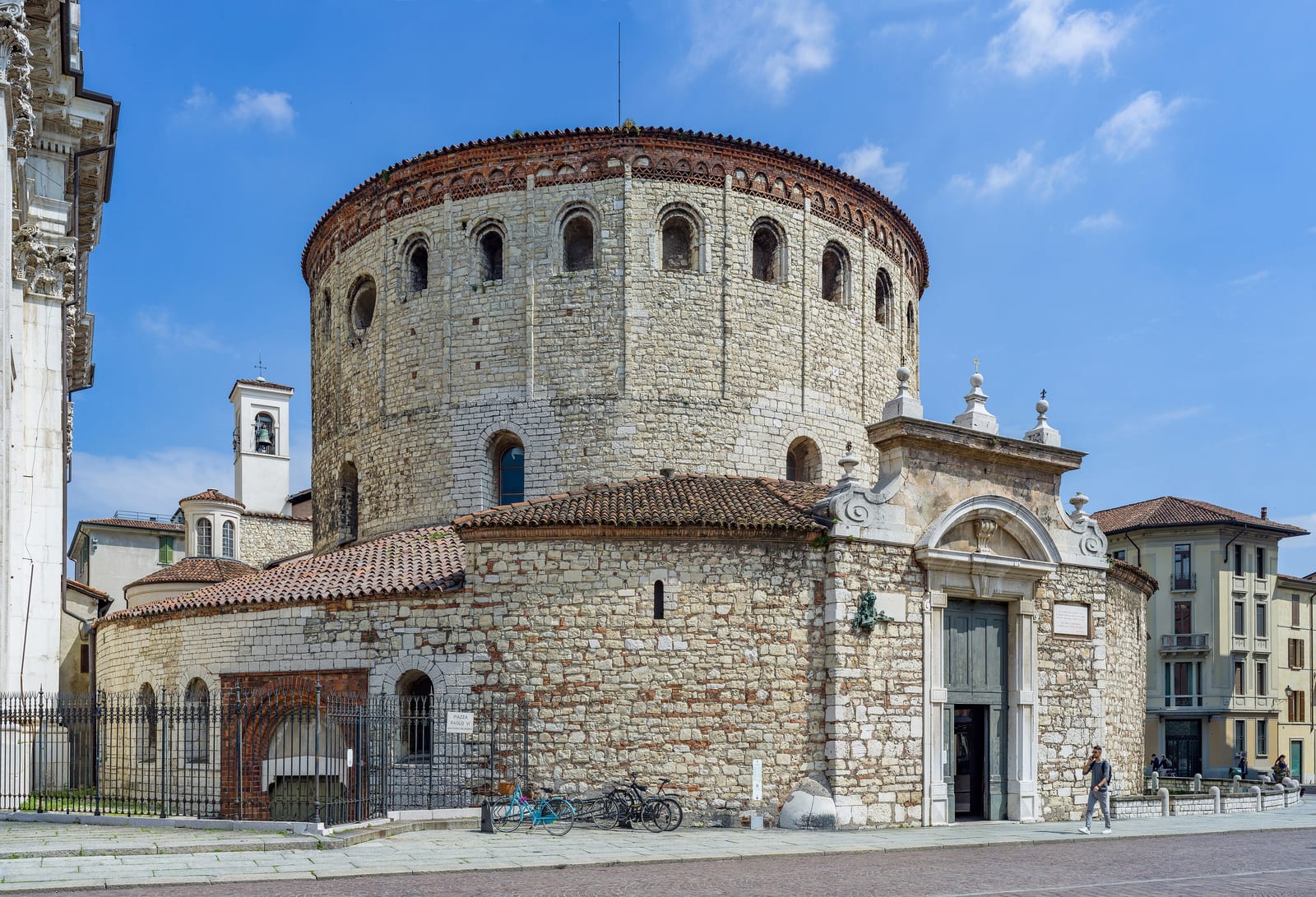
The Eucharistic Miracle of Brescia
A consecrated host stolen from the cathedral of Brescia was found pulsing with blood in the woods outside the city; the local population in procession returned it to the cathedral.
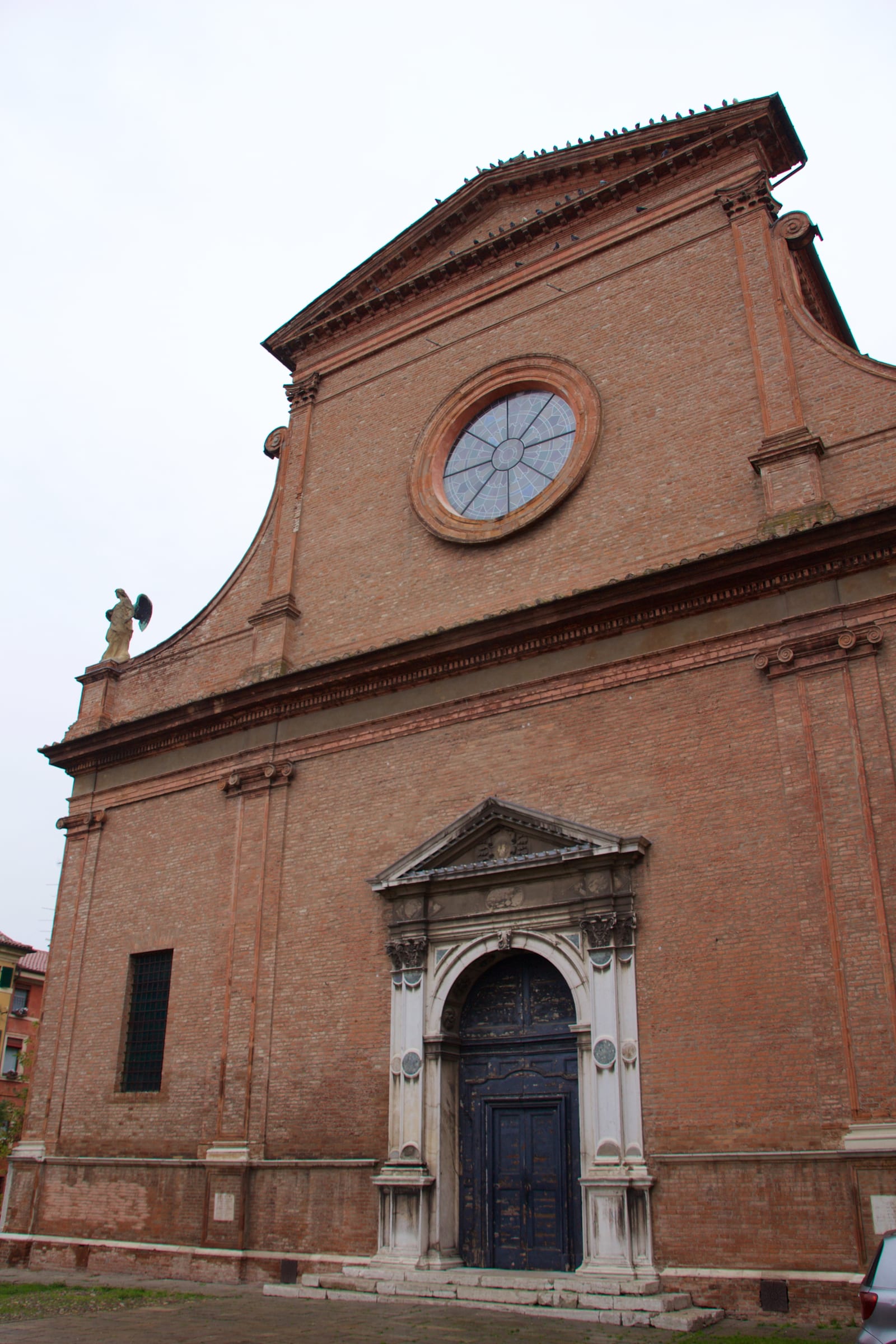
The Eucharistic Miracle of Ferrara
On Easter morning 1171, the Prior of the canons regular broke the consecrated host at the fraction rite — and blood spurted from it, staining the vault above the altar. The stain remains visible after 850 years.
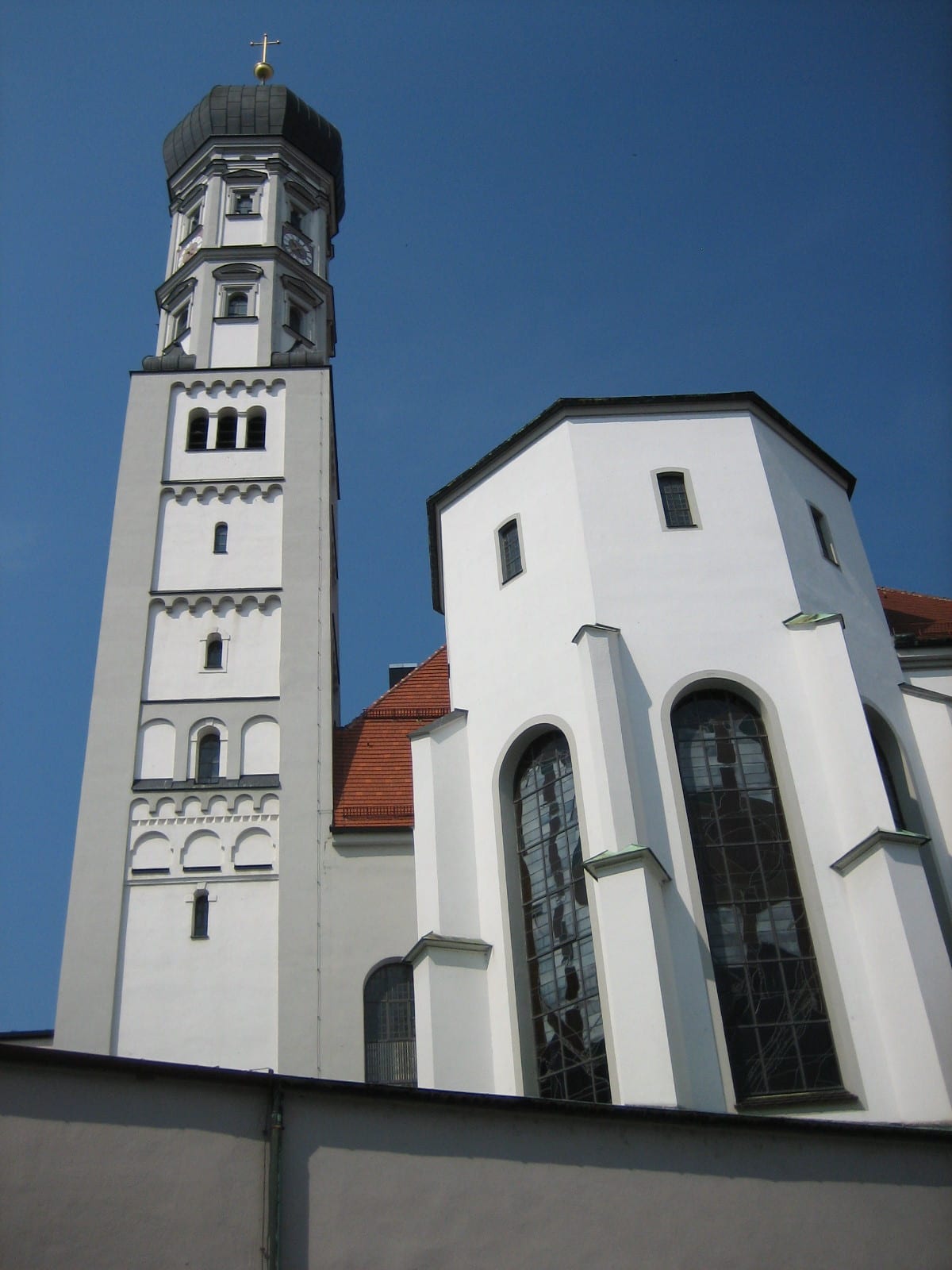
The Eucharistic Miracle of Augsburg
A woman of Augsburg secretly took a consecrated host from Communion and hid it in her home, sealed in wax, for five years. When she opened it in 1199, the host had transformed into two pieces of bleeding flesh joined by red sinews.
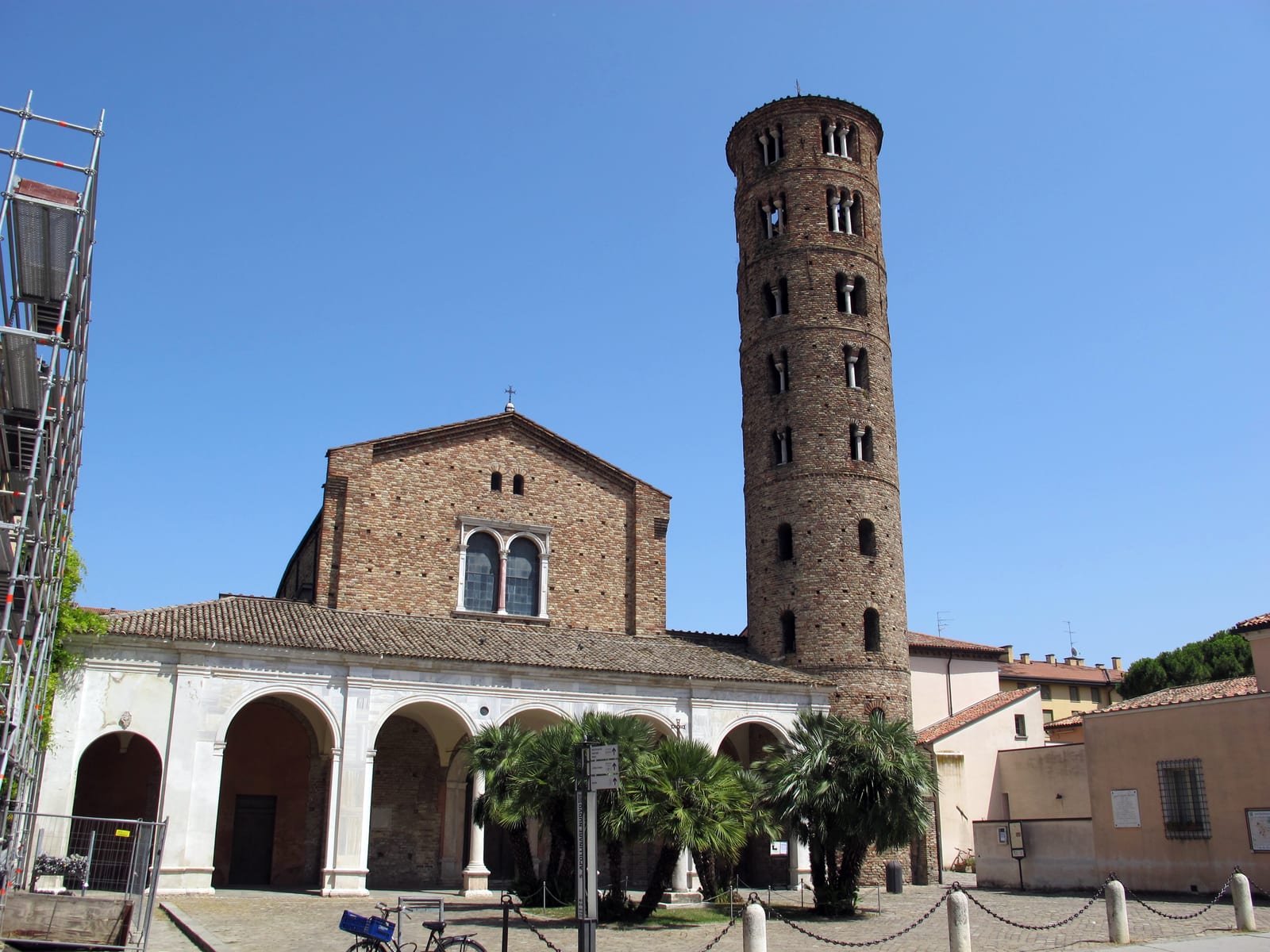
The Eucharistic Miracle of Ravenna
A consecrated host in the basilica of Sant'Apollinare was seen to bleed at the moment of consecration, staining the corporal in the presence of the celebrant and his deacons.
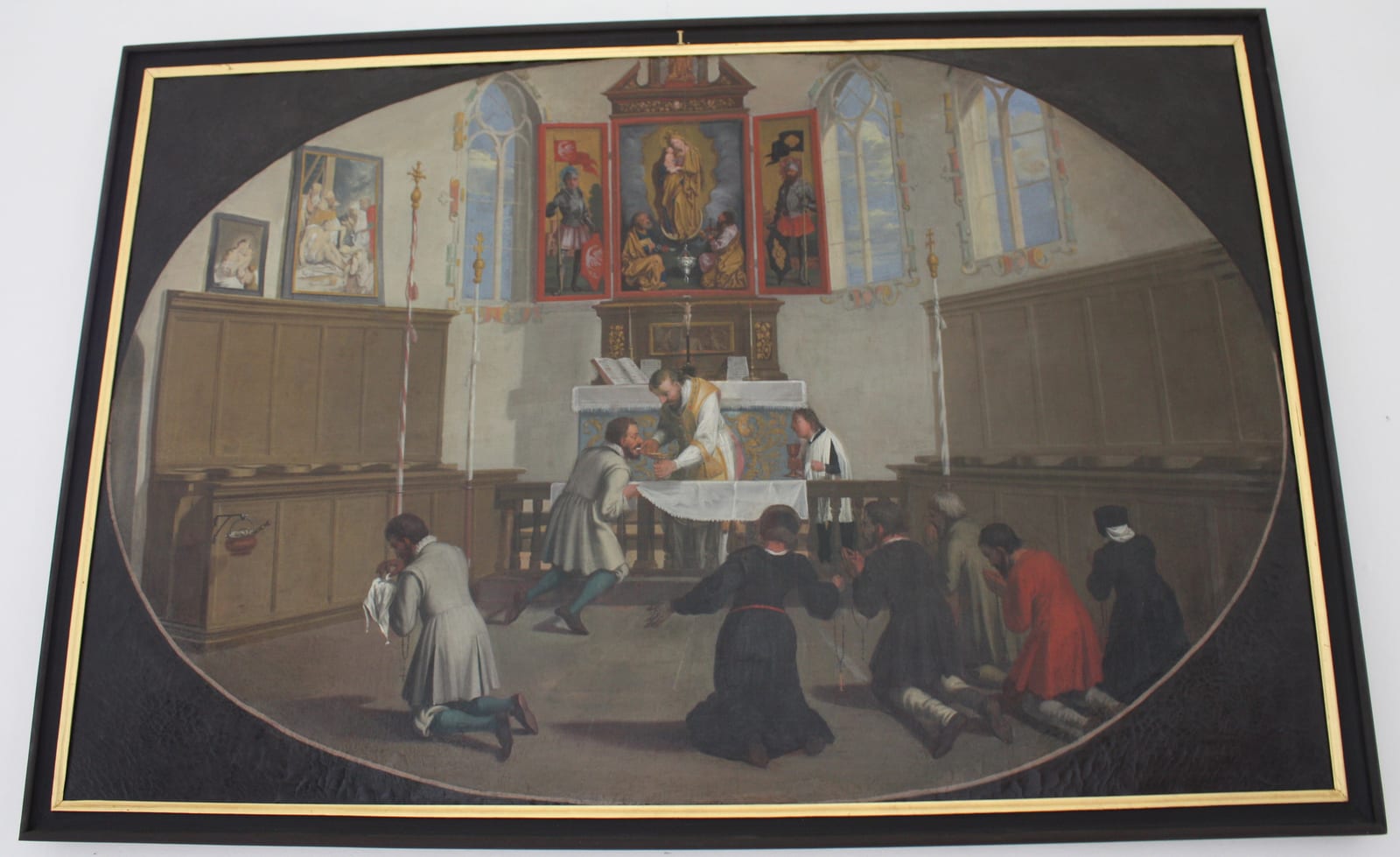
The Eucharistic Miracle of Benningen
A consecrated host carried by an unworthy priest of Benningen escaped from the corporal and was found suspended above the road, refusing to be picked up until a worthy priest was sent for.
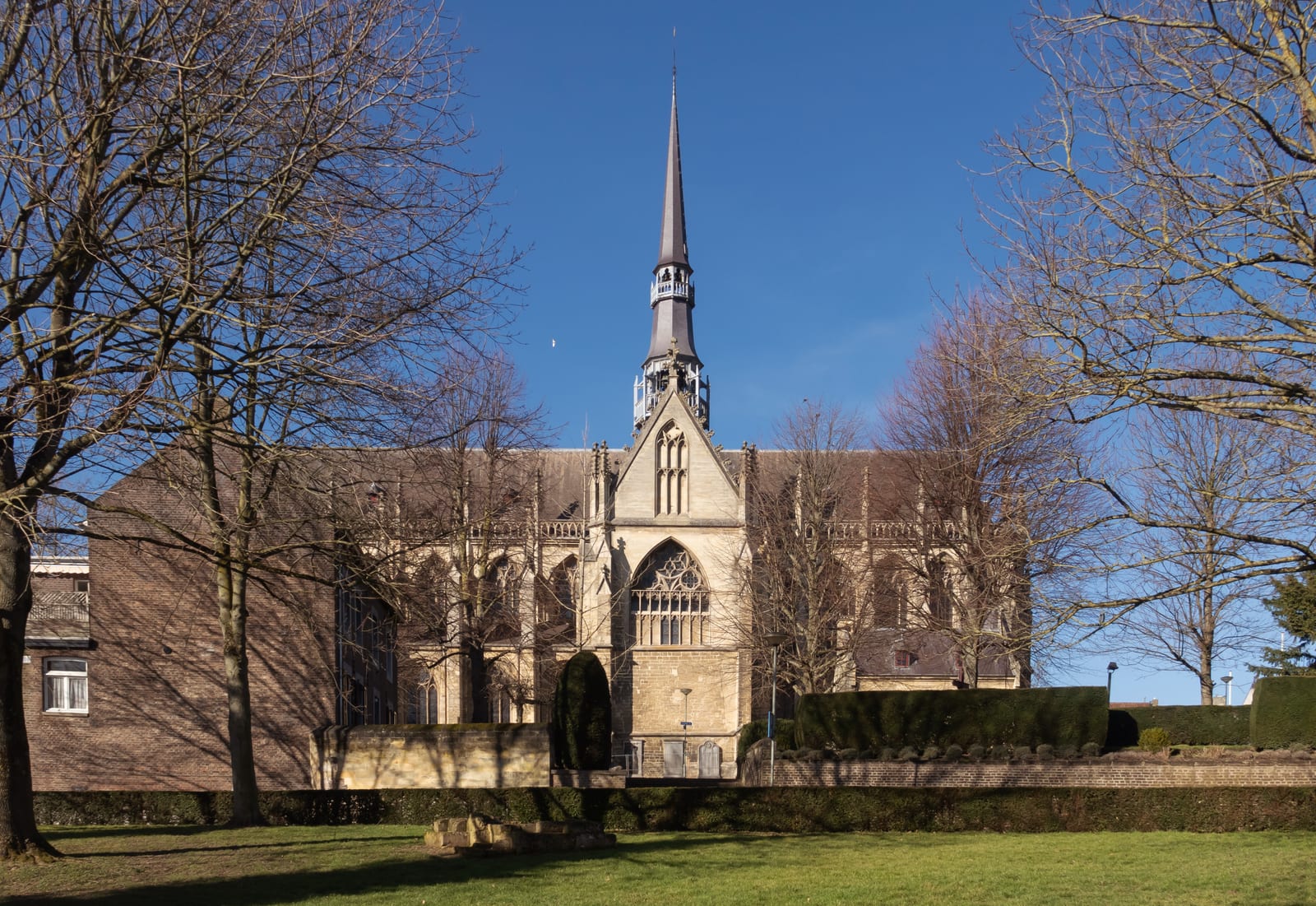
The Eucharistic Miracle of Meerssen
Two distinct Eucharistic miracles at Meerssen: in 1222 a celebrant saw the consecrated host bleed onto the corporal; in 1465 the church burned to the ground but the host within the tabernacle was found unharmed.
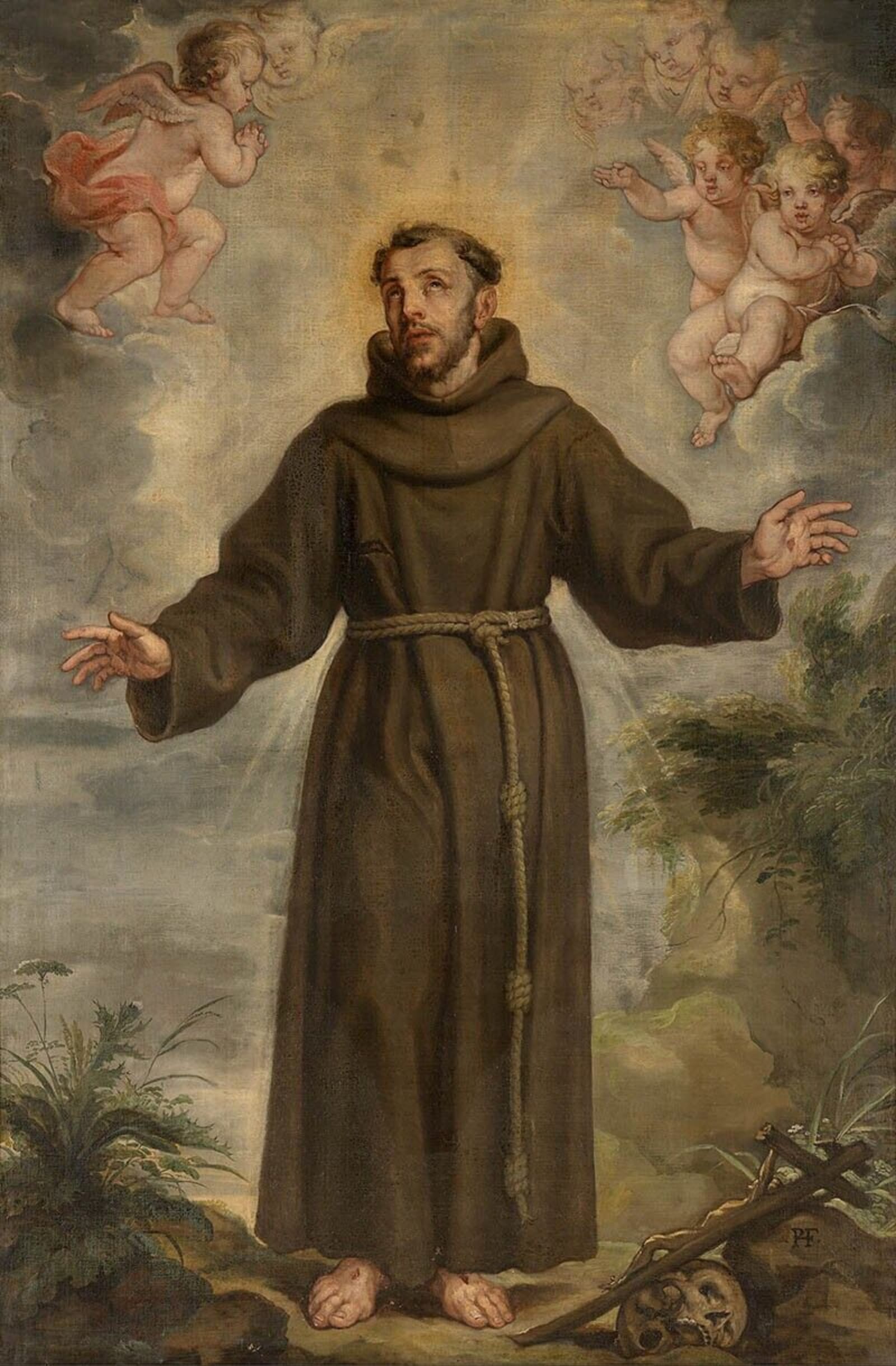
The Eucharistic Miracle of Folloni di Montella
During a fierce snowstorm in Montella in 1224, St. Francis of Assisi prayed for bread to feed his starving friars; an angel knocked at the door of the convent and delivered loaves miraculously preserved for centuries afterward.
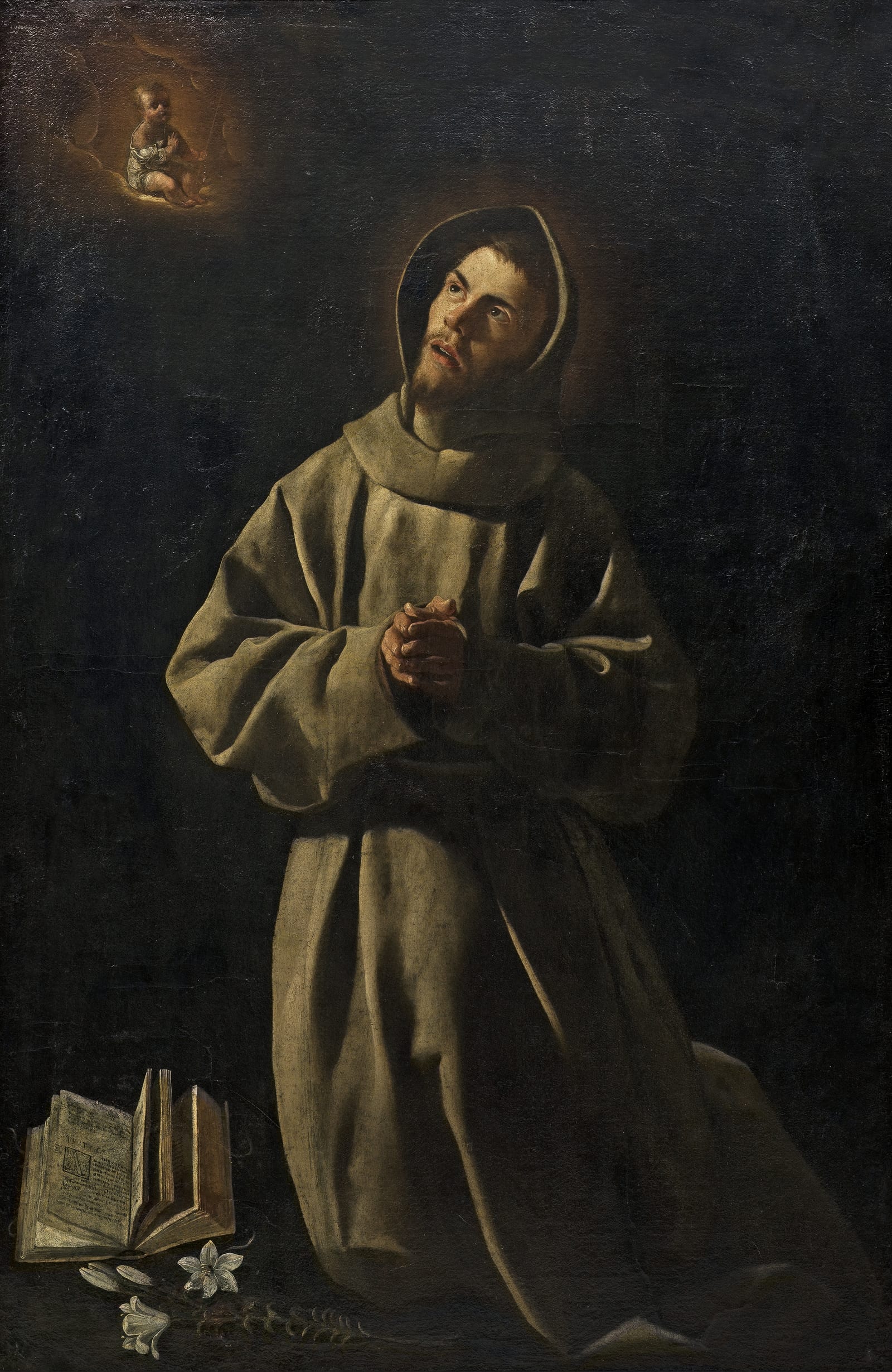
The Mule of Rimini (St. Anthony's Eucharistic Sign)
Challenged by a heretic to prove the Real Presence, St. Anthony of Padua proposed that a starving mule be brought before both the consecrated host and a measure of oats. The mule passed the oats and knelt before the host.
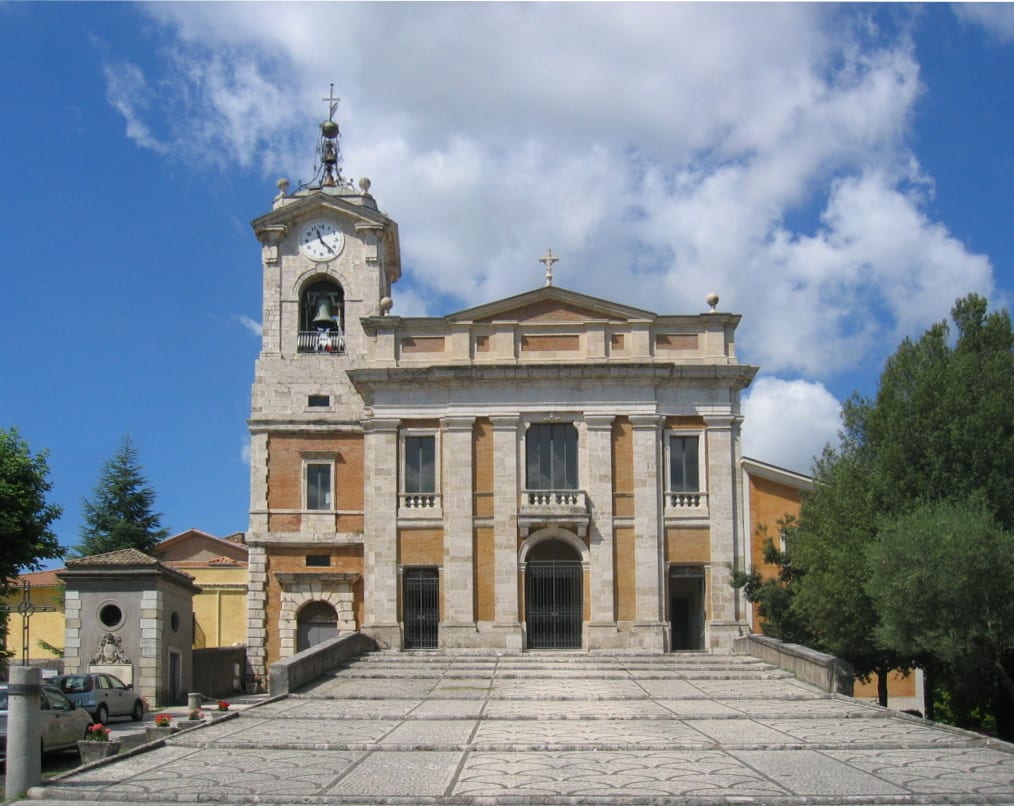
The Eucharistic Miracle of Alatri
A young Alatrian woman, advised by a sorceress to win a man's love, stole a consecrated host. Hidden in cloth, it turned to bleeding flesh. Pope Gregory IX confirmed the relic the same year.
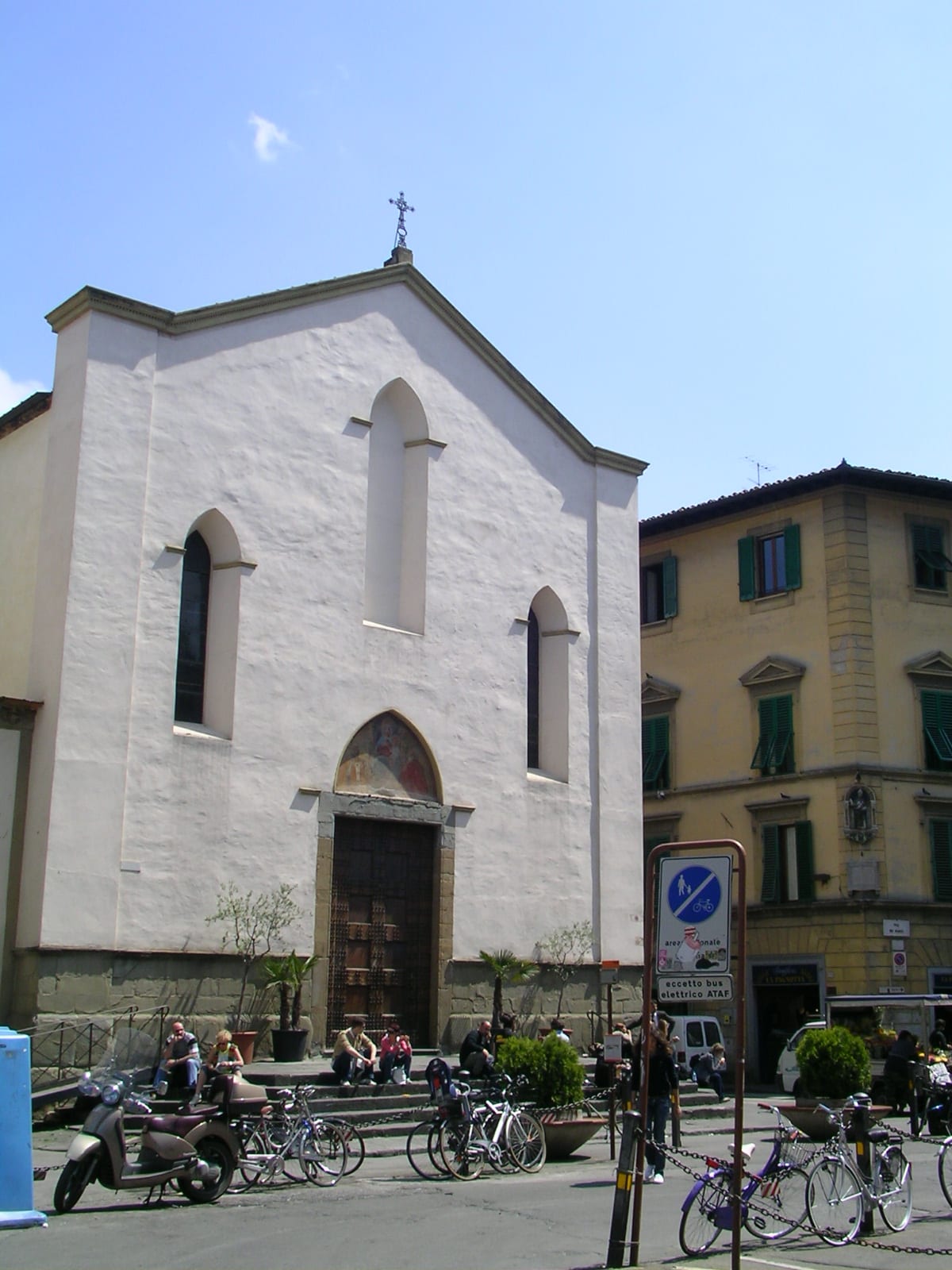
The Eucharistic Miracle of Florence (1230)
After Mass at the church of Sant'Ambrogio in Florence, a priest finished purifying the chalice — only to find, hours later, that drops of consecrated wine had transformed into a clot of fresh blood.
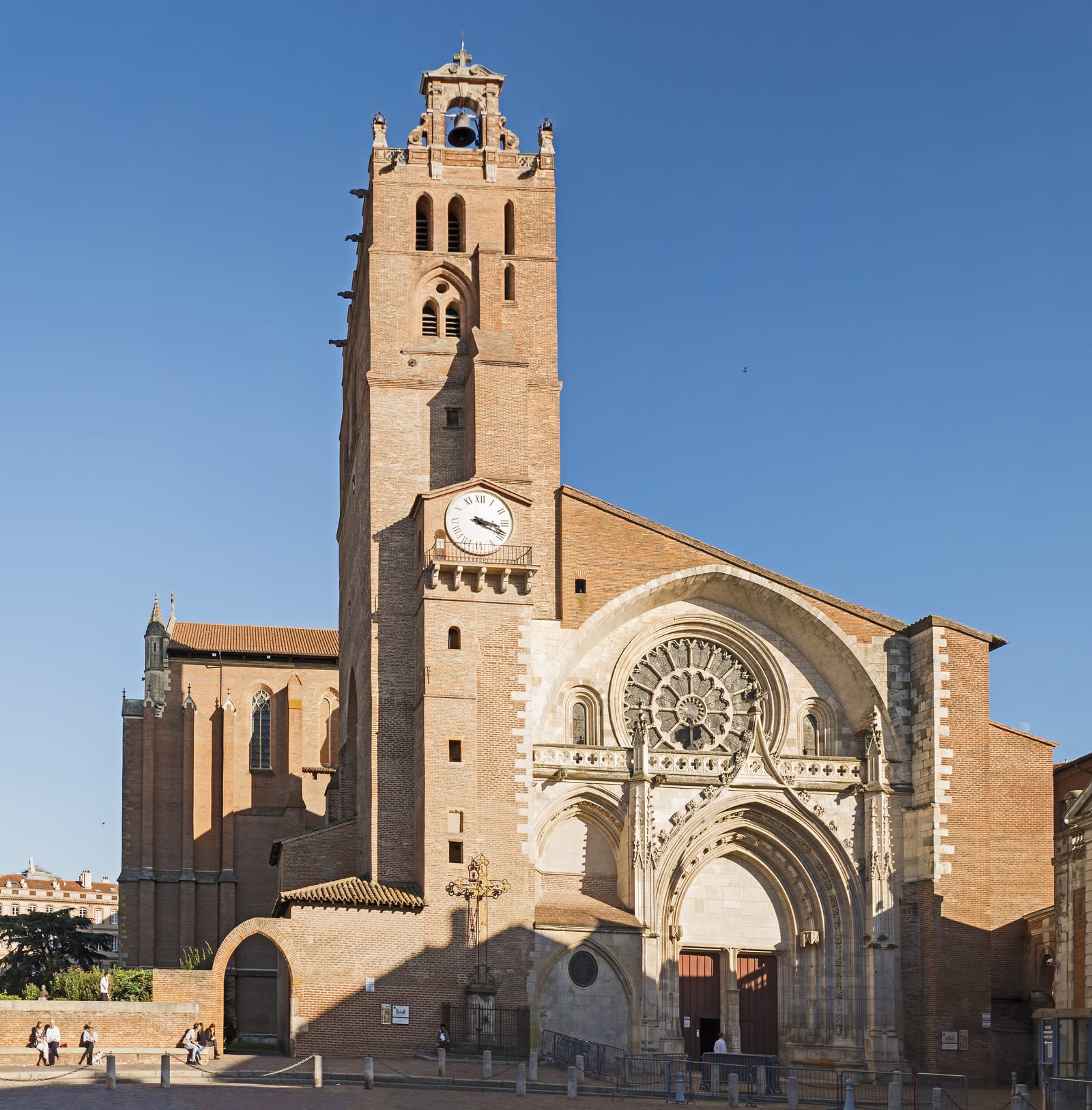
The Eucharistic Miracle of Toulouse
In Toulouse, the centre of the Cathar (Albigensian) heresy denying the Real Presence, a 13th-century Eucharistic phenomenon — a consecrated host that bled visibly during a Dominican preaching mission — was instrumental in the conversion of heretics.
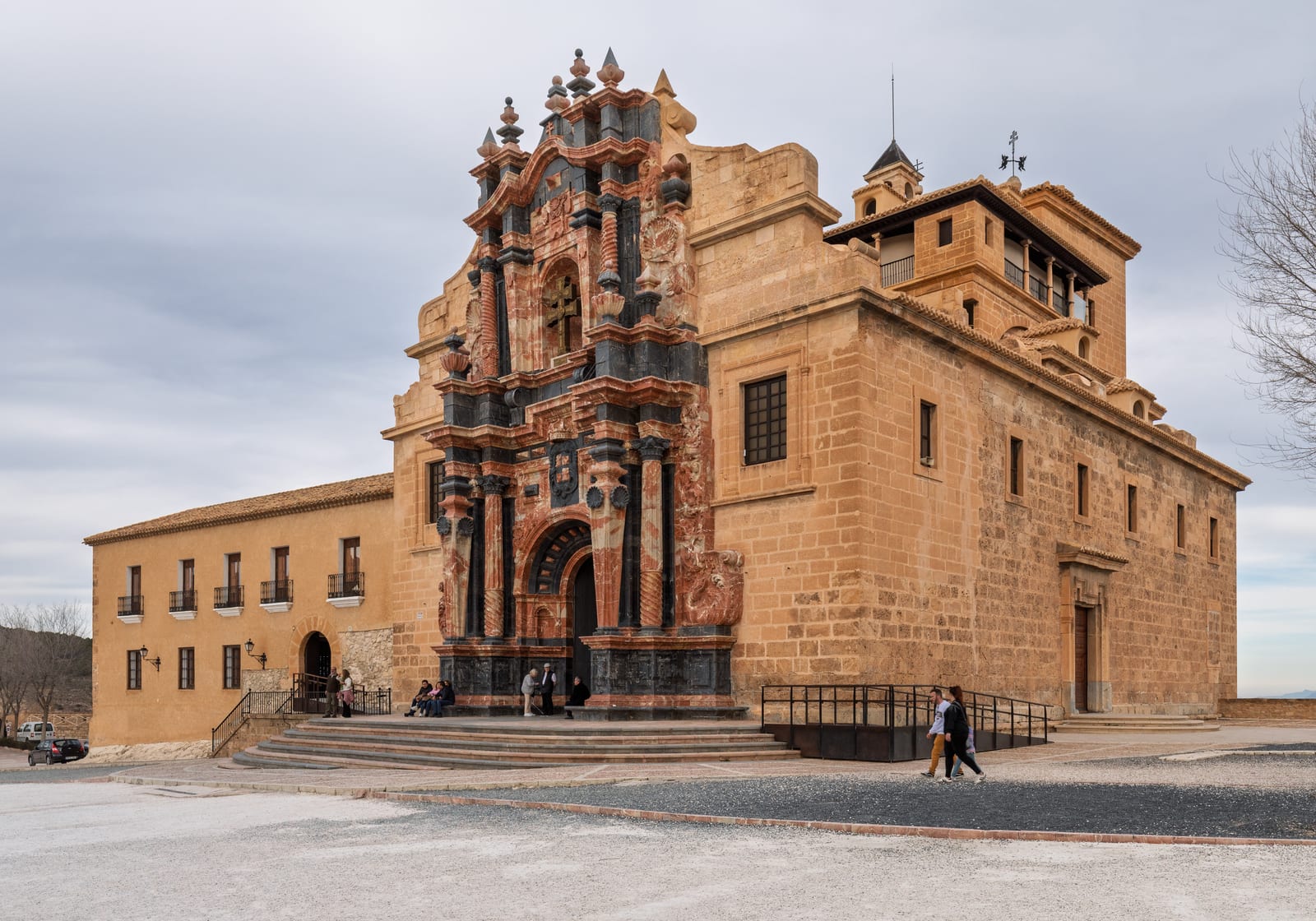
The Eucharistic Miracle of Caravaca de la Cruz
Imprisoned by Moors, the Christian priest Ginés Pérez Chirinos was about to celebrate a long-denied Mass when two angels brought him a fragment of the True Cross — converting the Moorish king Ceyt-Abuceyt on the spot.
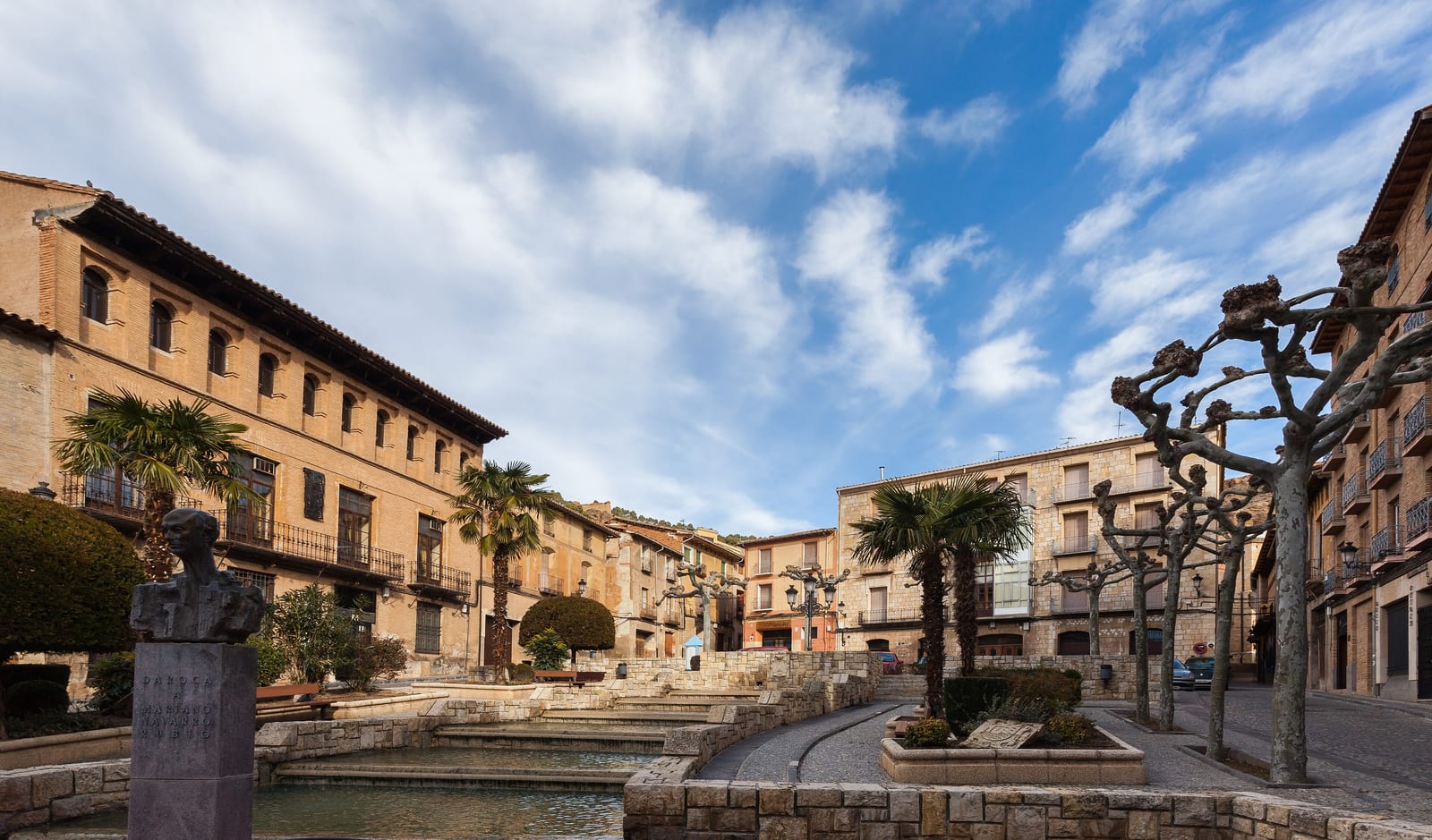
The Corporals of Daroca
During the Reconquista, six consecrated hosts hidden in a linen cloth beneath an altar stone at Luchente were stained with blood when a Moorish raid surprised the Christians. The bloodied corporal, carried to Daroca on a wandering mule that refused all stops, became one of medieval Spain's great relics.
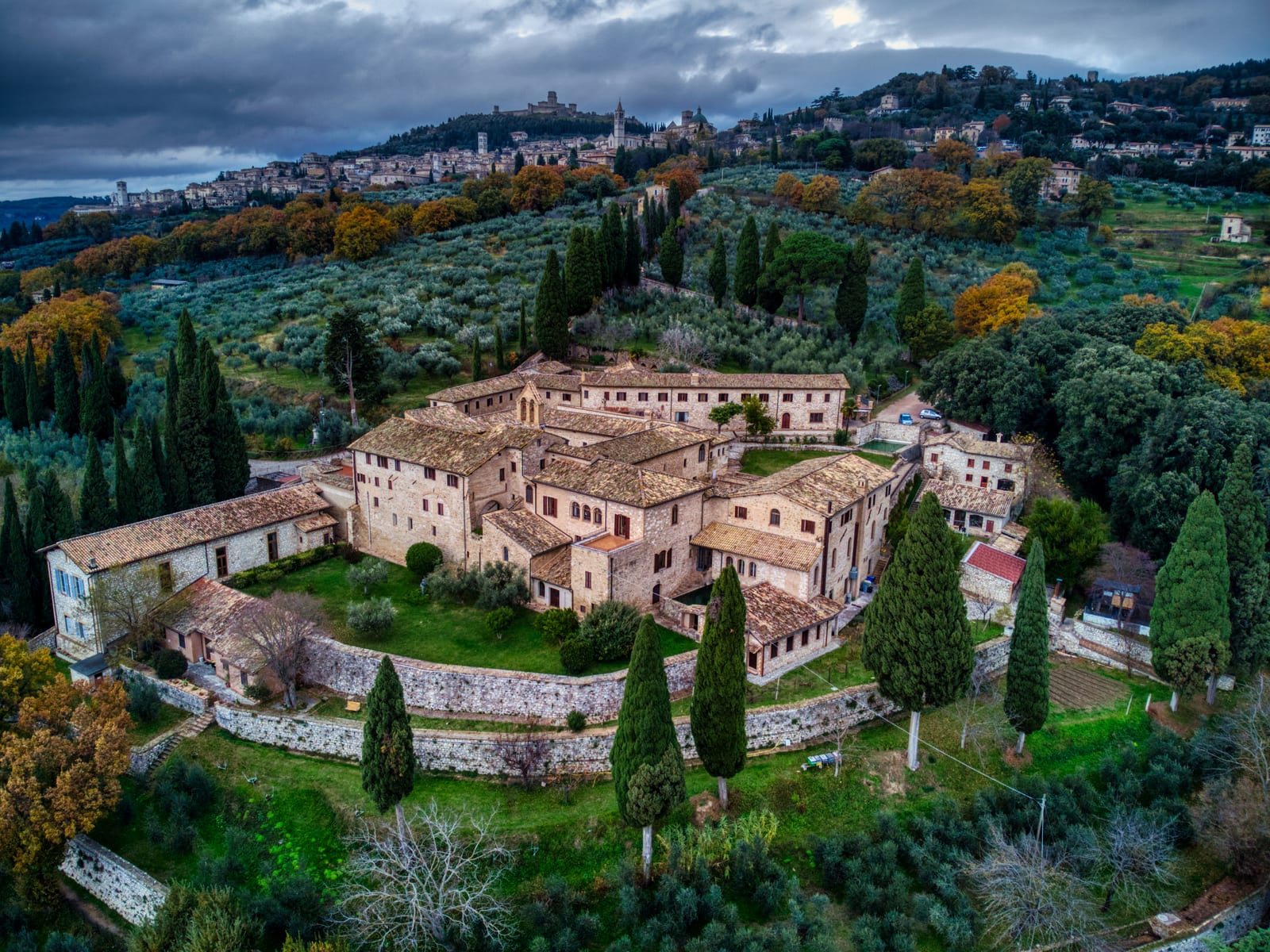
St. Clare and the Saracens at San Damiano
When Saracen troops in the pay of Emperor Frederick II broke into the cloister of San Damiano in September 1240, the sick St. Clare had the Blessed Sacrament carried to the door and prayed before it; a voice from the pyx promised protection and the soldiers fled back over the walls.
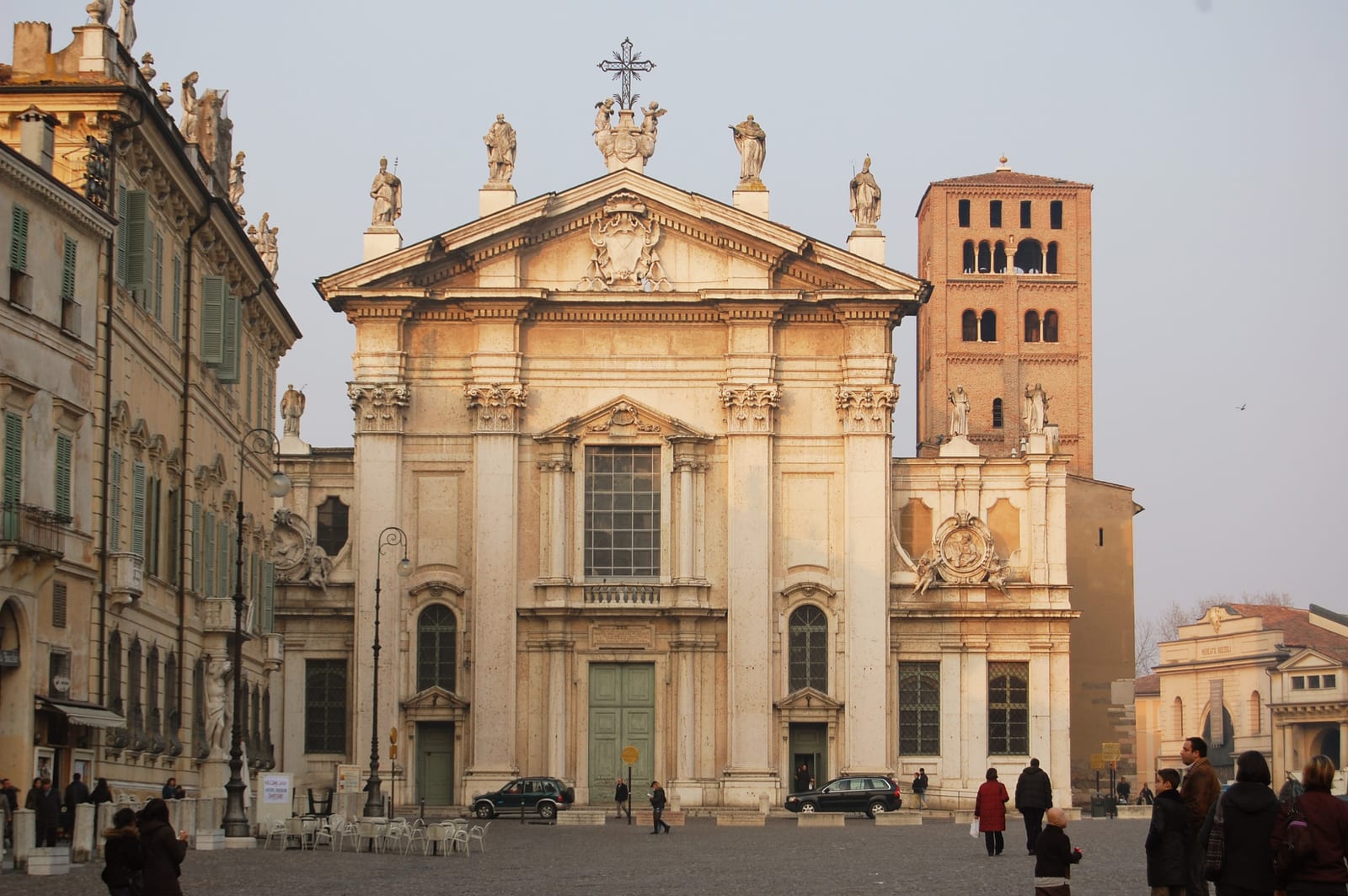
The Eucharistic Miracle of Porto-Mantovano
Three vials of blood escaping from a consecrated host on the feast of the Annunciation 1245 were preserved at the Cathedral of Mantua. The Pope-Emperor crown of Mantua remains associated with the relic.
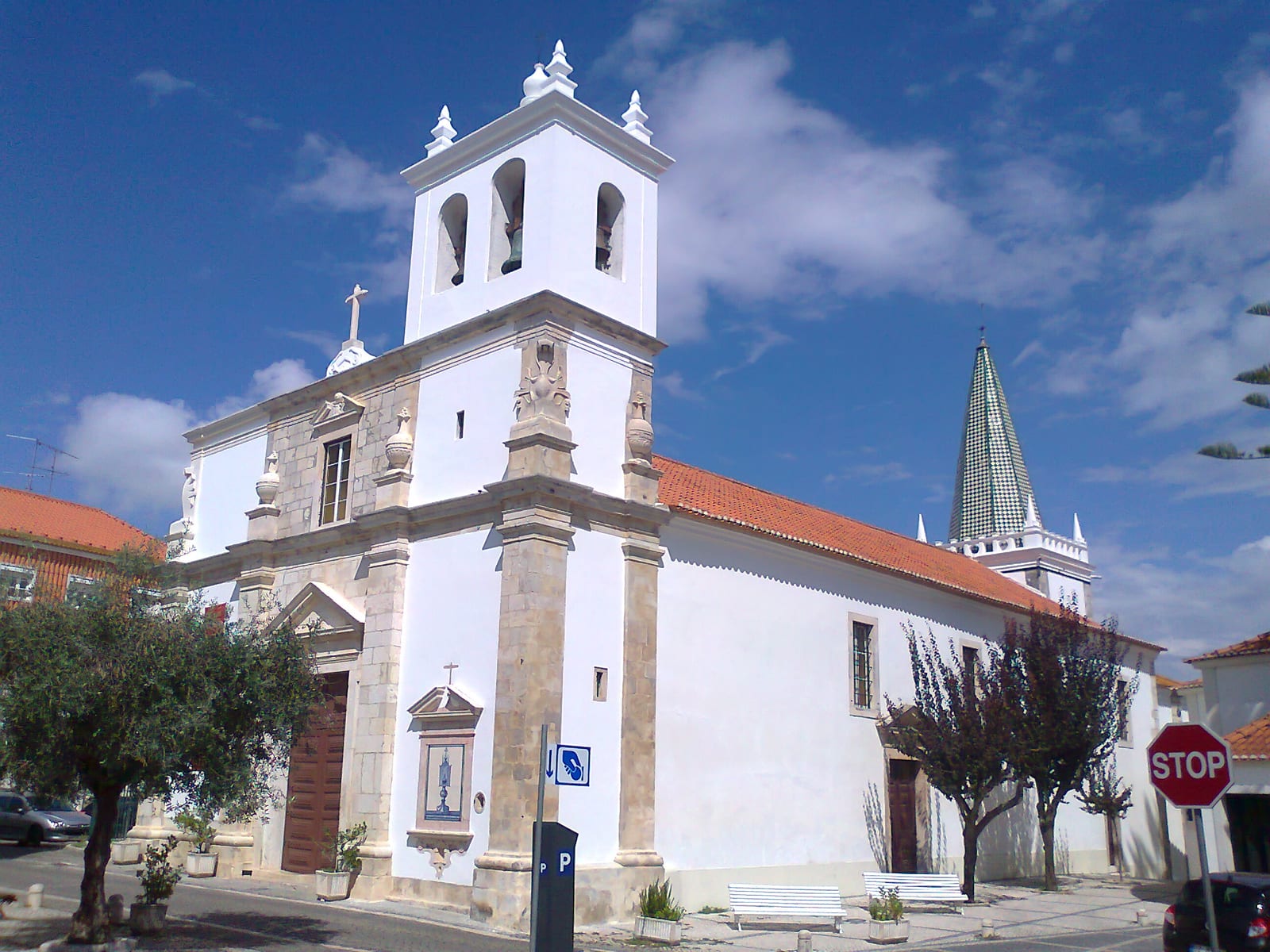
The Eucharistic Miracle of Santarém
A Portuguese woman who had stolen a consecrated host (intending to use it as a love-charm from a sorceress) found it bleeding through her cloth wrapping. The relic has been venerated in Santarém for over 750 years.
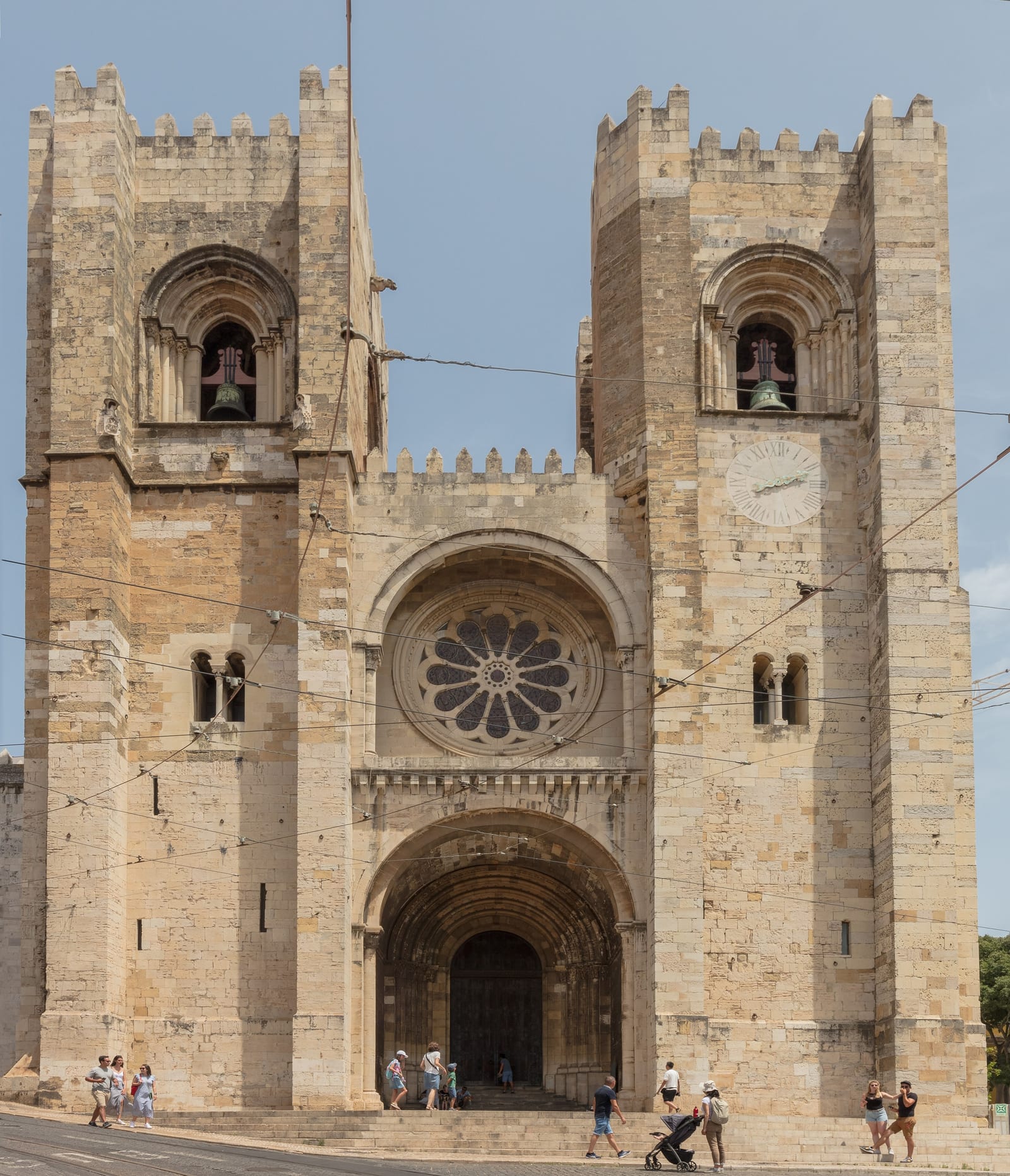
The Corpus Christi of Lisbon
The cult of Corpus Christi in Lisbon developed in parallel with the famous Santarém 1247 miracle, with multiple secondary phenomena recorded at the chapel of Corpo Santo in Lisbon's port quarter.
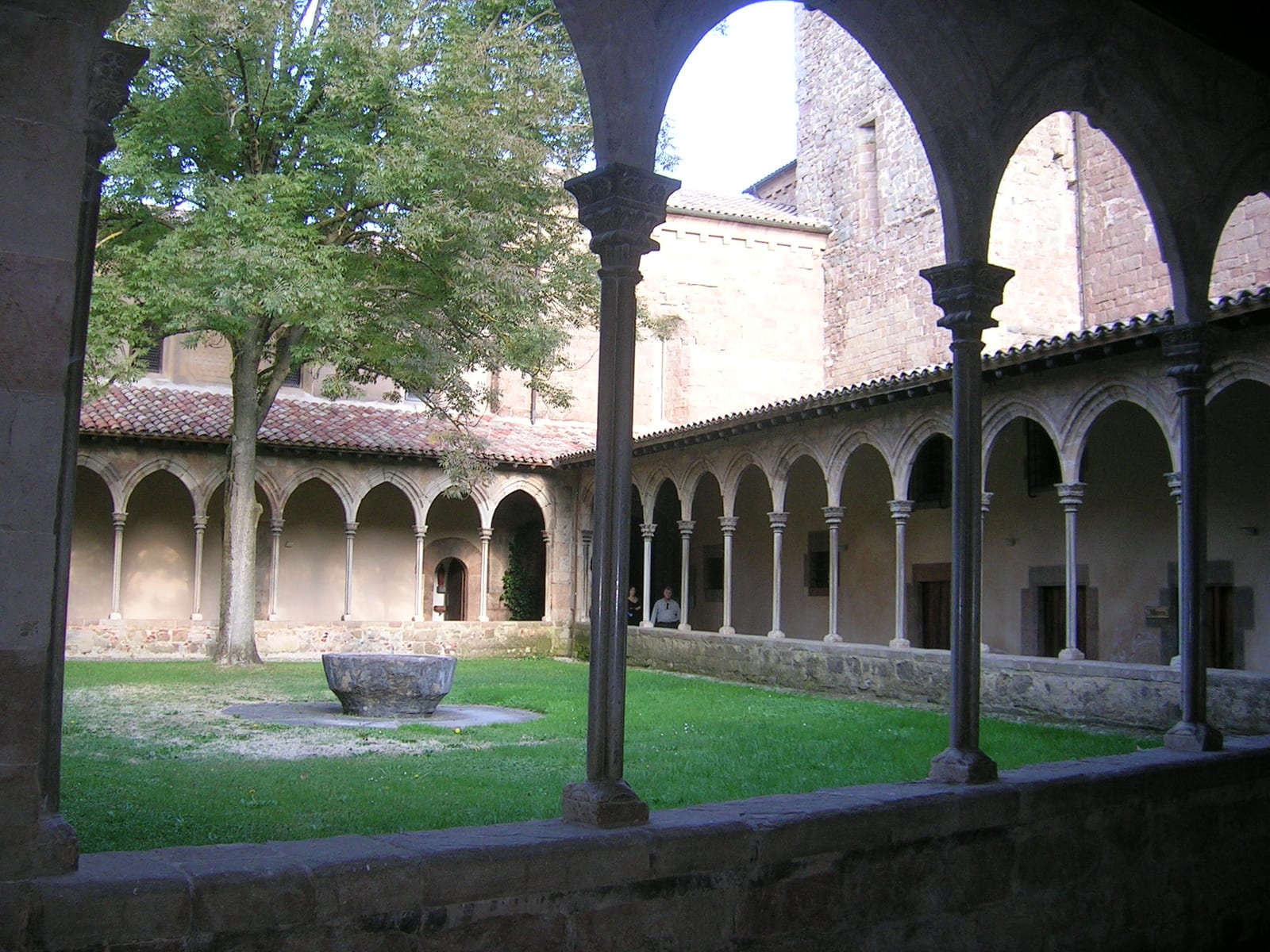
The Santíssim Misteri of San Juan de las Abadesas
A consecrated host placed within the forehead of a Romanesque sculpture of Christ at his Deposition in 1251 was rediscovered intact in 1428 — preserved without decay for 177 years.
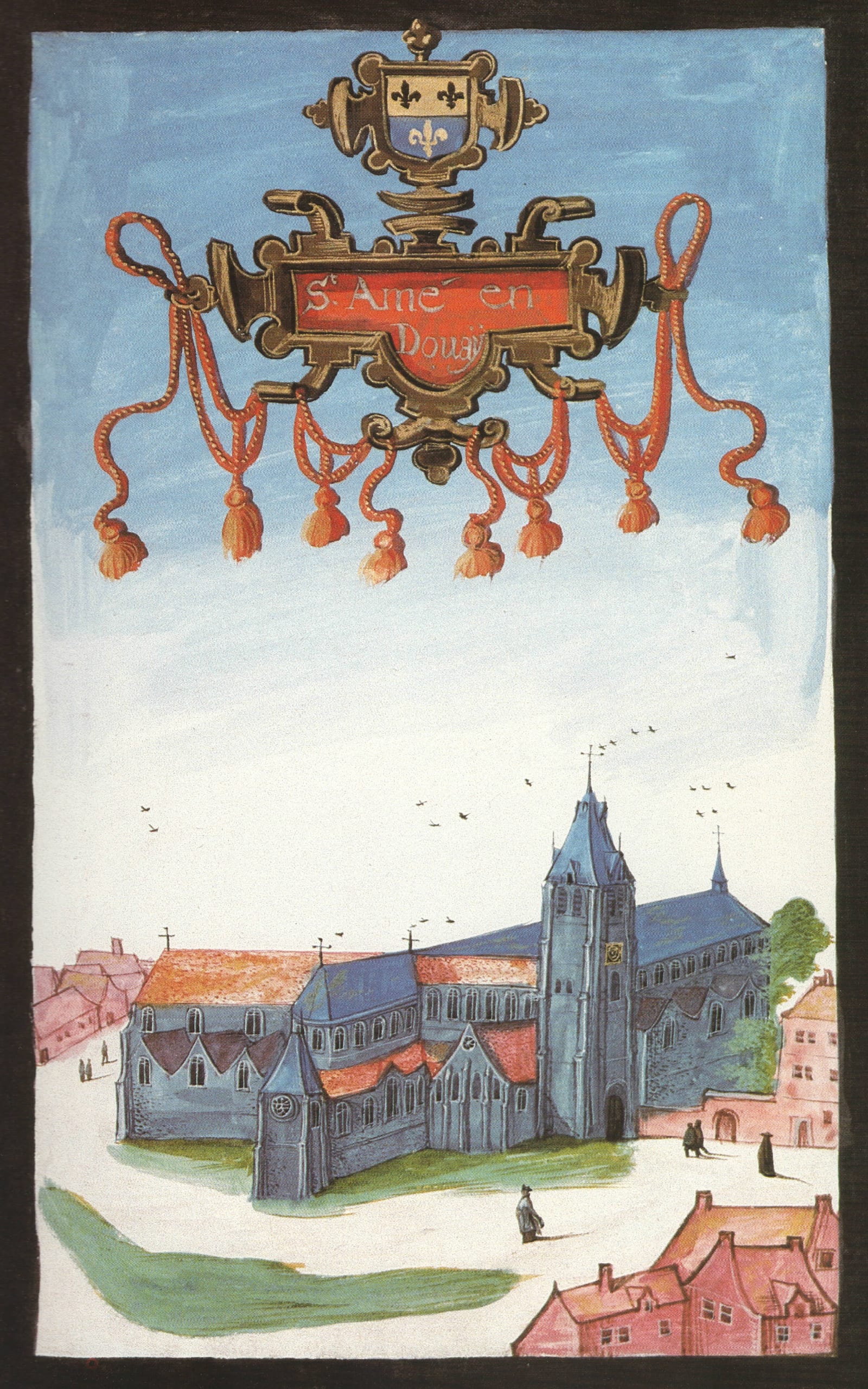
The Eucharistic Miracle of Douai
A consecrated host accidentally dropped at the rail of the Church of St. Amé in Douai was seen by the witnesses to transform into the face of the Christ Child as the priest knelt to recover it.
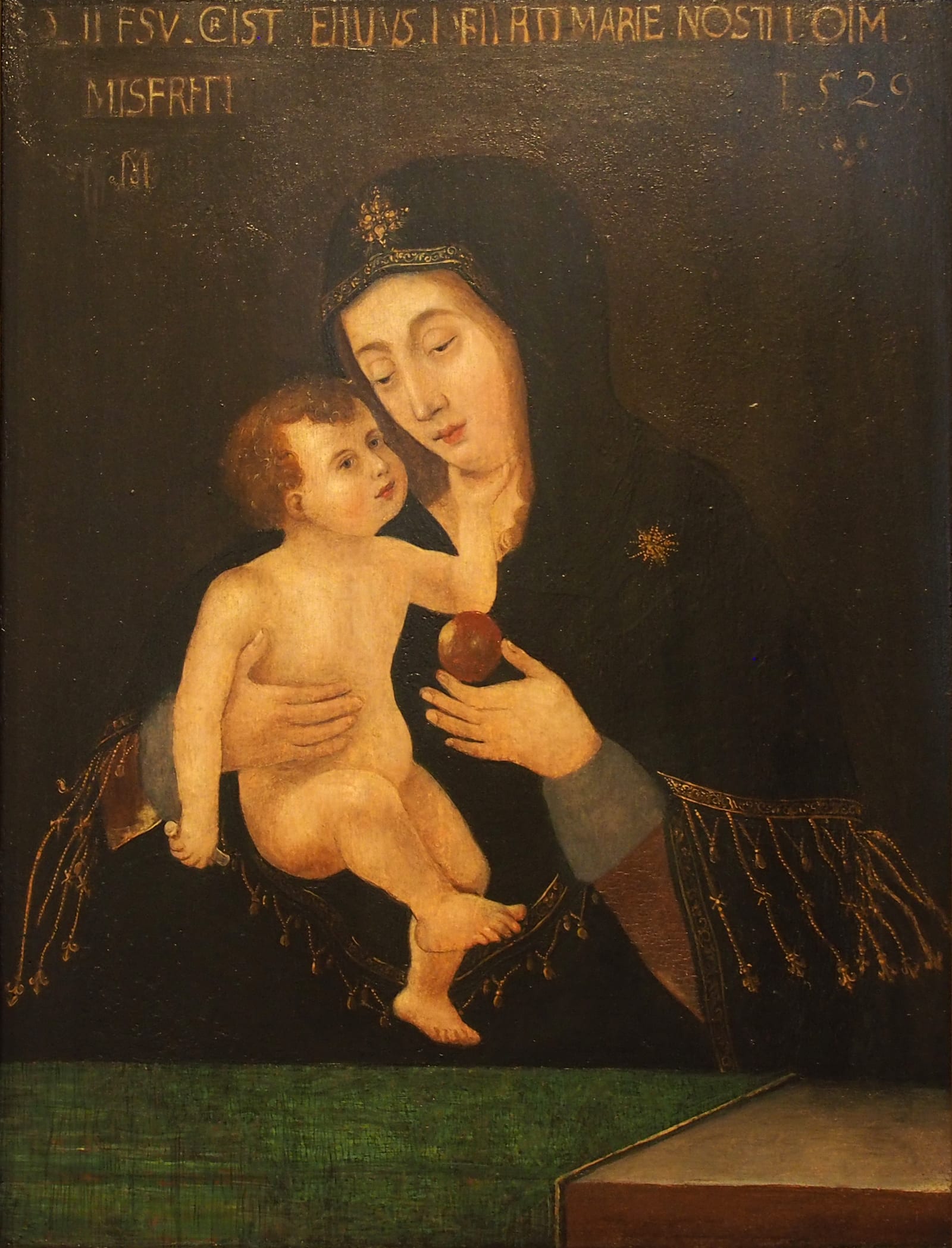
The Eucharistic Miracle of Regensburg
A consecrated host carried in procession through Regensburg in 1255 was seen to drip blood, marking the cobblestones of the street. The site was marked by the later church of the Schöne Maria.
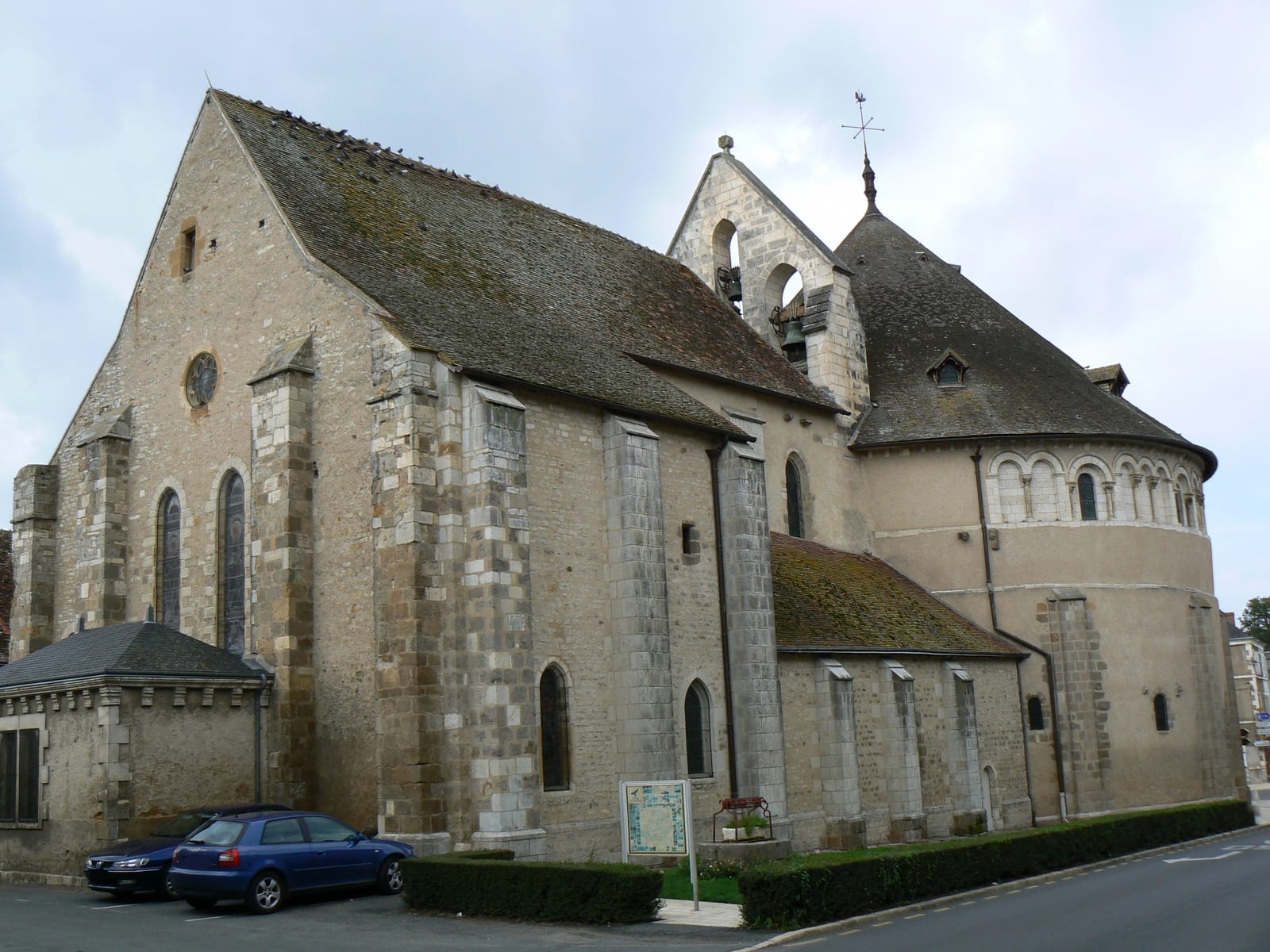
The Precious Blood of Neuvy-Saint-Sépulchre
Since 1257 a Romanesque copy of Jerusalem's Holy Sepulchre in the Berry has kept two coagulated drops venerated as the Blood of Christ, sent home from the Holy Land by Cardinal Eudes de Châteauroux; they are still carried in procession every Easter Monday.
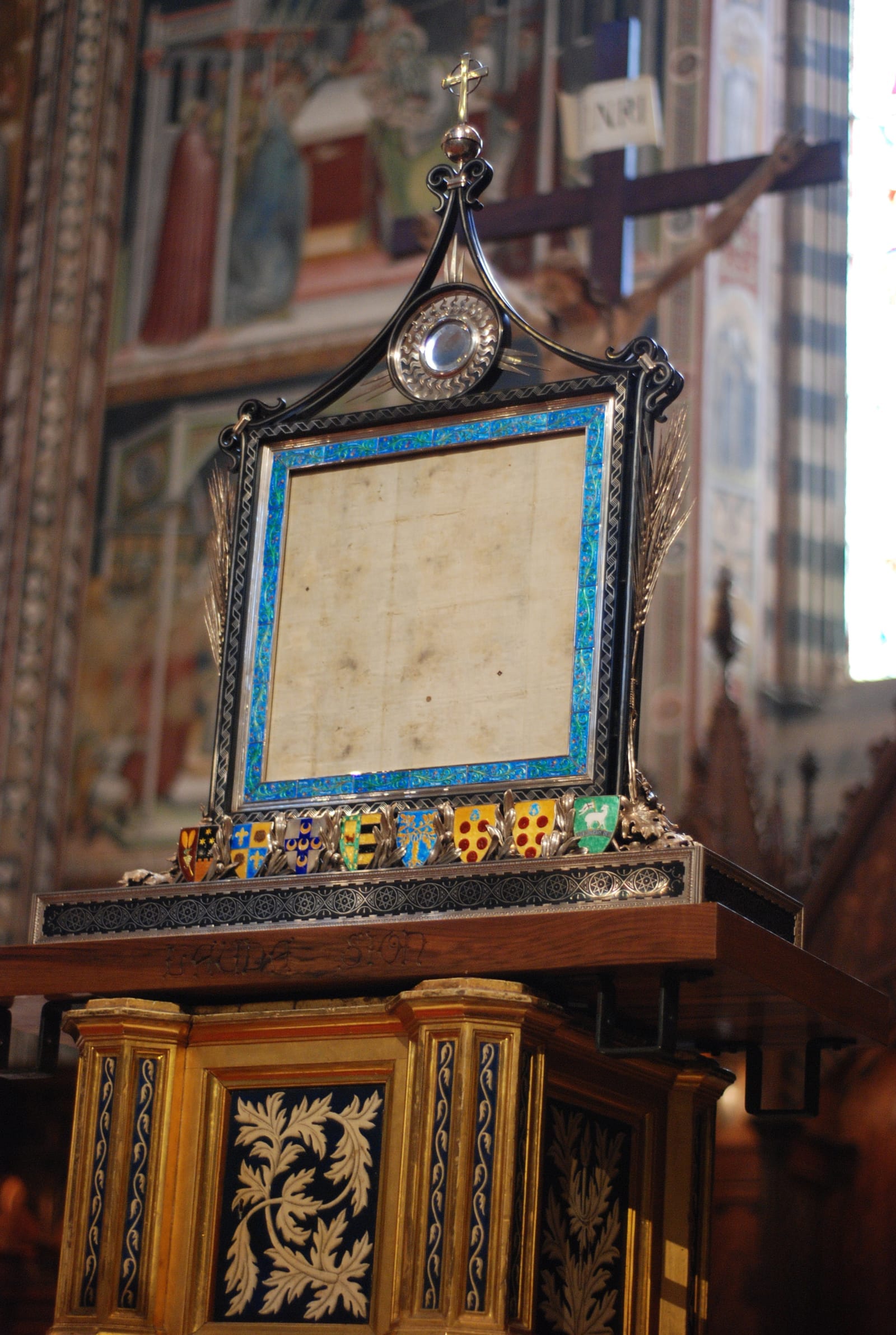
The Miracle of Bolsena–Orvieto
A German priest doubting the Real Presence saw the host bleed during Mass. The blood-stained corporal led Pope Urban IV to institute the feast of Corpus Christi.
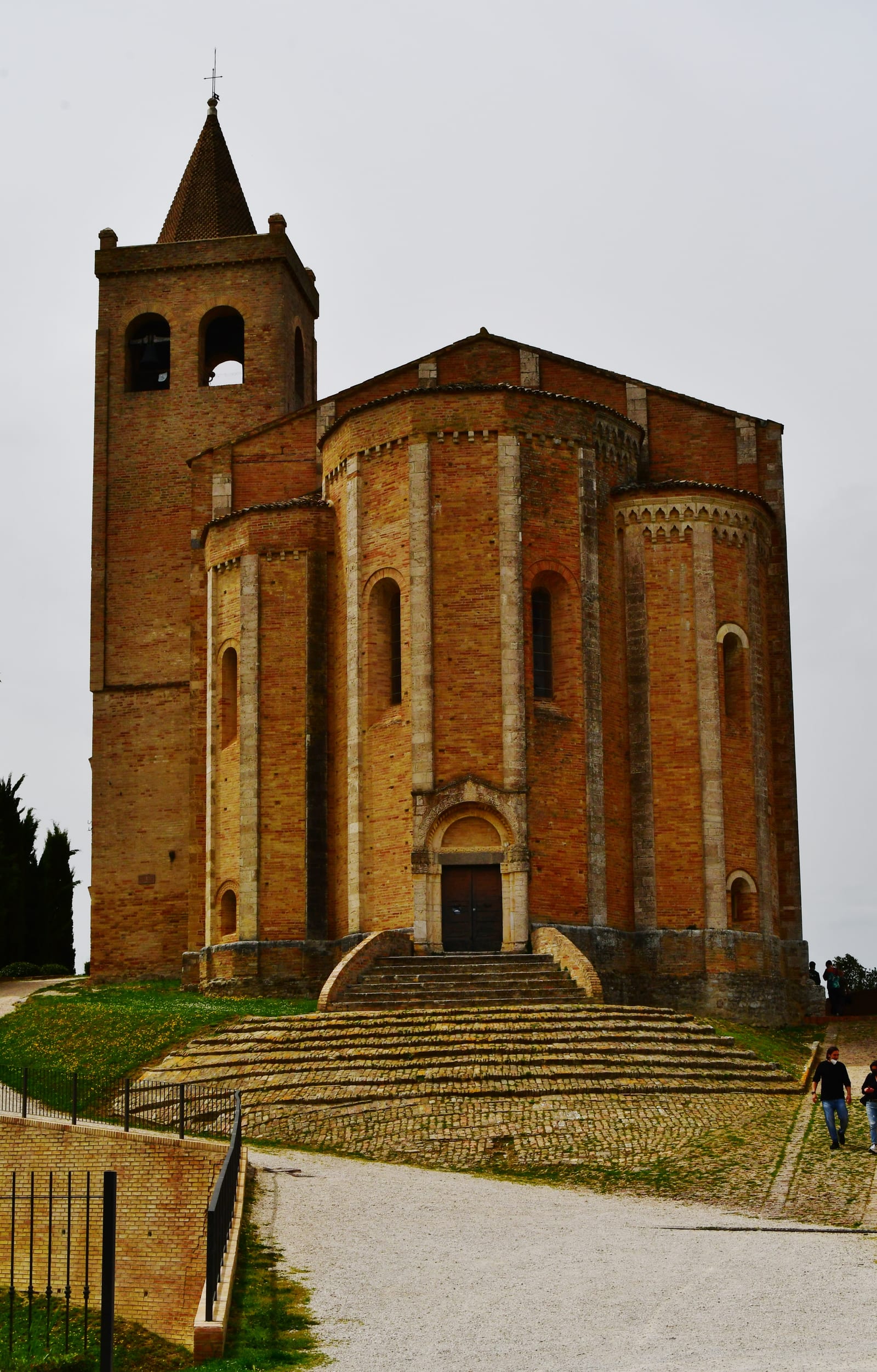
The Eucharistic Miracle of Offida
A woman of Offida sought a sorcerer to win back her husband's affection. The sorcerer told her to roast a consecrated host in an eggshell. As she tried, the host turned to bleeding flesh; in remorse she buried it. Years later the relic was found incorrupt.
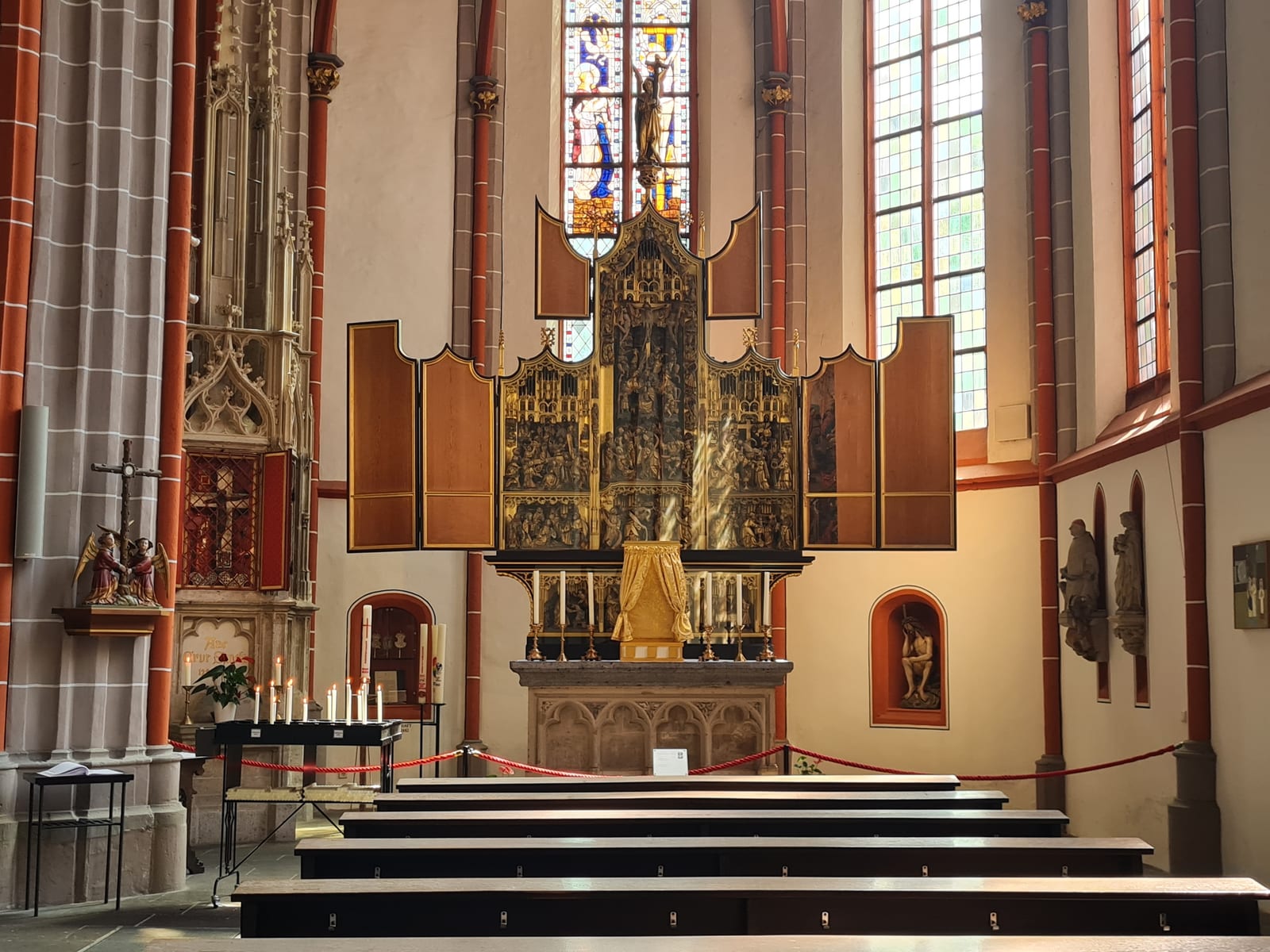
The Eucharistic Miracle of Kranenburg
A peasant of Kranenburg who hid a consecrated host in a tree found, years later, that the tree had grown around the host in the form of a crucifix.
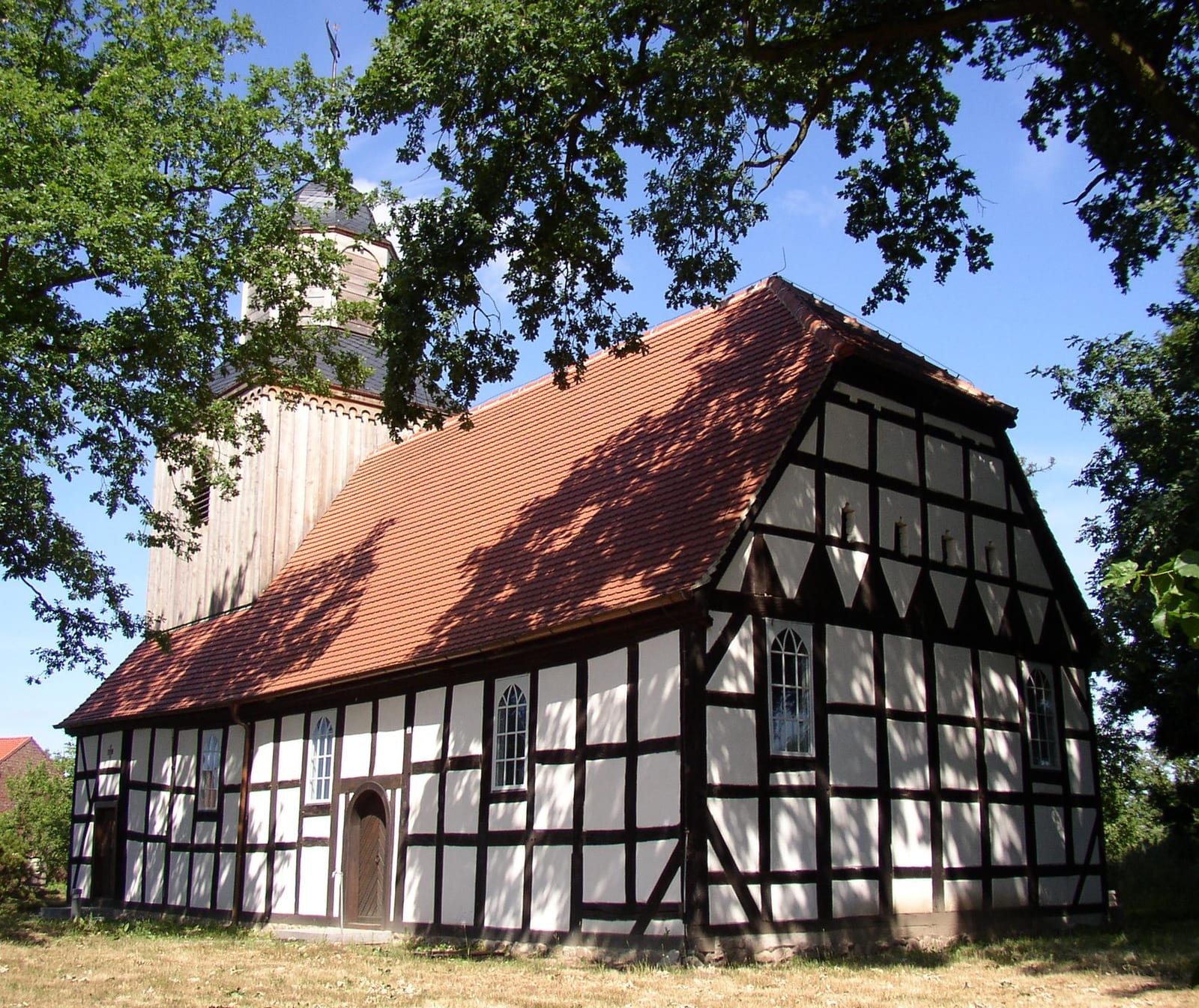
The Eucharistic Miracle of Heiligengrabe
A consecrated host stolen and buried beneath a tree in the marshes of the Brandenburg countryside was found bleeding when the soil over it cracked and opened of itself.
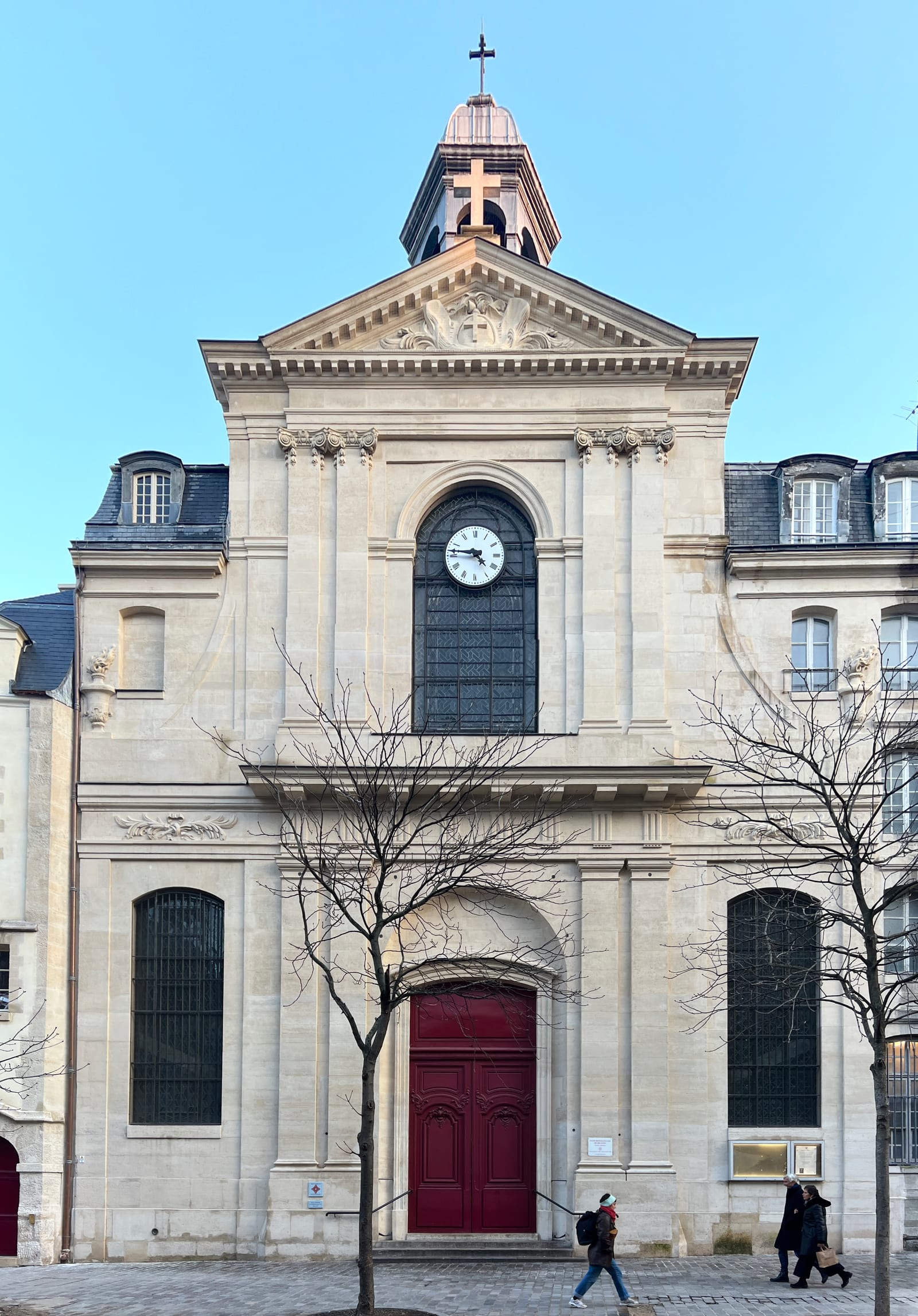
The Eucharistic Miracle of Paris (Les Billettes)
A consecrated host received from a desperate borrower by a Paris moneylender, who pierced it with a knife in a sacrilegious test, gave forth blood. The church des Billettes was built on the site of the moneylender's house.
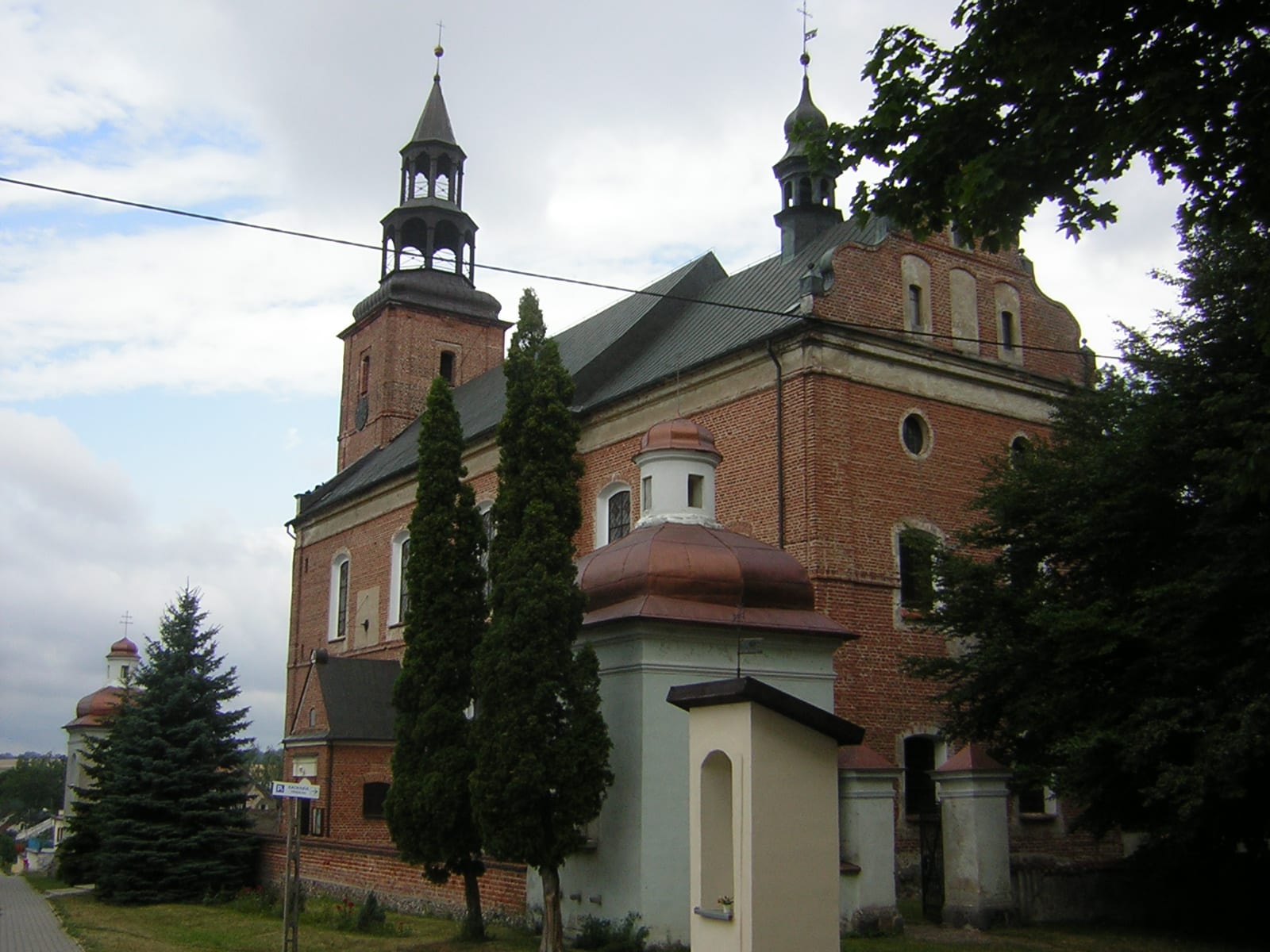
The Eucharistic Miracle of Glotowo
A consecrated host stolen and abandoned in a Polish field in 1290 was found by a peasant a year later, untouched by frost, snow, or animals, surrounded by an unwithered green circle of grass in midwinter.
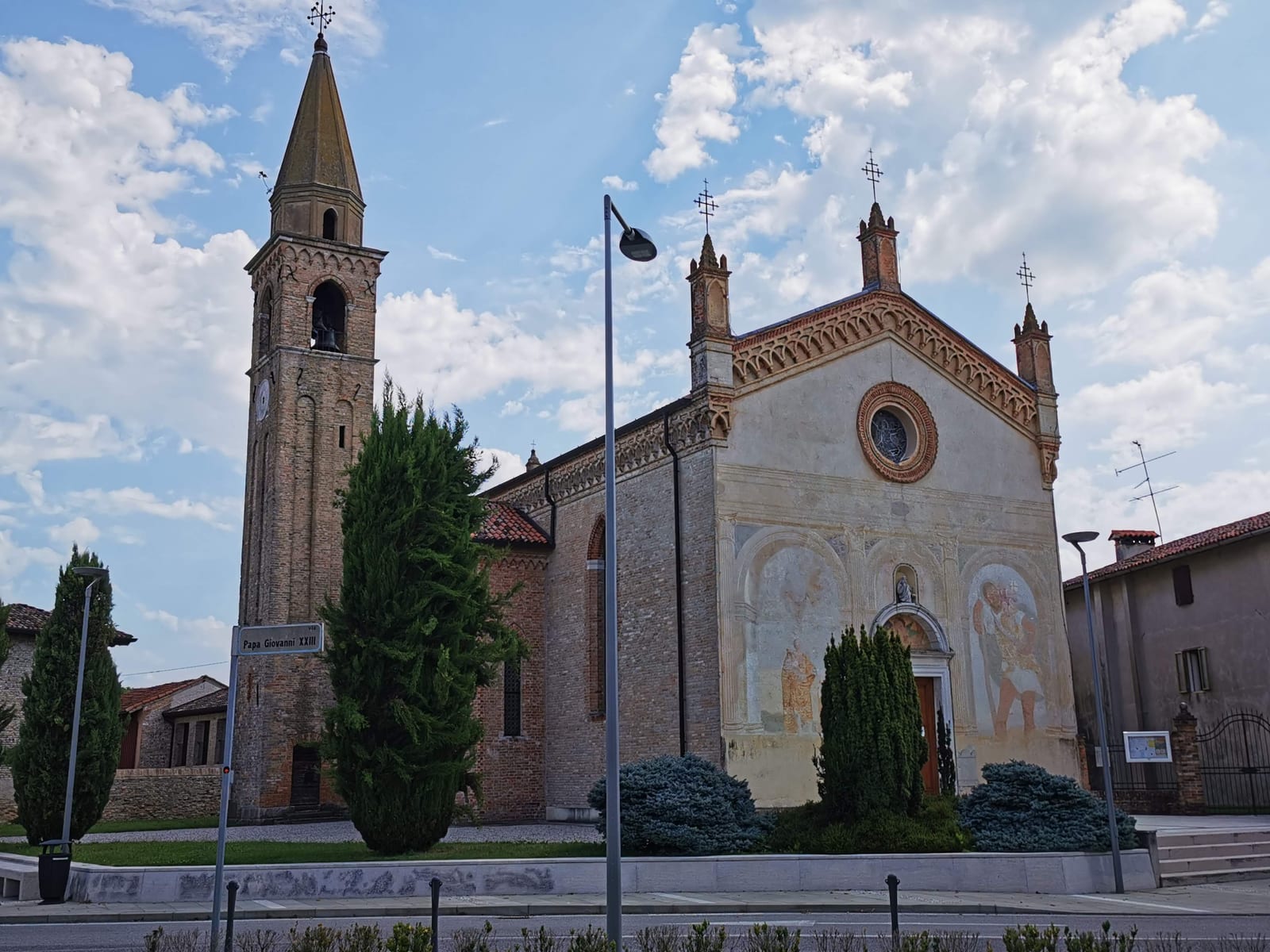
The Eucharistic Miracle of Gruaro
A woman washing linen at the Lemene river discovered a consecrated host concealed in the folds. As she pulled it out, blood began to flow from the host into the river — the river running red for hours.
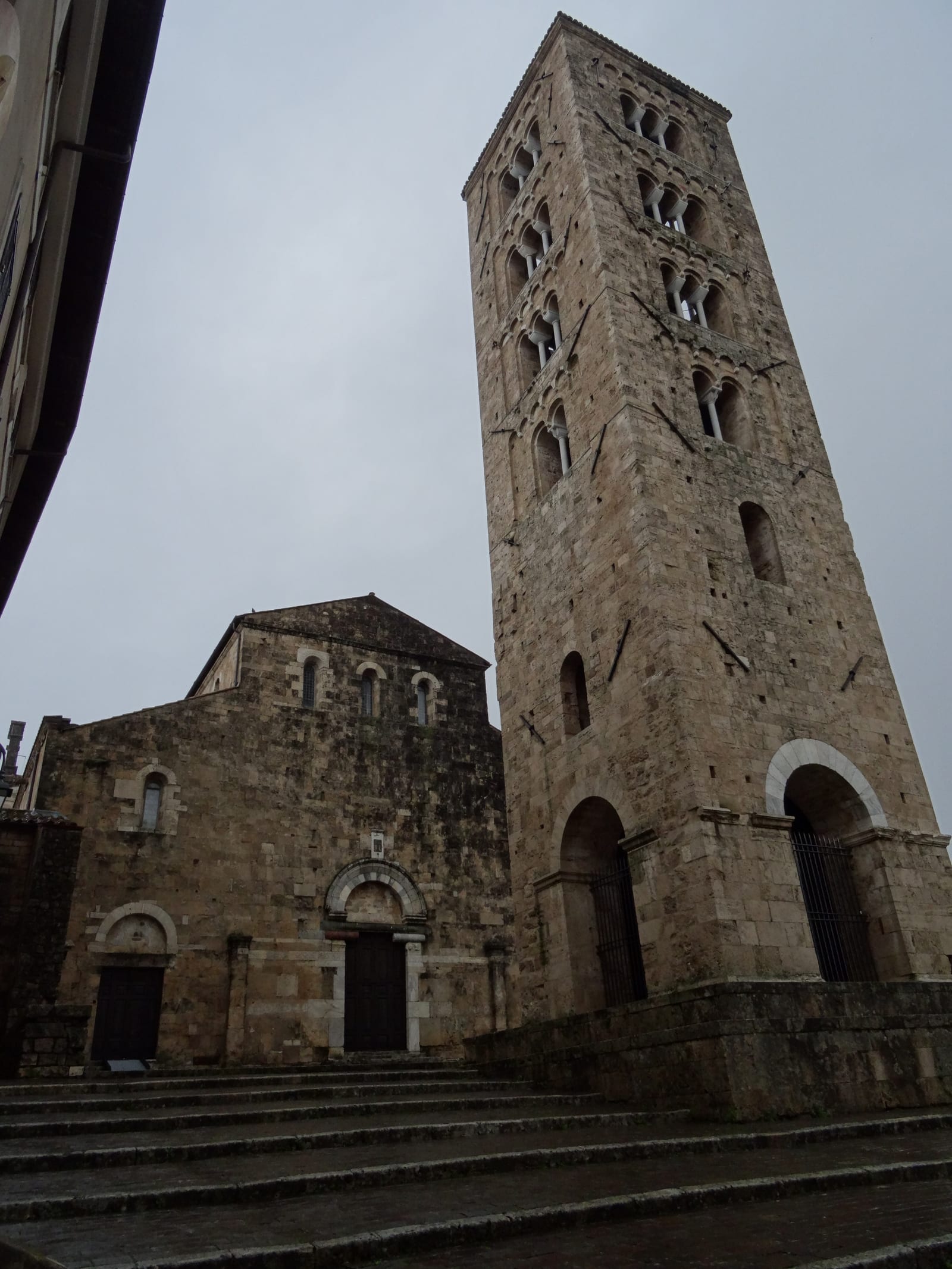
The Eucharistic Miracle of Anagni
In the papal city of Anagni — birthplace of four popes — Pope Boniface VIII himself witnessed the bleeding of a consecrated host during a Mass at the cathedral.
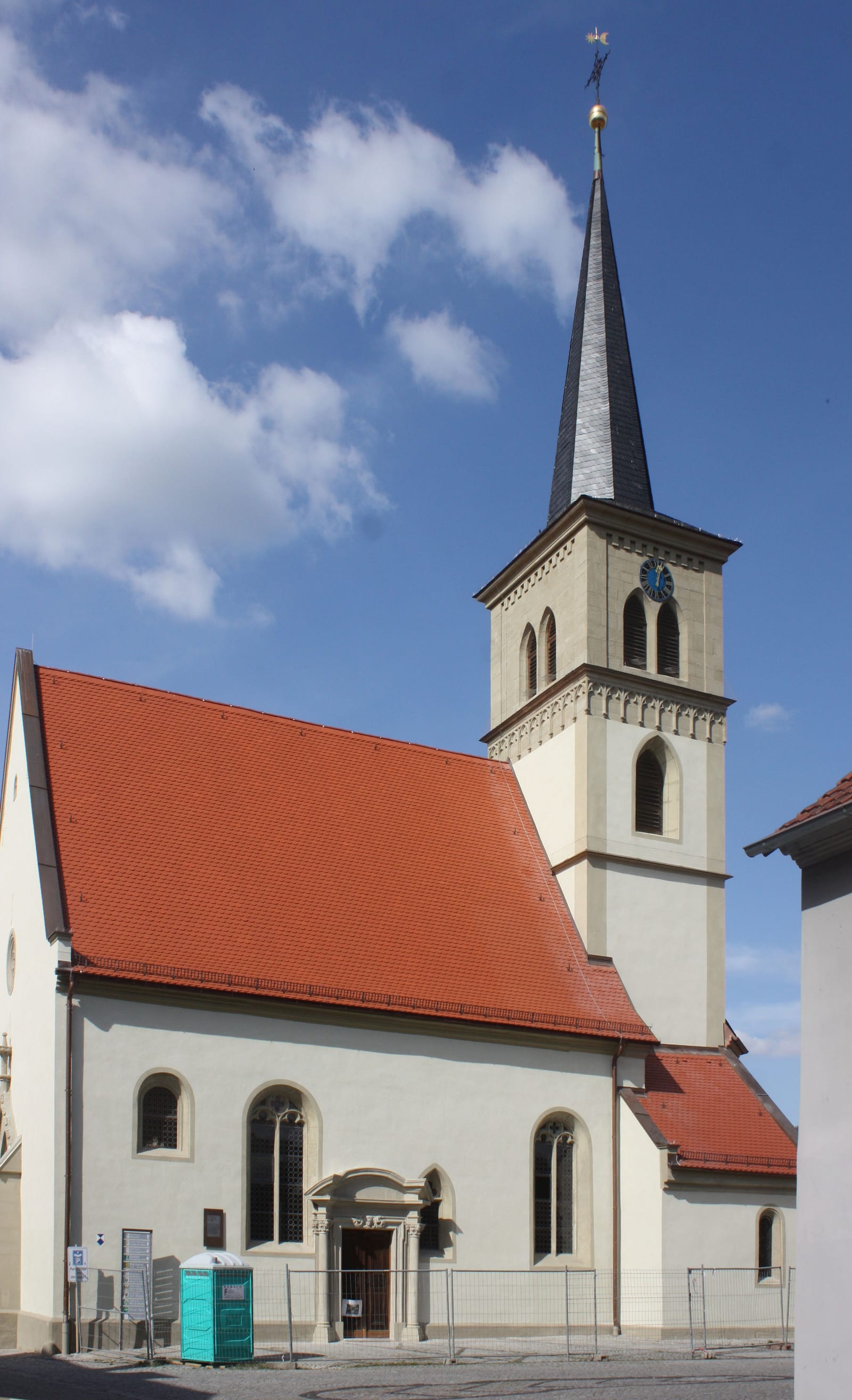
The Eucharistic Miracle of Iphofen
A consecrated host stolen from the parish church of Iphofen and buried in a vineyard outside the town was found by farmers years later, undamaged, surrounded by a circle of unwithered grass in mid-winter.
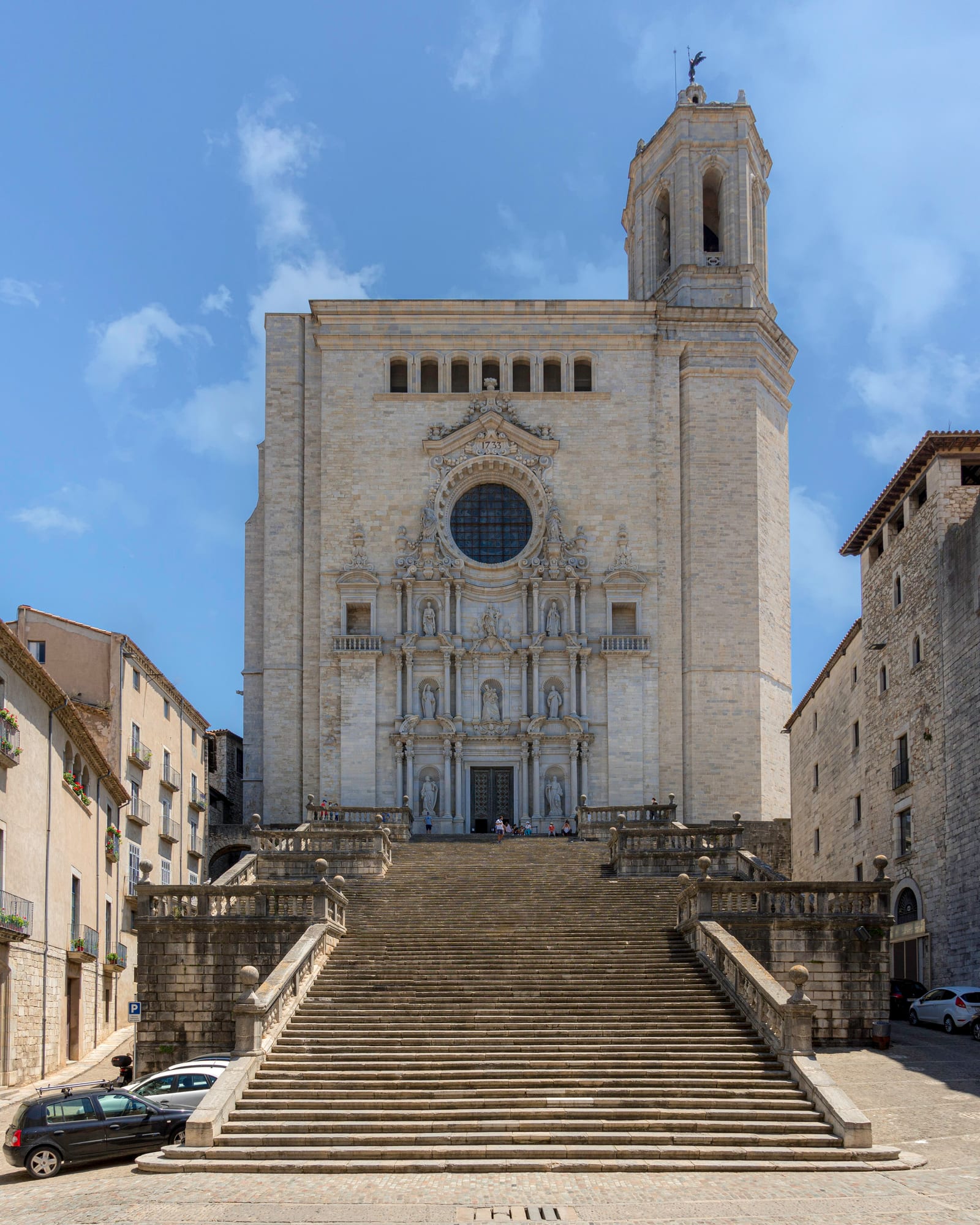
The Eucharistic Miracle of Gerona
A Jewish woman from Girona who had received a consecrated host into her possession found it began to bleed; brought to her conversion and that of her entire household.
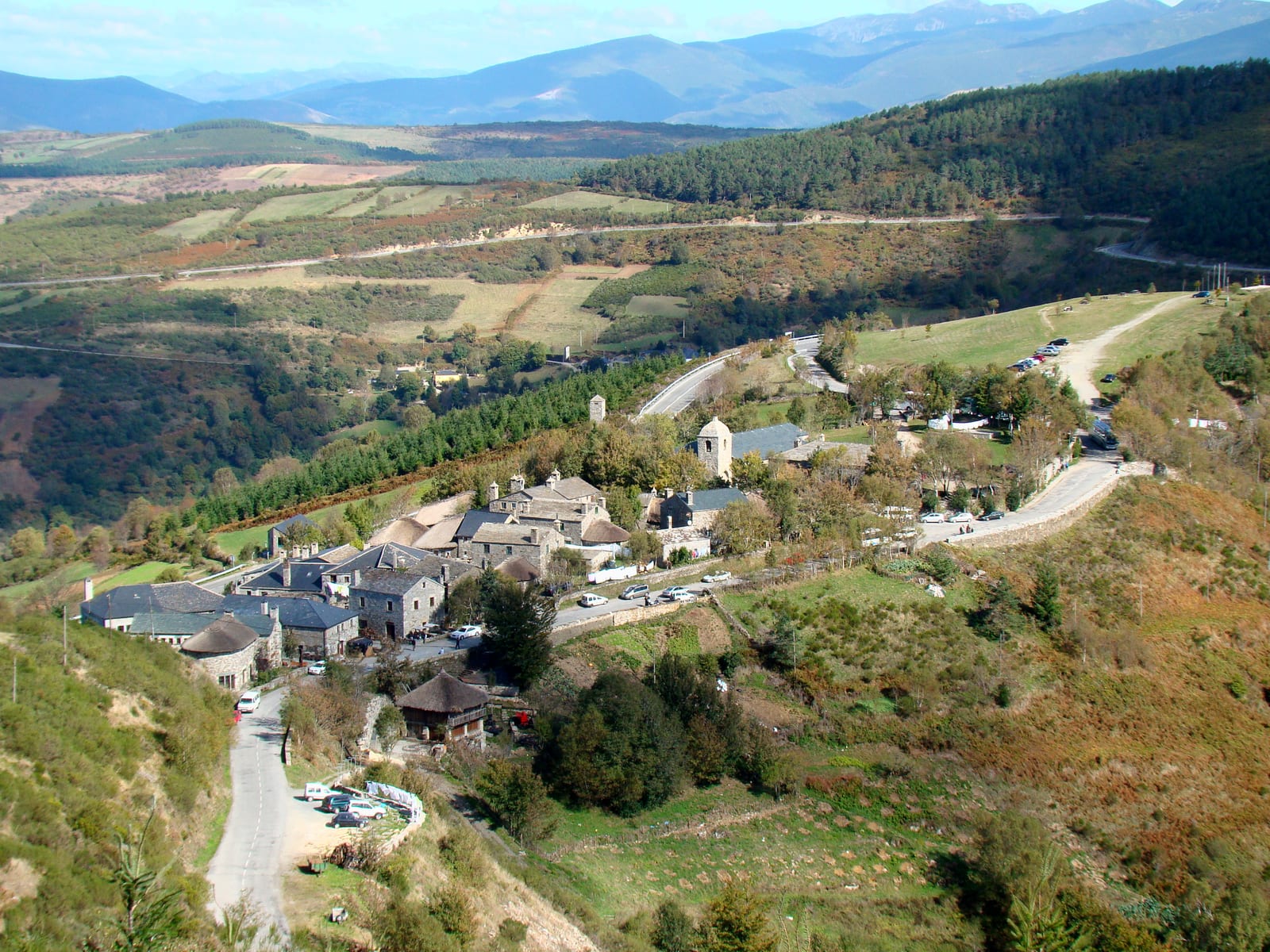
The Eucharistic Miracle of O Cebreiro
On the Camino de Santiago in Galicia, a peasant who climbed through a winter storm to Mass at O Cebreiro was rewarded by the visible transformation of the consecrated wine into blood and the host into flesh.
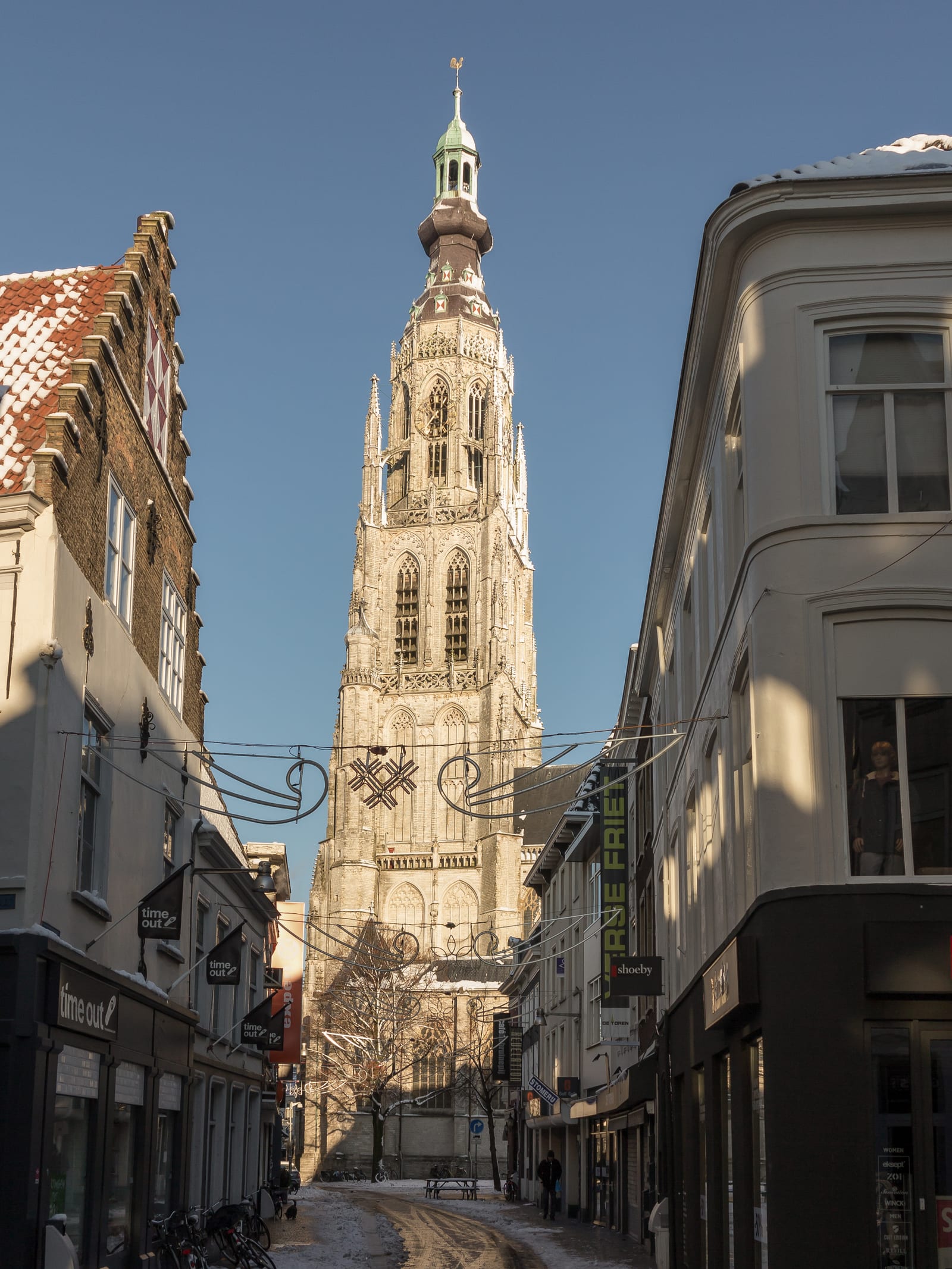
The Eucharistic Miracle of Niervaart
A consecrated host found by a peat-cutter in the marshlands of Niervaart around 1300 began to bleed when his spade struck it. The relic was translated to Breda in 1449 and became the Holy Sacrament of Niervaart.
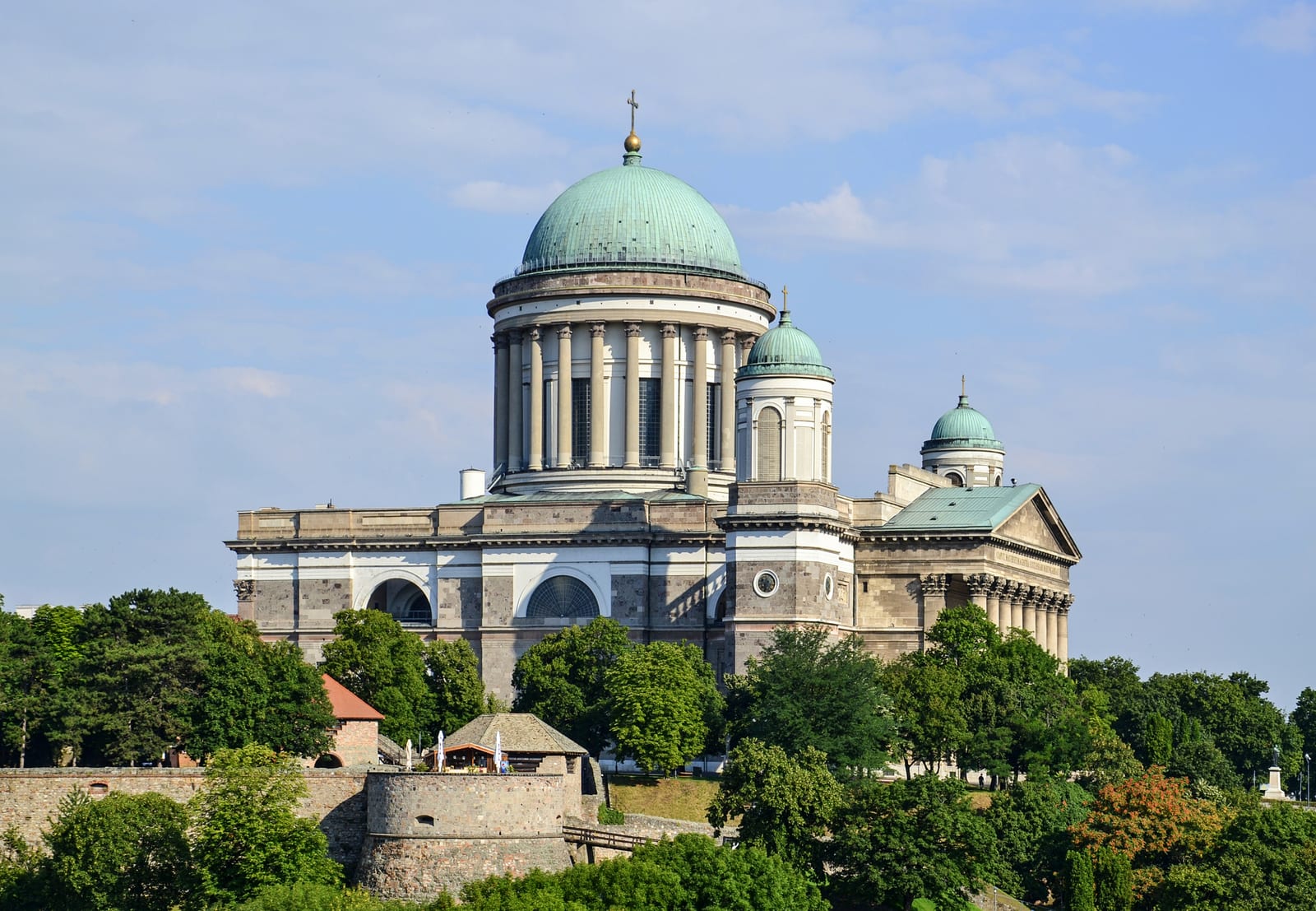
Hungarian Medieval Eucharistic Phenomena
Several smaller Eucharistic phenomena are recorded in Hungarian medieval chronicles at the royal basilica of Esztergom and at the abbey of Pannonhalma, associated with the cult of St. Stephen of Hungary.
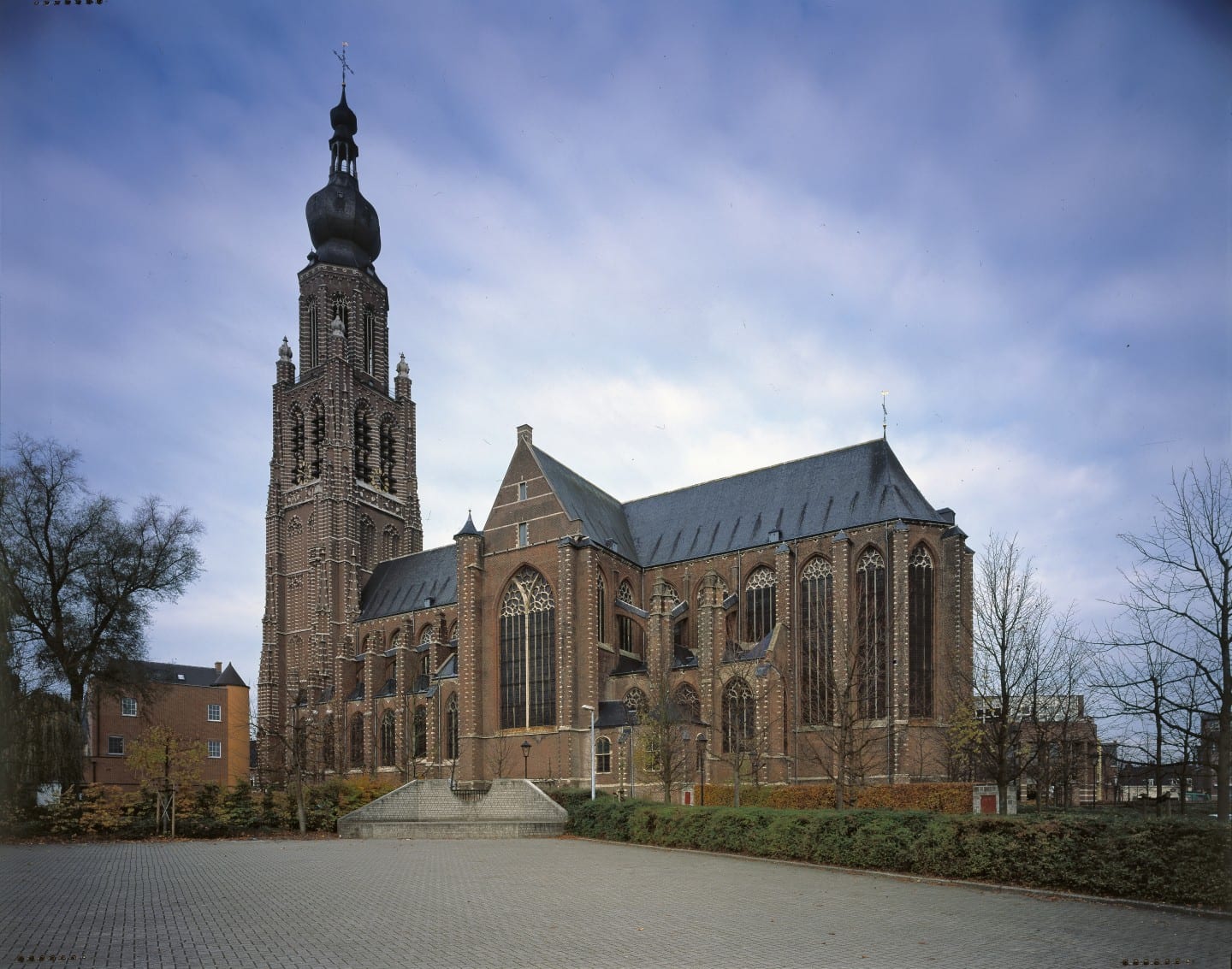
The Eucharistic Miracle of Hoogstraten
Hoogstraten preserves a Eucharistic relic that combines a 1304 phenomenon and the 1380 Boxtel bloodied corporal — translated to Hoogstraten during the Reformation for safe Catholic keeping.
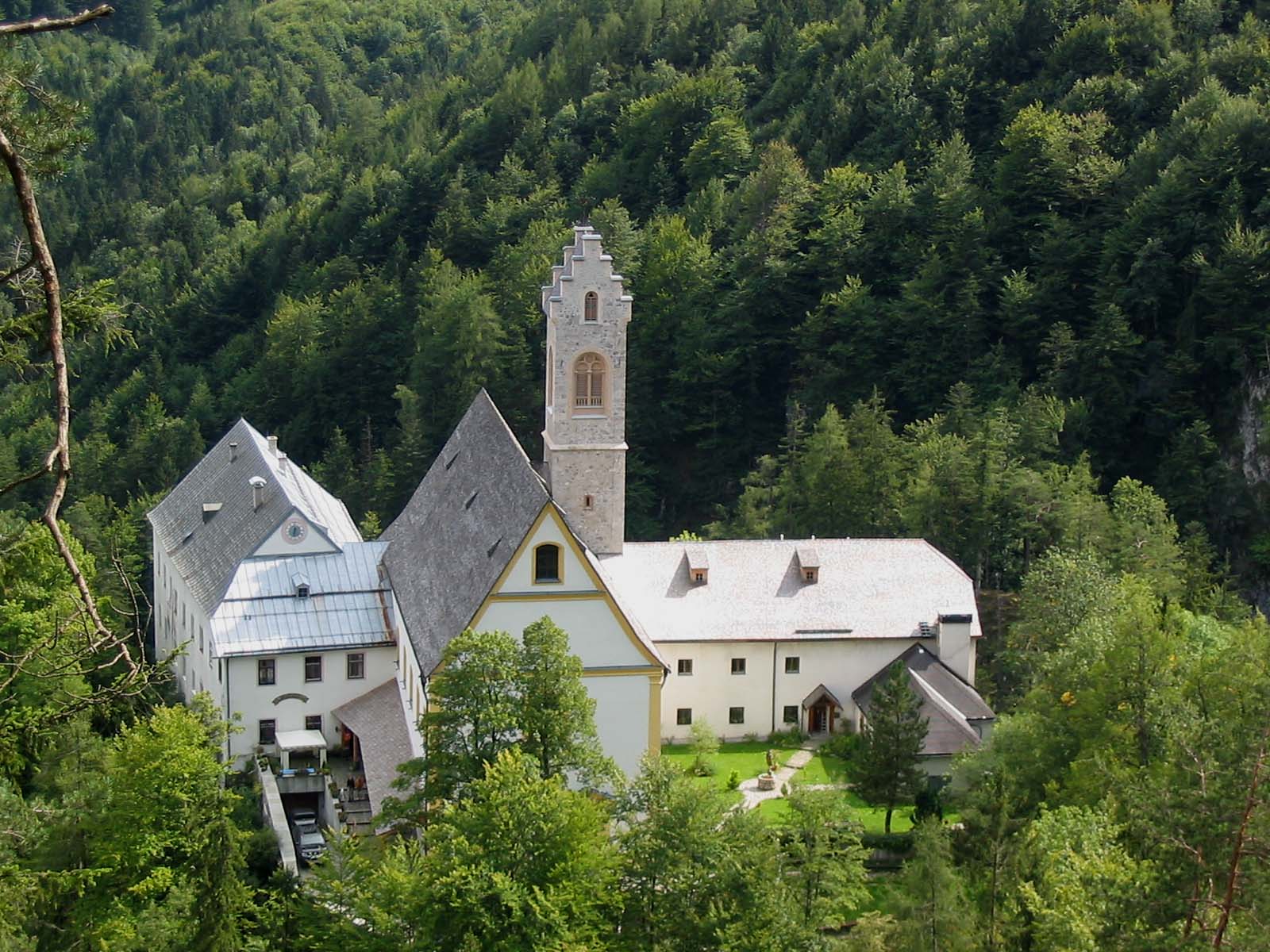
The Eucharistic Miracle of Fiecht
A consecrated host hidden by thieves in a wooden box at Fiecht abbey was found, when the box was opened years later, transformed into a small visible figure of Christ enthroned.
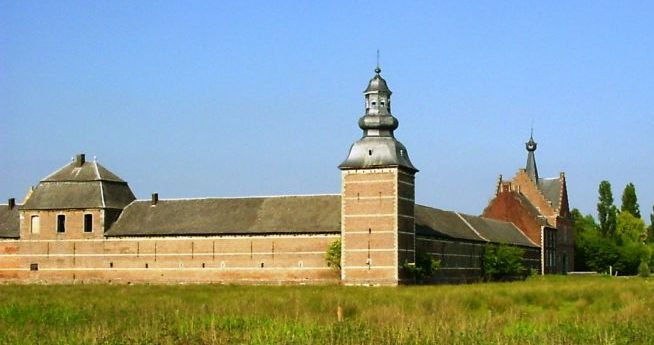
The Eucharistic Miracle of Herkenrode
A priest carrying Viaticum to a dying woman through the village of Viversel found that the consecrated host began to bleed in the pyx. The relic was translated to the Cistercian abbey of Herkenrode and later to Hasselt.
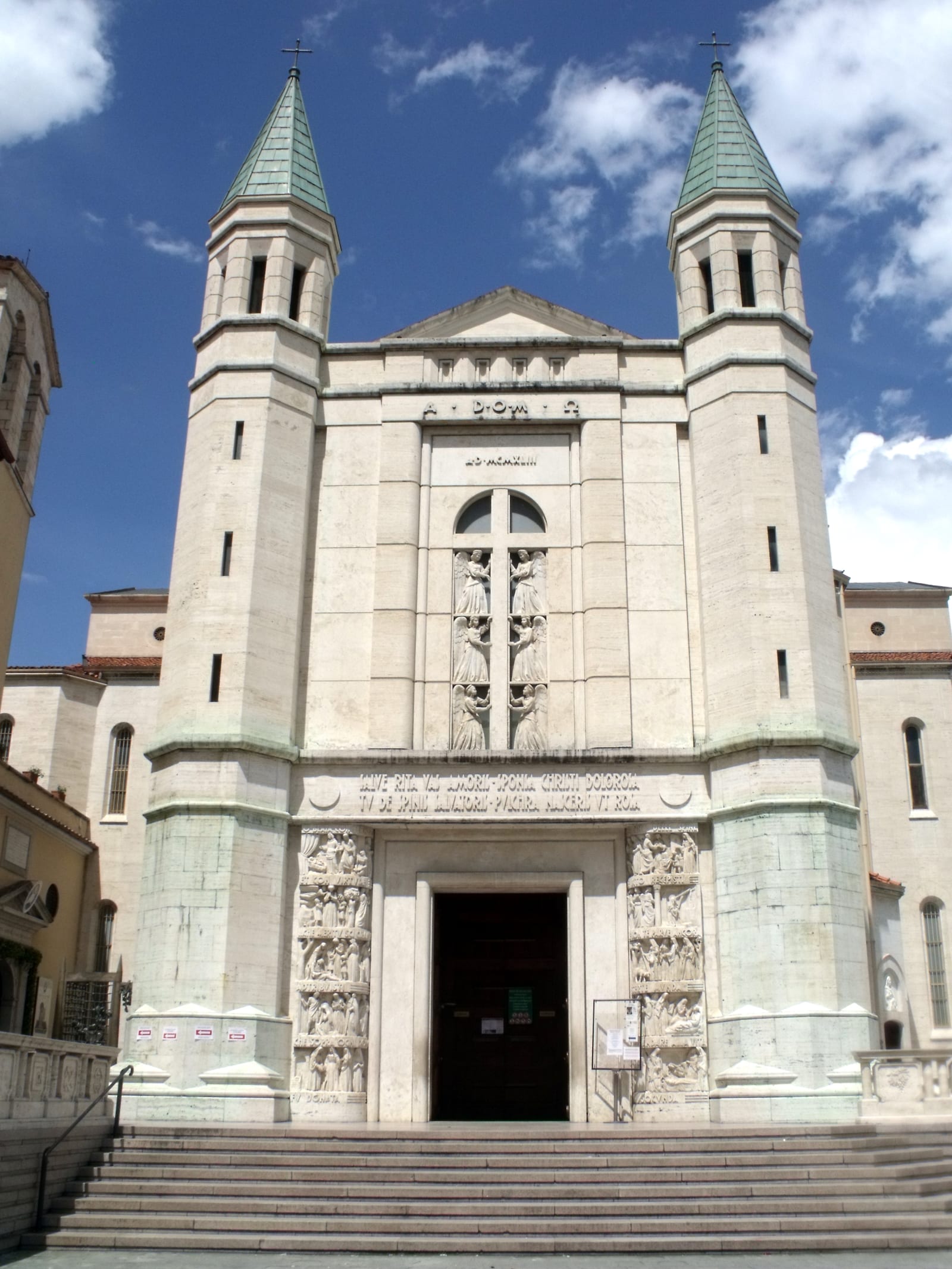
The Eucharistic Miracle of Cascia
A careless priest carrying Communion to a sick farmer placed a consecrated host inside the pages of his breviary. When he opened the book at the bedside, the host had bled, staining two of the pages — both of which are preserved.
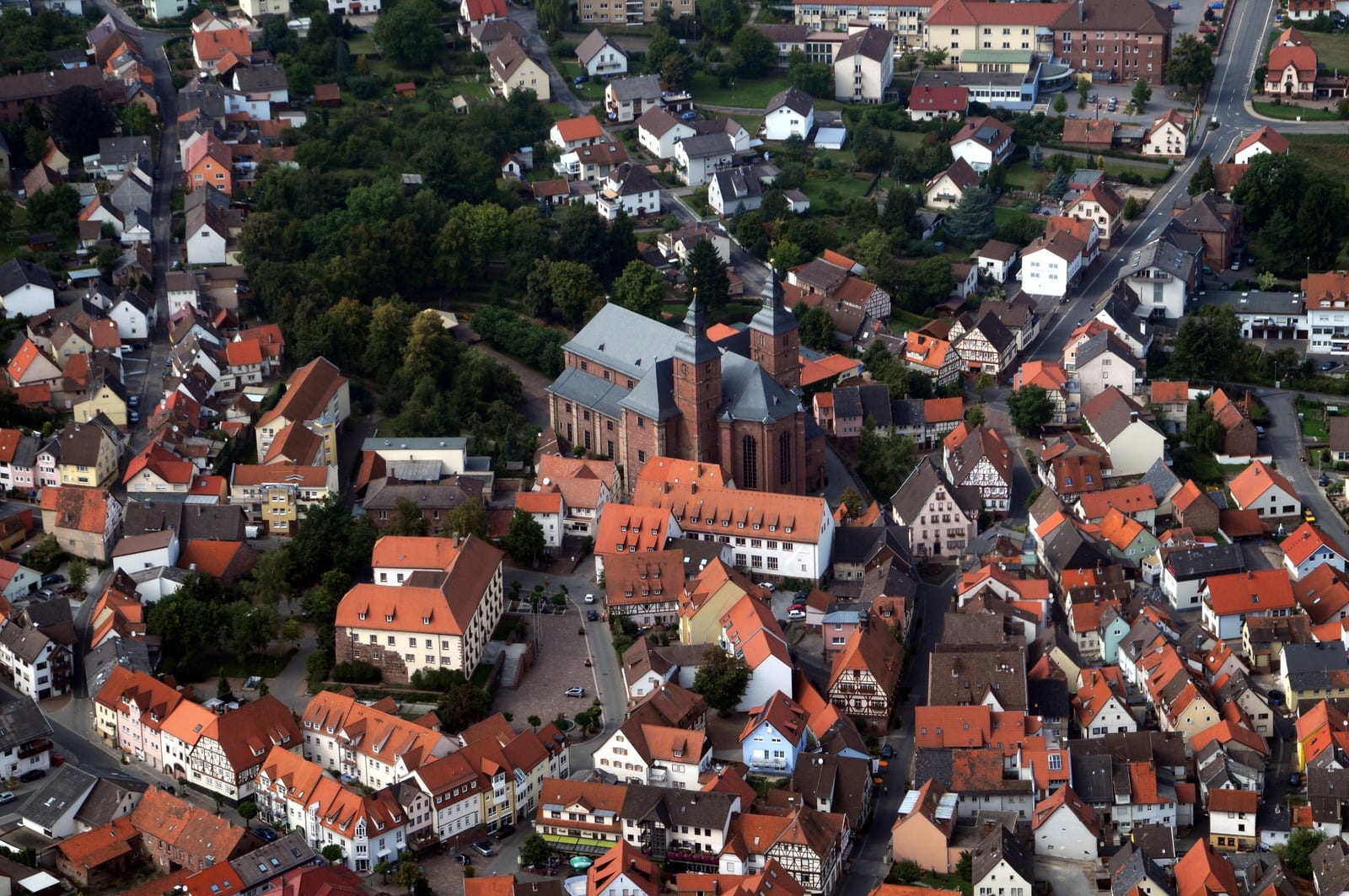
The Eucharistic Miracle of Walldürn
A priest at the village of Walldürn knocked over the chalice. The spilled wine on the linen corporal formed the image of the Crucified Christ surrounded by eleven small heads representing the wounds. The corporal is the centre of one of Germany's largest pilgrimages.
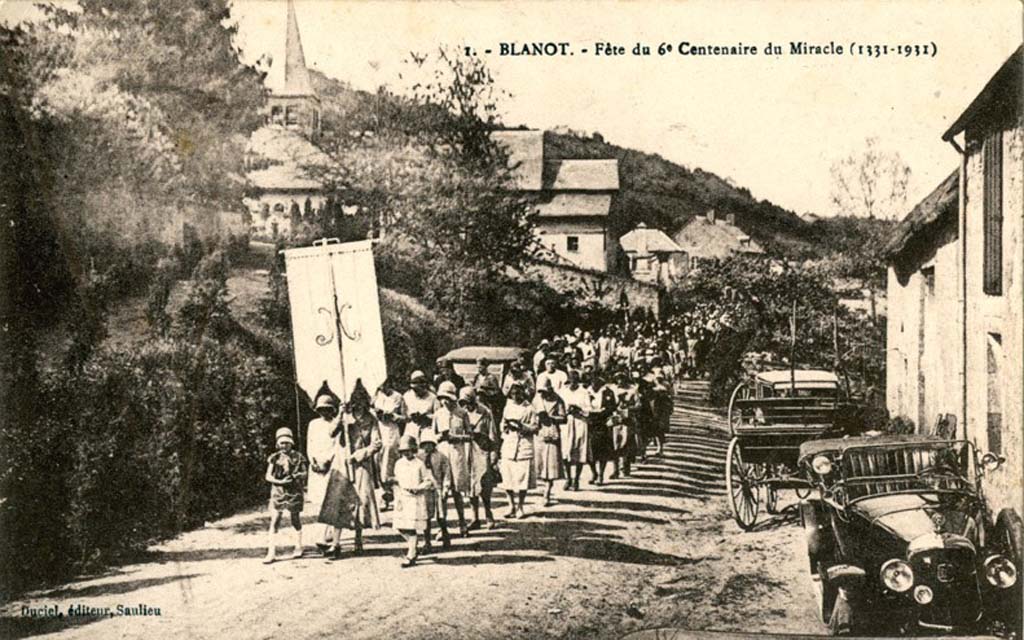
The Eucharistic Miracle of Blanot
A consecrated host falling from the cloth held by a communicant in the small Burgundian church of Blanot left a permanent bloodstain on the altar cloth — a stain visible to this day.
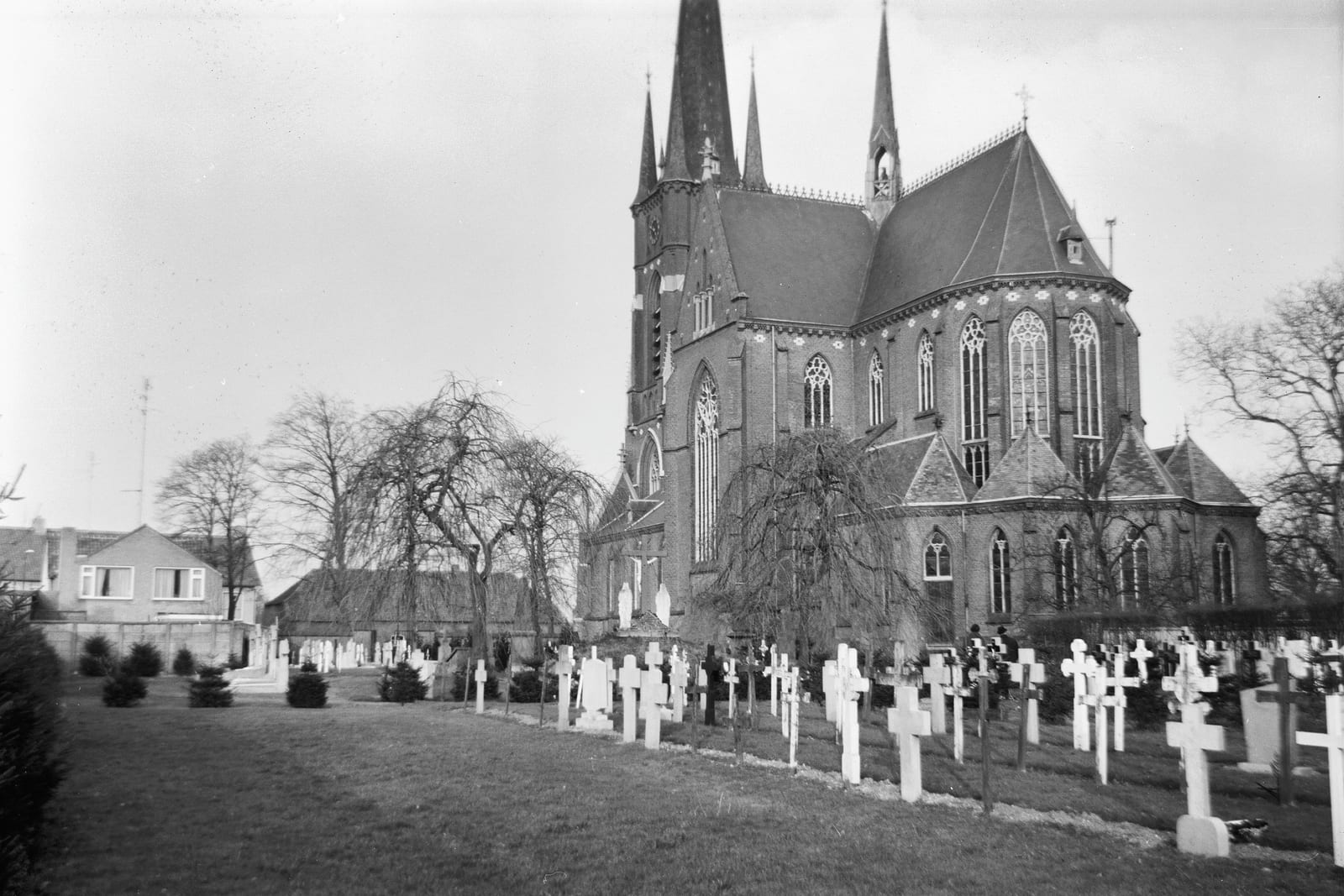
The Eucharistic Miracle of Stiphout
A consecrated host carried to a dying man fell into a stream during a flood; it was recovered glowing with light, untouched by the water.
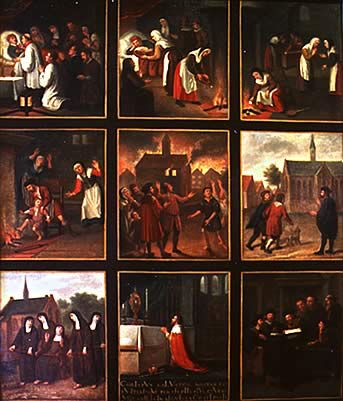
The Miracle of Amsterdam — the Host Preserved in the Fire (Mirakel van Amsterdam)
A dying man in medieval Amsterdam received Viaticum and vomited; what he brought up, with the Host, was thrown into the hearth fire — and the next morning the Host was found unburnt in the ashes. Twice carried to the parish church, it twice returned of itself to the house. The bishop of Utrecht approved the miracle, and the annual silent night-procession, the Stille Omgang, has commemorated it since 1881.
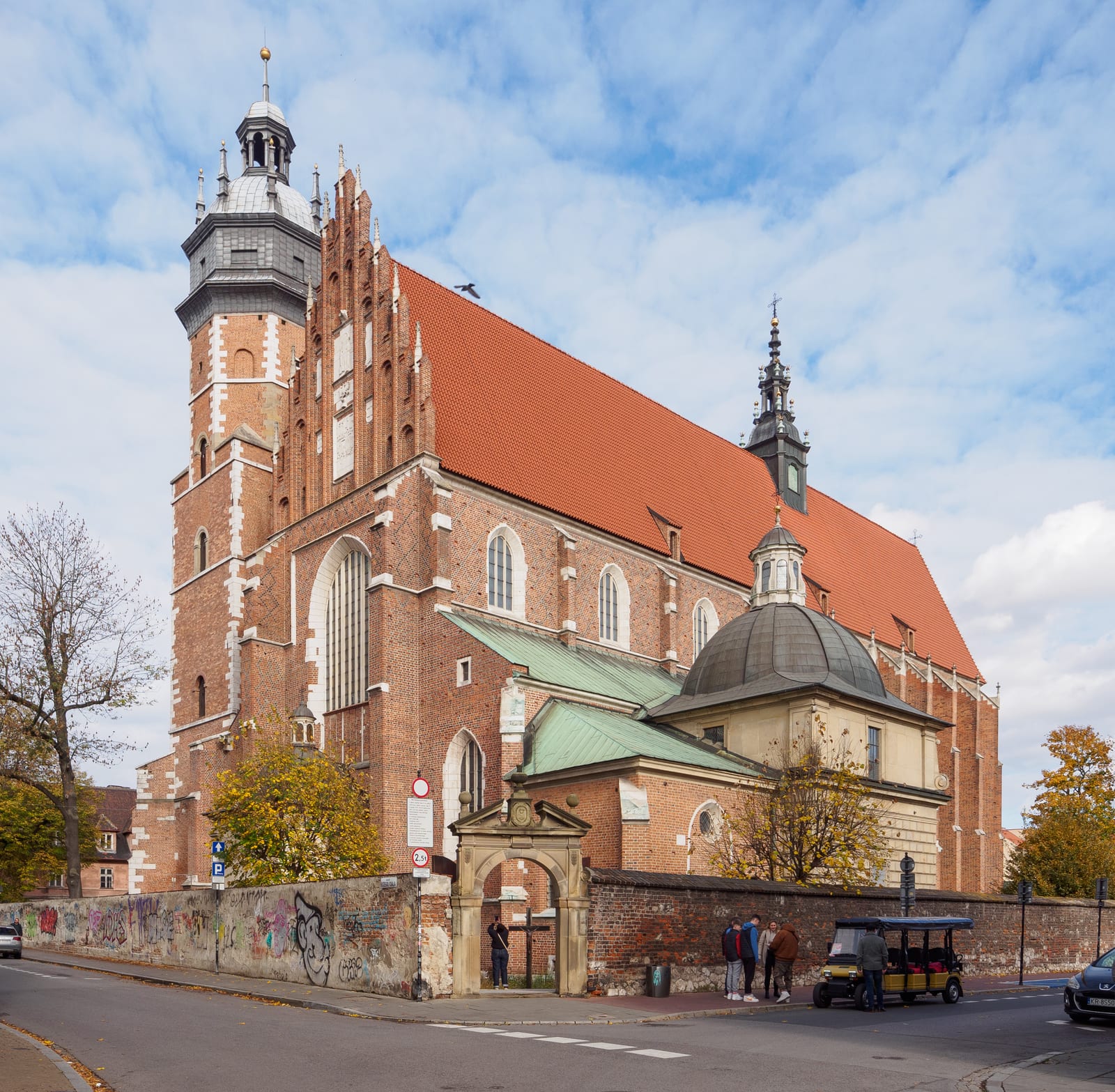
The Eucharistic Miracle of Kraków
Stolen consecrated hosts cast away in a marsh outside Kraków in 1345 were found unharmed and surrounded by light. King Casimir the Great founded the great Corpus Christi Basilica on the site.
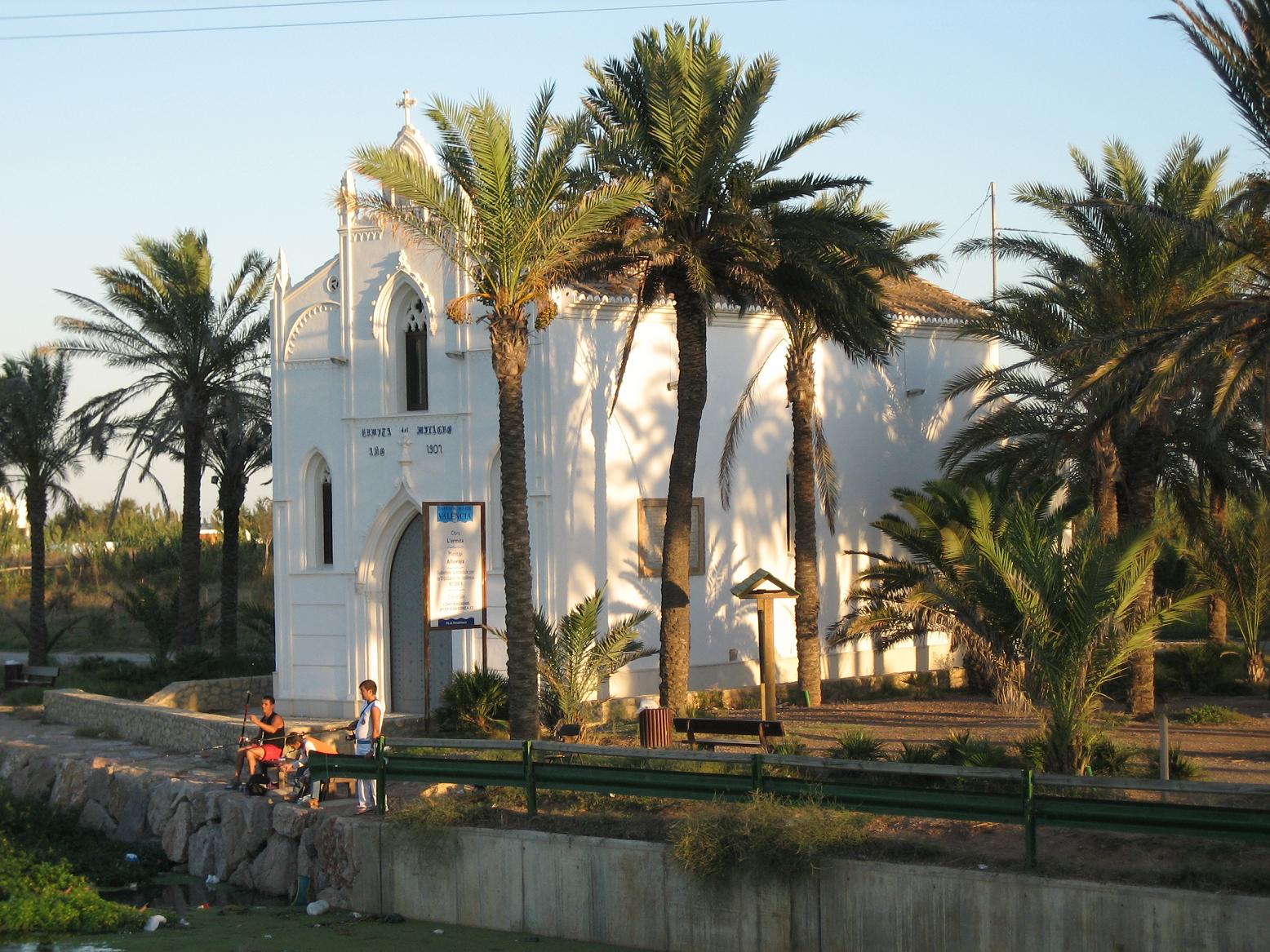
The Eucharistic Miracle of Alboraya / Almàssera
A priest carrying three consecrated hosts to dying victims of the Black Death was thrown from his mule into a swollen river. The hosts were carried away — and discovered intact in three fishes' mouths the next morning.
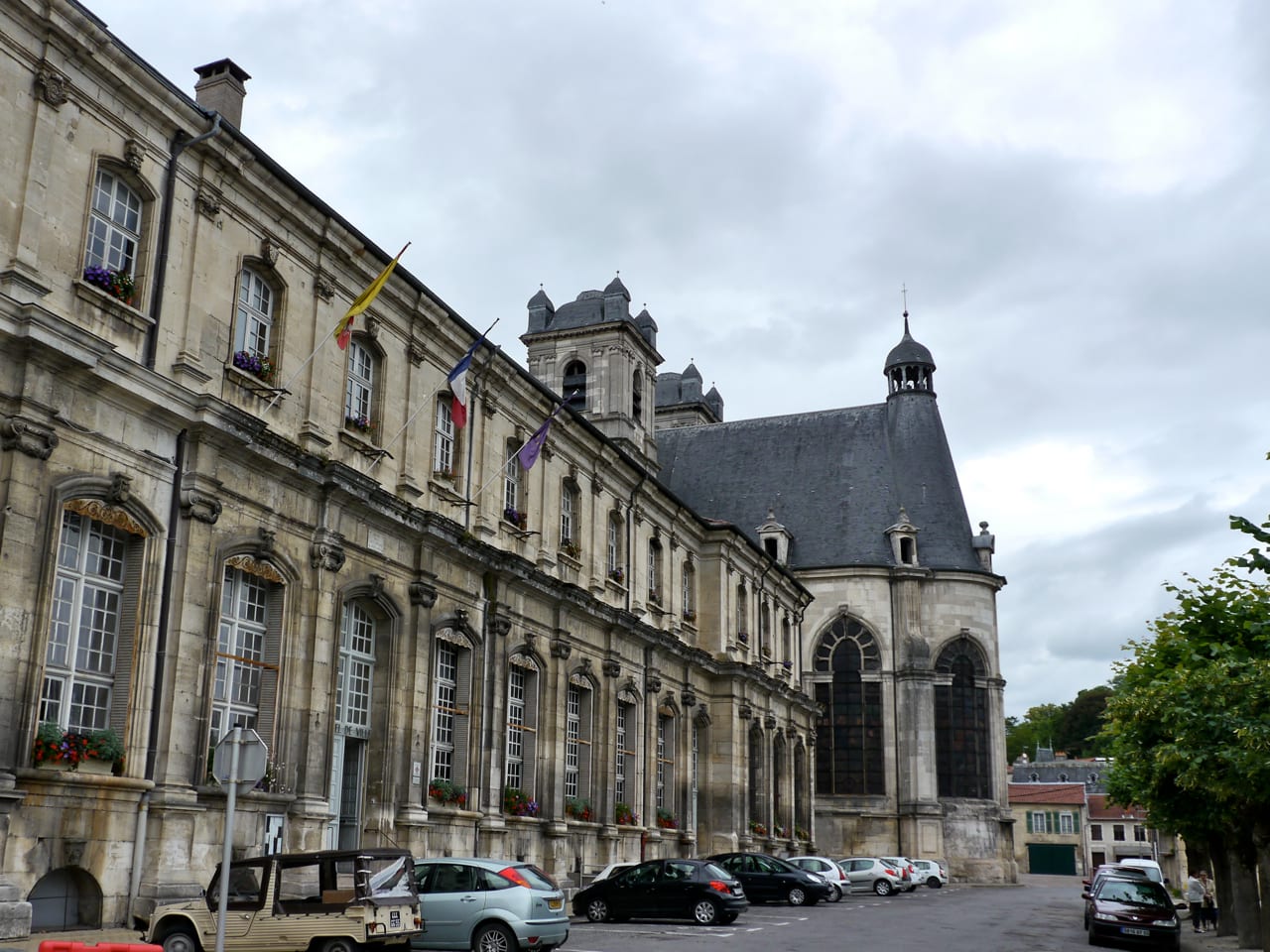
The Holy Blood of Saint-Mihiel
The Benedictine abbey of Saint-Mihiel in Lorraine preserves a Holy Blood relic associated with a medieval Eucharistic phenomenon — the consecrated wine of the abbey's daily Mass was reportedly seen to coagulate visibly into blood during a 14th-century plague.
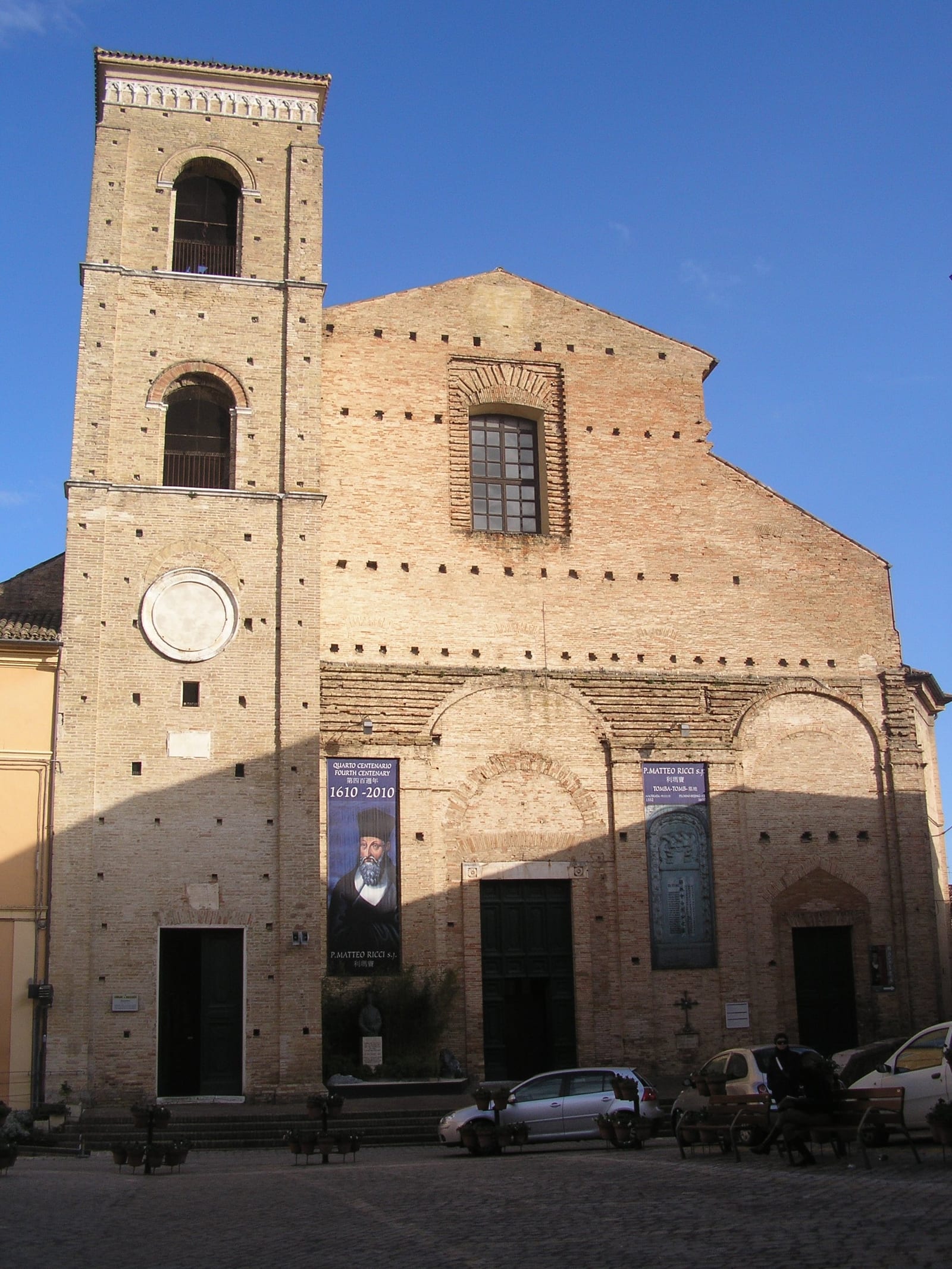
The Eucharistic Miracle of Macerata
A priest doubting the Real Presence broke the host at the fraction — and blood dripped from it onto the corporal, soaking through the altar cloths. The bloodied corporal is venerated in Macerata Cathedral.
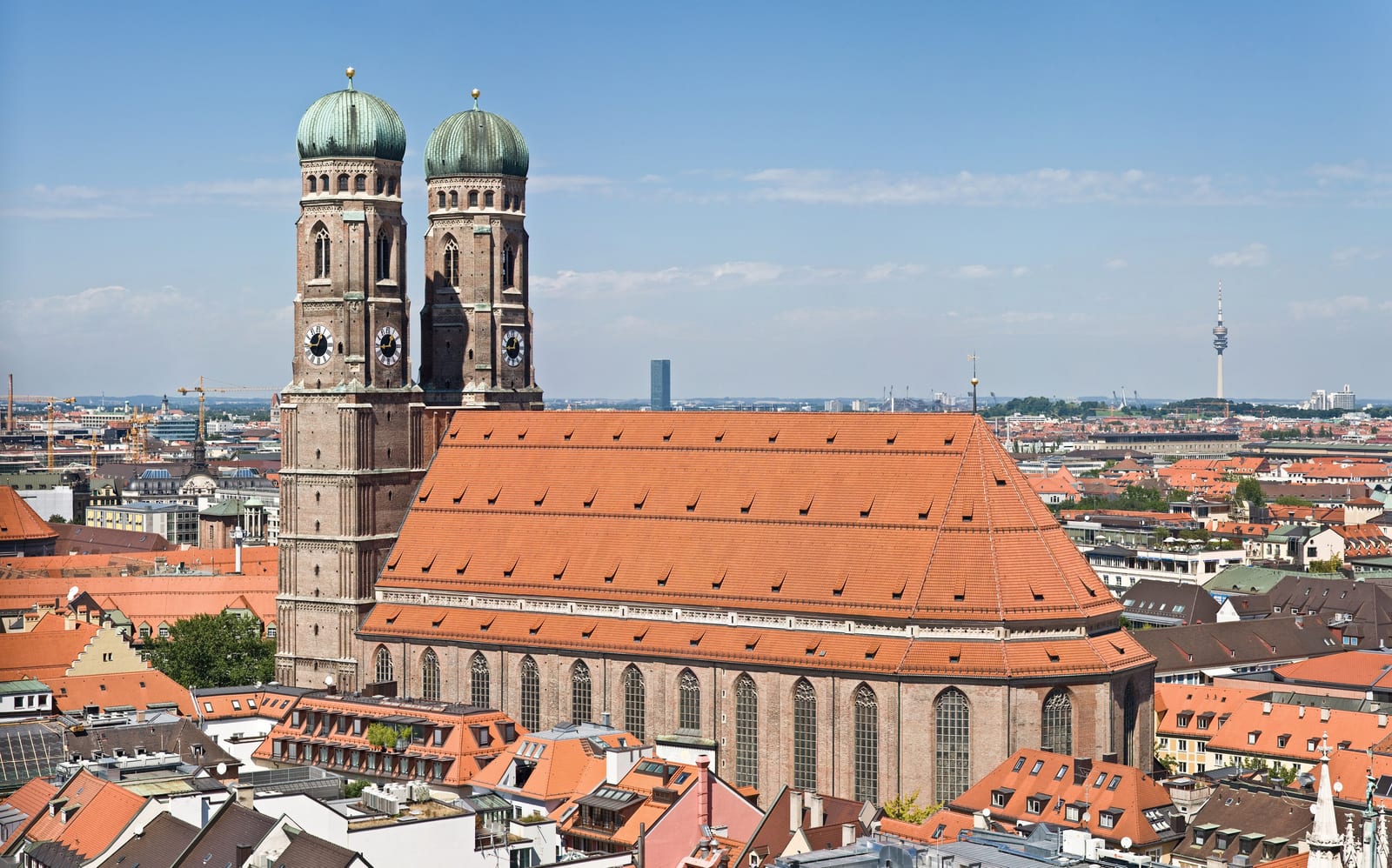
The Eucharistic Miracle of Munich
Consecrated hosts stolen from the parish church of Munich in 1356 were found buried in a forest outside the city — abandoned by the thieves and pulsing with visible light.
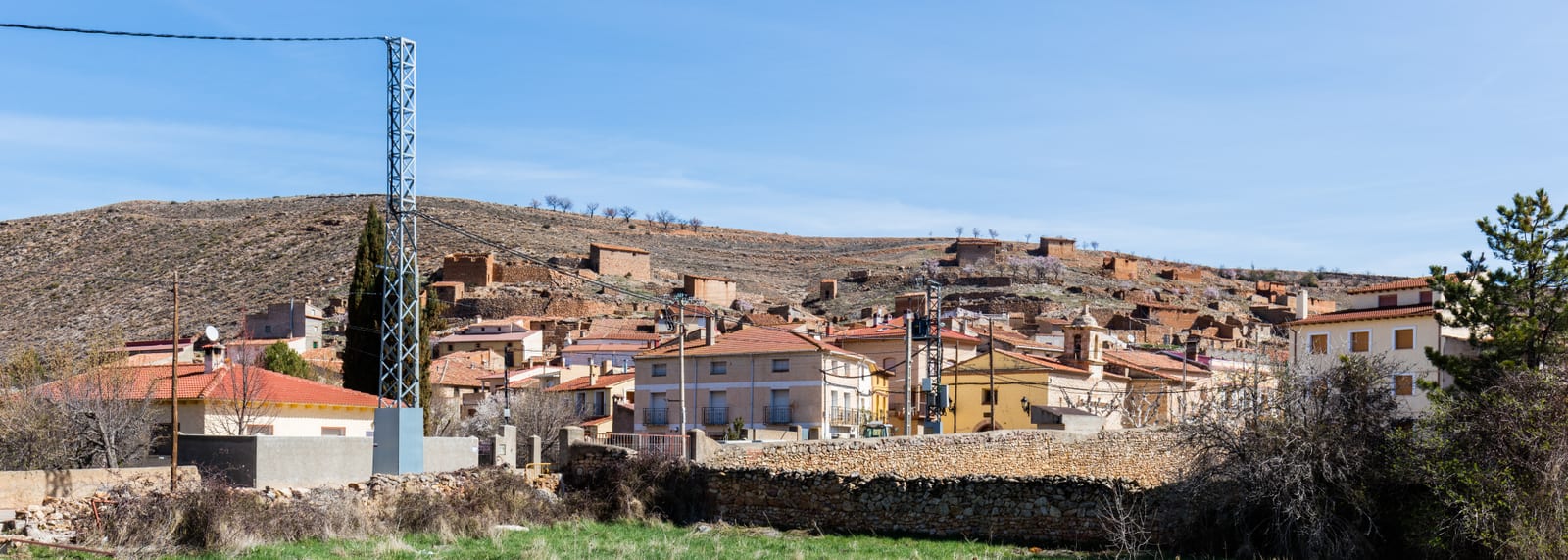
The Eucharistic Miracle of Cimballa
During the celebration of Mass in the small Aragonese village of Cimballa, blood was seen to flow from the consecrated host at the elevation. The relic was preserved at the parish church.
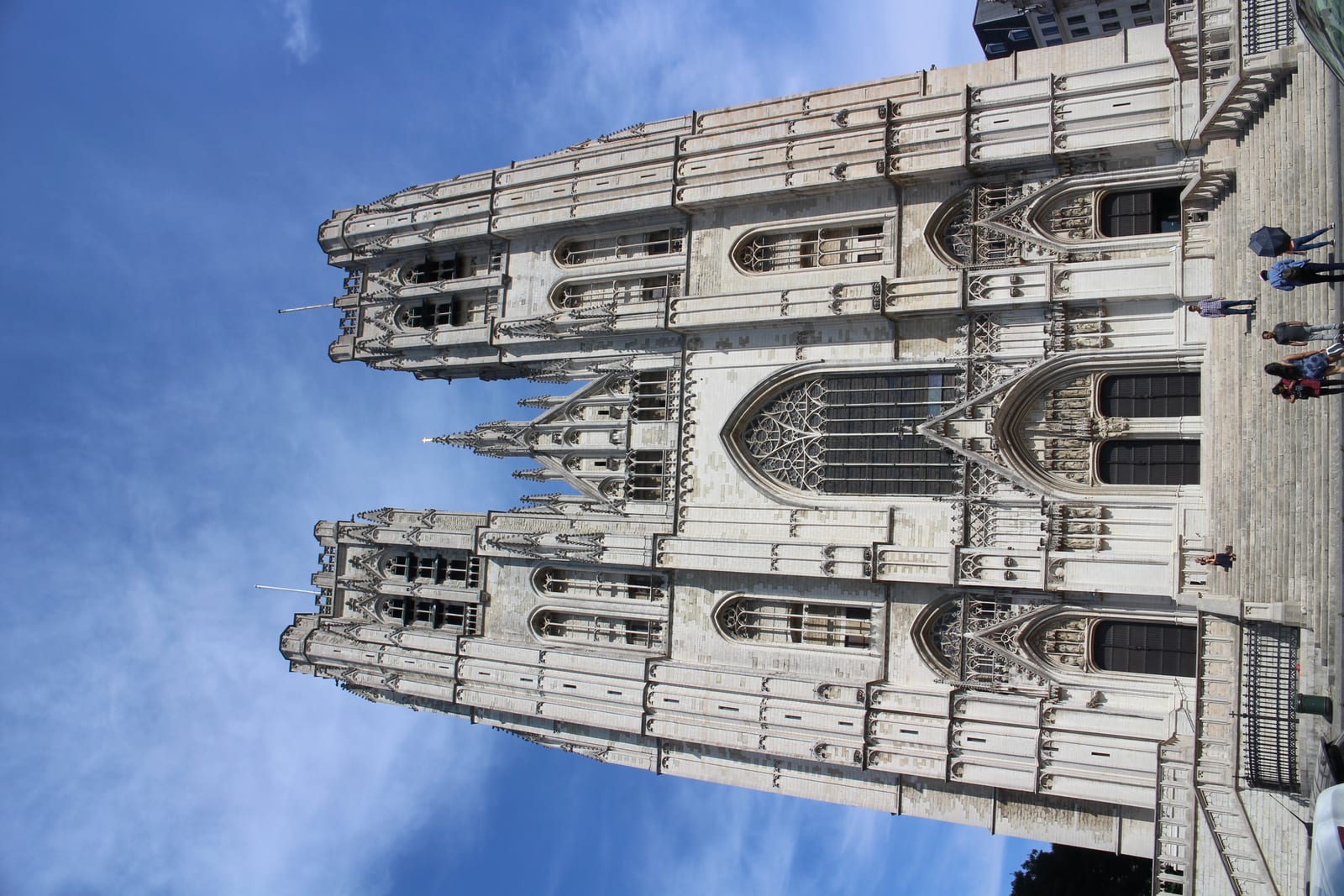
The "Sacrament of Miracle" of Brussels
For six centuries Brussels venerated hosts said to have bled when stabbed on Good Friday 1370 — a story built on a host-desecration charge for which the city's Jews were burned. In 1968 the Archdiocese of Mechelen-Brussels declared the accusation baseless and ended the cult.
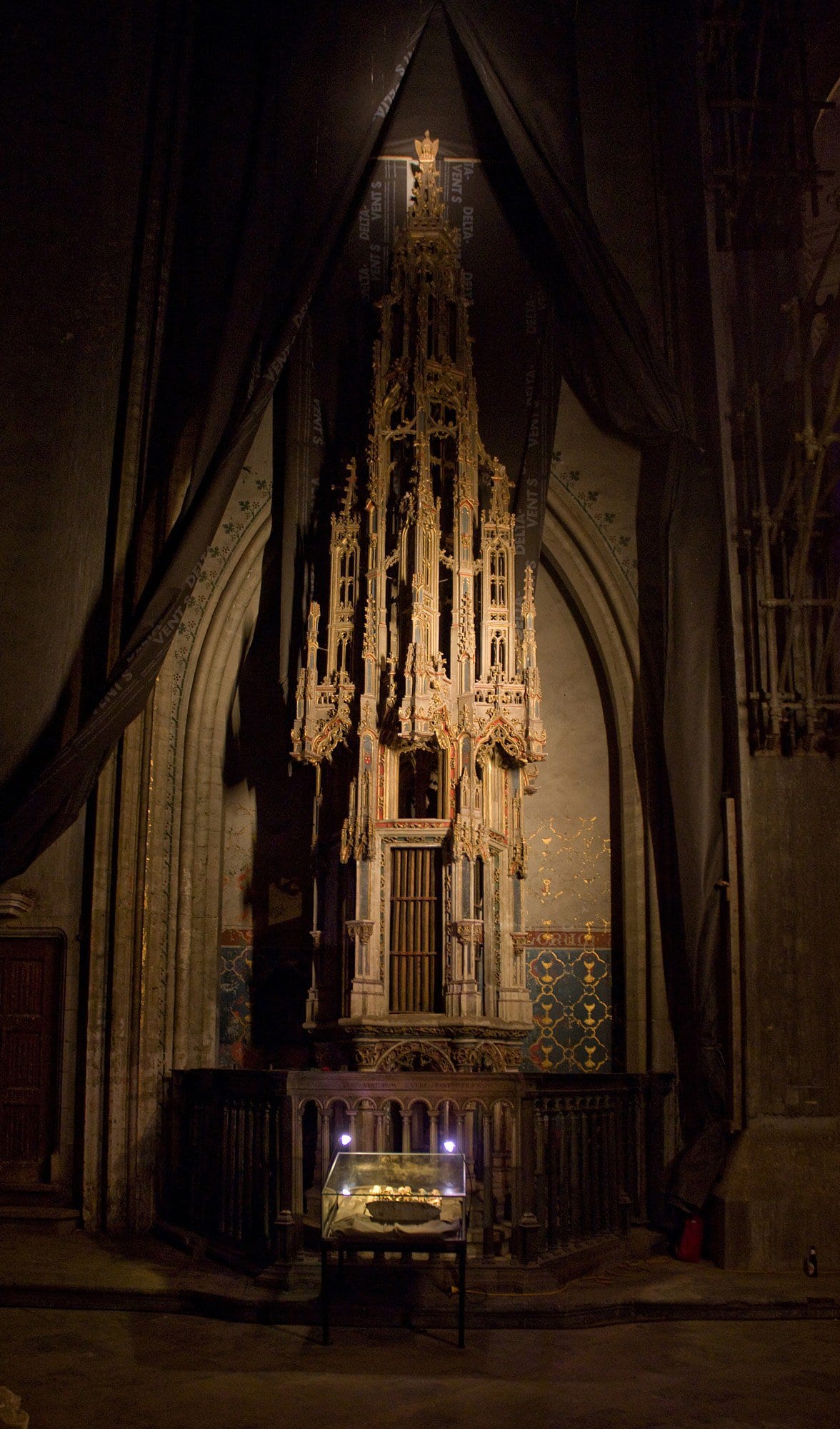
The Eucharistic Miracle of Middelburg-Leuven
An unworthy communicant in the Flemish village of Middelburg received a consecrated host that turned to flesh and bled in his mouth; he died on the spot. The bloodied host was translated to Leuven during the Reformation.
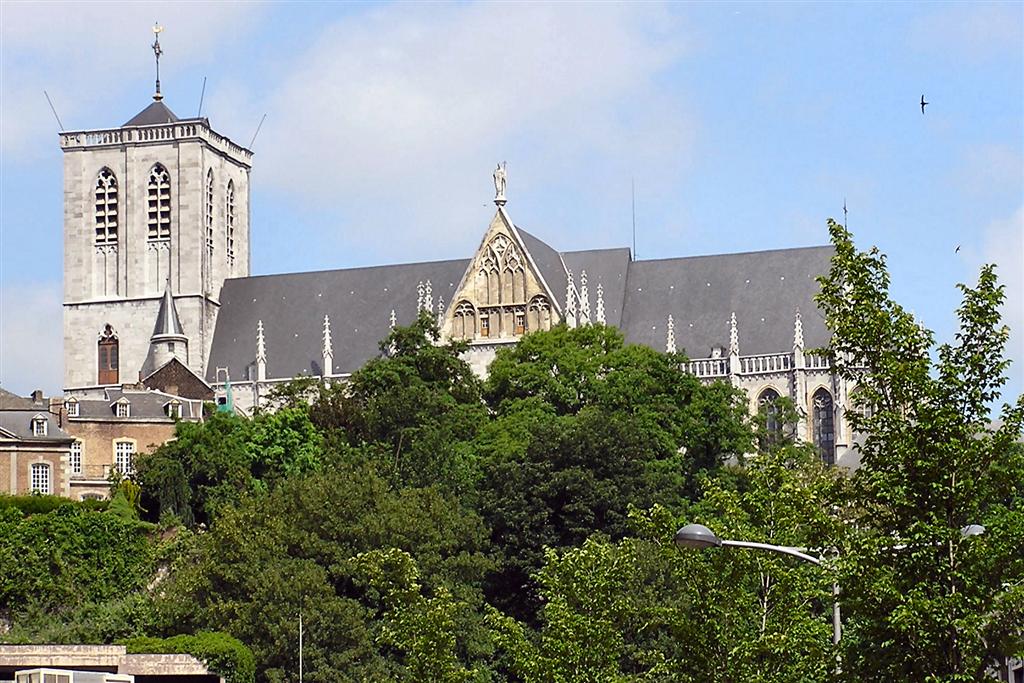
The Eucharistic Miracle of Liège
Liège — the city of St. Juliana of Cornillon, who first proposed the feast of Corpus Christi — was the site of a 1374 Eucharistic miracle in which a consecrated host carried through the streets was seen to emit visible rays of light.
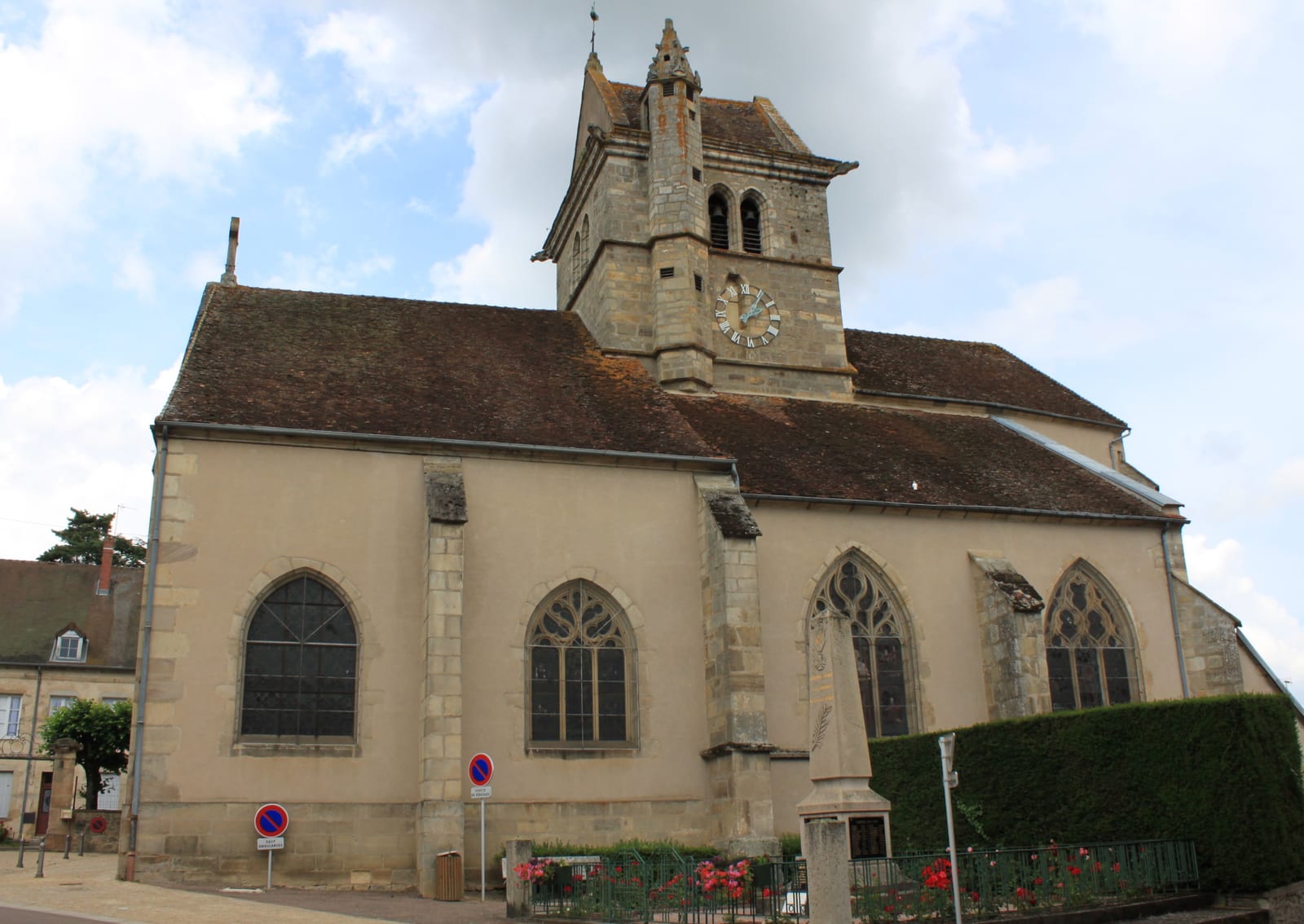
The Eucharistic Miracle of Couches
A Burgundian knight, in a sacrilegious test, attempted to feed a consecrated host to his horse. As the horse refused and knelt, the host began to bleed in the knight's hand.
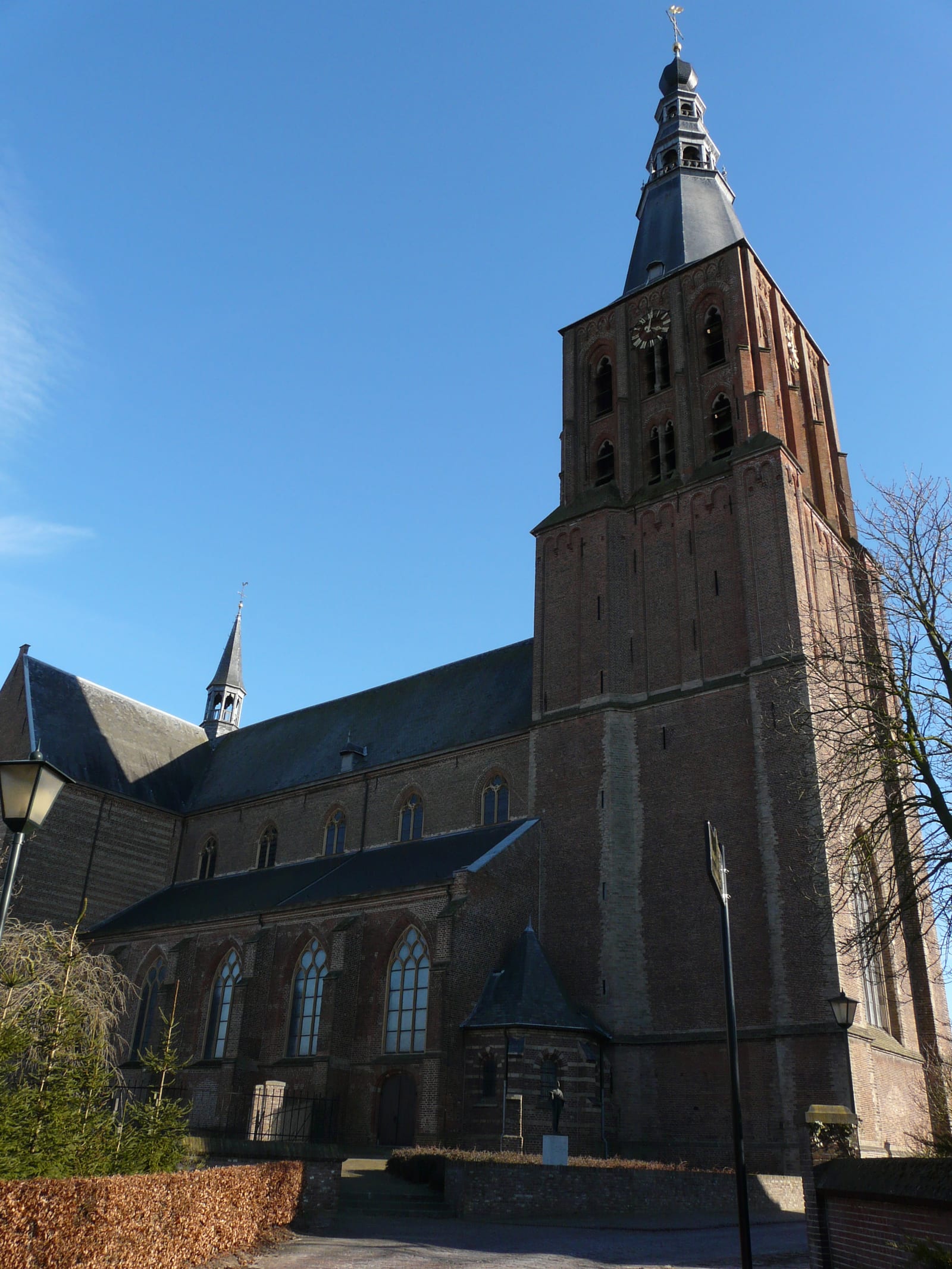
The Eucharistic Miracle of Boxtel-Hoogstraten
A priest at Boxtel knocked over the chalice during Mass; the spilled consecrated wine on the corporal turned to dark red blood, soaking through to the altar cloth. The relics were translated in part to Hoogstraten in 1652.
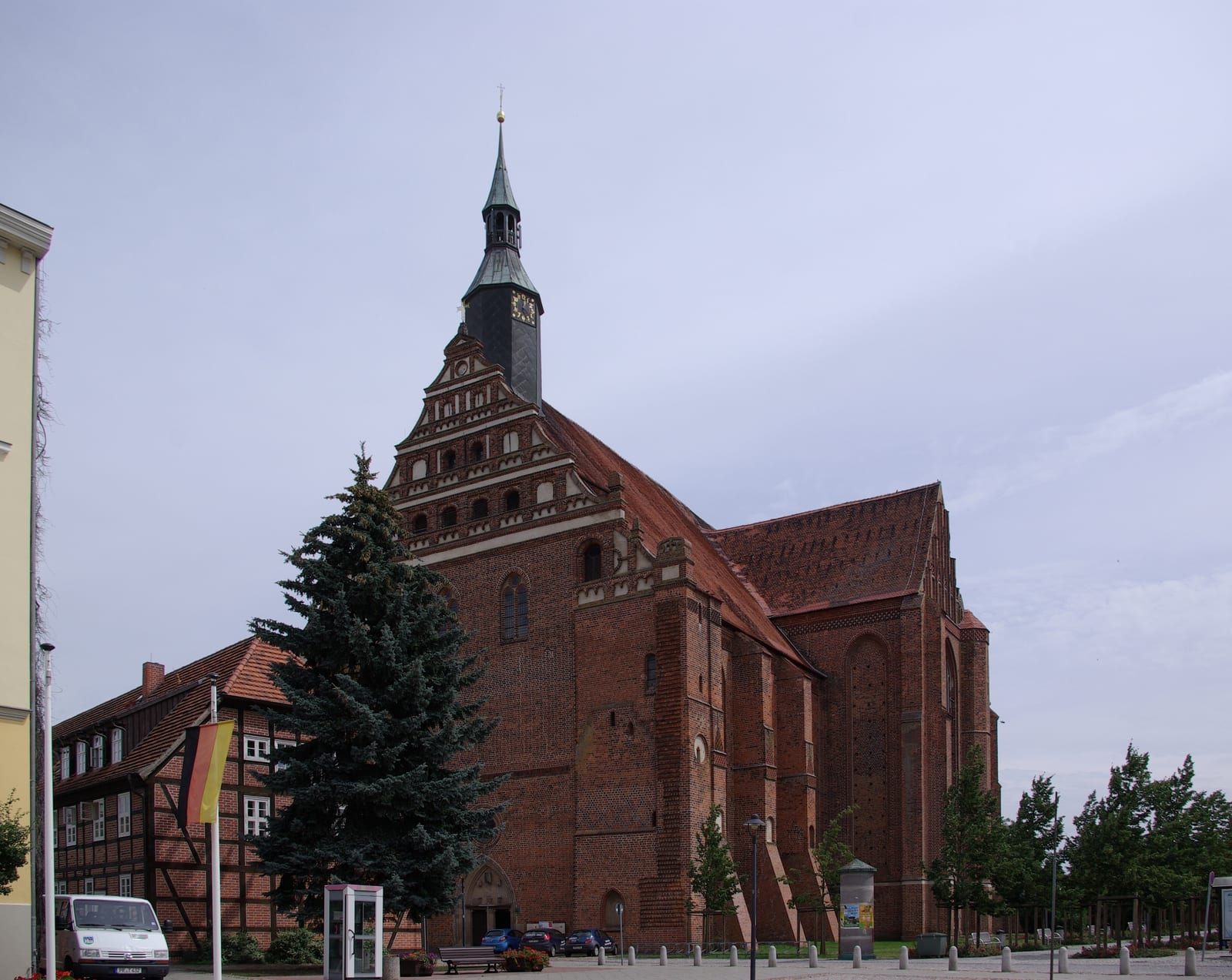
The Holy Blood of Wilsnack
Three hosts found intact, each marked with a drop of blood, in the ashes of a church burned in 1383 made Wilsnack one of the great pilgrimages of northern Europe — and one of the most contested: Jan Hus, Heinrich Tocke and Nicholas of Cusa denounced it, and in 1552 the Lutheran pastor Joachim Ellefeld burned the hosts.
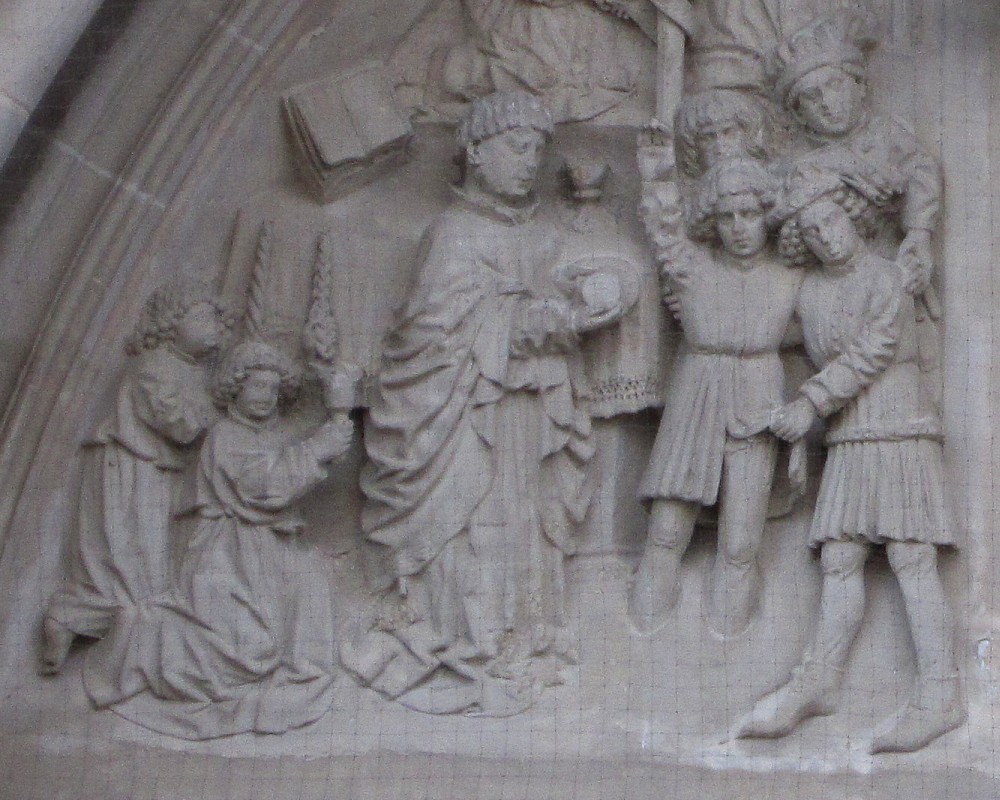
The Eucharistic Miracle of Seefeld
A proud Tyrolean knight, Oswald Milser, demanded a larger Communion host than ordinary worshippers. As he received it, the floor opened beneath him and he sank to his knees in the marble. The host began to bleed.
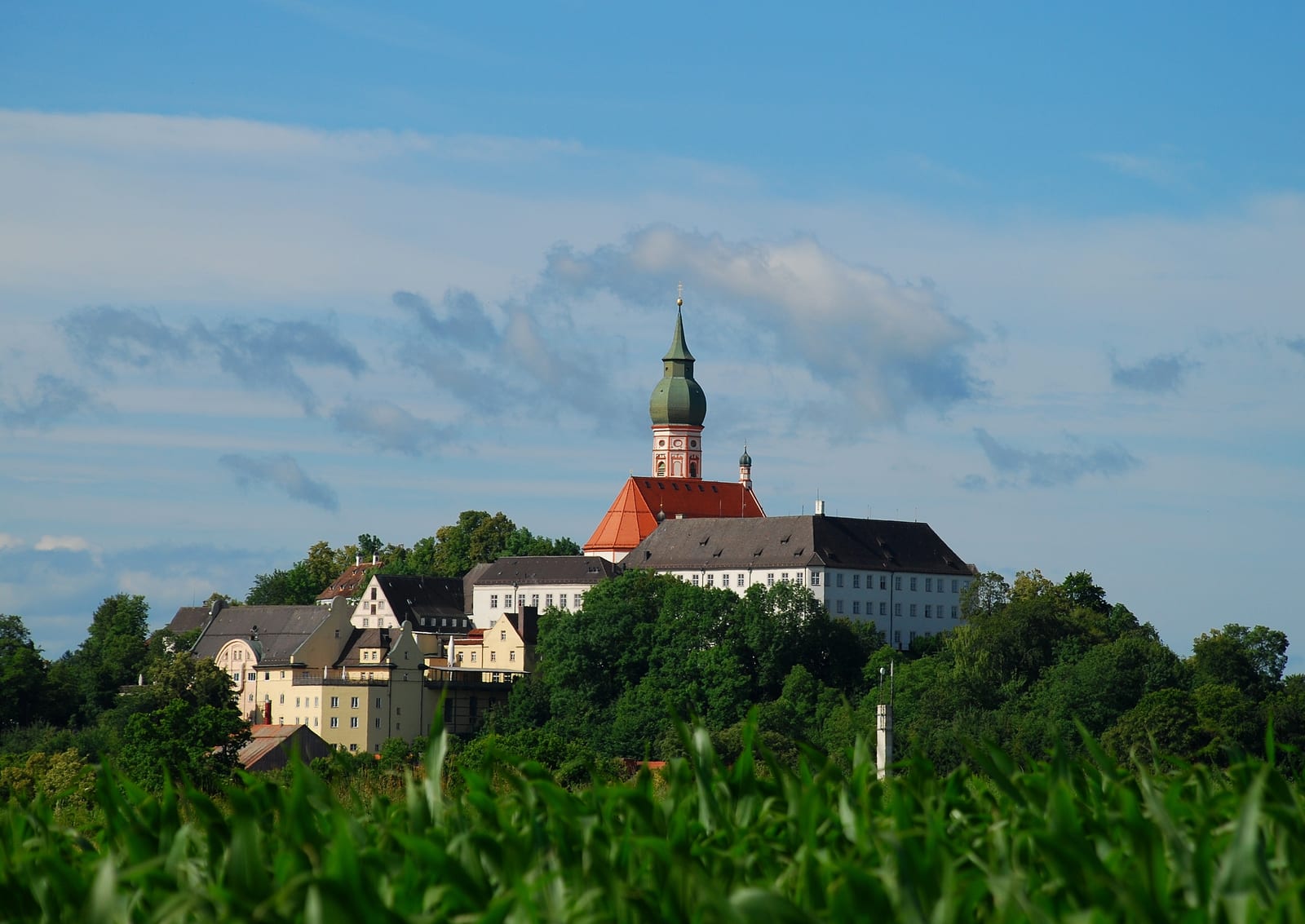
The Three Sacred Hosts of Andechs
Three consecrated hosts — two impressed with the marks of crucifixion and one with the Cross — were rediscovered in 1388 in the ruined chapel of Andechs Abbey on the Bavarian 'Holy Mountain.' They had been hidden three centuries earlier.
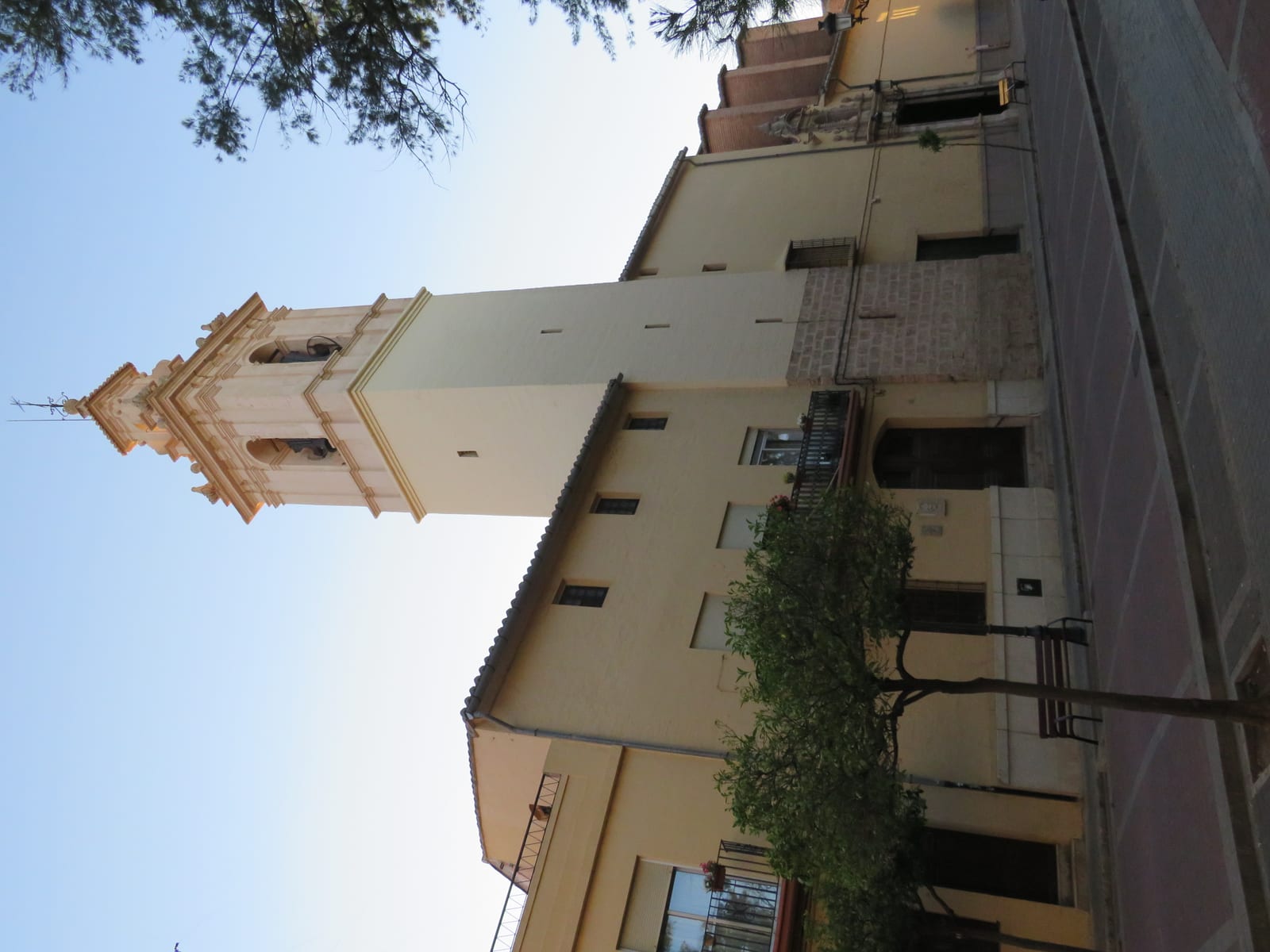
The Eucharistic Miracle of Moncada
During the Western Schism a Moncada priest feared his ordination was invalid; on Christmas Day 1392 a five-year-old girl, Inés, saw the Child Jesus in the Host he raised, and the next day she picked out the consecrated Host from an unconsecrated one.
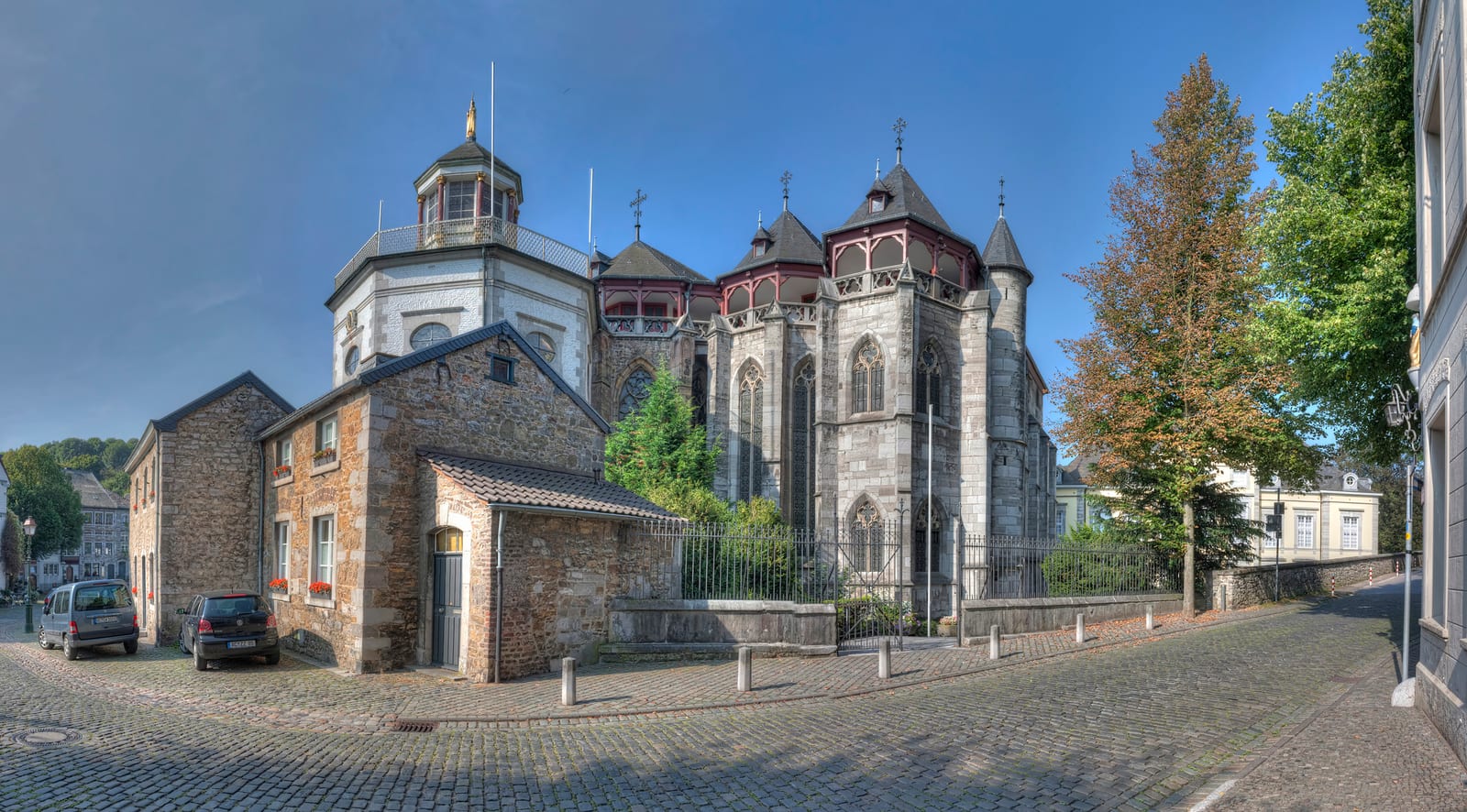
The Eucharistic Miracle of Kornelimünster
At the Carolingian abbey of Kornelimünster near Aachen — already a major imperial pilgrimage site — a Eucharistic phenomenon in 1394 added to the abbey's relics, which include cloths from Christ's Passion gathered by St. Helena.
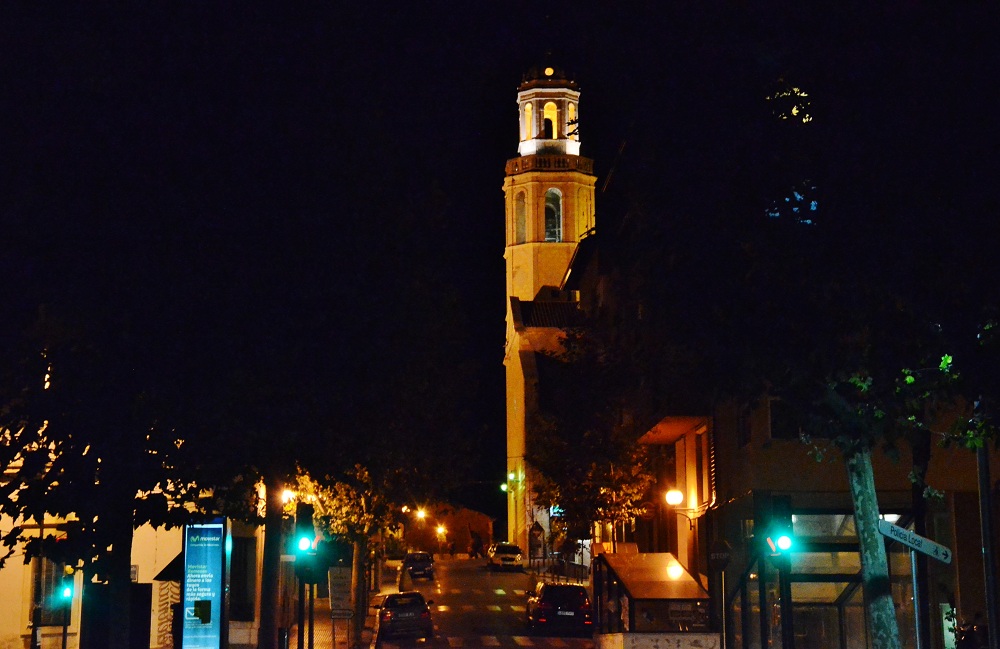
The Eucharistic Miracle of Cubelles
A small consecrated host found by chance in a niche of the parish church of Cubelles in 1394 was found to have been preserved untouched for an unknown period — and to bear, in dark sepia tones, the imprint of a small crucifix.
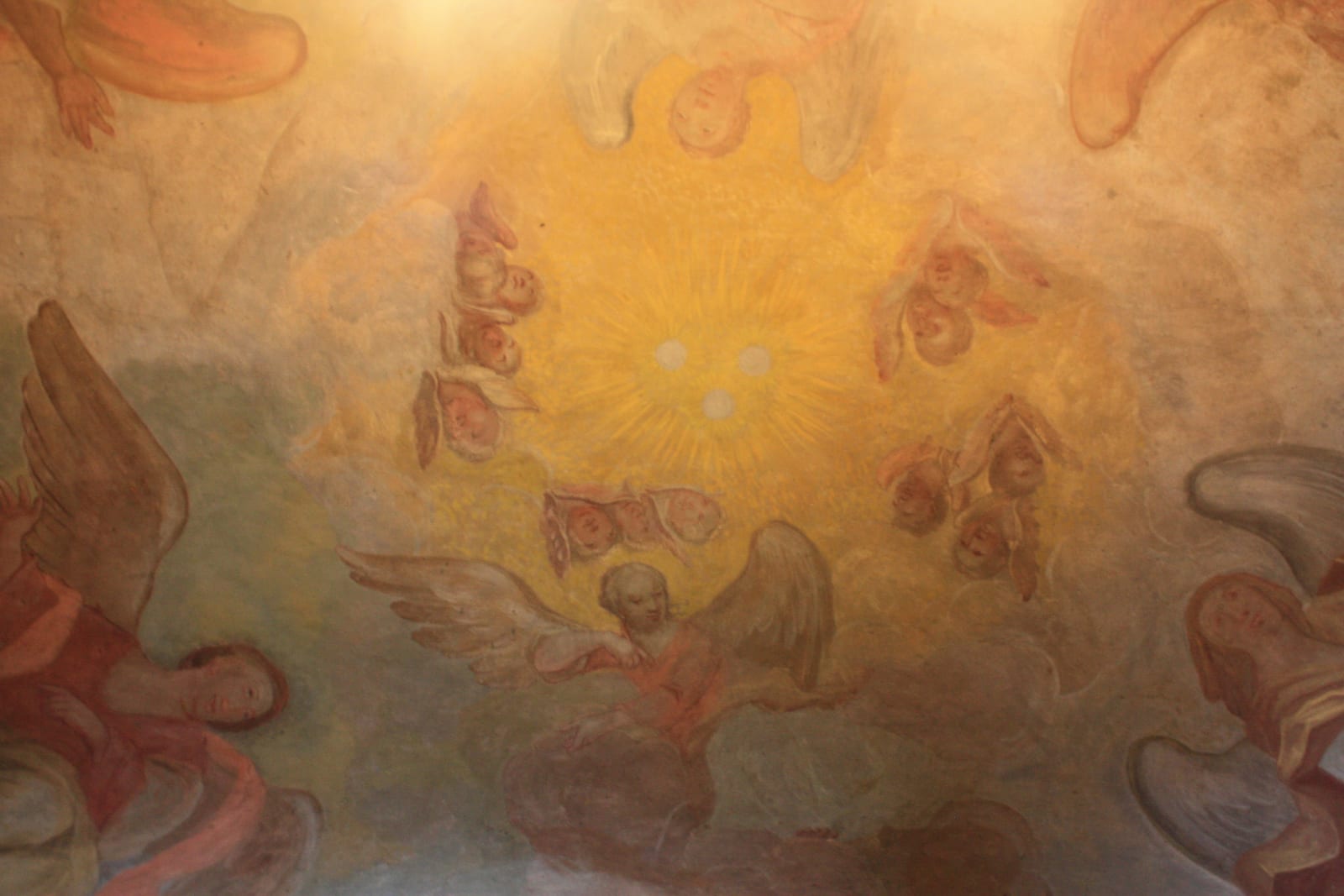
The Eucharistic Miracle of Poznań
Three consecrated hosts stolen from a parish in Poznań were found abandoned in a meadow, weeping blood. King Władysław II Jagiełło ordered the construction of a great Carmelite church on the site.
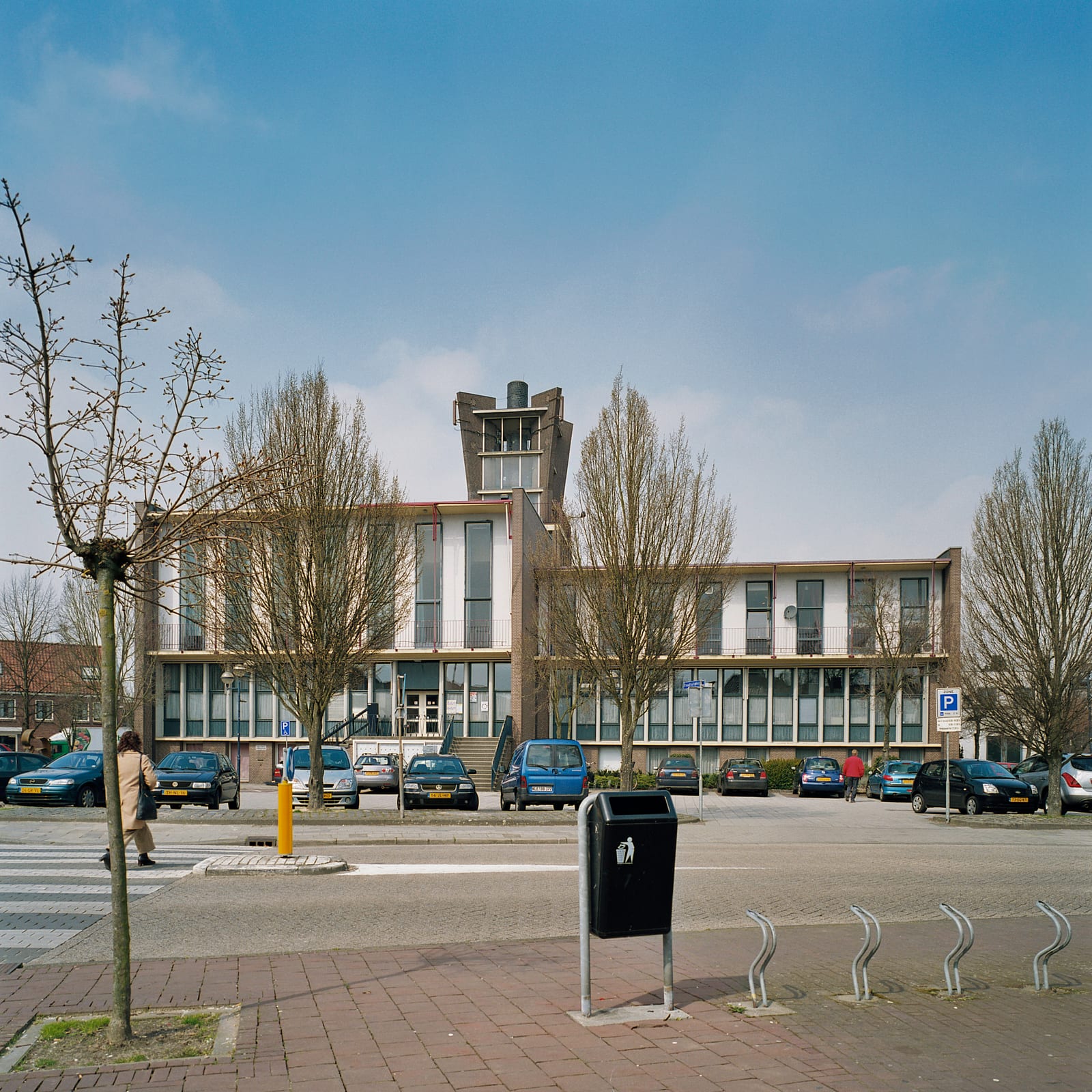
The Eucharistic Miracle of Boxmeer
A priest of Boxmeer in the Dutch province of North Brabant doubted the Real Presence; at the consecration the wine in his chalice transformed visibly into blood and rose above the rim. The annual Bloedprocessie of Boxmeer continues.
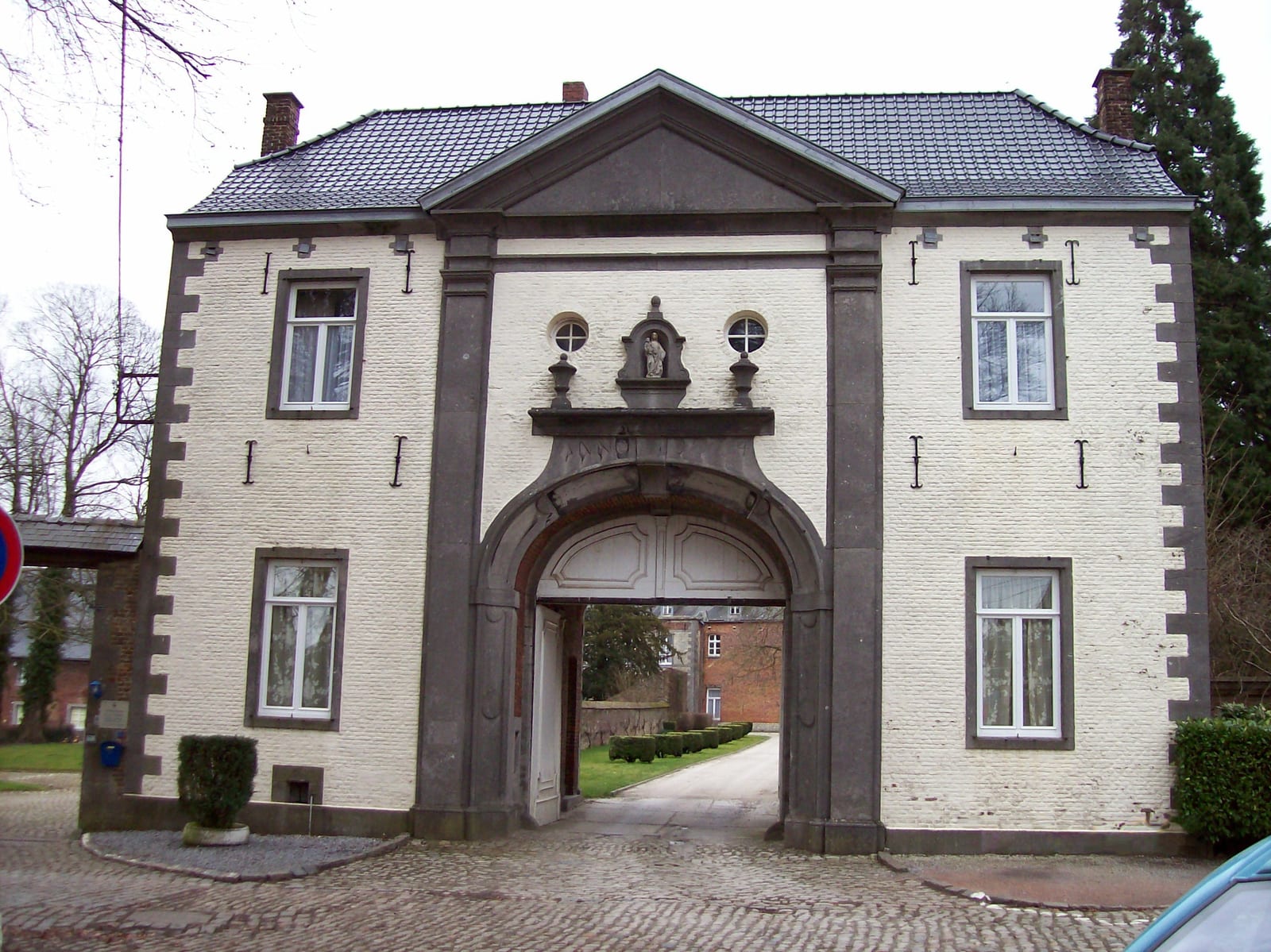
The Eucharistic Miracle of Bois-Seigneur-Isaac
At a Friday Mass in a small Belgian chapel, the priest opened the corporal and found it saturated with blood. A vision of the wounded Christ above the altar followed. Pope Martin V approved the cult in 1428.
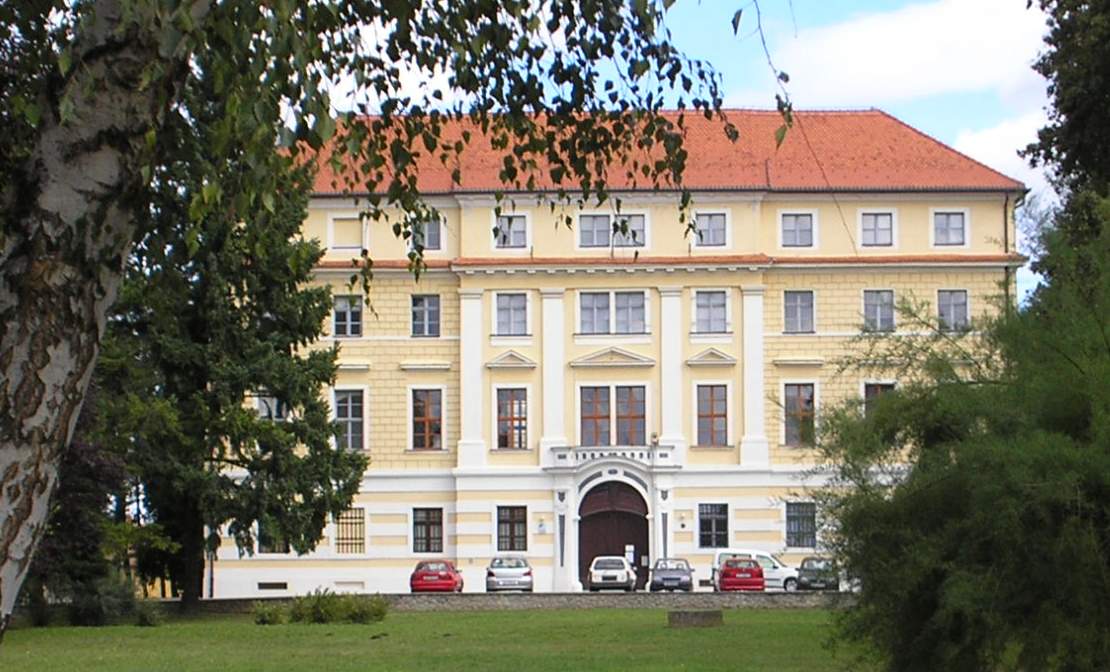
The Eucharistic Miracle of Ludbreg
A doubting priest at the castle chapel of Ludbreg saw the consecrated wine in his chalice transform into blood. Pope Leo X formally confirmed the relic in 1513. The principal Eucharistic miracle of Croatia.
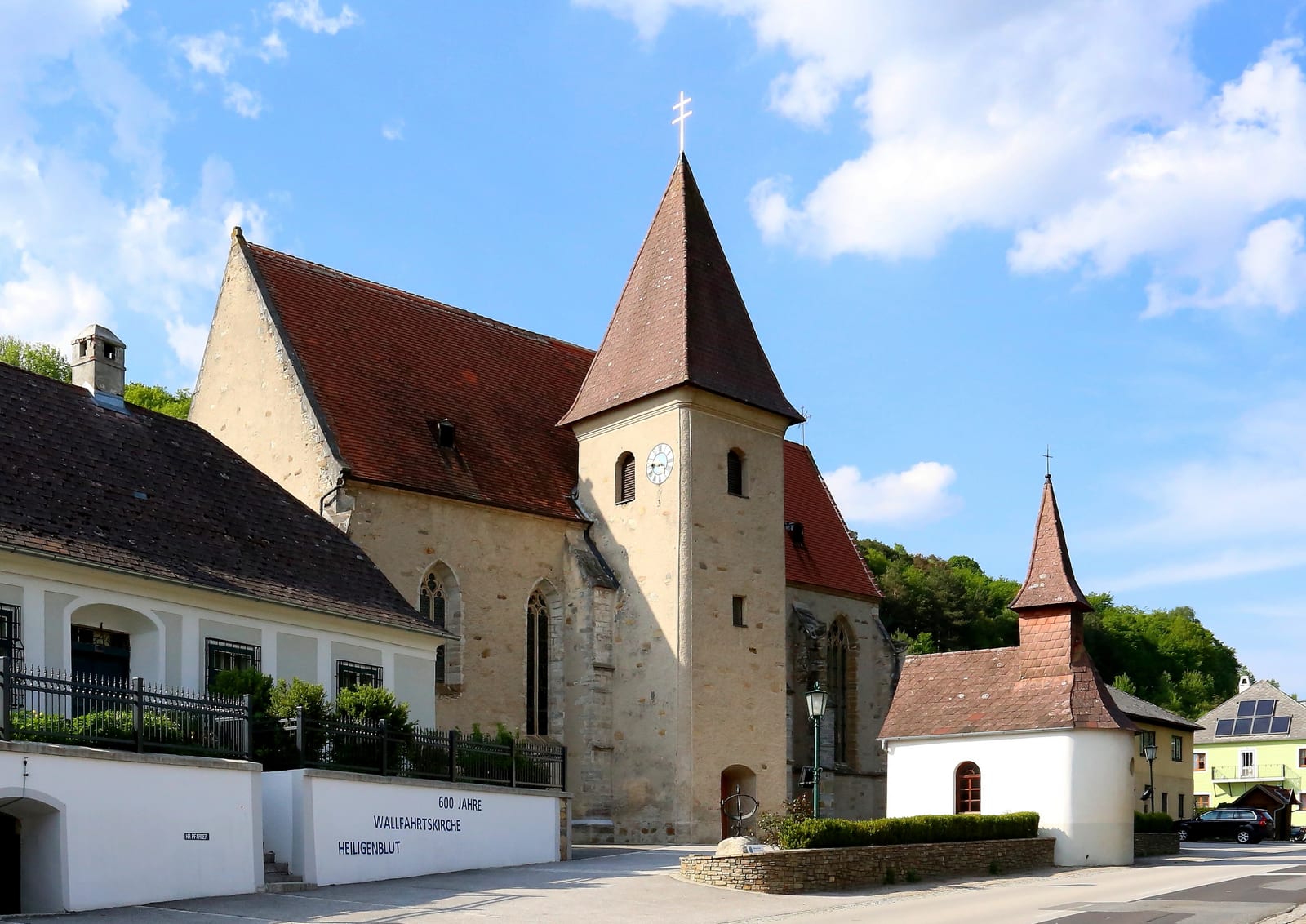
The Eucharistic Miracle of Weiten-Raxendorf
A thief stole a consecrated host from the parish church of Weiten and hid it in his glove; where his horse balked, the host fell unseen to the ground. Days later a woman found it shining with light, broken in two yet held together by threads of bleeding flesh — and built a chapel on the spot.
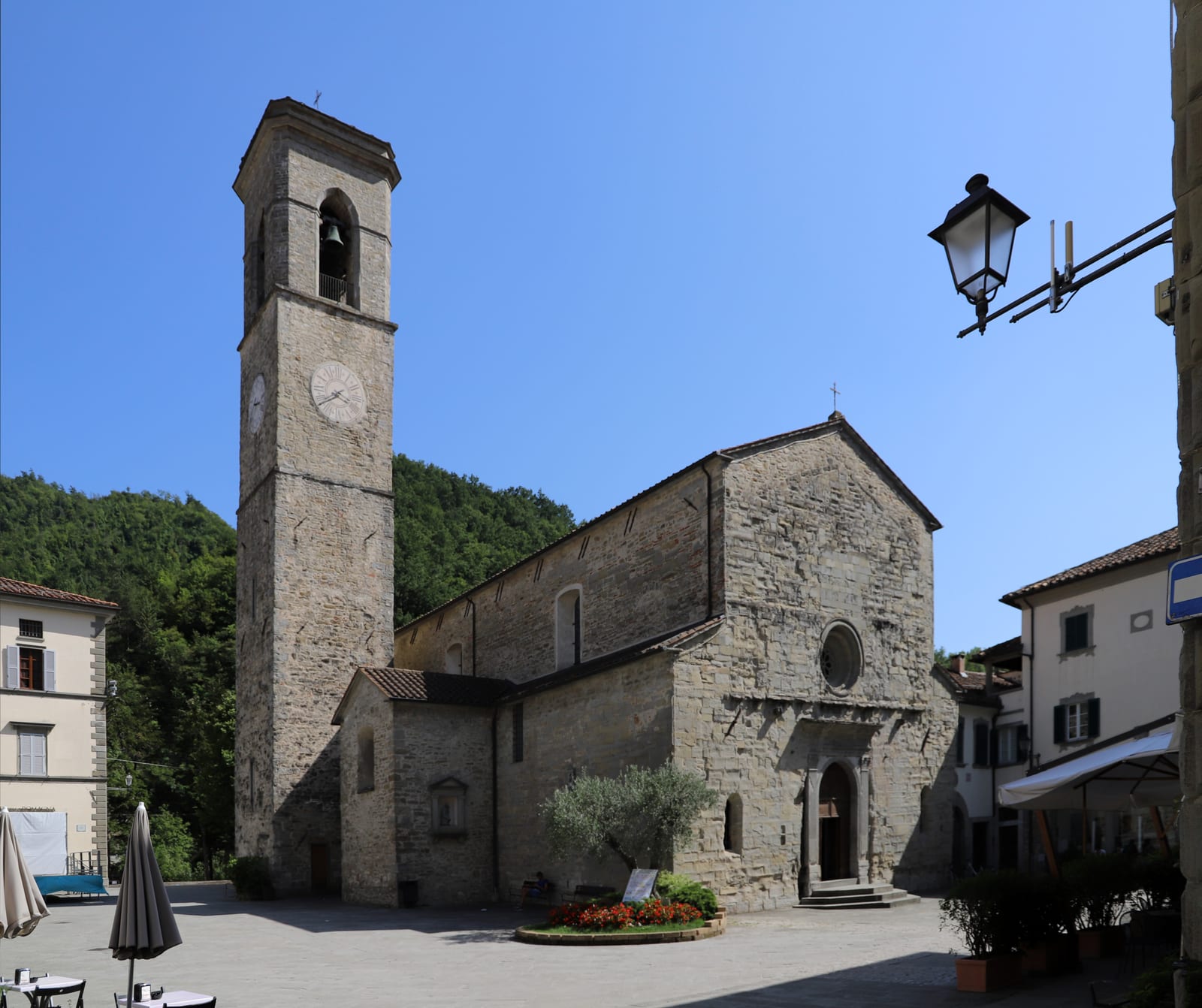
The Eucharistic Miracle of Bagno di Romagna
A Camaldolese monk distracted by doubts during the Mass saw the wine in the chalice begin to boil and rise, then transform into living blood that overflowed the cup.
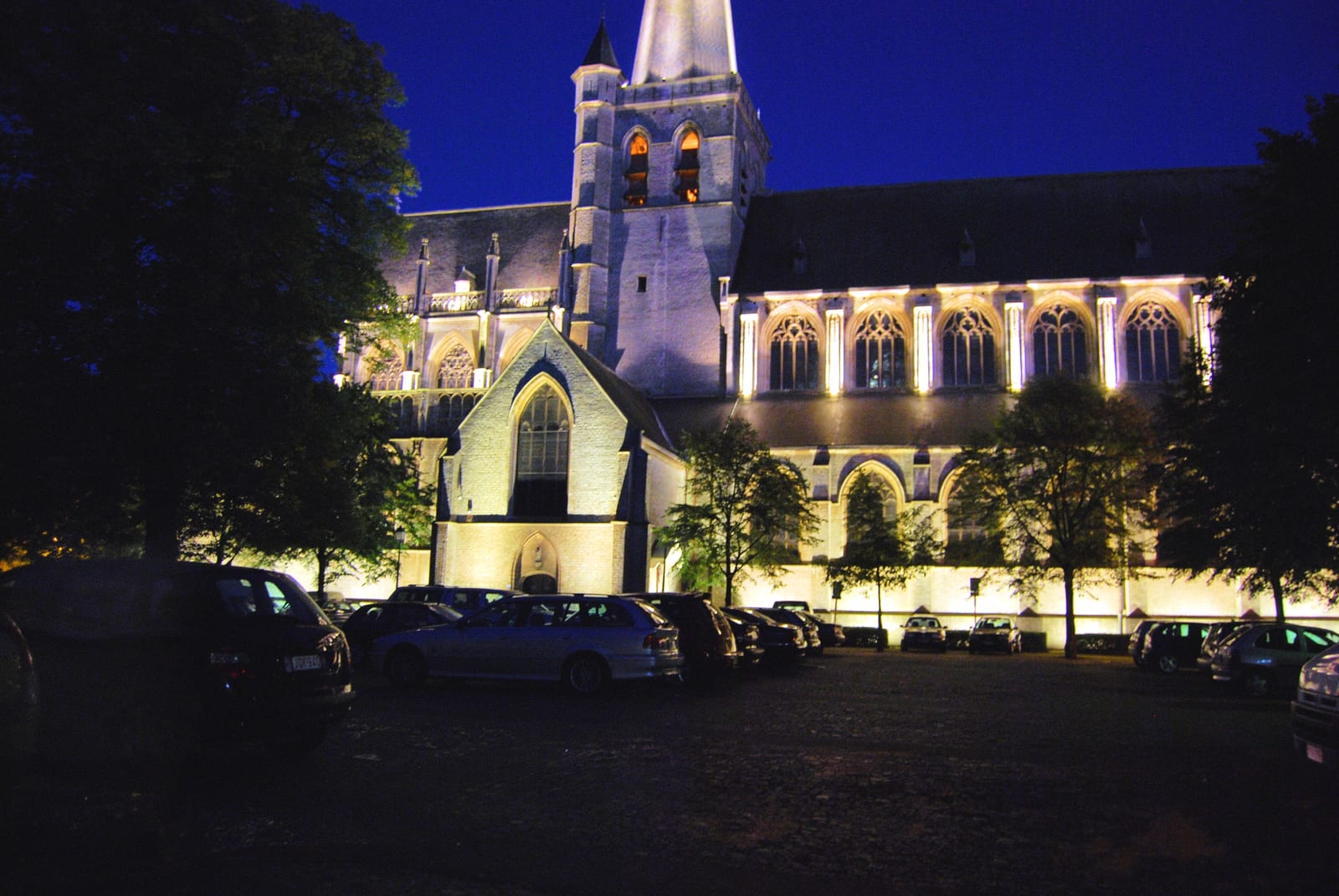
The Eucharistic Miracle of Herentals
Three consecrated hosts stolen from the parish of Herentals were found buried in a field outside the town — and when retrieved, were seen by the witnesses to be marked with drops of blood.
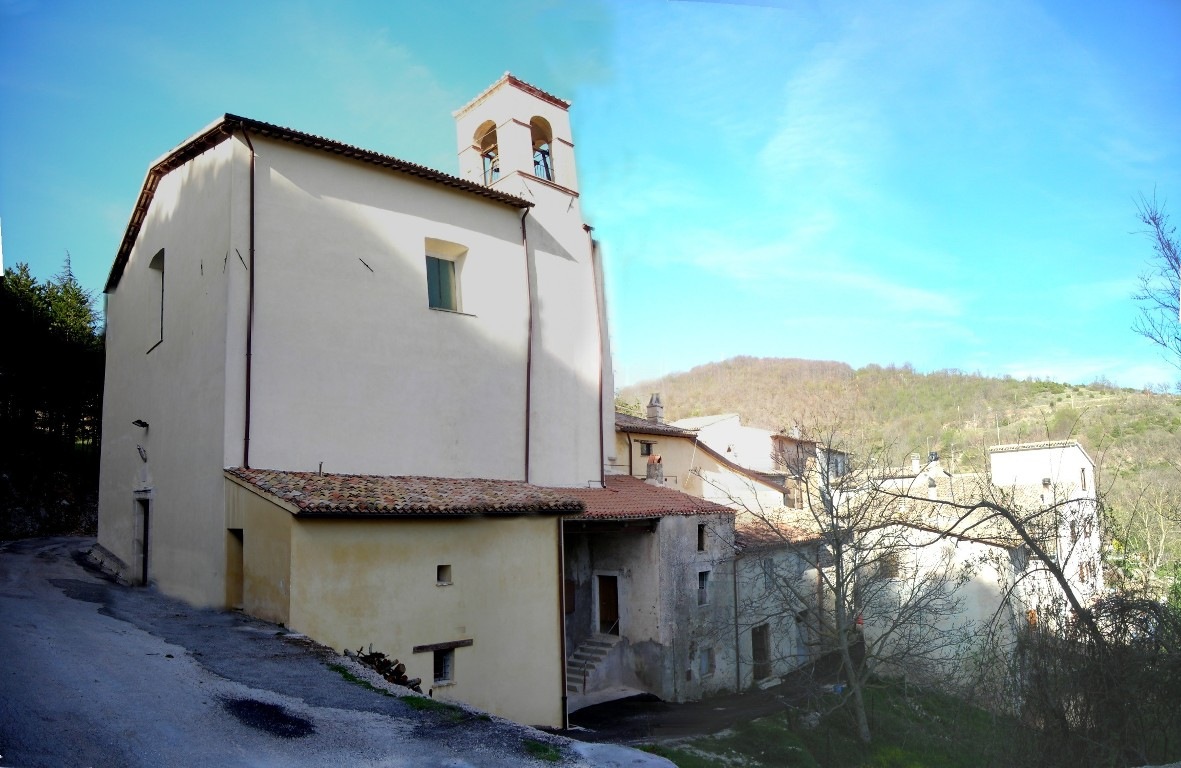
The Eucharistic Miracle of Cancelli di Foligno
A priest doubting the Real Presence saw the consecrated host transform into a piece of bleeding flesh at the moment of the elevation. The relic is preserved in the sanctuary at Cancelli, near Foligno.