
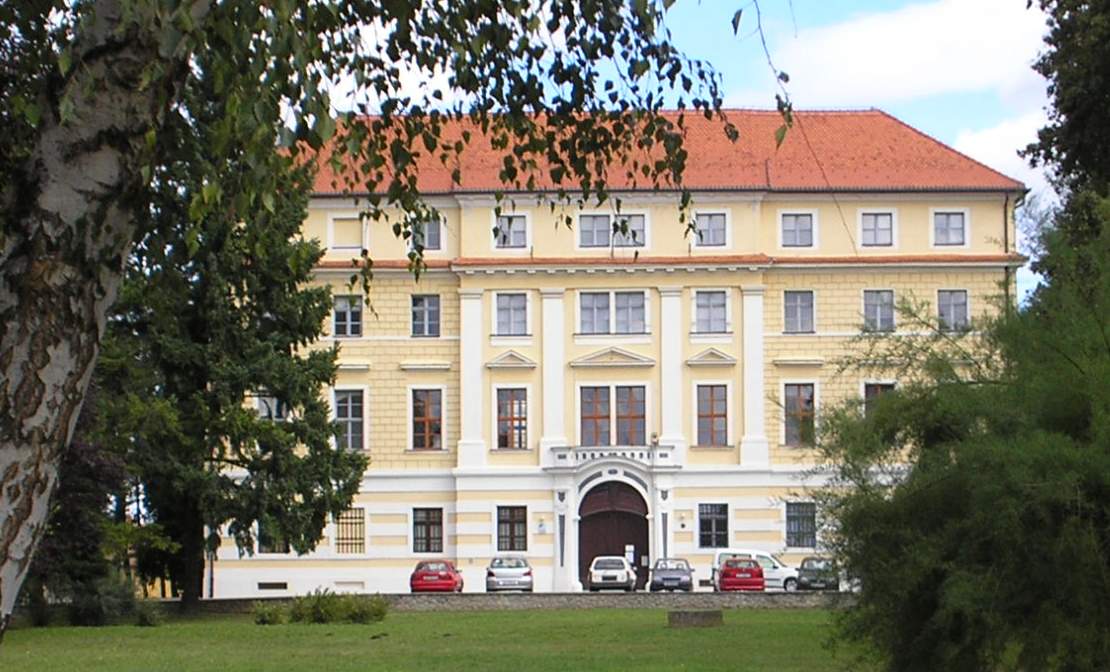
In 1411, the chaplain of the castle of Ludbreg in northern Croatia (then part of the Hungarian crown) was celebrating Mass and, at the moment of consecration, was assaulted by doubts about the Real Presence. As he looked down, the wine in the chalice had visibly changed into blood. Terrified, he hid the relic behind the wall of the chapel and revealed it only on his deathbed.
The relic was discovered intact. Word reached Rome; Pope Leo X examined and confirmed the relic and the public cult in 1513. The Croatian Parliament (Sabor) of Varaždin, during the great plague of 1739, formally vowed to build a votive chapel if Ludbreg's intercession spared the country. The plague ended. The vow was kept — the chapel of the Most Precious Blood of Christ stands at Ludbreg, and an annual national pilgrimage on the first Sunday of September draws tens of thousands. The Holy Blood relic remains in the parish church of the Most Holy Trinity.