
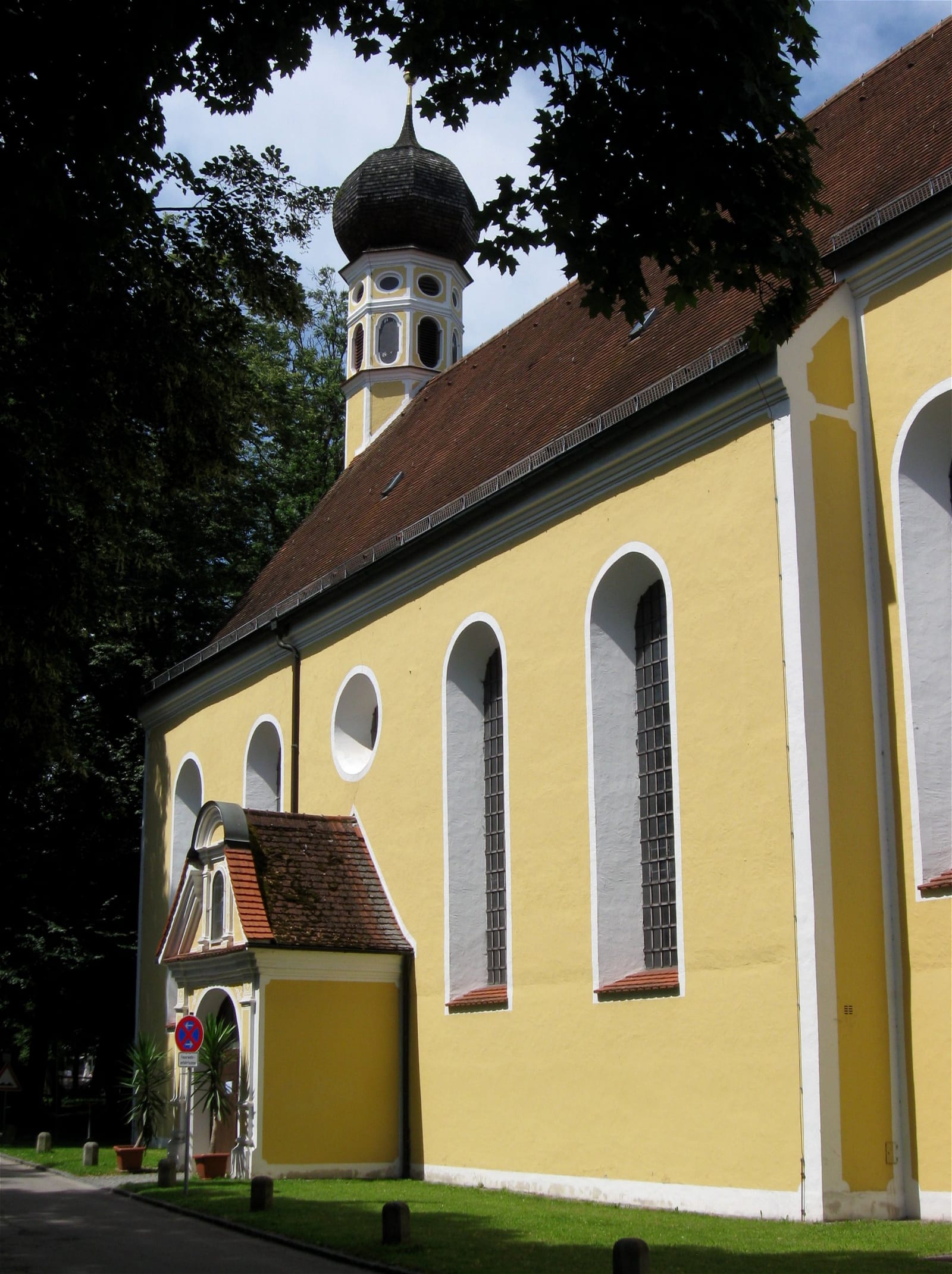
The Eucharistic Miracle of Erding
A peasant of Erding, dissatisfied with his sins, stole a consecrated host to use for divination. Hidden in a glove, the host turned to bleeding flesh; the relic became the centre of a pilgrimage that survives to this day.
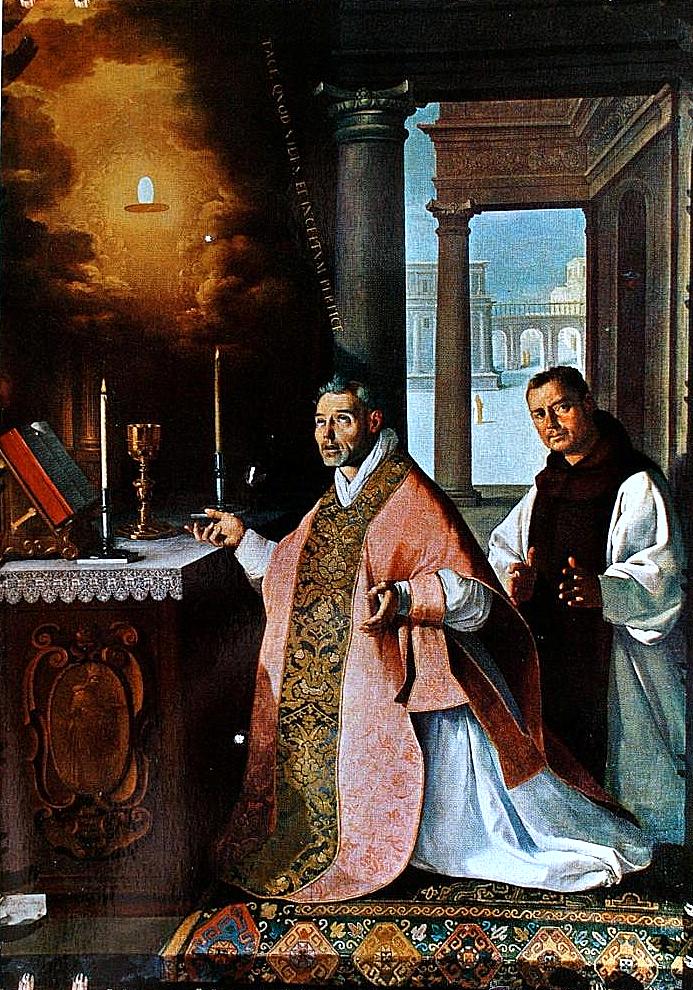
The Eucharistic Miracle of Guadalupe (Extremadura)
At Mass in 1420 the Hieronymite friar Pedro de Cabañuelas, tormented by doubts about the Real Presence, saw the Host lifted above the chalice and drops of Blood fall until the cup overflowed onto the corporal and pall, which Guadalupe still keeps as its most precious relic.
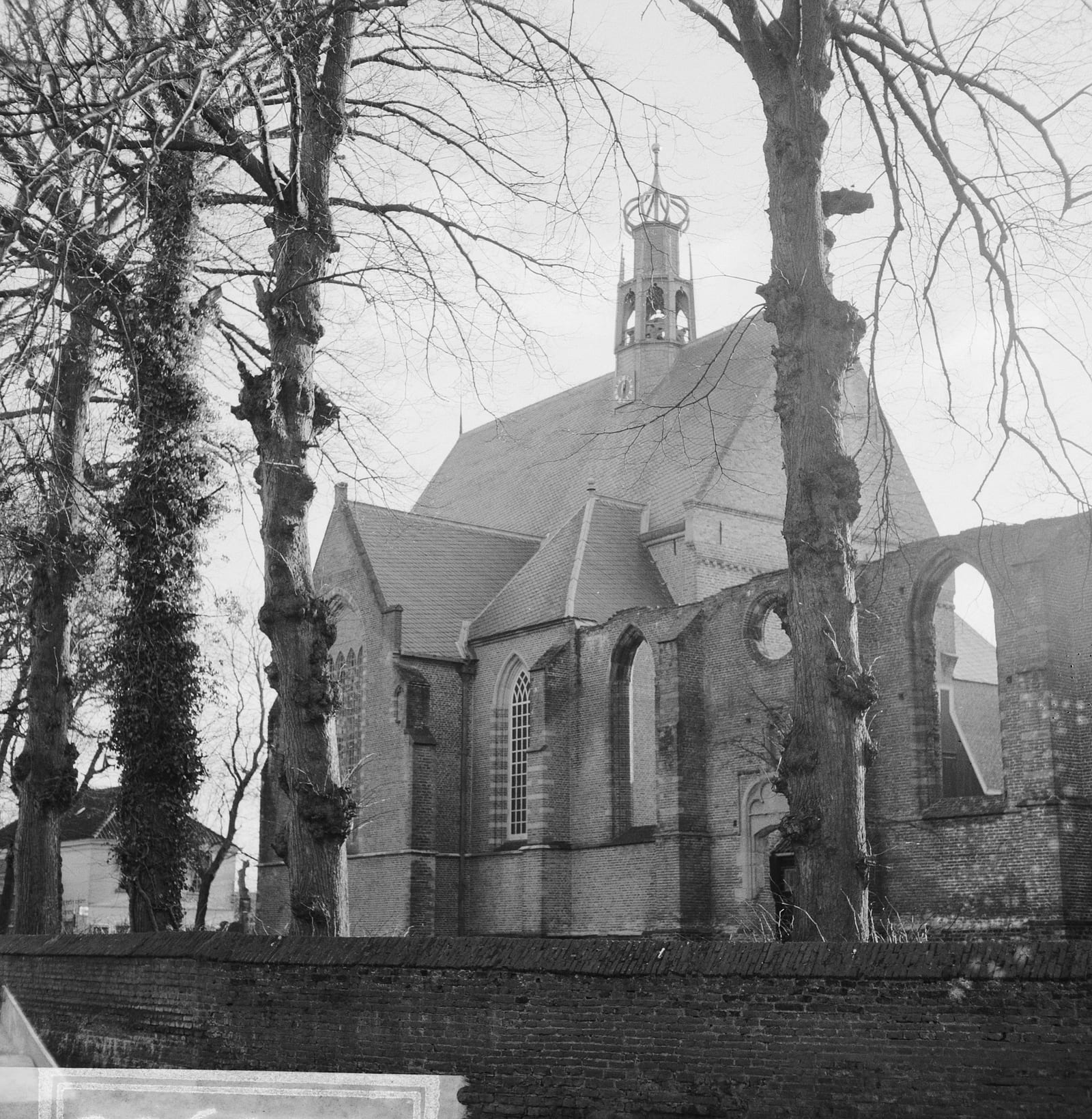
The Eucharistic Miracle of Bergen
A great storm and tidal flood destroyed the church at Bergen in 1421. Among the wreckage carried out to sea, the tabernacle with its consecrated hosts was found, intact and dry, days later on the shore far down the coast.
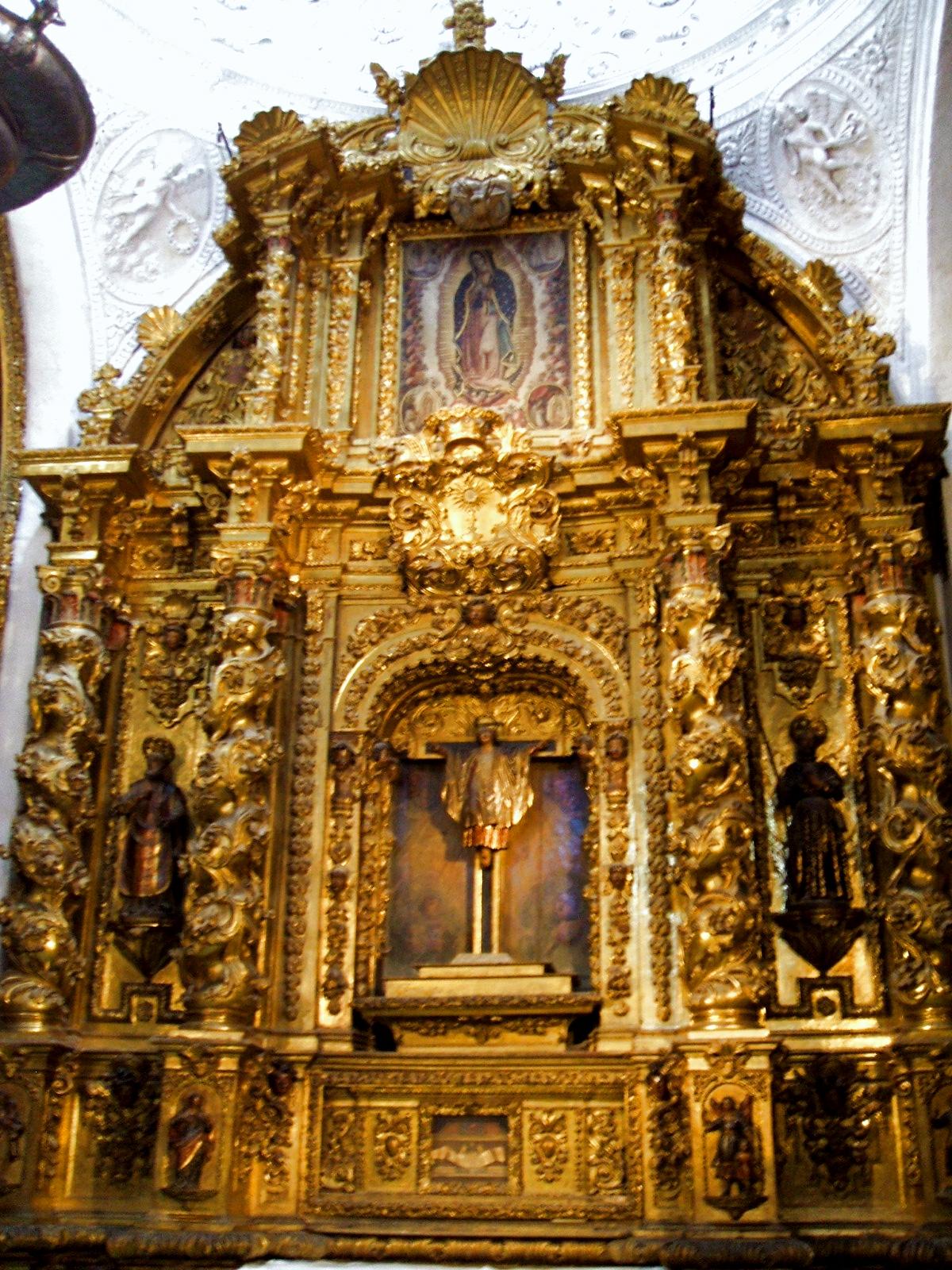
The Eucharistic Miracle of Zaragoza
A Zaragoza woman, hoping to soften a violent husband with a love charm, hid a Host in a coffer for a Moorish sorcerer; when the box was opened a luminous Child appeared, survived the fire, and was carried in procession to the cathedral, where the Host reappeared at the archbishop's Mass.
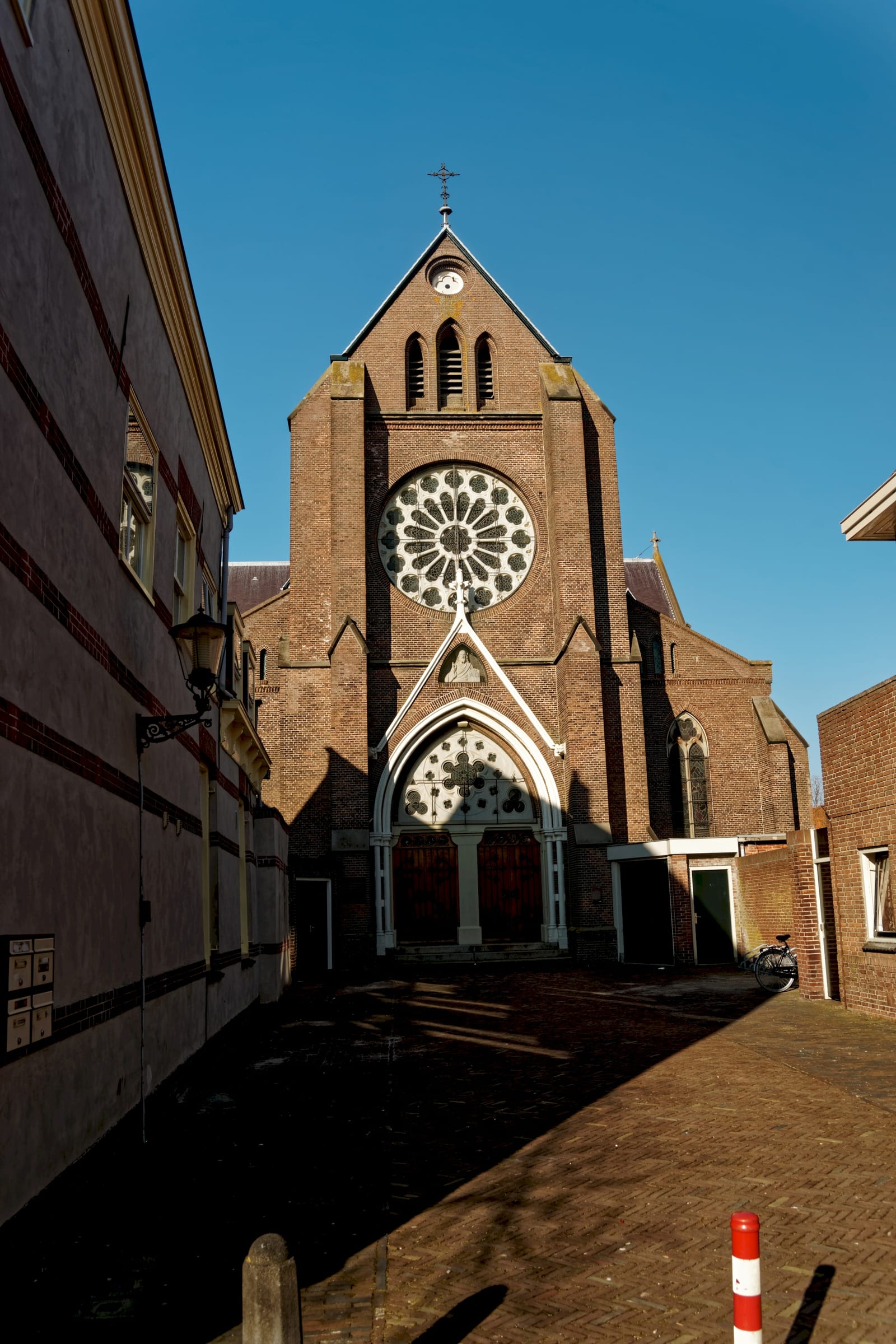
The Eucharistic Miracle of Alkmaar
At his first Mass a newly ordained priest knocked over the chalice; the consecrated wine stained his chasuble as Blood that could not be removed. The Bishop of Utrecht approved the devotion in 1433, and the relic is still venerated in Alkmaar's Catholic church of St. Lawrence.
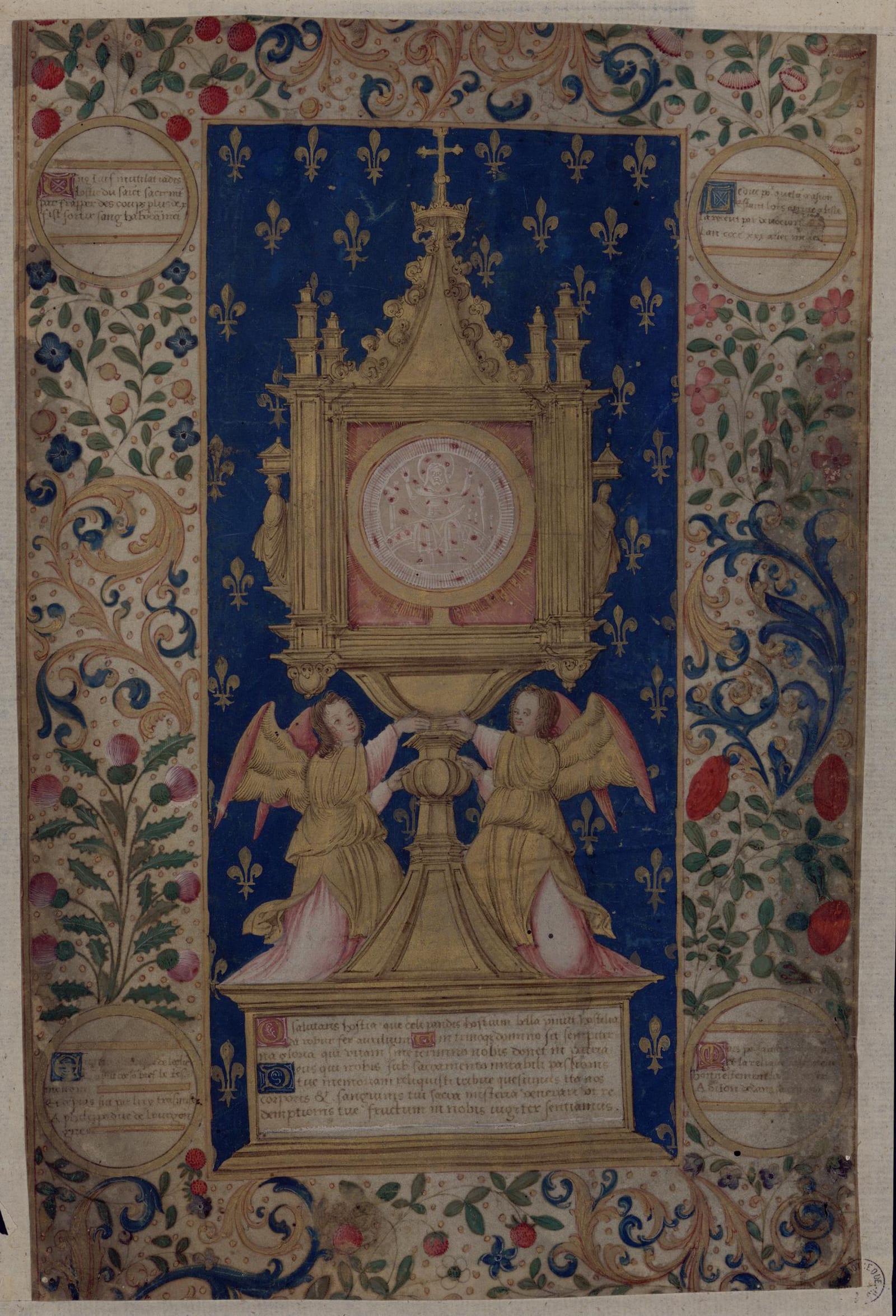
The Eucharistic Miracle of Dijon
Three consecrated hosts found in a Hussite siege chest in Bohemia were brought to Dijon as gifts to Duke Philip the Good of Burgundy; on examination they were found to bleed, and a Sainte-Chapelle was built to house them.
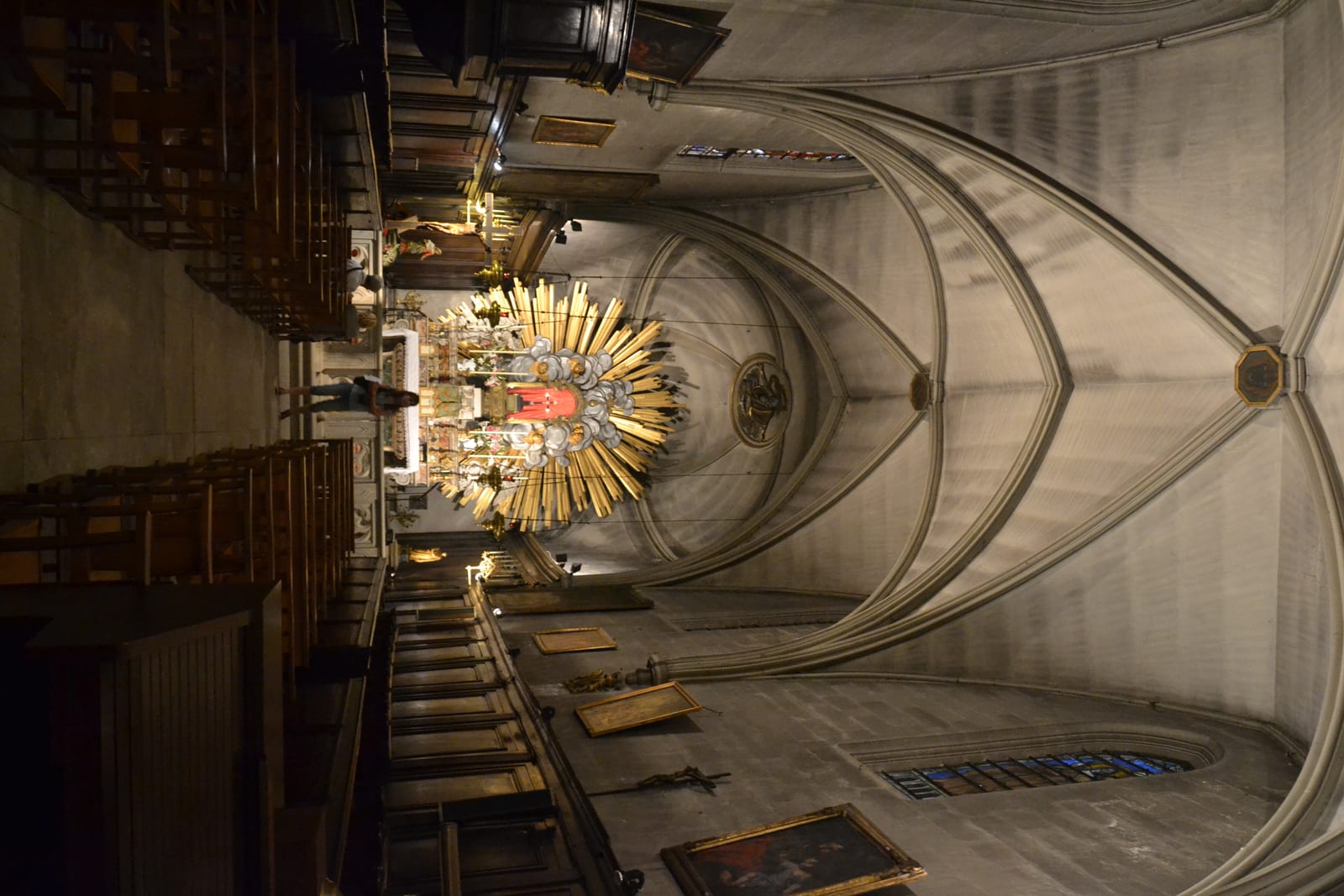
The Eucharistic Miracle of Avignon
A flood of the Sorgue river inundated Avignon. Brothers paddled boats through the streets of the city to bring the exposed Blessed Sacrament to safety — but when they reached the chapel, the waters had parted, leaving a dry corridor to the altar.
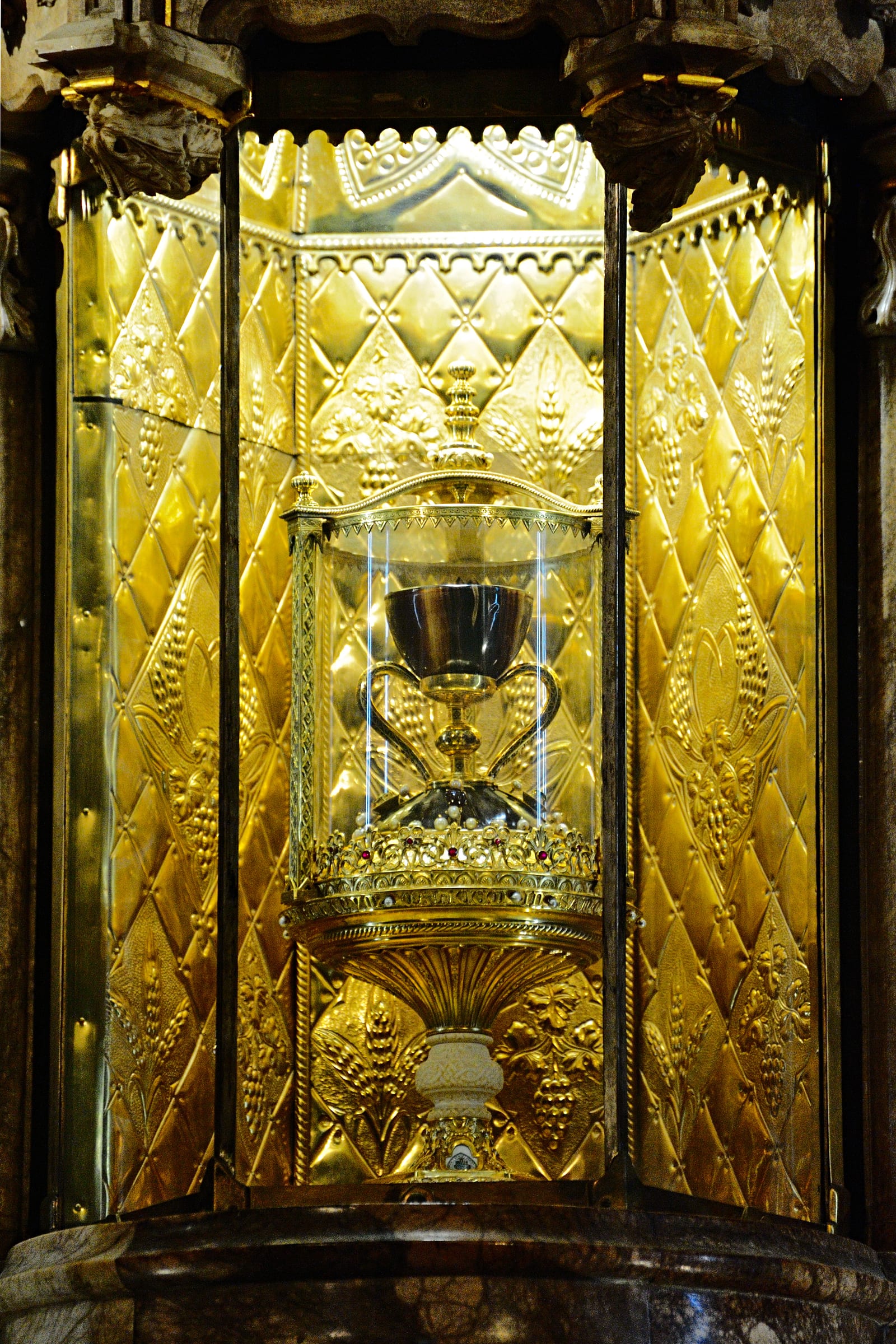
The Holy Chalice of Valencia
The exhibition's Valencia panel is not a prodigy but a relic: the Santo Cáliz, an ancient agate cup venerated as the one Christ used at the Last Supper, kept in the cathedral since 1437 and used at Mass by John Paul II and Benedict XVI.
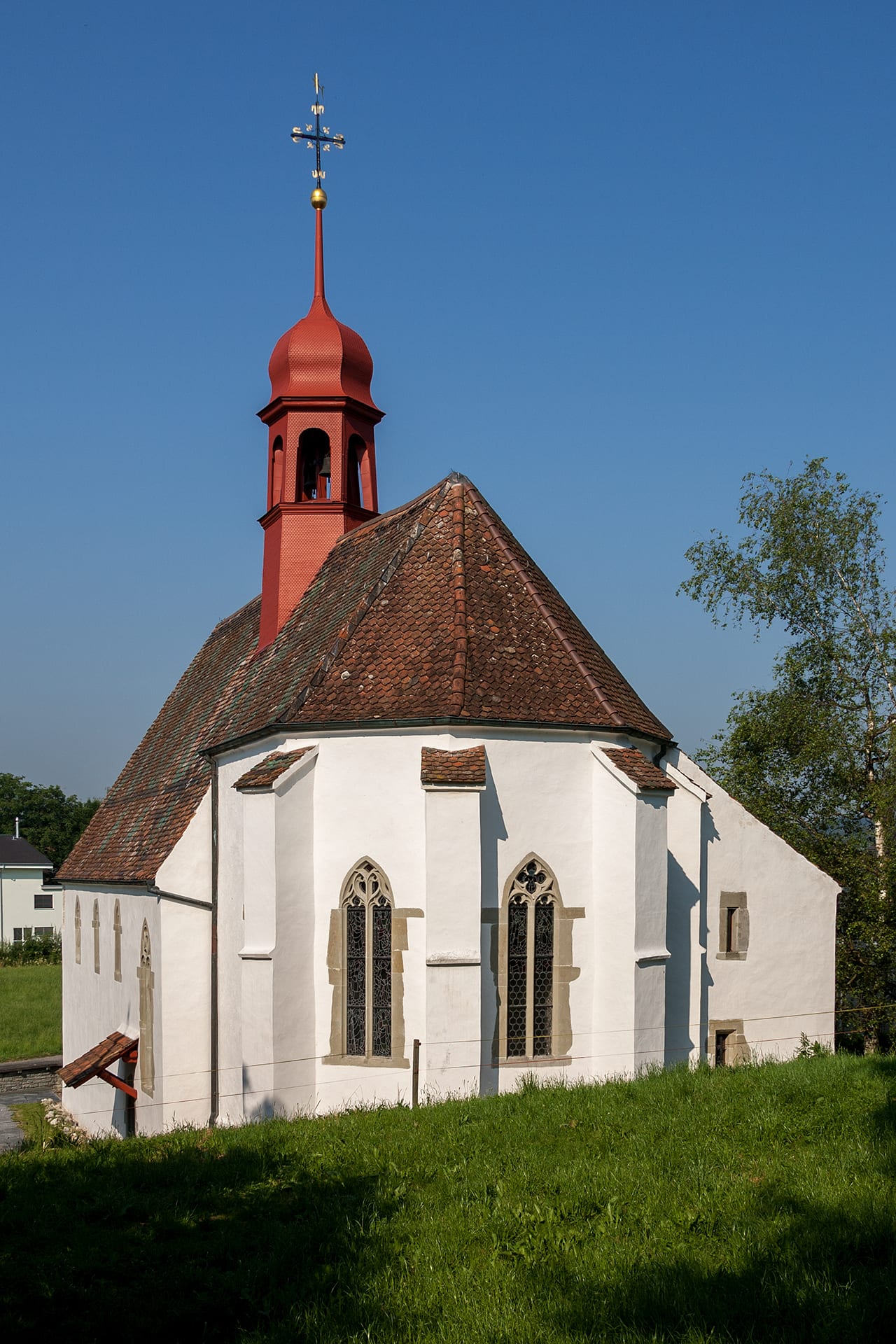
The Eucharistic Miracle of Ettiswil
A consecrated host stolen from the tabernacle of Ettiswil was abandoned in a meadow. A woman gathering herbs found it suspended above the grass on a network of golden light, surrounded by seven floral petals.
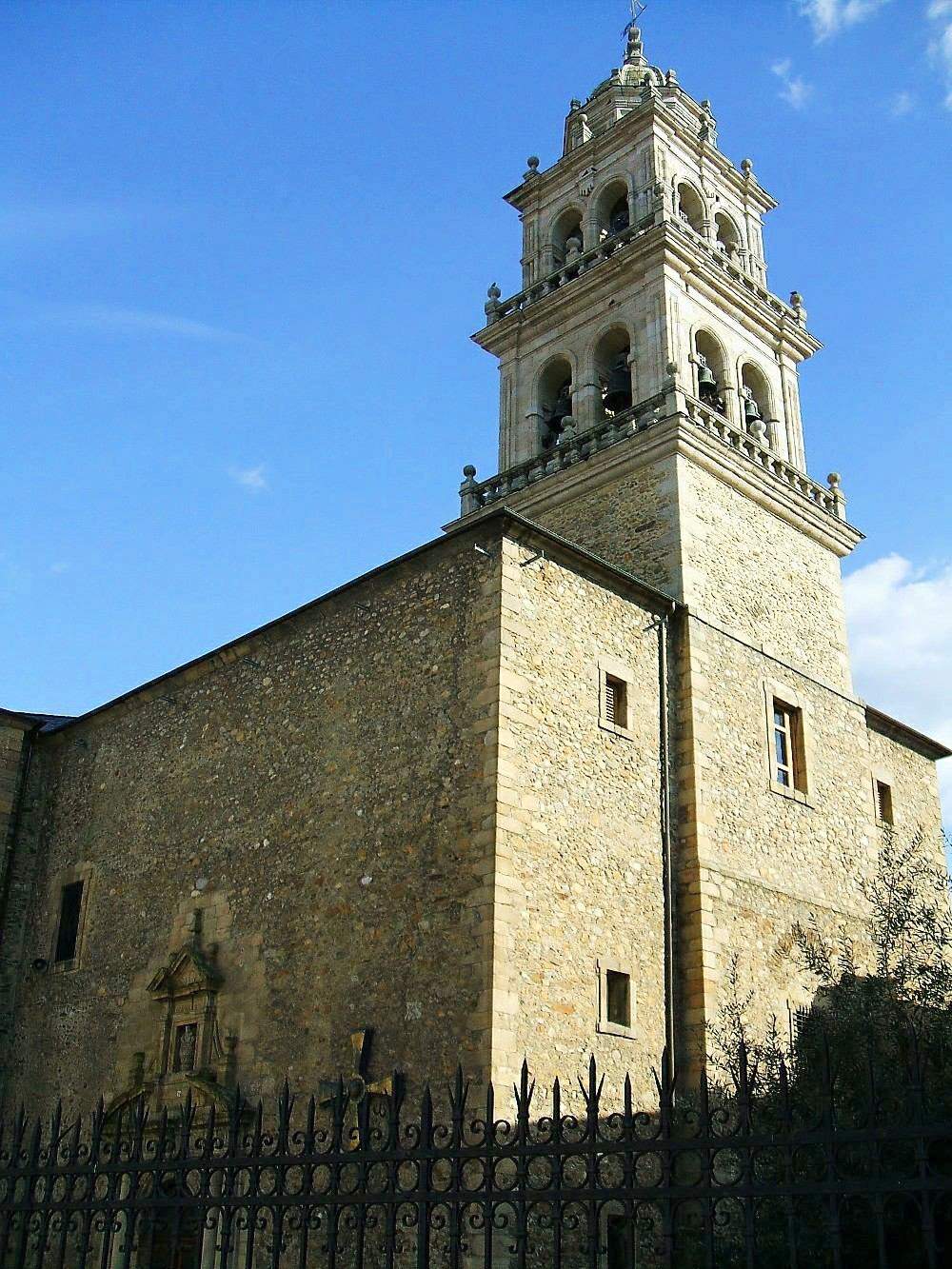
The Eucharistic Miracle of Ponferrada
A consecrated host falling unnoticed onto a layperson's clothing in Ponferrada in the 15th century left a permanent imprint of itself on the cloth — preserved at the city's principal Marian shrine.
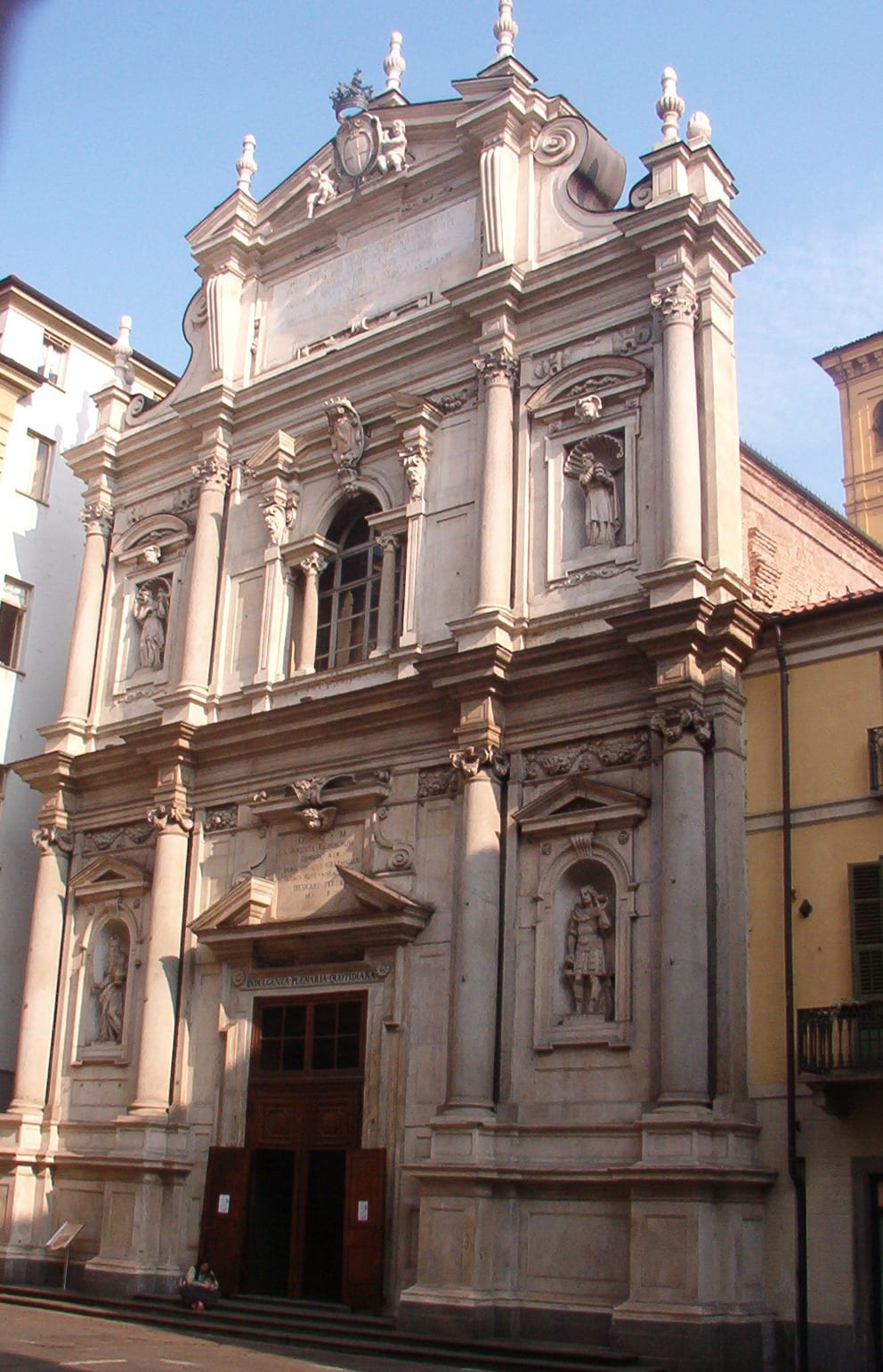
The Eucharistic Miracle of Turin
A soldier looting the village of Exilles sold a stolen monstrance to a Turin merchant. As the merchant's mule was led through the Piazza del Corpus Domini, the monstrance levitated out of his pack and rose into the air, where the consecrated host remained suspended for hours.
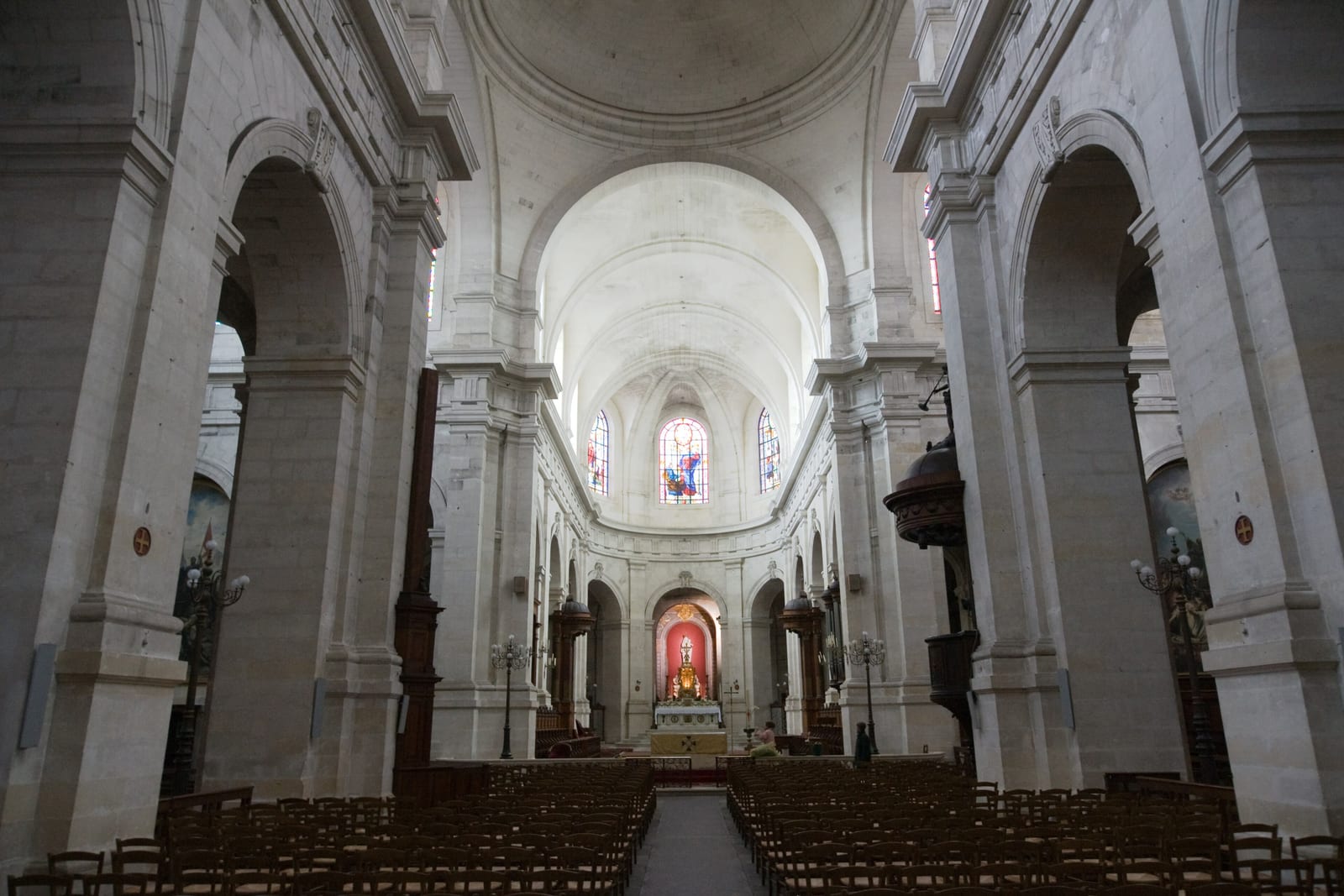
The Eucharistic Miracle of La Rochelle
A young thief at La Rochelle who attempted to scrape the gold off a consecrated chalice was stopped — the chalice burst into flames and the consecrated host within became visibly bleeding flesh.
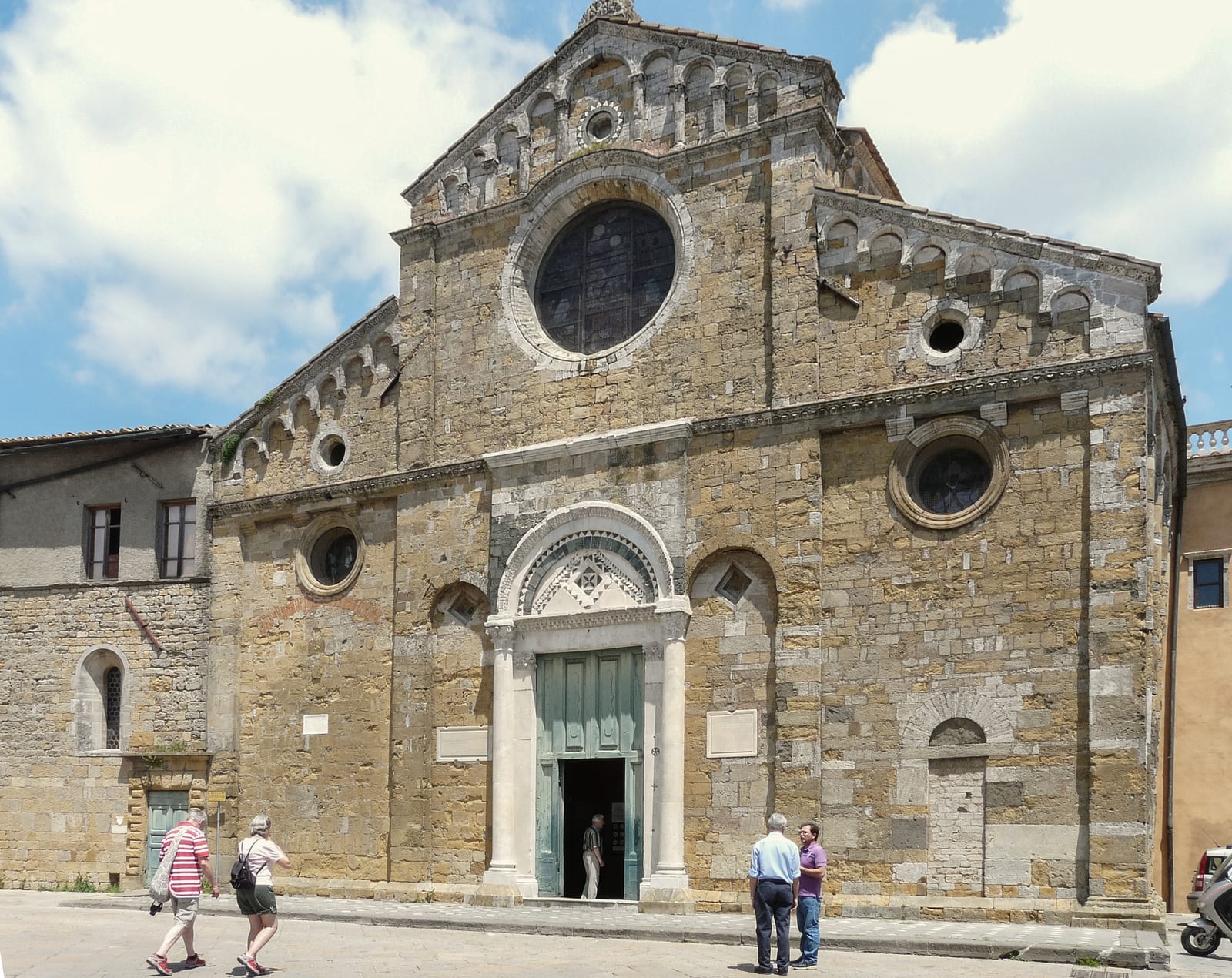
The Eucharistic Miracle of Volterra
In the year of the brutal sack of Volterra by Florentine mercenaries, a consecrated host preserved through the violence later showed signs of bleeding. The relic was venerated at the cathedral.
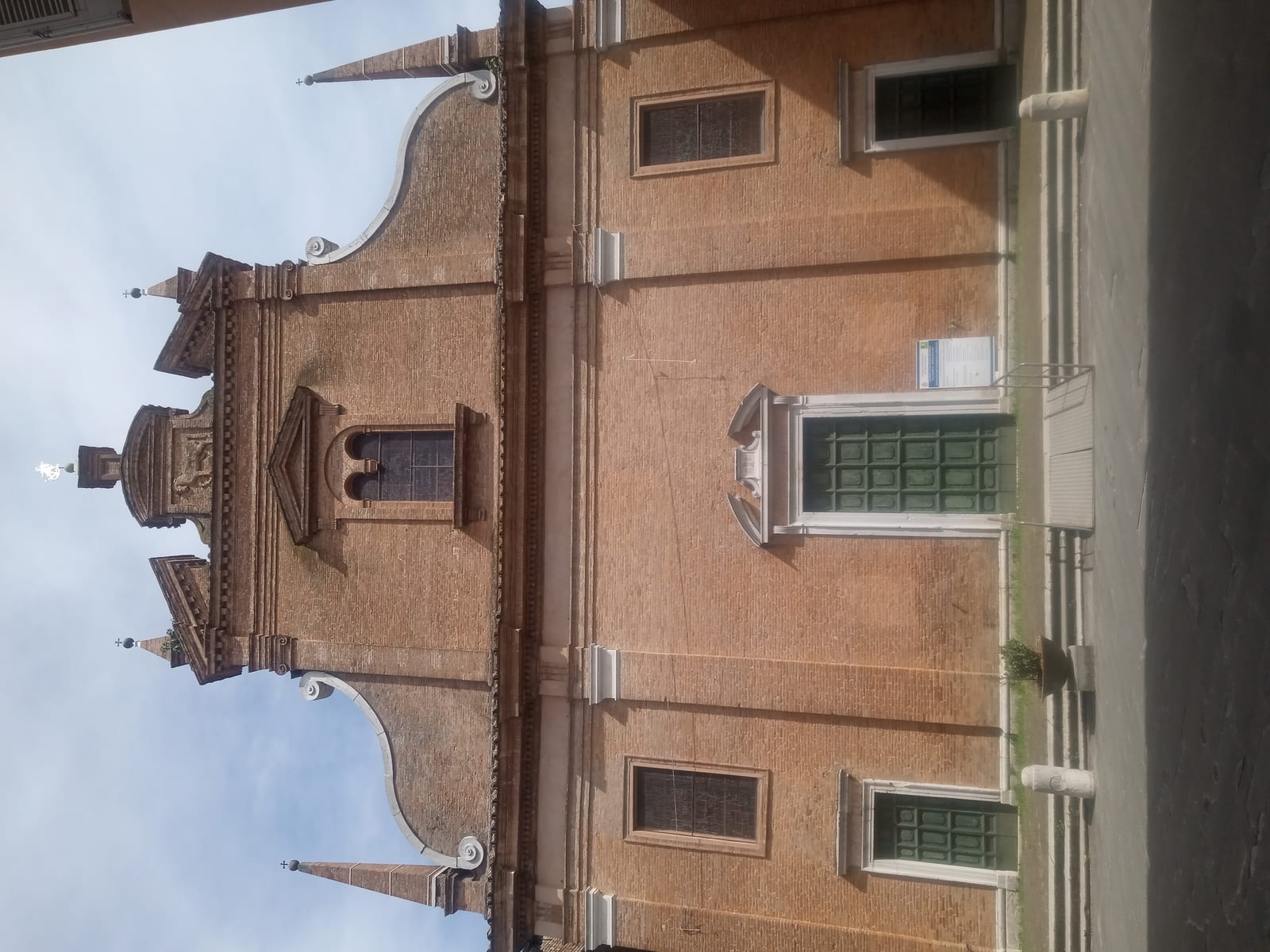
The Eucharistic Miracle of Bagnocavallo
A consecrated host accidentally dropped during Communion at the small Romagnol town of Bagnocavallo on May 4, 1480 was seen to rise from the floor of itself and return to the celebrant's hand.
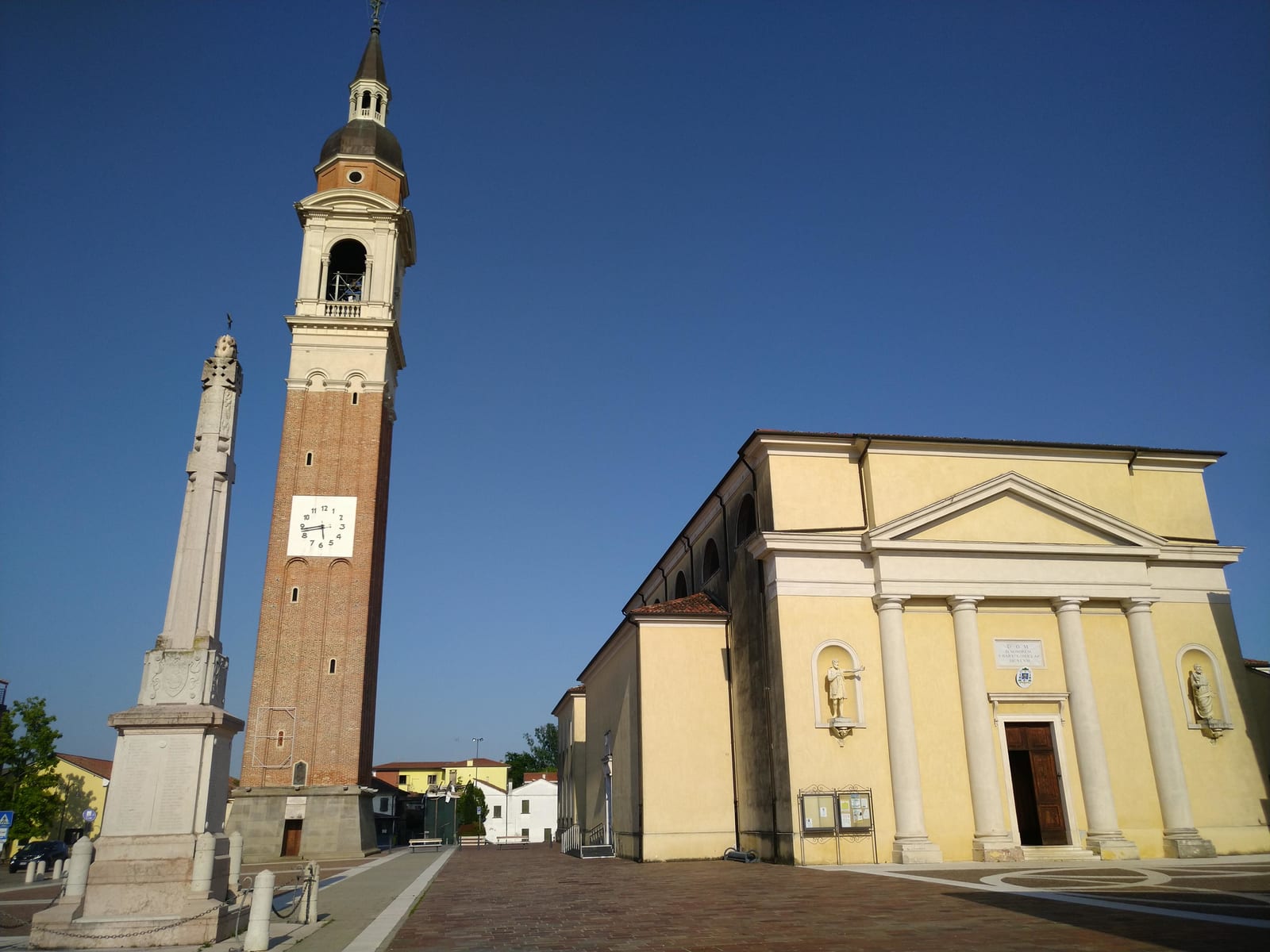
The Eucharistic Miracle of Salzano
Carrying Viaticum alone through the meadows by the Muson river to a dying parishioner, the chaplain of Salzano was met by the grazing donkeys, which turned toward the Blessed Sacrament, knelt, escorted the Host to the sick man's house, and knelt again — an account examined and recorded by St. Ignatius's companion Simão Rodrigues.
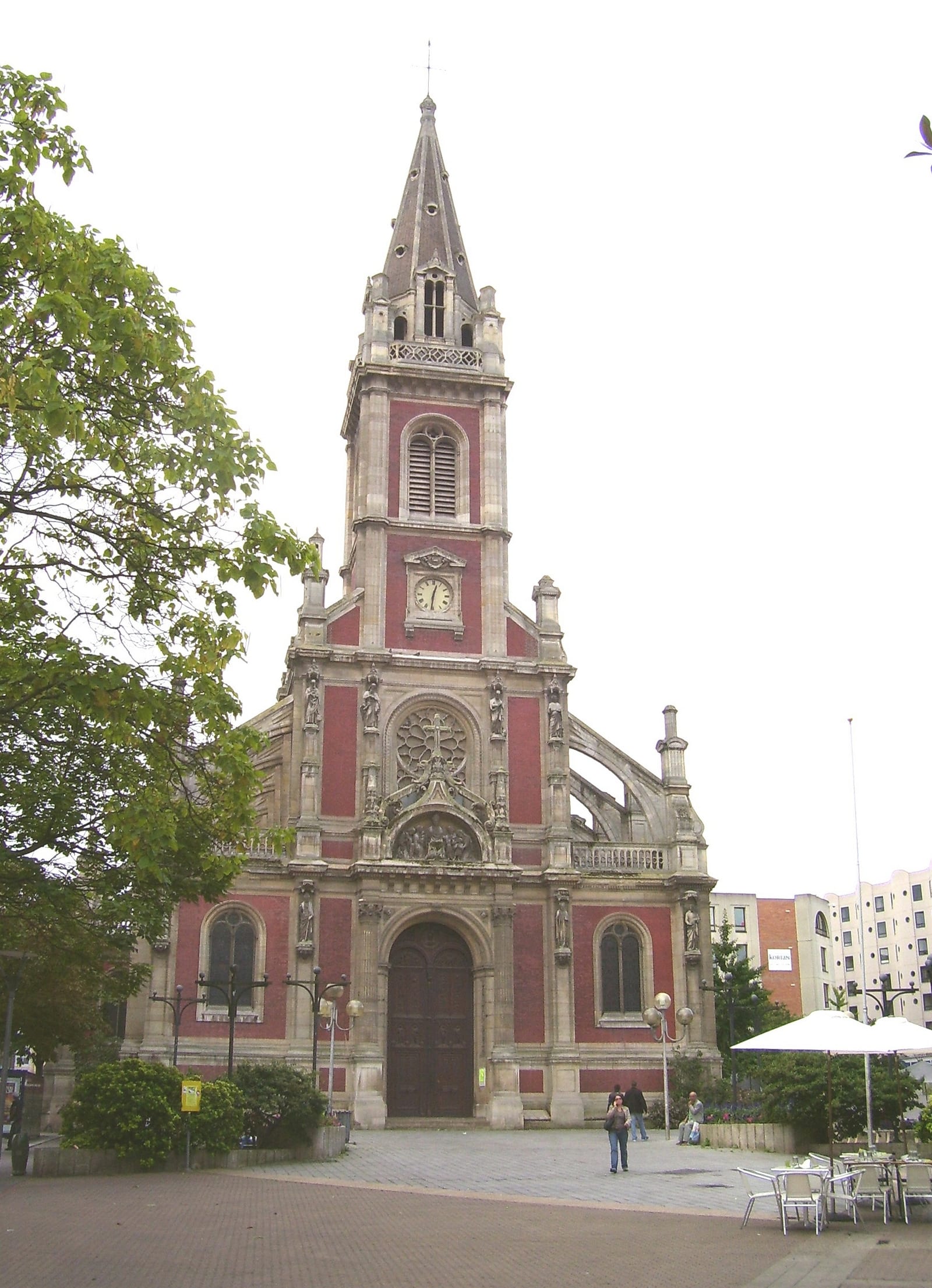
The Eucharistic Miracle of Rouen
A consecrated host stolen from a Rouen parish in 1521 was found three days later in a nearby river, surrounded by light on the surface of the water, brought back by fishermen.
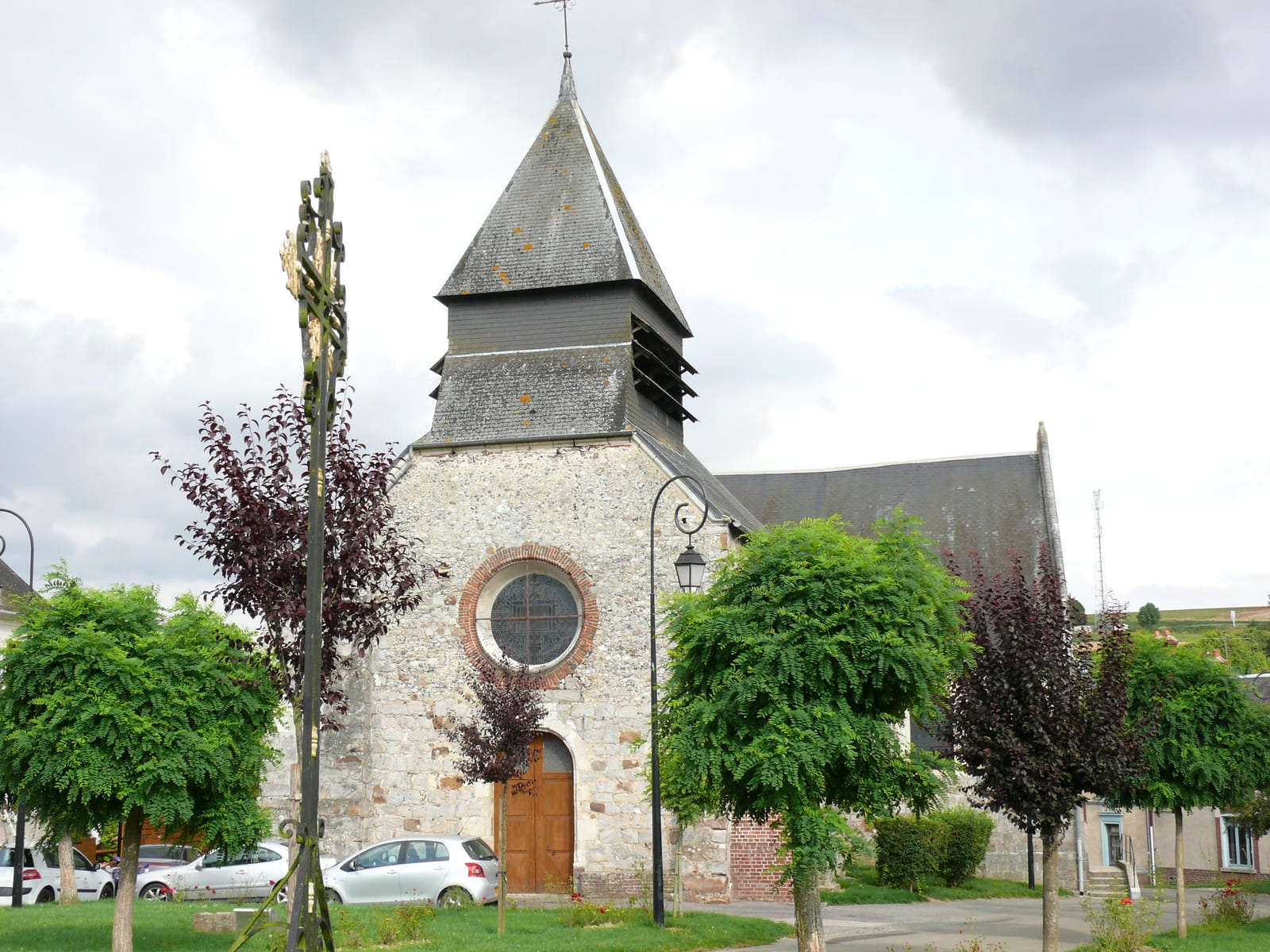
The Eucharistic Miracle of Marseille-en-Beauvais
Two consecrated hosts hidden in the wreckage of the parish church of Marseille-en-Beauvaisis during the French Wars of Religion were rediscovered in 1533, untouched by time, fire, or damp.
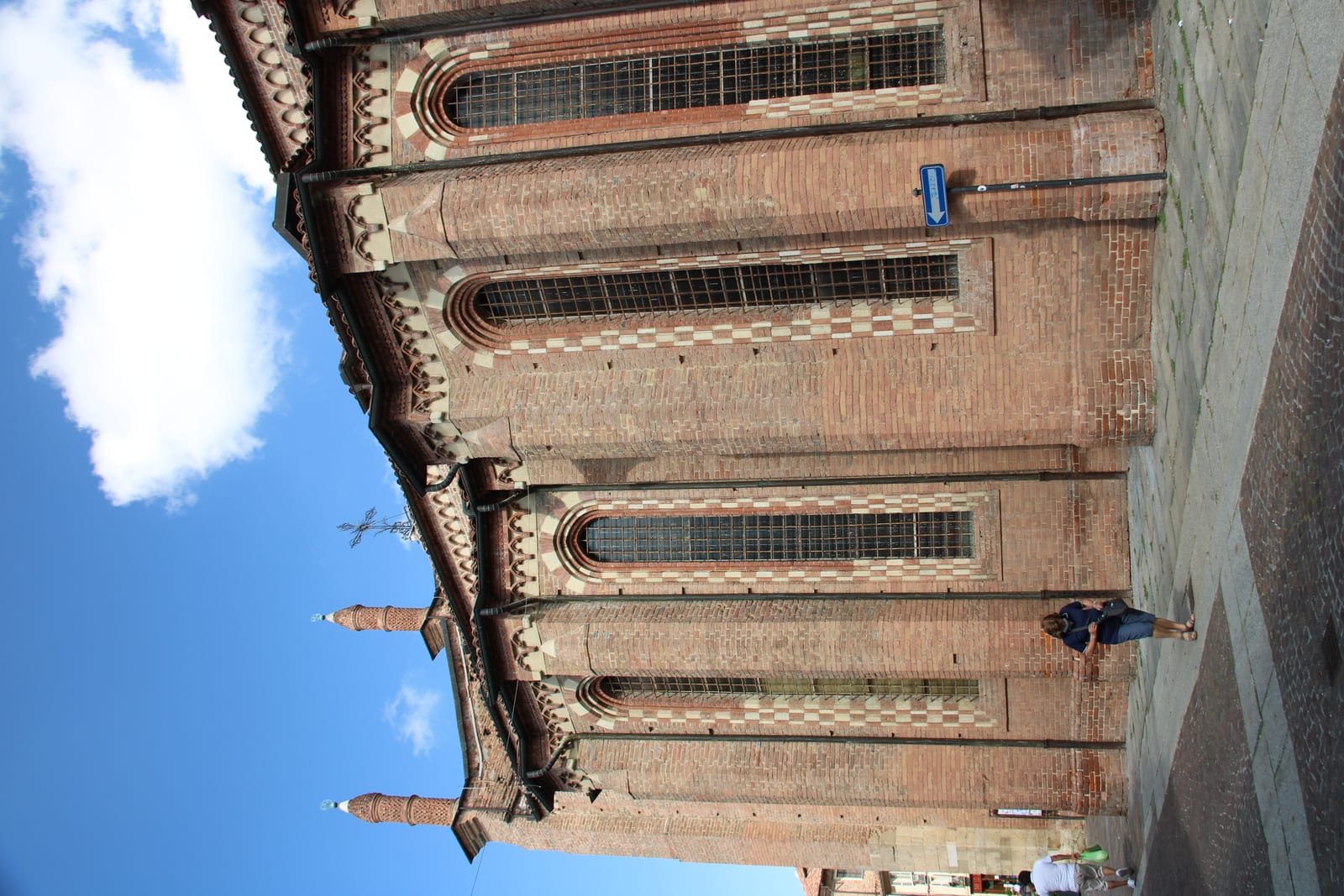
The Eucharistic Miracle of Asti
A consecrated host left forgotten for two years in a pyx — during war in Piedmont, when the church was abandoned — was found in 1535 unblemished and emitting a strong light. The host has been venerated at Asti since.
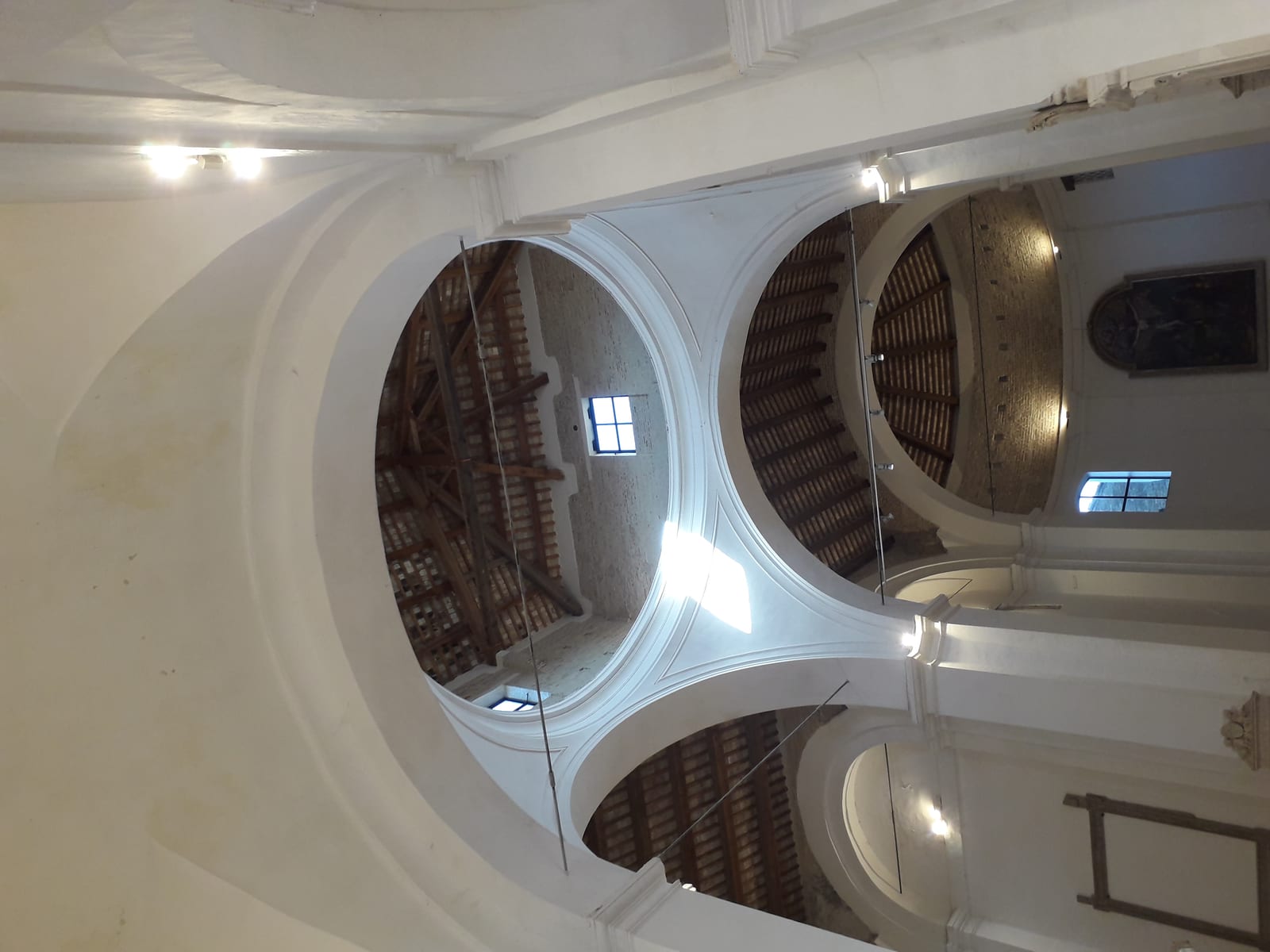
The Eucharistic Miracle of Morrovalle
A fire broke out at the Augustinian friary of Morrovalle in 1560, reducing the church to ashes — except for the tabernacle, in which the ciborium had melted into a single mass while the consecrated host within survived intact.
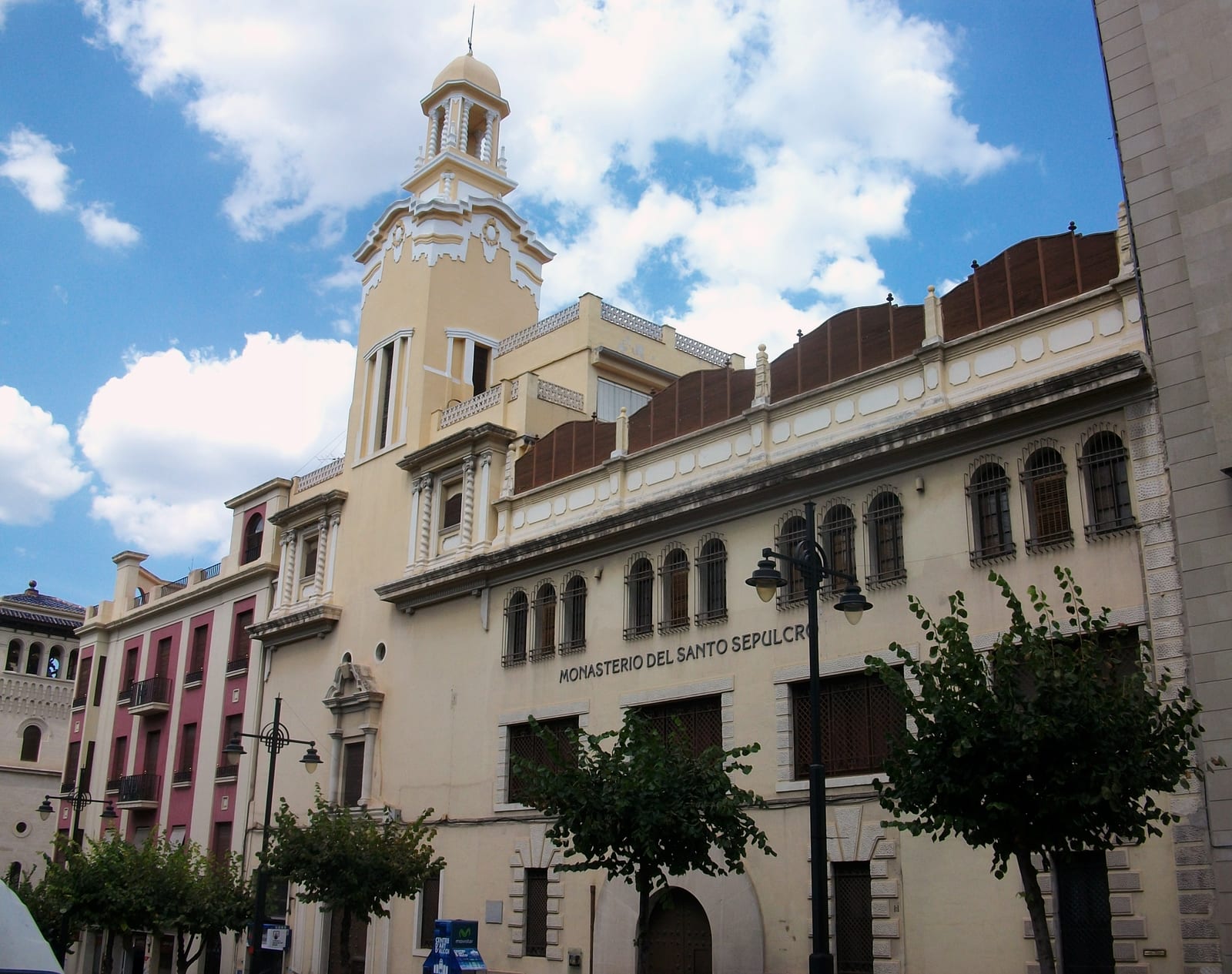
The Eucharistic Miracle of Alcoy
A thief stole a silver box of consecrated Hosts from the parish church of Alcoy and swallowed them; two days later a widow's statue of the Child Jesus pointed to his stable, where the box was found with three Hosts intact. St. Juan de Ribera built a monastery on the spot.
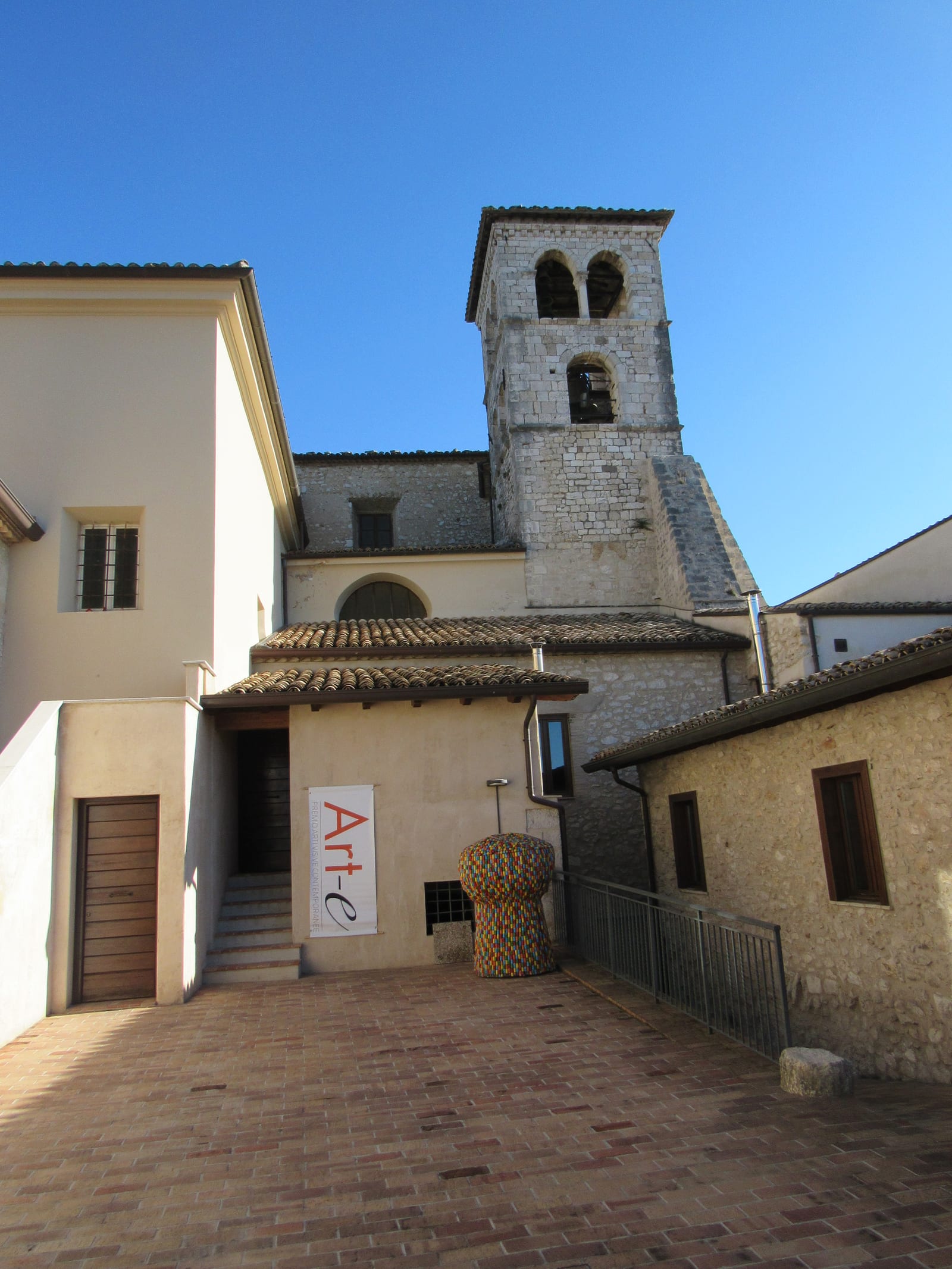
The Eucharistic Miracle of Veroli
On Good Friday 1570 the tabernacle of the Conventual Franciscans at Veroli opened by itself, the consecrated host rose into the air, and a vision of Christ crucified appeared above it.
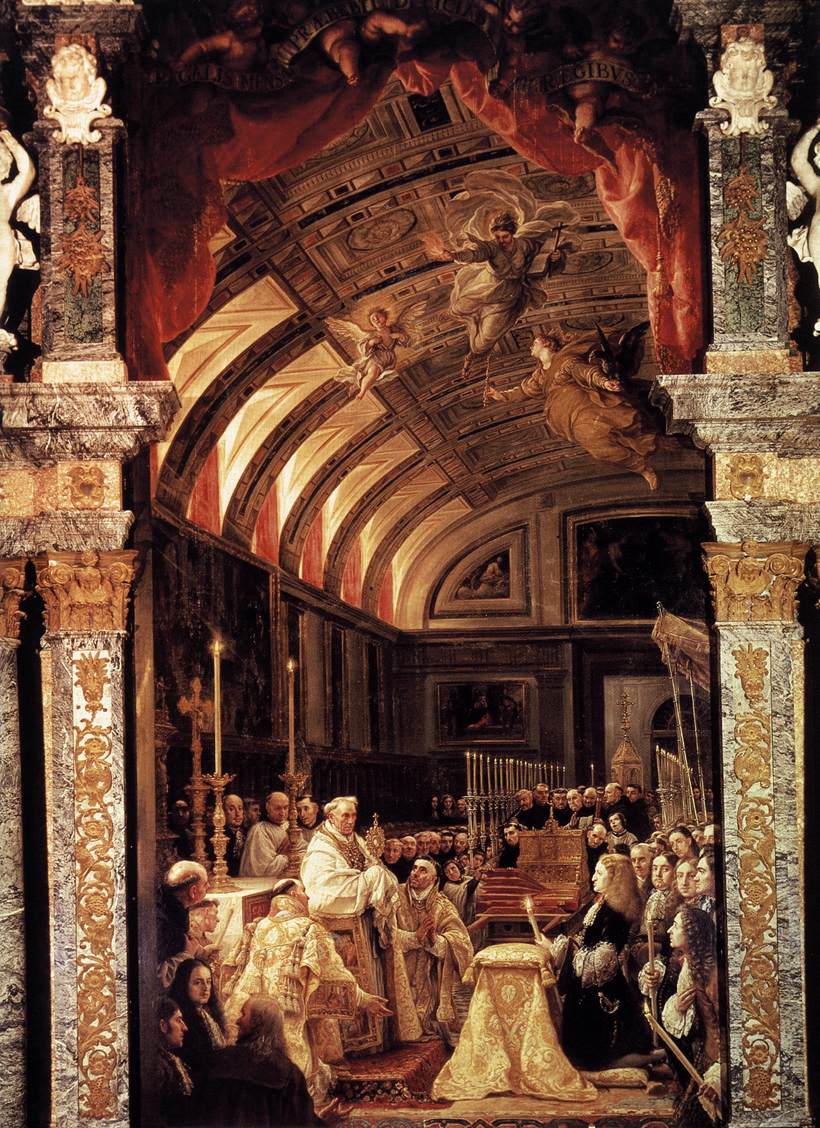
The Sagrada Forma of El Escorial
A Host trampled by a Sea Beggar's spiked boot in Gorkum in 1572 bled from three wounds; rescued by a canon, it passed to the Habsburgs and in 1594 to Philip II, who placed it at El Escorial, where Claudio Coello's painting slides aside to reveal it twice a year.
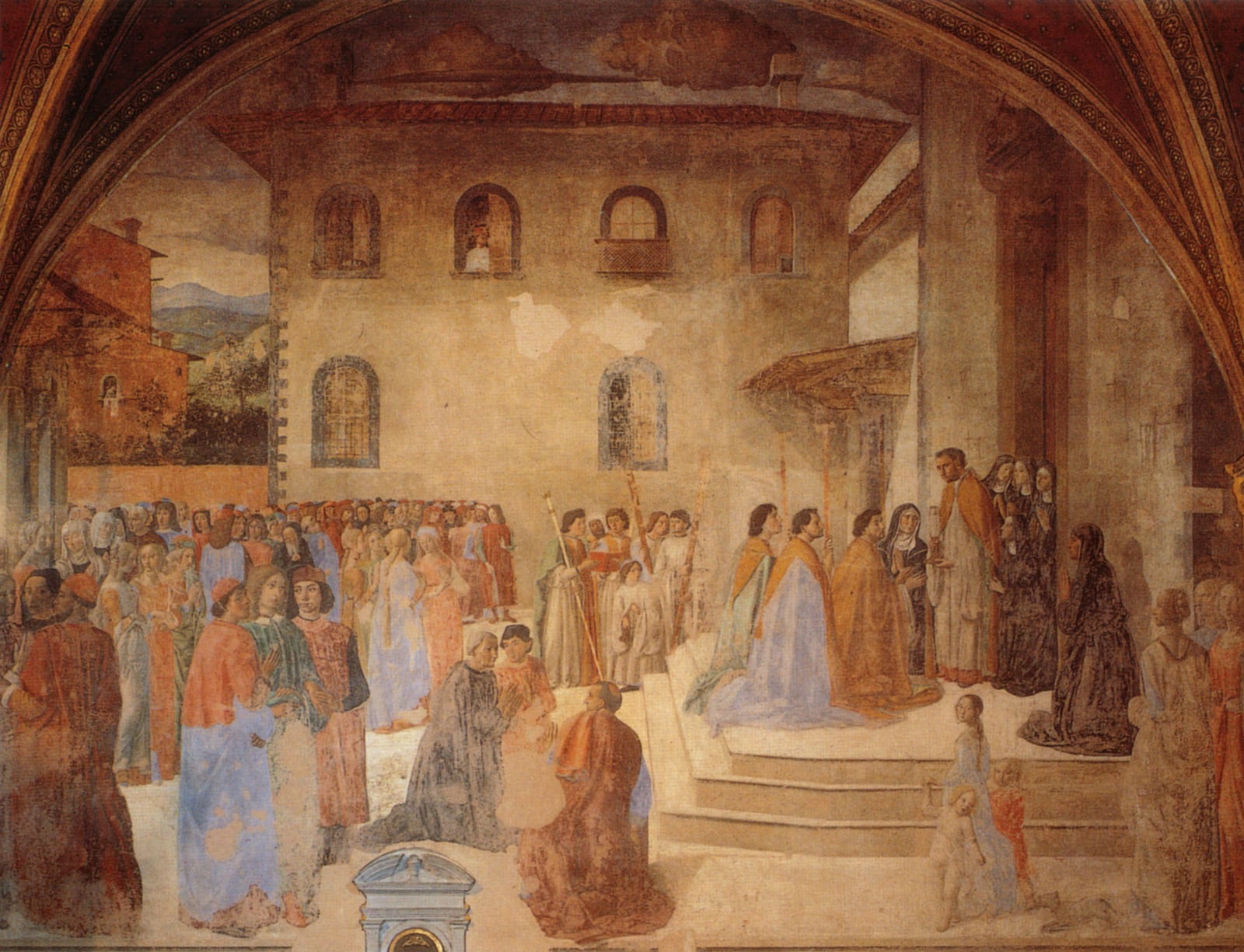
The Eucharistic Miracle of Florence (1595)
A fire broke out in the night at the church of Sant'Ambrogio in Florence — the same church as the 1230 miracle. The flames consumed the wooden tabernacle and surrounding cabinetry, but six consecrated hosts within were found unharmed at dawn.
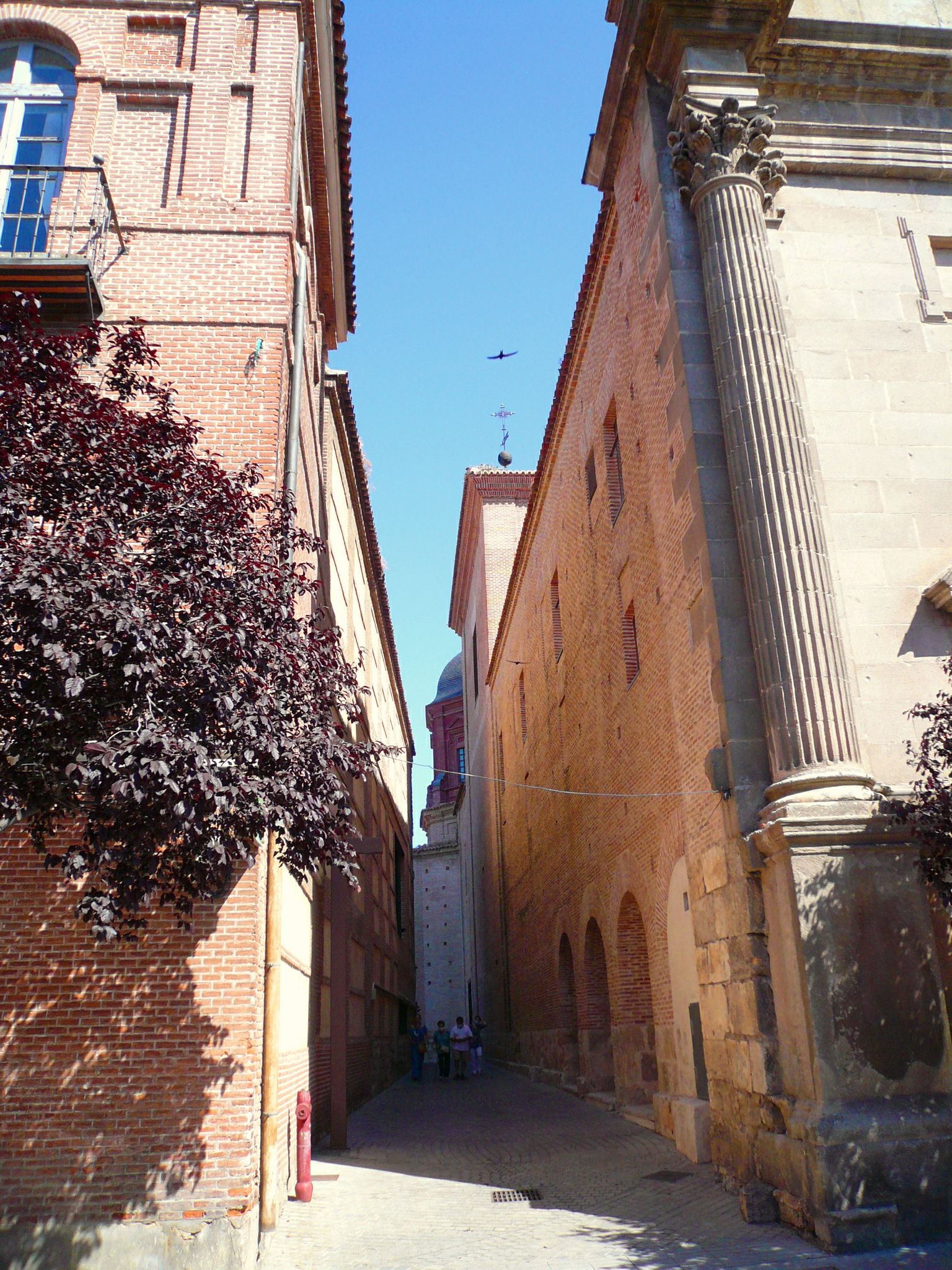
The Santas Formas of Alcalá de Henares
Twenty-four consecrated hosts, stolen by Morisco bandits and returned by a repentant thief, were sealed away by the Jesuits for fear of poison — and found perfectly incorrupt eleven years later, while ordinary hosts stored beside them in a damp cellar decayed. Declared miraculous in 1619 and venerated for three centuries, the Santas Formas were hidden from the mob in July 1936 and never found.
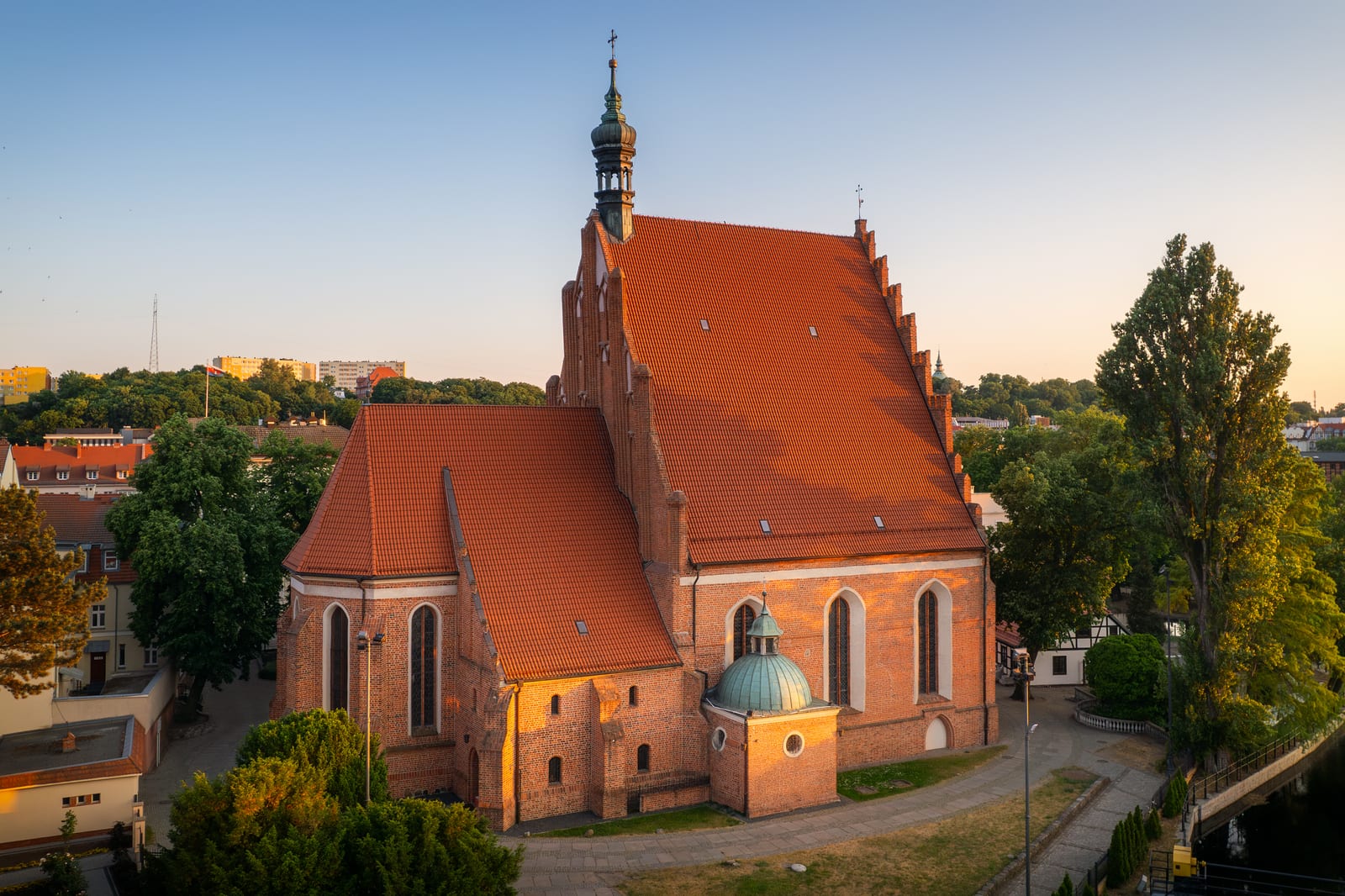
The Eucharistic Miracle of Bydgoszcz
A consecrated host stolen from the parish of Bydgoszcz in 1602 was found, weeks later, undamaged in a riverbank meadow, identified by the unwithered grass surrounding it in deep winter.
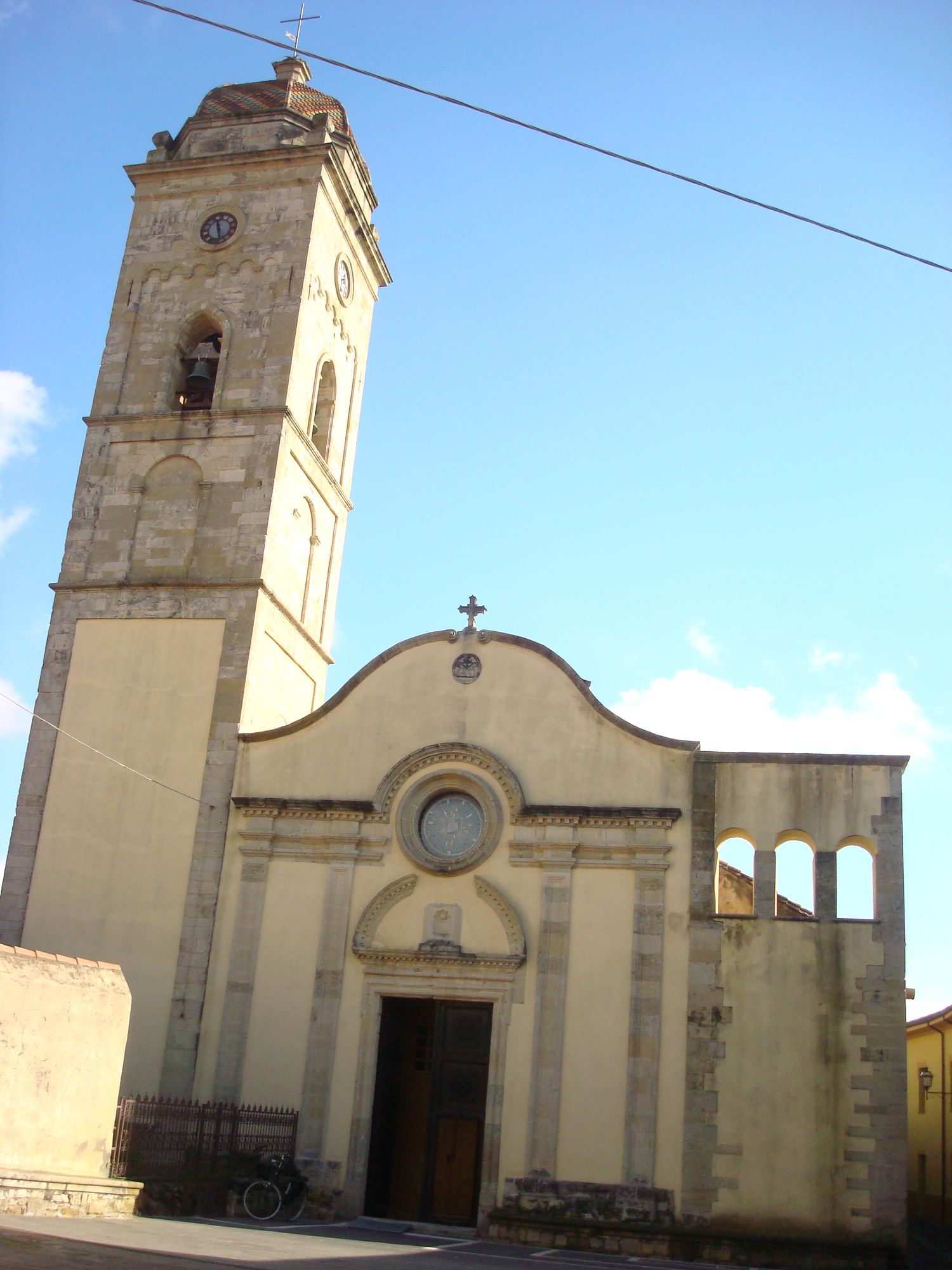
The Eucharistic Miracle of Mogoro (Sardinia)
A consecrated host accidentally dropped at the parish church of Mogoro in Sardinia was found, weeks later, suspended in the air above the spot where it had fallen.
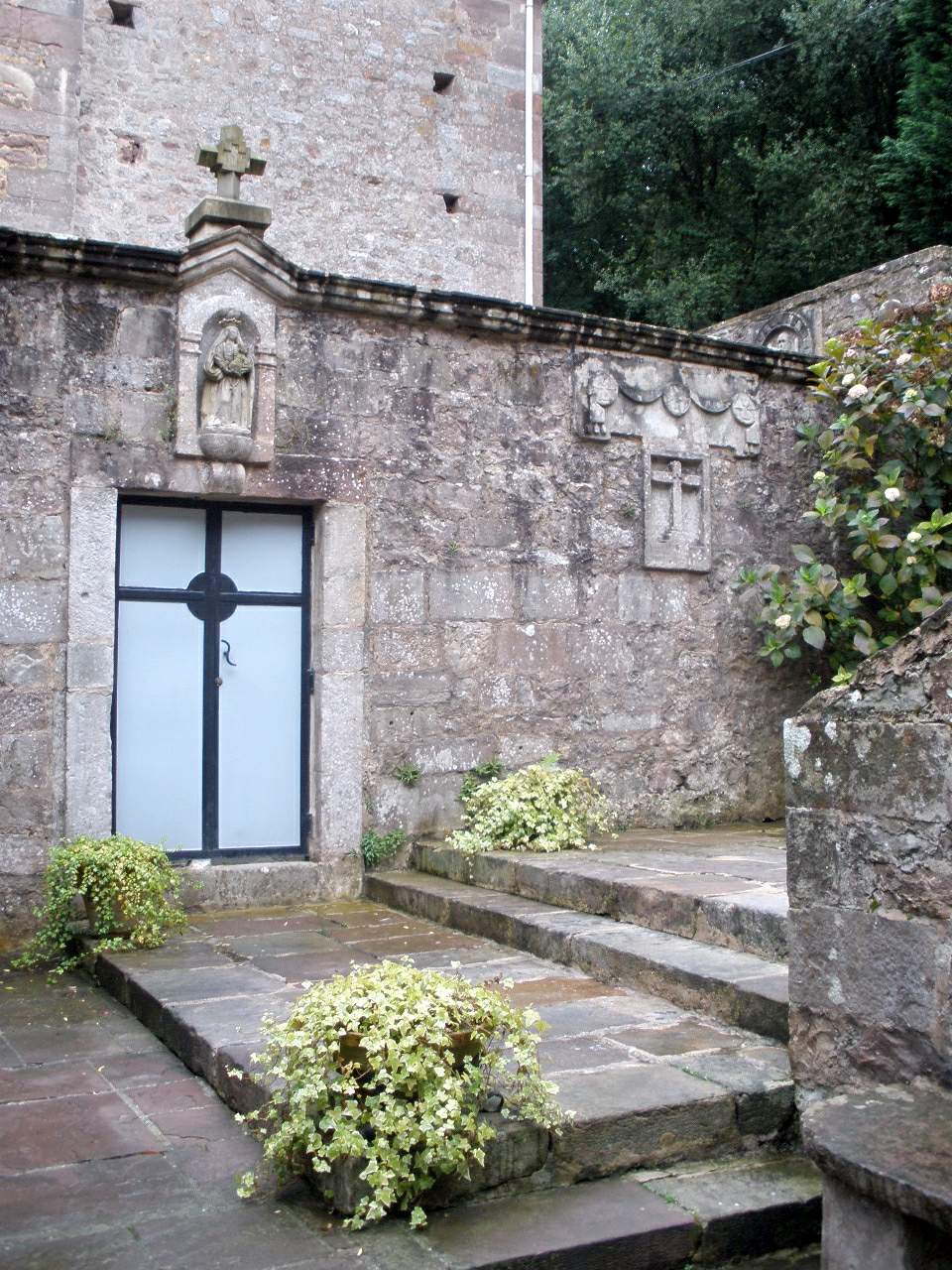
The Eucharistic Miracle of Las Caldas de Besaya
A consecrated host accidentally dropped at the Marian sanctuary of Las Caldas de Besaya in northern Spain was seen to remain suspended above the floor until a worthy priest could be summoned to recover it.
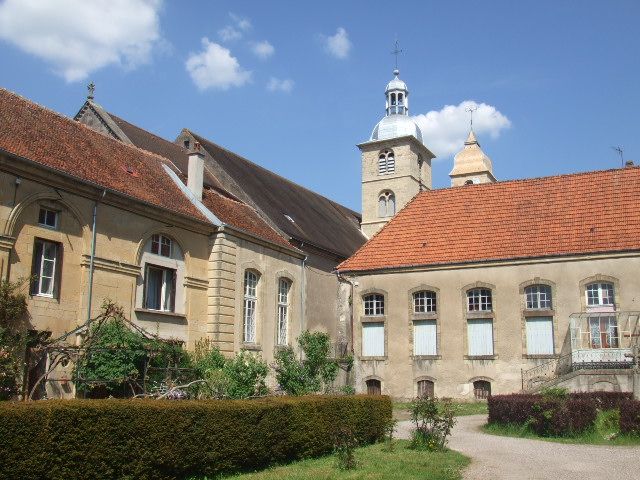
The Eucharistic Miracle of Faverney
After a fire reduced the Faverney abbey-church to ashes during the Forty Hours' Devotion, a monstrance containing two consecrated hosts was found suspended in mid-air above the burnt-out altar — undamaged. The relic remains intact.
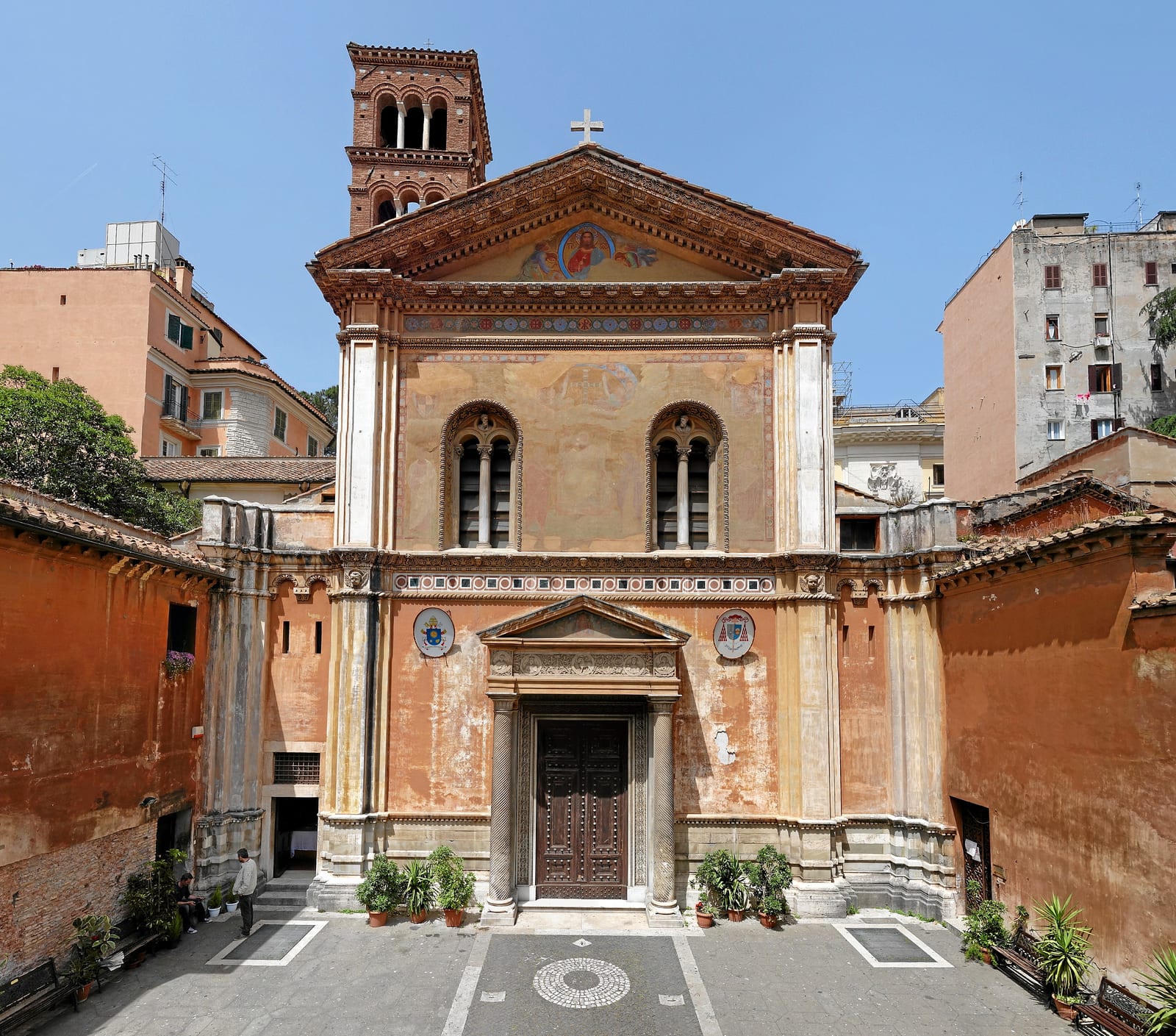
The Eucharistic Miracle of Rome, 1610
In 1610 a priest doubting the Real Presence let the consecrated Host fall on the altar steps of the Caetani Chapel in Santa Pudenziana; the imprint of the Host and a stain of blood remain visible on the marble step today.
The Eucharistic Miracle of Canosio
In 1630 the flooding Maira torrent threatened to sweep away the alpine village of Canosio; the parish priest Don Antonio Reinardi carried the Blessed Sacrament to the water and blessed it, the rain stopped at once, and the village has kept its vow of an annual feast ever since.
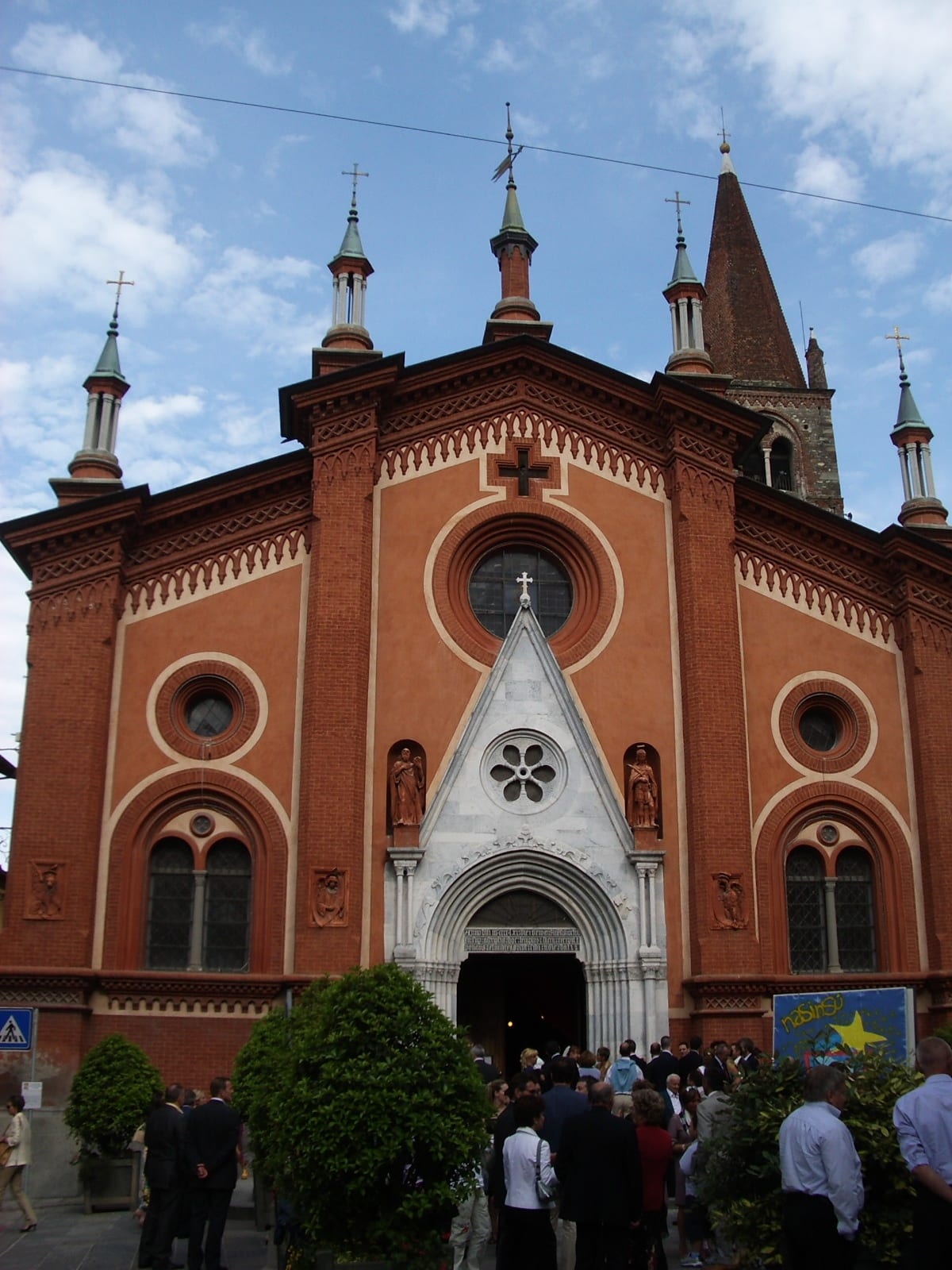
The Eucharistic Miracle of Dronero
During a plague that struck Piedmont in 1631, a consecrated host carried in procession was seen to brighten and emit visible rays of light, by the testimony of the procession's participants.
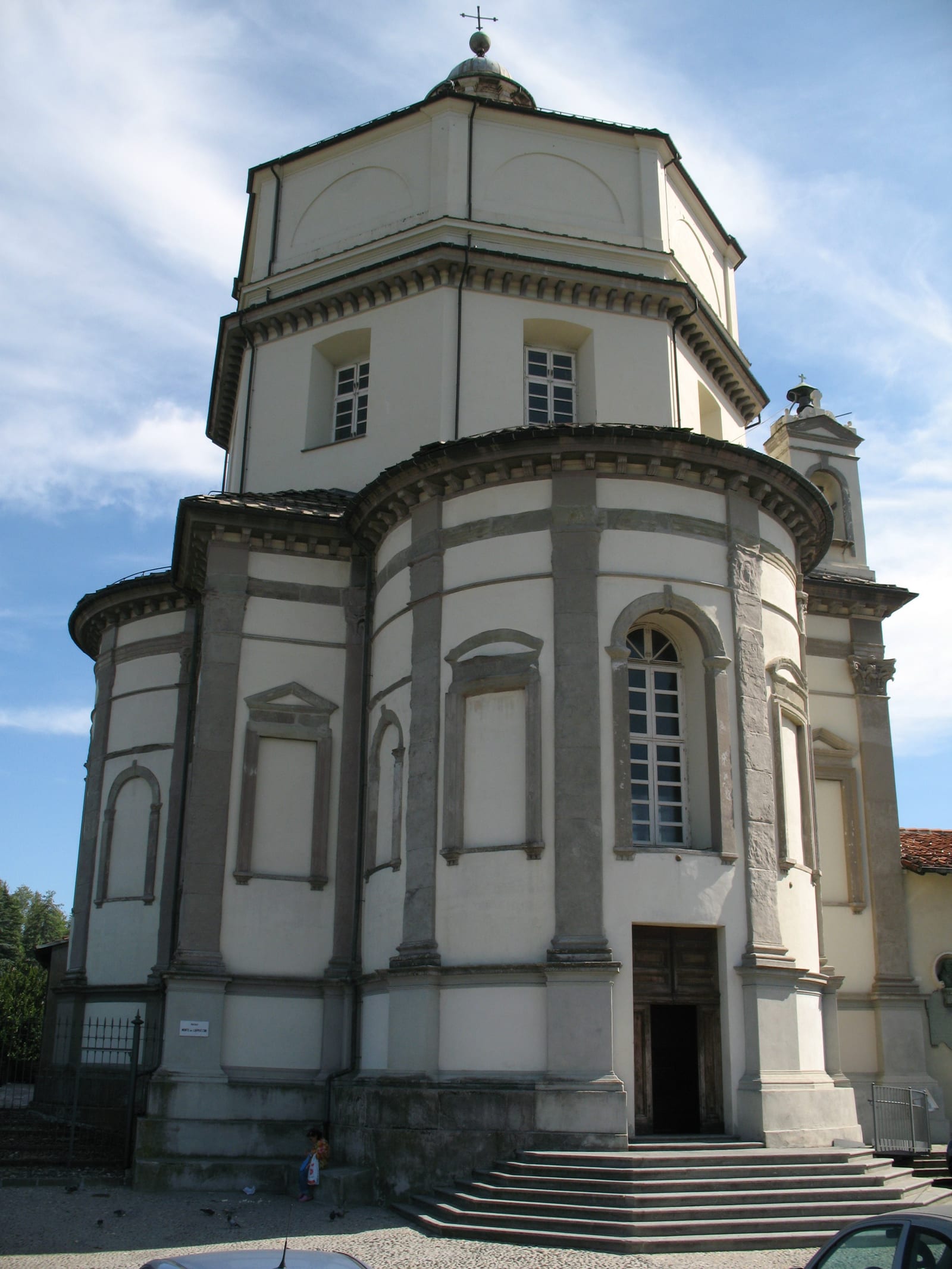
The Eucharistic Miracle of Turin (1640)
When a French soldier forced open the tabernacle of the Capuchin church on Turin's Monte to seize the ciborium, a flame burst from it and scorched his face and uniform; the tabernacle door is said to bear the imprint of his burnt hand to this day.
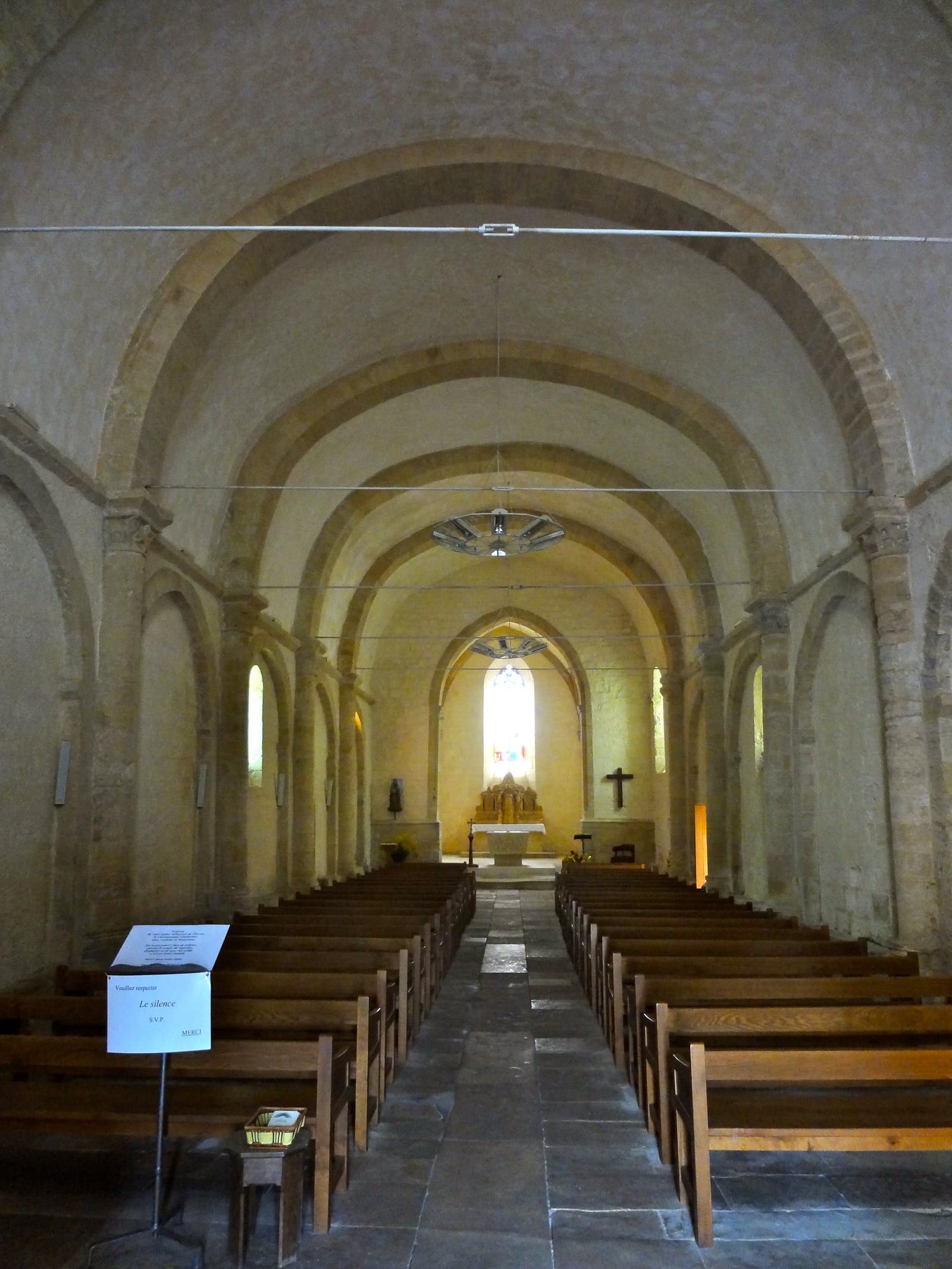
The Eucharistic Miracle of Pressac
At Mass in the small village church of Pressac in 1643, the parish priest looked down at the elevation to see the consecrated host had transformed into the visible image of the Christ Child holding a cross.
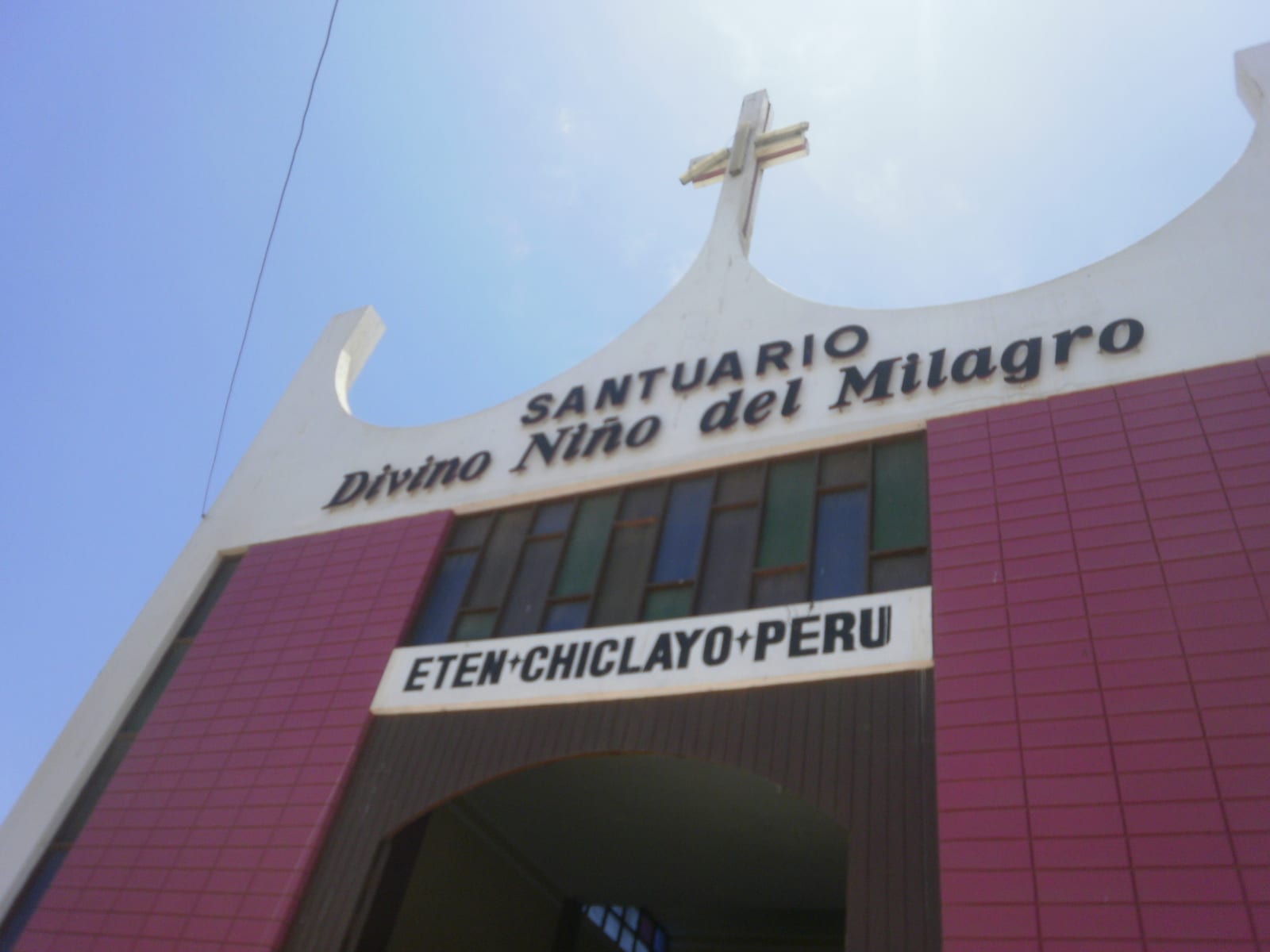
The Eucharistic Miracle of Eten
On July 22 and again on July 24, 1649, during Eucharistic adoration at the small fishing village of Eten in northern Peru, the face of the Christ Child appeared visibly within the consecrated host in the monstrance.
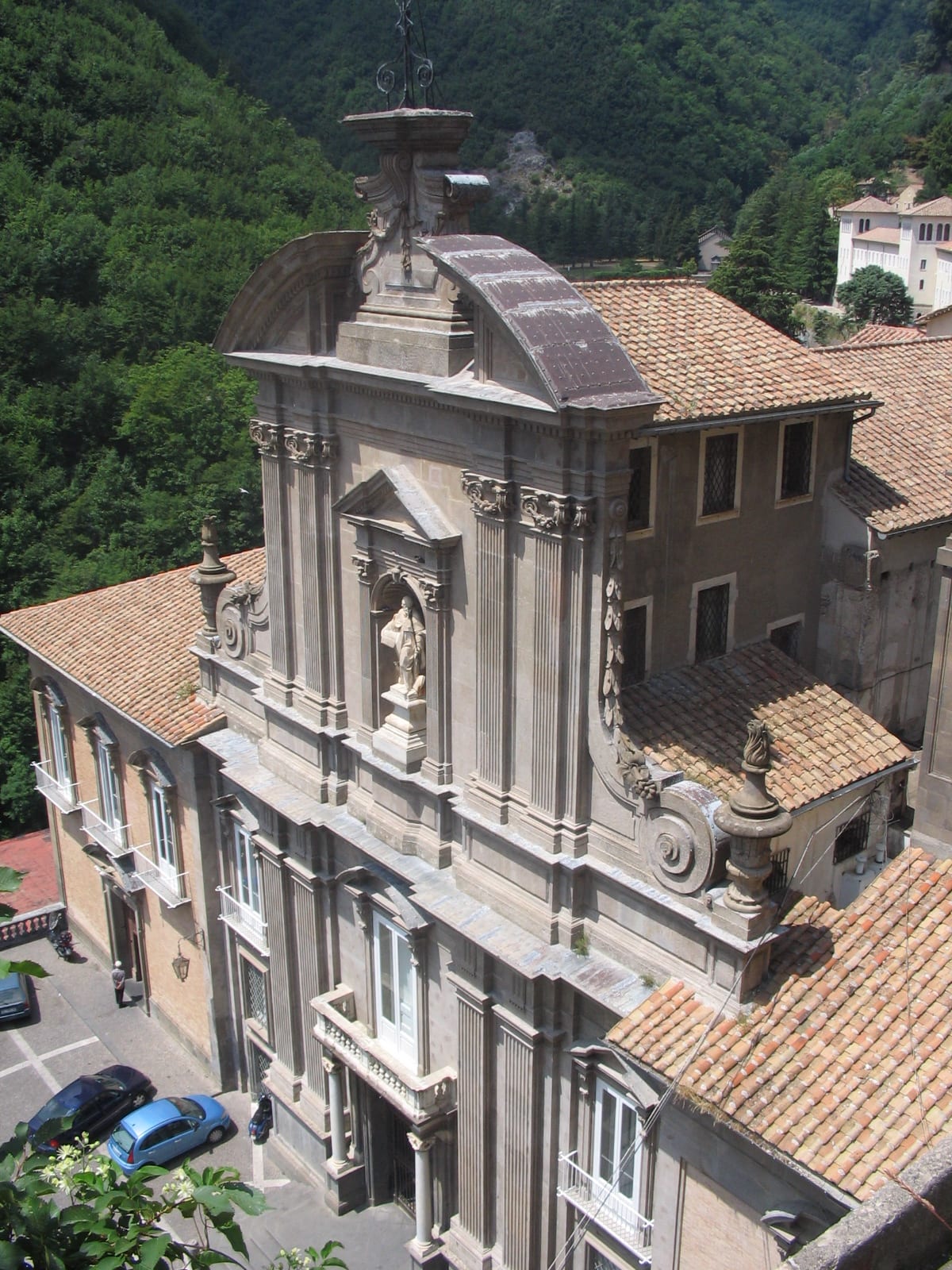
The Eucharistic Miracle of Cava de' Tirreni
During the catastrophic plague of 1656 in southern Italy, the Benedictines of Cava de' Tirreni exposed the Blessed Sacrament for adoration. The plague did not enter the town. The protected host has been venerated since.
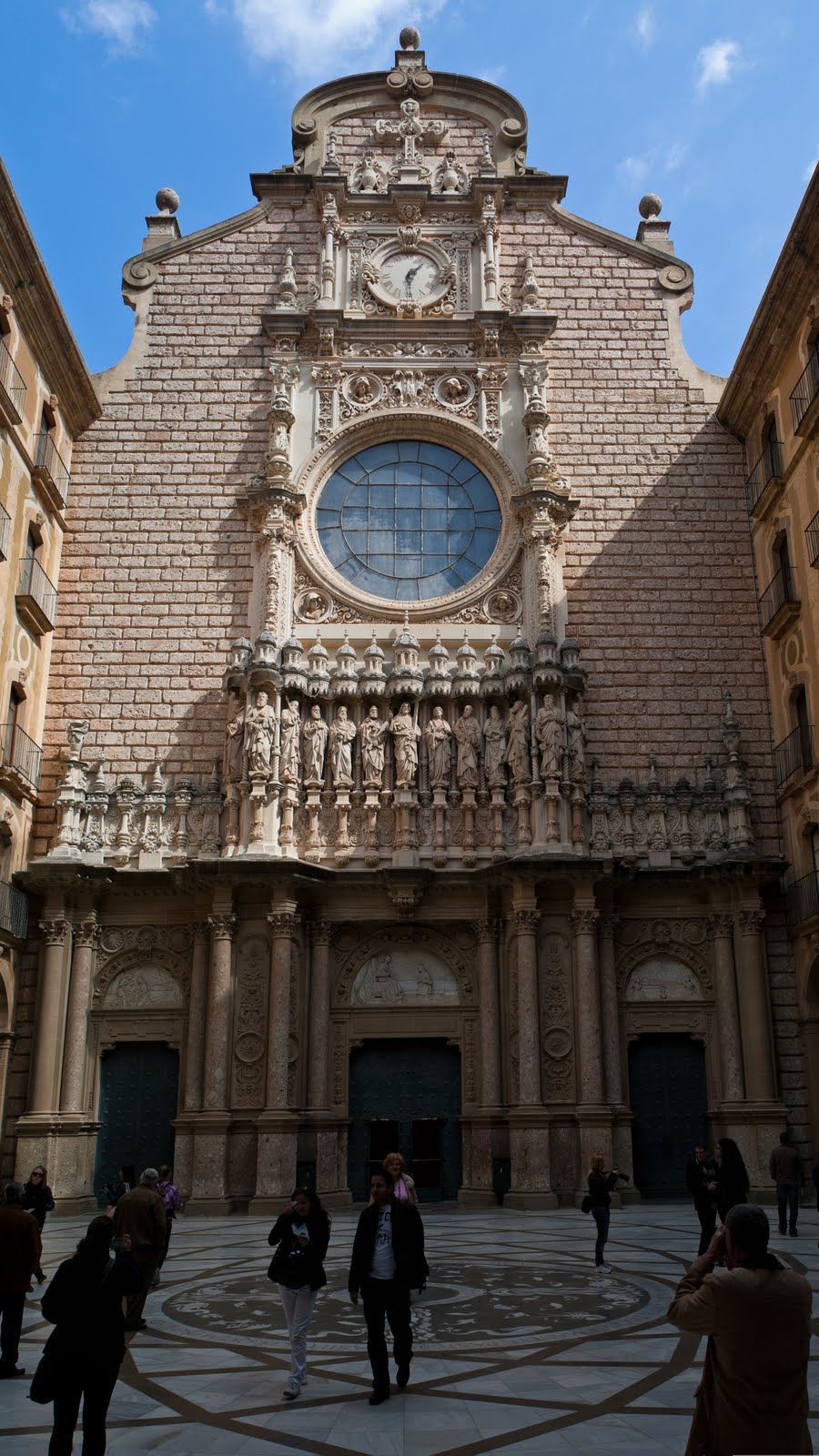
The Eucharistic Miracle of Montserrat
In 1657 a girl begged the abbot of Montserrat for three Masses for her dead father; at each Mass she saw him at the altar, first in flames, then in bright clothing, then in snow-white, and after the third cried out that he was rising to heaven.
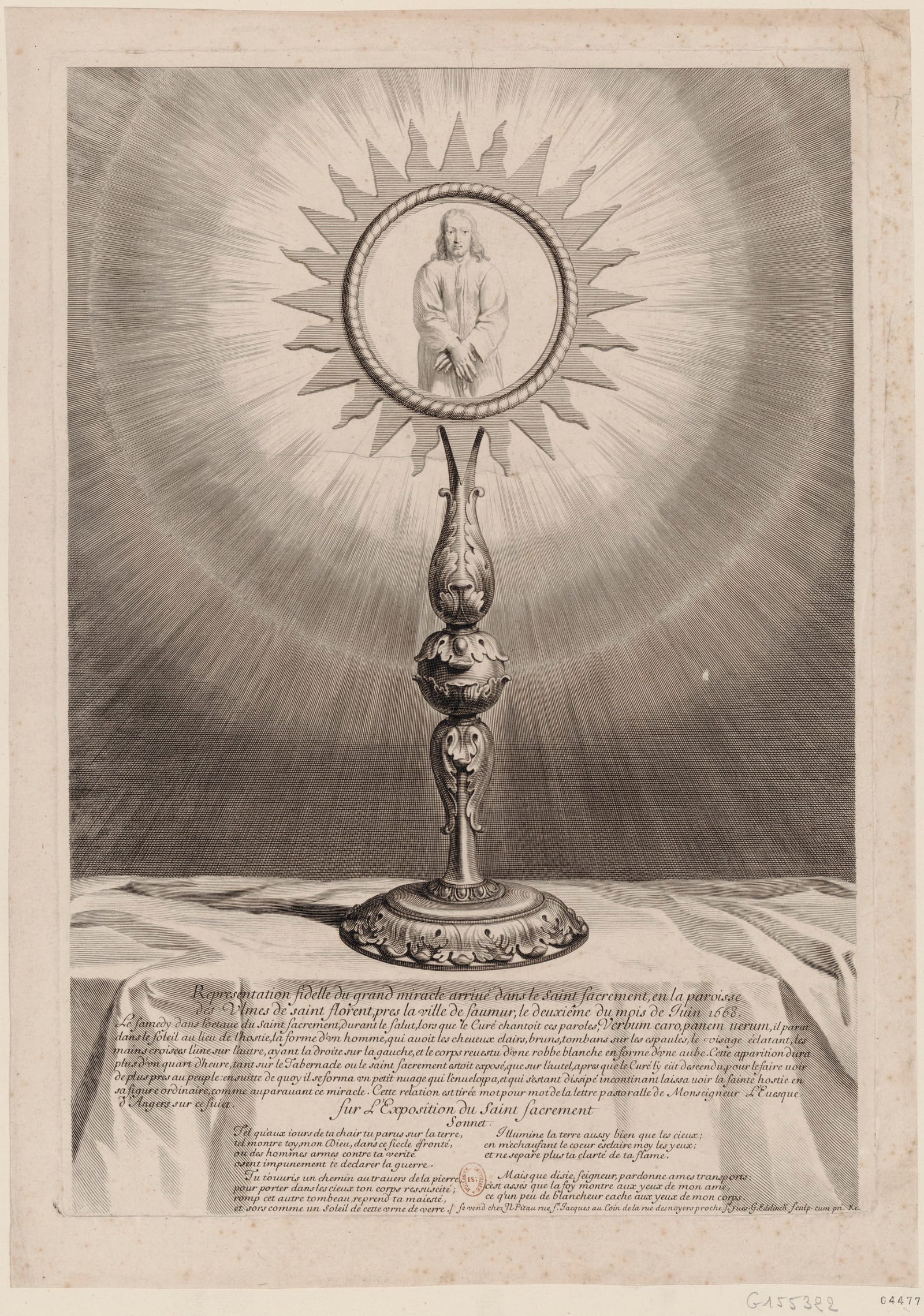
The Eucharistic Miracle of Les Ulmes
During Benediction on 2 June 1668, as the Pange Lingua reached "Verbum caro, panem verum," the host in the monstrance at Les Ulmes gave way to the figure of a young man in a white tunic, seen by some two hundred people for a quarter of an hour; the Bishop of Angers walked there to investigate and authenticated it by pastoral letter within the month.
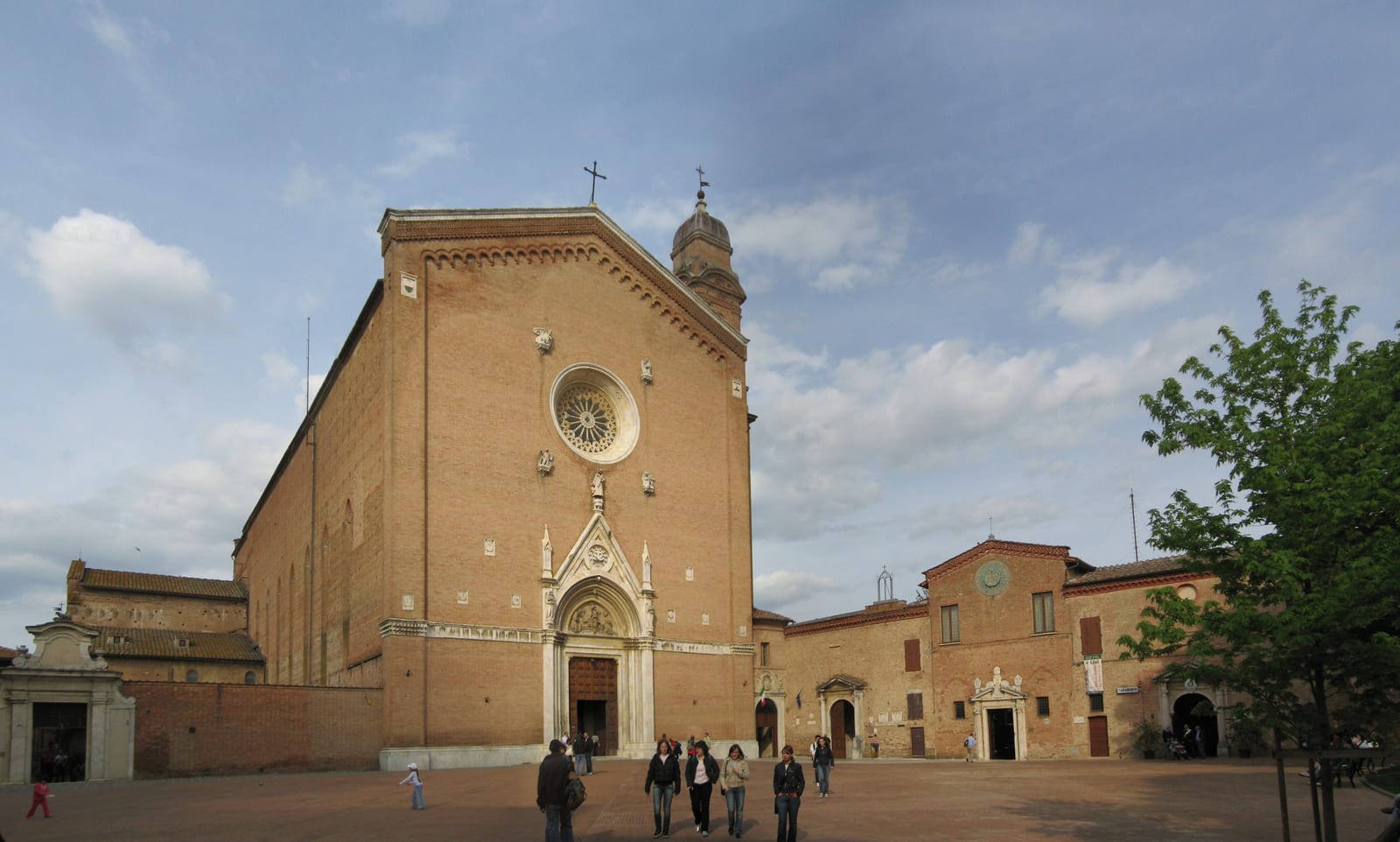
The Incorrupt Hosts of Siena
Consecrated hosts stolen from the Basilica of San Francesco and later recovered have remained incorrupt for nearly three centuries. John Paul II, visiting in 1980, said simply: 'Here is the Presence!'
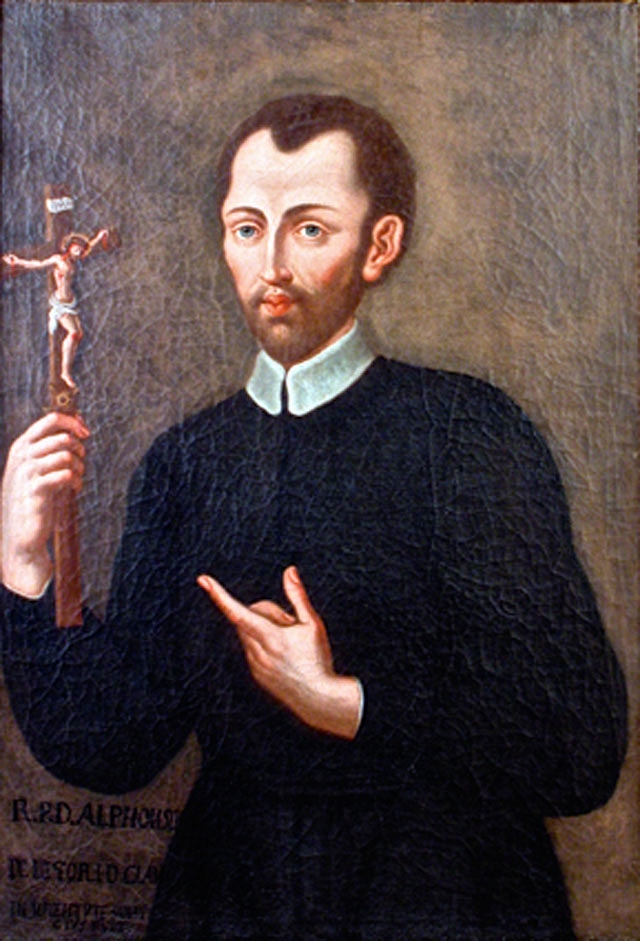
The Eucharistic Miracle of Scala (St. Alphonsus Liguori)
St. Alphonsus Liguori, celebrating Mass at the convent of Scala on the Amalfi Coast in August 1732, was seen to enter into a long ecstasy at the elevation. The consecrated host was reported to remain suspended above the chalice for several minutes.
The Eucharistic Miracle of San Pietro a Patierno
Consecrated hosts stolen from the parish church of Patierno were found a month later buried under a dunghill — revealed by mysterious lights and a dove, and perfectly intact. A two-year diocesan trial declared it an authentic miracle, and the physicians of the Royal University of Naples agreed no natural cause could explain it.
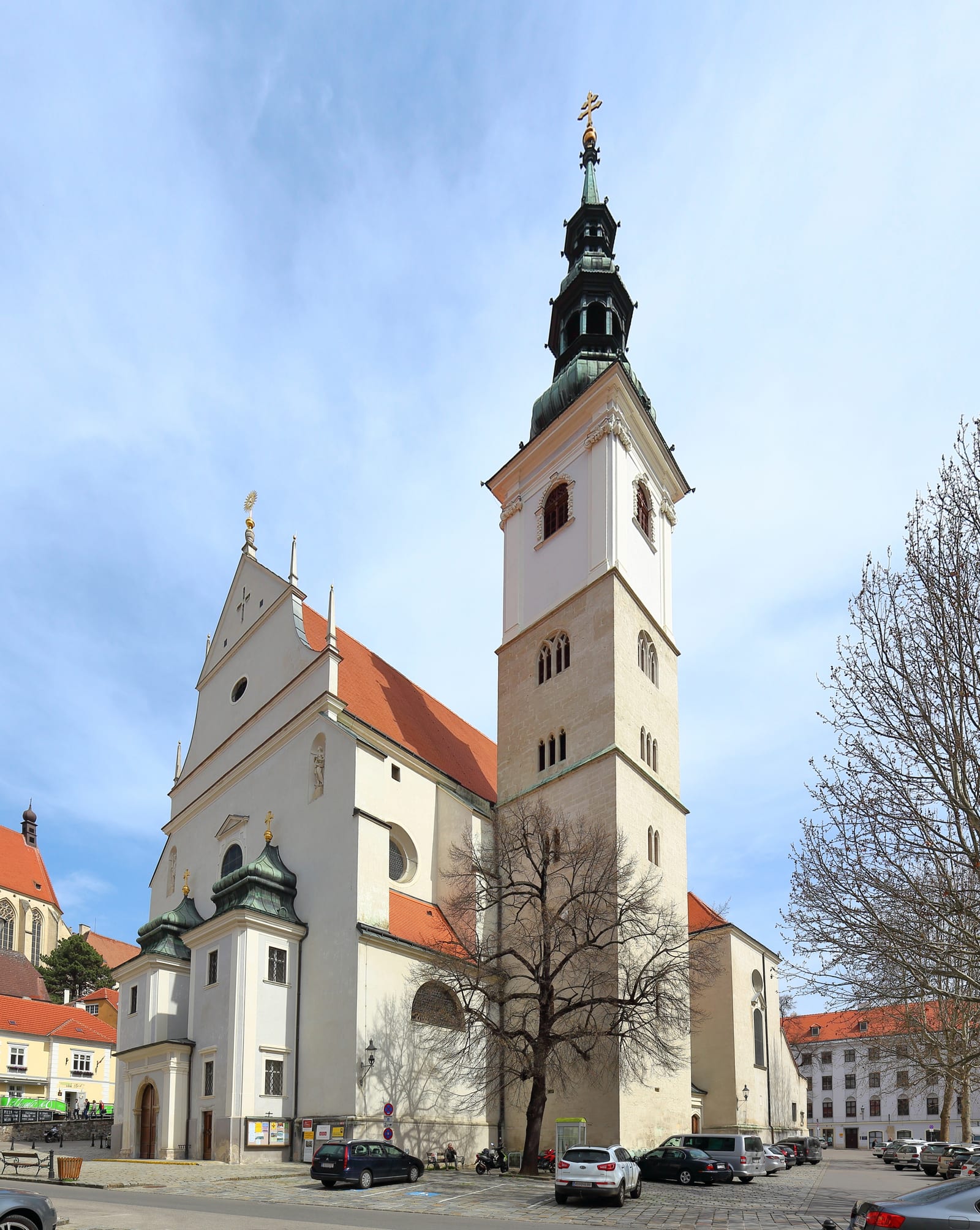
The Eucharistic Miracle of Krems
A consecrated host accidentally dropped at the parish church of Krems in 1799 left, on the marble floor where it had touched, a permanent dark stain in the form of a Eucharistic host.
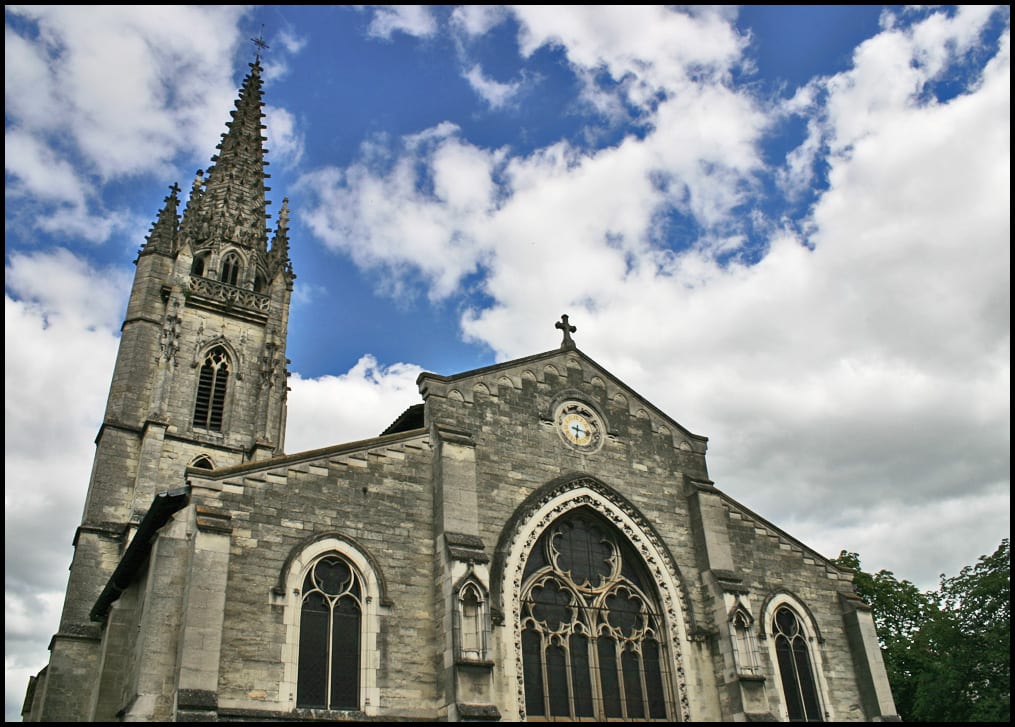
The Eucharistic Miracle of Bordeaux
During Eucharistic adoration on the morning of February 3, 1822, a figure of the resurrected Christ appeared within the consecrated host in the monstrance at the chapel of St. Eulalia in Bordeaux. Witnessed by hundreds.
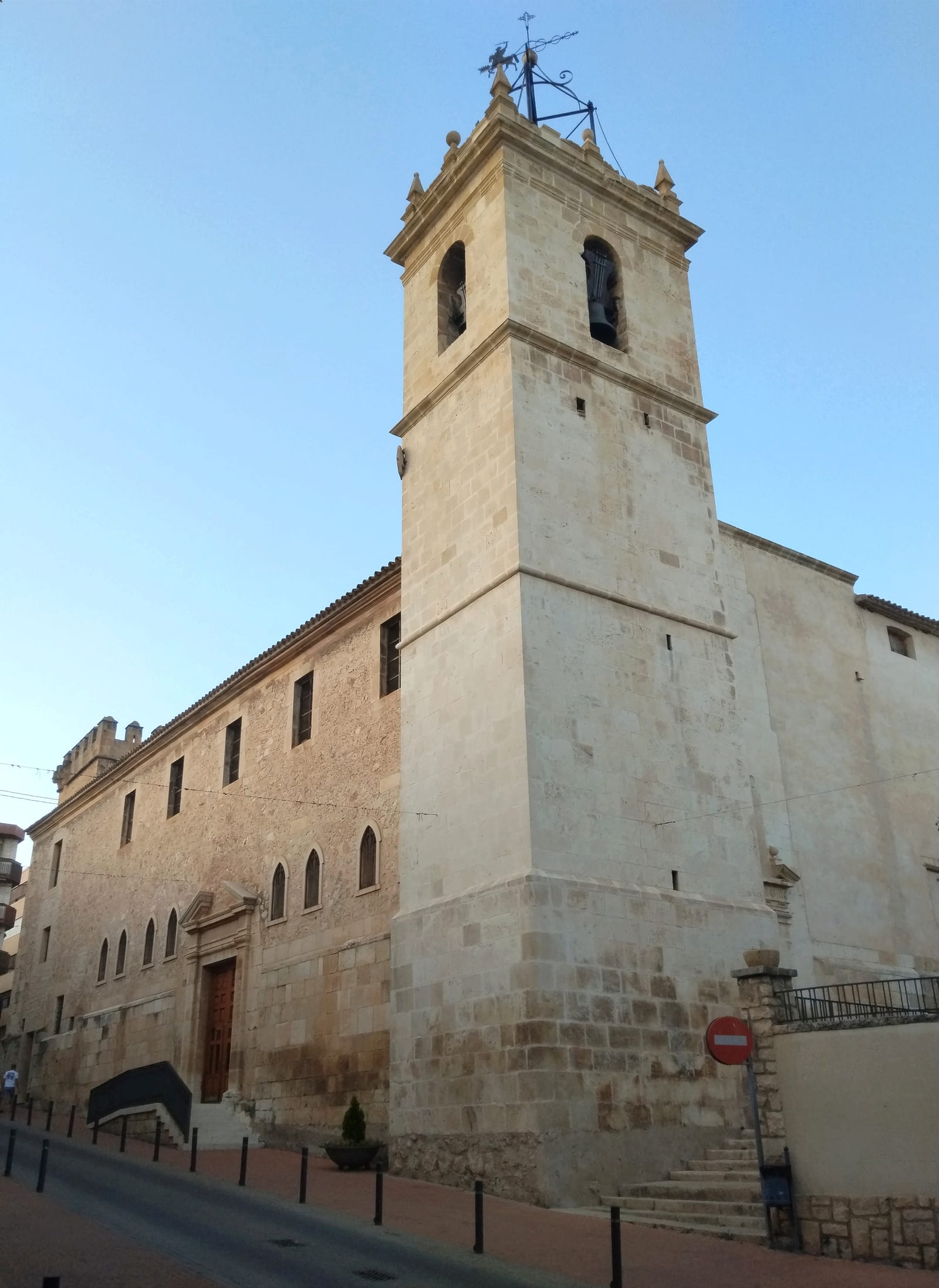
The Eucharistic Miracle of Onil
A small consecrated host accidentally swallowed by a parishioner of Onil was, when later examined, found to bear the distinct image of the face of Christ crowned with thorns.
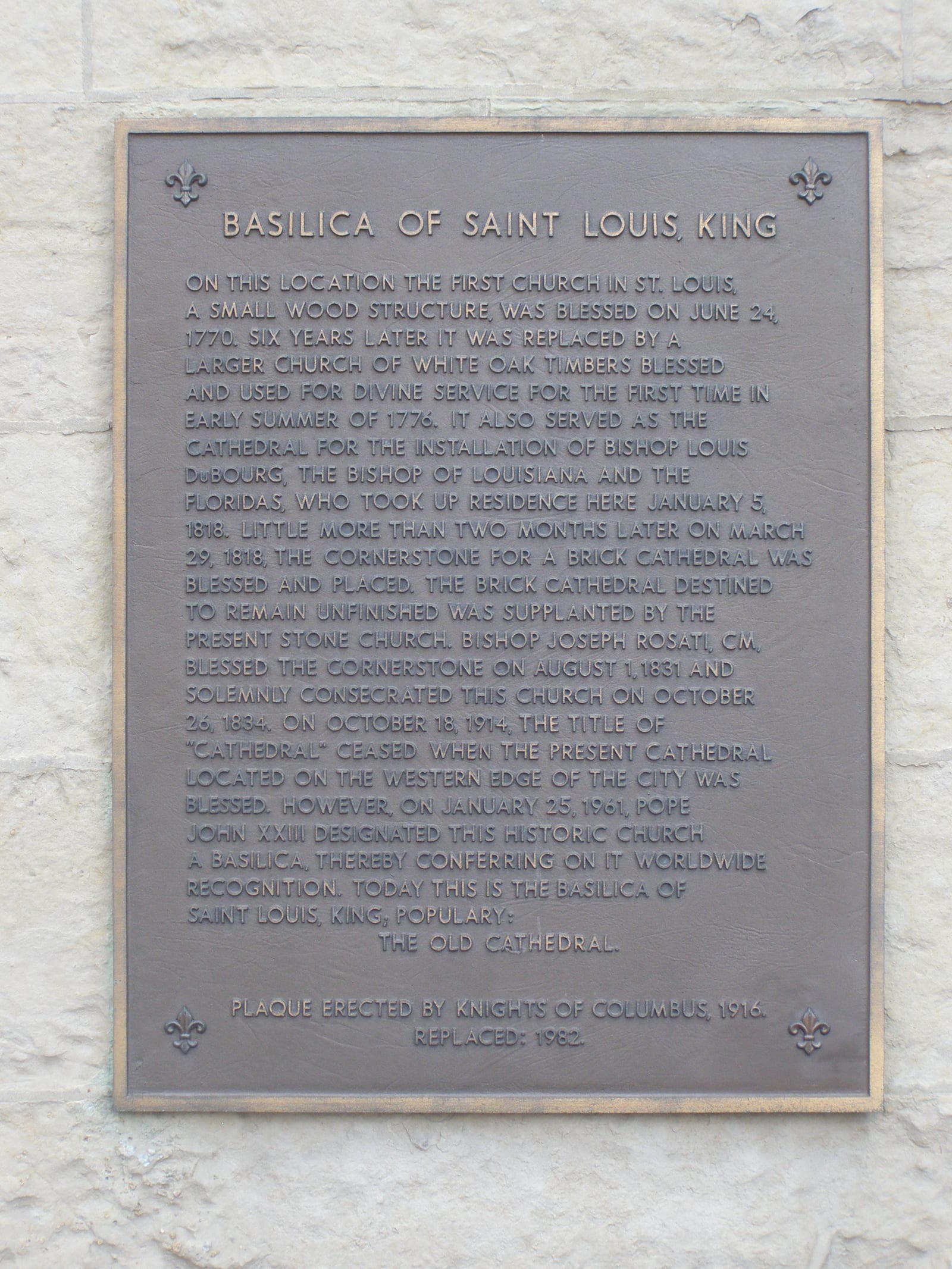
Early American Eucharistic Phenomena
Carlo Acutis's catalogue notes several lesser-known 19th-century North American Eucharistic phenomena — small parish-level events of host preservation during Mississippi River flooding and frontier fires, preserved in local Catholic memory.
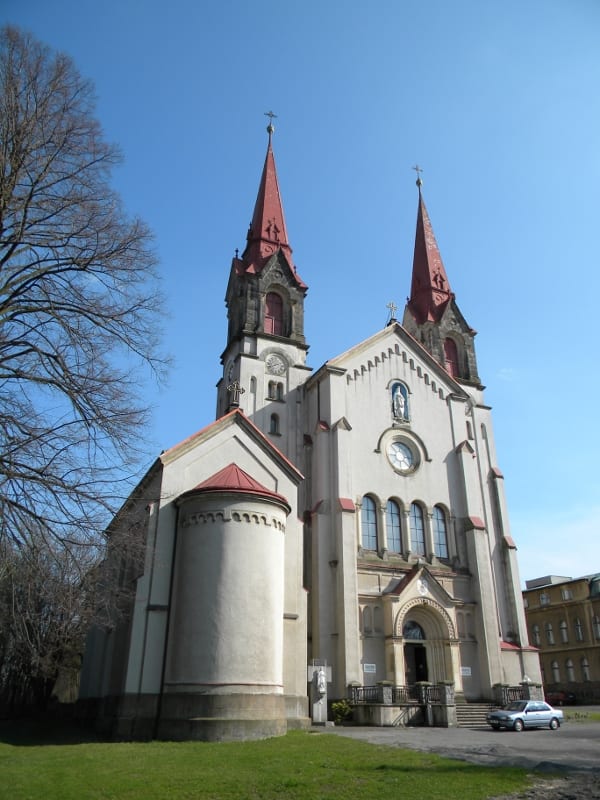
The Eucharistic Phenomena of Filipov / Filippsdorf
In addition to the famous 1866 Marian apparition at Filippsdorf, the same parish recorded a Eucharistic phenomenon — a consecrated host that preserved its form for an unusual length of time after exposure during a public adoration.
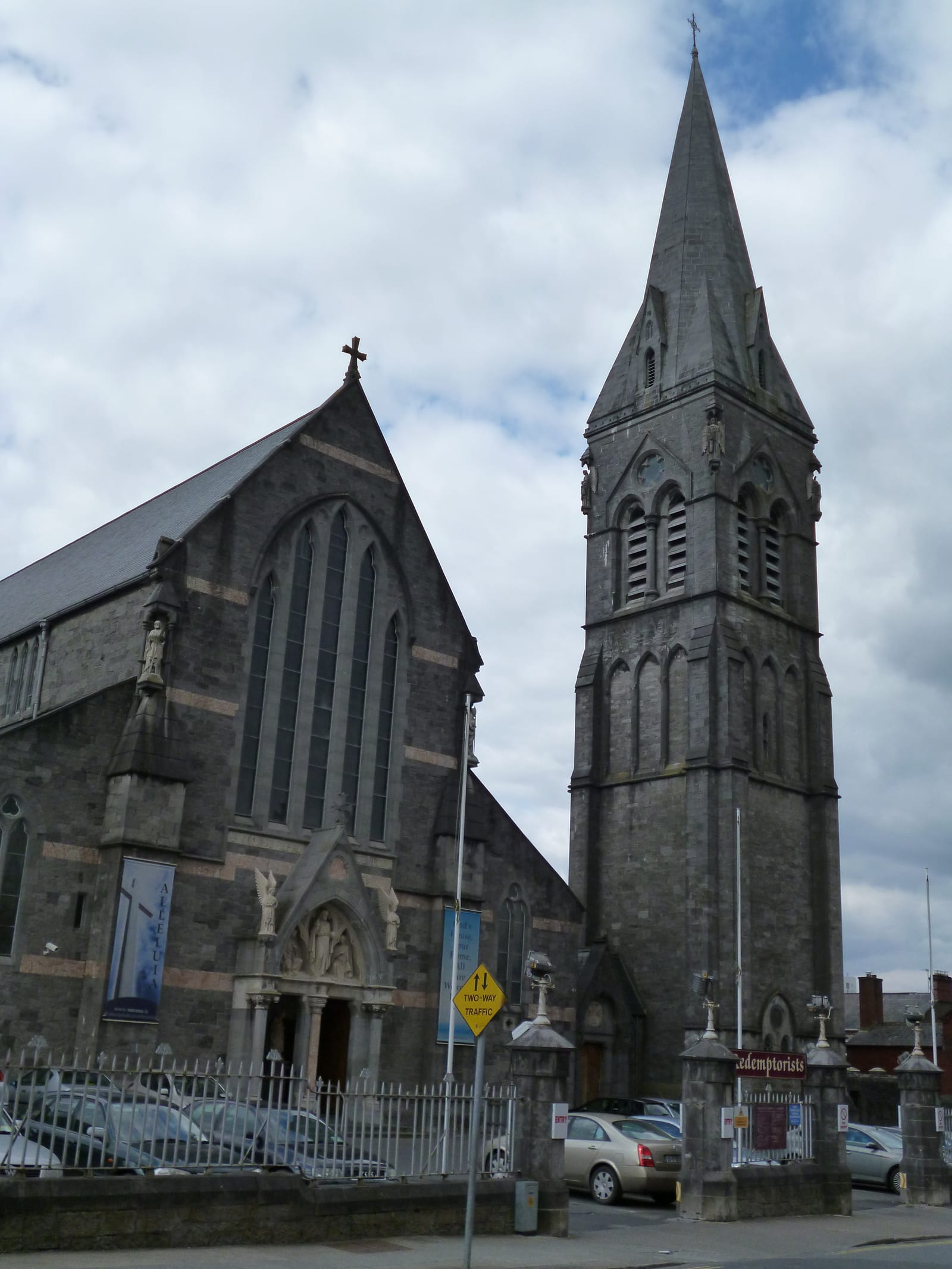
The Eucharistic Miracle of Boherbuoy
An obscure 19th-century Irish Eucharistic phenomenon at the small parish of Boherbuoy, in which the consecrated host preserved during a tabernacle fire was found undamaged in the wreckage.
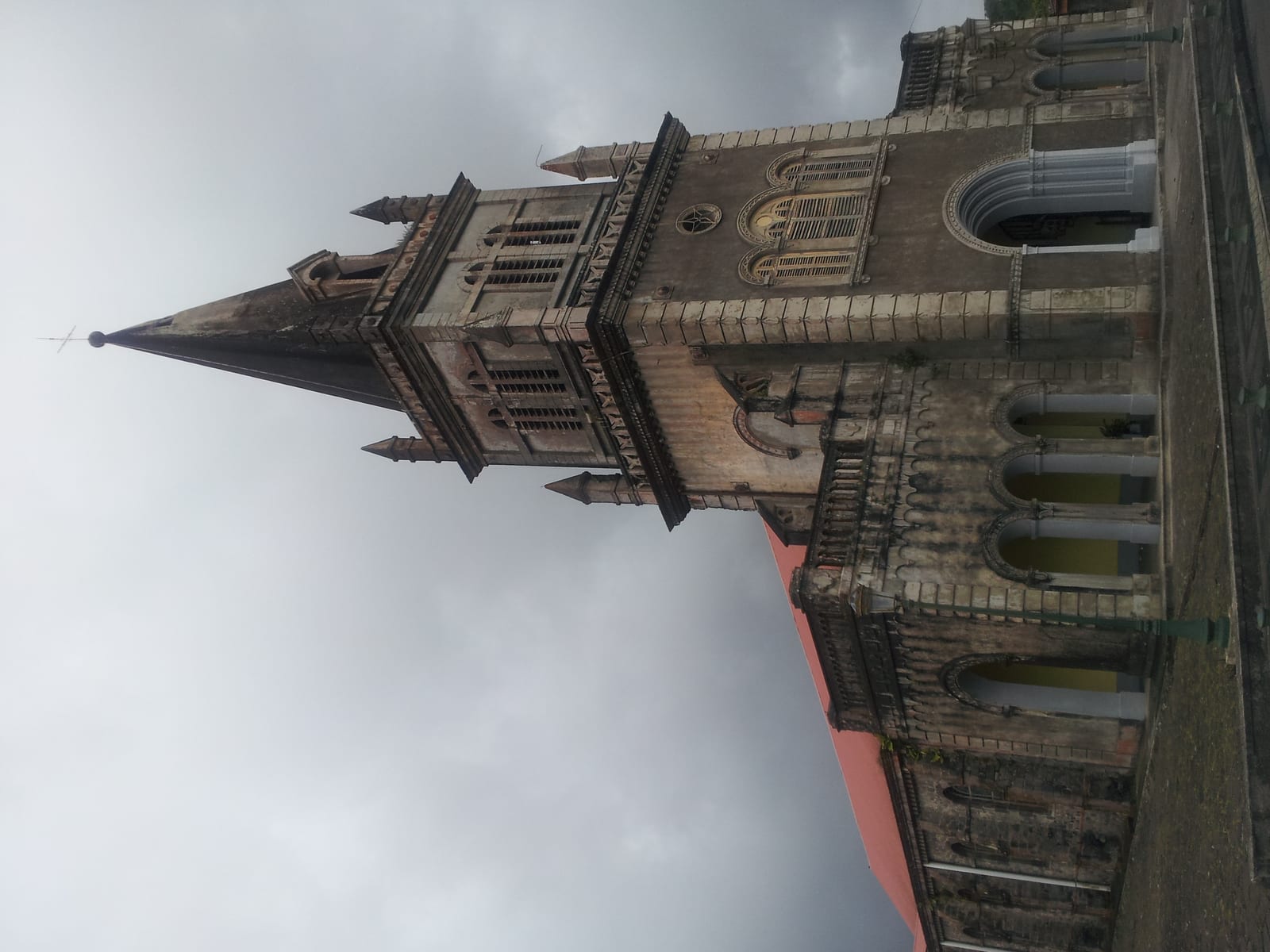
The Eucharistic Miracle of Morne-Rouge
On the morning Mount Pelée destroyed Saint-Pierre, the people of nearby Morne-Rouge crowded into their church, and during the exposition of the Blessed Sacrament many saw in the Host the Sacred Heart of Jesus crowned with thorns; the vision lasted for hours and the village was spared that day.
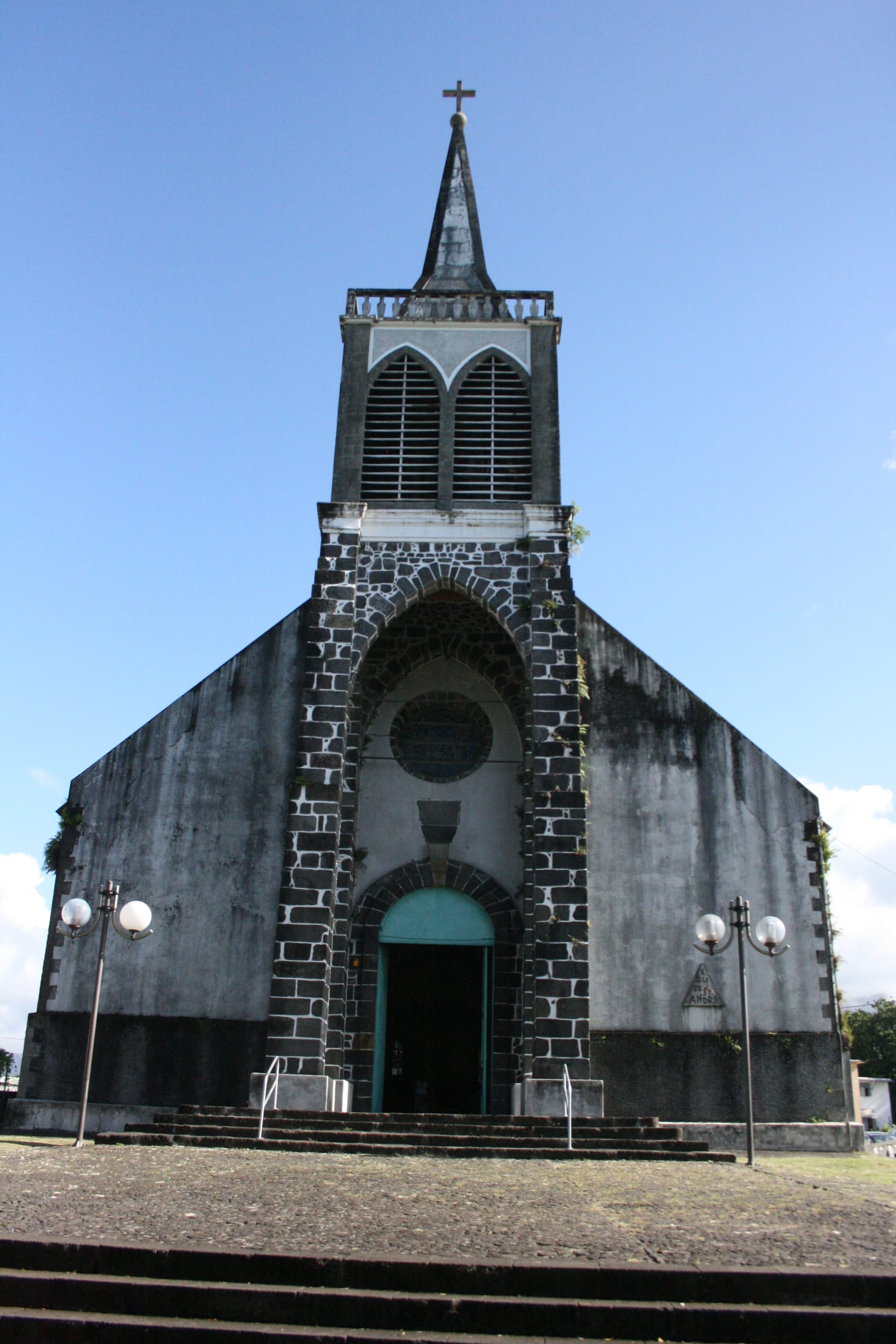
The Eucharistic Miracle of Saint-André de la Réunion
During the Forty Hours adoration of 26 January 1902, the parish priest Abbé Henry Lacombe and then the whole town of Saint-André saw the face of Christ crowned with thorns appear in the exposed Host, changing over the hours until a crucifix covered the Host entirely.
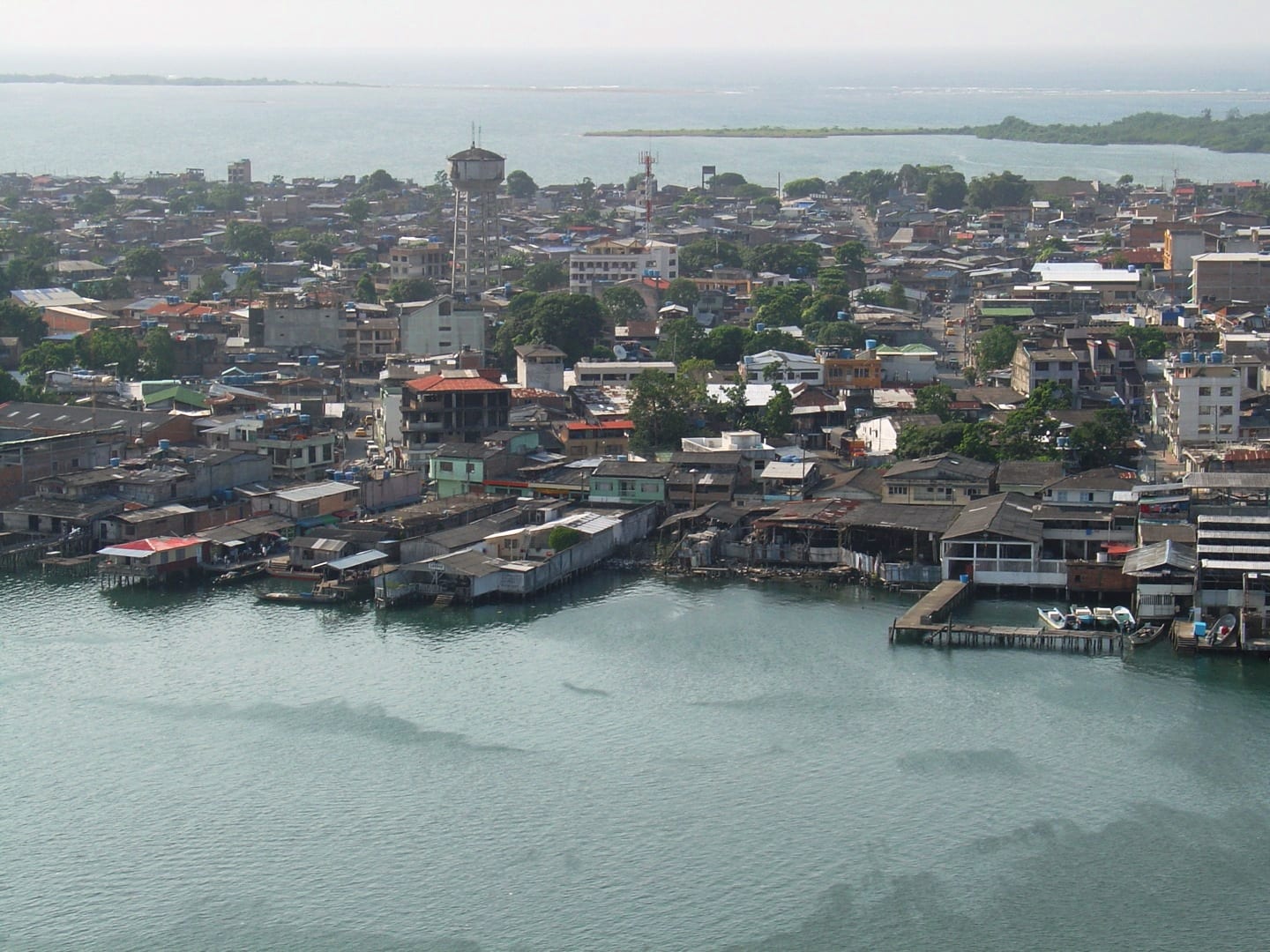
The Eucharistic Miracle of Tumaco
An undersea earthquake threatened the Pacific coastal town of Tumaco with a tsunami on January 31, 1906. The Augustinian priest carried the Blessed Sacrament to the beach — the tidal wave halted at his feet and receded.
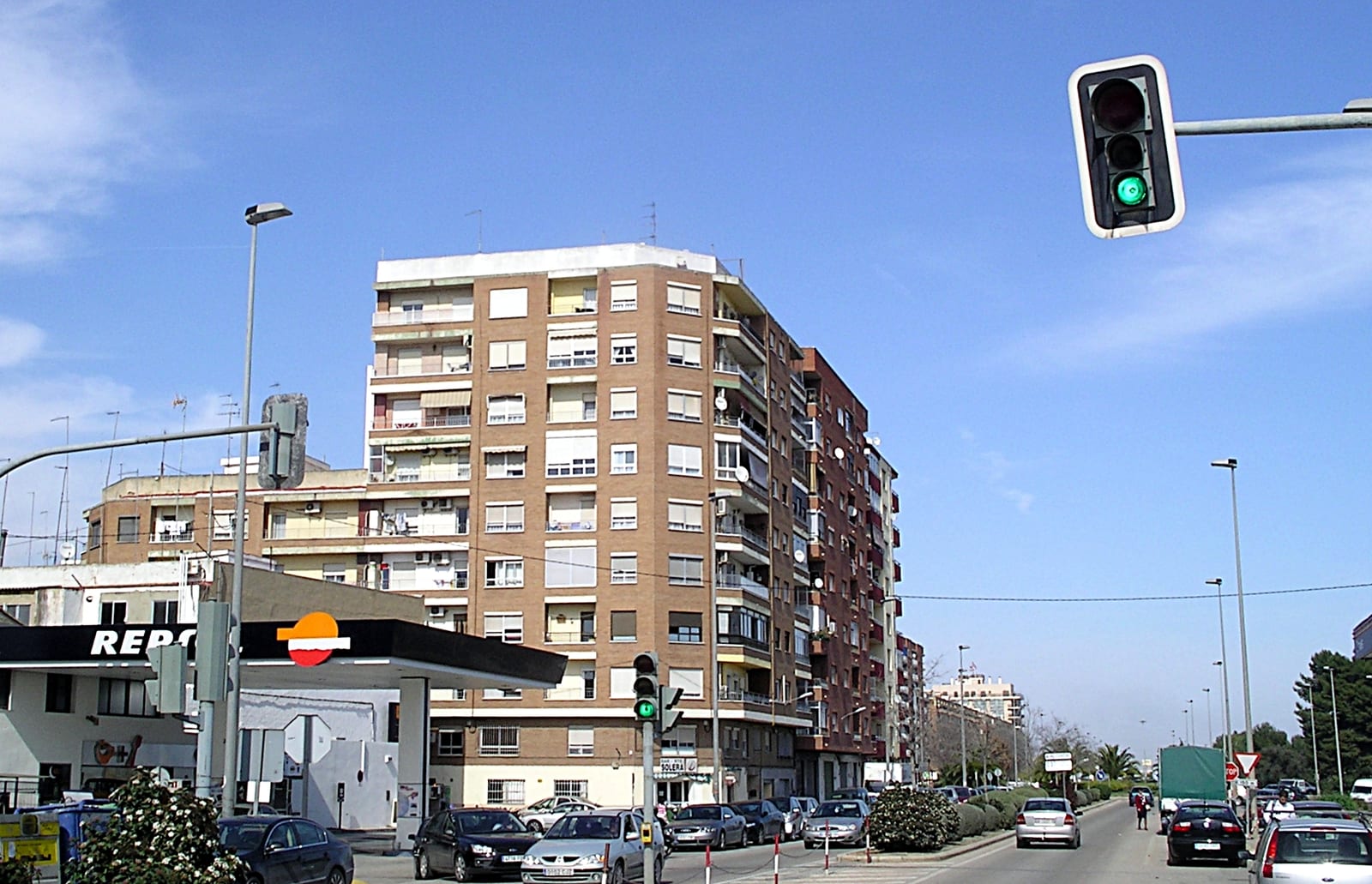
The Eucharistic Miracle of Silla
Thieves who broke into the parish of Silla and stole the ciborium dropped it in flight; the consecrated hosts were found dispersed in a nearby field, each undamaged and giving off light at dawn.
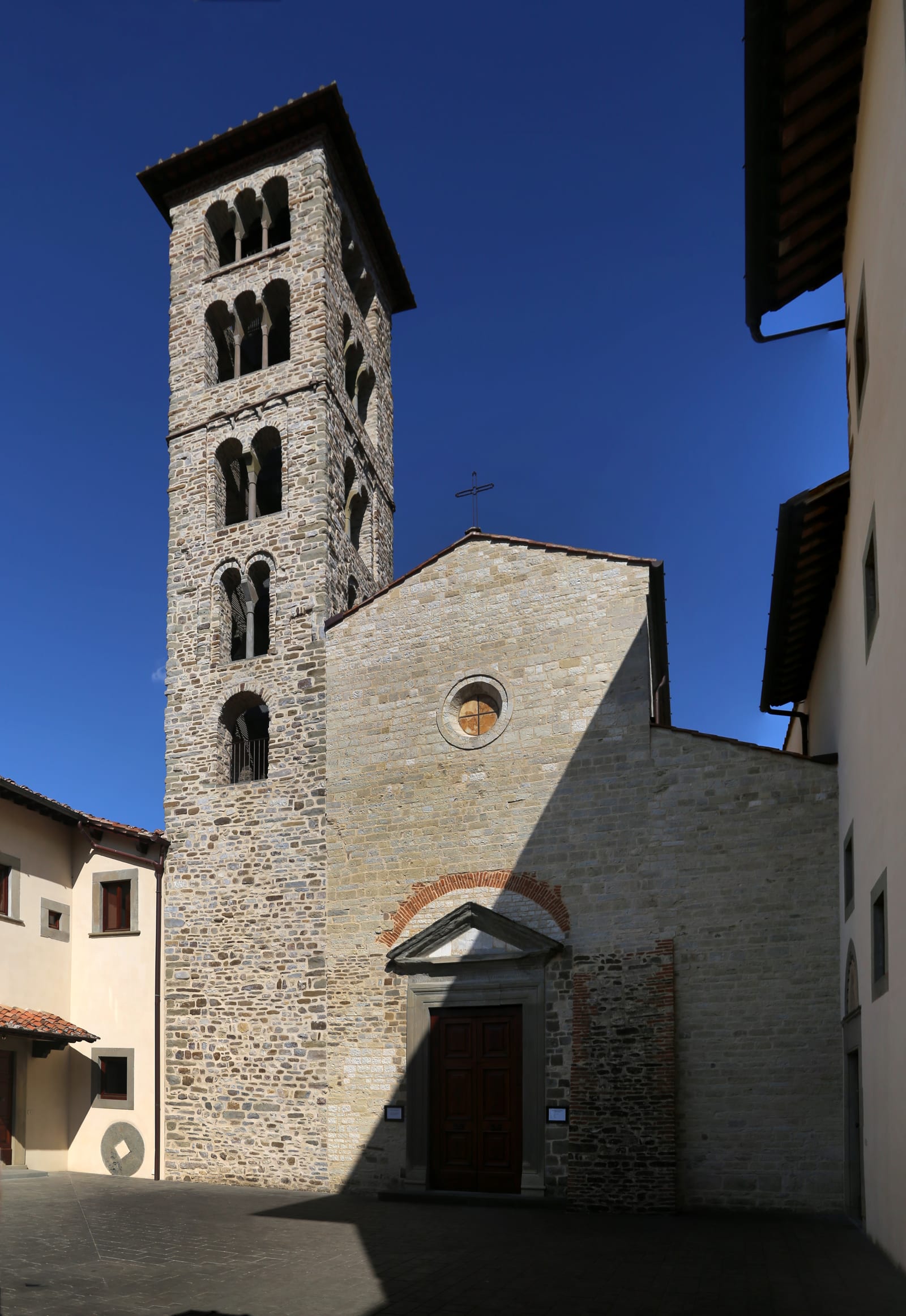
The Weeping and Bleeding Sacred Heart of Rosano
In the church of the Benedictine abbey of Rosano near Florence, a statue of the Sacred Heart given in fulfilment of a wartime vow wept on 4 April 1948 and then bled repeatedly until 1950; the Holy Office investigated, impounded and later returned it, and the bishops of Fiesole have called the events a sign of the Lord's love.
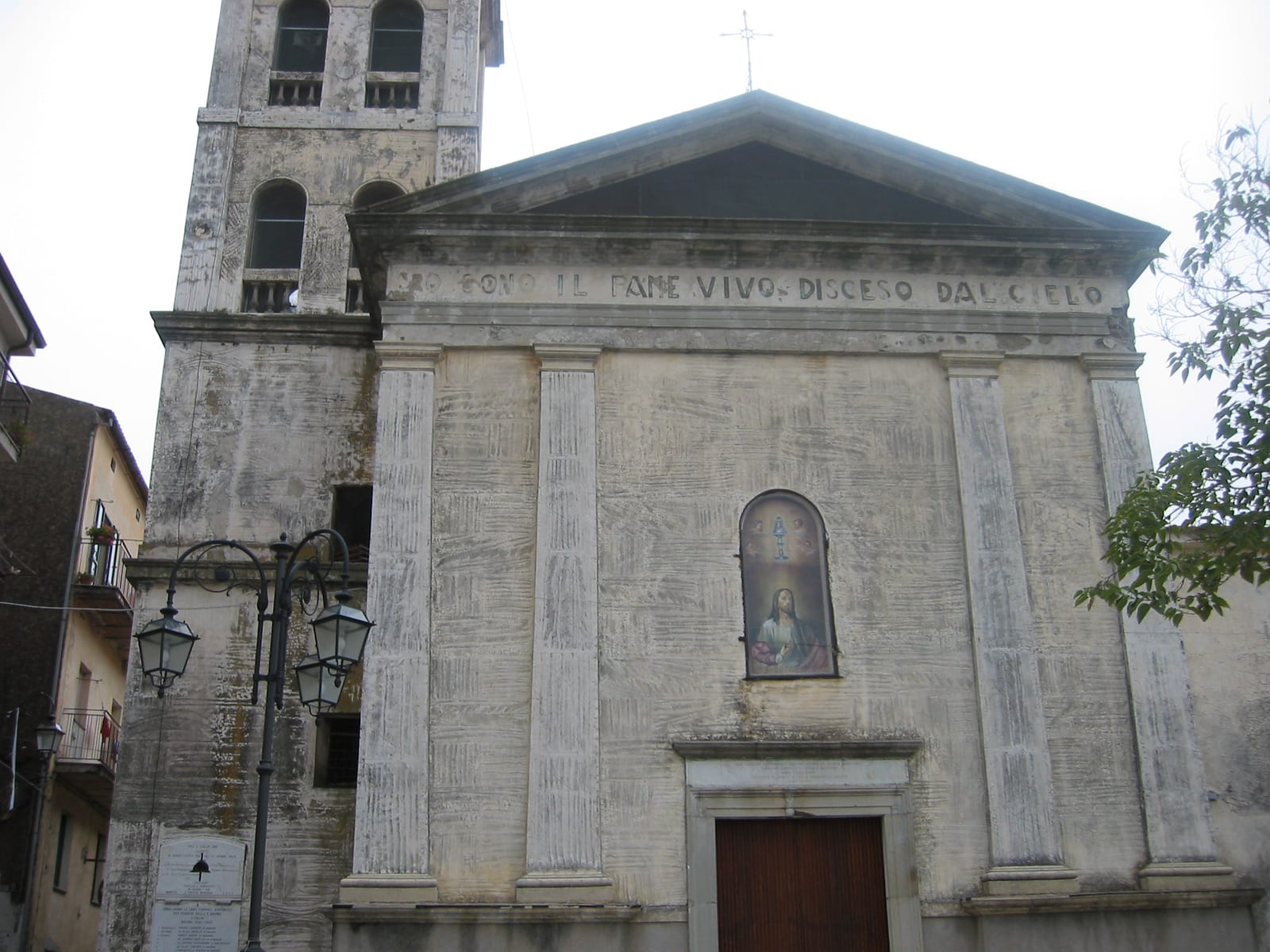
The Eucharistic Miracle of San Mauro La Bruca
A consecrated host found on the ground outside the parish church of the small Cilento village of San Mauro La Bruca was found bleeding when the priest came to recover it.
The Eucharistic Miracle of Stich
After Mass at the small Bavarian village of Stich, the priest noticed bloodstains on the corporal — without any explicable cause. Forensic examination confirmed the blood as human.
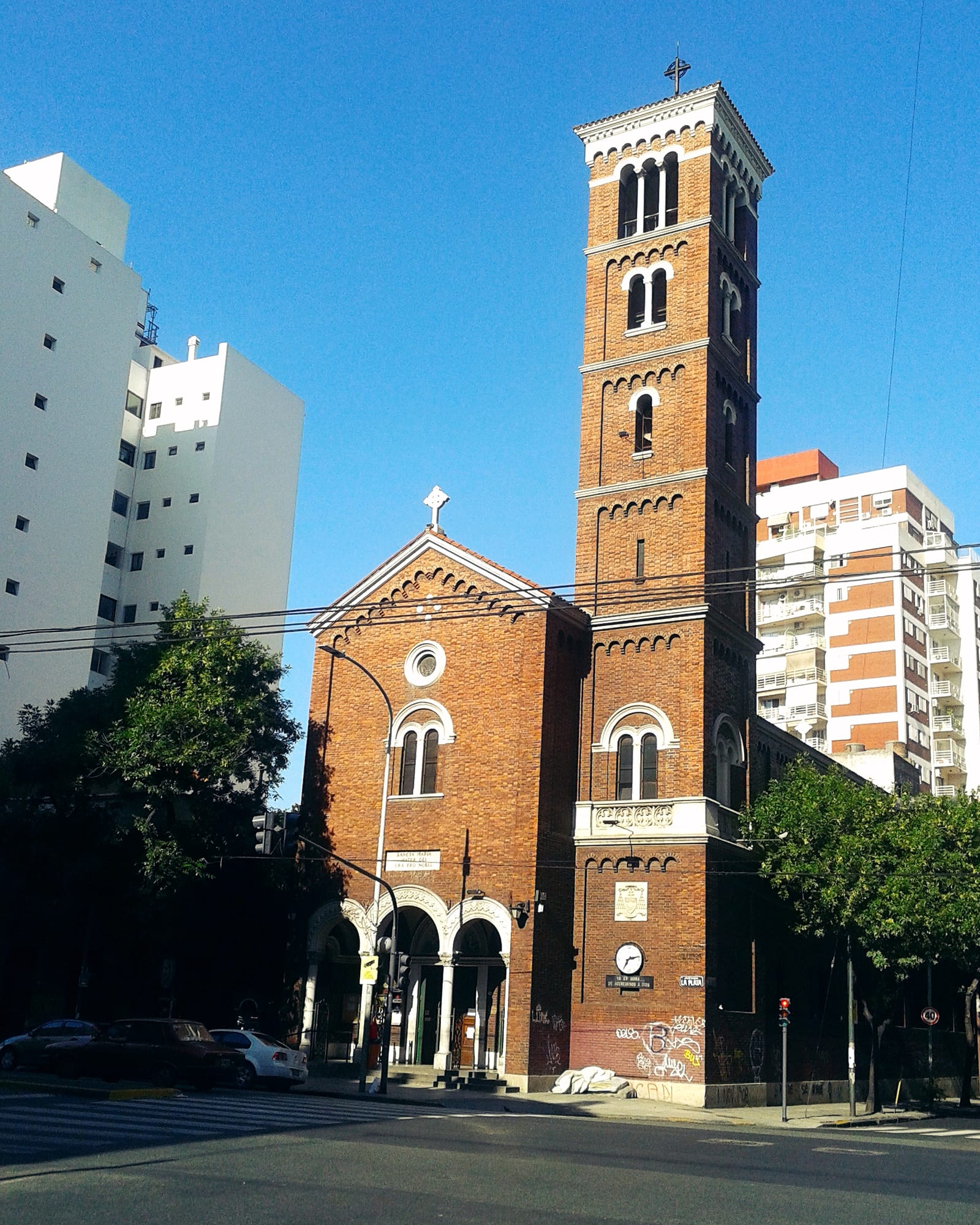
Eucharistic Miracle of Buenos Aires (1992)
Four years before the famous 1996 Buenos Aires miracle, drops of blood were found beside the tabernacle of the same parish — the first of three Eucharistic phenomena at the church under then-Archbishop Bergoglio (future Pope Francis).
Eucharistic Miracle of Buenos Aires (1994)
Two years before the 1996 case, blood was again seen on the corporal during Mass at the same Buenos Aires parish — the second of the three sister-events under Archbishop Bergoglio.
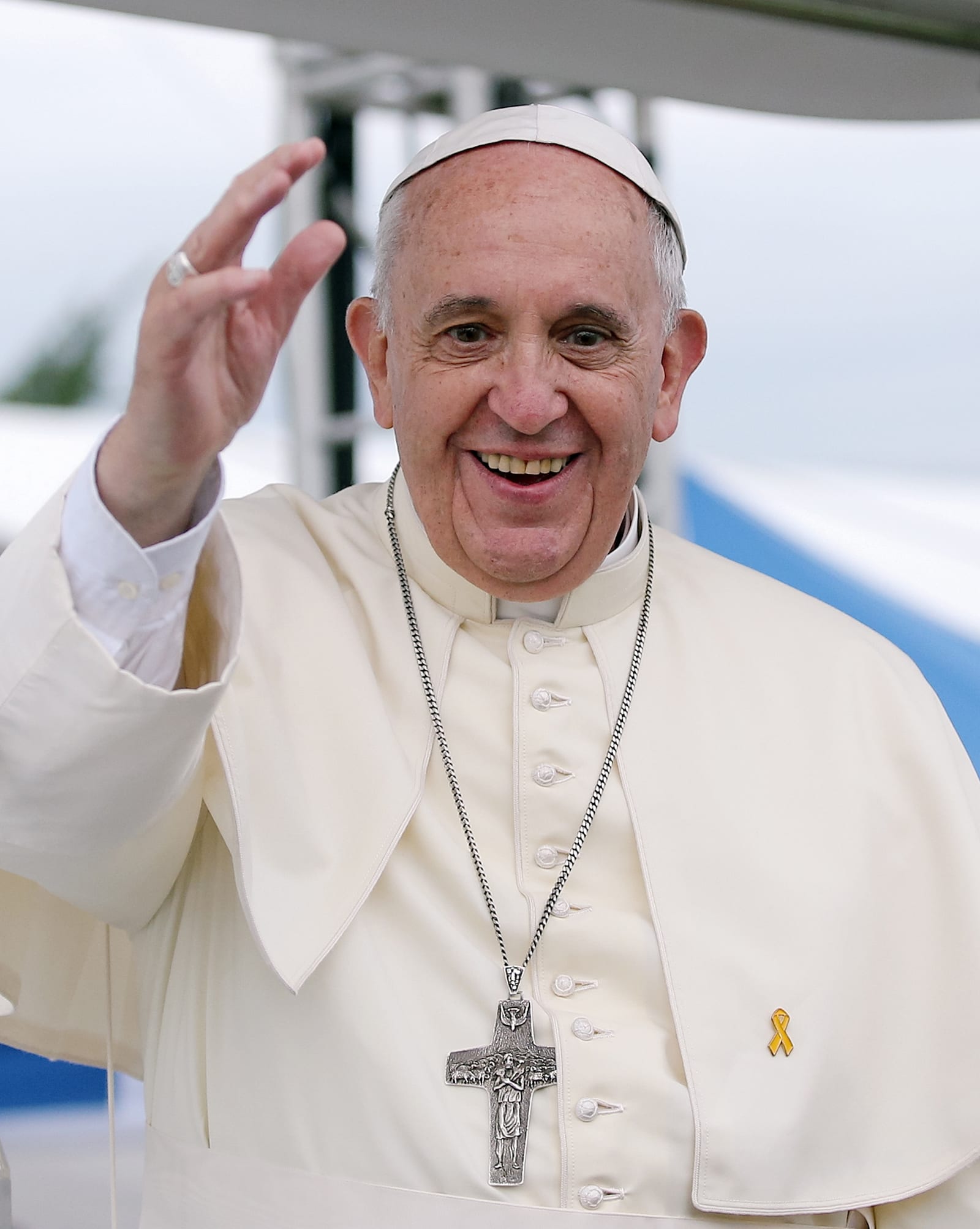
Eucharistic Miracle of Buenos Aires
A fallen host placed in water did not dissolve; it transformed into bleeding cardiac tissue. Investigated under then-Archbishop Bergoglio (the future Pope Francis).
The Eucharistic Miracle of Chirattakonam
During Eucharistic adoration at a parish in Kerala on April 28, 2001, three dots appeared on a consecrated host. The following Sunday they had developed into the unmistakable face of a bearded man with a crown of thorns. Recognised by Archbishop Cyril Mar Baselice of Trivandrum.
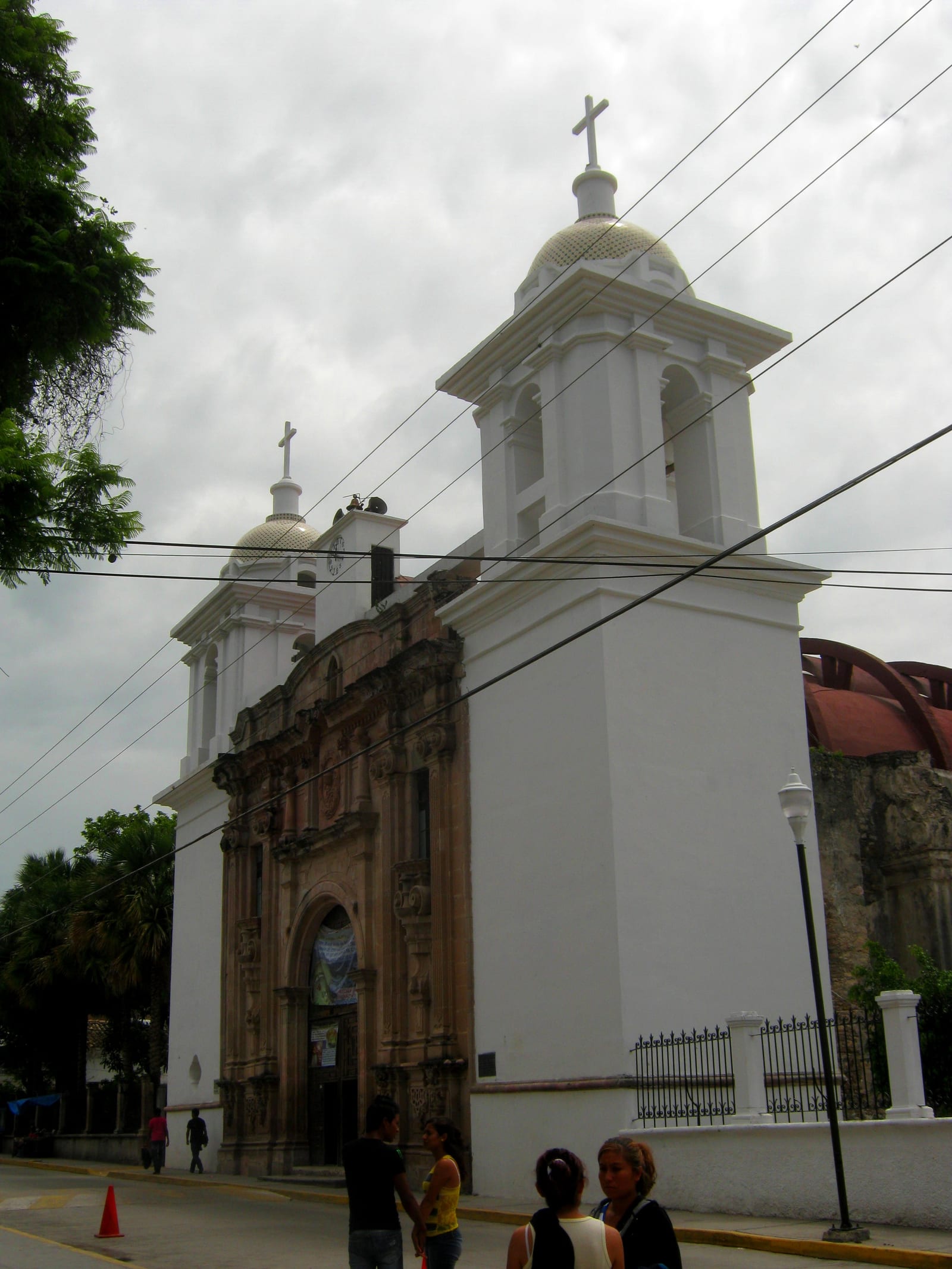
The Eucharistic Miracle of Tixtla
A consecrated host began to bleed during a retreat Mass at Tixtla. Forensic analysis under bishop Alejo Zavala Castro identified the substance as human blood, type AB, with cardiac tissue and white blood cells indicating it was alive when sampled.
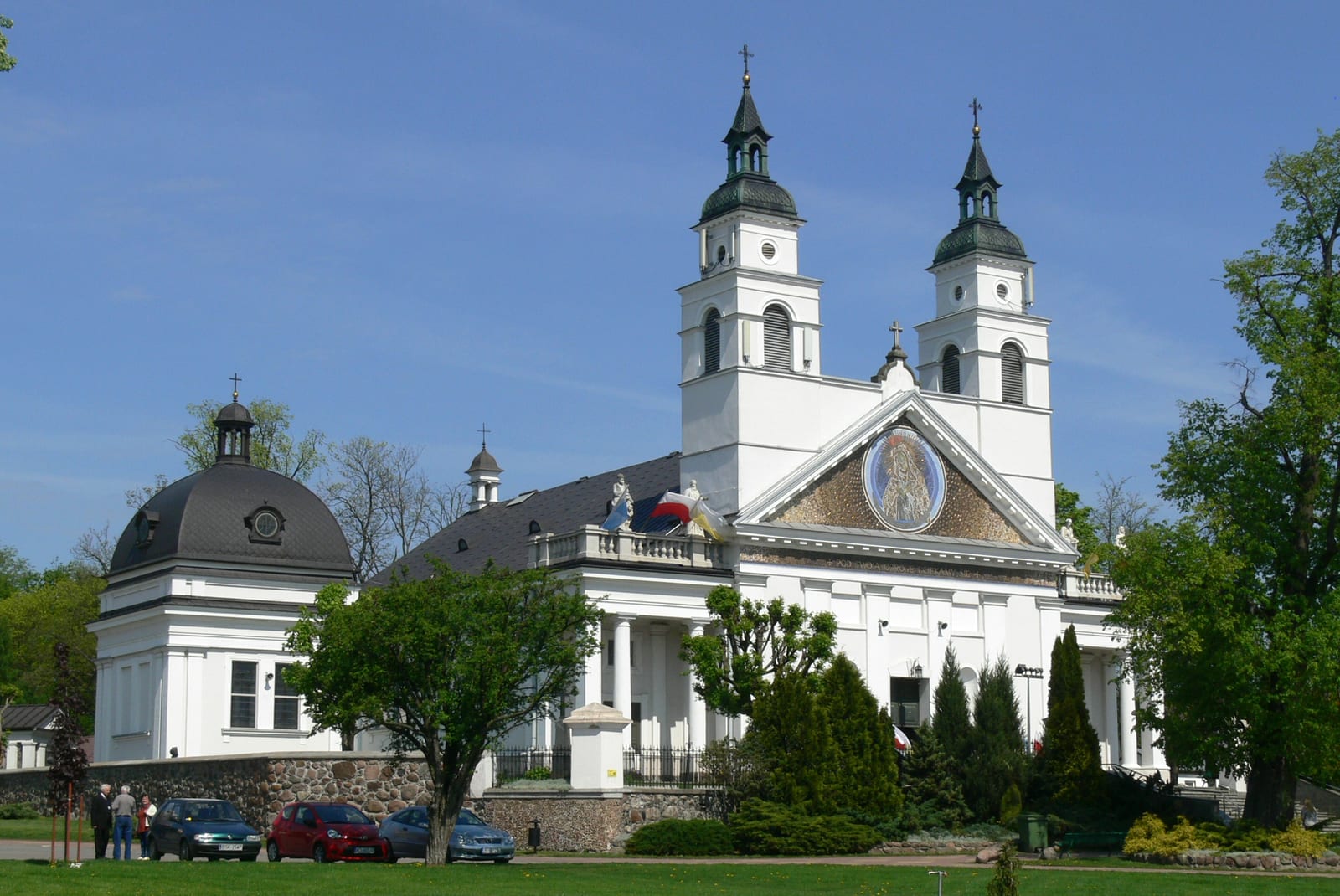
Eucharistic Miracle of Sokółka
A consecrated host fell during Communion; placed in water to dissolve, it developed cardiac tissue resembling that of a heart in agony. Confirmed by two independent pathology departments.
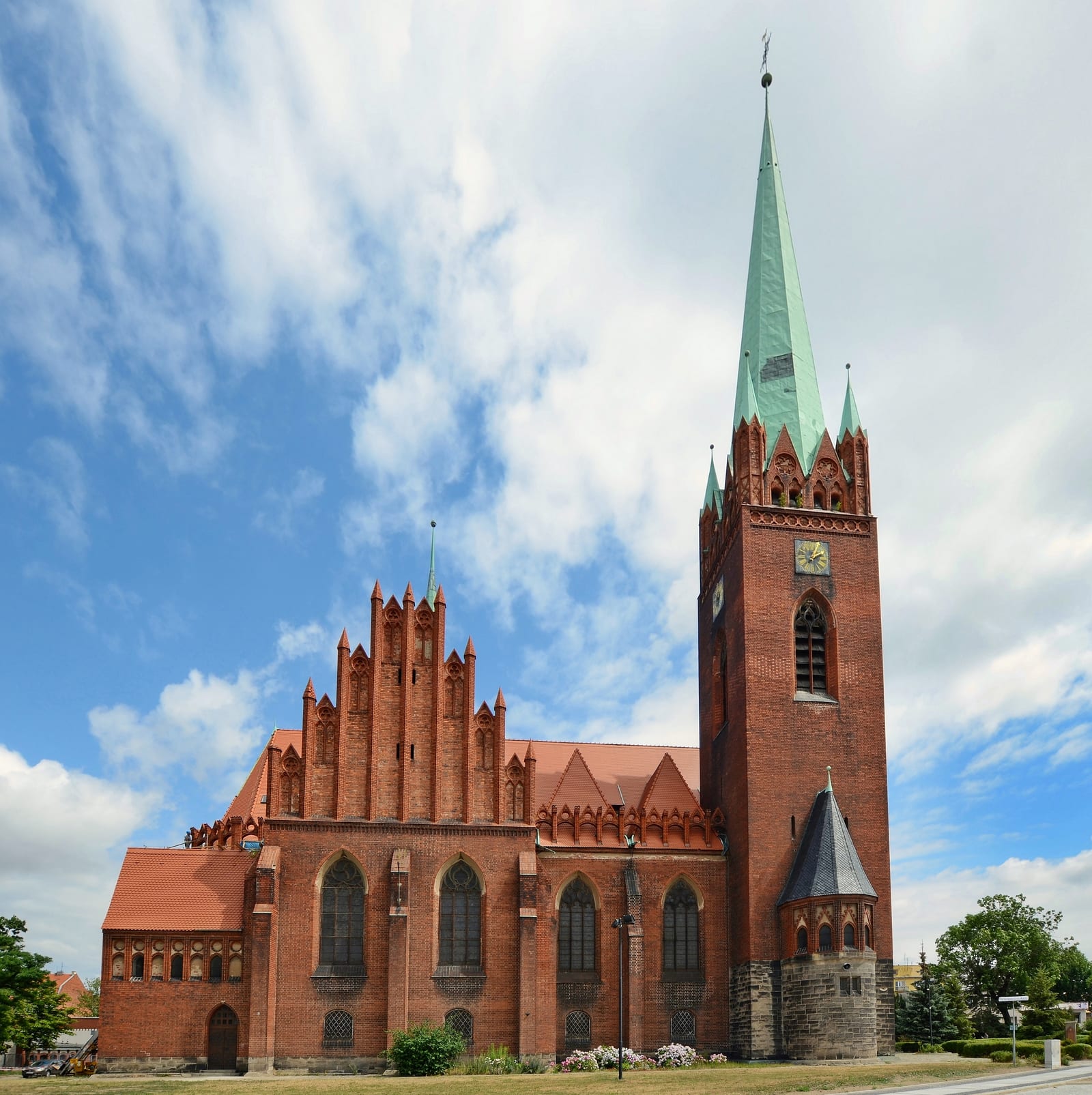
The Eucharistic Miracle of Legnica
A host fell on Christmas Day at Legnica and was placed in water to dissolve. Instead it developed red marks; analysis at two independent forensic departments found human cardiac tissue in a state of agony.