
The Vatican exhibition panel reproduces the account of Diego José Dormer, archdeacon of the cathedral, as preserved in the Zaragoza municipal archive. In 1427, when Alfonso de Argüello was archbishop (he held the see from 1419 to 1429), a married woman consulted a Moorish sorcerer for a remedy against her husband's violence. He told her he needed a consecrated Host. She went to the church of San Miguel, confessed, received Communion, slipped the Host from her mouth into a small coffer and carried it to the sorcerer's house. When they opened the box they found, instead of the Host, a little Child surrounded by light. The sorcerer ordered her to burn coffer and all and bring him the ashes; the box burned completely, but the Child was unharmed.
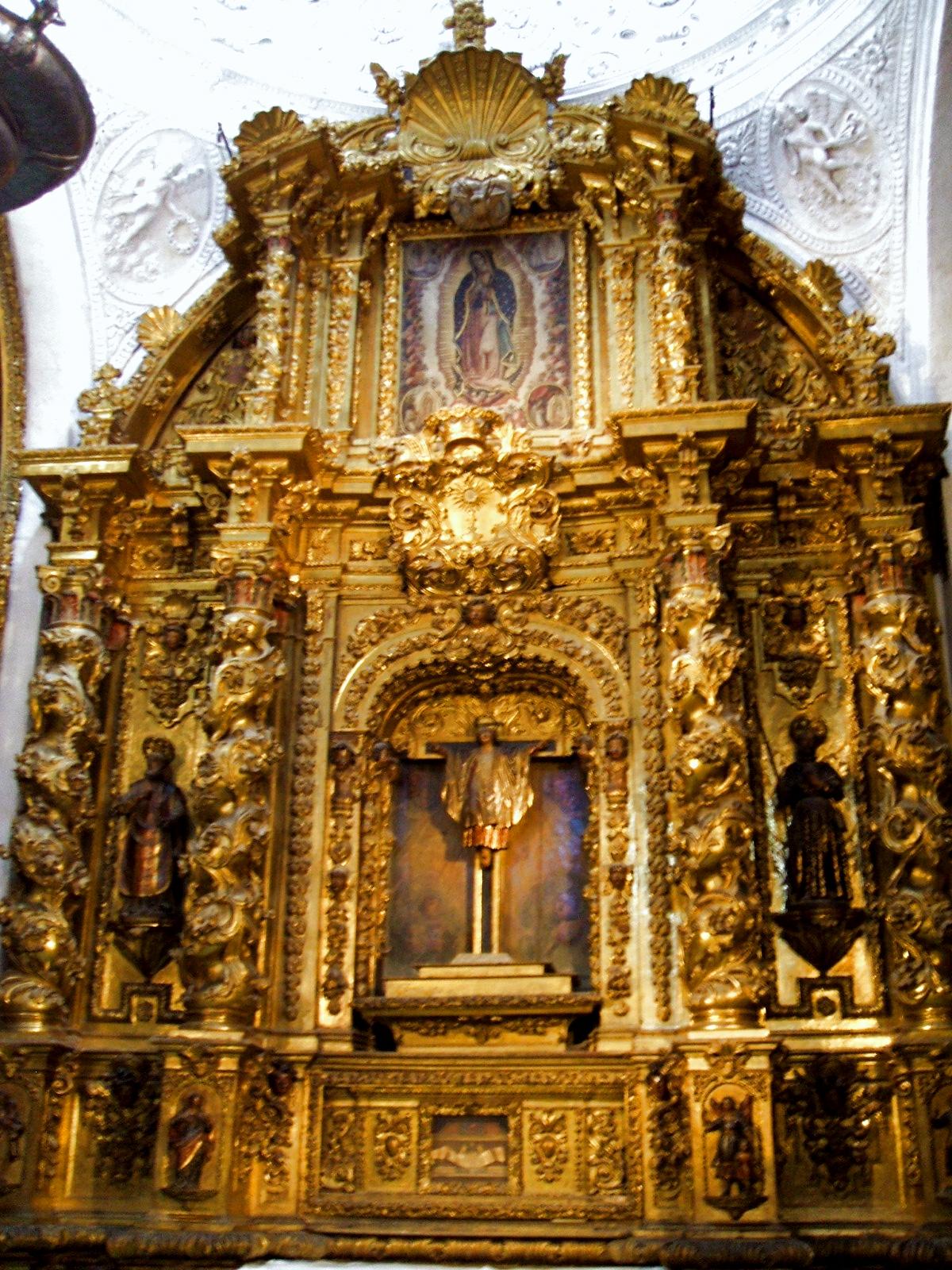
Terrified, the two went to the cathedral to confess to the archbishop, the sorcerer asking for baptism. After consulting prelates and theologians, Argüello had the miraculous Child carried in solemn procession from the woman's house to the cathedral, the whole city following, and placed on the altar of the chapel of San Valero for veneration. The next day, as the archbishop celebrated Mass at that altar, the Child at the words of consecration became once more a Host, which he immediately consumed. Dormer ends by saying that the city was renewed in its devotion to the Blessed Sacrament. Four eighteenth-century canvases in the chapel of Santo Dominguito de Val carry the story with explanatory cartouches, attributed either to Bartolomé Vicente or to Pedro Aibar Jiménez; a marble plaque beside them recounts the event.
What survives is a story rather than a record, and the catalogue does not hide it. The earliest written version is not a chancery act but a poem — the 'Spill' of the Valencian physician Jaume Roig, written about 1460, who tells it as a thing of his own time. Dormer's account was not printed until 1698, two and a half centuries after the event it describes.
The chapel itself invites a second reading. The art historian Cristina Gracia Jiménez notes what its programme sets side by side: the child-martyr Dominguito, this story of a Communion profaned, and a relief over the doorway of infidels holding up a monstrance. Taken as one scheme, she argues, it belongs to the medieval genre of anti-heretical Eucharistic propaganda.
The Church has never ruled on the miracle, and no relic survives. Zaragoza keeps it as a venerable tradition of its metropolitan cathedral, and Aragon still tells it on the official 'Route of the Eucharistic Miracles'.