
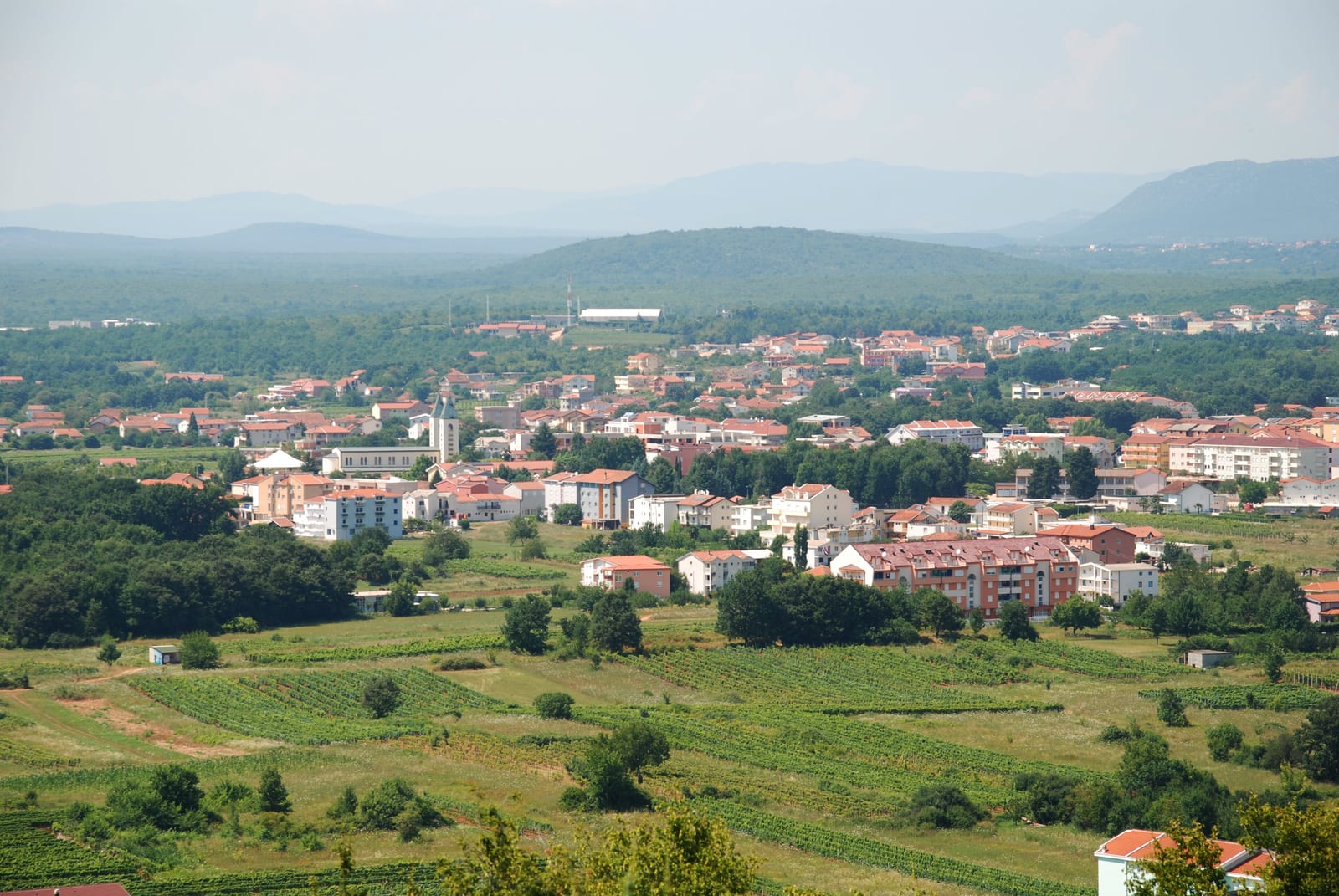
On 24 June 1981, on a hillside above the Herzegovinian village of Medjugorje, six young people — Ivanka, Mirjana, Vicka, Ivan, Marija and Jakov — reported seeing the Virgin, who they said called herself the Queen of Peace. The apparitions continued daily, and several of the six report them to this day. The message they carry is simple and repeated: peace, conversion, prayer, fasting, confession, and the Rosary. The village has become one of the most visited Marian sites in the world.
The Church's caution was long. The Bishops of Mostar disbelieved the events from early on; the Yugoslav bishops' conference, in the Zadar declaration of 10 April 1991, judged that 'it cannot be affirmed that one is dealing with supernatural apparitions', while permitting pastoral care of the pilgrims. Benedict XVI established a commission under Cardinal Ruini (2010–14); Francis authorised official pilgrimages on 12 May 2019 while insisting no judgement on the apparitions was implied.
On 19 September 2024, in the note The Queen of Peace, the Dicastery for the Doctrine of the Faith, with the Pope's approval, granted a nihil obstat: nothing stands in the way of the devotion, whose fruits it called abundant, and pilgrims may come. Under the 2024 norms this is the most positive finding available, and it is explicitly not a declaration that the apparitions are supernatural; the note cautions against treating the visionaries' messages as if it were, and reserves that judgement, if it is ever made, to the Pope.