
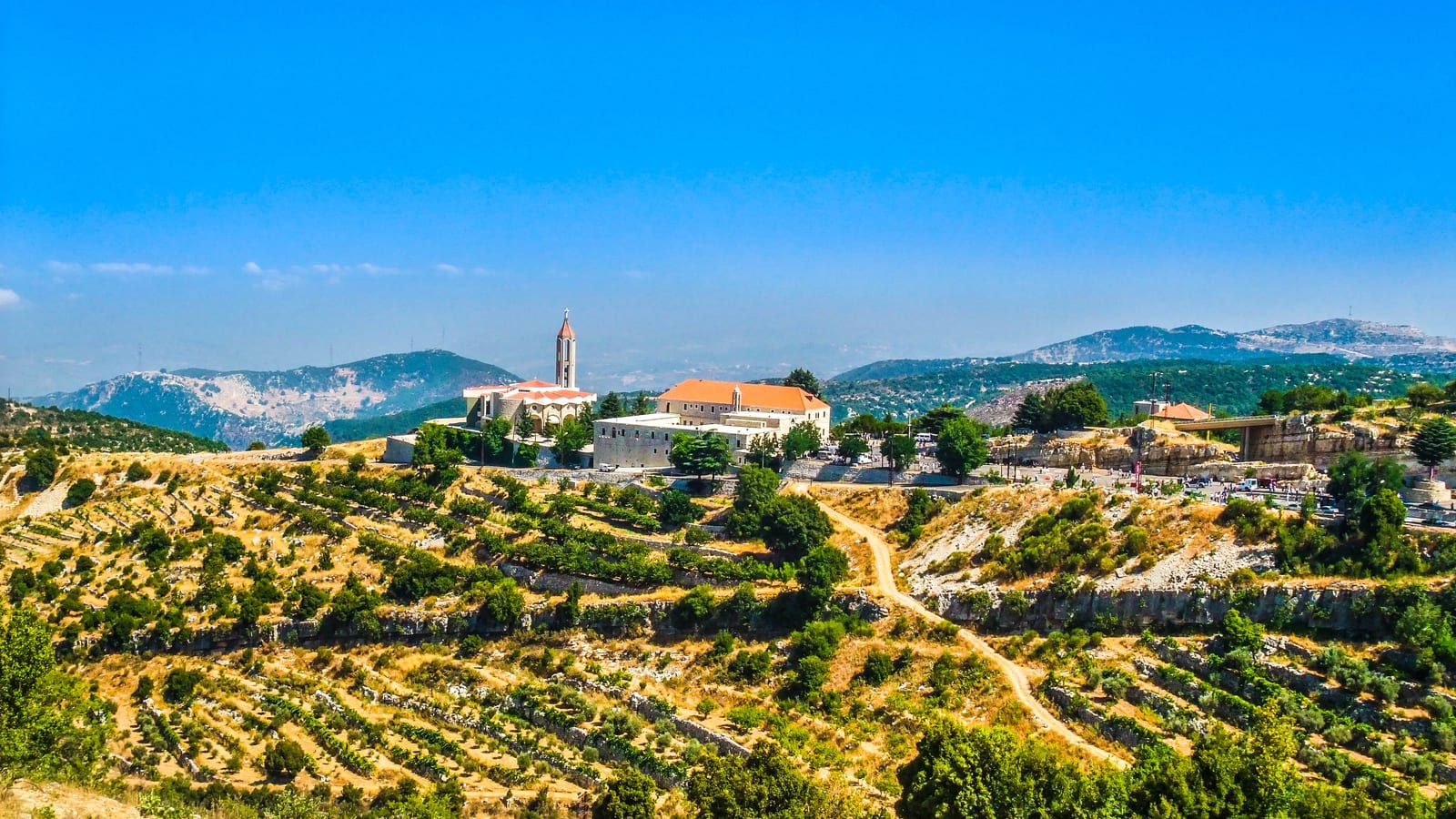
Nohad El-Shami was a 55-year-old Lebanese Maronite woman from Beirut. In December 1993 a small stroke had paralysed the left side of her body; she was given a poor prognosis. On the night of January 21–22, 1993, she had a vivid dream in which two Maronite monks — one of whom she recognised from a portrait as St. Charbel Makhlouf (d. 1898, canonised 1977) — performed surgery on her neck. They told her: 'We have come to operate on you. You will be cured.'
She woke fully cured. The paralysis was gone. On her neck, she discovered, were two fresh surgical incision scars in precisely the positions where vascular surgery on the carotid arteries would have been performed — surgery she had not undergone. She returned to the monastery of Annaya, where Charbel is buried, to give thanks. The Maronite Patriarchate opened a canonical investigation; the cure was authenticated. Nohad lived for over thirty more years, and made an annual pilgrimage to Annaya on January 22, where she would publicly speak to the gathered crowd.
St. Charbel (1828–1898) was a Maronite hermit-monk who lived in extreme silence at the monastery of Annaya in the Lebanese mountains. He was canonised in 1977 by Paul VI. Some 30,000 healings have been attributed to his intercession; Nohad El-Shami's case, with the visible surgical scars, is the most physically dramatic.