
MIRACULOUS MIRACLES™

Saint — Pius V

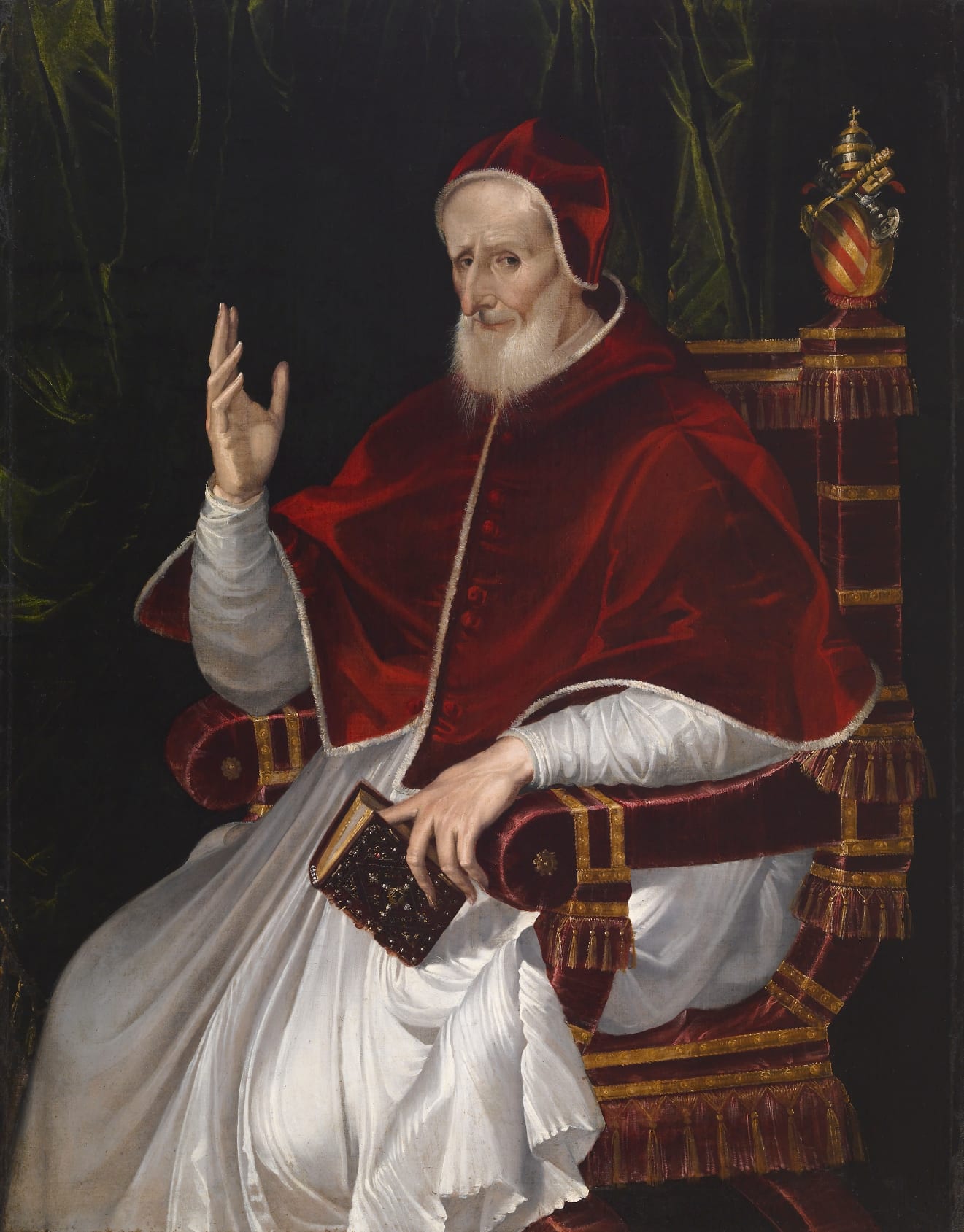
St. Pius V
January 17, 1504, Bosco Marengo, Piedmont — May 1, 1572, Rome
Antonio Ghislieri — Pope of Trent and Lepanto
Basilica of Santa Maria Maggiore, Rome, Italy
♕ The 225th Bishop of RomeReign: January 7, 1566 — May 1, 1572
Feast
April 30
Canonized
1712 (by Clement XI)
Life

Antonio Ghislieri was born to a poor family in Piedmont and entered the Dominican Order at fourteen. A spare, sober man of ascetic life and severe judgement, he taught theology, served as inquisitor in Como and Bergamo, became bishop and cardinal, and was elected pope in 1566 — by acclamation of the reform party, against the influence of the Spanish.

His six-year pontificate completed and embedded the Council of Trent (1545–63). He promulgated the Roman Catechism (1566), the reformed Breviary (1568), and — supreme achievement — the Roman Missal (1570), which standardised the celebration of Mass throughout the Latin Church. The 'Tridentine Mass' as it would come to be called would remain essentially unchanged until 1969–70.

In foreign affairs he forged the Holy League — Spain, Venice, the Papal States, and several smaller Italian powers — against the Ottoman advance. He called for Rosary processions in every parish of Christendom on the day of battle. On October 7, 1571, the Holy League defeated the Ottoman fleet at Lepanto. Tradition holds that the pope, in Rome, suddenly broke off a meeting at the moment of victory and walked to a window: 'It is not the time for business; let us go and thank God for the victory He has just given to the Christian arms.'

He instituted the feast of Our Lady of Victory in thanksgiving; his successor Gregory XIII renamed it the feast of the Most Holy Rosary, still kept on October 7. Pius V died in 1572 of bladder stones, refusing his physicians' suggestion that they spare him further suffering. He was canonised in 1712 — the first pope canonised since Pius V's own day made it harder.

Miracles & Phenomena
  • The Victory of Lepanto (1571)

    October 7, 1571

    His call for universal Rosary processions on the day of battle and the subsequent victory of the outnumbered Christian fleet were taken across Europe as a manifest miracle. He is reported to have known the moment of victory by supernatural means hours before any messenger could arrive.

    → Full miracle page
  • Quo primum (1570)

    July 14, 1570

    His Apostolic Constitution Quo primum tempore (July 14, 1570) promulgated the reformed Roman Missal, established it as the universal liturgical book of the Latin Church (with explicit exemptions for liturgies more than two centuries old), and was a unifying liturgical act on a scale unknown in the Western Church before or since.

Relics
  • Body
    Tomb of St. Pius V
    Sistine Chapel of Santa Maria Maggiore, Rome

    His body is preserved largely intact in a magnificent reliquary tomb in the Cappella Sistina of Santa Maria Maggiore — directly across from the tomb of Pope Sixtus V, who had built the chapel. The face, visible through glass, is masked in silver.

Iconography
  • Pius V in the White Dominican Habit

    His invariable attribute — he kept the white Dominican habit even as pope, a practice his successors have continued. Hence the white papal cassock to this day. Often depicted holding a rosary or a crucifix.

  • The Pope at the Window (Lepanto)

    Painted by Vasari in the Sala Regia of the Vatican and many others — the pope turning from his desk to the window at the moment of victory.

Patronages
Bosco Marengo, his birthplacePignerolThe Tridentine liturgy
Sources & Further Reading