
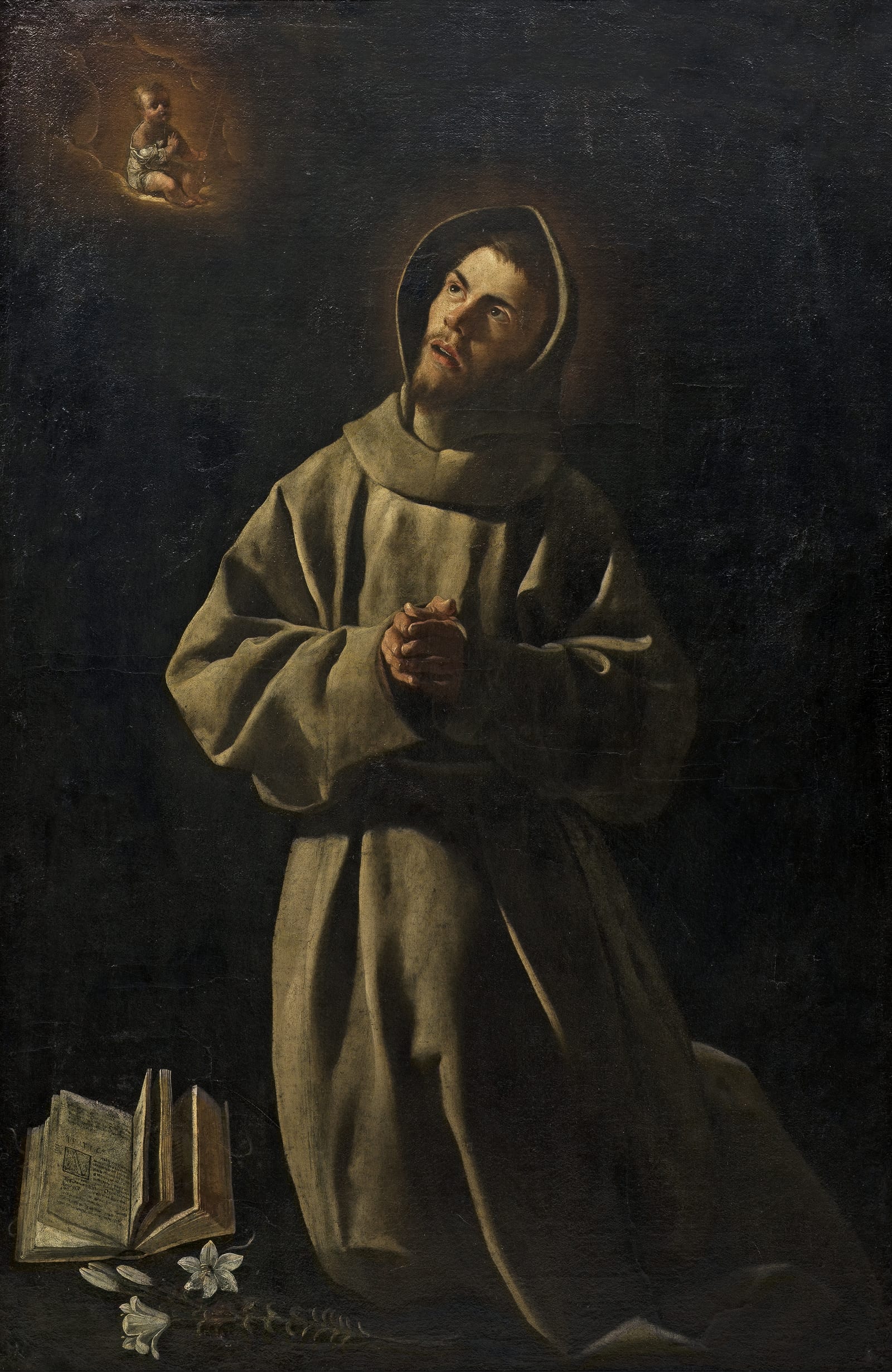
St. Anthony of Padua's father, Martino de Bulhões, was a wealthy citizen of Lisbon. In the year of Anthony's death (1231), Martino was wrongly accused of murdering a man whose body had been found buried in his garden. He faced execution. Word reached Anthony at Padua — over 2,000 km away across western Europe.
According to the early Vita of St. Anthony and to a contemporaneous Lisbon court record, Anthony was simultaneously seen in two places. He was preaching in the church of San Francesco in Padua and visibly continuing his sermon, while at the same moment he appeared in the Lisbon court, asked permission to call a witness, went with the bailiffs to the cemetery, and at his command the dead victim sat up in the open grave and exonerated Martino, naming his real killer. The Lisbon court released Martino. Anthony then returned to Padua. The bilocation episode is among the earliest and best-documented in Christian hagiography.