The line narrowed across two thousand years: the seed of the woman, of Shem, of Abraham, Isaac and Jacob, of Judah, of Jesse and David — a king, a prophet like Moses, a priest after the order of Melchisedech.
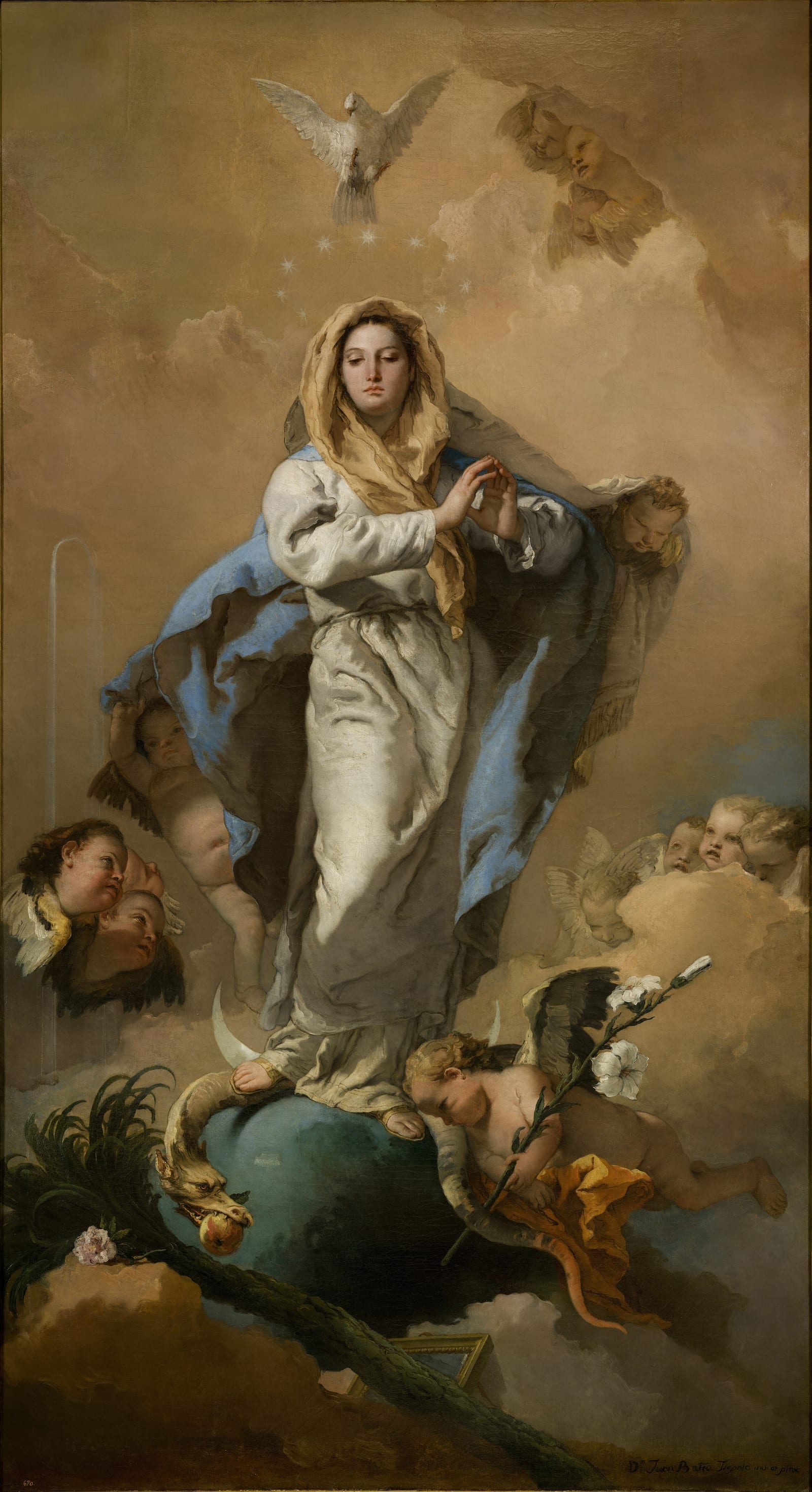
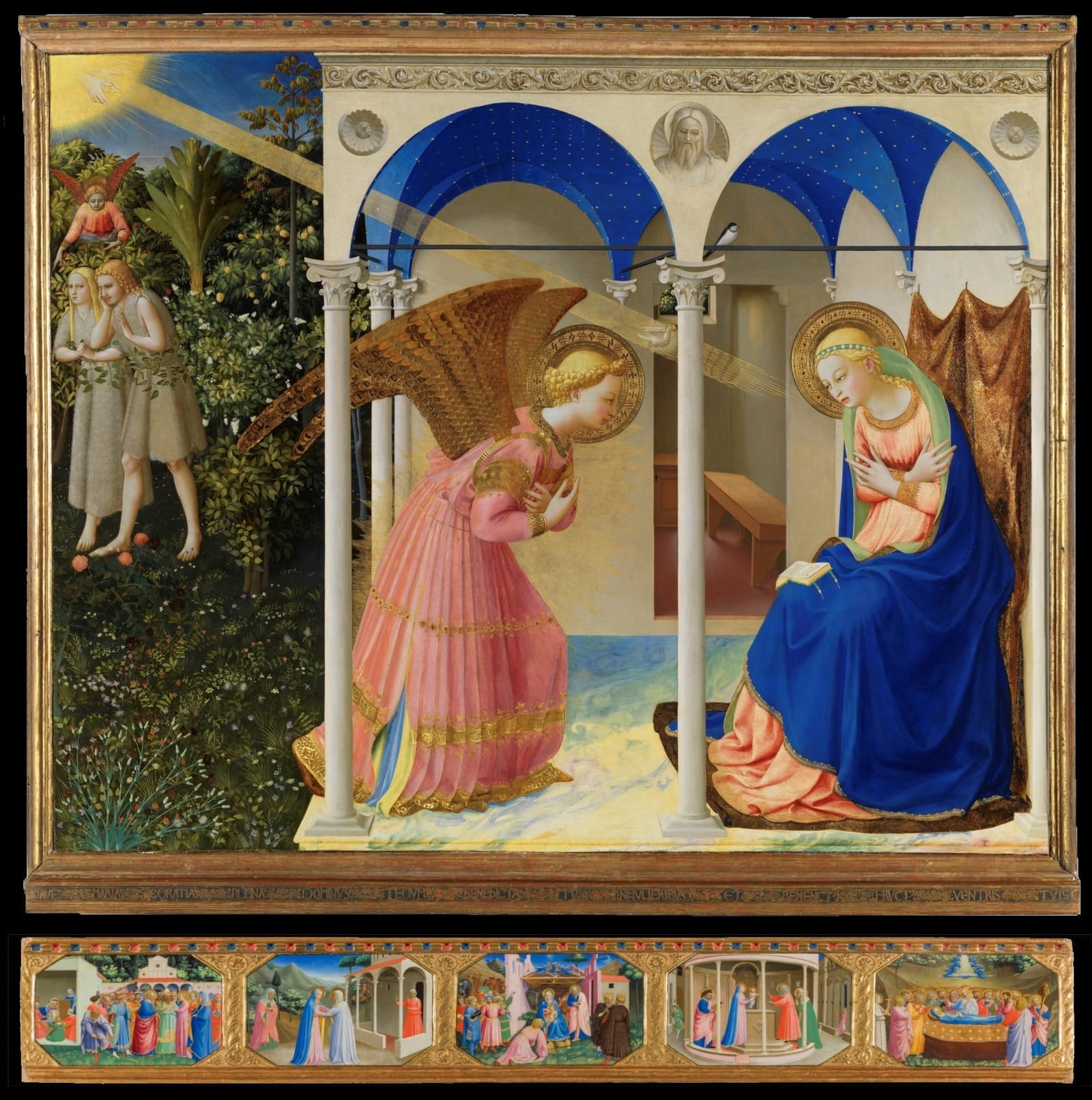
The seed of the woman crushes the serpent
In Eden God promises that the offspring of the woman will crush the serpent's head; Christ, born of a woman, destroys the devil's works.
The Protoevangelium. The Hebrew reads 'he shall crush' (the seed); the Vulgate 'ipsa' ('she') underlies the Marian reading cited in Ineffabilis Deus. Targum Pseudo-Jonathan paraphrases the verse with explicit reference to King Messiah.
Noah's blessing that God would dwell in the tents of Shem is read as the first narrowing of the messianic line, fulfilled when the Word tabernacled among Shem's descendants.
Targum Onkelos renders 'he shall cause his Shekinah to dwell in the tents of Shem'; Philo and Theodoret take God as the subject. Most modern commentators take Japheth as the subject of 'dwell'. A traditional rather than strictly predictive reading.
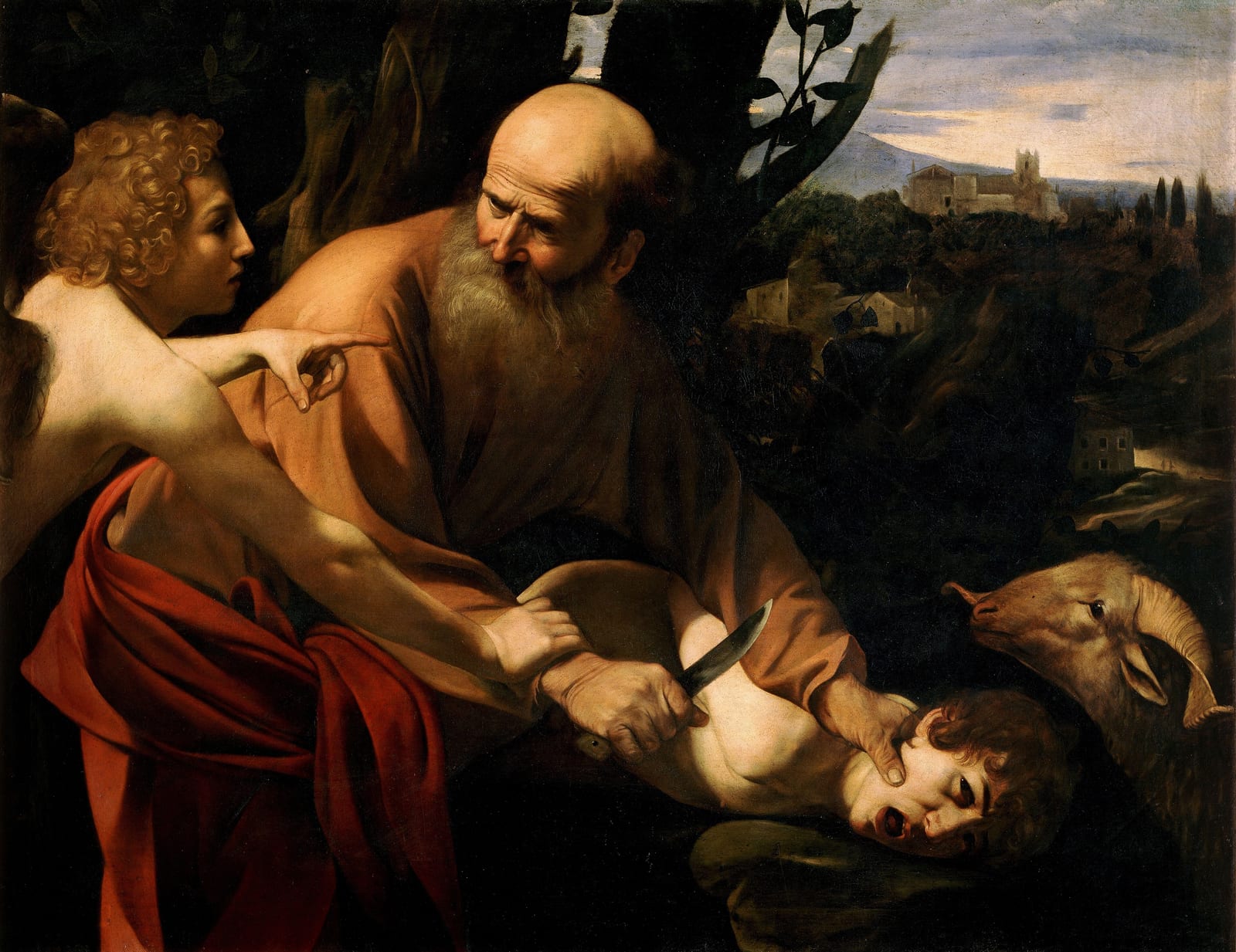
In Abraham's seed all nations blessed
God swears to Abraham that in his seed all the nations of the earth will be blessed; Paul identifies that singular seed as Christ.
Numbers 24:19 ('out of Jacob shall come he that shall have dominion') is cited by the Catholic Encyclopedia ('Messias') as a lineage prophecy.
The sceptre shall not depart from Judah
Jacob foretells that rule will remain with Judah until 'he come to whom it belongs', the expectation of nations; Christ springs from Judah as the Lion of that tribe.
'Shiloh' is applied to the Messiah in all the Targums and in the Talmud (Sanhedrin 98b). The Vulgate reads 'he that is to be sent... the expectation of nations'. Traditional apologetics also read the verse as a timing prophecy: Judah's self-rule ended under Rome within the lifetime of Jesus.
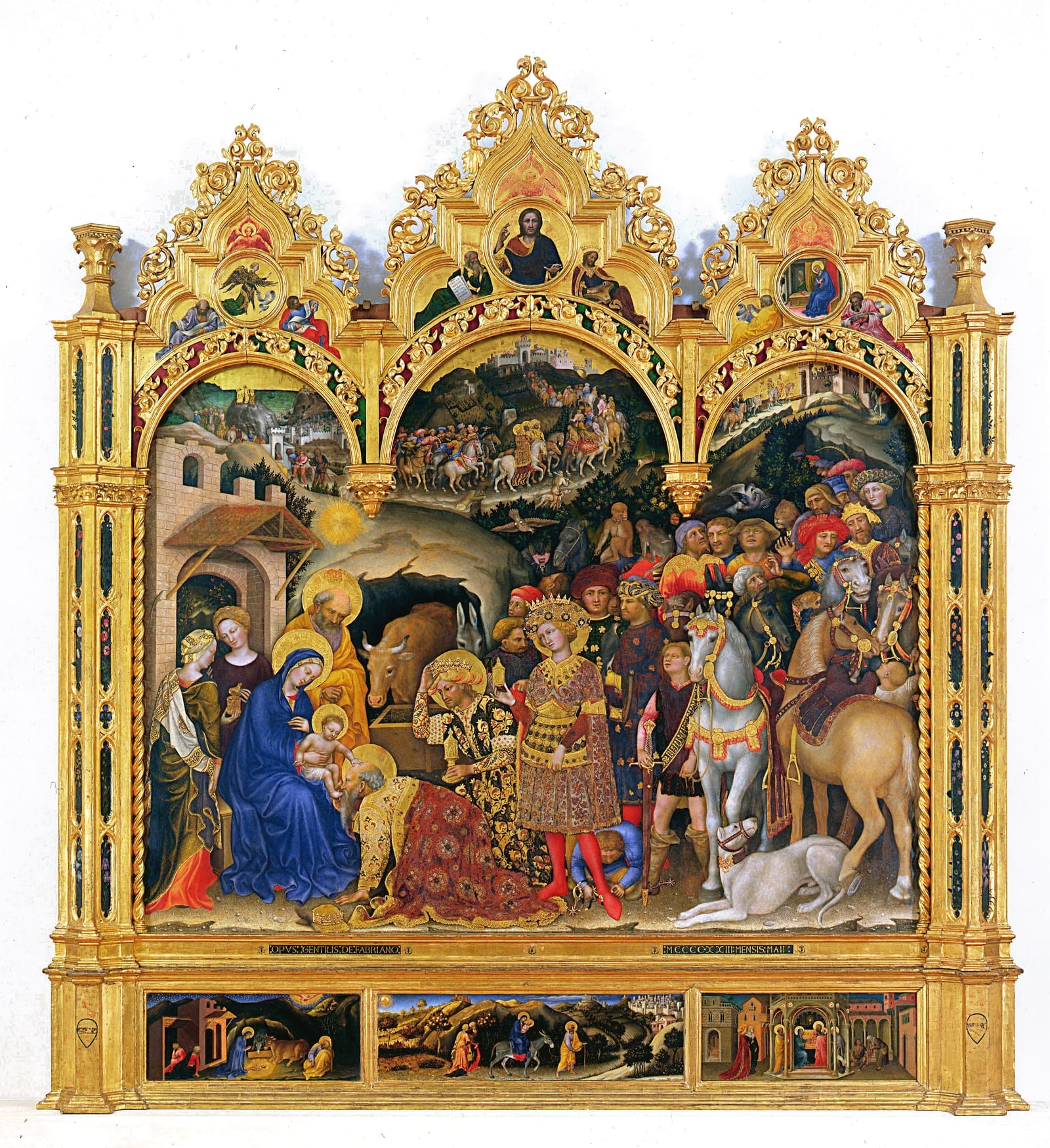
Balaam foresees a star rising from Jacob and a sceptre from Israel; the Magi follow his star to the newborn king, who calls himself the bright morning star.
Targum Onkelos and Pseudo-Jonathan refer the star and sceptre to the Messiah; Rabbi Akiba applied it to Bar Kokhba ('son of the star'). The Fathers link the verse to the Magi's star, though the oracle itself speaks of the king as the star.
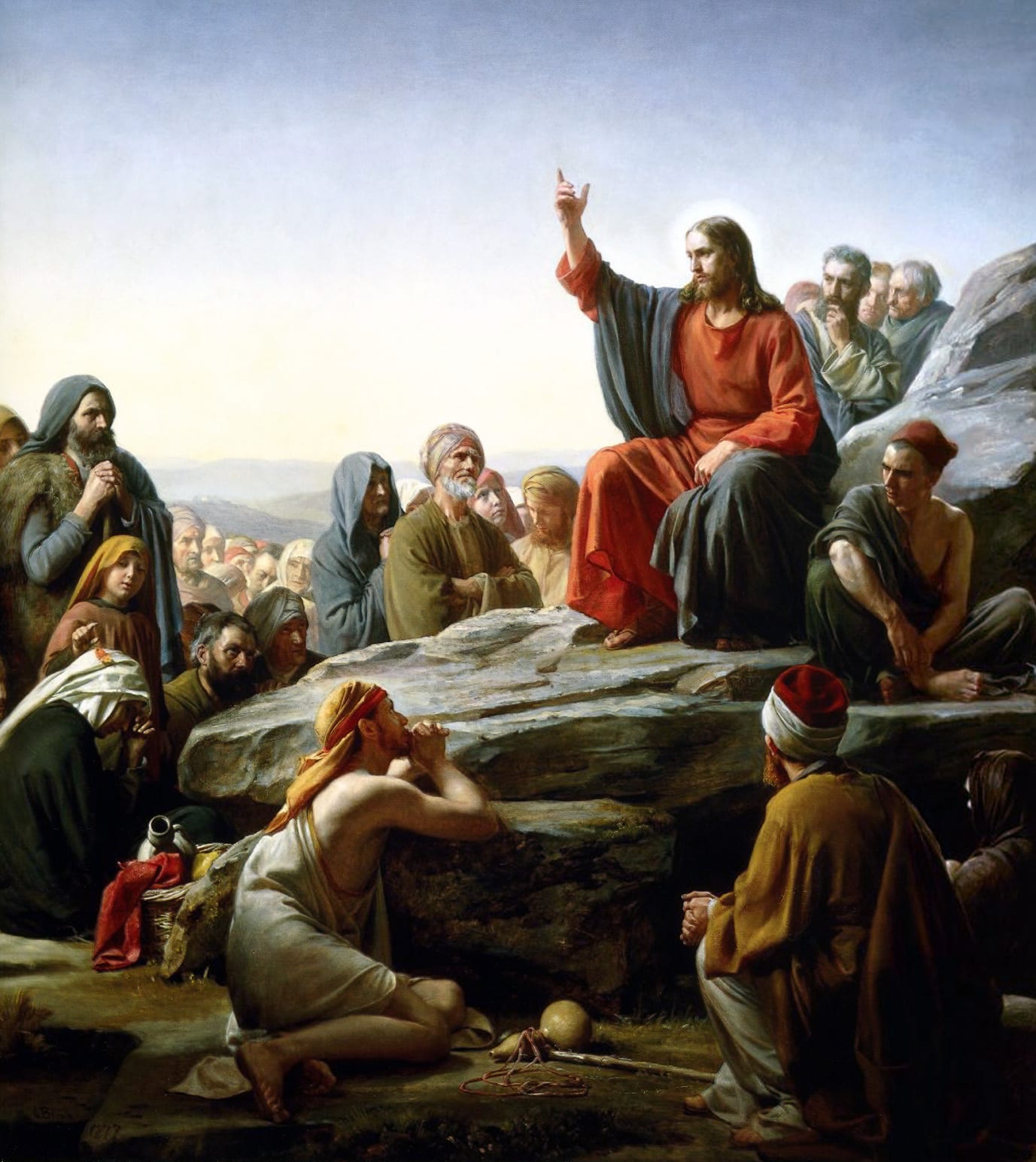
Moses promises that God will raise up from Israel a prophet like himself whom all must hear; the crowds and the apostles identify Jesus as 'that prophet'.
'Hear ye him' at the Transfiguration (Matthew 17:5) echoes Deuteronomy 18:15. By the first century the passage was read of a single eschatological figure (John 1:21).
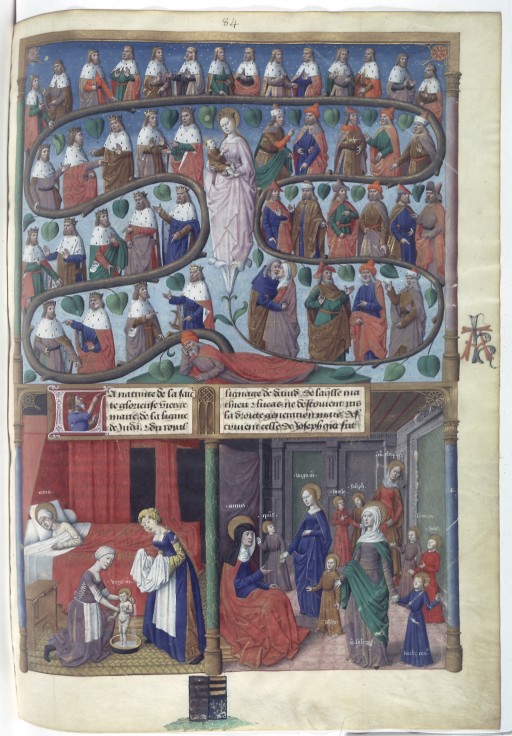
A shoot (netzer) springs from the stump of Jesse and a righteous Branch is raised up to David; Jesus, son of David, is the Root of Jesse to whom the Gentiles turn.
Zechariah 3:8 and 6:12 ('Branch') are universally admitted as messianic in the Targum and Talmud; the Septuagint renders 'Branch' as anatole ('Dayspring'), echoed in Luke 1:78.
God swears to David that his seed will sit on his throne for ever; Gabriel announces that Jesus will receive the throne of David his father and reign without end.
Matthew's genealogy descends through Solomon, Luke's through Nathan (cf. Zechariah 12:12); both land on Joseph, the legal father. Hosea 3:5 and Jeremiah 30:9 are applied to the Messiah under the name 'David' in the Targum.
The psalmist promises that God will make a horn to bud for David; Zechariah blesses God for raising up 'a horn of salvation for us in the house of David his servant'.
The 'horn' is a biblical image of royal strength; the Benedictus quotes Psalm 132:17 almost verbatim. 1 Samuel 2:10 ('exalt the horn of his anointed') is read of the Messiah's kingdom in the Targum.
The ruler who shepherds my people Israel
The promised Davidic ruler is to shepherd Israel as David did; Matthew's Bethlehem quotation fuses Micah with the words spoken to David, and Jesus calls himself the Good Shepherd.
Matthew 2:6 is a paraphrase of Micah 5:2 with the clause 'that shall rule [shepherd] my people Israel' added from 2 Samuel 5:2 to identify the ruler with the Messiah (Pulpit Commentary, Vincent).
David's son is David's Lord
David calls his own descendant 'my Lord' who sits at God's right hand; Jesus poses this riddle to the Pharisees, and Peter preaches it at Pentecost.
The most-quoted Old Testament verse in the New Testament. Psalm 110 is applied throughout to the Messiah in the Targum and Midrash on Psalms.
A priest for ever after the order of Melchisedech
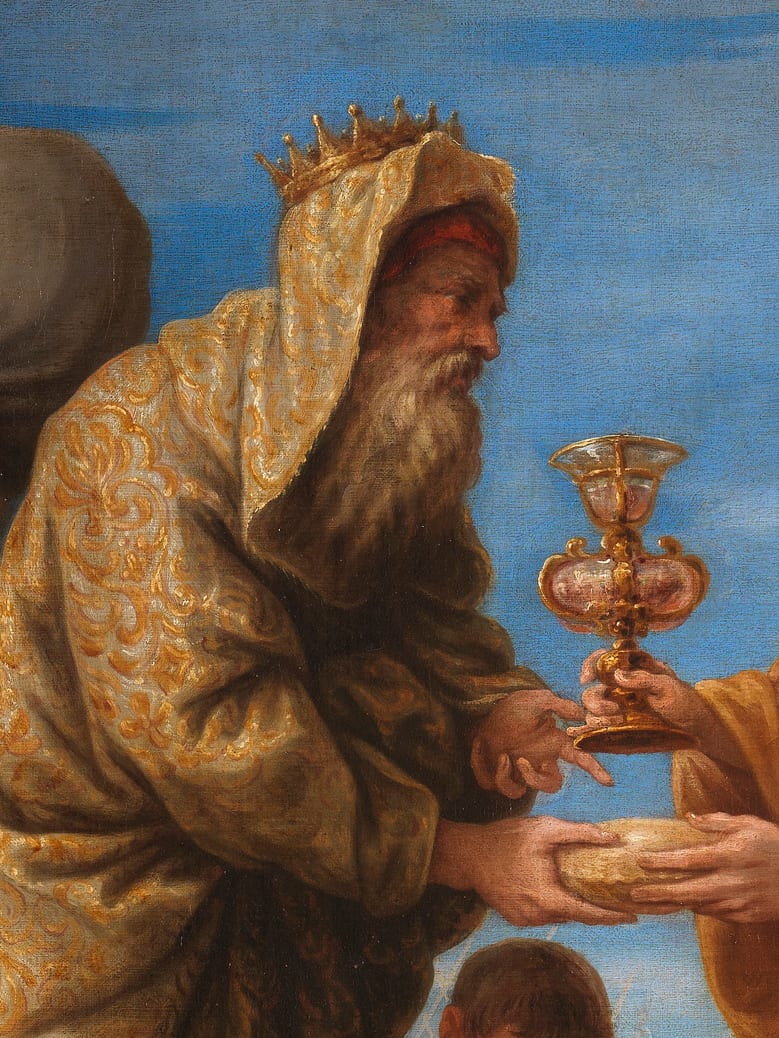
The Davidic Lord of Psalm 110 is sworn a priest for ever, not of Aaron's line but of Melchisedech's; Hebrews applies the oath to Christ, whose offering of bread and wine Melchisedech prefigured.
The Council of Trent (Session 22) teaches that the Mass was prefigured by Melchisedech's offering of bread and wine. The Catholic Encyclopedia ('Messias') lists Psalm 109 (Vulgate numbering) as the prophecy of the messianic priest.