
MIRACULOUS MIRACLES™

Saint — Bl. Delphine of Signe

Bl. Delphine of Signe
1284 AD, Château de Puimichel, Provence (noble Provençal Signe family — orphan heiress) — November 26, 1360 AD, Apt, Provence
Provençal noblewoman; Countess of Ariano; virgin-wife of St. Elzear of Sabran; Franciscan Tertiary saint
Church of Sainte-Croix, Apt, Provence, France — tomb alongside her husband St. Elzear of Sabran; Provençal Catholic pilgrim destination, France
Feast
November 26
Canonized
Beatified locally; venerated as 'Blessed' in the Franciscan Third Order Regular tradition
Life

Delphine was born in 1284 at the Château de Puimichel in Provence to the noble Provençal Signe family — orphaned in her infancy and raised as the orphan heiress of the Signe family.

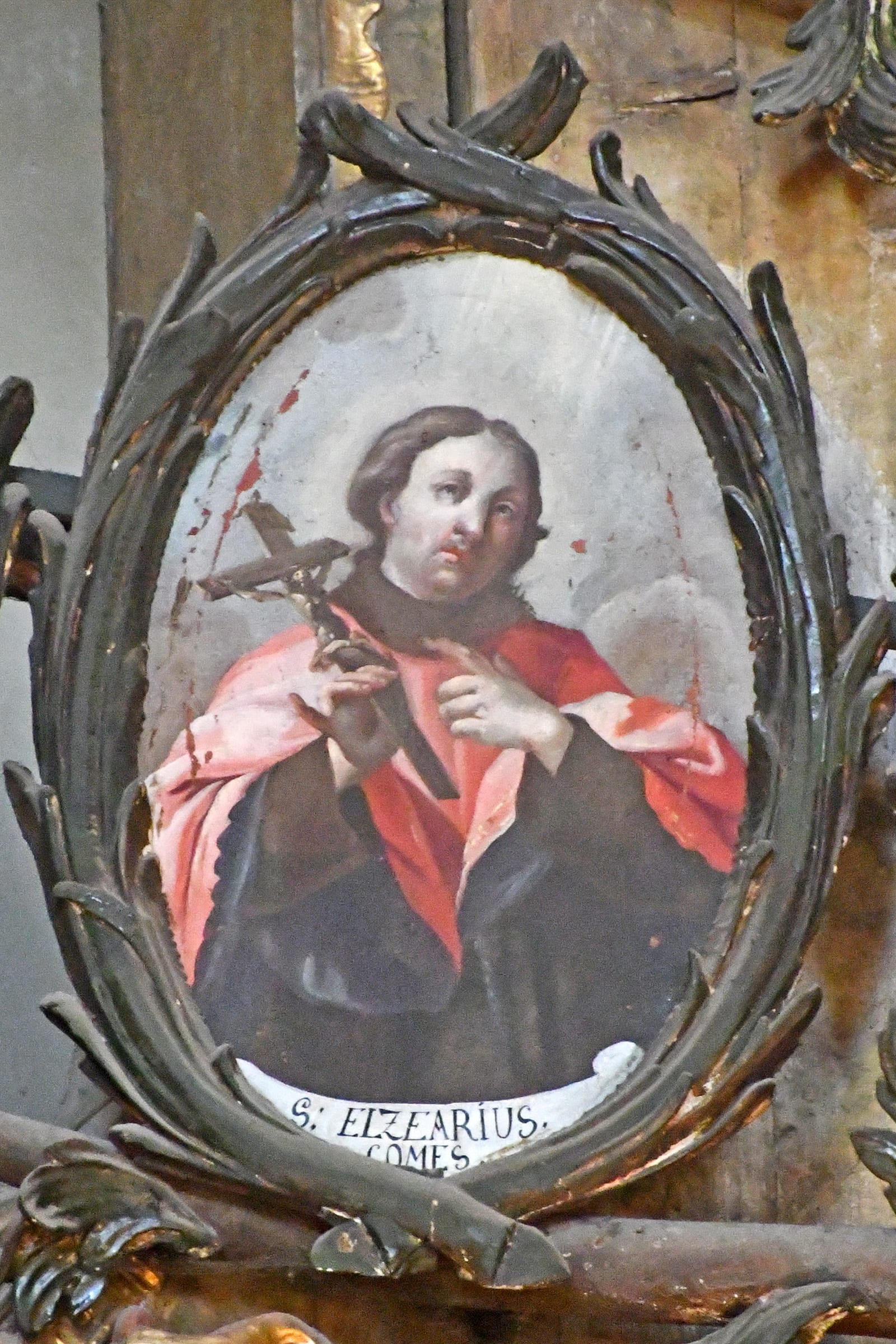
At the age of 13 (1297), Delphine was married to Elzear of Sabran (St. Elzear of Sabran, 1285–1323). The marriage remained virginal by mutual agreement — Delphine and Elzear had both undertaken the vow of perpetual virginity before the marriage, establishing the 14th-century Provençal Franciscan-Tertiary virgin-marriage tradition.

Delphine and Elzear lived their virgin-marriage for 26 years (1297–1323) — Delphine undertaking the Franciscan Third Order (Tertiary) vows alongside Elzear, maintaining the systematic charity to the poor, the personal poverty despite their noble-baronial status, and the virginal-marital devotional discipline.

After Elzear's death at Paris on September 27, 1323, Delphine survived Elzear by 37 years (1323–1360) — undertaking the continuing widow-Franciscan-Tertiary life. She donated her Signe inheritance to the poor and to the Franciscan foundations, established the Franciscan-affiliated community at Apt, and personally undertook service in the hospitals and at the Apt parish.

Delphine was particularly close to Queen Sancia of Majorca (1285–1345, wife of King Robert the Wise of Naples) — the virginal-marriage Catholic queen who had similar virginal-marital vows with her royal husband — and Delphine spent multiple periods at the Neapolitan royal court in spiritual friendship with Queen Sancia.

She died at Apt on November 26, 1360 at the age of 76. Her tomb alongside her husband Elzear at the Church of Sainte-Croix at Apt survives in continuous Catholic Provençal pilgrim veneration.

Miracles & Phenomena
  • The virgin-marriage with St. Elzear

    Bl. Delphine of Signe's virgin-marriage with St. Elzear of Sabran — undertaken by mutual agreement at their 1297 marriage and maintained through the entire 26-year marriage — established the classic 14th-century Provençal Catholic virgin-marriage saint-couple tradition. The Elzear-Delphine tradition is in institutional parallel with the earlier virgin-marriage traditions of Sts. Henry II and Cunigunde of Germany and the late-medieval Catholic royal-noble virgin-marriage tradition.

Relics
  • Body
    Tomb of Bl. Delphine of Signe
    Church of Sainte-Croix, Apt, Provence, France — alongside her husband St. Elzear of Sabran

    Her tomb at the Church of Sainte-Croix at Apt in Provence — alongside her husband St. Elzear of Sabran — survives in continuous Catholic Provençal pilgrim veneration.

Iconography
  • Delphine and Elzear in the widow-veiled continuation

    The late-14th-century Provençal noblewoman in Franciscan Tertiary habit with the widow's veil, holding the Book of Hours and the memorial-image of her late husband St. Elzear of Sabran — the iconography of Catholic Provençal virgin-widow Franciscan-Tertiary tradition.

Patronages
The Provençal Catholic tradition (Apt, Ansouis, Aix-en-Provence)Catholic virgin-marriage tradition (with her husband St. Elzear of Sabran)Catholic widow-Franciscan-Tertiary traditionThe Diocese of Aix-en-Provence and Arles