
MIRACULOUS MIRACLES™

Saint — Bl. Isabelle of France

Bl. Isabelle of France
March 1225 AD, Paris, Kingdom of France (royal Capetian family — daughter of King Louis VIII of France and Queen Blanche of Castile) — February 23, 1270 AD, Longchamp Abbey, near Paris, Kingdom of France
sister of St. Louis IX of France; foundress of the Longchamp Abbey; Franciscan-royal French tradition
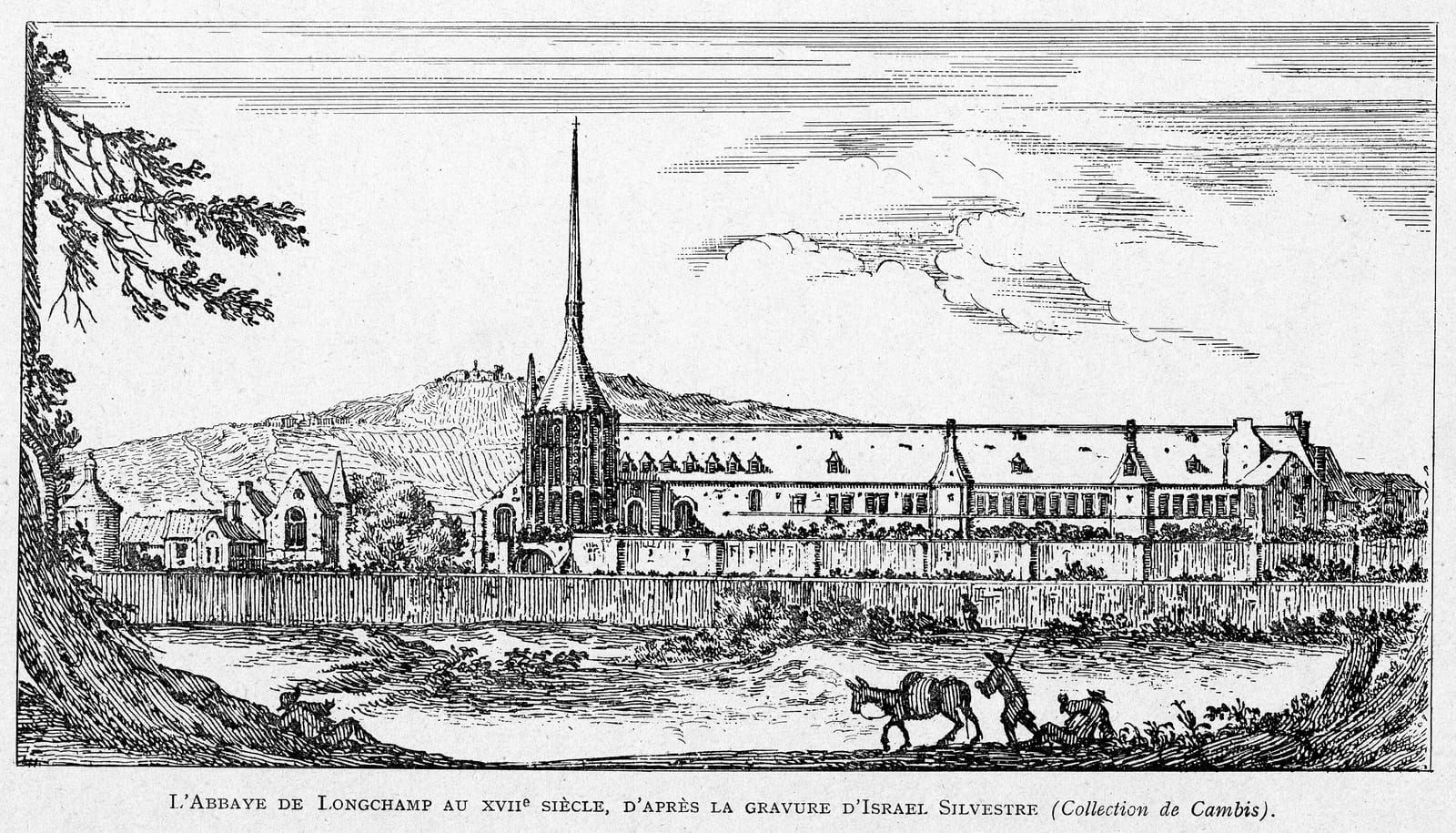
Abbaye de Longchamp, Bois de Boulogne, Paris — her personal foundation (destroyed in the French Revolution, site now the Longchamp Racecourse in the Bois de Boulogne), France
Feast
February 23
Canonized
Beatified 1521 by Pope Leo X
Life

Isabelle was born in March 1225 to King Louis VIII of France (1223–1226) and Queen Blanche of Castile — the sister of King St. Louis IX of France (1214–1270) and aunt of the King Philip III of France.

Raised at the royal court under the close guidance of her mother Queen Blanche (regent of France 1226–1234 during her son Louis IX's minority) — one of the principal medieval European Catholic royal-women's-formations — Isabelle undertook the vow of perpetual virginity at the age of 8.

Isabelle refused multiple royal marriage proposals — including the proposed marriage to the Holy Roman Emperor Conrad IV (son of Frederick II Hohenstaufen) and to the proposed suitors. She consistently chose the virginal-consecrated life over the royal-dynastic marriage.

In 1252, Isabelle founded the Abbaye de Longchamp (Longchamp Abbey) in the Bois de Boulogne near Paris — as a Franciscan-affiliated women's-monastic foundation. She personally composed the Rule of Longchamp — in collaboration with the Franciscans of the Paris Custody (including St. Bonaventure) — the 'Sisters Minoresses' rule distinct from the Rule of St. Clare but within the broader Franciscan family.

Isabelle personally supervised the construction and the spiritual-institutional establishment of Longchamp — without personally taking the Franciscan-Sisters-Minoresses habit, continuing her royal residence at the Longchamp abbey precinct while living the simple Franciscan-affiliated life.

She died at Longchamp on February 23, 1270 — just months before her elder brother St. Louis IX died on August 25, 1270 during the Eighth Crusade at Tunis.

The Abbaye de Longchamp was destroyed in the French Revolutionary dissolution of 1791; the site became the famous Longchamp Racecourse in the Bois de Boulogne of Paris (the principal Paris horse-racing venue since 1857).

Miracles & Phenomena
  • The Longchamp Abbey and the 'Sisters Minoresses' tradition

    Bl. Isabelle of France's founding of the Abbaye de Longchamp in 1252 — with the Rule of Longchamp distinct from the Rule of St. Clare but within the broader Franciscan family — institutionally established the 'Sisters Minoresses' (Longchamp-Sœurs-Mineurs) branch of the Poor Clare tradition. The Longchamp tradition influenced the Franciscan-women's tradition and institutionally exemplifies the 13th-century Franciscan-royal French tradition of royal women's-vocation-to-Franciscan-affiliated-religious-life (in institutional parallel with the contemporary Polish royal Poor Clare tradition of Sts. Salomea, Kinga, and Yolanda).

  • The virginity-in-royal-life tradition

    Isabelle of France's consistent refusal of multiple royal marriage proposals — including the marriage to Emperor Conrad IV Hohenstaufen — and the lifetime commitment to virginity-in-royal-life institutionally exemplifies the medieval Catholic virginity-in-royal-life tradition of the Capetian-royal Catholic tradition. The Isabelle-of-France tradition institutionally continues from the earlier virginity-in-royal-marriage tradition of Sts. Henry and Cunigunde and the Edward-and-Edith tradition.

Relics
  • Body
    Tomb of Bl. Isabelle of France
    Originally Longchamp Abbey (1270 burial); the abbey destroyed in the French Revolutionary dissolution 1791; fragmentary relics survive at the Catholic parishes of Paris and at the Longchamp Church (modern parish church in the Bois de Boulogne area)

    Her principal tomb at the Longchamp Abbey was destroyed in the French Revolutionary dissolution of 1791; fragmentary relics survive at the Catholic parishes of Paris. The Longchamp Racecourse in the Bois de Boulogne of Paris occupies the former abbey precinct.

Iconography
  • Isabelle refusing the imperial marriage proposal

    The mid-13th-century French royal princess in Capetian royal court dress at the Palace of the Cité in Paris refusing the imperial marriage proposal from Emperor Frederick II Hohenstaufen (for his son Conrad IV), the virginal-vow book displayed, her royal mother Queen Blanche of Castile beside her — the iconography of Catholic French Capetian royal virginity-in-royal-life tradition.

Patronages
Catholic French Capetian royal-Franciscan tradition (with St. Louis IX of France)Catholic Poor Clares of the 'Sisters Minoresses' (Longchamp-Sœurs-Mineurs) branch of the Poor Clare tradition founded by IsabelleParis and the Île-de-France Catholic tradition