
Mary is truly the Mother of God, because the one she conceived and bore is a divine Person: not the mother of His divinity, which is eternal, but the mother of the Person who is God.
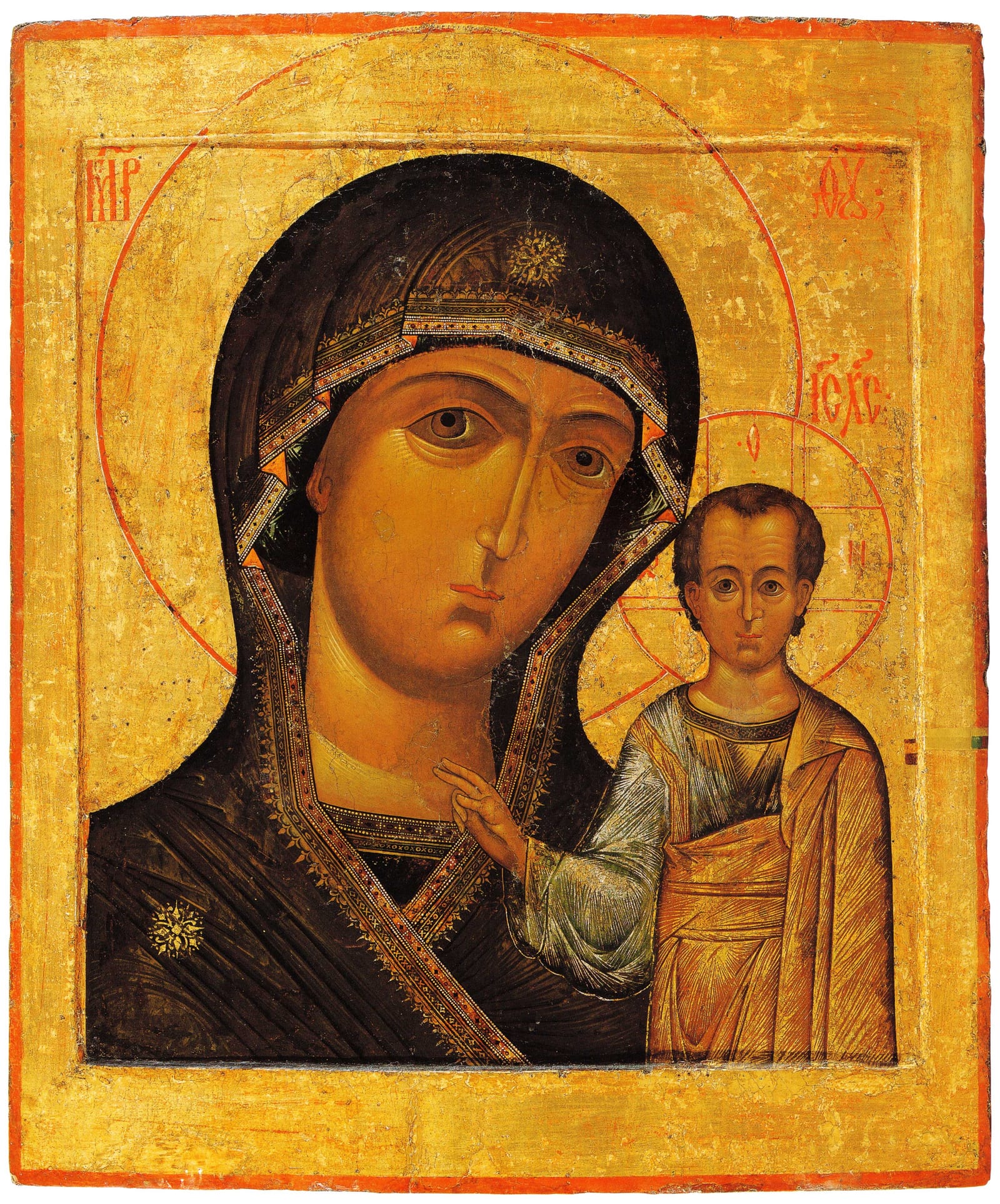
“If anyone does not confess that Emmanuel is God in truth, and therefore that the holy virgin is the mother of God (for she bore in a fleshly way the Word of God become flesh), let him be anathema.”
Solemnly defined by an ecumenical council or by a pope teaching ex cathedra. The wording of the definition itself is what binds, and it cannot be reversed.
The Scripture it rests on
“And whence is this to me, that the mother of my Lord should come to me?”
Luke 1:43 →“The Holy Ghost shall come upon thee and the power of the Most High shall overshadow thee. And therefore also the Holy which shall be born of thee shall be called the Son of God.”
Luke 1:35 →“Behold a virgin shall be with child, and bring forth a son, and they shall call his name Emmanuel, which being interpreted is, God with us.”
Matthew 1:23 →“But when the fulness of the time was come, God sent his Son, made of a woman, made under the law.”
Galatians 4:4 →A dispute about Christ, settled in Mary's name
Nestorius, Patriarch of Constantinople, objected around 428 to the ancient title Theotokos — God-bearer. Mary, he argued, should be called Christotokos, Christ-bearer: she gave birth to the man, not to God. It sounded like reverence for the divine.
St. Cyril of Alexandria saw what it did. If the one Mary bore is not a divine Person, then the Person who walked out of the tomb is not the Person she nursed, and Christ has quietly become two — a man in whom God dwelt. The title was never chiefly about Mary. It was the shortest available way of saying that the child in the manger is God.
The Council of Ephesus condemned Nestorius in 431. The city's people, tradition records, escorted the bishops home by torchlight through the streets — not for a subtlety about natures, but because the Church had refused to take their Lady's title away.
What the council actually said
The council's own words are more careful than the slogan. Cyril's second letter to Nestorius, which the bishops read out and approved, explains the title before it uses it: the holy virgin is the mother of God “not as though the nature of the Word had the origin of its being from the holy virgin, but because there was born from her his holy body rationally ensouled, with which the Word was hypostatically united.” Motherhood is of a person, not of a nature — and the person born of her is the Word.
Two years later the same sentence made peace. In 433 Cyril and John of Antioch, whose bishops had walked out of Ephesus, signed the Formula of Union: “we confess the holy virgin to be the mother of God because God the Word took flesh and became man and from his very conception united to himself the temple he took from her.” The Antiochenes had feared the title meant a confusion of the two natures. Written out in full, it meant the opposite, and they could sign it.
Older than the council, and written into the creeds after it
The title was not coined at Ephesus; it was defended there, which is why Nestorius's objection caused such offence. The oldest surviving prayer to Mary, a Greek papyrus in the John Rylands Library known from its Latin opening as the Sub tuum praesidium — “beneath thy protection we seek refuge, holy Mother of God” — uses the word. How old that papyrus is, this site will not pretend to know: its first editors placed it in the third century, and one recent papyrologist has argued for as late as the eighth.
After Ephesus the title passed into the Church's formal confessions of faith. Chalcedon in 451 wrote it into the definition itself — Christ was begotten “in the last days the same for us and for our salvation from Mary, the virgin God-bearer as regards his humanity” — and the Second Council of Constantinople in 553 closed the last loophole, condemning anyone who would call her only “the mother of a man or the Christ-bearer, that is the mother of Christ, suggesting that Christ is not God”, and requiring that she be confessed “properly and truly the mother of God”.
What it does not mean
A great deal of what people believe the Church teaches, and reject, is something she has never taught.
Catholics believe Mary came before God, or is the source of the divine nature.
No. Motherhood is of persons, not of natures — a woman is mother of her child, not of his humanity. The Person Mary bore is God; therefore she is Mother of God. His divinity is eternal and has no origin. Cyril's own letter says it in so many words: “not as though the nature of the Word had the origin of its being from the holy virgin.”
It makes Mary a goddess.
It makes her a creature who was asked, and said yes. The dogma is a statement about her Son's identity that happens to be phrased with her name in it.
The Council of Ephesus invented the title to honour Mary.
It defended a title Christians were already using — Nestorius's proposal to drop it is what started the quarrel — and it defended it for Christ's sake. The council's own reason is that she is Mother of God “because there was born from her his holy body rationally ensouled, with which the Word was hypostatically united.”
Why it matters
- ♕It is the guarantee that the Incarnation is real and not a stage in which God visited a man.
- ♕It is why every Marian title afterwards is safe: each one is a sentence about Christ.
- ♕It gives you a mother in the order of grace, and the Church has never thought that a small thing.