
A dogma is a truth revealed by God and infallibly defined by the Church. It is not her opinion about revelation; it is revelation, stated with her full authority — and it can never change. Almost every one below was defined because somebody denied it, which is why the dates are so uneven and why the wording is so exact.
Each entry gives the defining words themselves, who gave them and when, the Scripture they rest on — and then the part worth having: what the dogma does not mean. A great deal of what people believe the Church teaches, and reject, is something she has never taught.
Every entry carries a grade. De fide definita means solemnly defined by an ecumenical council or by a pope teaching ex cathedra. De fide means divinely revealed and taught constantly by the ordinary and universal magisterium without ever having needed a formal definition — usually because no one prominent enough denied it. Both bind; they differ in how the Church has expressed the truth, not in how true it is.
These grades are the theologians' standard scheme — the one set out in Ludwig Ott's Fundamentals of Catholic Dogma — and not an official ranking published by the Church herself. Where a Denzinger–Schönmetzer number is shown, it has been checked against a source; where it could not be verified it is simply left out, because a wrong citation is worse than none. Wherever the primary text is available online, each page links straight to it, so nothing here has to be taken on this site's word.
God — One and Three
Who God is in Himself, and that He made all that is out of nothing.
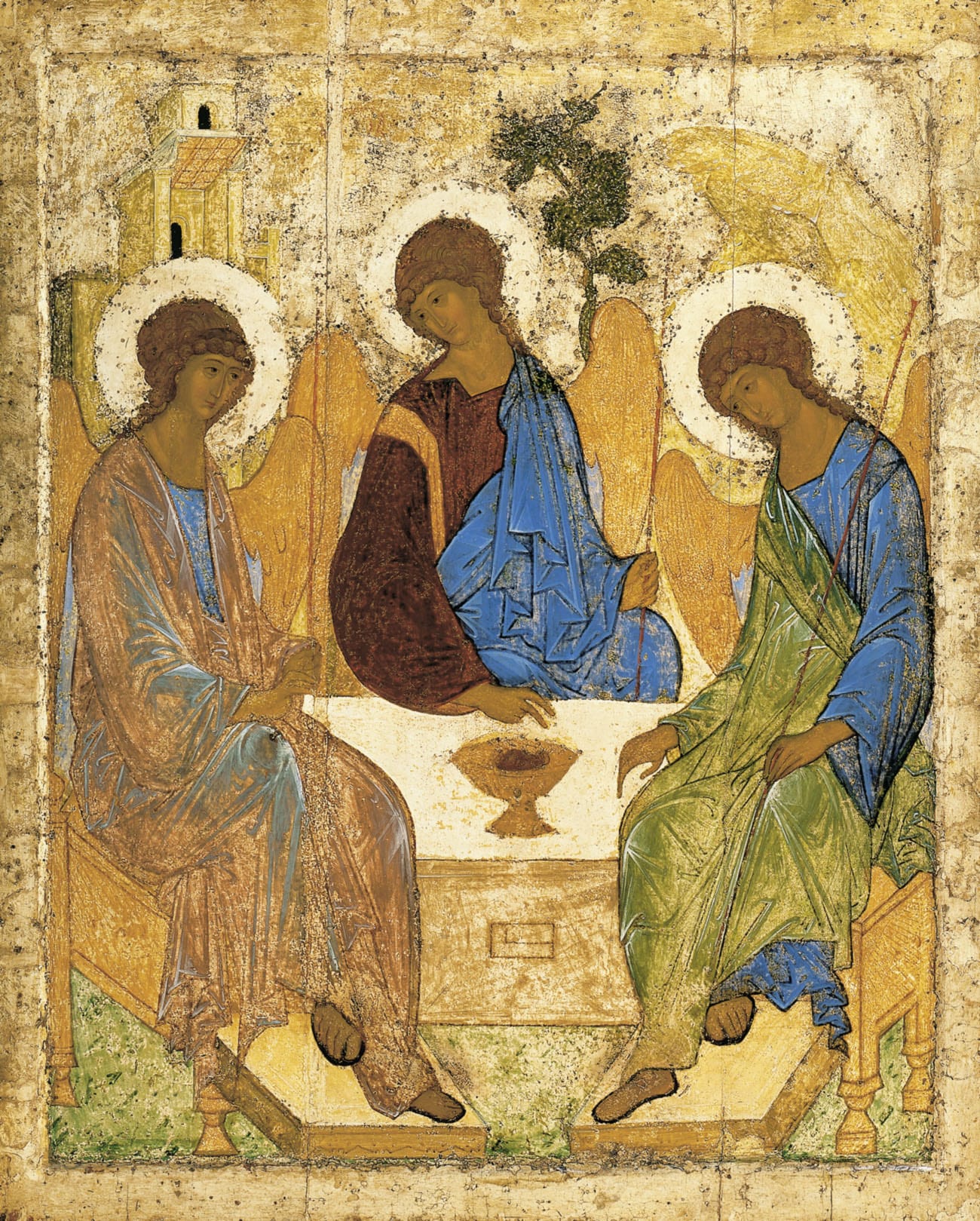
The Most Holy Trinity
325 and 381One God in three Persons — the central mystery of the Christian faith
There is one God, and in the one God three distinct Persons — Father, Son, and Holy Spirit — each fully God, of one and the same substance, yet really distinct from one another.
De fide definita — solemnly defined
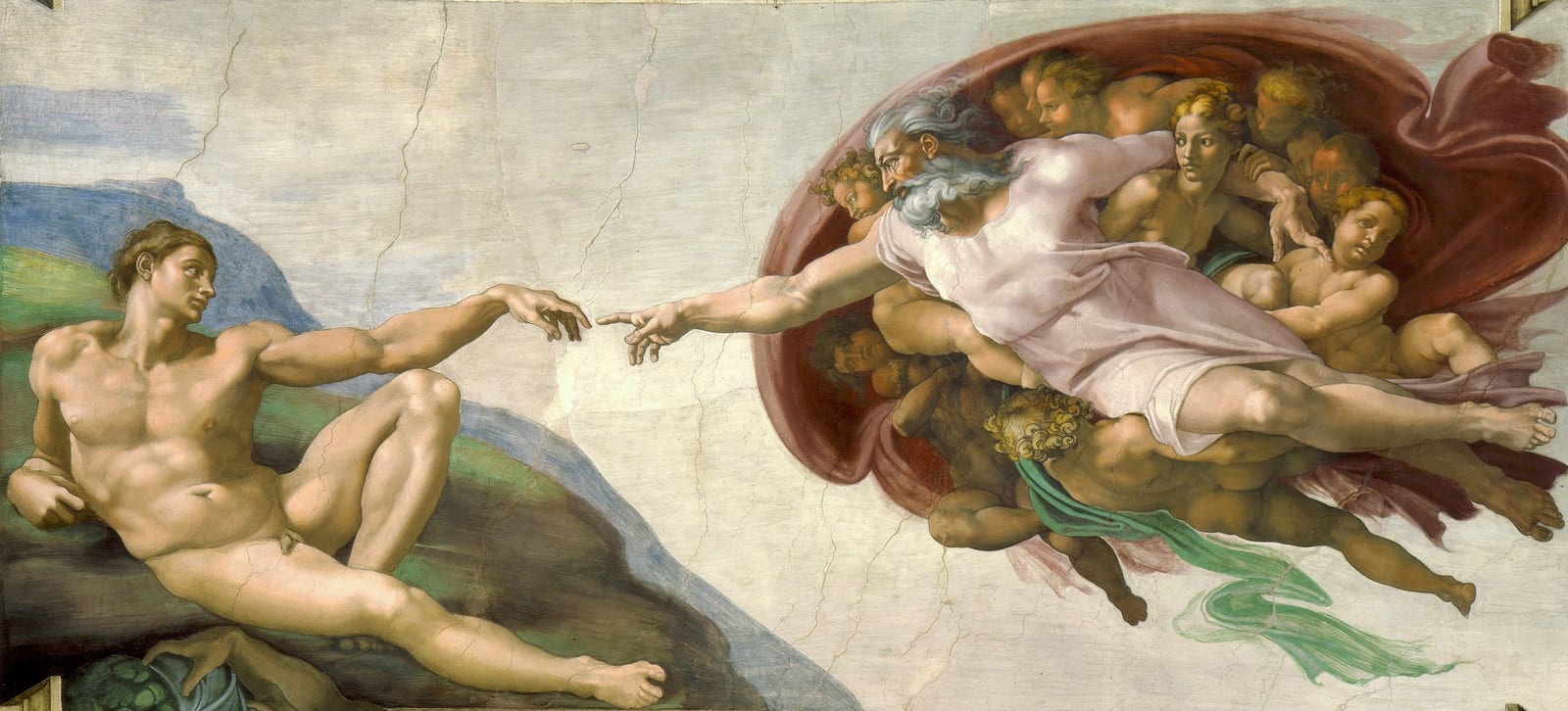
Creation out of Nothing
1215One God, one beginning, and a world that is good because He made it
God, one and true, created out of nothing both orders of creature — the spiritual and the corporeal — at the beginning of time, and by His own free will, not out of necessity and not out of pre-existing matter.
De fide definita — solemnly defined
The Word Made Flesh
That God became man, died, rose, and remains with us in the Eucharist.
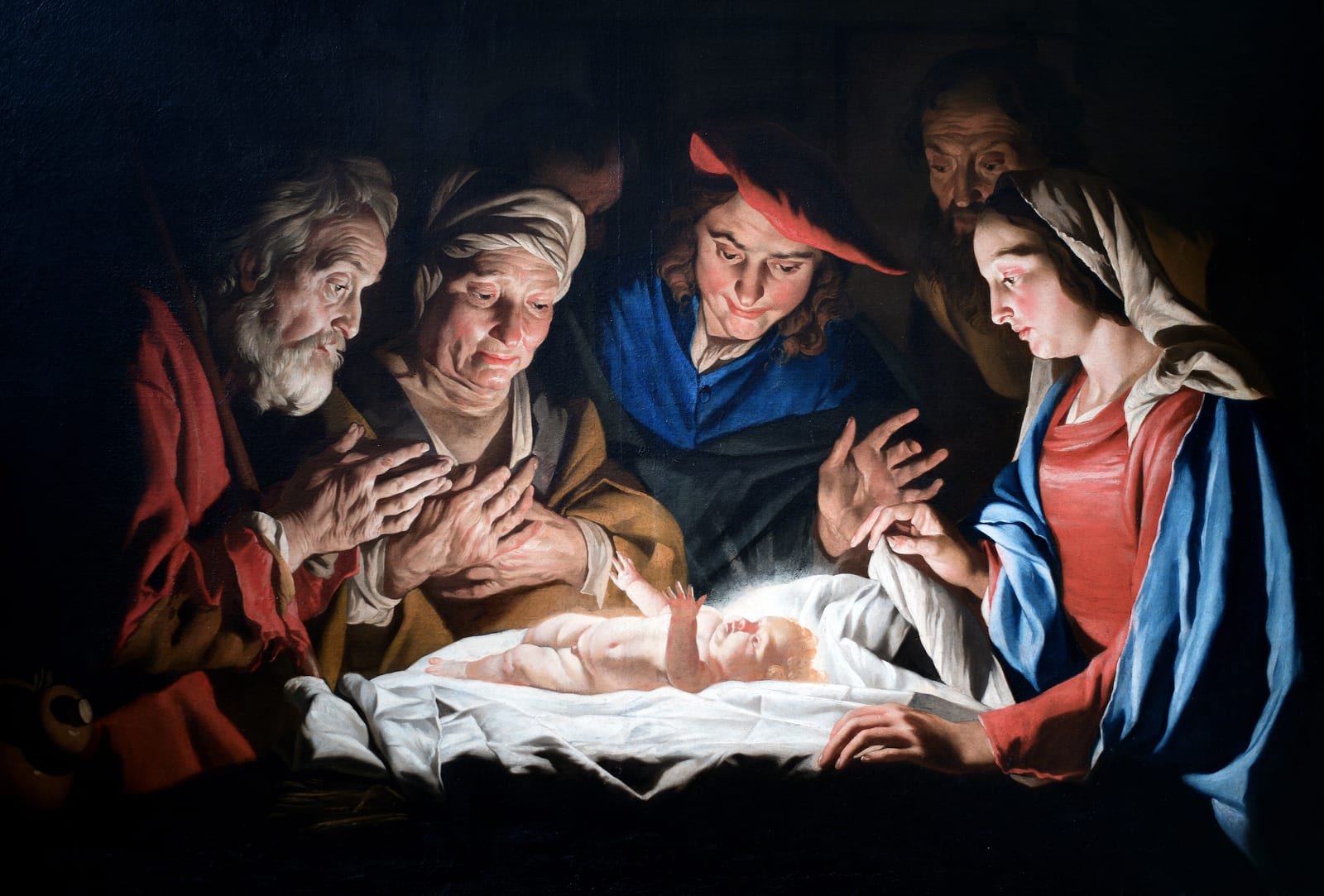
The Incarnation
451True God and true man — one Person in two natures
Jesus Christ is one divine Person in whom two complete natures, divine and human, are united without confusion, change, division, or separation — perfect God and perfect man, with a human body and a rational human soul.
De fide definita — solemnly defined
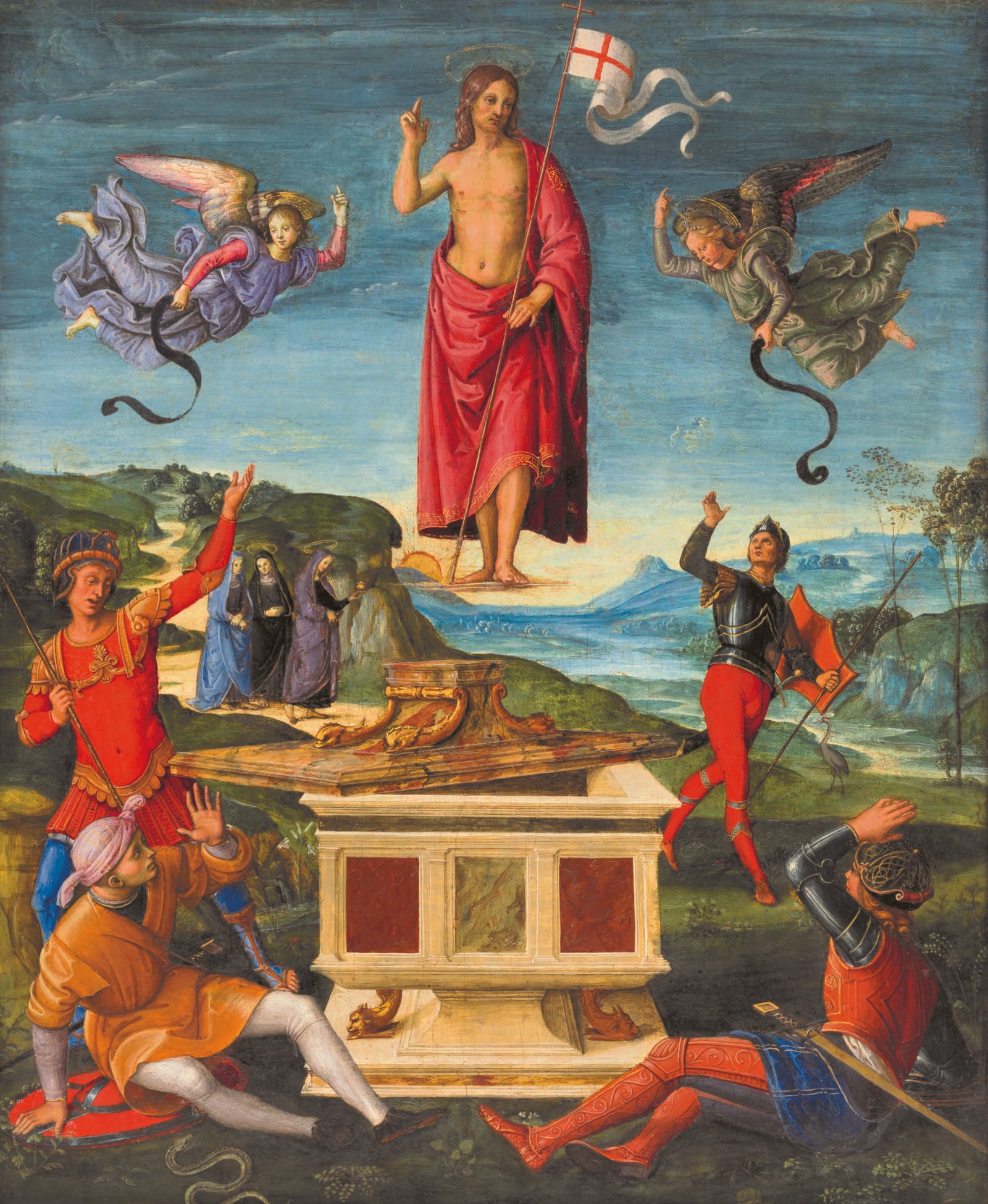
The Resurrection of Christ
325On the third day He rose again — in the body, and not as a metaphor
Jesus Christ truly died, was buried, and on the third day rose again bodily from the dead by His own power — the same body, glorified, and not a vision, a memory, or a manner of speaking.
De fide — held by the ordinary universal magisterium
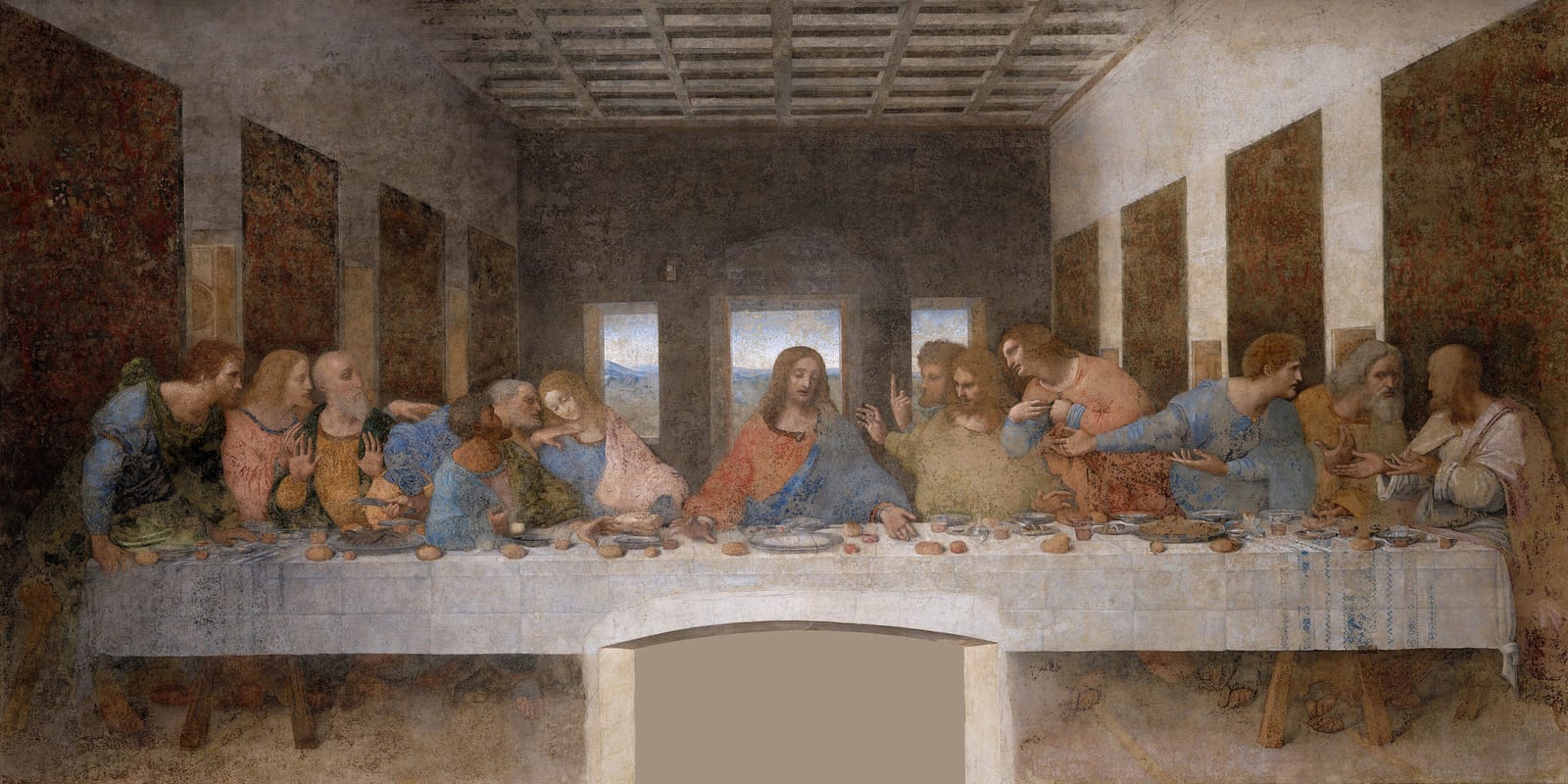
The Real Presence
1551Truly, really, and substantially — the whole Christ under the appearances of bread and wine
In the Blessed Sacrament the whole substance of the bread is changed into the substance of Christ's Body and the whole substance of the wine into His Blood — Body, Blood, Soul, and Divinity — the appearances of bread and wine alone remaining.
De fide definita — solemnly defined
The Mother of God
The four Marian dogmas — every one of them a statement about her Son.
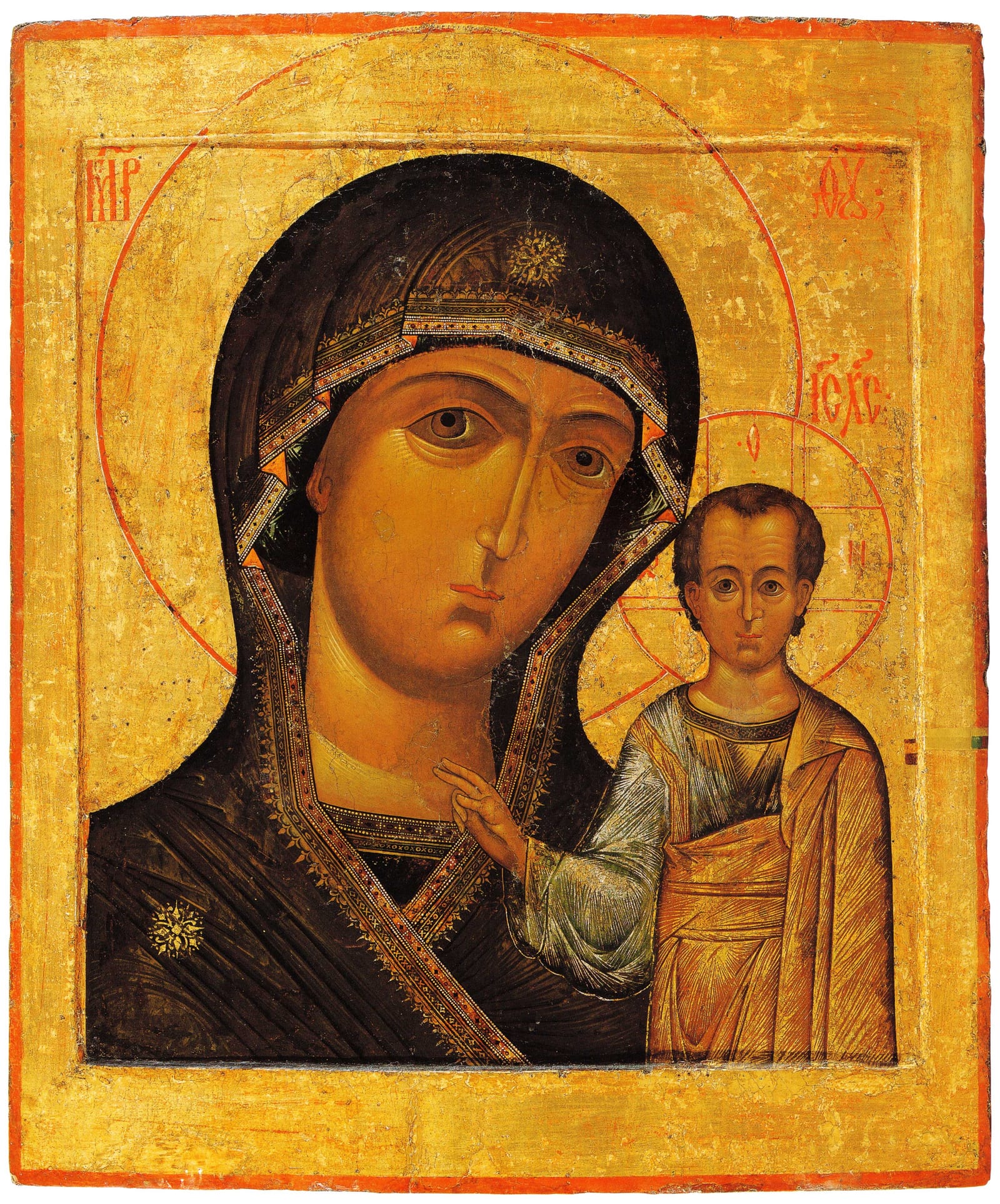
Mary, Mother of God
431Theotokos — the God-bearer, and the first Marian dogma
Mary is truly the Mother of God, because the one she conceived and bore is a divine Person: not the mother of His divinity, which is eternal, but the mother of the Person who is God.
De fide definita — solemnly defined
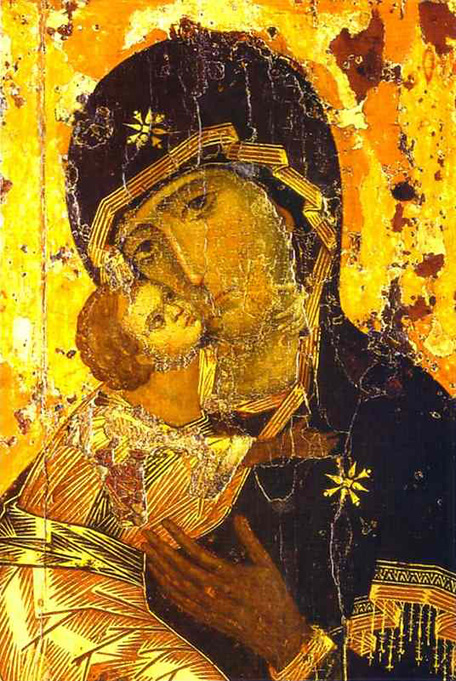
The Perpetual Virginity of Mary
649Ever-virgin — before, in, and after the birth of Christ
Mary conceived Christ without loss of virginity, bore Him without loss of virginity, and remained a virgin for the whole of her life — the ancient formula: virgin before the birth, in the birth, and after the birth.
De fide — held by the ordinary universal magisterium
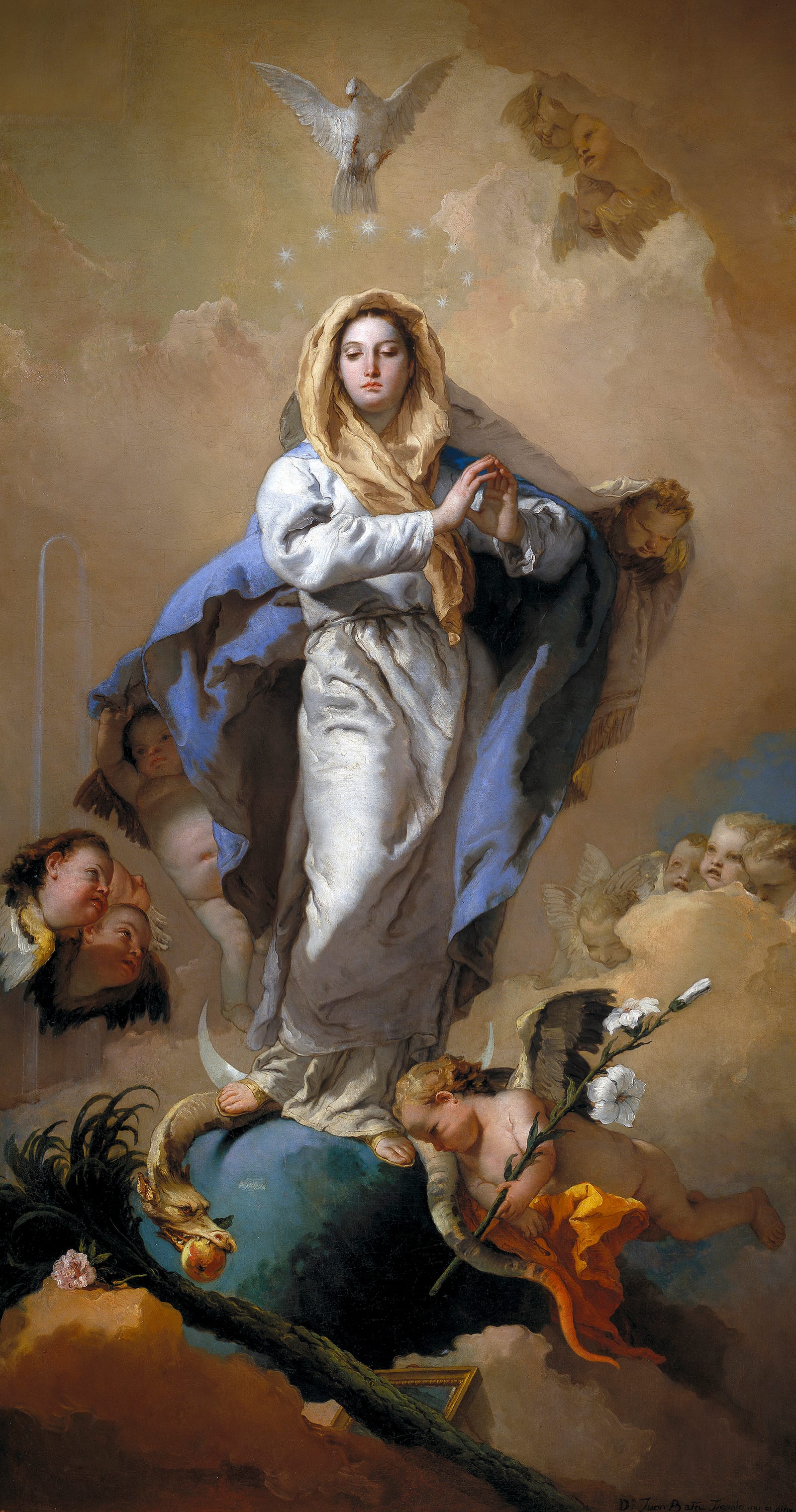
The Immaculate Conception
1854Preserved from all stain of original sin from the first instant of her conception
From the first instant of her conception, by a singular grace and in view of the merits of Jesus Christ, Mary was preserved free from every stain of original sin. She was redeemed — more perfectly than anyone, by being kept from the fall rather than lifted out of it.
De fide definita — solemnly defined
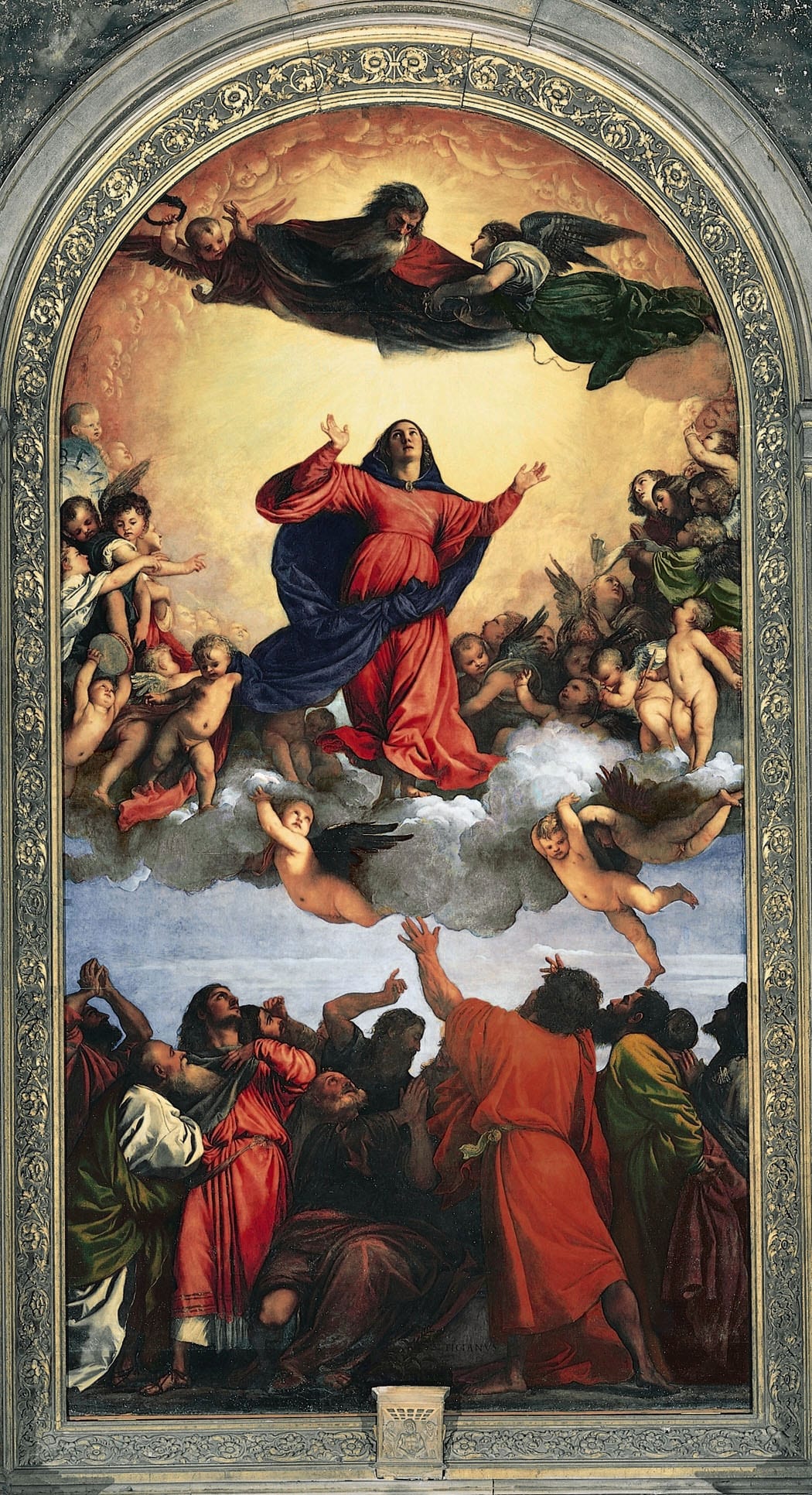
The Assumption of Mary
1950Taken up body and soul into heavenly glory at the end of her earthly course
When the course of her earthly life was finished, Mary was taken up body and soul into the glory of heaven — the only dogma defined by a pope under the conditions of Vatican I's teaching on infallibility.
De fide definita — solemnly defined
The Church and the Sacraments
What Christ founded, and how He continues to act through it.
Sin and Grace
What is wrong with us, and what God does about it.
The Last Things
Death, judgment, purification, and the life of the world to come.
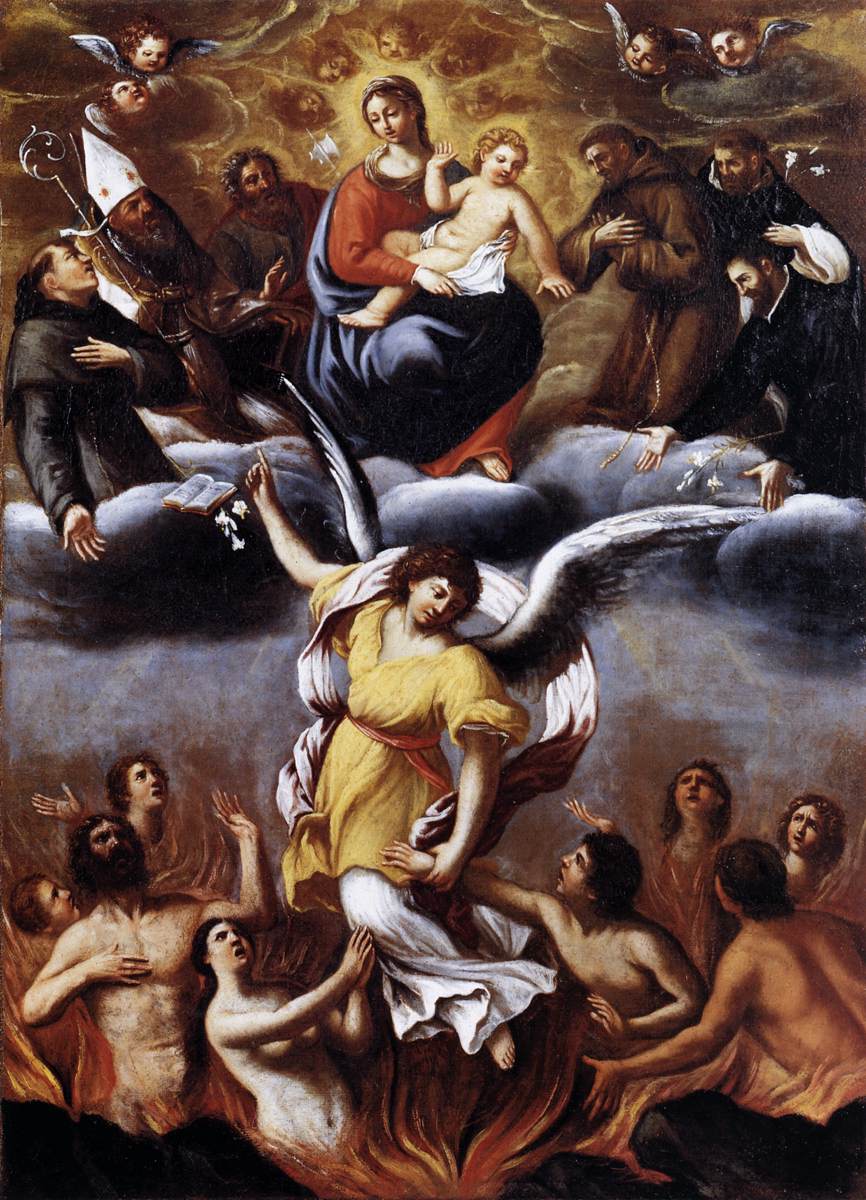
Purgatory
1439 and 1563A purification of the saved — not a third destination, and not a second chance
There is a purgatory, and the souls detained there are helped by the prayers of the faithful and above all by the sacrifice of the Mass. Everyone in purgatory is going to heaven; the purification is of those already saved.
De fide definita — solemnly defined
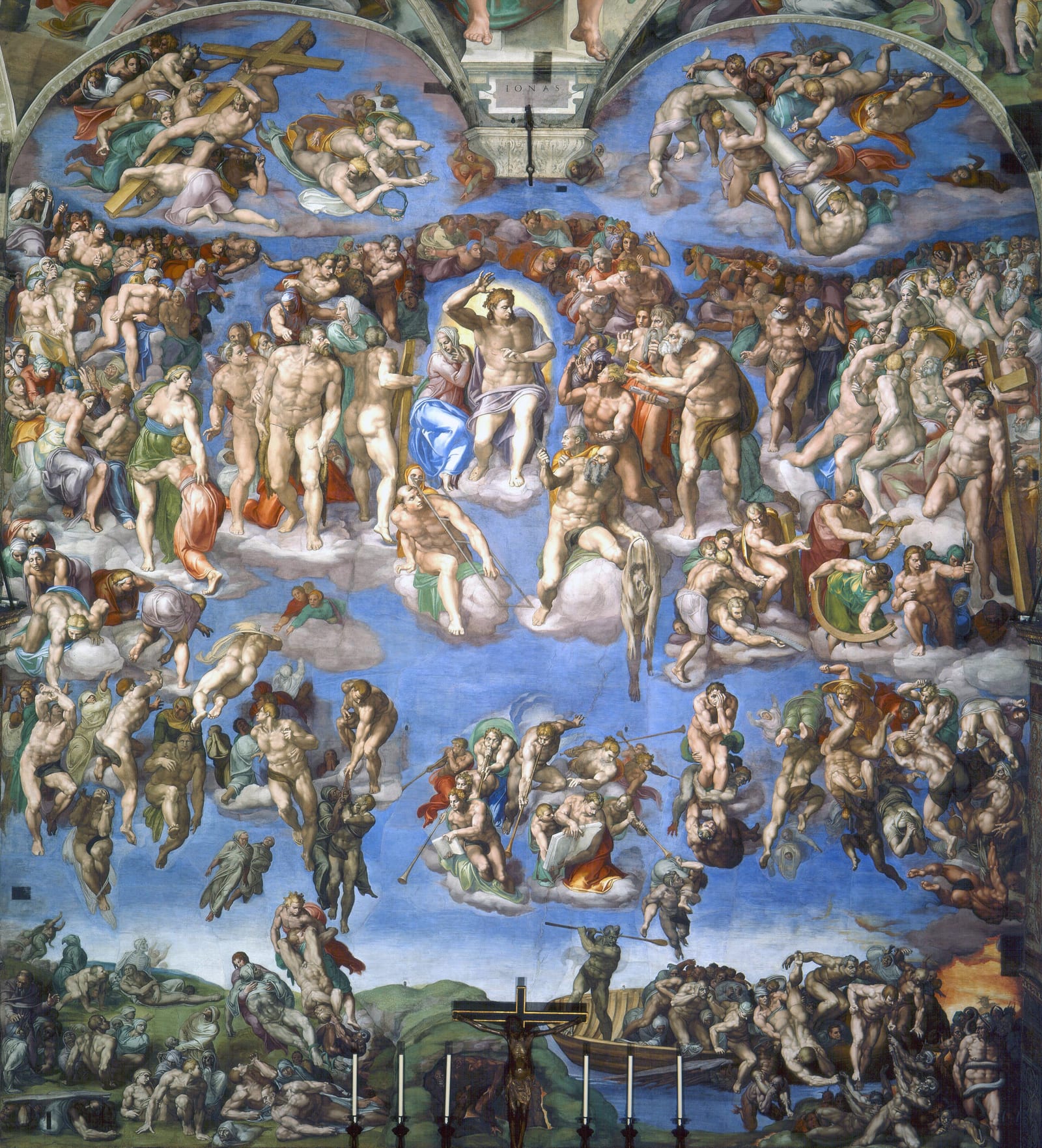
The Resurrection of the Body
1215All shall rise again with their own bodies — and the life of the world to come
At the end, all the dead will rise again with their own bodies, the same bodies they now bear, to receive according to their works; and the souls of the just already see God face to face before that day.
De fide definita — solemnly defined
Dogma is the first of four levels. Below it stand doctrines, owed religious submission of intellect and will; devotions, which are entirely free; and disciplines, which the Church can change tomorrow. Knowing which is which is itself part of the faith.