The Prophets of the Lord
From Moses at the Burning Bush to John the Baptist at the Jordan — those whom God called to speak His word. The Church venerates them as saints; their tombs are pilgrimage sites of three religions; their prophecies opened the way of Christ.
The Lawgiver and the Early Prophets
From Moses, who brought Israel out of Egypt, through Aaron, Samuel, and the prophetic mantle of Elijah and Elisha — the foundations of the prophetic office.
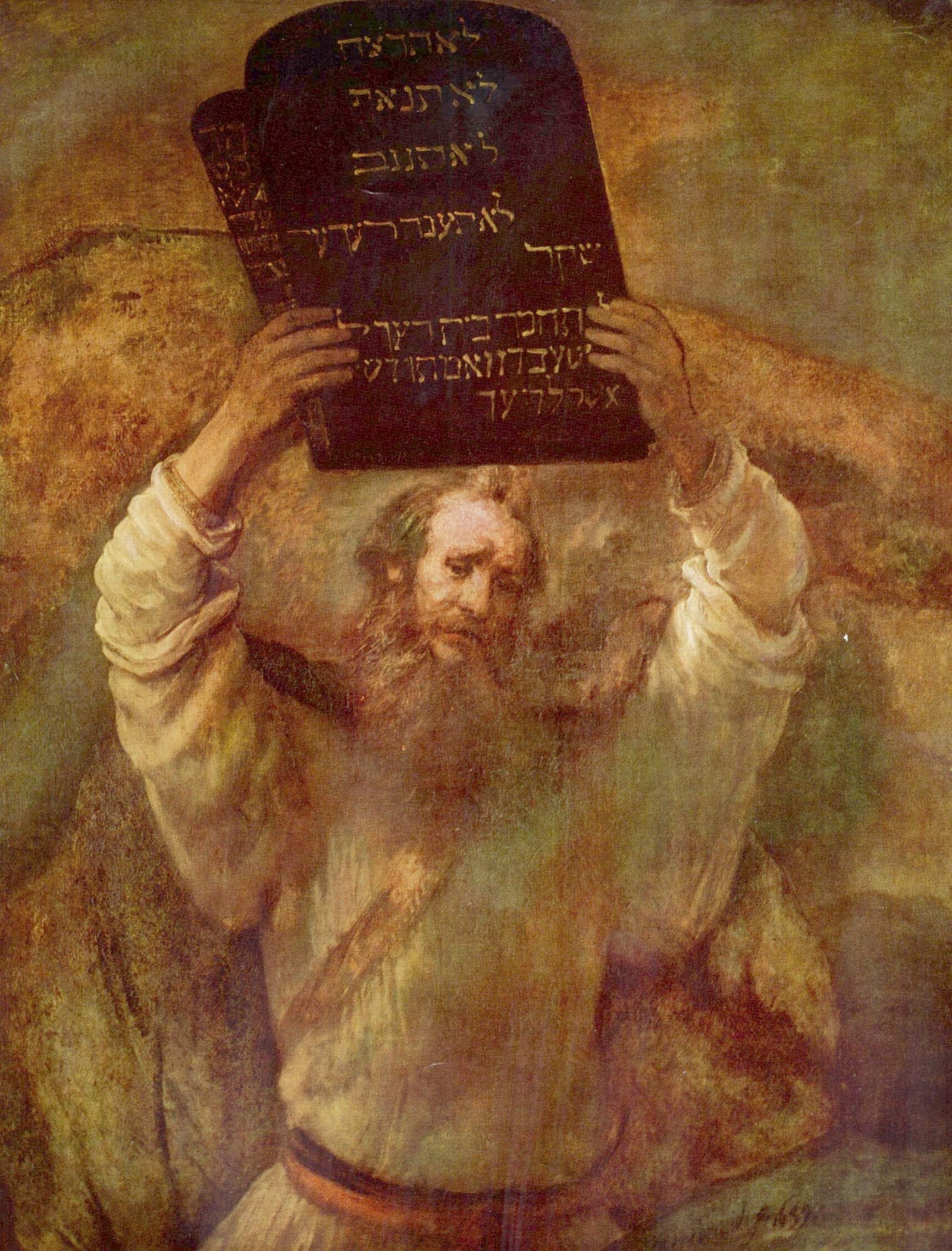
Moses the Lawgiver
Servant of the Lord — Lawgiver and Liberator of Israel
c. 1525 BC, Egypt — c. 1406 BC
Moses was born to Hebrew parents in Egypt during Pharaoh's edict to drown every Hebrew male child. Hidden three months, set in a basket of bulrushes on the Nile, he was found and raised by Pharaoh's daughter. He grew up in the Egyptian court but, seeing an Egyptian beat a Hebrew, killed the Egyptian and fled into the wilderness of Midian. There he married Zipporah and tended the flocks of his father-in-law Jethro.
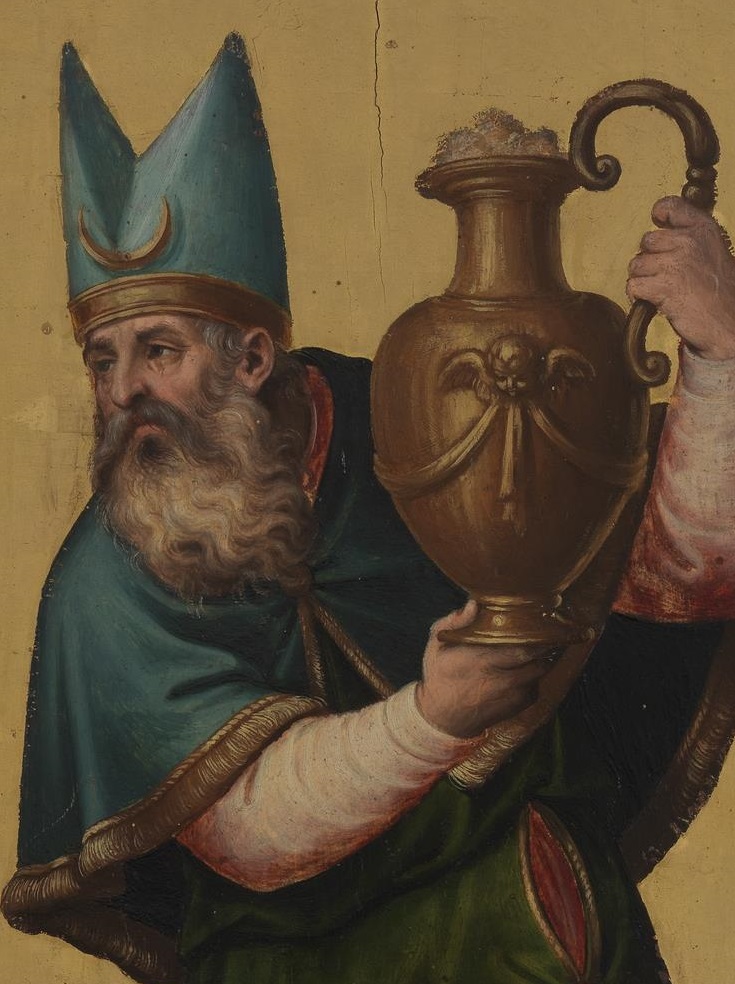
Aaron the High Priest
Brother of Moses — First High Priest of Israel
c. 1528 BC, Egypt — c. 1407 BC
Aaron, three years older than Moses, was set apart by God as Moses's spokesman before Pharaoh. When Israel reached Sinai he was consecrated as the first high priest, and his sons after him — the line that served at the altar of the Tabernacle and the Temple until AD 70.
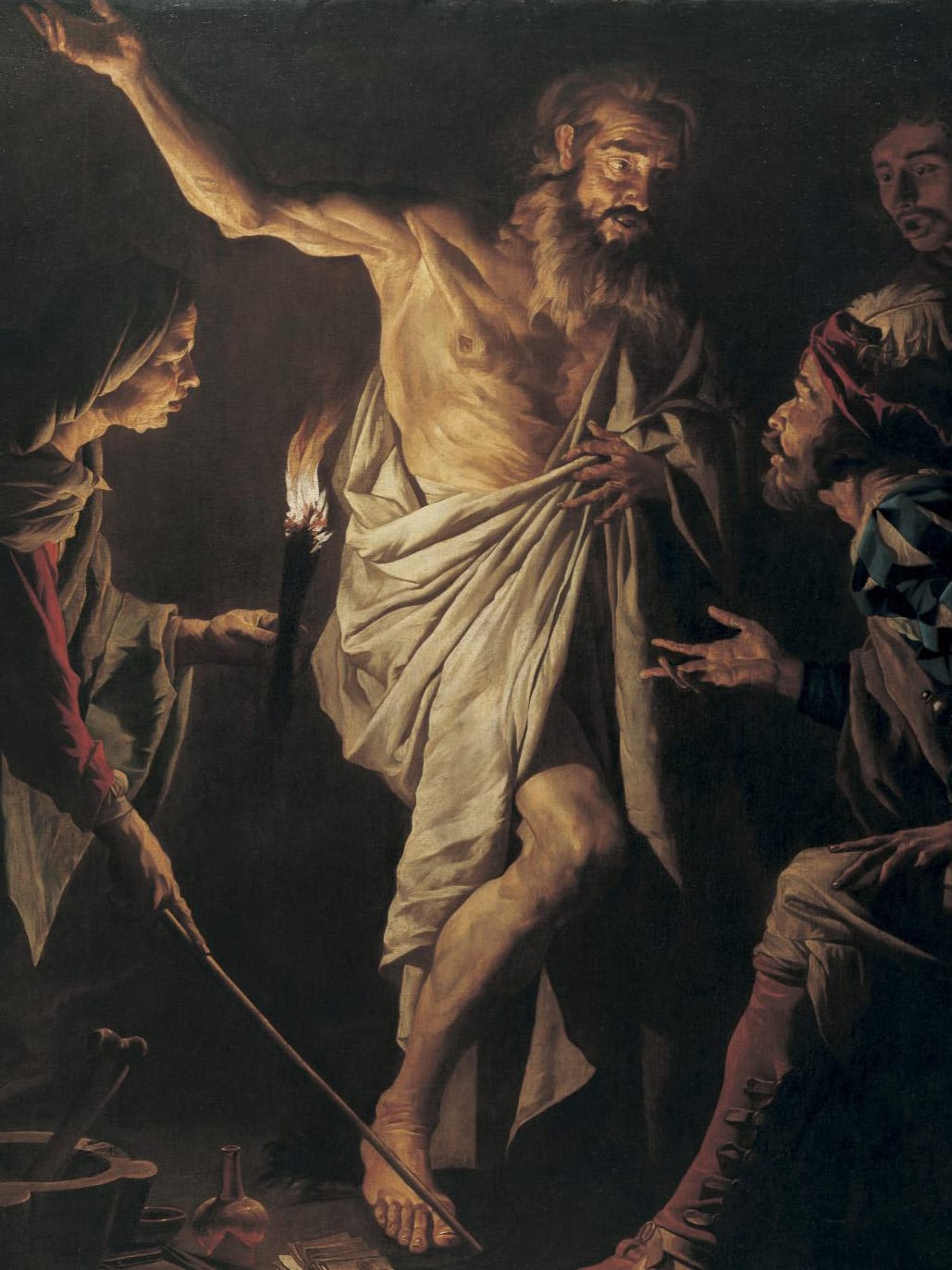
Samuel the Prophet
Last Judge of Israel — Anointer of Saul and David
c. 1100 BC — c. 1012 BC
Samuel was born to Hannah, who had prayed long for a child and had vowed to give him to the Lord. He was raised in the Tabernacle at Shiloh by the priest Eli. As a boy he heard the voice of the Lord calling him in the night; Eli taught him to answer: 'Speak, Lord, for thy servant heareth.'
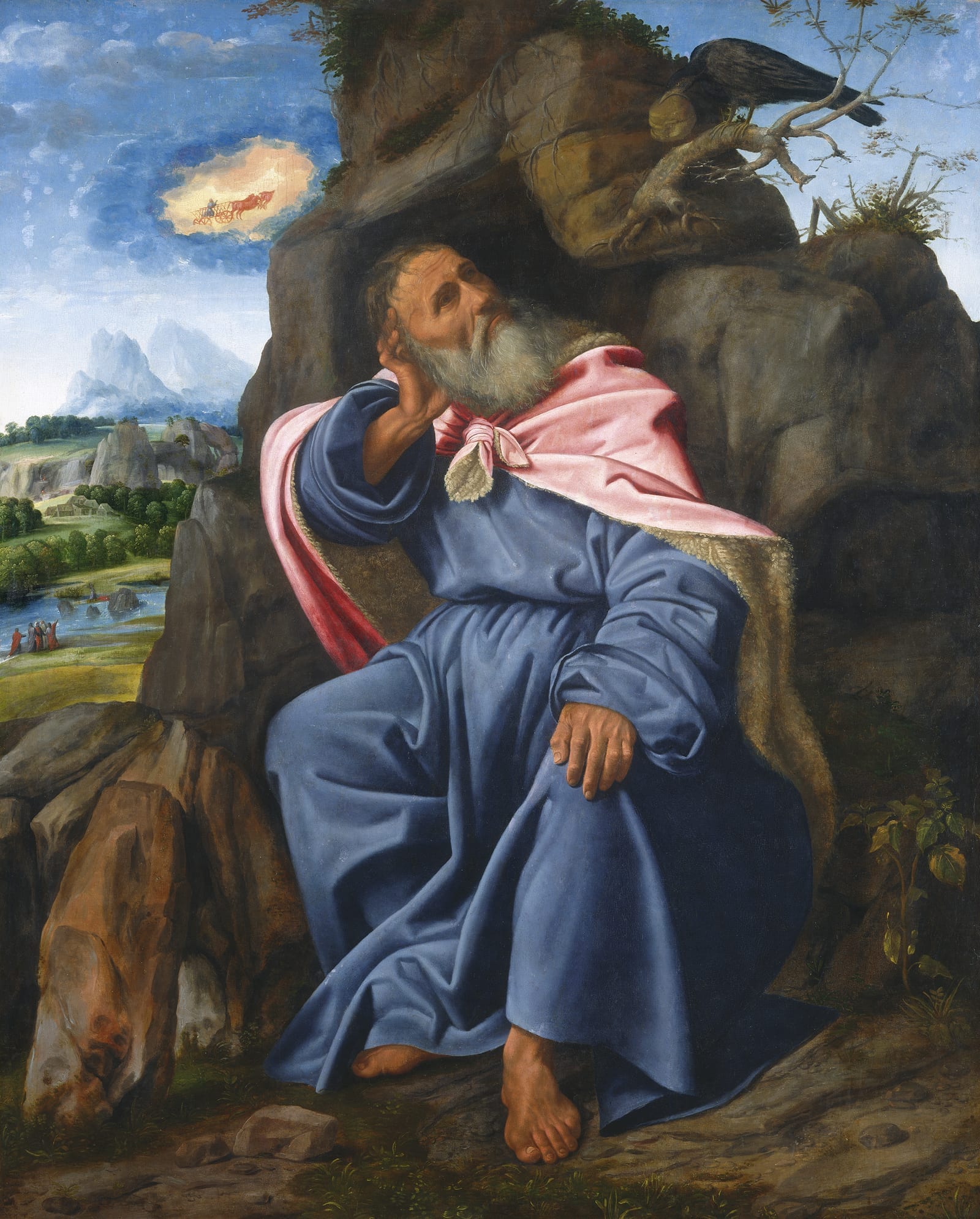
Elijah the Prophet
The Tishbite — Father of the Carmelite Order
9th century BC — Taken up to heaven in a fiery chariot
Elijah the Tishbite appeared suddenly in the reign of King Ahab and Queen Jezebel, who had set up the altars of Baal. He pronounced a three-year drought; was fed at the brook Cherith by ravens; raised the widow's son at Zarephath; and at the great contest on Mount Carmel called down fire from heaven that consumed the soaked altar and sacrifice, vindicating the Lord against four hundred and fifty prophets of Baal.
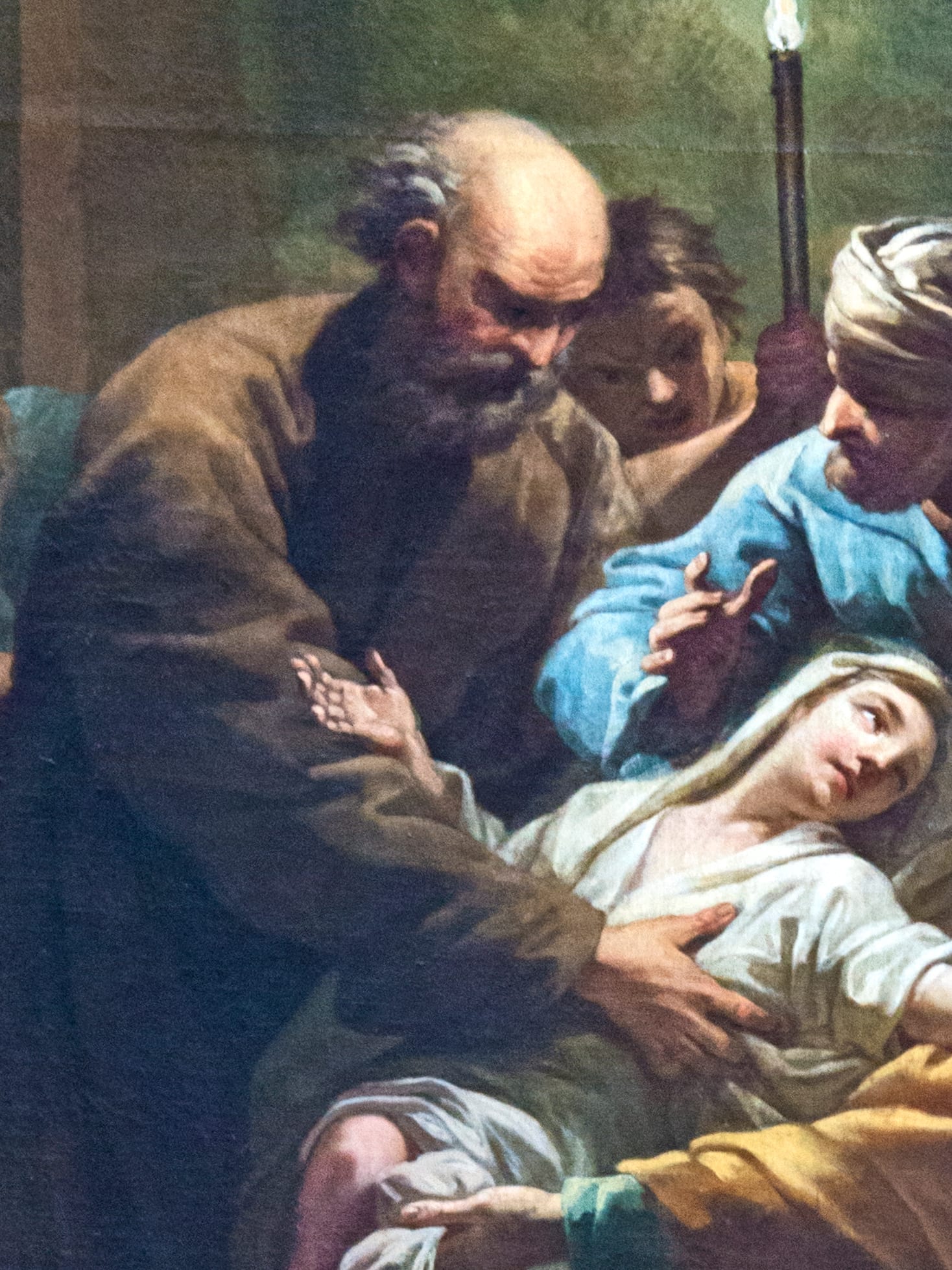
Elisha the Prophet
Successor of Elijah — Double Portion of His Spirit
9th century BC — c. 800 BC
Elisha son of Shaphat was plowing with twelve yoke of oxen at Abel-Meholah when Elijah passed by and cast his mantle upon him. He slaughtered the oxen and followed the prophet. After Elijah's ascension, Elisha asked and received a double portion of his master's spirit.
The Major Prophets
Isaiah, Jeremiah, Ezekiel, and Daniel — the four whose books are longest and whose prophecies most fully shape the Christian reading of the Old Covenant.
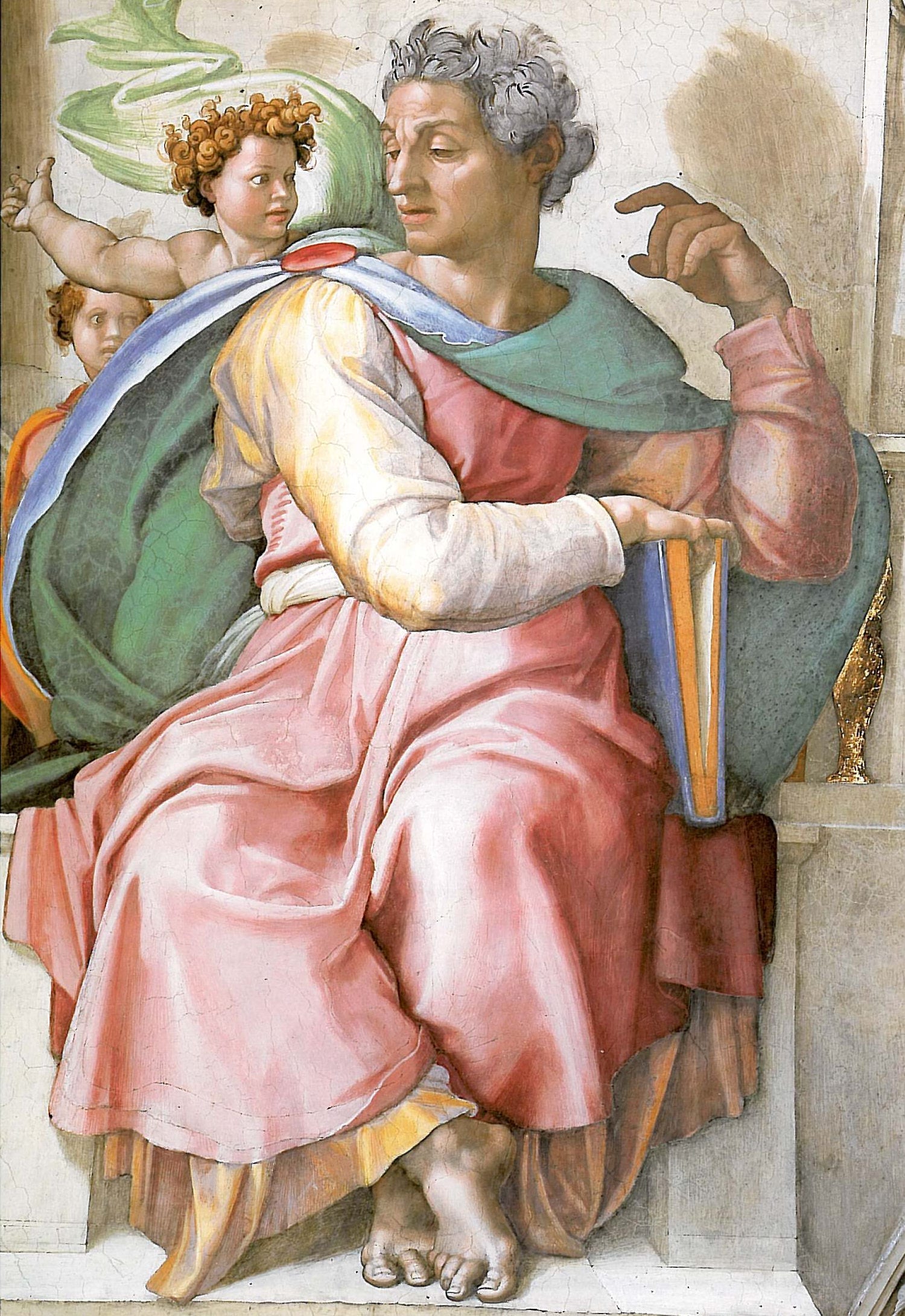
Isaiah the Prophet
Evangelist of the Old Testament — Prophet of the Suffering Servant
c. 765 BC, Jerusalem — c. 681 BC
Isaiah son of Amoz prophesied in Jerusalem under four kings of Judah: Uzziah, Jotham, Ahaz, and Hezekiah. In the year that King Uzziah died (c. 740 BC), he saw the Lord in the Temple, high and lifted up, his train filling the sanctuary, the seraphim crying 'Holy, holy, holy' — and one took a burning coal from the altar and touched his lips (Is 6).
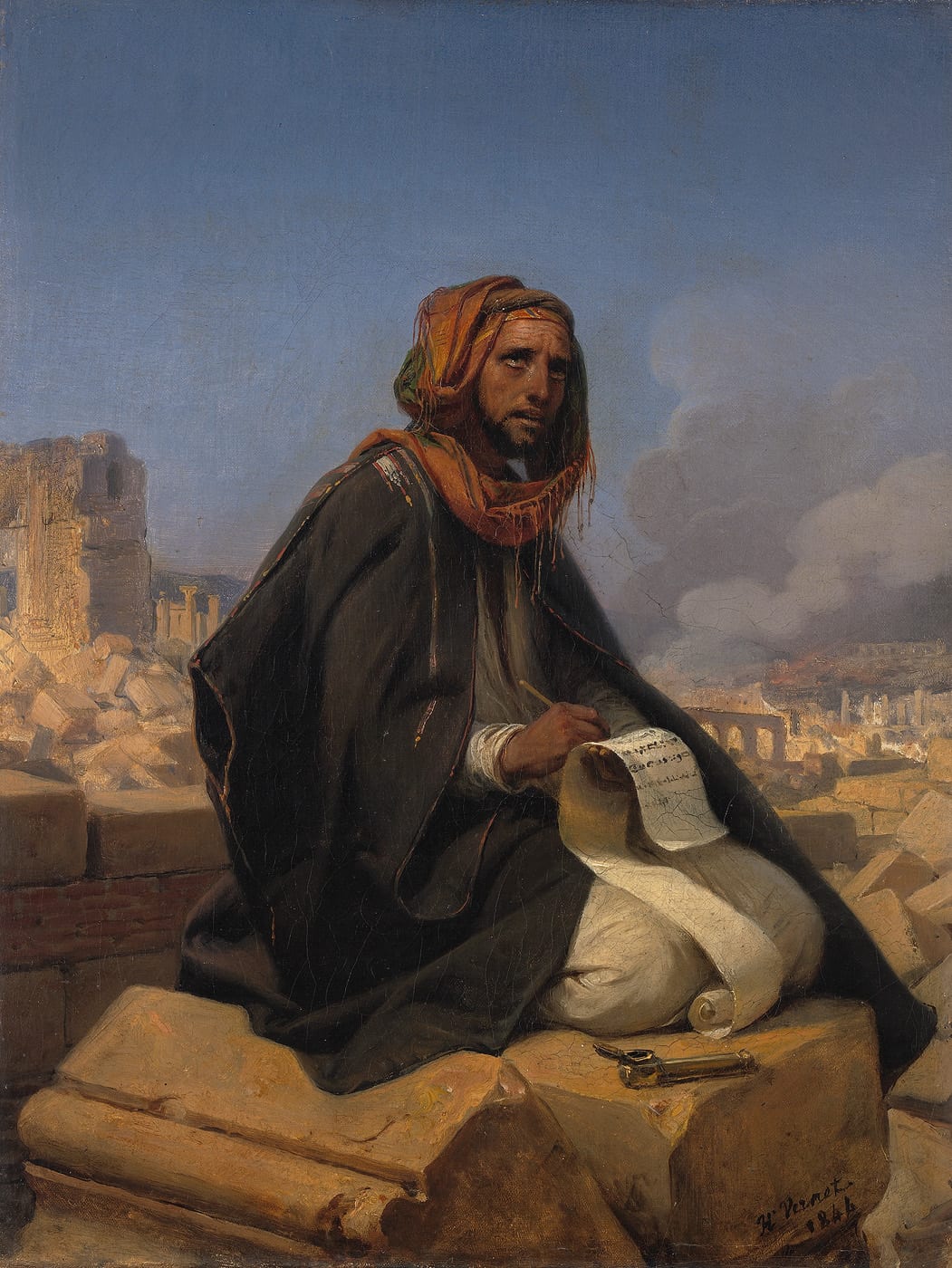
Jeremiah the Prophet
The Weeping Prophet — Prophet of the New Covenant
c. 650 BC, Anathoth — c. 570 BC
Jeremiah was called as a child: 'Before I formed thee in the bowels of thy mother, I knew thee: and before thou camest forth out of the womb, I sanctified thee, and made thee a prophet unto the nations' (Jer 1:5). He protested he was too young; the Lord touched his mouth.
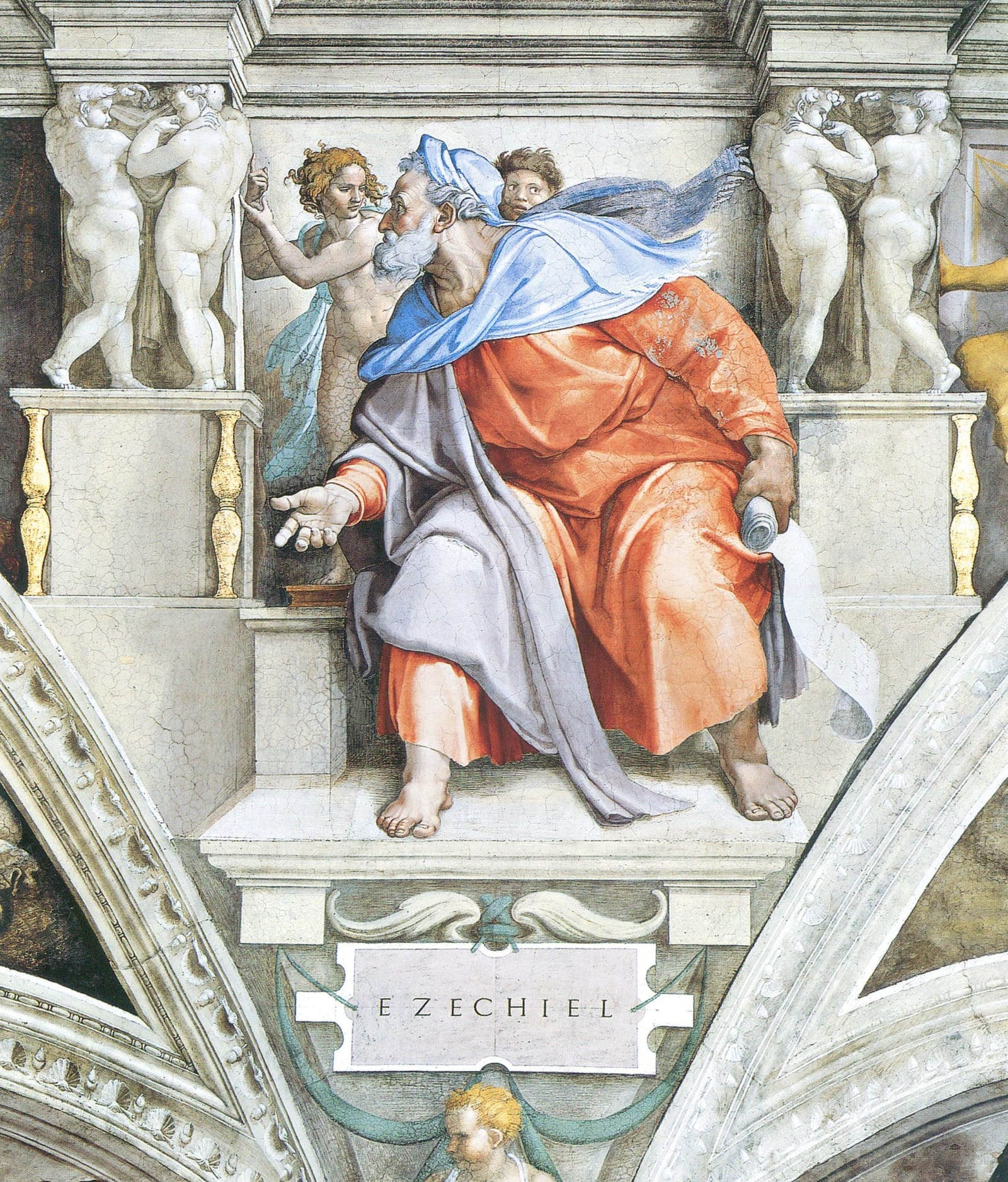
Ezekiel the Prophet
Prophet of the Exile — Visionary of the Glory
c. 622 BC, Judah — c. 570 BC
Ezekiel son of Buzi, a priest, was taken with the first deportation to Babylon in 597 BC. By the river Chebar, in the fifth year of his exile, the heavens opened and he saw the visions of God — the chariot-throne borne by four living creatures with four faces, the wheels within wheels filled with eyes (Ezek 1).
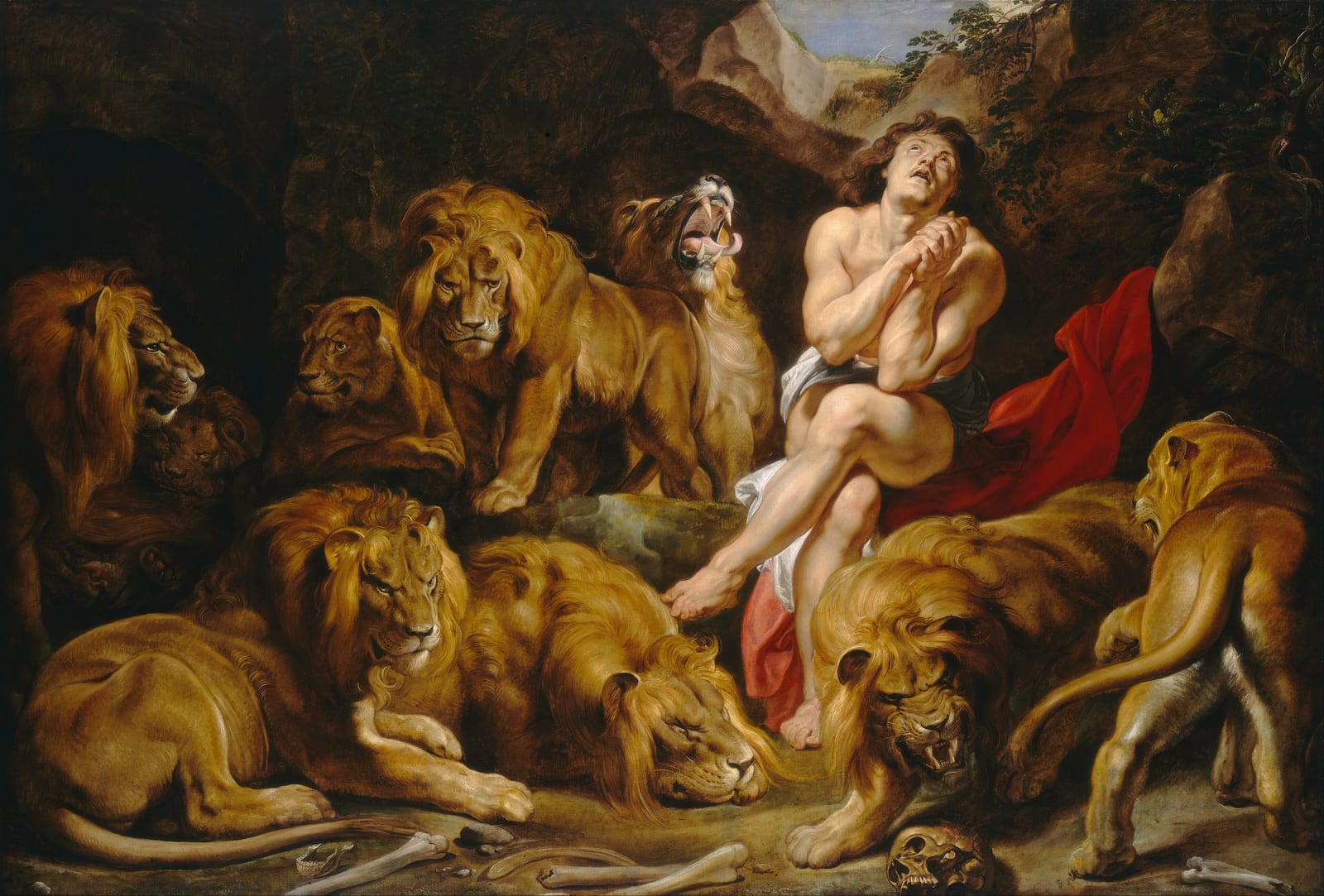
Daniel the Prophet
Beloved of God — Prophet of the Exile and the End
c. 620 BC — c. 538 BC
Daniel was deported as a youth to Babylon in 605 BC with three companions, Hananiah, Mishael, and Azariah (renamed Shadrach, Meshach, and Abed-nego). They refused the king's food and grew stronger on water and pulses; they refused to worship the golden image and were cast into the fiery furnace; God preserved them.
The Twelve Minor Prophets
Briefer in their books but no less in their authority. The Church reads them in order of their place in the canon, beginning with Hosea.
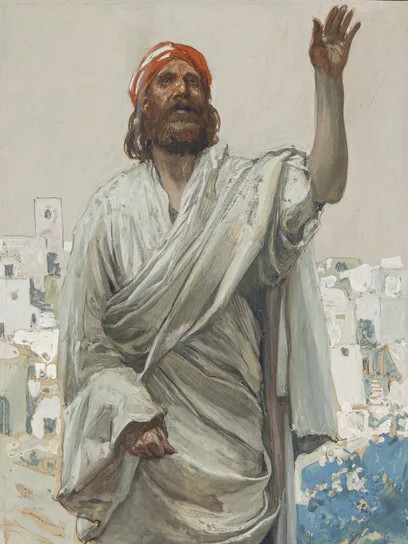
Hosea the Prophet
Prophet of God's Faithful Love
8th century BC — c. 725 BC
Hosea son of Beeri was the first of the Twelve Minor Prophets. The Lord commanded him to marry Gomer, a woman of harlotry — a living parable of God's covenant with unfaithful Israel. He took her back even after her serial infidelity: 'I will betroth thee to me for ever; I will betroth thee to me in justice, and judgment, and in mercy, and in commiserations' (Hos 2:19).
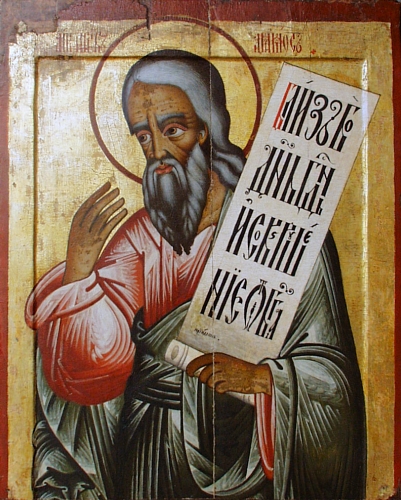
Amos the Prophet
The Shepherd of Tekoa — Prophet of Social Justice
8th century BC — c. 745 BC
Amos was a shepherd from Tekoa in Judah — a layman, not a member of any prophetic school: 'I am not a prophet, nor am I the son of a prophet: but I am a herdsman.' The Lord called him and sent him north to prophesy against the Northern Kingdom of Israel during the prosperous reign of Jeroboam II.
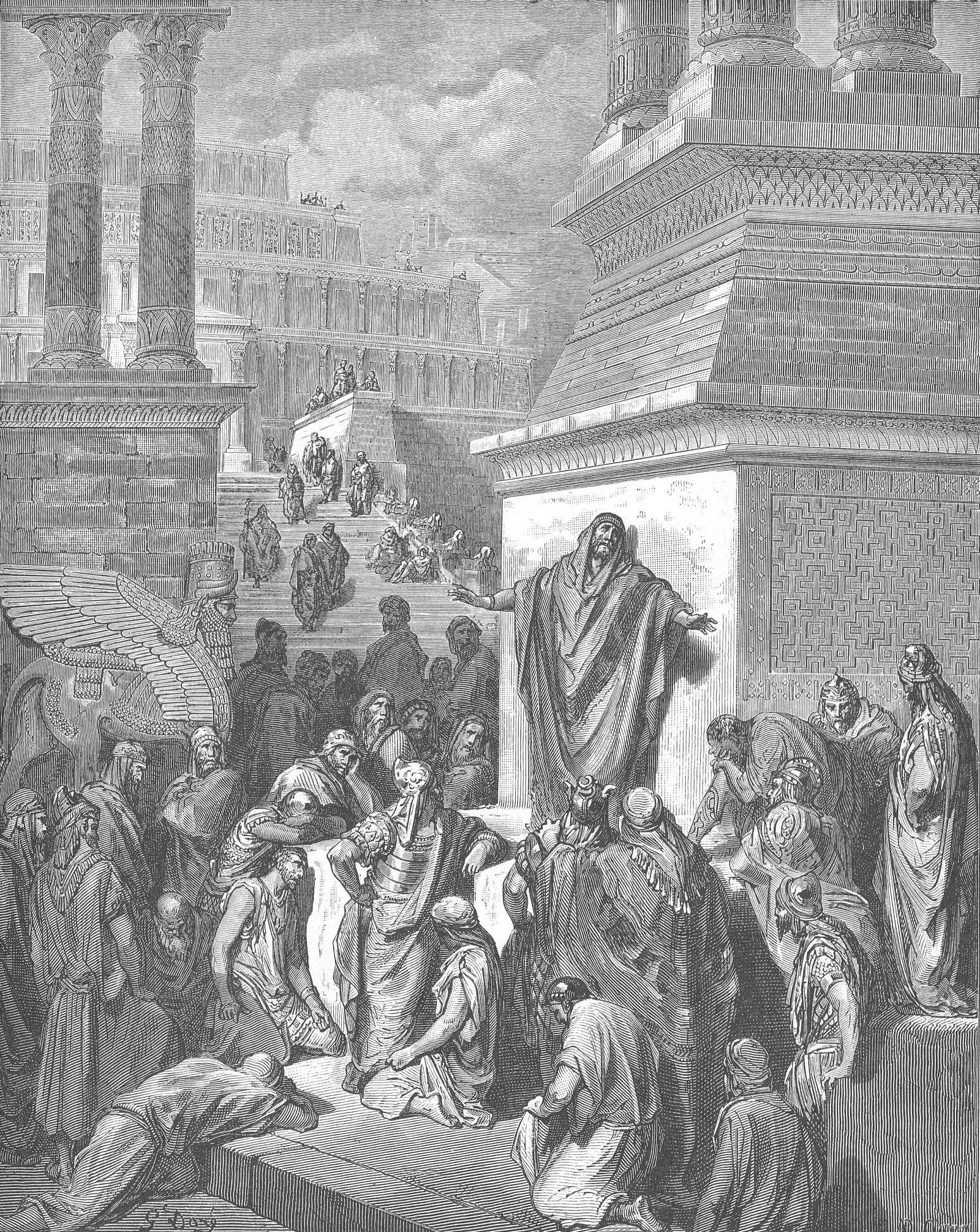
Jonah the Prophet
Sign of Three Days — Foreshadowing the Resurrection
8th century BC — c. 750 BC
Jonah son of Amittai of Gath-hepher in Galilee was sent by the Lord east to Nineveh, capital of Assyria, to preach repentance. He fled west to Tarshish instead; was caught in the great storm; was thrown overboard at his own request; and was swallowed by 'a great fish' that vomited him on dry land on the third day.
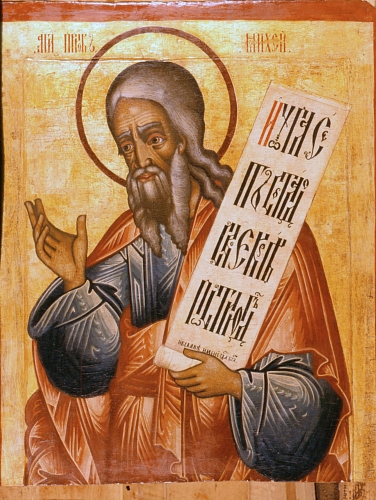
Micah the Prophet
Prophet of Bethlehem
8th century BC — c. 700 BC
Micah of Moresheth, contemporary of Isaiah, prophesied during the reigns of Jotham, Ahaz, and Hezekiah. Like Amos he was a country man, denouncing the corruption of the royal city and the priests.
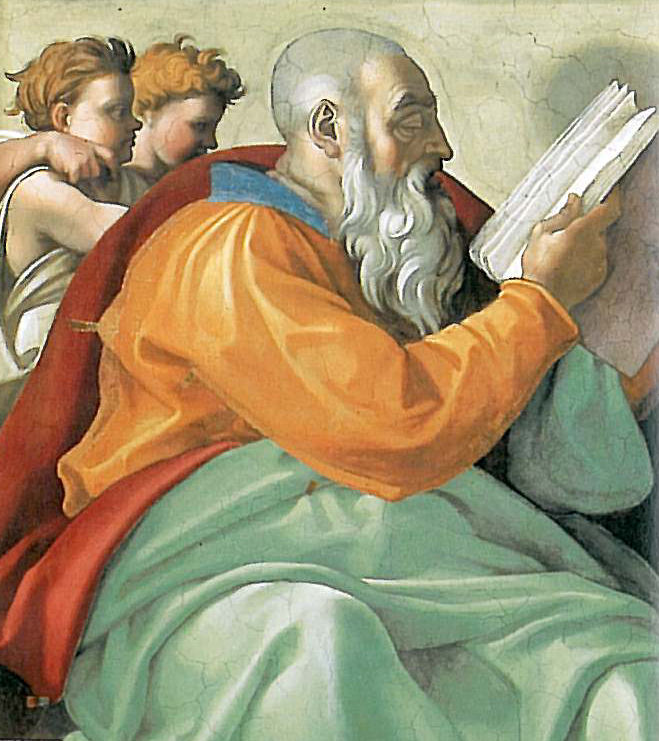
Zechariah the Prophet
Prophet of the Returning Glory
6th century BC — c. 480 BC
Zechariah son of Berechiah, of priestly descent, was born in Babylon and returned with the first wave of exiles under Zerubbabel in 538 BC. With Haggai he urged the people to complete the Second Temple, finished in 516 BC.
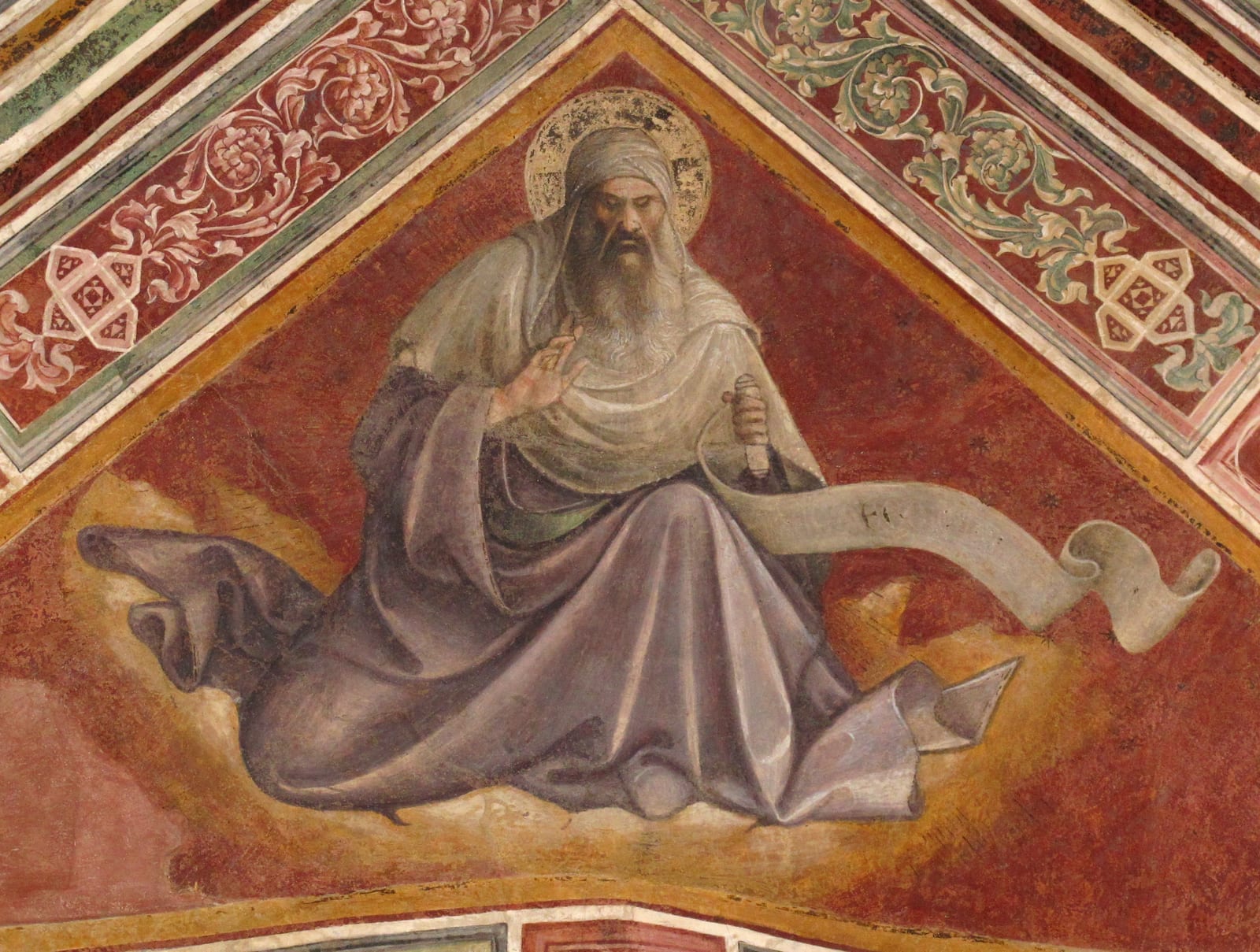
Malachi the Prophet
The Last of the Prophets — Seal of the Old Testament
5th century BC — c. 430 BC
Malachi — the name means 'My Messenger' — was the last of the canonical Hebrew prophets, prophesying in Jerusalem some four hundred years before Christ. The Second Temple had been built; the people had grown indifferent; the priests offered blemished sacrifices; the men of Judah divorced the wives of their youth.
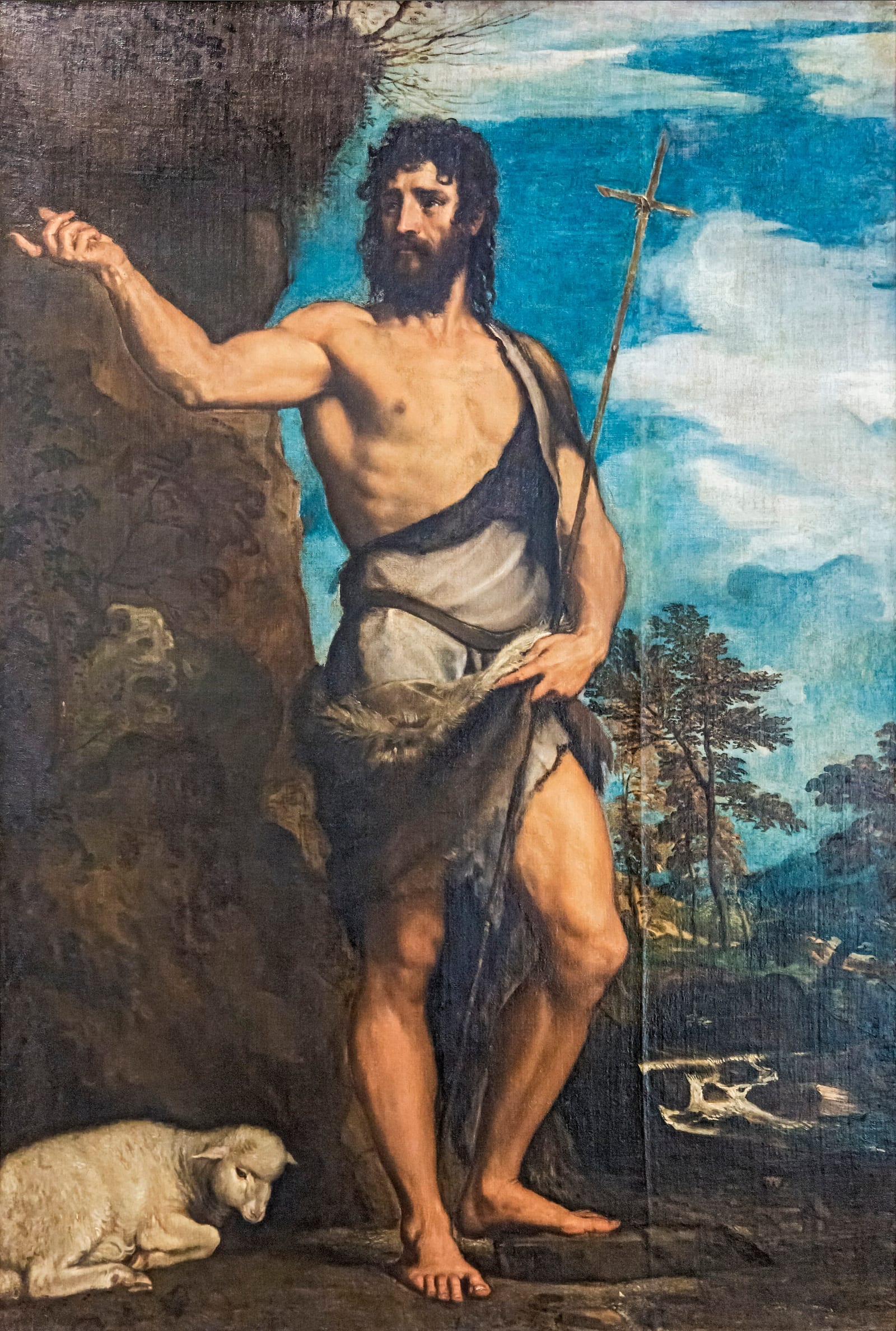
The Forerunner
St. John the Baptist closes the line of the Old Testament prophets and stands at the threshold of the New, baptizing Christ in the Jordan and bearing witness: 'Behold the Lamb of God.'