Movement 2 of 4 · 45 prophecies

The Ministry

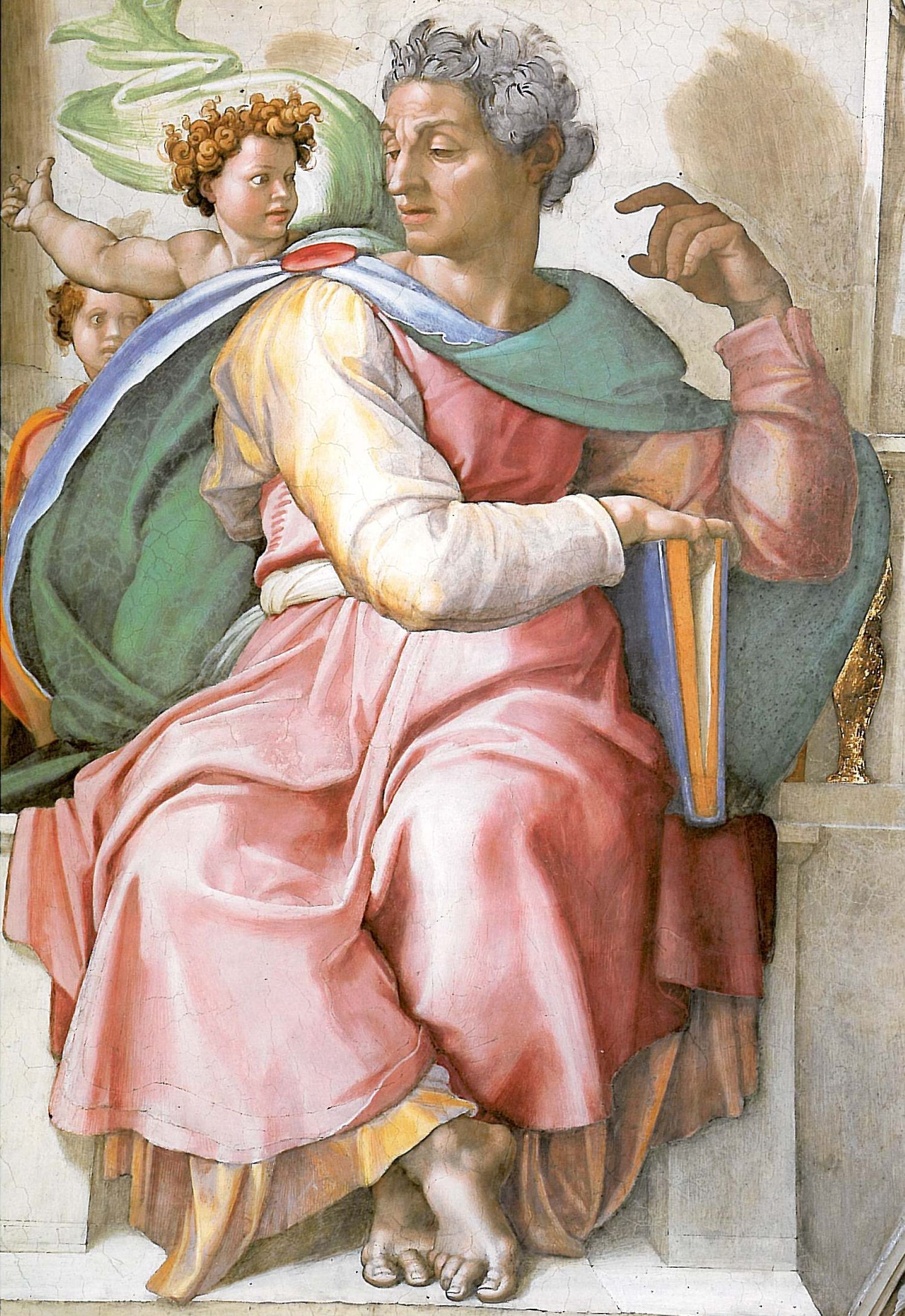
A forerunner's voice, a great light in Galilee, the eyes of the blind opened, the mouth opened in parables, the king on a donkey — Isaiah described the ministry in detail, and Jesus read Isaiah aloud in Nazareth and said: this day it is fulfilled.

Elijah must first come

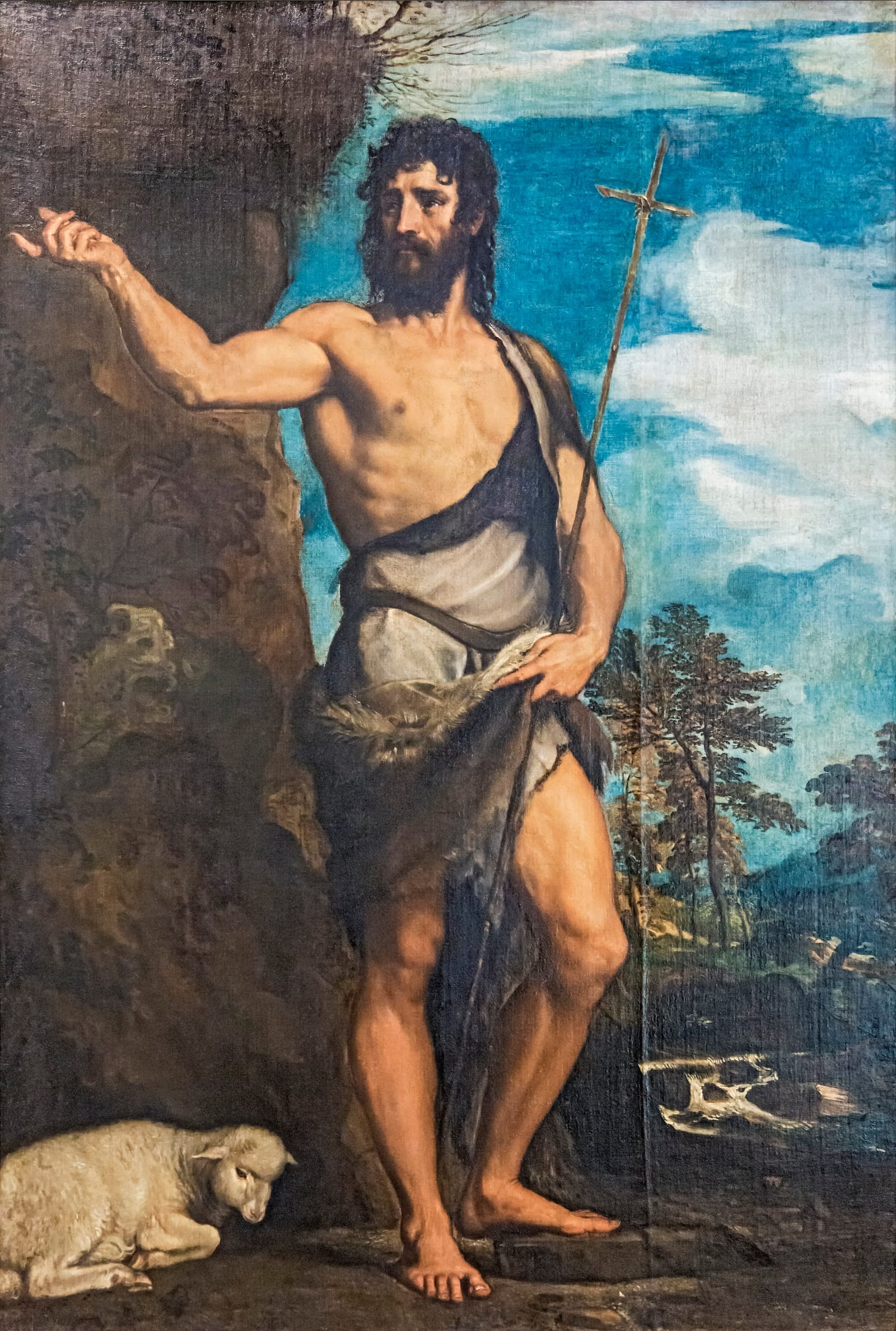
Malachi closed the Old Testament by promising Elijah before the day of the Lord; Jesus declared that John the Baptist was the Elijah who was to come.

Malachi 4:5-6 is 3:23-24 in the Hebrew numbering. John denied being Elijah in person (John 1:21); Jesus identified him as Elijah in spirit and power (Luke 1:17).

Galilee of the Gentiles has seen a great light

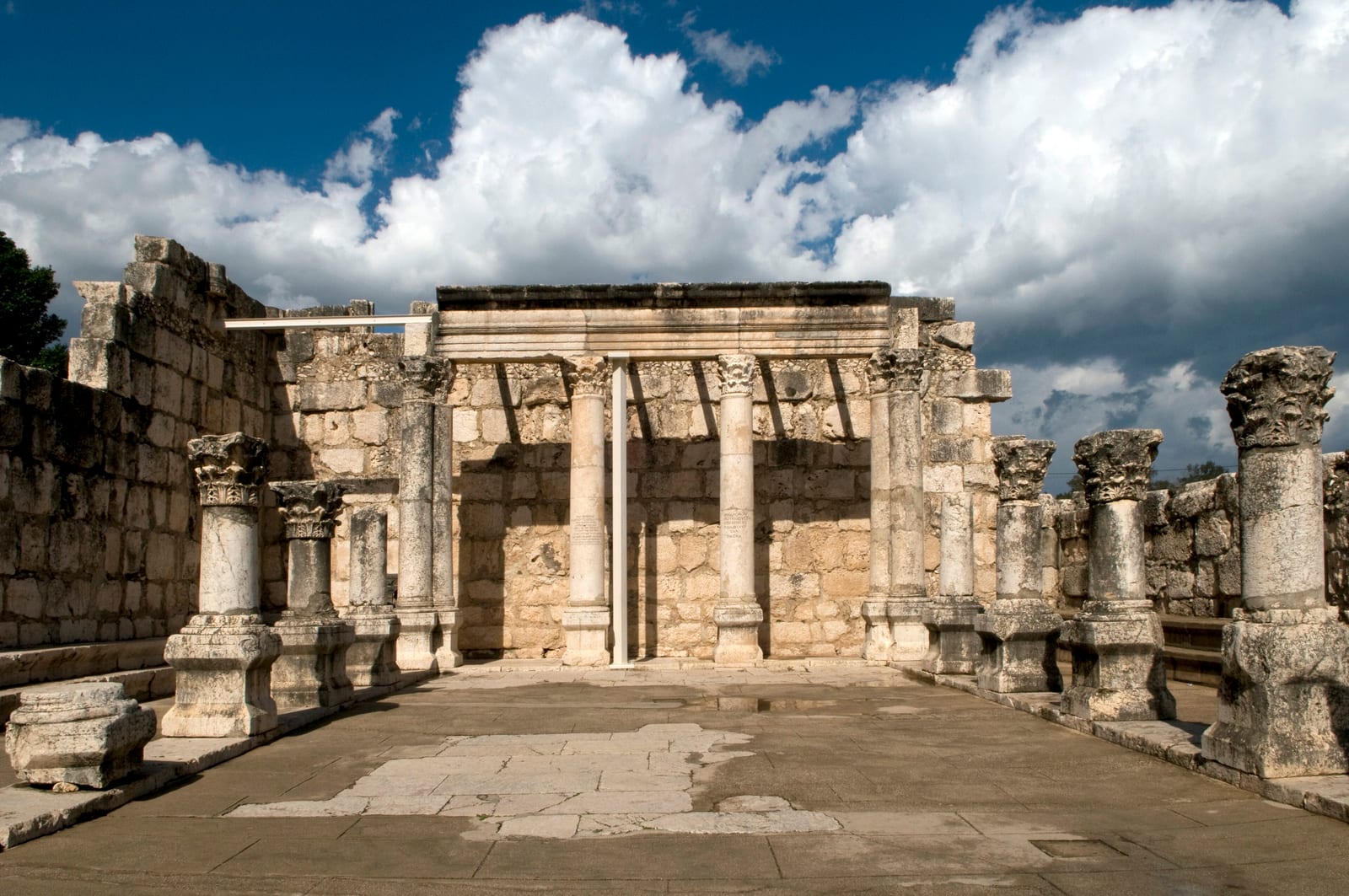
Isaiah promised that the despised lands of Zebulun and Naphtali would see a great light; Matthew cites it when Jesus settles in Capernaum to begin preaching.

Isaiah 9:1-2 is 8:23-9:1 in the Hebrew numbering; Matthew's wording differs from both the Masoretic text and the Septuagint. Contrast the objection 'out of Galilee ariseth no prophet' (John 7:52).

Then shall the eyes of the blind be opened

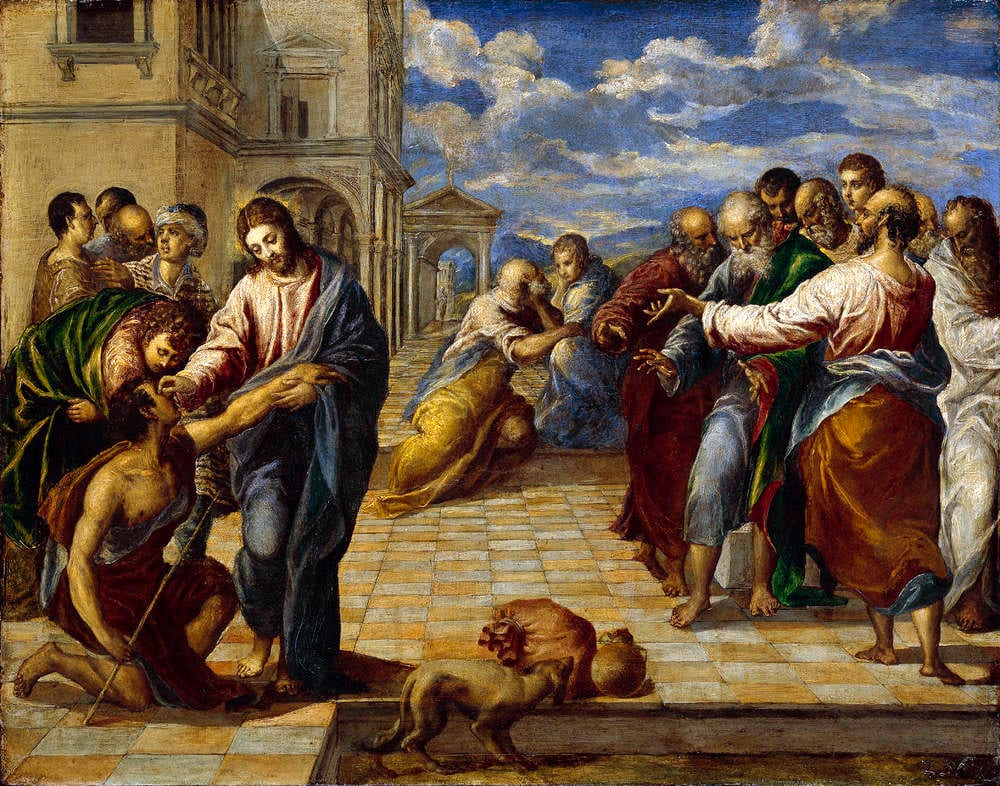
Isaiah described the messianic age by the blind seeing, the deaf hearing, the lame leaping, and the dead rising; Jesus answered John's disciples by pointing to exactly these works.

Mark 7:37 ('the deaf to hear and the dumb to speak') echoes the Septuagint wording of Isaiah 35:6.

He took our infirmities and bore our sicknesses

Matthew reads the Suffering Servant's bearing of griefs as fulfilled in the evening of healings at Capernaum.

Matthew applies the verse to bodily healing; 1 Peter applies the same passage to sin-bearing on the cross.

A great prophet is risen — the Elijah and Elisha types

Jesus raises a widow's son, feeds a multitude with barley loaves, and cleanses lepers, repeating and surpassing the signs of Elijah and Elisha that he himself invoked at Nazareth.

Typology rather than prediction: Nain lies a few miles from Shunem, and the crowd's cry 'a great prophet is risen among us' marks the echo.

Wells of salvation — the living water

The rock struck in the desert and the prophets' promise of living water flowing from Jerusalem are fulfilled in the water Jesus offers at Jacob's well and at Tabernacles.

John 7:38 cites 'the scripture' without naming it; Isaiah 58:11, Zechariah 14:8, and Ezekiel 47 are the usual candidates. The Tabernacles water-libation recited Isaiah 12:3.

The mountains shall drop sweet wine

The prophets pictured the messianic age as an abundance of wine; the first sign at Cana, six jars of the best wine, is read by the Church as that promise beginning.

A typological reading found in the Fathers and modern Catholic exegesis; no Gospel formula citation. Joel 3:18 is 4:18 in the Hebrew numbering.

Who can forgive sins but God alone?

The prophets said the Lord himself would blot out sins in the days of the new covenant; Jesus forgives the paralytic and the penitent woman, and the scribes recognize the divine claim.

Psalm 103:3 pairs forgiving iniquity with healing disease, the very pairing Jesus makes for the paralytic.

I will open my mouth in parables

Asaph's psalm promised to utter things hidden from the foundation of the world; Matthew sees it fulfilled in Jesus' habit of teaching the crowds only in parables.

Psalm 78 is a historical psalm; Matthew calls its author 'the prophet' (the Chronicler also calls Asaph a seer, 2 Chronicles 29:30).

This people honoureth me with their lips

Jesus tells the Pharisees that Isaiah prophesied of them: worship by precepts of men while the heart is far from God.

A prophecy of the Messiah's opponents rather than of the Messiah; Jesus himself applies it ('well did Isaiah prophesy of you').

They shall all be taught of God

Isaiah's promise that all Zion's children would be taught by the Lord is claimed by Jesus in the Bread of Life discourse for those the Father draws to him.

He shall not judge by the sight of his eyes

Isaiah's Branch would discern beyond appearances; Jesus knows what is in man, reads the thoughts of scribes, and tells the Samaritan woman her history.

The Talmud (Sanhedrin 93b) reads Isaiah 11:3 as the Messiah's power to judge by discernment rather than sight.

A man's enemies shall be those of his own household

Jesus quotes Micah's picture of households divided to describe the sword his coming brings; rabbinic tradition read the same verse of the messianic woes.

Edersheim lists Micah 7:6 among passages the Mishnah (Sotah 9:15) applies to the footsteps of the Messiah.

One shepherd, my servant David

Ezekiel promised that God would shepherd his scattered sheep through one Davidic shepherd; Jesus calls himself the good shepherd and pities the crowds as sheep without a shepherd.

Ezekiel says both that God himself will shepherd (34:11-16) and that his servant David will (34:23); the Gospel sees the two promises converge in Christ.

A bruised reed he shall not break

Isaiah's Servant would neither strive nor cry in the streets; Matthew cites the song when Jesus heals the crowds and charges them to keep silent.

Matthew's is the longest Old Testament quotation in his Gospel; the Targum already names the Servant 'the Messiah'.

The sign of the prophet Jonah

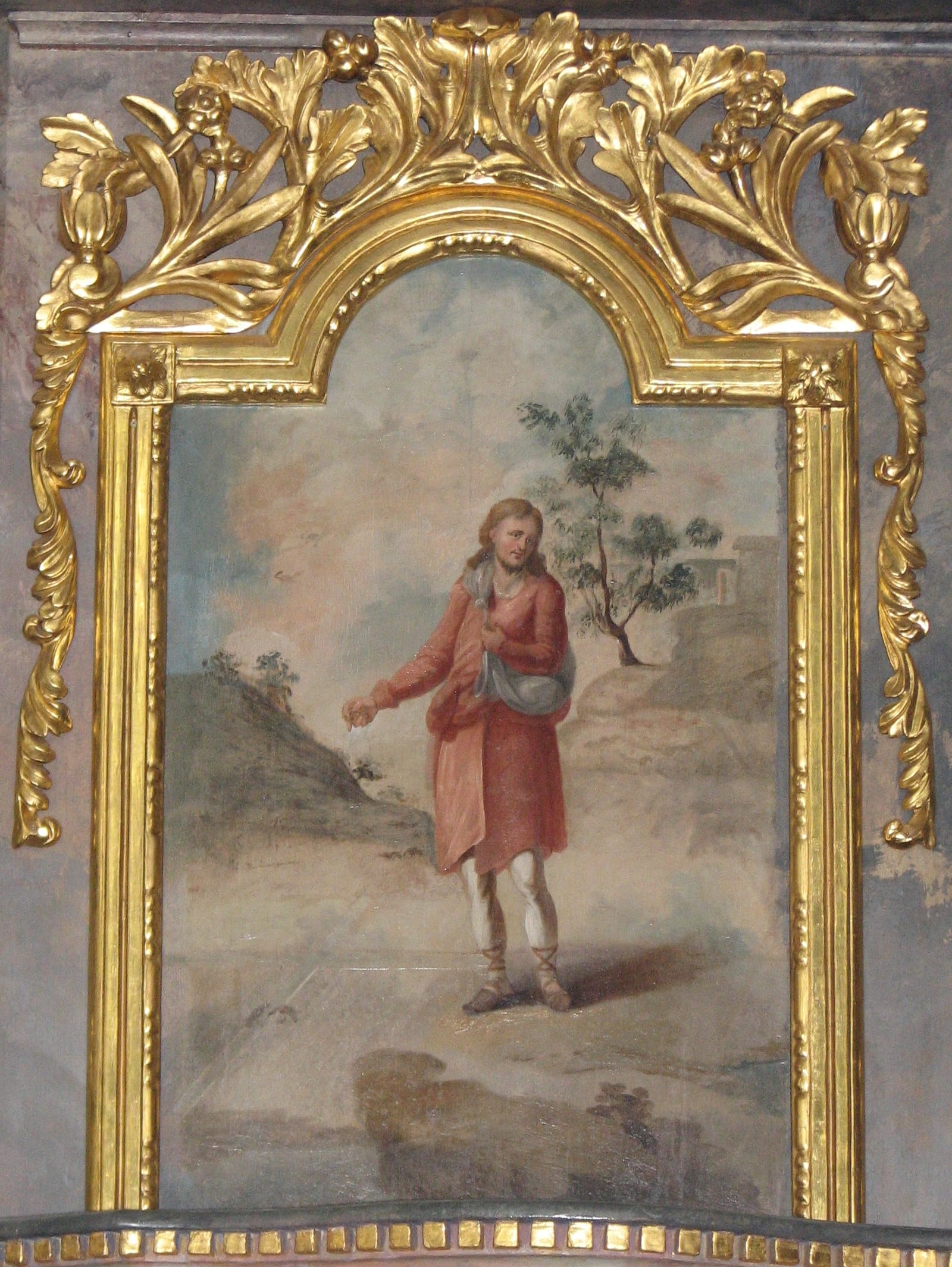
Jesus offers his generation one sign: as Jonah was three days in the fish and preached repentance to Nineveh, so the Son of Man will be three days in the earth.

A type named by Jesus himself rather than a prediction; Jonah 1:17 is 2:1 in the Hebrew and Vulgate numbering. Luke stresses the preaching, Matthew the three days.

Priest and king — a priest upon his throne

Psalm 110 and Zechariah foresaw a priest after the order of Melchizedek who would also sit and rule; Hebrews applies the oath to Jesus, and he affirms his kingship while refusing an earthly crown.

In Zechariah the crowned priest is Joshua the high priest, read as a type of the Branch; Psalm 110 is Psalm 109 in the Vulgate.

As Moses lifted up the serpent

The bronze serpent raised in the wilderness to heal all who looked on it is named by Jesus as a type of the Son of Man lifted up so that believers may have eternal life.

Wisdom 16:7 already reads the serpent as a 'sign of salvation' pointing beyond itself to God the Saviour.

Angels ascending and descending — Jacob's ladder

Jesus promises Nathanael the sight of heaven opened and angels ascending and descending on the Son of Man, making himself the ladder Jacob saw at Bethel.

FulfilledJohn 1:51

A type claimed by Jesus; the rabbis debated whether the angels ascended 'on the ladder' or 'on Jacob', and John takes the second reading of the Son of Man.

Clean water and a new spirit

Ezekiel promised sprinkled clean water and a new spirit put within; Jesus tells Nicodemus, a master in Israel, that one must be born of water and the Spirit.

Jesus' rebuke 'art thou a master in Israel and knowest not these things?' implies the teaching was available in the prophets.

Who hath believed our report?

Isaiah asked who would believe the message about the Servant; John cites the question to explain why so many signs produced so little faith.

Blessed is he that cometh in the name of the Lord

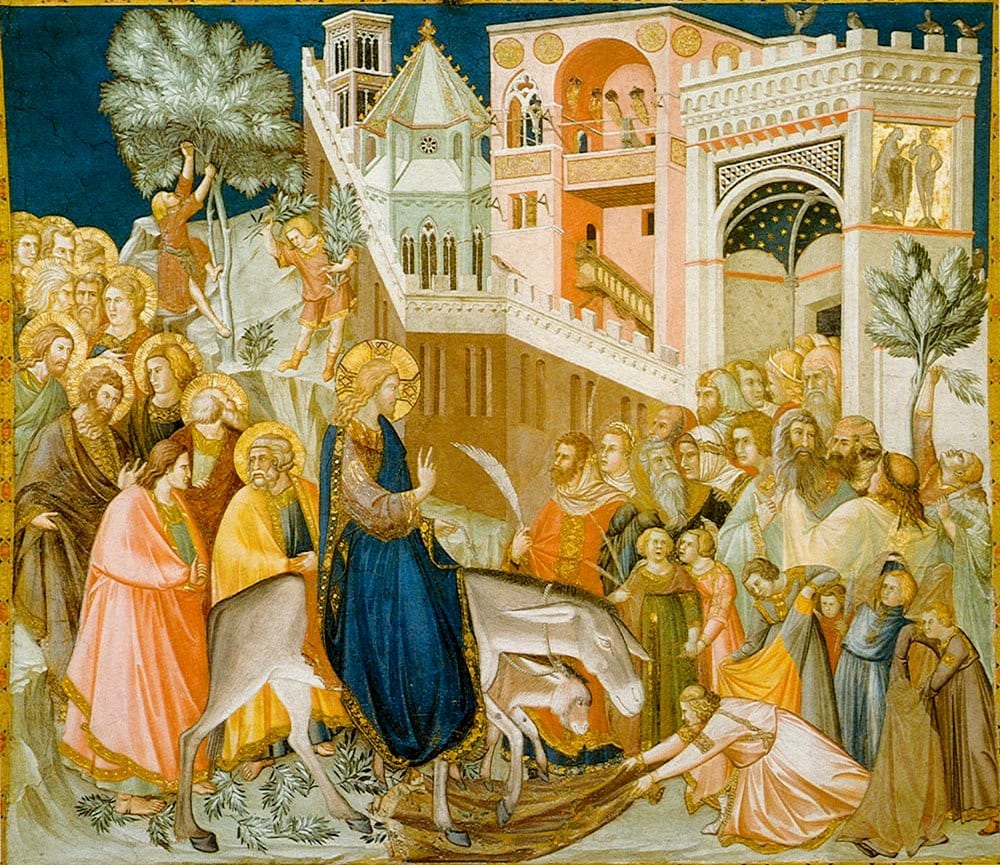
The Hallel's welcome of the pilgrim-king is shouted by the crowds on Palm Sunday, and Jesus tells Jerusalem it will not see him again until it says these very words.

'Hosanna' transliterates the 'save now' of Psalm 118:25; the psalm was sung at Tabernacles and Passover.

Out of the mouths of infants thou hast perfected praise

When the chief priests object to children crying Hosanna in the temple, Jesus answers them with Psalm 8.

ForetoldPsalm 8:2

Jesus quotes the Septuagint ('perfected praise'); the Hebrew reads 'ordained strength'. Psalm 8:2 is verse 3 in the Hebrew numbering.

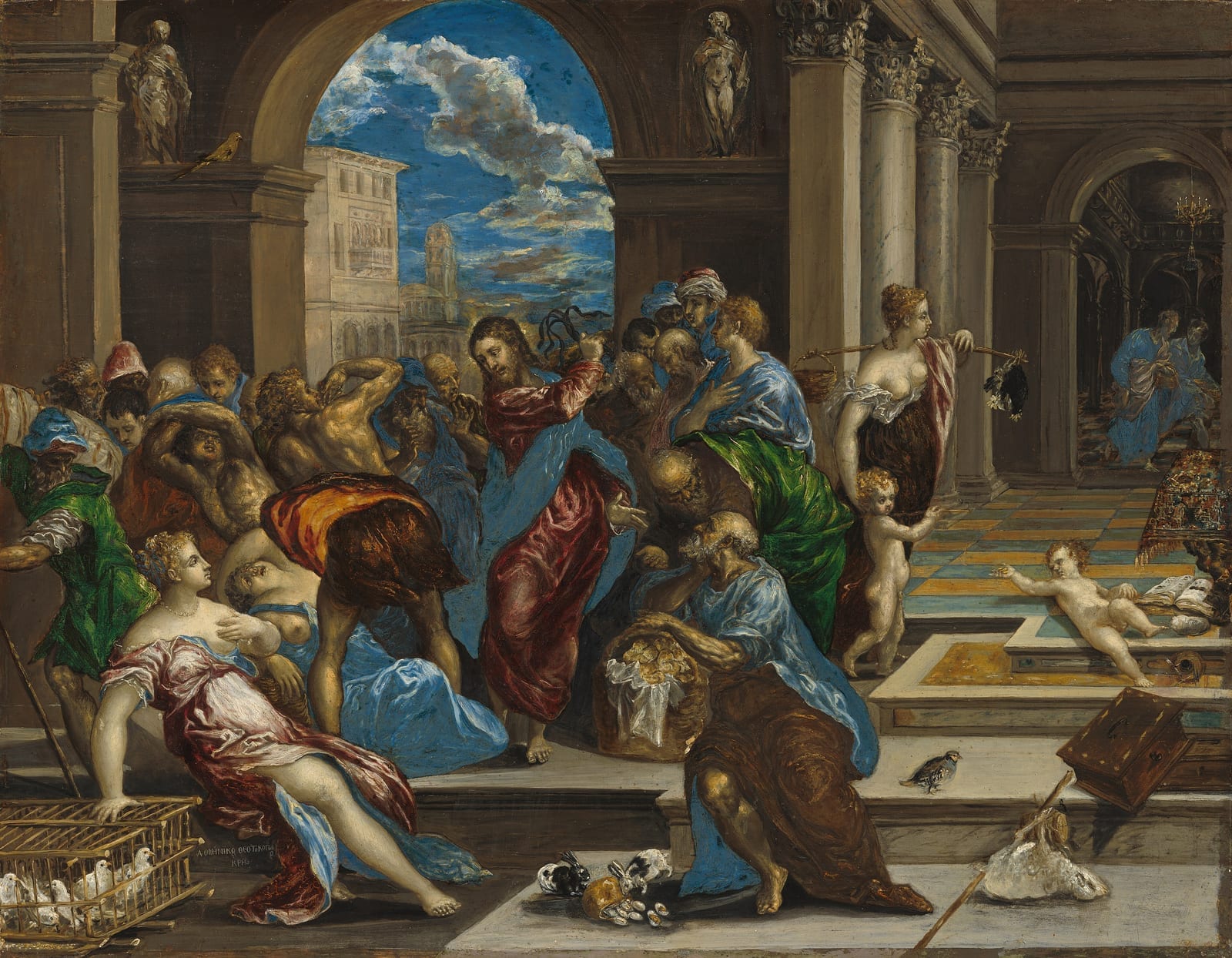
The zeal of thy house hath eaten me up

Driving the traders from the temple, Jesus' disciples remember the psalmist's zeal for God's house; Paul applies the verse's second half to Christ bearing reproaches.

Psalm 69:9 is verse 10 in the Hebrew numbering; John alone places a temple cleansing at the start of the ministry.

A stone of stumbling and a tried cornerstone in Zion

Isaiah spoke of a stone laid in Zion that would be both sure foundation and stone of stumbling, and Daniel of a stone that shatters kingdoms; the apostles and Jesus apply all three to him.

Paul and Peter fuse Isaiah 8:14 with 28:16; Luke 20:18 ('on whomsoever it shall fall') echoes Daniel's stone. The Talmud applies Isaiah 8:14 messianically (Sanhedrin 38a).