Movement 1 of 4 · 46 prophecies

The Lineage, the Identity, and the Birth

Before a place or a deed, the prophets named a line — the seed of the woman, of Abraham, of Judah, of David — narrowing across two thousand years to one family in one town, and then the sign of the virgin, the little town named seven centuries early, and the weeping of Rachel.

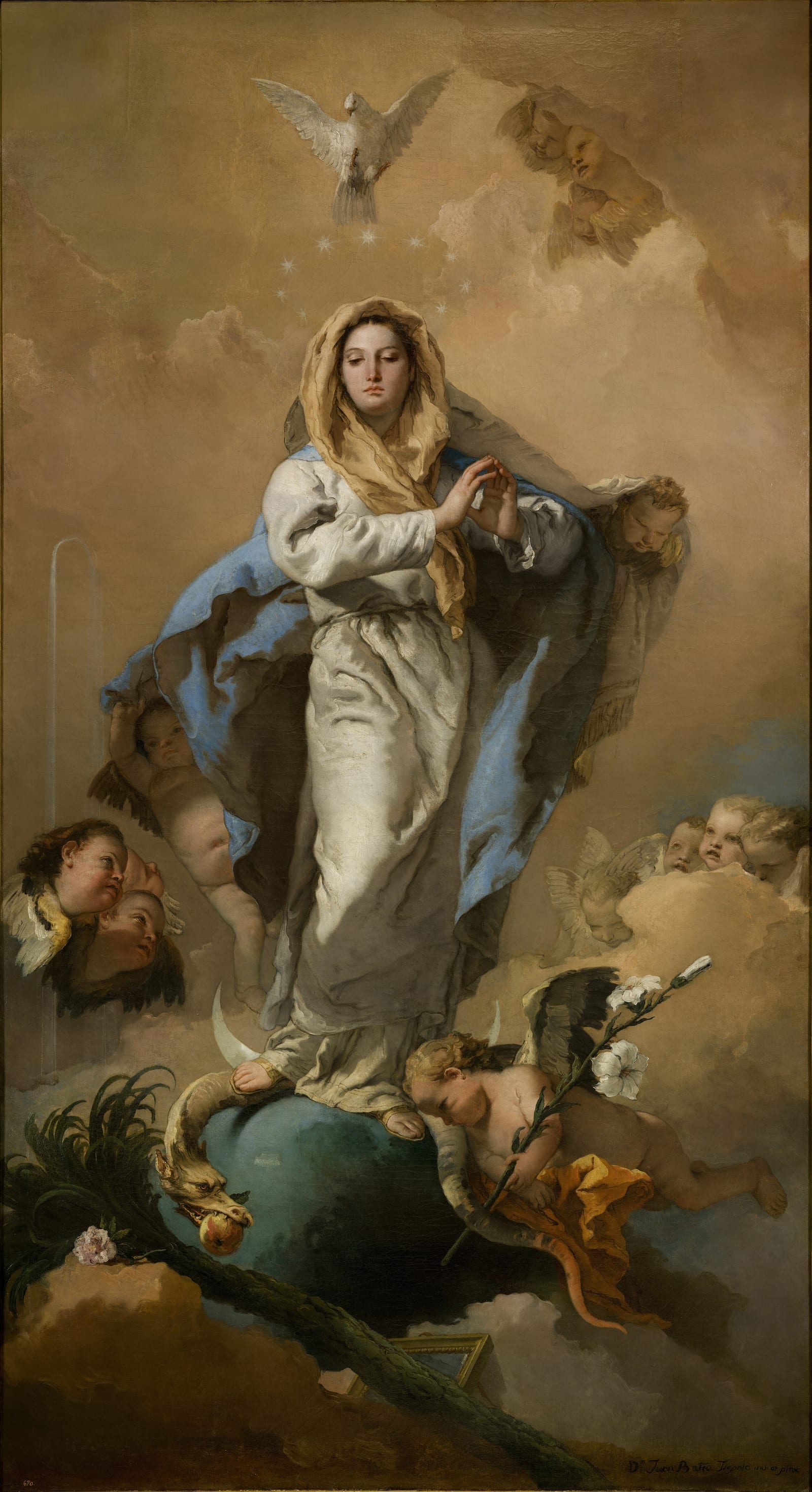
The seed of the woman crushes the serpent

In Eden God promises that the offspring of the woman will crush the serpent's head; Christ, born of a woman, destroys the devil's works.

The Protoevangelium. The Hebrew reads 'he shall crush' (the seed); the Vulgate 'ipsa' ('she') underlies the Marian reading cited in Ineffabilis Deus. Targum Pseudo-Jonathan paraphrases the verse with explicit reference to King Messiah.
God dwells in the tents of Shem

Noah's blessing that God would dwell in the tents of Shem is read as the first narrowing of the messianic line, fulfilled when the Word tabernacled among Shem's descendants.

Targum Onkelos renders 'he shall cause his Shekinah to dwell in the tents of Shem'; Philo and Theodoret take God as the subject. Most modern commentators take Japheth as the subject of 'dwell'. A traditional rather than strictly predictive reading.

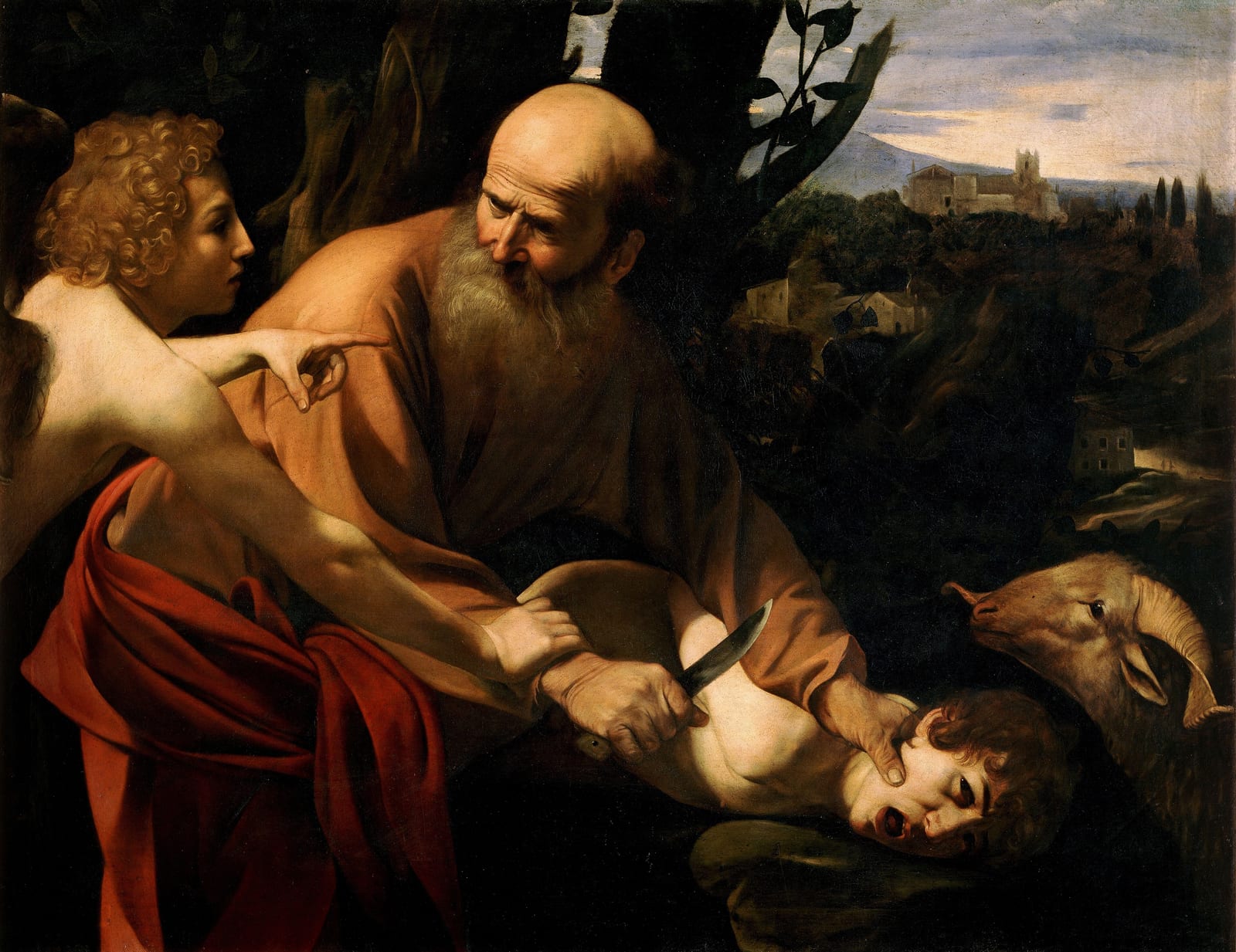
In Abraham's seed all nations blessed

God swears to Abraham that in his seed all the nations of the earth will be blessed; Paul identifies that singular seed as Christ.

Genesis 22:18 is explained messianically in Bemidbar Rabbah; Acts 3:25 and Galatians 3:8 quote it directly.

The sceptre shall not depart from Judah

Jacob foretells that rule will remain with Judah until 'he come to whom it belongs', the expectation of nations; Christ springs from Judah as the Lion of that tribe.

'Shiloh' is applied to the Messiah in all the Targums and in the Talmud (Sanhedrin 98b). The Vulgate reads 'he that is to be sent... the expectation of nations'. Traditional apologetics also read the verse as a timing prophecy: Judah's self-rule ended under Rome within the lifetime of Jesus.

A star shall rise out of Jacob

Balaam foresees a star rising from Jacob and a sceptre from Israel; the Magi follow his star to the newborn king, who calls himself the bright morning star.

Targum Onkelos and Pseudo-Jonathan refer the star and sceptre to the Messiah; Rabbi Akiba applied it to Bar Kokhba ('son of the star'). The Fathers link the verse to the Magi's star, though the oracle itself speaks of the king as the star.

A prophet like unto Moses

Moses promises that God will raise up from Israel a prophet like himself whom all must hear; the crowds and the apostles identify Jesus as 'that prophet'.

'Hear ye him' at the Transfiguration (Matthew 17:5) echoes Deuteronomy 18:15. By the first century the passage was read of a single eschatological figure (John 1:21).

The Branch from the root of Jesse

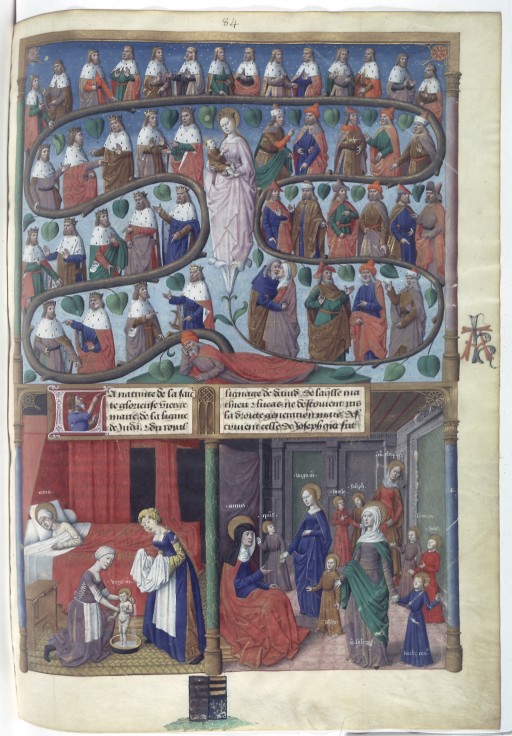
A shoot (netzer) springs from the stump of Jesse and a righteous Branch is raised up to David; Jesus, son of David, is the Root of Jesse to whom the Gentiles turn.

Zechariah 3:8 and 6:12 ('Branch') are universally admitted as messianic in the Targum and Talmud; the Septuagint renders 'Branch' as anatole ('Dayspring'), echoed in Luke 1:78.

Heir to David's everlasting throne

God swears to David that his seed will sit on his throne for ever; Gabriel announces that Jesus will receive the throne of David his father and reign without end.

Matthew's genealogy descends through Solomon, Luke's through Nathan (cf. Zechariah 12:12); both land on Joseph, the legal father. Hosea 3:5 and Jeremiah 30:9 are applied to the Messiah under the name 'David' in the Targum.

A horn of salvation raised up in David's house

The psalmist promises that God will make a horn to bud for David; Zechariah blesses God for raising up 'a horn of salvation for us in the house of David his servant'.

The 'horn' is a biblical image of royal strength; the Benedictus quotes Psalm 132:17 almost verbatim. 1 Samuel 2:10 ('exalt the horn of his anointed') is read of the Messiah's kingdom in the Targum.

The ruler who shepherds my people Israel

The promised Davidic ruler is to shepherd Israel as David did; Matthew's Bethlehem quotation fuses Micah with the words spoken to David, and Jesus calls himself the Good Shepherd.

Matthew 2:6 is a paraphrase of Micah 5:2 with the clause 'that shall rule [shepherd] my people Israel' added from 2 Samuel 5:2 to identify the ruler with the Messiah (Pulpit Commentary, Vincent).

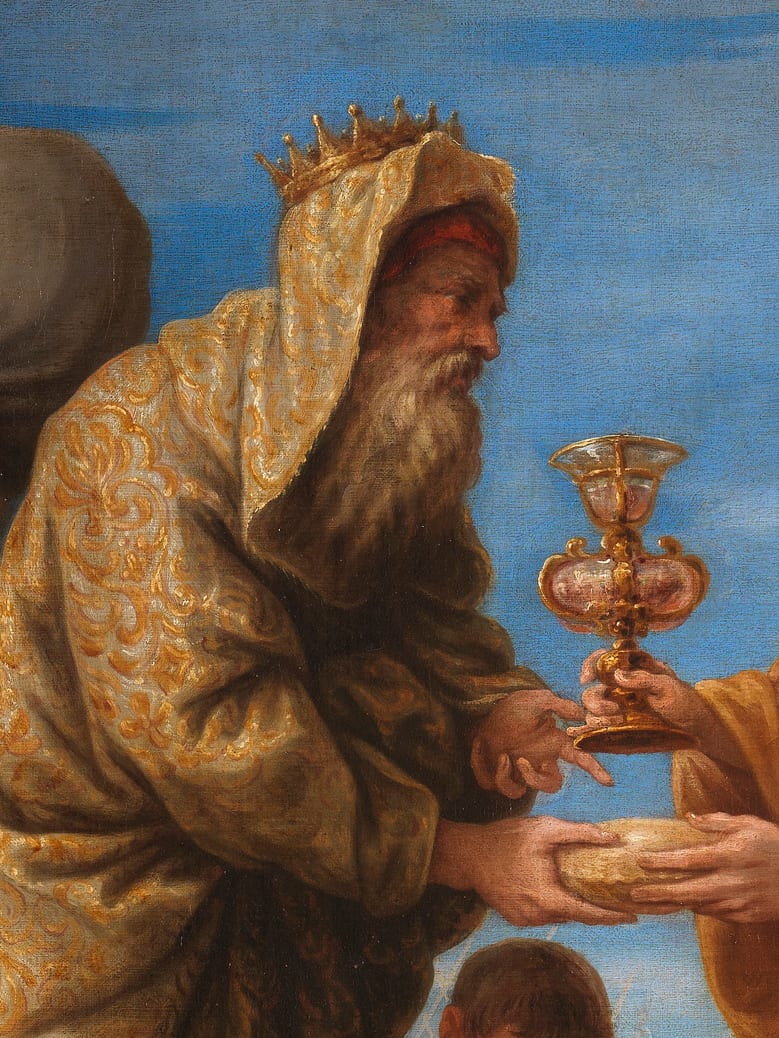
A priest for ever after the order of Melchisedech

The Davidic Lord of Psalm 110 is sworn a priest for ever, not of Aaron's line but of Melchisedech's; Hebrews applies the oath to Christ, whose offering of bread and wine Melchisedech prefigured.

The Council of Trent (Session 22) teaches that the Mass was prefigured by Melchisedech's offering of bread and wine. The Catholic Encyclopedia ('Messias') lists Psalm 109 (Vulgate numbering) as the prophecy of the messianic priest.

'Thou art my Son, this day have I begotten thee'

God declares the anointed king his Son, and promises David's heir 'I will be his father, and he shall be my son'; the Father's voice at the Jordan and Tabor, and the apostolic preaching, apply this to Jesus.

Psalm 2:7 is quoted as messianic in Sukkah 52a. Critics observe that 'son of God' can denote the Davidic king or Israel; the New Testament reads the title of a unique, divine sonship. Proverbs 30:4 ('what is his son's name?') is a traditional rather than primary citation.

God's firstborn, highest of the kings of the earth

God promises to make David's heir his firstborn, higher than the kings of the earth; Paul and John call Christ the firstborn of all creation and the prince of the kings of the earth.

Psalm 89:27-28 is applied to the Messiah in Shemot Rabbah 19 (Edersheim, Appendix IX).

One like a Son of Man receives an everlasting kingdom

Daniel sees one like a son of man brought before the Ancient of Days and given everlasting dominion; Jesus takes 'Son of Man' as his own title and claims this vision before the Sanhedrin.

Sanhedrin 98a reads Daniel 7:13 of the Messiah (coming on the clouds if Israel is worthy, lowly on an ass if not); the Targum takes the 'son of man' of Psalm 80:17 as King Messiah. Luke 1:33 ('of his kingdom there shall be no end') echoes Daniel 7:14.

The Anointed One (Messiah, Christ)

The prophets and psalms speak of the Lord's Anointed, a prince to come; Andrew announces 'we have found the Messias', and the apostles preach Jesus as the Christ whom God anointed.

'Messiah' (Hebrew mashiach) and 'Christ' (Greek christos) both mean 'anointed'. Daniel 9:25-26 is the only Old Testament text to use 'Messiah' absolutely of a coming prince.

A child is born: Wonderful, Counsellor, God the Mighty, Prince of Peace

Isaiah foretells a child born to us upon whose shoulder the government rests and whose names are divine; the angels' 'peace on earth' and Gabriel's 'he shall reign for ever' announce his birth.

The Targum expressly applies Isaiah 9:6 to the Messiah; some Jewish readings attach the divine names to God as the one naming the child, or refer the oracle to Hezekiah. The Vulgate reads 'Father of the world to come'.

The Messiah addressed as God: 'Thy throne, O God' and 'the Lord our Justice'

The royal psalm addresses the anointed king as God, and Jeremiah names the Davidic Branch 'the Lord our Justice'; the New Testament applies these to Christ, who is called God and made our justice.

Psalm 45 is treated as messianic throughout in the Targum; Jeremiah 23:5-6 is 'Messiah the Just' in the Targum and Baba Bathra 75b. Some render Psalm 45:6 'thy throne is God's' or 'thy divine throne'; Hebrews follows the Septuagint's direct address.

His goings forth are from of old, from the days of eternity

The Bethlehem ruler's origins are from eternity, and the Lord begets him 'before the day-star'; John and Paul proclaim the Word who was with God in the beginning and is before all things.

'From the womb before the day-star I begot thee' is the Septuagint/Vulgate of Psalm 110:3; the Hebrew reads differently ('from the womb of the morning, the dew of thy youth'). Pesachim 54a counts the Messiah's name among things created before the world, citing Psalm 72:17. Proverbs 8 was read of the Son's eternal generation by Athanasius against the Arians.

The Dayspring from on high, the Sun of Justice

Malachi promises the Sun of Justice rising with healing, and the Septuagint names the Branch 'the Rising'; Zechariah's canticle hails the Dayspring from on high visiting those in darkness.

Greek anatole in Luke 1:78 means both 'sunrise' and (in the Septuagint of Zechariah) 'Branch'; commentators take the sunrise sense as primary with the Branch as a deliberate echo. Malachi 4:2 is applied 'until Messiah comes' in Shemot Rabbah 31; the Targum reads the morning light of 2 Samuel 23:4 of the Messiah.

'Behold, thy Saviour cometh' — named Jesus

The prophets announce that Zion's Saviour comes and that the earth will bud forth a Saviour; the angel commands the name Jesus ('the Lord saves') because he will save his people from their sins.

Isaiah 62:11 and 45:8 read 'Saviour' (Salvator) in the Vulgate and Septuagint where the Hebrew has 'salvation'; Zechariah 9:9 'just and a saviour' (Vulgate) is 'saved/victorious' in the Hebrew. Matthew 1:21 echoes Psalm 130:8.

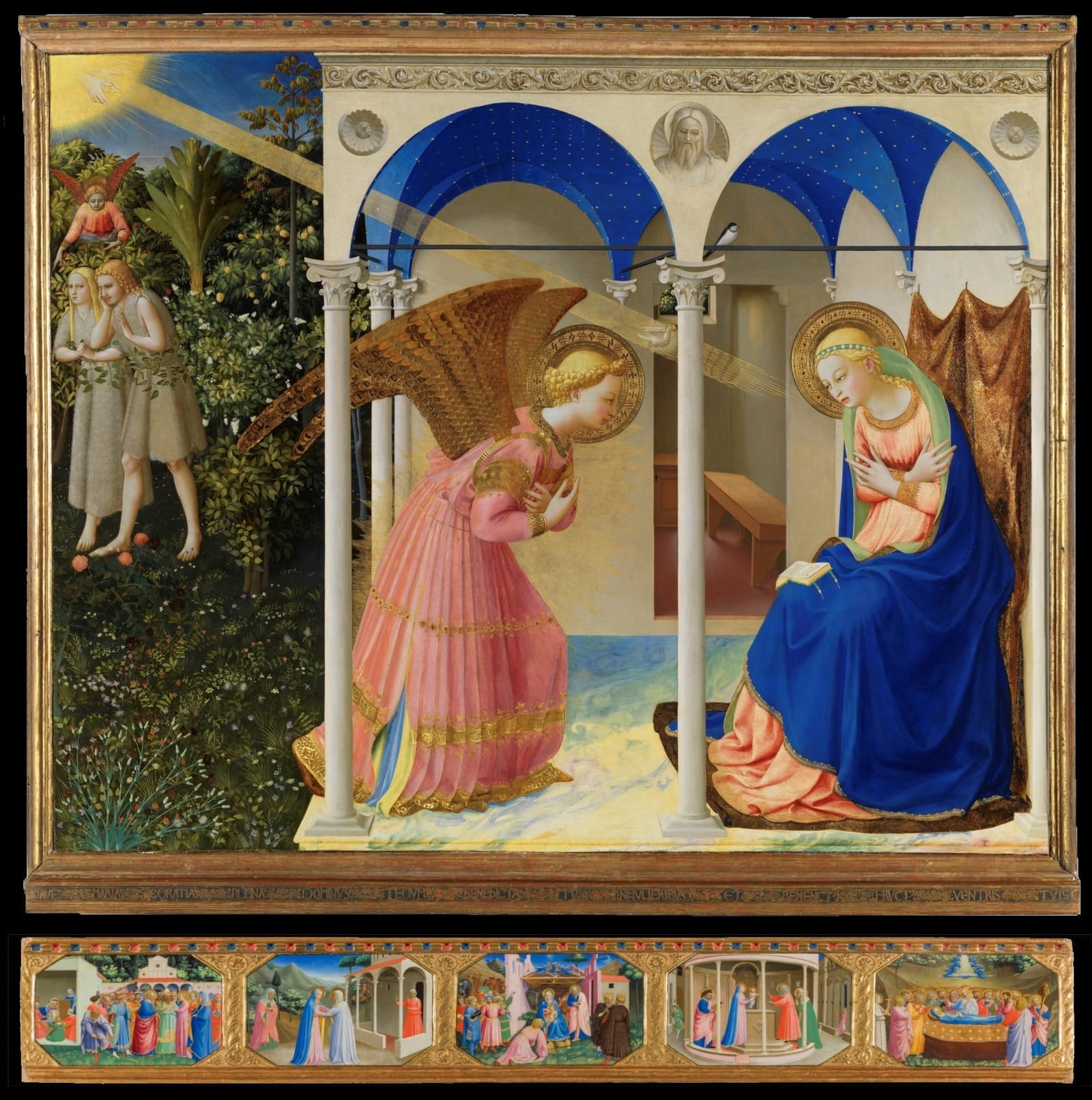
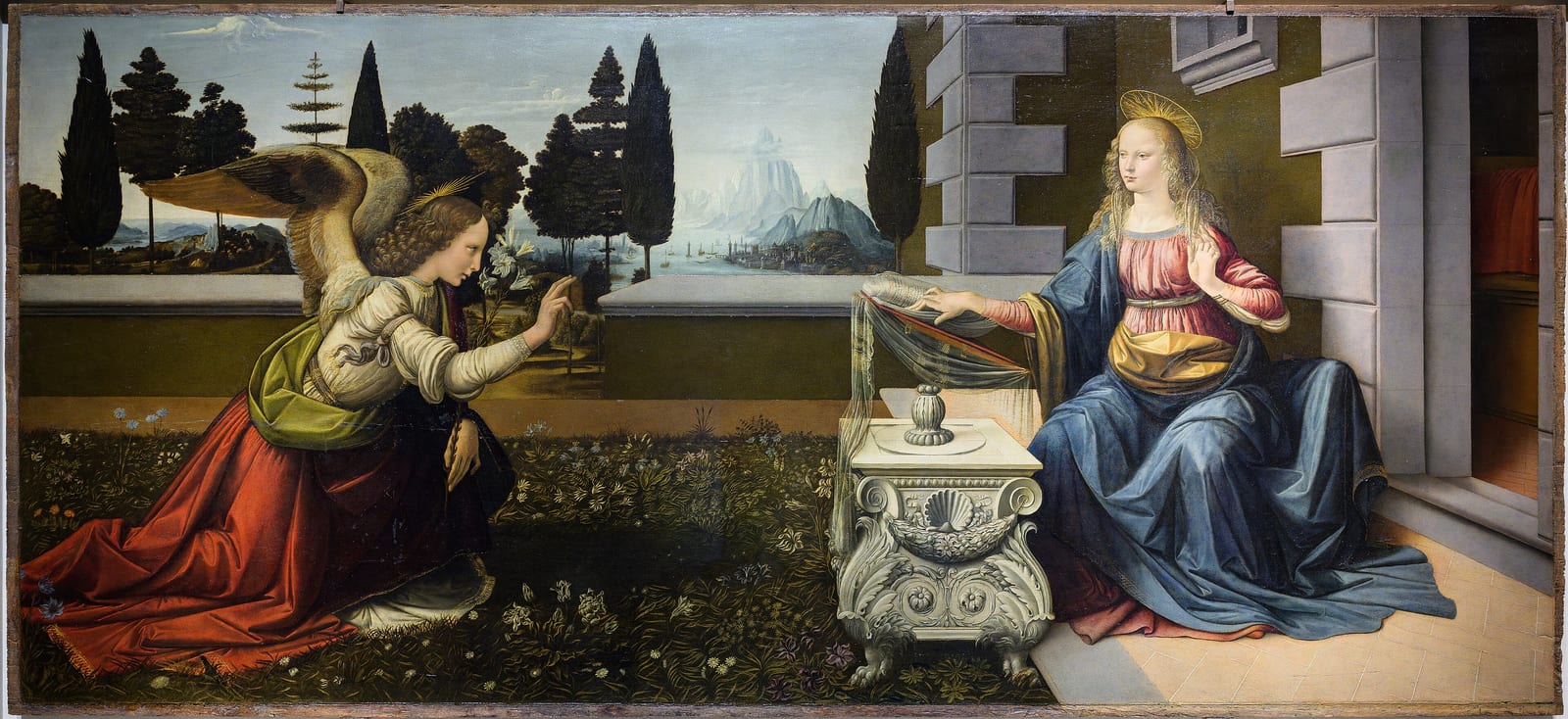
Born of a virgin

Isaiah gives the house of David the sign that a virgin will conceive and bear a son; Matthew and Luke record Jesus' virginal conception by the Holy Spirit.

Hebrew almah means a young woman of marriageable age; the pre-Christian Septuagint chose parthenos ('virgin'), which Matthew quotes. Jeremiah 31:22 ('a woman shall compass a man') and Ezekiel 44:2 (the shut gate) are patristic readings (Jerome, Augustine, Ambrose), not predictions in the strict sense; Irenaeus also read Daniel 2:34 ('a stone cut without hands') of the virgin birth.

Emmanuel: God with us

The virgin's son is named Emmanuel, and Isaiah calls Judah 'thy land, O Emmanuel'; Matthew reads the name fulfilled in Jesus, in whom God dwells among his people.

Matthew's Gospel opens with 'God with us' (1:23) and closes with 'I am with you all days' (28:20). Leviticus 26:12 is referred to the latter, messianic days in Yalkut 62.

'Until she that travaileth shall bring forth' — the Mother of the Messiah

Micah, just after naming Bethlehem, says Israel is given up until she who is in labour brings forth; the Virgin of Isaiah 7:14 brings forth her firstborn at Bethlehem.

Keil-Delitzsch, Poole, Barnes and the Pulpit Commentary identify 'she which travaileth' with the mother of the Messiah of Isaiah 7:14; others read Zion in travail. Isaiah 66:7 (birth before pain) is applied to Mary only by Catholic interpreters and is contested.

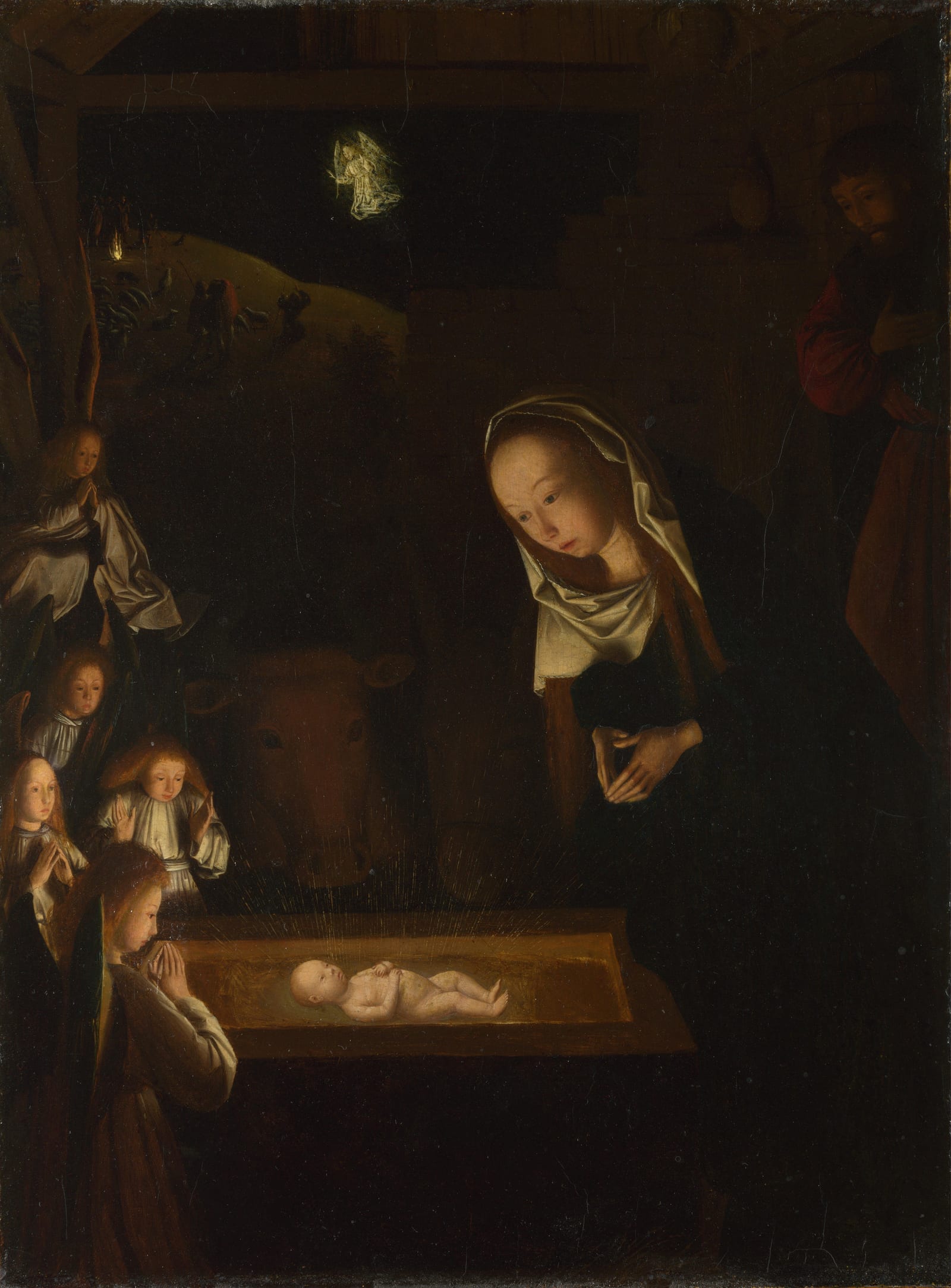
Born in Bethlehem Ephrata

Micah names little Bethlehem Ephrata, David's town, as the birthplace of the ruler of Israel; Jesus is born there, and the chief priests cite the verse to Herod.

Micah 5:2 (5:1 in the Hebrew numbering) is read messianically in the Targum and Pirqe de-Rabbi Eliezer 3, and John 7:42 attests the first-century expectation. Some critics hold the Bethlehem birth narratives were shaped to fit the prophecy; Catholic tradition and both infancy narratives affirm it.

The tower of the flock: shepherds near Bethlehem

Micah promises that dominion will come to Migdal Eder, the 'tower of the flock' where Jacob camped beyond Bethlehem; the Messiah's birth is first announced to shepherds keeping flocks in those fields.

Targum Pseudo-Jonathan on Genesis 35:21 calls the tower of Eder 'the place where King Messiah will be revealed at the end of days'; Edersheim drew the connection with the Bethlehem shepherds (Mishnah Shekalim 7:4 places Temple flocks there). An inference from rabbinic tradition rather than an explicit prediction.

The ox and the ass know their master's crib

Isaiah's reproach that the ox knows its owner and the ass its master's crib was read by the Fathers of the manger at Bethlehem, where beasts acknowledged the Lord whom Israel's rulers ignored.

A patristic and liturgical accommodation (Origen, Gregory of Nazianzus; the Septuagint of Habakkuk 3:2 'between two living creatures' was also invoked) that gave the Nativity scene its ox and ass. Isaiah 1:3 is not predictive in its own context; Benedict XVI discusses the tradition in 'The Infancy Narratives'.

Born King of the Jews

The prophets foretell a king set by God upon Zion, reigning in justice; the Magi ask for 'him that is born king of the Jews', and Jesus affirms his kingship before Pilate.

Psalm 2:6 is applied to the Messiah dwelling in Zion in the Midrash on 1 Samuel 16:1; the Jerusalem Targum reads 'King' in Numbers 24:7 of the Messiah.

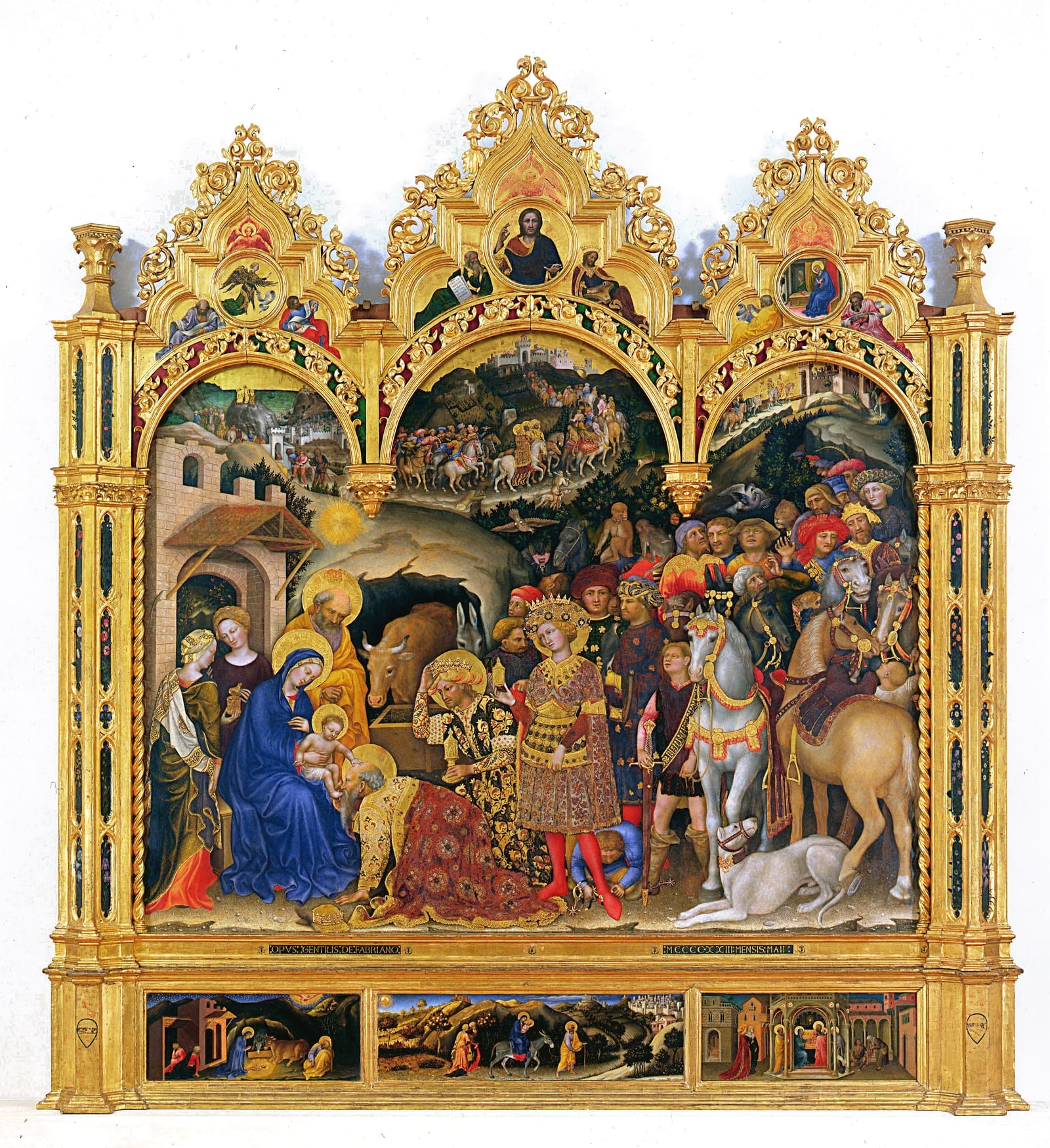
Kings of the East bring gold and frankincense

The psalmist and Isaiah foresee kings of Sheba and the nations offering gold and incense to Israel's king; the Magi open their treasures of gold, frankincense and myrrh before the Child.

Matthew calls the visitors Magi, not kings; the Church's Epiphany liturgy applies Psalm 72:10 and Isaiah 60:6 to them, which is the source of the 'three kings' tradition (Catholic Encyclopedia, 'Magi'). Psalm 72 is regarded as messianic throughout in the Targum; Bereshit Rabbah reads 72:10 of gifts brought to King Messiah.

A light to the Gentiles and the glory of Israel

The Servant is given as a light to the nations and the Gentiles come to his rising; Simeon hails the infant as 'a light to the revelation of the Gentiles', and the Magi are the first of those nations.

Isaiah 11:10 ('Gentiles shall seek him') is messianic in Bereshit Rabbah 99; Isaiah 60:1-3 is extensively applied to the Messiah's light in the Yalkut. The Vulgate of Genesis 49:10 reads 'the expectation of nations'.

The kings of the earth rise up against the Lord's Anointed

Psalm 2 opens with rulers conspiring against the Lord and his Christ; Herod, troubled at the Magi's news, seeks the Child's life, and the apostles read the psalm of the powers arrayed against Jesus.

Acts 4:25-27 applies Psalm 2:1-2 explicitly to Herod Antipas and Pilate at the Passion; the application to Herod the Great's plot at the Nativity is a traditional extension. Psalm 2:2 is applied to the Messiah in Abodah Zarah and the Midrash on Psalms.

Out of Egypt I called my son

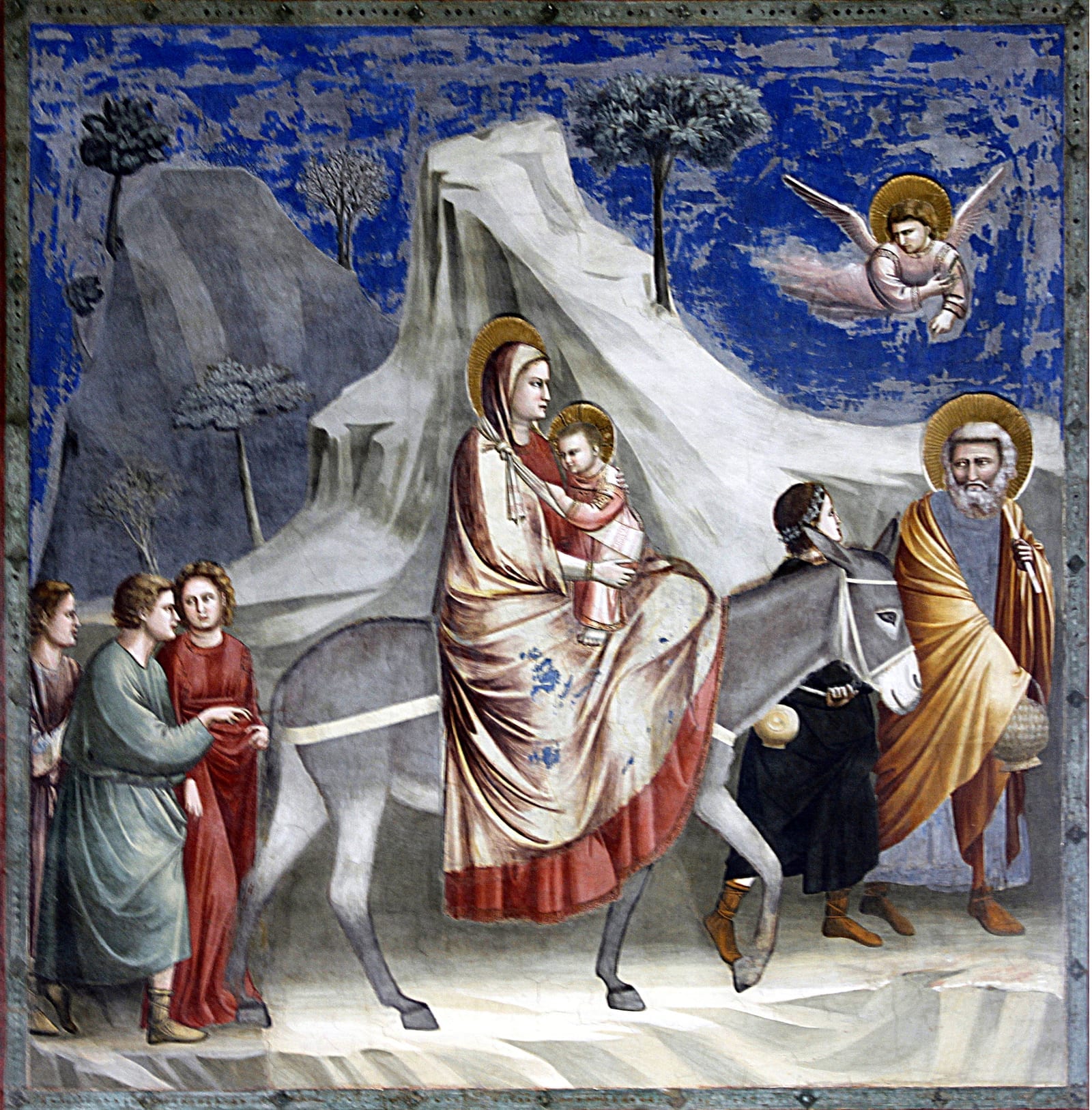
Hosea recalls that God called his son Israel out of Egypt; Matthew sees the words fulfilled when the Holy Family returns from Egypt with the Child, Israel's story relived in Israel's Messiah.

Hosea 11:1 is retrospective in context (the Exodus); Matthew reads it typologically, Christ recapitulating Israel. Exodus 4:22 ('Israel is my son, my firstborn') is referred to the Messiah in the Midrash on Psalm 2:7. Jerome and later Catholic writers (Salmeron) applied Isaiah 19:1, the Lord entering Egypt and its idols falling, to the flight into Egypt; Protestant commentators reject that application.

Rachel weeping for her children

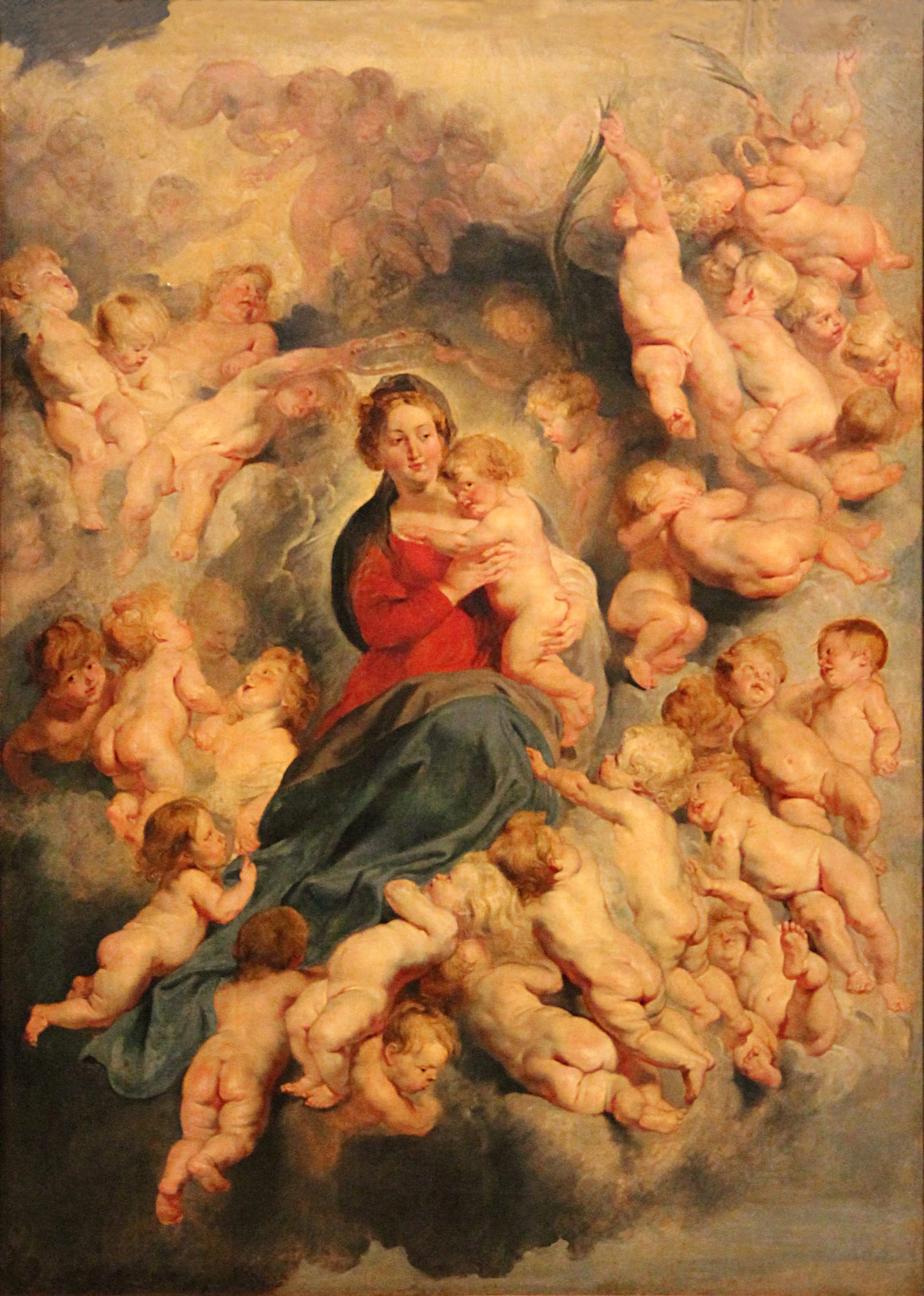
Jeremiah hears Rachel weeping in Ramah for her lost children; Matthew hears her again when Herod slaughters the infants of Bethlehem, the town beside Rachel's tomb.

In Jeremiah the weeping is for the exiles of 587 BC gathered at Ramah, and the oracle continues with hope (31:16-17). Genesis 35:19 and 48:7 place Rachel's tomb 'in the way to Ephrata, which is Bethlehem', the geographic hinge of Matthew's application.

He shall be called a Nazarene

Matthew says the prophets foretold the Messiah would be called a Nazarene; the Holy Family settles in Nazareth, and Jesus is known by that despised town's name.

No Old Testament verse contains the words; Matthew says 'spoken by the prophets' (plural). Most commentators (Jerome onward) see a play on netzer, 'branch', in Isaiah 11:1; others the theme of contempt (Isaiah 53:3; cf. John 1:46); the Nazirite reading of Judges 13:5 is generally rejected on spelling and sense.

The child grows in wisdom and the fear of the Lord

Isaiah says the Emmanuel child will eat curds and honey and learn to refuse evil and choose good, and that the Spirit of wisdom and fear of the Lord will rest on Jesse's shoot; Luke records that Jesus advanced in wisdom, age and grace.

Isaiah 7:15-16 belongs to the sign given to Ahaz and is usually read of the child's ordinary upbringing; the Talmud (Sanhedrin 93b) reads Isaiah 11:2-3 of the Messiah's discernment, the test at which Bar Kokhba failed.

The Lord comes suddenly to his temple

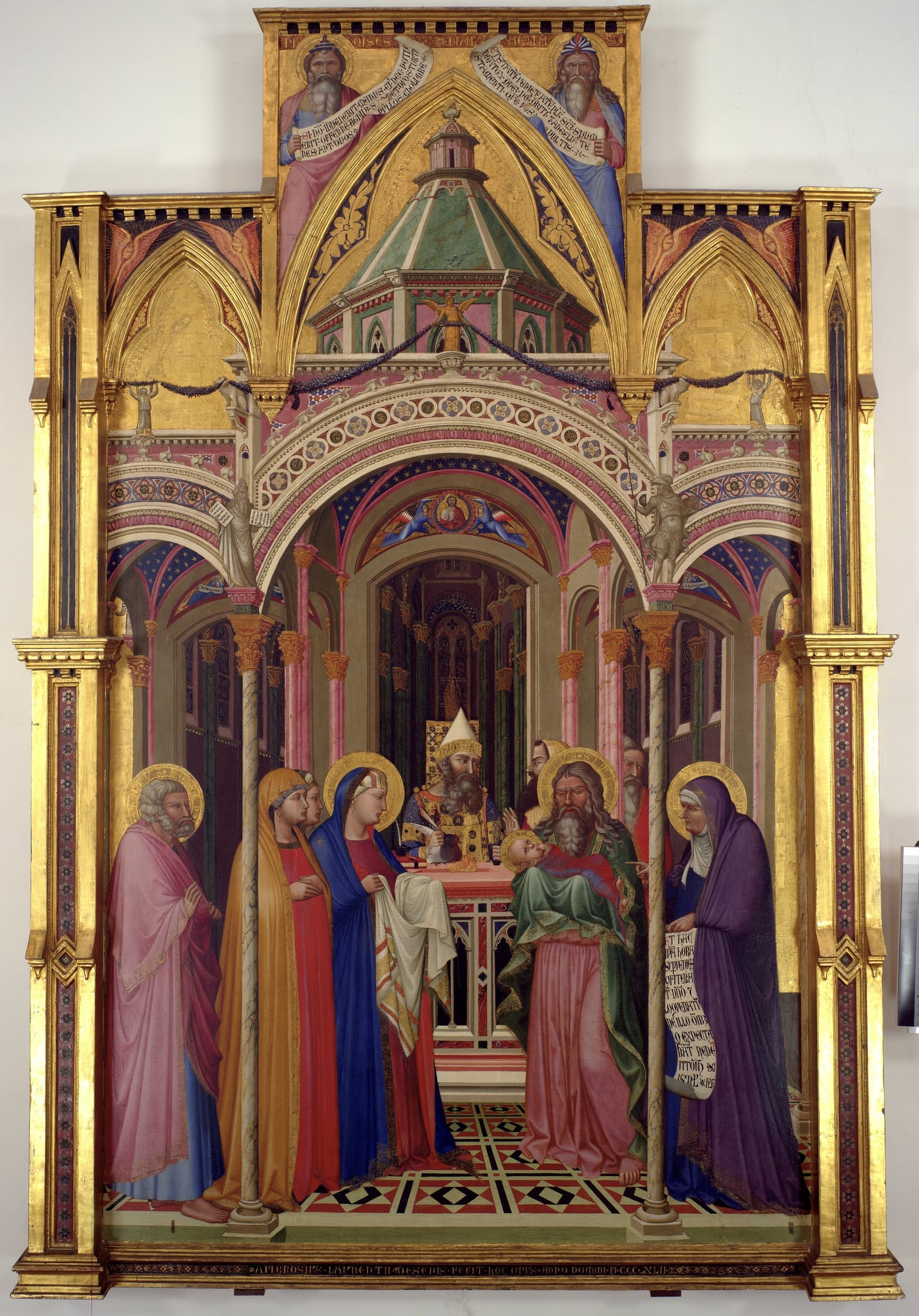
Malachi foretells that the Lord whom Israel seeks will suddenly come to his temple; forty days after his birth Jesus is carried into the Temple and recognized by Simeon and Anna.

Malachi 3:1 also foretells the messenger before his face (John the Baptist, Matthew 11:10). The Church reads the Presentation (Candlemas) as the first literal fulfillment, the cleansing of the Temple and the return of the glory (Ezekiel 43) as its fuller sense. Pirqe de-Rabbi Eliezer 29 reads the messenger as Elijah.

The consolation and redemption of Israel

Isaiah promises that God will comfort his people and redeem Jerusalem; Simeon waits for 'the consolation of Israel' and Anna speaks of the Child to all who look for the redemption of Jerusalem.

'Menachem' (Comforter) is a rabbinic name of the Messiah derived from Isaiah 49:13 (Midrash on Proverbs 19:21); the Goel (Redeemer) of Isaiah 59:20 is identified with the Messiah in Sanhedrin 98a.

The glory of the latter house greater than the former

Haggai promises that the Desired of all nations will come and fill the rebuilt Temple with a glory surpassing Solomon's; the Messiah entered that second Temple before its destruction in AD 70.

'The Desired of all nations' is the Vulgate; the Hebrew reads 'the desirable things [treasures] of all nations shall come'. Traditional apologetics treat this with Malachi 3:1 as a timing prophecy: the Lord must come while the second Temple stands. Haggai 2:6 is applied to the coming redemption in Debarim Rabbah 1.

Daniel's seventy weeks: the time of the Messiah

Gabriel tells Daniel that seventy weeks of years run from the decree to rebuild Jerusalem until Messiah the prince, who is then cut off; the Gospels date Jesus' coming to a time of heightened messianic expectation under Rome.

Christian chronologies reckon 69 weeks (483 years) from Artaxerxes' decree (457 or 445 BC) to the public ministry or Passion of Jesus. Most critical scholars read the chapter of the Maccabean crisis, the 'anointed one cut off' being the high priest Onias III (171 BC); the rabbis (Nazir 32b) referred Daniel 9:24 to the destruction of the second Temple.

A kingdom set up in the days of the fourth empire

Daniel sees a stone cut without hands strike the statue's iron-and-clay feet and become a mountain, a kingdom God raises 'in the days of those kings'; Jesus is born under Caesar Augustus and proclaims the kingdom of God at hand.

The traditional Christian sequence is Babylon, Medo-Persia, Greece, Rome; critical scholars read Media and Persia separately, ending with the Seleucids. Daniel 2:35 is referred to the Messiah's kingdom in Bemidbar Rabbah 13; Irenaeus read the stone 'cut without hands' of the virgin birth.

From the fallen tent of David: born in lowliness

The prophets foresee the Messiah springing from a felled stump, a tender shoot in dry ground, raising David's collapsed house; Jesus is born in a stable to a poor family that offers the sacrifice of the poor.

Amos 9:11 gives the Messiah the rabbinic name 'Bar Naphli', son of the fallen (Sanhedrin 96b); Ezekiel 17:22-23, the tender twig planted on a high mountain, is referred to the Messiah in the Targum. Luke 2:24 cites the offering permitted to the poor in Leviticus 12:8.

The almighty Word leapt down from heaven in the silence of night

The Book of Wisdom describes God's almighty Word leaping from his royal throne in the midst of the night's silence; the Church's Christmas liturgy applies it to the Incarnation, when the Word became flesh and was announced by night to shepherds.

In context Wisdom 18 describes the destroying Word at the Passover night in Egypt; the application to Bethlehem is liturgical (the Introit 'Dum medium silentium' of the Sunday within the Christmas octave) and patristic, a sensus plenior rather than a literal prediction.

'Afterwards he was seen upon earth and conversed with men'

Baruch says of God, who gave Wisdom to Jacob, that afterwards he was seen on earth and conversed with men; the Fathers read this of the Incarnation, and John testifies to what was seen and handled of the Word of life.

The Vulgate's masculine 'visus est' refers the sentence to God; the Greek and the NAB (3:37) read it of Wisdom personified ('she appeared on earth'), parallel to Sirach 24:8. Athanasius, Augustine and the Advent liturgy use the verse of Christ; cited here as a traditional, not a primary, prophecy.