Movement 3 of 4 · 54 prophecies

The Passion and the Death

The densest cluster in all prophecy: the friend who lifted his heel, the thirty pieces of silver, the shepherd struck, and Psalm 22 with Isaiah 53 — written centuries before crucifixion existed — read beside the Passion accounts they describe.

Betrayed by a familiar friend who ate his bread

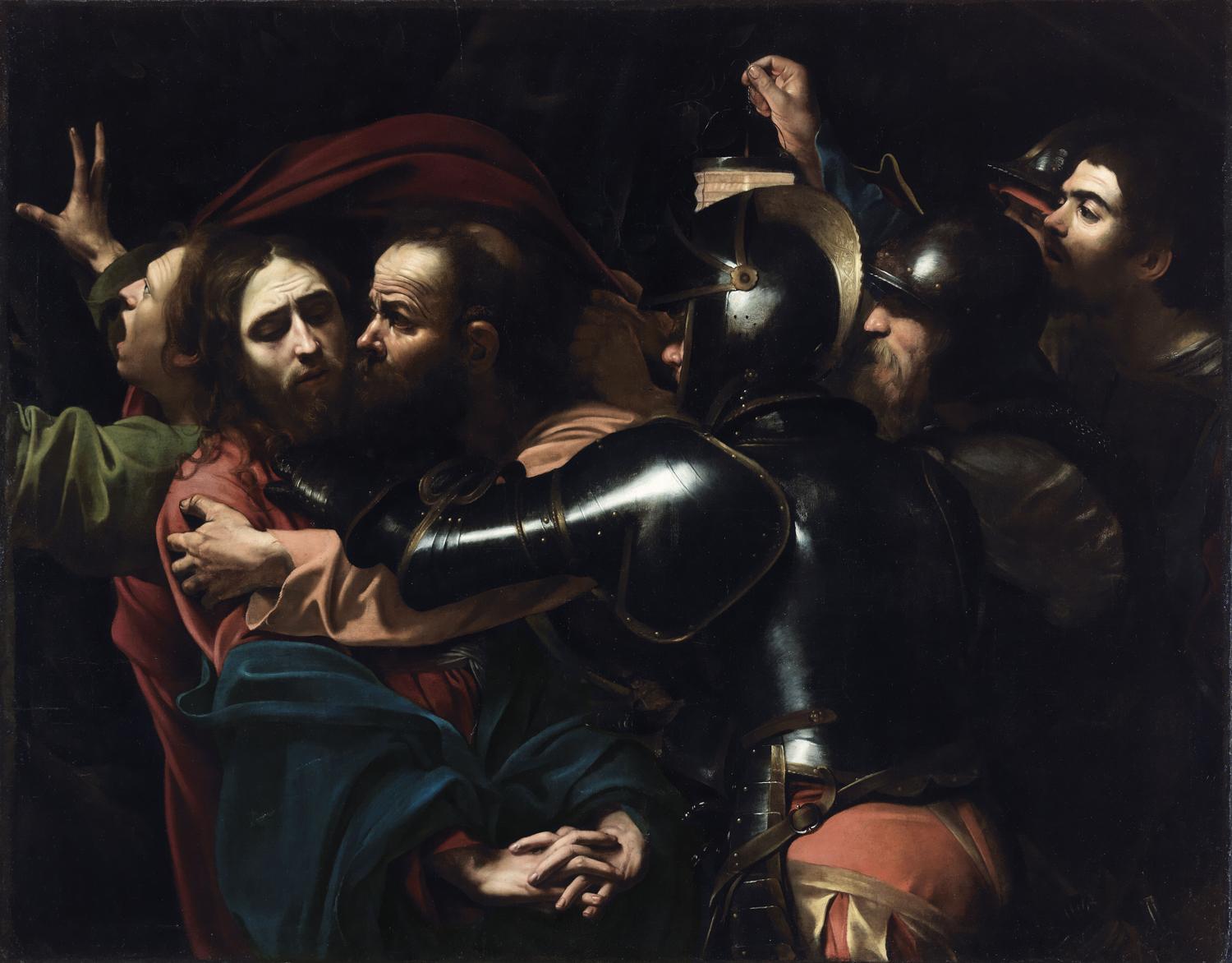
The psalmist's close companion who shared his bread lifts his heel against him; Judas, one of the Twelve, dips in the dish with Jesus and betrays him with a kiss.

Jesus himself cites Psalm 41:9 at the Last Supper (John 13:18). Psalm 55's 'man mine equal, my guide, and mine acquaintance' is applied to Judas by the Fathers.
Sold for thirty pieces of silver, cast to the potter

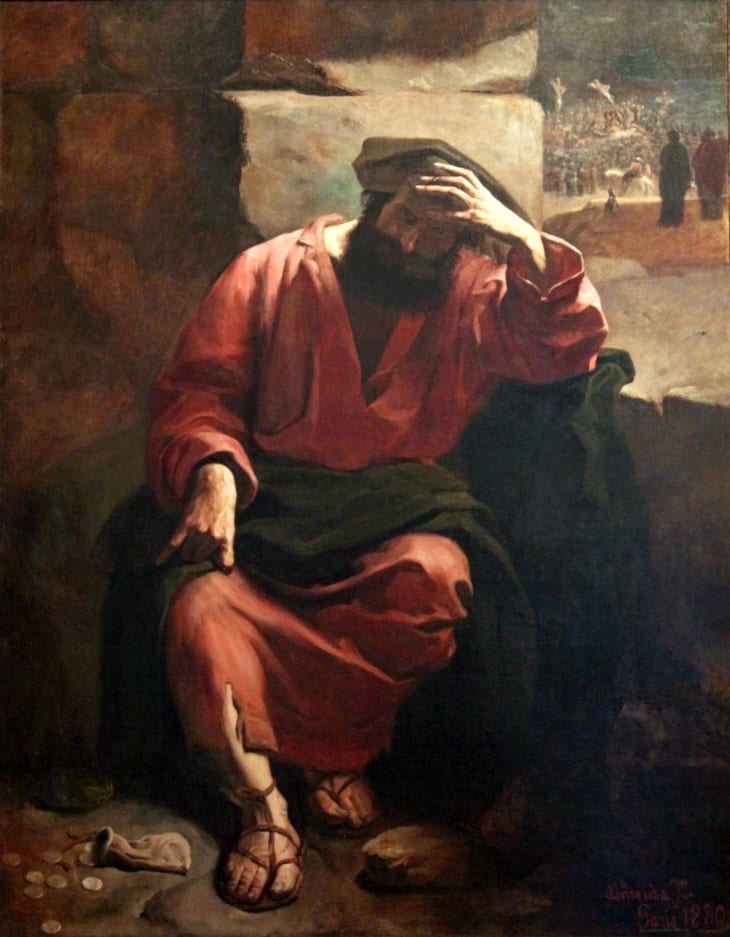
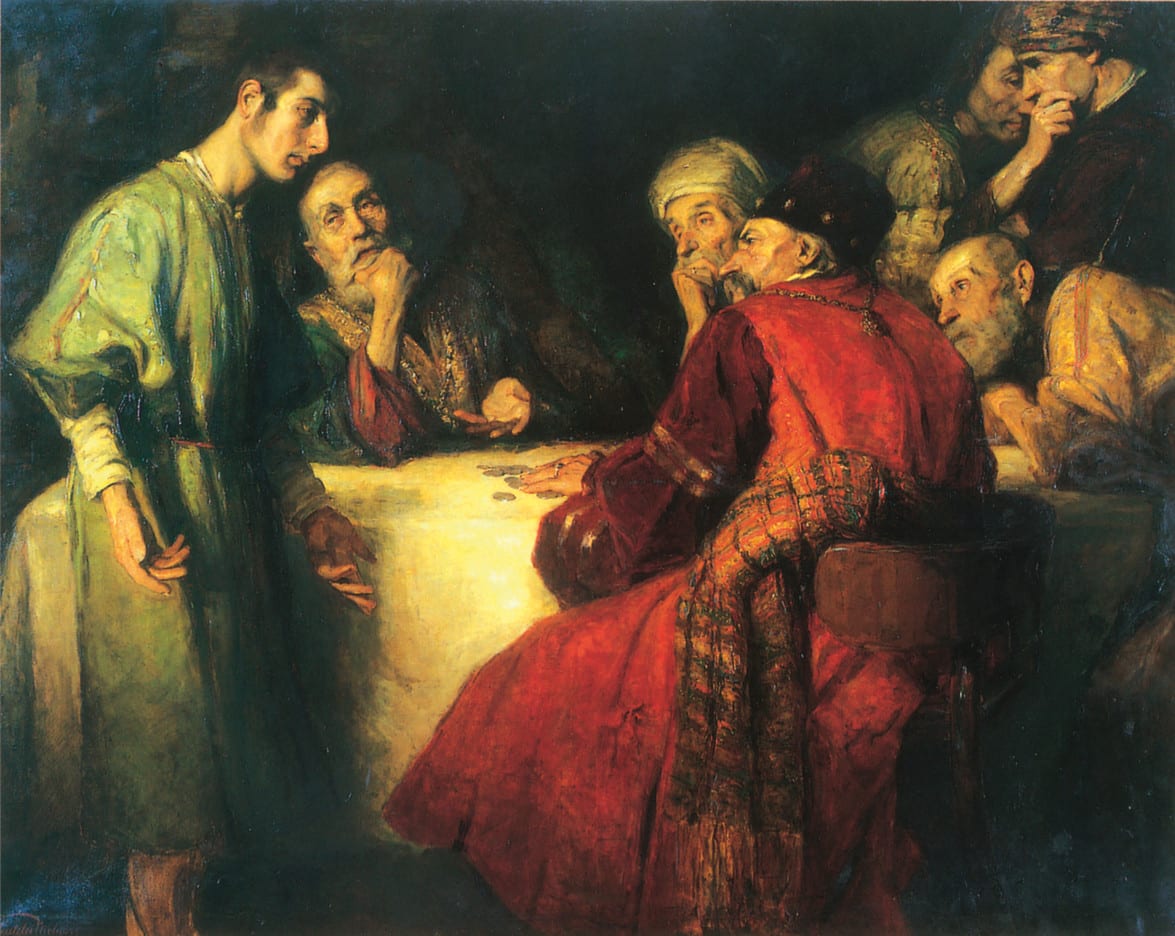
The rejected shepherd is valued at thirty shekels, which are thrown down in the house of the Lord for the potter; Judas is paid thirty silver pieces, flings them into the Temple, and the priests buy the potter's field.

Matthew attributes the oracle to 'Jeremiah' (27:9); commentators see a conflation with Jeremiah 18-19 and 32 (the potter and the purchased field).

Joseph sold for silver by his brothers (type)

Judah proposes selling his brother Joseph for pieces of silver; the Fathers read this as a type of Judas selling Christ for silver.

A typological, not a verbal, prophecy: twenty pieces in Genesis versus thirty in Zechariah/Matthew. Patristic and liturgical rather than apostolic.

Judas's desolate habitation and forfeited office

The psalms pray that the enemy's dwelling be left desolate and that another take his office; Peter applies both to Judas's death, the field of blood, and the election of Matthias.

Hated without a cause

The righteous sufferer is hated without cause by enemies more numerous than the hairs of his head; Jesus says this scripture is fulfilled in the world's hatred of him.

The just man put to the test and condemned to a shameful death

The wicked plot against the just man who calls himself God's son, resolving to test him with insult and torture and condemn him to a shameful death, saying God will deliver him if he is truly God's son; the mockery at the cross echoes it almost verbatim.

Deuterocanonical (Wisdom is in the Catholic canon). The parallel with Matthew 27:43 ('He trusted in God; let him deliver him... for he said, I am the Son of God') is among the closest verbal echoes in the Passion narratives.

His visage marred more than any man

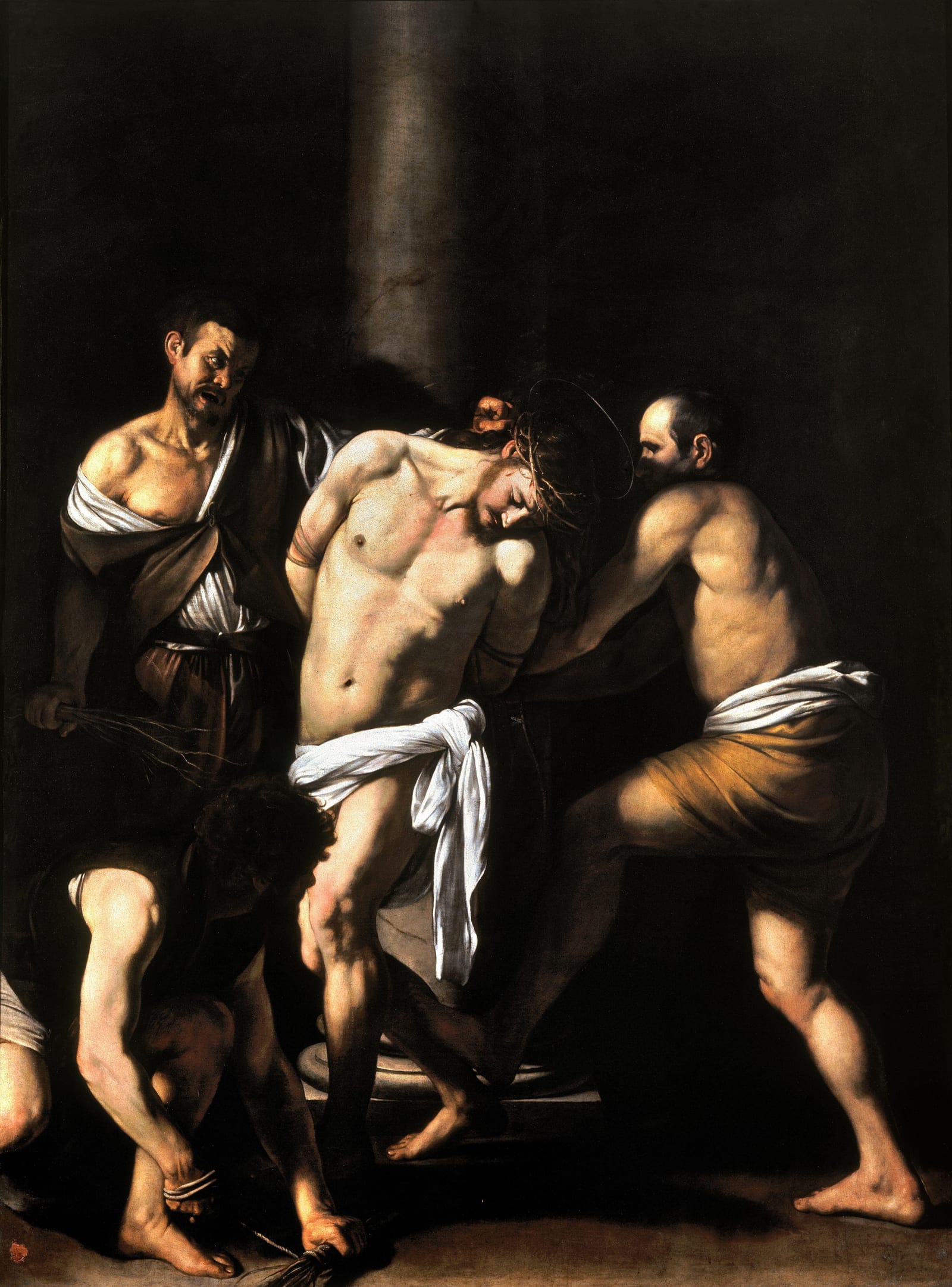
Many are appalled at the Servant, his face and form so disfigured beyond human semblance; after scourging and the crown of thorns Pilate presents the beaten Jesus with 'Behold the man'.

The crown of thorns (type of the curse of the ground)

Thorns are the sign of the earth's curse after Adam's sin; the soldiers crown Jesus with thorns, and the Fathers read him as bearing the curse on his own head.

A patristic type (Tertullian, Origen, Ambrose), not a verbal prediction; the Gospels themselves do not cite Genesis 3 here.

Isaac carries the wood of his own sacrifice (type)

Abraham's only beloved son carries the wood up the mountain to be offered, and is received back 'in a figure'; Jesus carries his cross to Golgotha, the Son whom the Father did not spare.

Romans 8:32 ('spared not his own Son') deliberately echoes Genesis 22:12, 16 ('hast not withheld thy son, thine only son').

The Suffering Servant of Isaiah 53 as a whole

The fourth Servant Song describes one despised, wounded for our transgressions, silent, cut off, buried with the rich, numbered with transgressors, and interceding for them; the New Testament applies the song to Jesus more than any other Old Testament text.

Rabbinic tradition (Targum Jonathan) reads the Servant as Messiah while transferring the sufferings elsewhere; Rashi's collective-Israel reading is medieval. Edersheim's Appendix IX records Isaiah 52:13-53:12 as messianically applied in ancient Jewish sources.

Like a lamb led to the slaughter

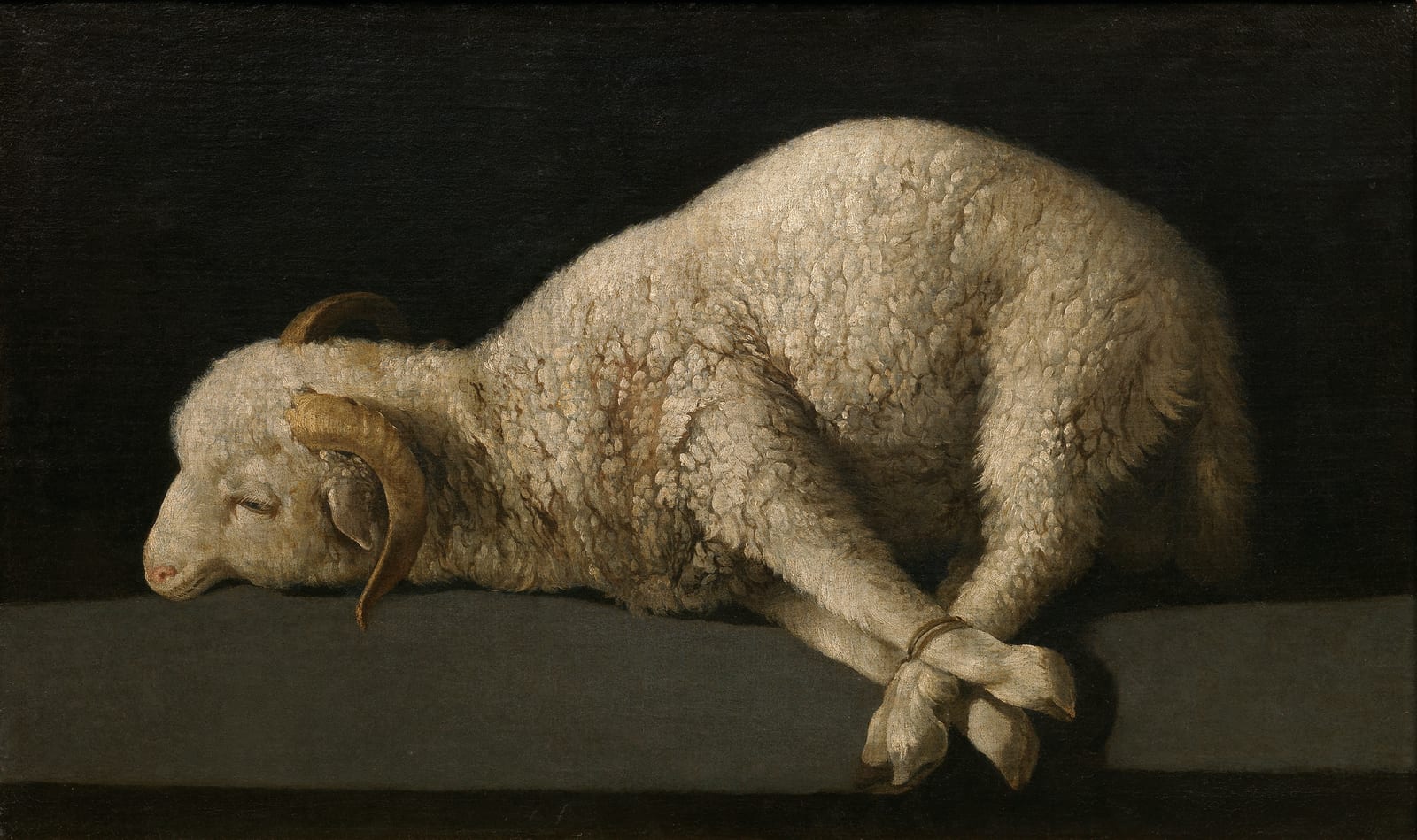
The Servant is brought as a lamb to the slaughter; Jeremiah, too, was 'like a lamb brought to the slaughter' while enemies plotted to 'destroy the tree with the fruit' and cut him off from the land of the living. John the Baptist hails Jesus as the Lamb of God.

The Vulgate of Jeremiah 11:19 reads 'mittamus lignum in panem ejus' ('let us put wood upon his bread'), which Catholic tradition (Haydock, Tertullian) reads as a figure of the Cross and the Eucharist.

Slain at the hour of the Passover lambs

The lambs were to be killed on the fourteenth of Nisan 'between the evenings'; John places the condemnation on the Preparation of the Passover, so that Jesus dies as the paschal lambs are slaughtered.

The Synoptics present the Last Supper as a Passover meal while John dates the crucifixion to the Preparation Day; harmonizations (different calendars, or John's theological framing) are debated.

The serpent bruises the heel of the woman's seed

The Protoevangelium foretells that the serpent will bruise the heel of the woman's seed even as his head is crushed; the Passion is the serpent's hour, and through death Christ destroys him who had the power of death.

Edersheim's Appendix IX records Genesis 3:15 as messianically applied in rabbinic sources.

He trod the winepress alone

One comes from Edom with garments stained red, having trodden the winepress alone with none of the people beside him; tradition reads the solitary, blood-soaked treader as Christ in his Passion, from the bloody sweat of Gethsemane (the 'oil-press') to the cross.

Isaiah 63 pictures a warrior treading enemies, so the Passion reading is typological (the liturgy of Holy Week and the Fathers); Revelation applies the image to Christ's judgment.

Messiah cut off, but not for himself

After the sixty-two weeks the Anointed One is to be cut off, with nothing for himself, and afterwards the city and sanctuary destroyed; Jesus dies in the first century and foretells Jerusalem's destruction, which followed in A.D. 70.

The Hebrew 'we'en lo' is rendered 'not for himself' (KJV, Douay) or 'shall have nothing' (RSV, NAB); the messianic reading of the seventy weeks is traditional but the chronology is variously computed.

Numbered with the transgressors

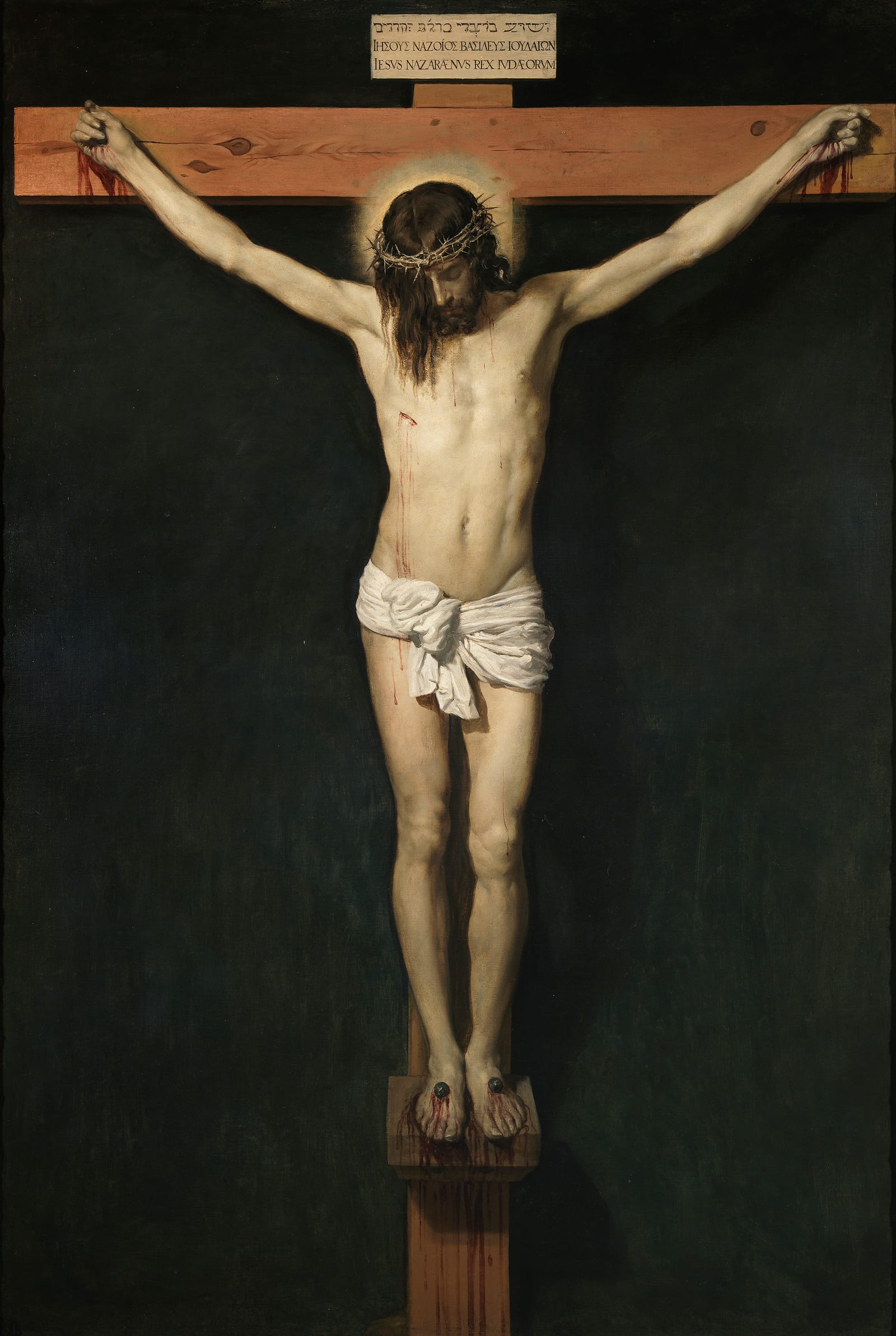
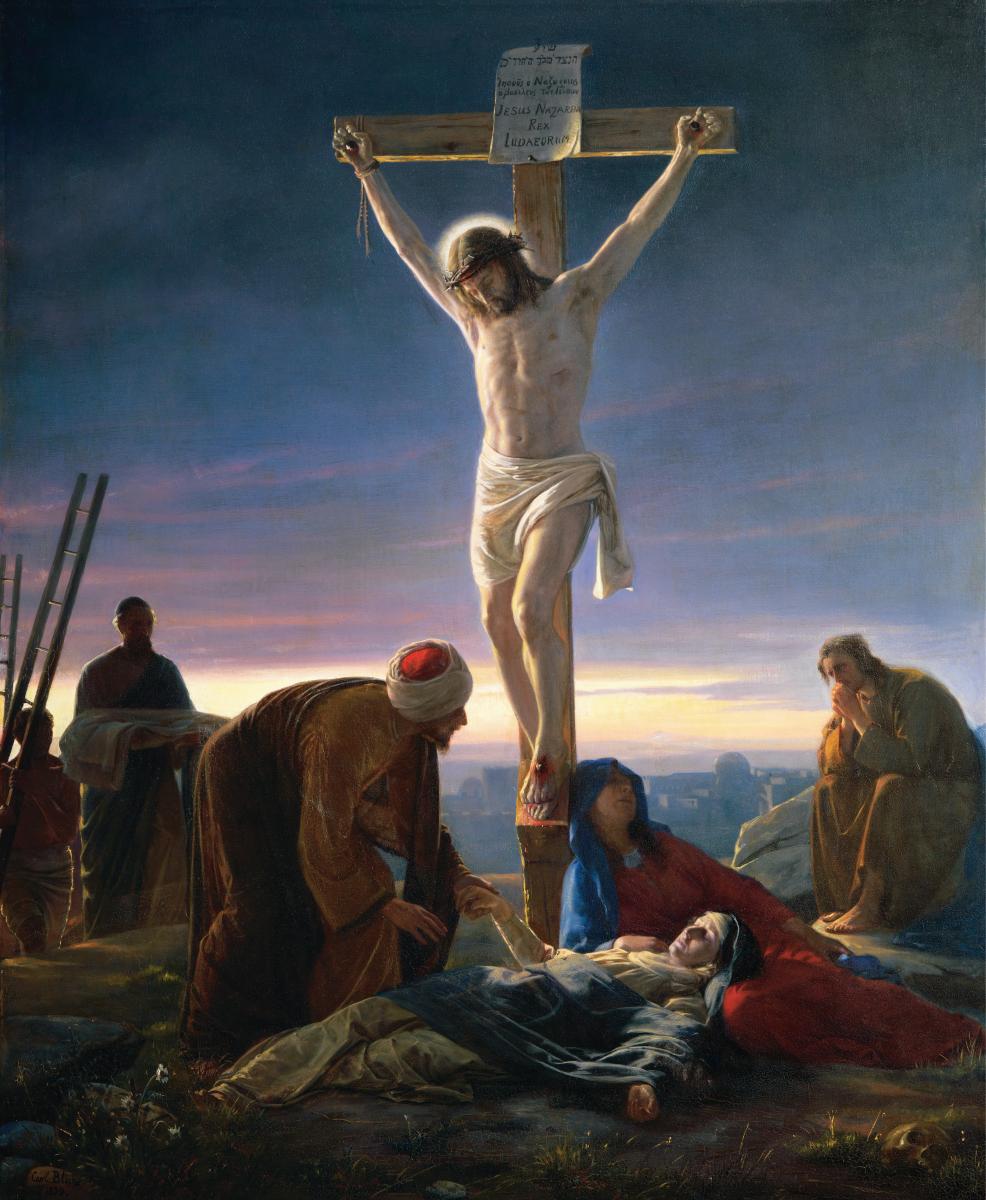
The Servant is numbered with the transgressors and makes his grave with the wicked; Jesus, who himself says 'this must be fulfilled in me', is crucified between two robbers.

Mark 15:28, which quotes Isaiah 53:12 explicitly, is absent from the oldest manuscripts; Luke 22:37 is undisputed.

They pierced my hands and my feet

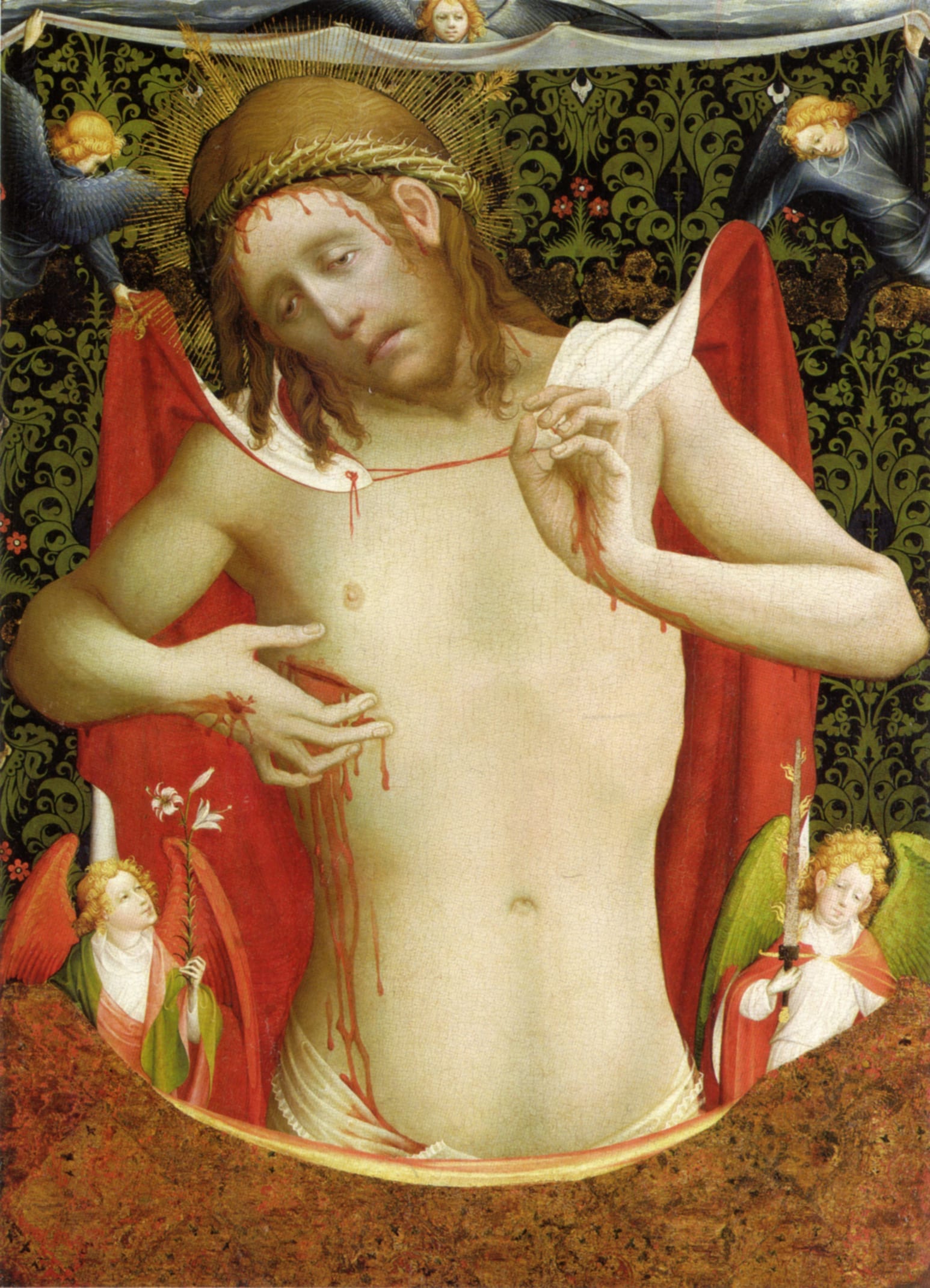
Dogs and an assembly of the wicked surround the sufferer and pierce his hands and feet; the risen Jesus shows the disciples the wounds in his hands and feet.

The Masoretic text reads ka'ari ('like a lion') where the Septuagint, Vulgate, Syriac, and a Nahal Hever scroll read a verb ('they dug/pierced', ka'aru); most translations follow the versions. Zechariah 13:6 in context concerns a false prophet, and its application to Christ (Haydock, older commentators) is an accommodation.

Mocked, derided, and heads wagged at him

Those who see him laugh him to scorn, shoot out the lip, shake the head, and say 'He trusted on the Lord; let him deliver him'; passers-by and rulers wag their heads and taunt the crucified Jesus in the same words.

Edersheim notes that the rabbinic Yalkut applies Psalm 22:7-8 to the Messiah 'in almost the same words in which the Evangelists describe the mocking'.

Bulls of Bashan: they gaped upon me with their mouths

Strong bulls beset the sufferer and gape on him like a ravening and roaring lion; the chief priests, scribes, and elders surround the cross with open-mouthed derision.

Poured out like water, bones out of joint, heart melted like wax

The psalmist is poured out like water, his bones out of joint, his heart melted like wax; the Servant pours out his soul unto death. Tradition reads here the physical agony of crucifixion and the blood and water from the pierced heart.

I may count all my bones; they look and stare upon me

Stretched so that his bones may be counted, he is stared at by onlookers; Jesus is stretched on the cross while the people stand beholding.

My strength dried up; my tongue cleaves to my jaws

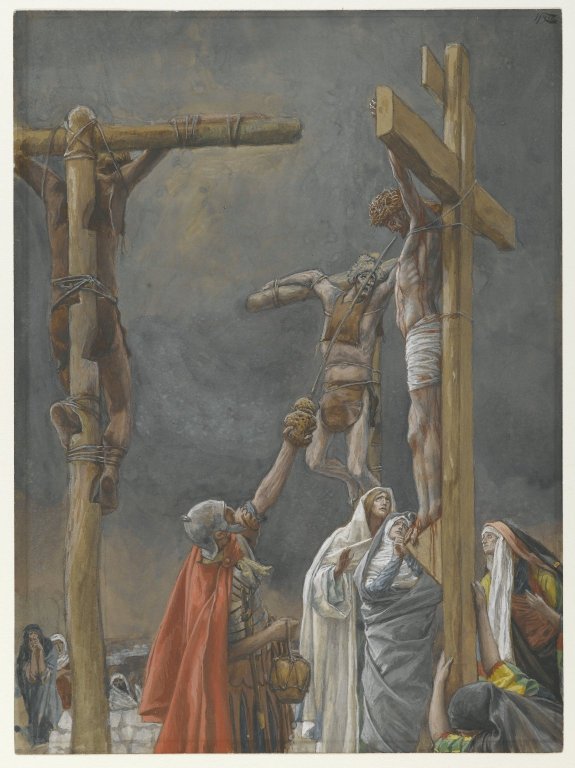
The sufferer's strength is dried like a potsherd and his tongue cleaves to his jaws in the dust of death; Jesus, knowing all is accomplished, says 'I thirst' so the scripture might be fulfilled.

The hyssop (type)

Hyssop applied the Passover lamb's blood to the doorposts and sprinkled the blood of cleansing; the sponge of vinegar is lifted to Jesus' lips on hyssop, which John alone records.

Typological: John's mention of hyssop is widely read as a deliberate Passover allusion.

'My God, my God, why hast thou forsaken me?'

The opening cry of Psalm 22, the psalm of the pierced and mocked sufferer, is uttered by Jesus from the cross in Aramaic.

By quoting the first verse Jesus invokes the whole psalm, which ends in vindication and the worship of the nations (Psalm 22:27-31).

'Into thy hands I commend my spirit'

The psalmist commits his spirit into the Lord's hand; Jesus dies with these words on his lips, and Stephen echoes them.

He made intercession for the transgressors

The Servant bears the sin of many and intercedes for the transgressors; 'for my love they are my adversaries, but I give myself unto prayer'. Jesus prays 'Father, forgive them' from the cross.

The earth quakes and the rocks are rent (type)

The prophets picture the earth shaking, mountains quaking, and rocks thrown down at the Lord's presence and wrath; at Jesus' death the earth quakes, rocks split, and tombs open, and the centurion confesses him Son of God.

Theophany imagery applied typologically; none of these texts is cited by the Evangelists.

They shall look on him whom they have pierced

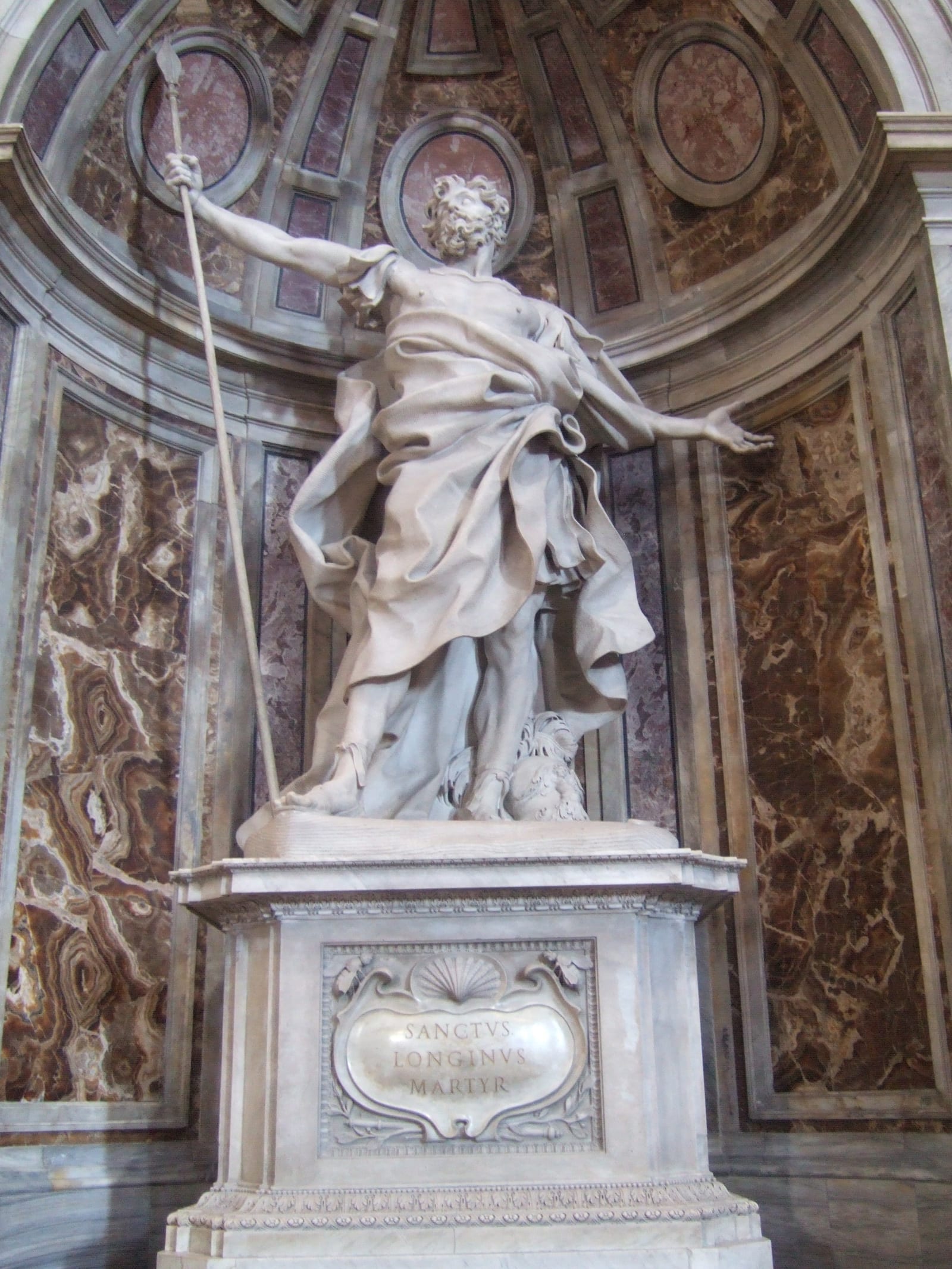
God will pour out a spirit of grace on Jerusalem and they will look on him whom they have pierced and mourn for him as for an only son; a soldier pierces Jesus' side and John says the scripture was thus fulfilled.

The Hebrew says 'look on me whom they have pierced'; the speaker is the Lord. Edersheim records a Talmudic application of the verse to Messiah ben Joseph slain.

Eve drawn from the side of the sleeping Adam (type)

God builds the woman from the side of Adam while he sleeps; the Fathers see the Church born from the side of the second Adam asleep in death on the cross, in the blood and water.

Patristic typology (Augustine, Chrysostom), echoed in the Catechism (CCC 766); not a verbal prophecy.