MIRACULOUS MIRACLES™

Apparitions of Our Lady

27 apparitions the Church has honoured, in 19 countries, across five centuries

The Mother of God has been seen — by a widower on a hill outside Mexico City, by shepherd children, by a housemaid dying in Berry, by a sacristan in the Nicaraguan mountains, by fifteen villagers on a wet Irish evening. This is every one of those visits the Church has judged credible: who saw her, what she said, and exactly what the Church has said about it. And, because a list of successes is an advertisement rather than a reference, the claims she has left open or set aside.

Where Scripture places her

Before Lourdes or Fátima, the Mother of God was seen in eleven places the New Testament names — Nazareth to Patmos. These are the first apparitions, and every later one is one of these scenes again. The places and their grades are the Gospels map’s own; the words are the Douay-Rheims.

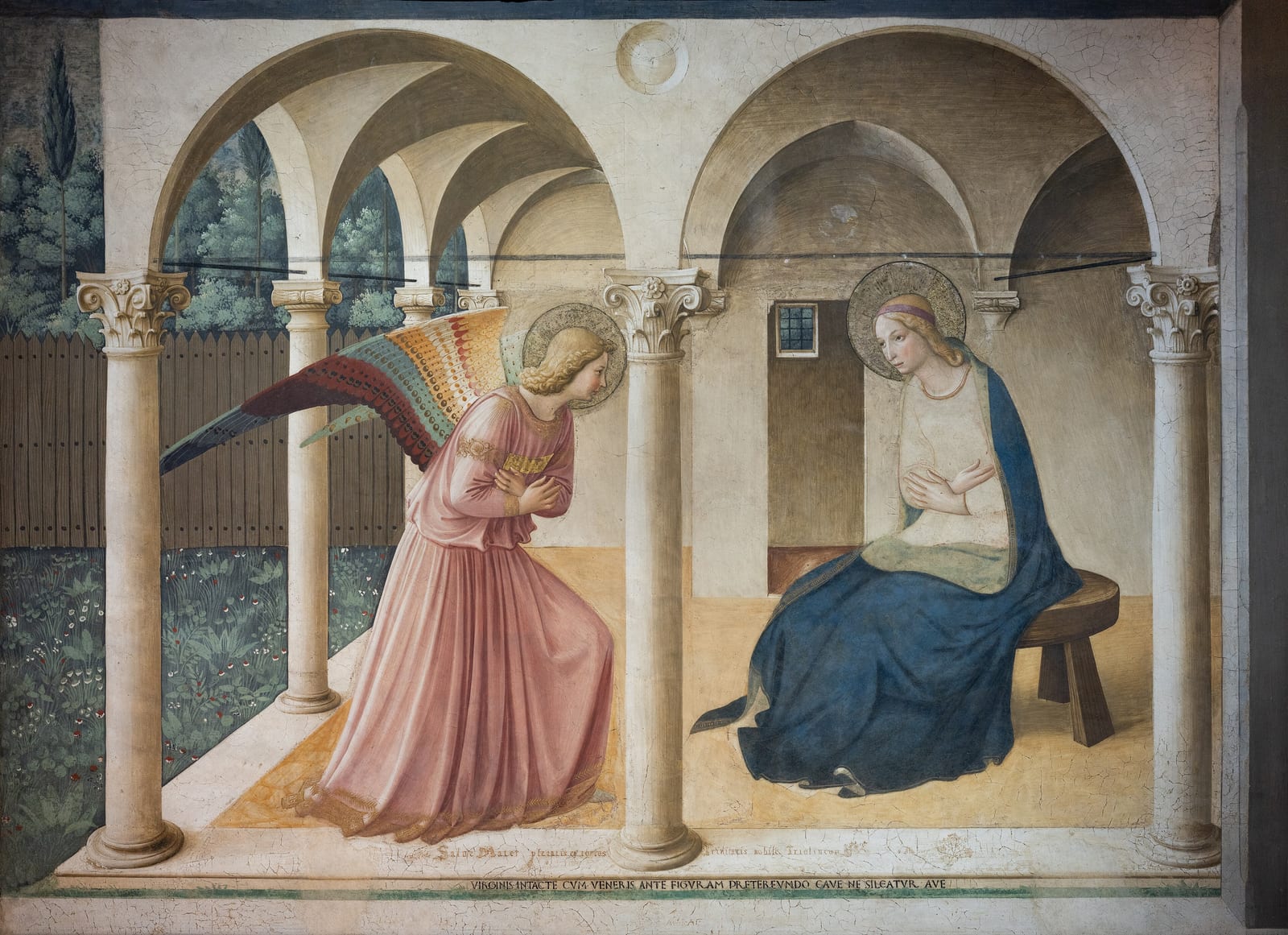
The Annunciation
1 · Luke 1:26–38

The Annunciation

Nazareth
Traditional site
Behold the handmaid of the Lord: be it done to me according to thy word.

What it founds: Her free consent, on which the Incarnation waits — and 'full of grace', the angel's greeting that became the first words of the Hail Mary. Everything the Church says of her begins in this room. (CCC 494)

Seen again: Lourdes, 25 March 1858 — the Annunciation's own feast — when the Lady finally gave her name: 'I am the Immaculate Conception.'
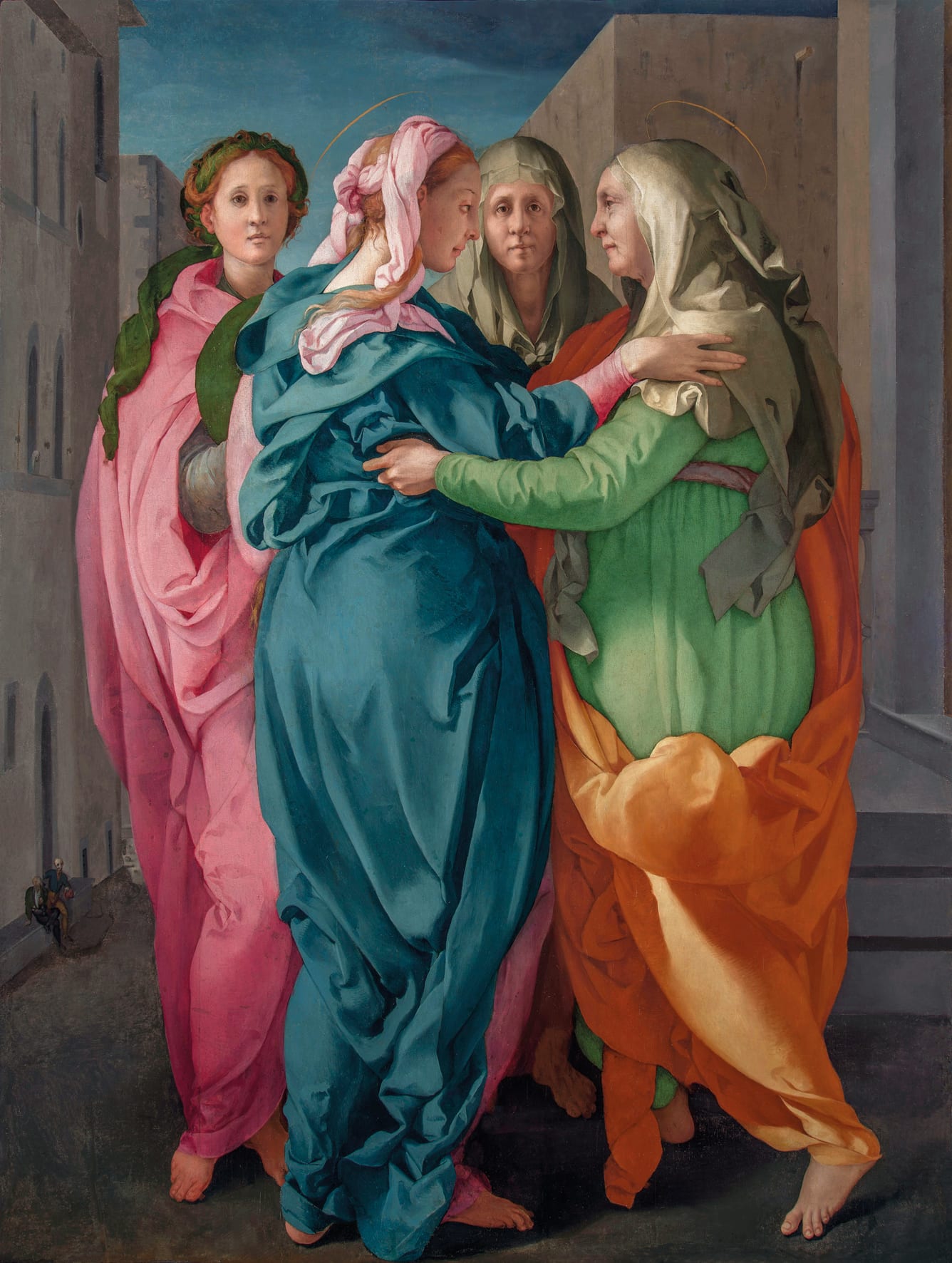
The Visitation
2 · Luke 1:39–56

The Visitation

Ein Karem (traditional)
Traditional site
Whence is this to me that the mother of my Lord should come to me?

What it founds: The first Marian title, spoken by Elizabeth four centuries before the Council of Ephesus made it a dogma: the mother of my Lord. And the Magnificat — the poor girl's song that the Church has sung every evening since. (CCC 495)

Seen again: Guadalupe: a mother who comes to the door of the poor. 'Am I not here, who am your Mother?'

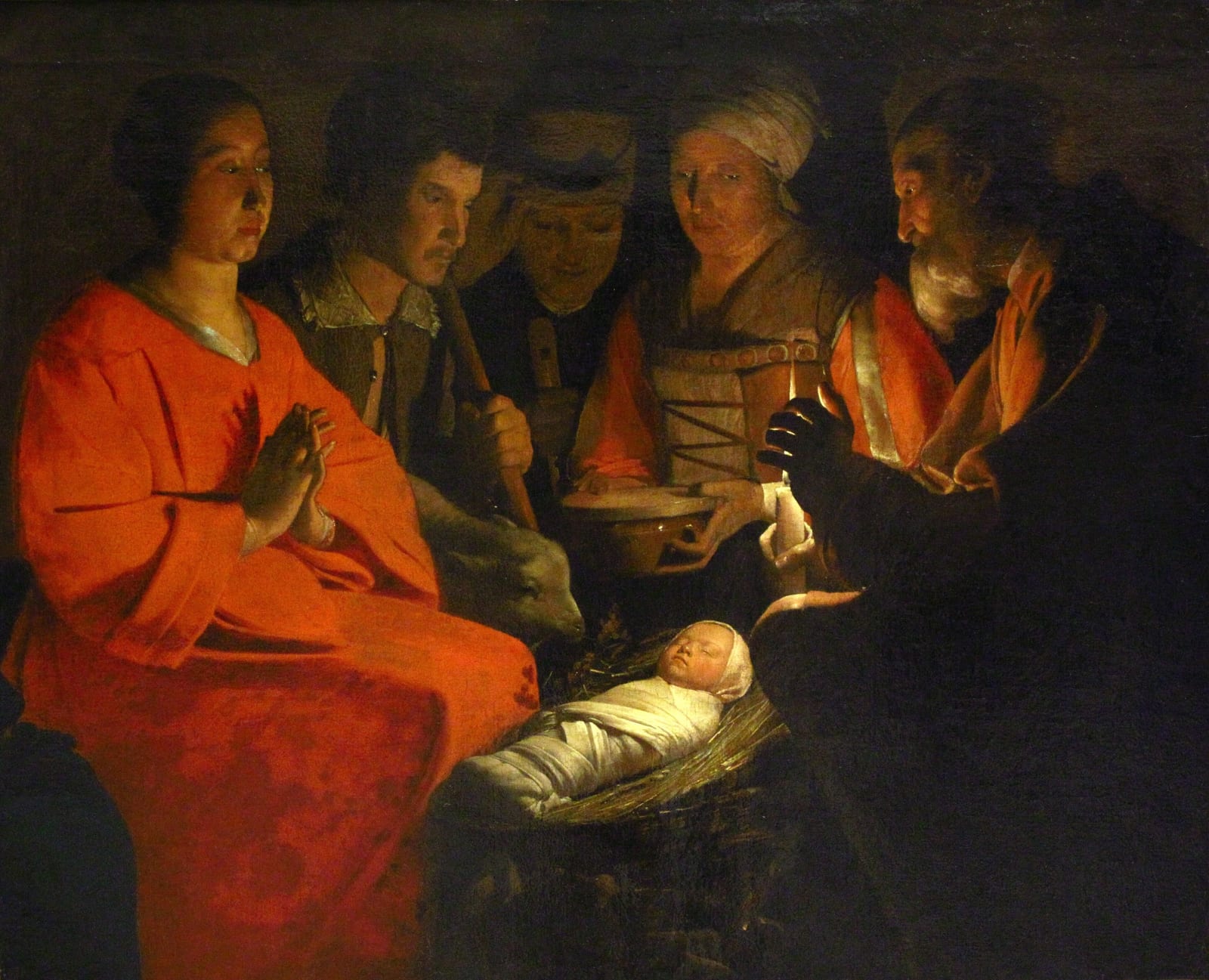
The Nativity
3 · Luke 2:1–20

The Nativity

Bethlehem
Traditional site
And she brought forth her first born son, and wrapped him up in swaddling clothes, and laid him in a manger: because there was no room for them in the inn.

What it founds: The Mother of God in a stable, and shepherds for her first visitors. She comes to the poor in every apparition because she was one.

Seen again: Fátima's three shepherd children; La Salette's cowherds; Laus's shepherdess. The shepherds of Bethlehem, again and again.

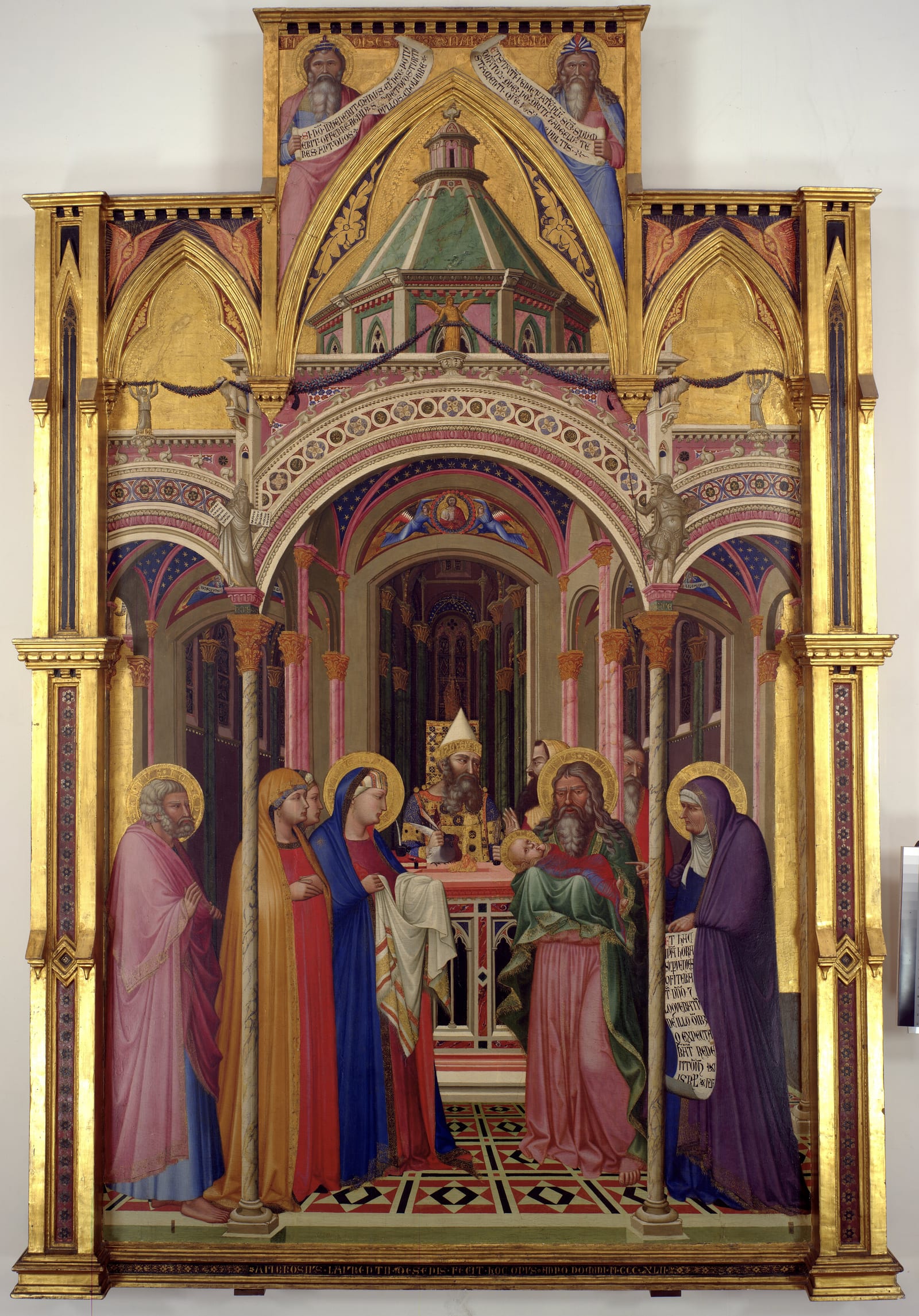
The Presentation in the Temple
4 · Luke 2:22–38

The Presentation in the Temple

The Temple, Jerusalem
Identified by archaeology
And thy own soul a sword shall pierce, that, out of many hearts thoughts may be revealed.

What it founds: The Sorrowful Mother: Simeon's sword is the pierced heart on the Miraculous Medal and the Seven Sorrows of the Rosary. Her share in the Cross is announced when the Child is forty days old. (CCC 529)

Seen again: La Salette's weeping Lady; Kibeho's Rosary of the Seven Sorrows; the sword through the Heart on the Medal of 1830.

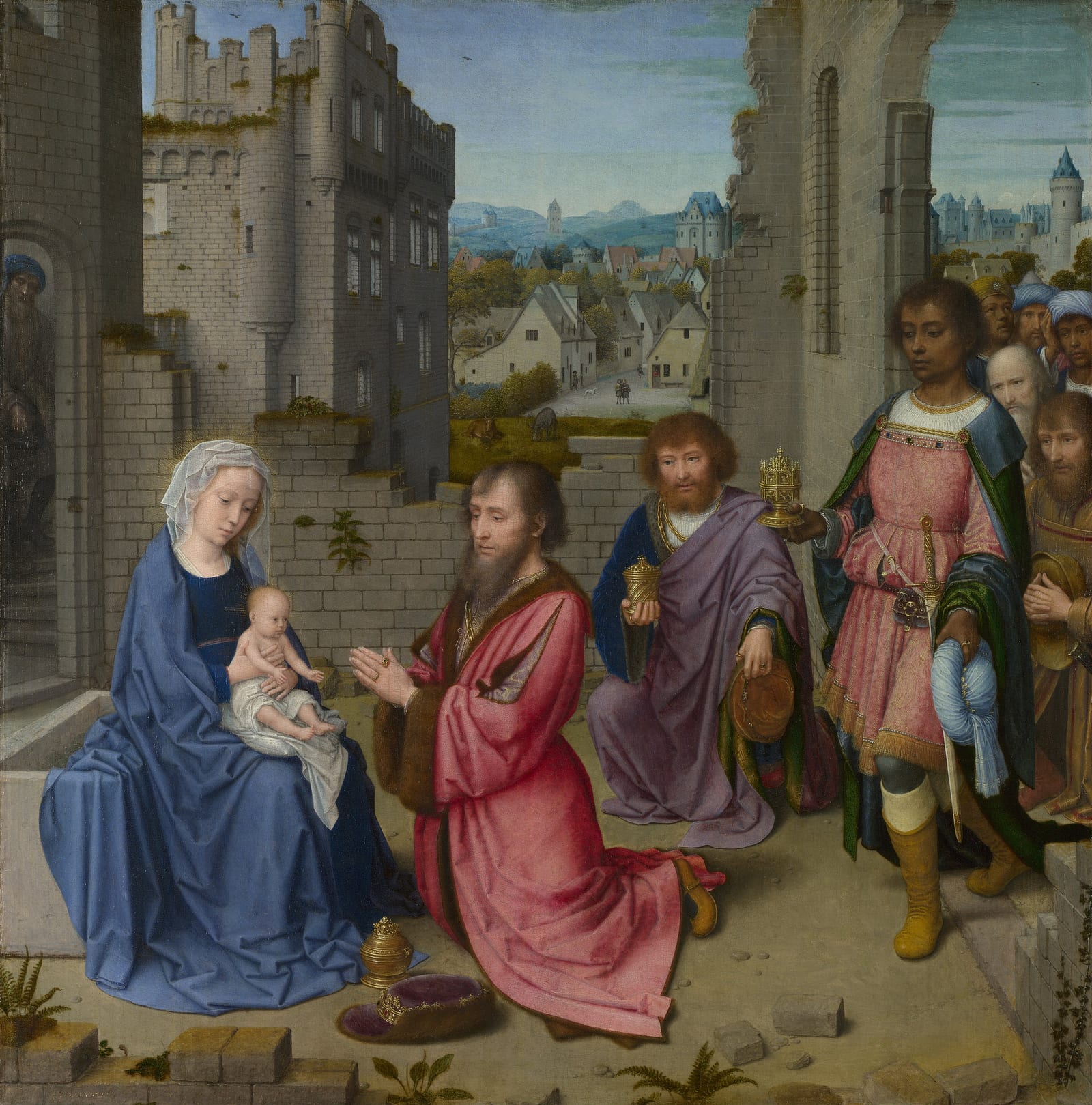
The Magi, and the Flight into Egypt
5 · Matthew 2:1–15

The Magi, and the Flight into Egypt

Bethlehem
Traditional site
And entering into the house, they found the child with Mary his mother, and falling down they adored him.

What it founds: The nations come to the Child and find him with his Mother — the shape of every pilgrimage shrine since. Then the road into Egypt: the Mother of God as a refugee.

Seen again: Zeitoun, 1968, over a church on the Holy Family's road into Egypt; Guadalupe, where a nation came to the Child through the Mother.

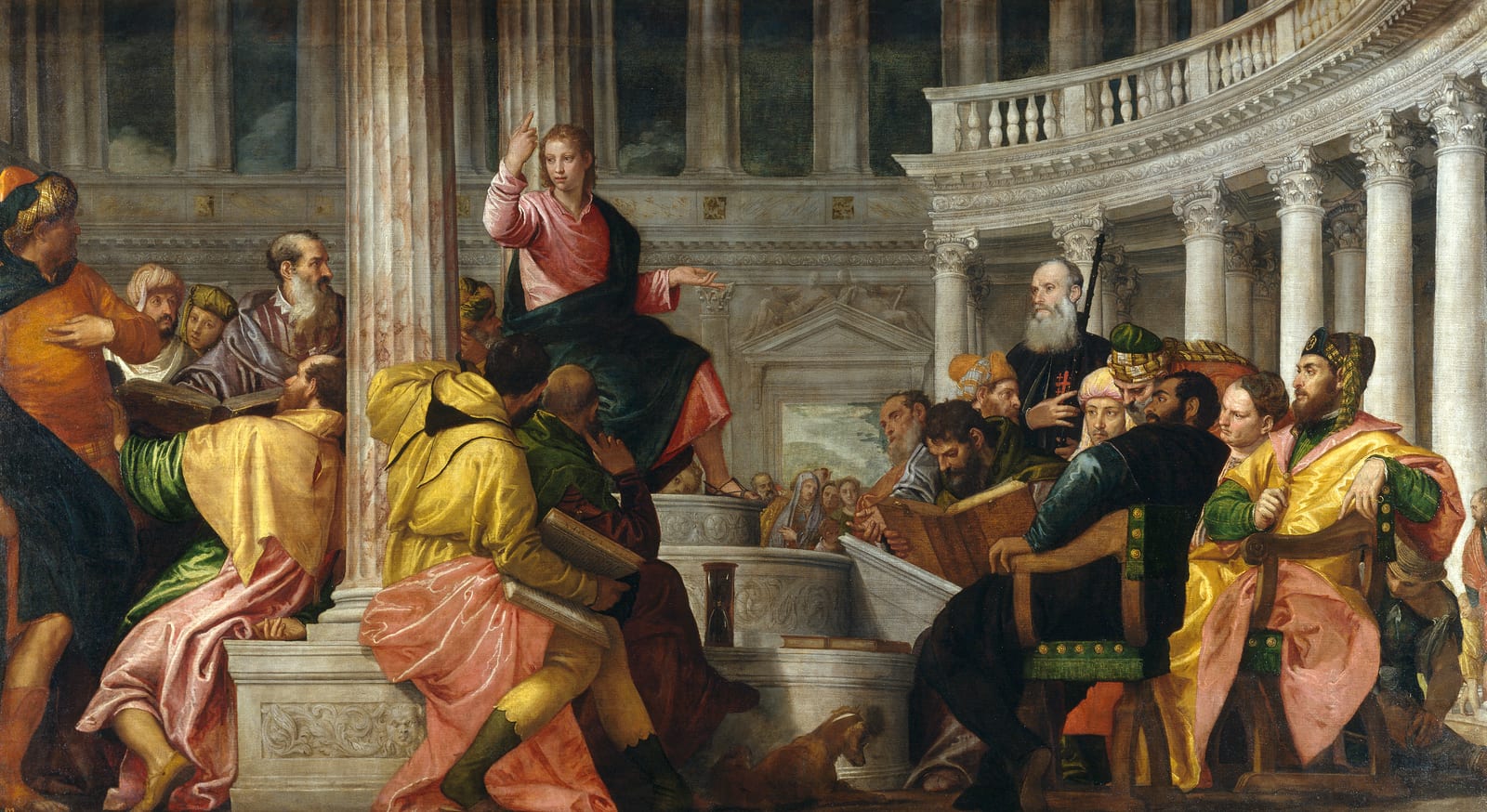
The Finding in the Temple
6 · Luke 2:41–52

The Finding in the Temple

The Temple, Jerusalem
Identified by archaeology
And his mother kept all these words in her heart.

What it founds: The pondering heart. Twice Luke says she kept the words in her heart; the Immaculate Heart is that heart — the one that keeps the Word and never let it go. (CCC 534)

Seen again: The First Saturdays: fifteen minutes 'keeping her company' in the mysteries — her own habit, asked of us.

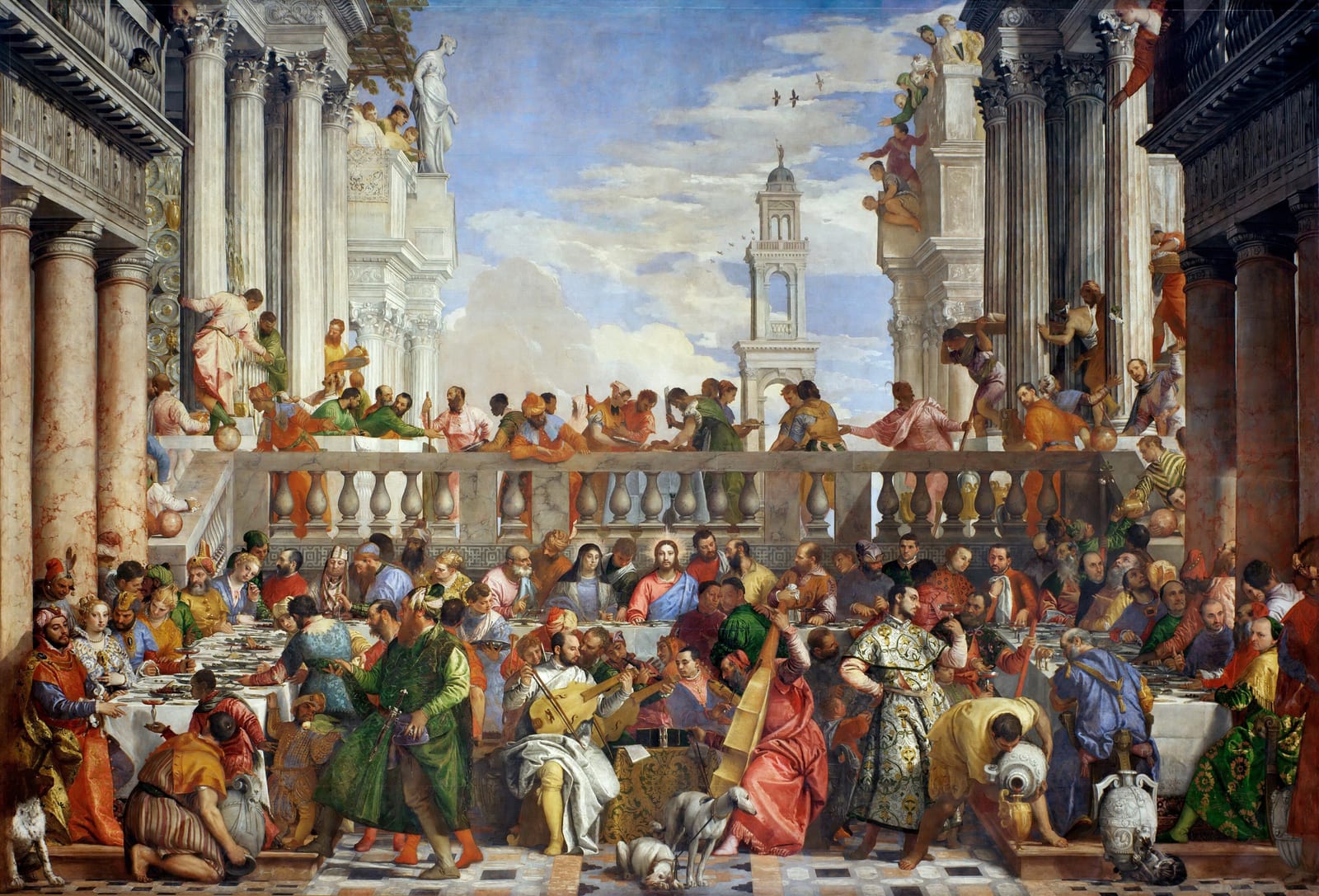
The Wedding at Cana
7 · John 2:1–12

The Wedding at Cana

Cana of Galilee
Debated site
His mother saith to the waiters: Whatsoever he shall say to you, do ye.

What it founds: Her intercession, and its entire content. She notices the need, she asks, and then she points away from herself to him. These are the last words of hers that the Gospels record. (CCC 2618)

Seen again: Every approved apparition ends here. The Church has never approved a message that ended anywhere else.

8 · Luke 11:27–28; Matthew 12:46–50

'Blessed is the womb' — and his answer

On the road in Galilee; and a house, most likely at Capernaum
General area
Blessed is the womb that bore thee… Yea rather, blessed are they who hear the word of God and keep it.

What it founds: Why she is blessed. Not chiefly for bearing him but for believing — Augustine: she was more blessed in receiving the faith of Christ than in conceiving his flesh. Her greatness is the greatness offered to everyone. (CCC 506)

Seen again: Champion, 1859: 'I am the Queen of Heaven, who prays for the conversion of sinners — and I wish you to do the same.'

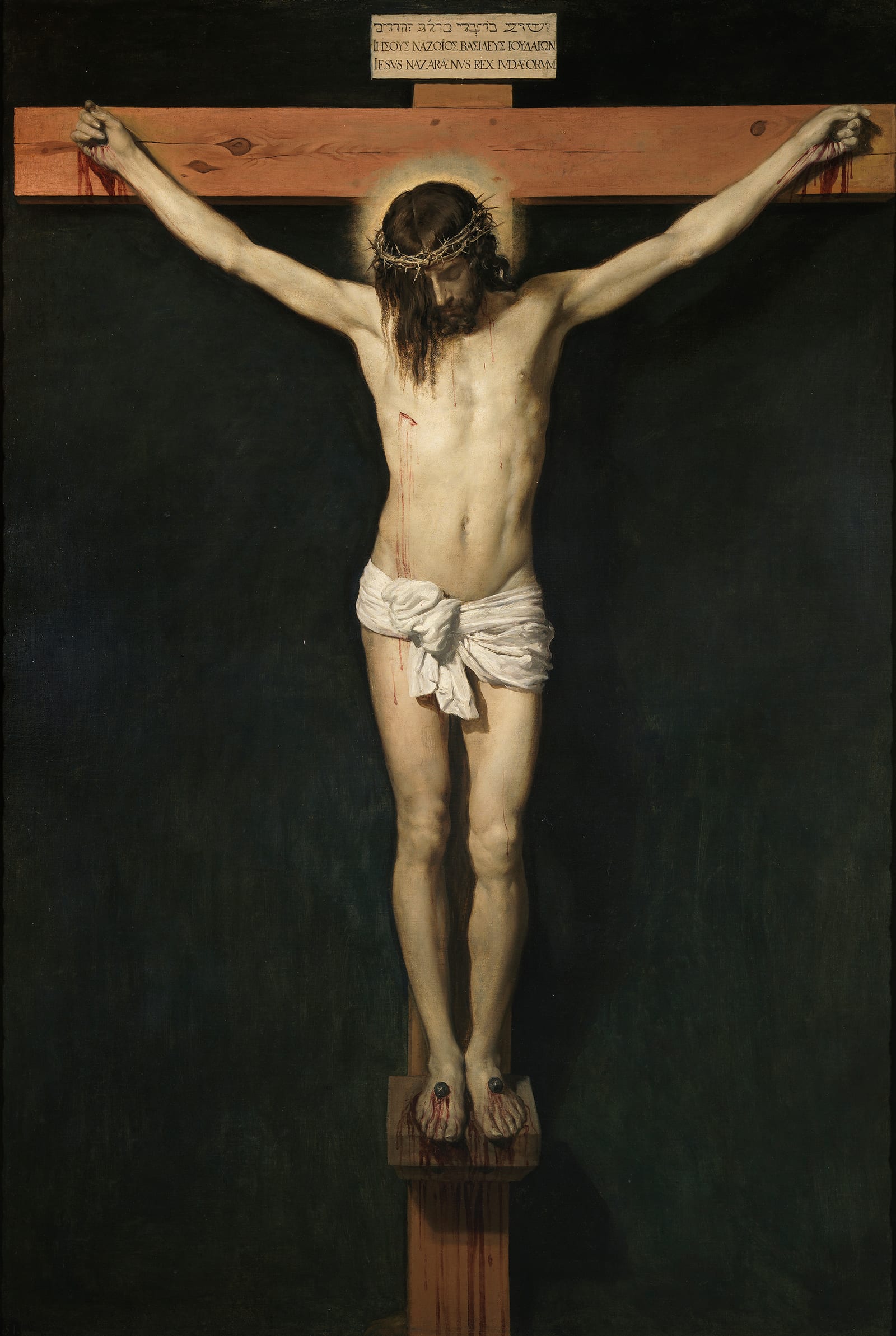
At the Cross
9 · John 19:25–27

At the Cross

Golgotha
Identified by archaeology
Woman, behold thy son… Behold thy mother. And from that hour, the disciple took her to his own.

What it founds: Her motherhood of the disciple — and, the Church has always read, of every disciple. Simeon's sword, fulfilled. The refuge she offers at Fátima is the one given here. (CCC 964)

Seen again: Fátima, 13 June 1917: 'My Immaculate Heart will be your refuge and the way that will lead you to God.' John took her to Ephesus; the Church took her to its own.

10 · Acts 1:14

The Upper Room

The Cenacle, Mount Zion, Jerusalem
Traditional site
All these were persevering with one mind in prayer with the women, and Mary the mother of Jesus, and with his brethren.

What it founds: The Church at prayer with her, waiting for the Spirit — the last time Scripture shows her, and the scene the Rosary continues: the disciples gathered around the Mother, praying for Pentecost. (CCC 965)

Seen again: Every apparition asks for the Rosary; Pontmain's 'But pray, my children'; Gietrzwałd's 'I wish you to pray the Rosary every day.'

11 · Revelation 12:1–17

The Woman clothed with the sun

Patmos — in John's vision
Traditional site
A woman clothed with the sun, and the moon under her feet, and on her head a crown of twelve stars.

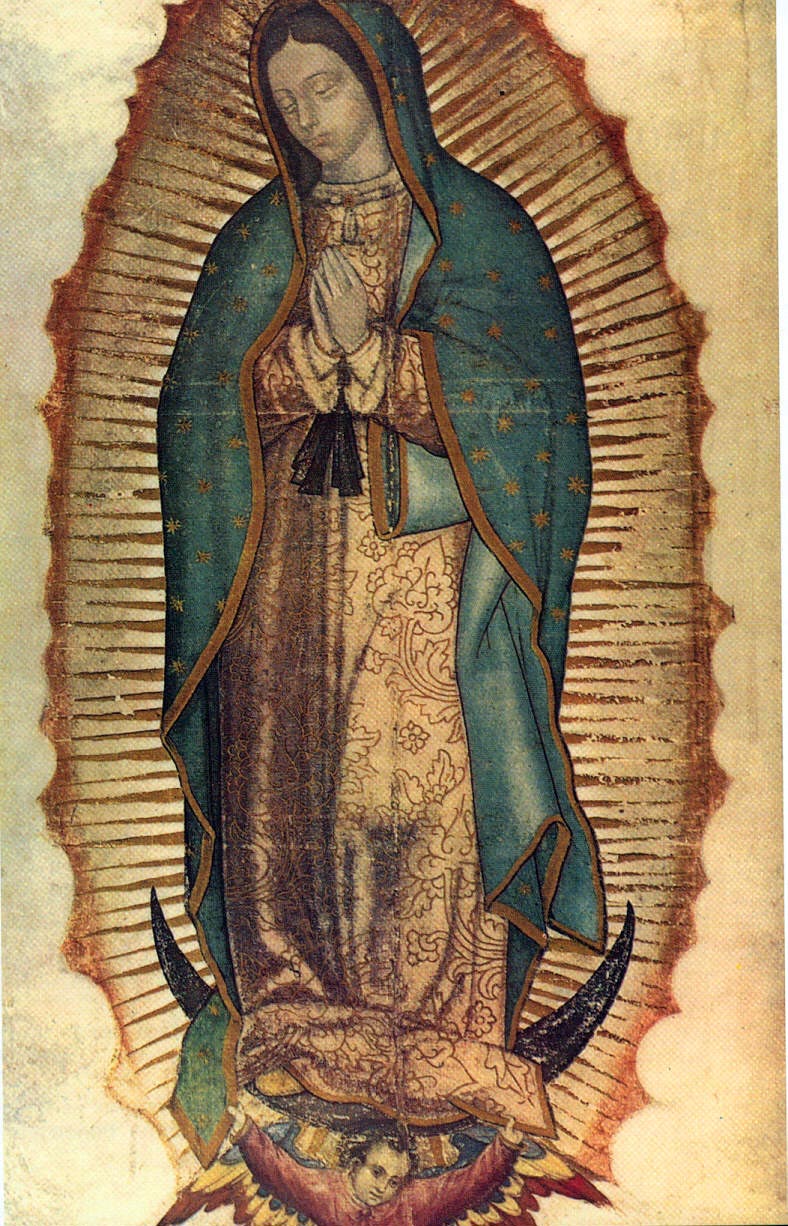
What it founds: The Woman of the end, read of the Church and of Mary together, and the Church's first reading on the Assumption. The crown of twelve stars is on the Miraculous Medal and in the margins of this site; the sun and moon are on the tilma.

Seen again: Guadalupe, 1531 — the image on Juan Diego's cloak is Revelation 12 painted: clothed with the sun, the moon under her feet, stars on her mantle.

Paul has the whole of it in seven words: “God sent his Son, made of a woman” (Galatians 4:4).

How the Church judges an apparition

A private revelation is not the faith

Everything the Church believes was revealed once, in Christ, and closed with the death of the last apostle. Nothing Our Lady has said at Lourdes or Fátima adds a syllable to it. What the Church calls a private revelation — even one she approves — is a help to living the faith in a particular age, not a new article of it. The Catechism puts it plainly: their role is 'not to improve or complete Christ's definitive Revelation, but to help live more fully by it in a certain period of history' (CCC 67).

That is why the Church can be so generous in approving apparitions and so firm that no one is obliged to believe them. Approval means: the events are credible, the message contains nothing contrary to faith and morals, and the fruits are good — so the faithful may believe, and may go on pilgrimage, and the bishop may build a shrine. It never means: you must.

Who judges, and by what test

For most of the Church's history the judge has been the local bishop, and the test was set out by Prospero Lambertini — later Benedict XIV — in the 1730s: the honesty and balance of the witnesses, the content of the message measured against Scripture and the Church's teaching, and the fruits in the lives of the people. The Congregation for the Doctrine of the Faith wrote those criteria into its Norms of 1978, which governed every judgement from Kibeho to Champion.

On 17 May 2024 the Dicastery for the Doctrine of the Faith replaced them. Under the new Norms for Proceeding in the Discernment of Alleged Supernatural Phenomena, a bishop no longer declares an apparition supernatural at all — only the Pope may do that, by a special procedure. Instead the bishop proposes, and the Dicastery confirms, one of six findings, from nihil obstat — nothing stands in the way of the devotion — down to a declaration that the events are not supernatural. The first cases decided under them came within months: Trevignano (not supernatural, June 2024), Pellevoisin (nihil obstat, August 2024) and Medjugorje (nihil obstat, September 2024).

The six findings of the 2024 norms
  1. 1.Nihil obstat — Nothing stands in the way. Signs of the Spirit are recognised; the devotion may be promoted and the bishop may encourage it. No ruling is made on whether the events themselves were supernatural.
  2. 2.Prae oculis habeatur — To be kept in view. Positive signs, but some elements of confusion or risk; the bishop must give doctrinal clarification and watch.
  3. 3.Curatur — To be handled. Real problems, but a devotion already so widespread that a ban would do more harm; the bishop is asked not to encourage it and to steer the faithful to healthier forms.
  4. 4.Sub mandato — Under mandate. The problem lies not in the phenomenon but in the people or group exploiting it; the Holy See or the bishop takes direct charge of the place.
  5. 5.Prohibetur et obstruatur — Forbidden and obstructed. Serious risks outweigh any positive signs; the bishop declares publicly that the devotion is not permitted.
  6. 6.Declaratio de non supernaturalitate — Declared not supernatural. The evidence — false claims, fabrication, or intent to deceive — allows the bishop to declare that the events are not of supernatural origin.
The norms of 17 May 2024, at the Holy See Press Office

The apparitions, in order

Approved by the Holy See or by the diocesan bishop, whose judgement it properly is. Each card says which, and when, and links to the catalogue entry and the map.

Our Lady of Guadalupe
1531

Our Lady of Guadalupe

Tepeyac, Mexico City, Mexico · feast 12 December
Approved — Holy See

Seen by St. Juan Diego Cuauhtlatoatzin, a widower of fifty-seven

'Am I not here, who am your Mother? Are you not under my shadow and protection?' — and her image left on his tilma.

The Church: Archbishop Montúfar's inquiry (1556); Benedict XIV, who approved the patronage and granted the feast (1754); John Paul II, who named her Patroness of the Americas (1999) and canonized Juan Diego (31 July 2002) — 1556 · 1754 · 1999 · 2002

conversion of sinnershealingThe full story →On the map →
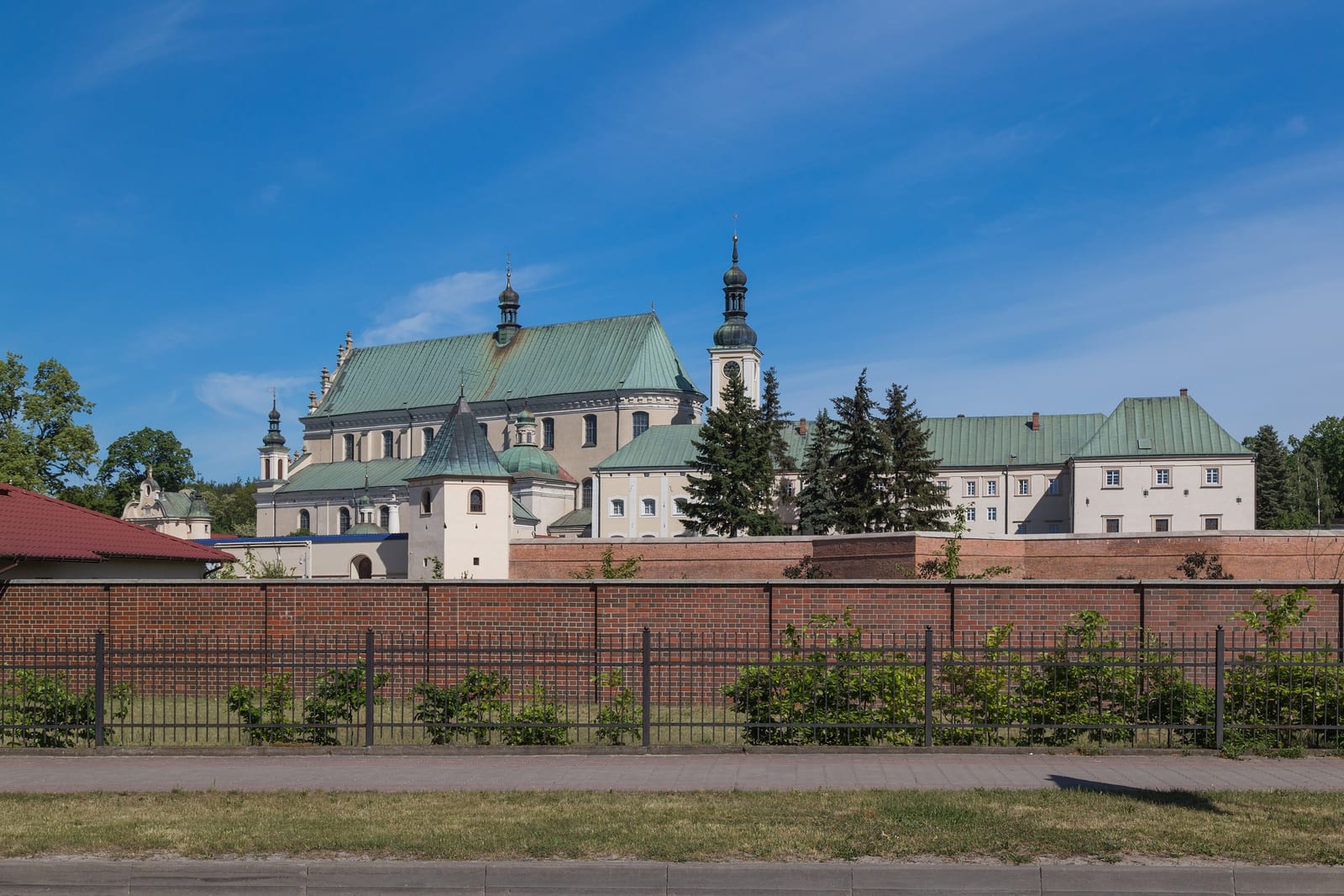
Our Lady of Leżajsk
1578

Our Lady of Leżajsk

Leżajsk, Poland
Approved — Holy See

Seen by Tomasz Michałek, a brewery worker

Mary, with St. Joseph, asks that a church be built on the spot where she stood.

The Church: The Bernardine shrine founded on the site (1608); the image crowned by papal privilege (1752); the church raised to a minor basilica — 1608 · 1752

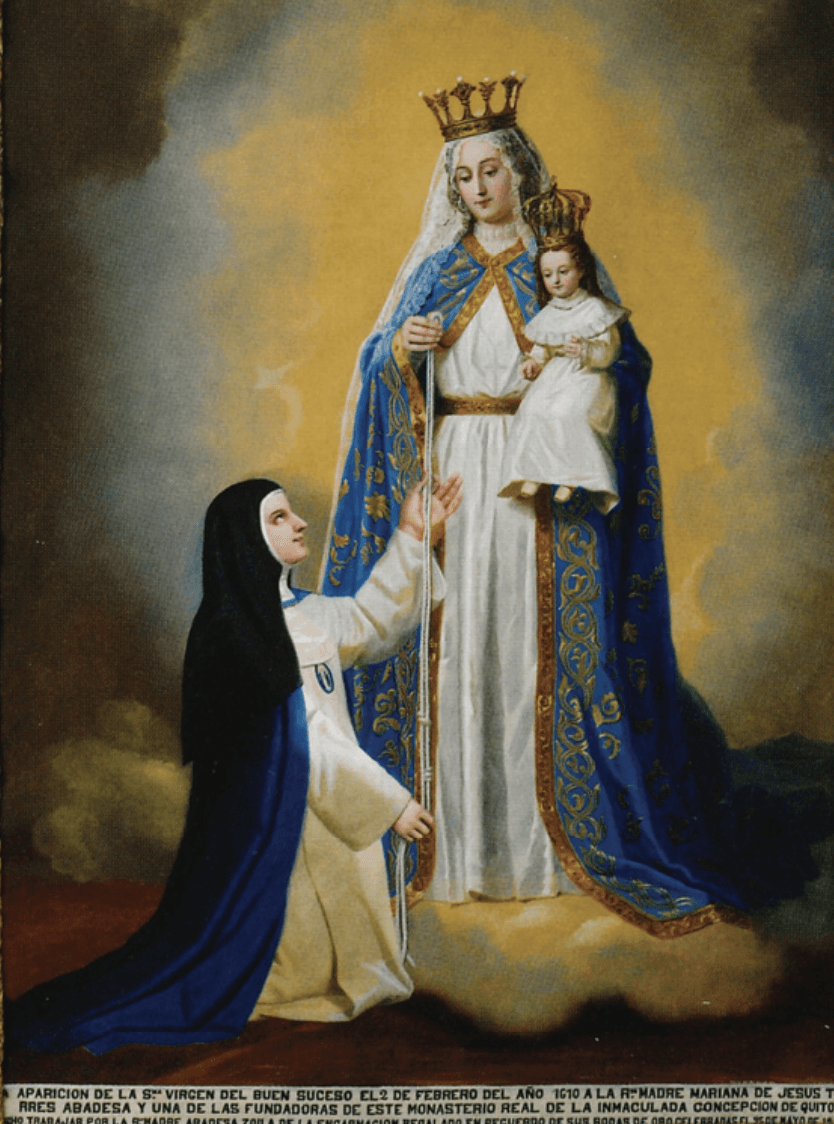
Our Lady of Good Success
1594–1634

Our Lady of Good Success

Quito, Ecuador
Approved — local bishop

Seen by Mother Mariana de Jesús Torres, a Conceptionist nun

Prophecies of a crisis of faith in the twentieth century, and the promise that her intercession would bring it through; a statue made at her request.

The Church: Bishop Salvador de Ribera of Quito, who approved the apparitions to that date and had the statue enthroned — 1611

A local approval of the seventeenth century; the prophecies have never been the object of a Holy See judgement.

a warningconversion of sinnersThe full story →On the map →
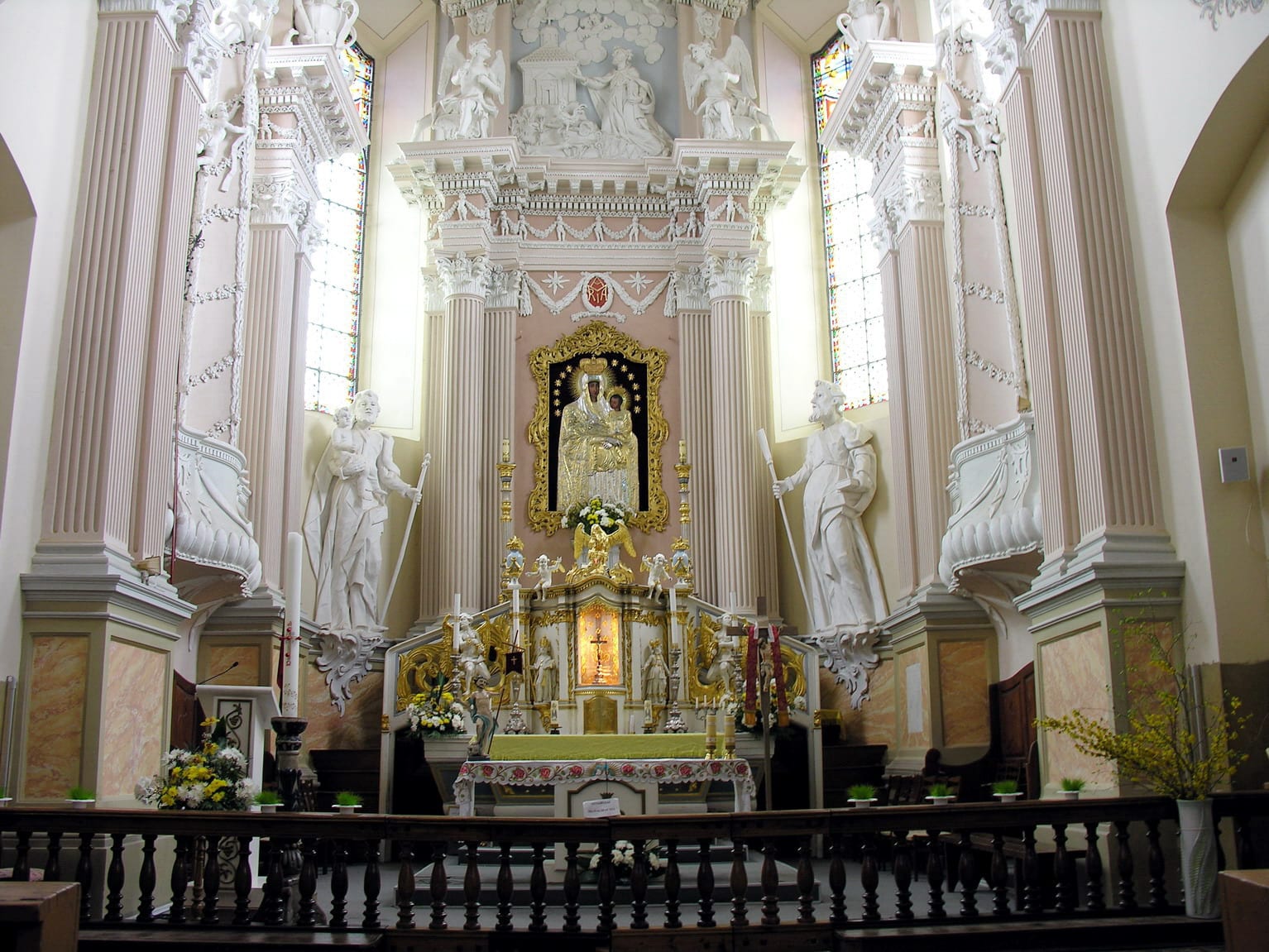
Our Lady of Šiluva
1608

Our Lady of Šiluva

Šiluva, Samogitia, Lithuania · feast 8 September
Approved — Holy See

Seen by Shepherd children, and then the Calvinist catechist sent to rebuke them

Weeping over a rock: 'Here once my beloved Son was honoured; now the people plough and sow.' The buried Catholic deeds were found beneath it and the parish restored.

The Church: Pope Pius VI, by decree — 17 August 1775

her sorrowsthe EucharistThe full story →On the map →
Our Lady of Coromoto
1652

Our Lady of Coromoto

Guanare, Venezuela · feast 8 September
Approved — Holy See

Seen by The Cospes chief Coromoto and his wife

She asks the chief to go to the Spaniards and be baptised; when he refuses, she appears again and leaves a tiny image in his hand.

The Church: Pius XII, who declared her Patroness of Venezuela; the image canonically crowned (1952) — 1944 · 1952

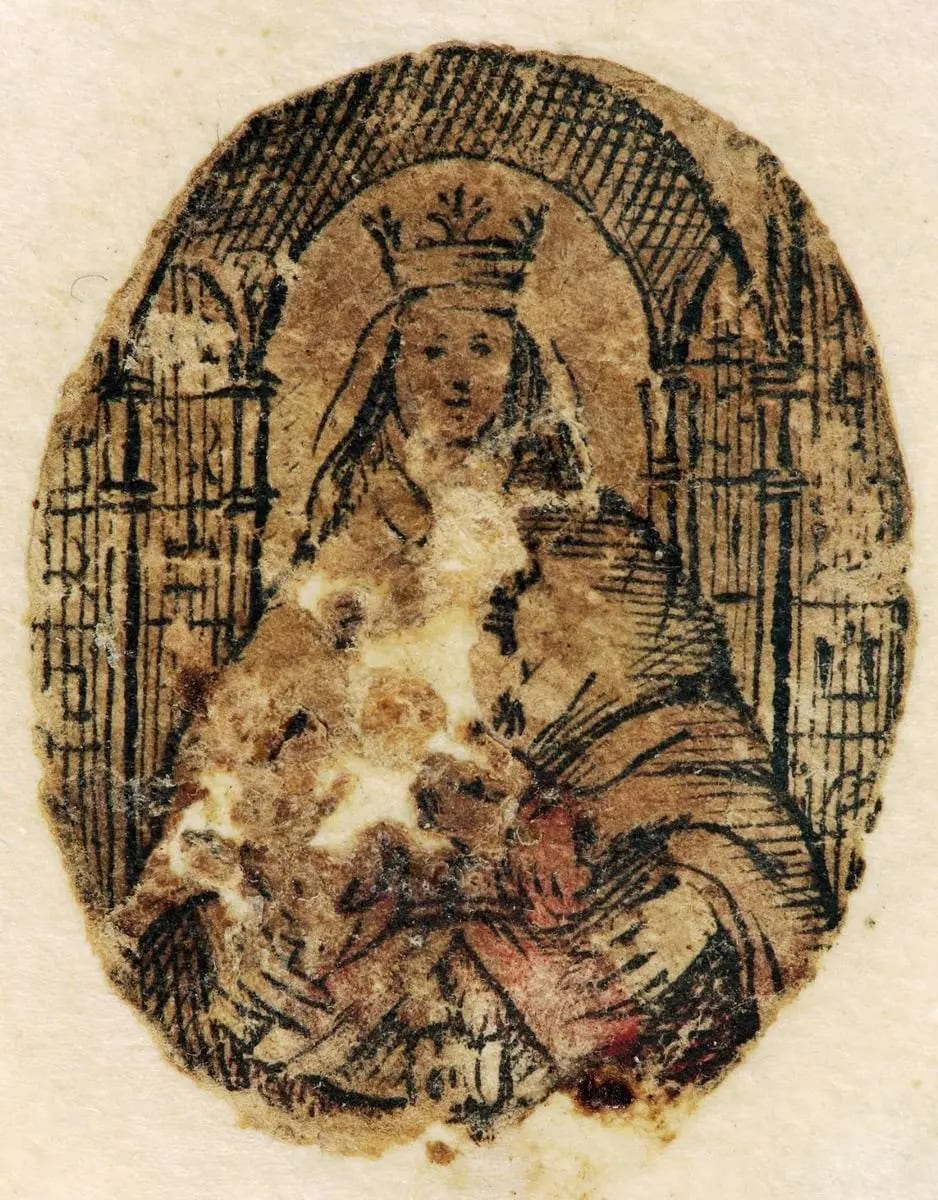
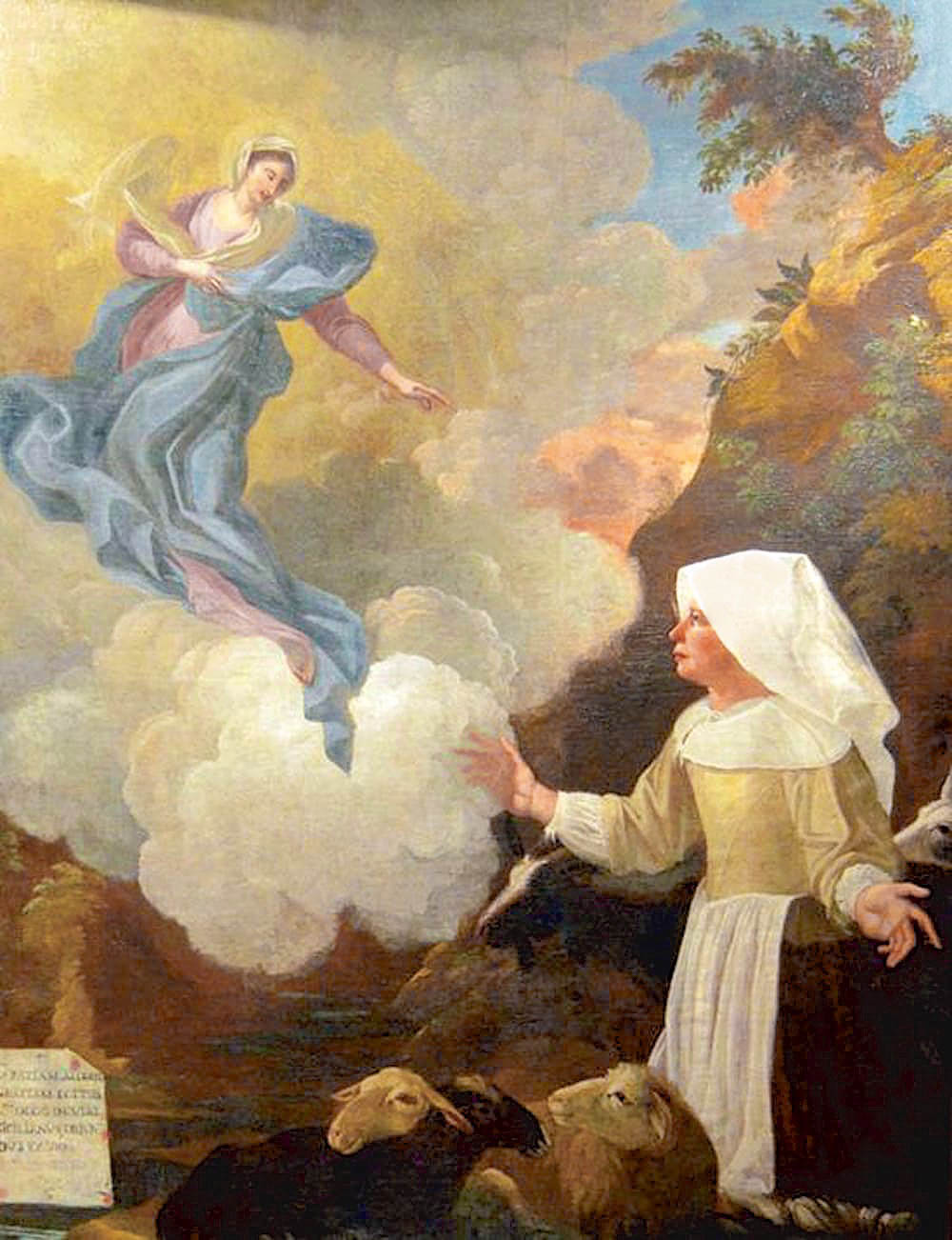
Our Lady of Laus
1664–1718

Our Lady of Laus

Saint-Étienne-le-Laus, Hautes-Alpes, France
Approved — Holy See

Seen by Benoîte Rencurel, a shepherdess, over fifty-four years

A refuge for sinners: she asks for a chapel where 'many sinners will be converted', and sends Benoîte to bring people to confession.

The Church: Bishop Jean-Michel di Falco Léandri of Gap, with the approval of the Holy See — the first apparition recognised in France in the twenty-first century — 4 May 2008

conversion of sinnerspenanceThe full story →On the map →
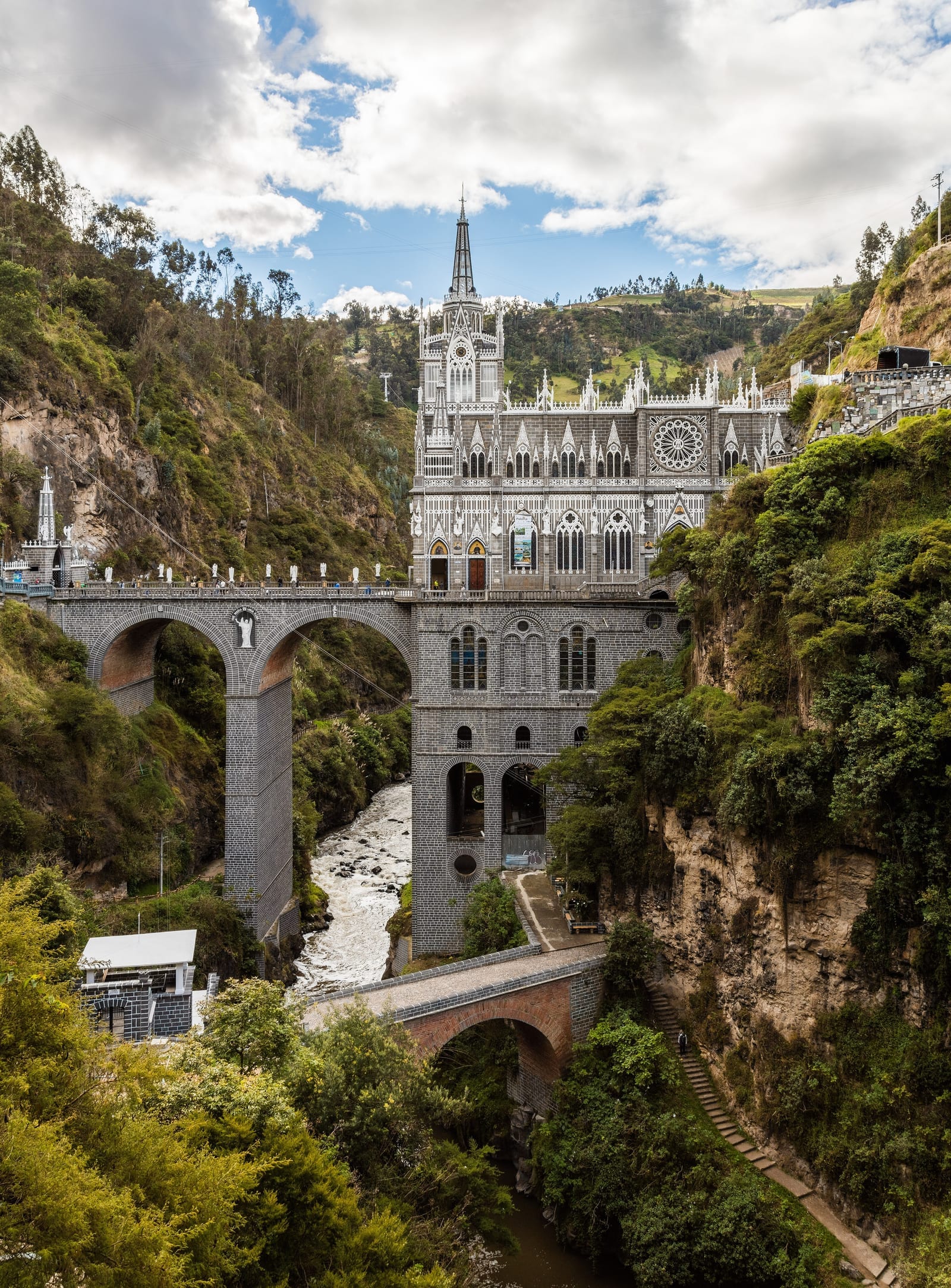
Our Lady of Las Lajas
1754

Our Lady of Las Lajas

Guáitara canyon, near Ipiales, Colombia
Approved — local bishop

Seen by María Mueces and her deaf-mute daughter Rosa

The child, healed, sees 'the Mestiza' in the cave; an image of Our Lady with the Rosary is found on the rock face, unpainted.

The Church: The Diocese of Ipiales; the image canonically crowned (1952); the sanctuary a minor basilica (1954) — 1952 · 1954

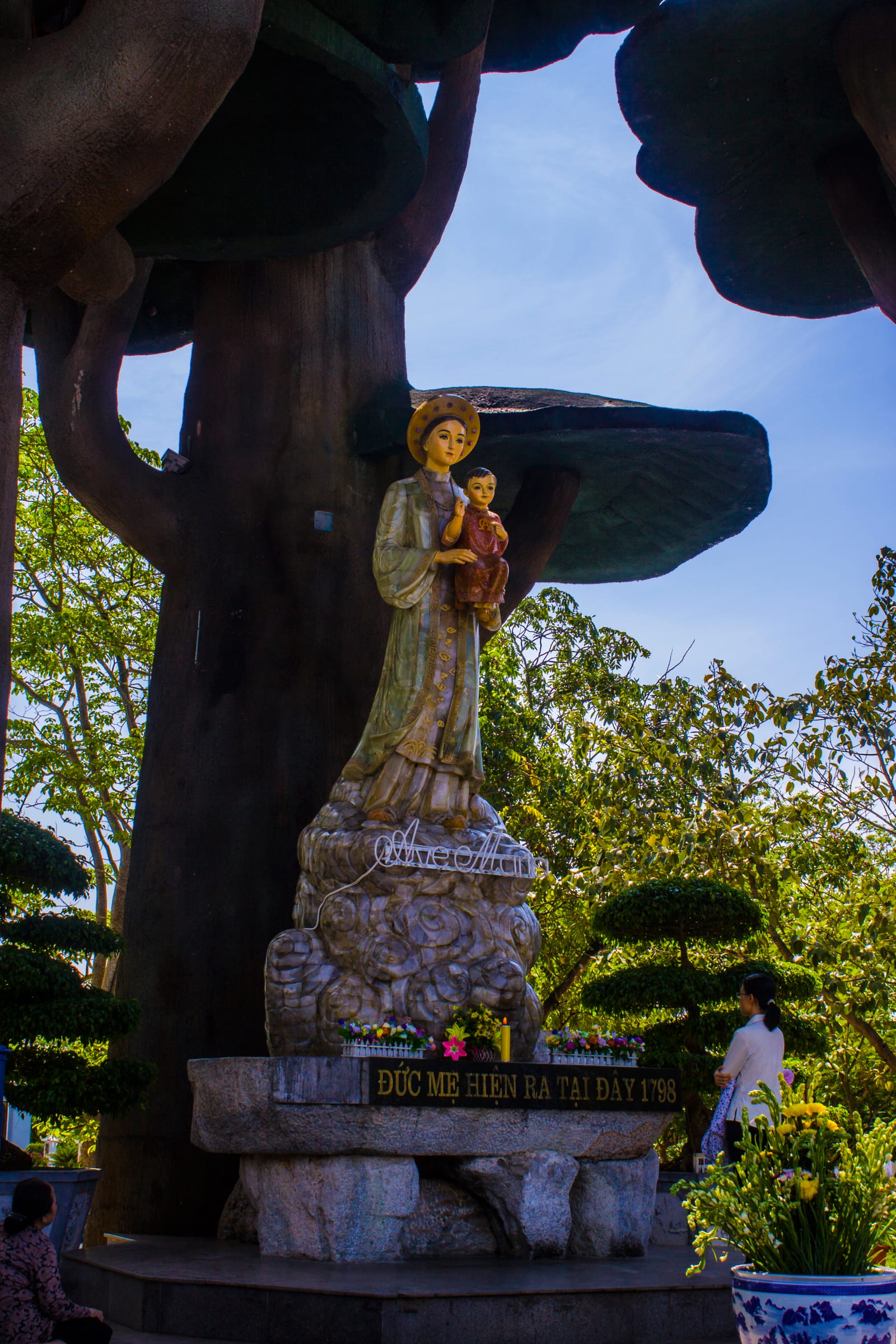
Our Lady of La Vang
1798

Our Lady of La Vang

La Vang, Quảng Trị, Vietnam · feast 15 August (national pilgrimage)
Traditional — never formally judged

Seen by Catholics hiding in the jungle from the persecution of Cảnh Thịnh

A Lady with the Child, promising to hear those who pray to her on that spot, and showing them leaves to boil against the fever.

The Church: Never formally judged; honoured by John Paul II, who in 1988 asked that the basilica be rebuilt for the bicentenary, and by the bishops of Vietnam, whose national shrine it is — 1988

The Holy See has recorded no documentation of the apparition; the devotion is approved, the events are not.

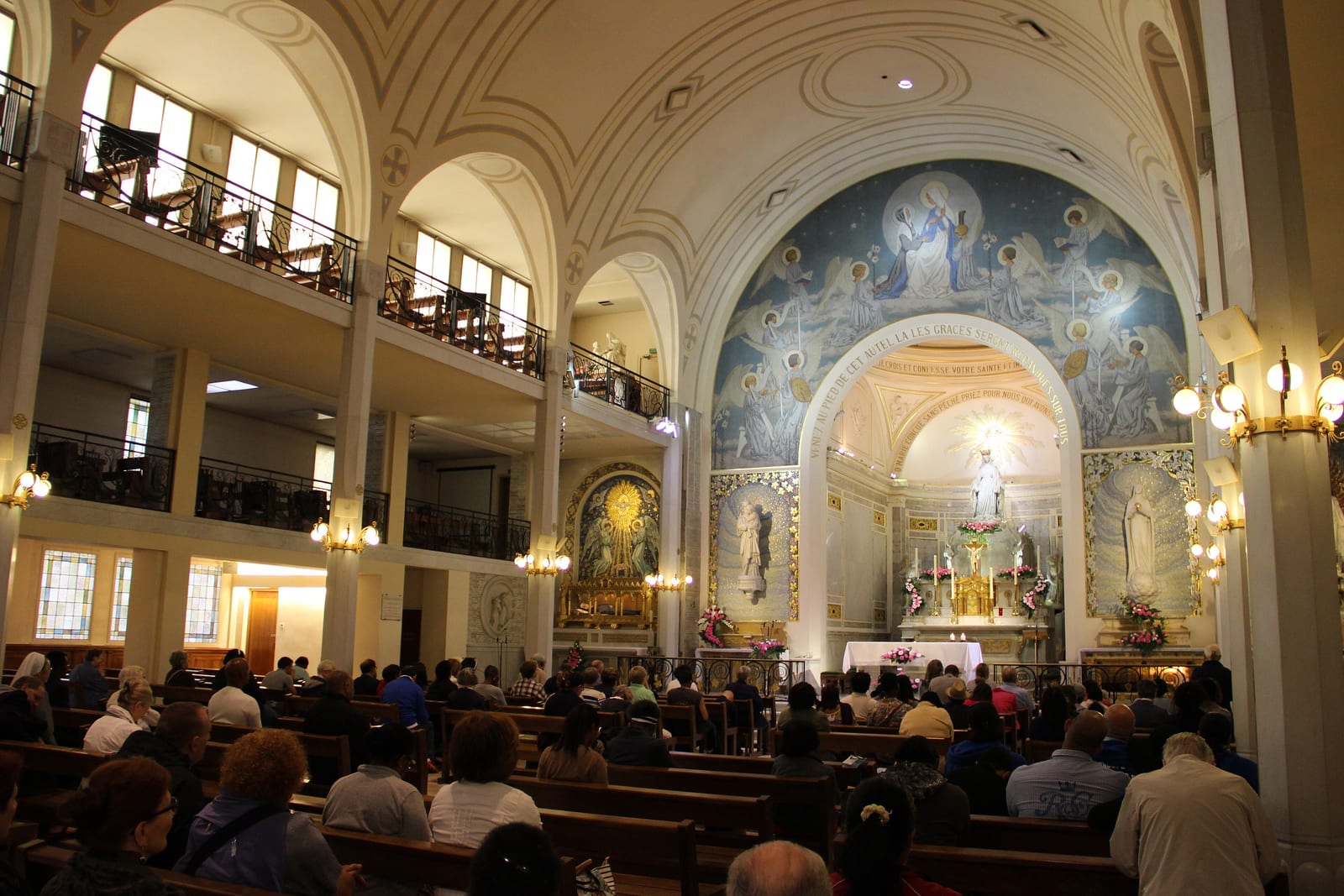
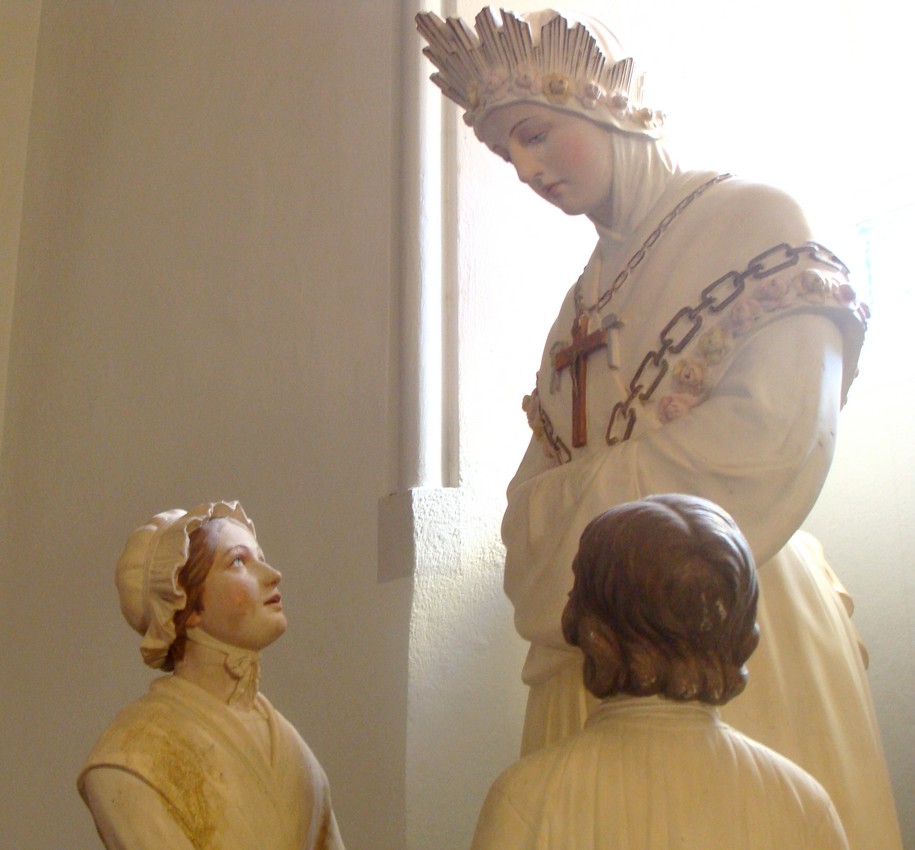
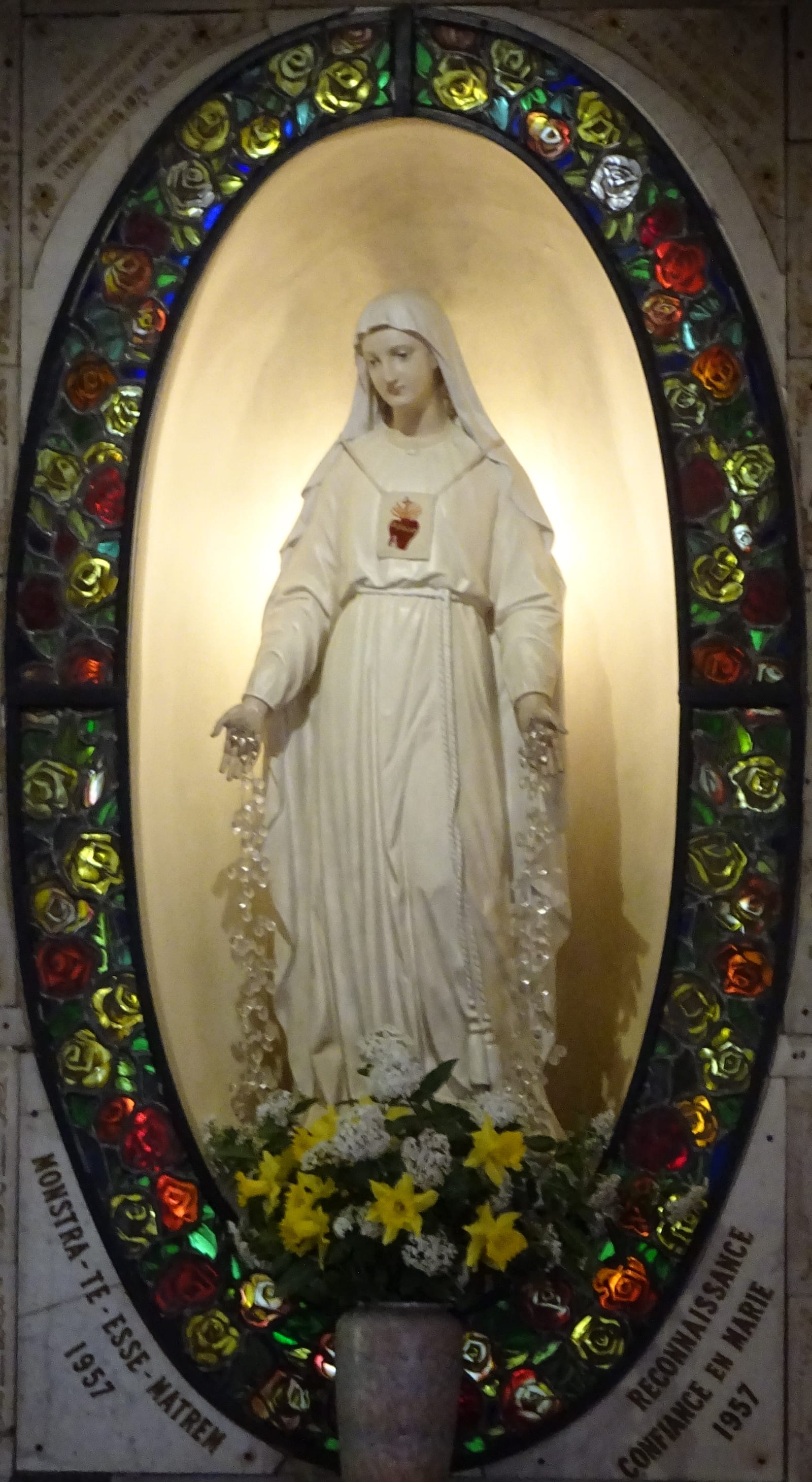
Our Lady of the Miraculous Medal
1830

Our Lady of the Miraculous Medal

Rue du Bac, Paris, France · feast 27 November
Approved — Holy See

Seen by St. Catherine Labouré, a novice of the Daughters of Charity

'Have a medal struck on this model. All who wear it will receive great graces.' — the Immaculate Conception, twenty-four years before the dogma.

The Church: Archbishop de Quélen's canonical inquiry (1836); Catherine canonized by Pius XII (1947) — 1836 · 1947

the medalthe Immaculate Heartconversion of sinnersThe full story →On the map →
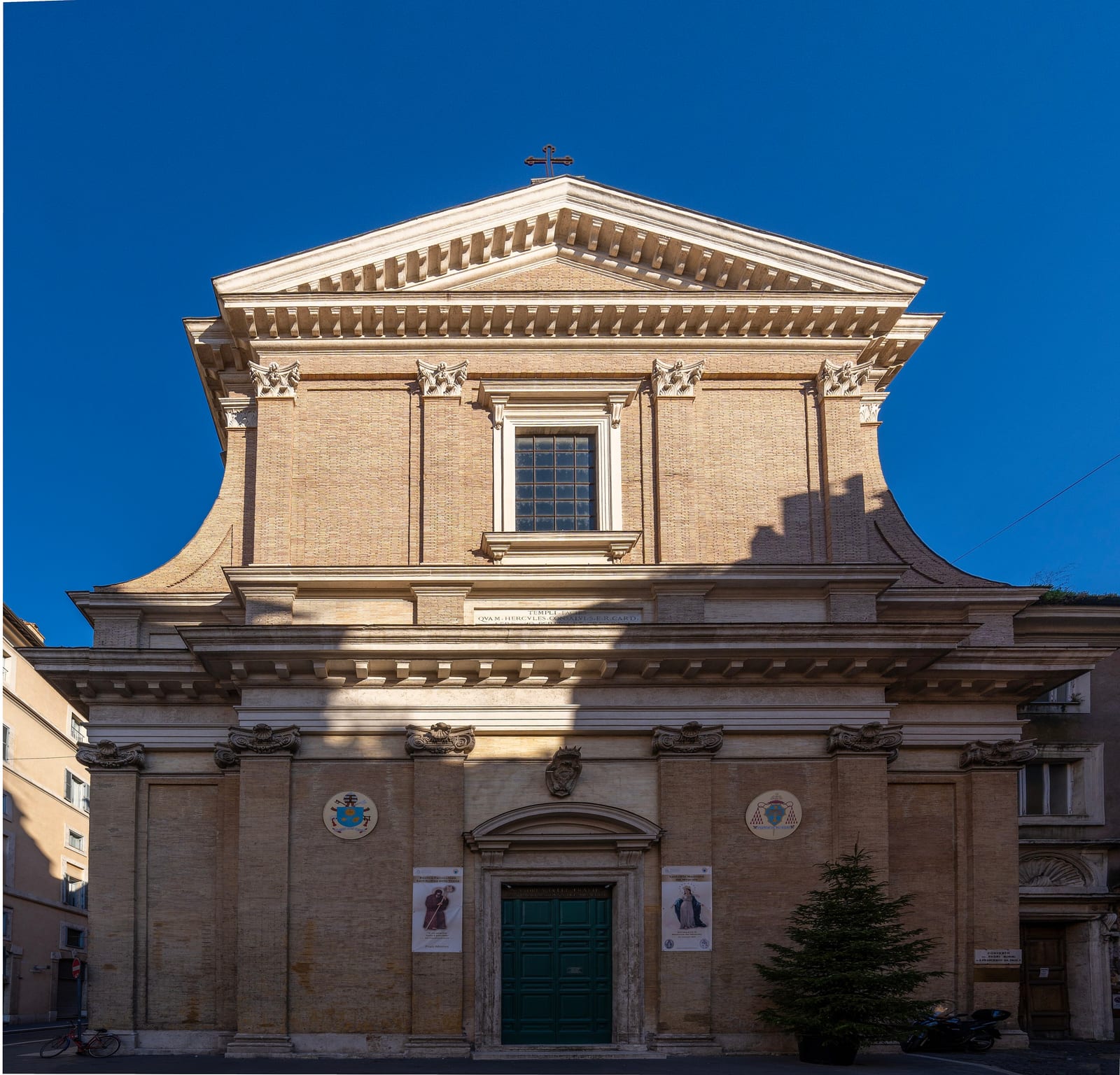
Our Lady of the Miracle
1842

Our Lady of the Miracle

Sant'Andrea delle Fratte, Rome, Italy
Approved — Holy See

Seen by Alphonse Ratisbonne, a Jewish banker wearing the Miraculous Medal on a dare

No words: the Lady of the Medal, and a conversion complete in the time it took to see her.

The Church: A canonical inquiry in Rome under Cardinal Patrizi, which found the conversion miraculous — 1842

conversion of sinnersthe medalThe full story →On the map →
Our Lady of La Salette
1846

Our Lady of La Salette

La Salette-Fallavaux, Isère, France · feast 19 September
Approved — Holy See

Seen by Mélanie Calvat and Maximin Giraud, cowherds of fourteen and eleven

A weeping Lady: 'If my people will not submit, I shall be forced to let fall the arm of my Son.' Blasphemy and the profaned Sunday; a warning of famine — which came.

The Church: Bishop Philibert de Bruillard of Grenoble — 19 September 1851

her sorrowspenancea warningThe full story →On the map →
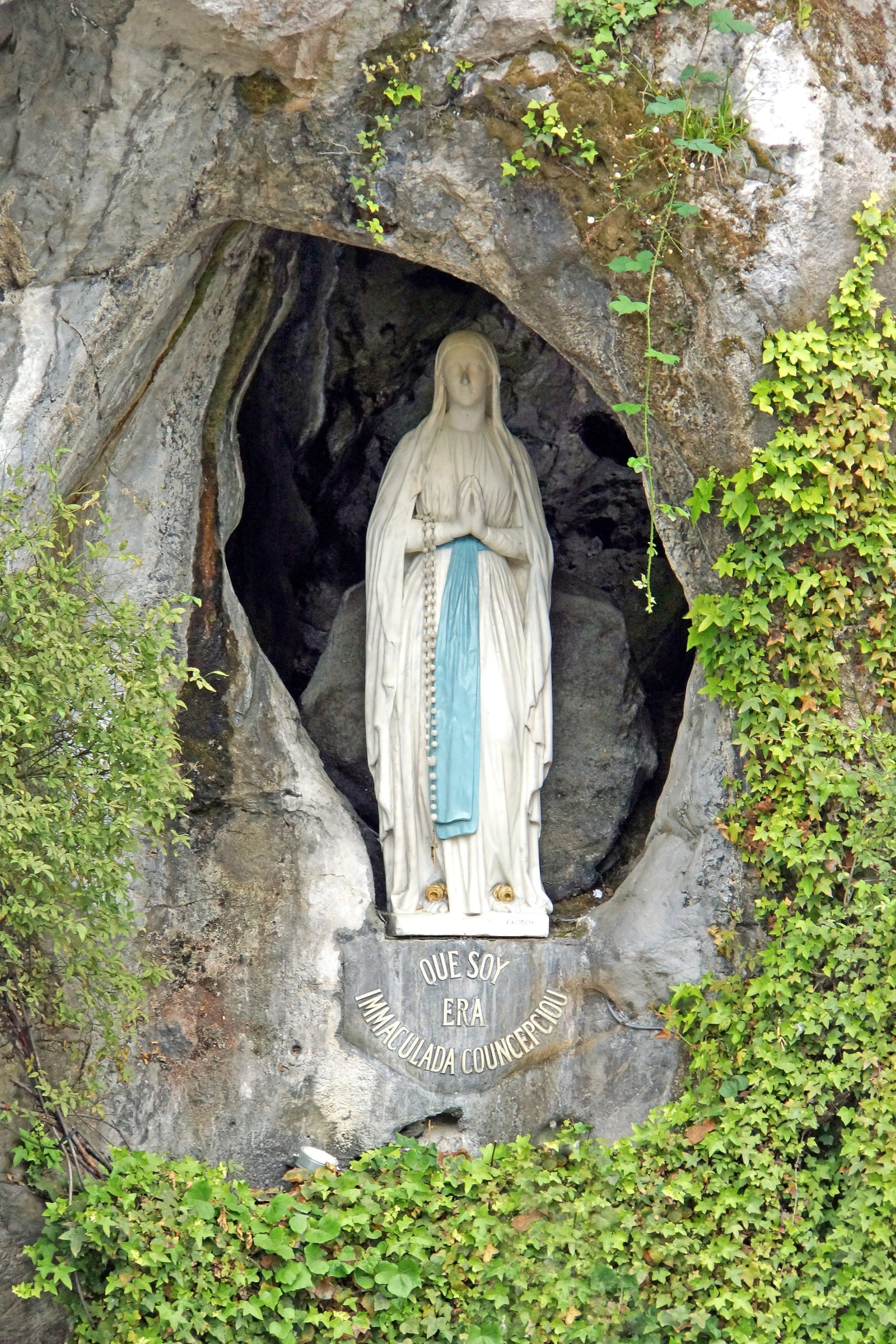
Our Lady of Lourdes
1858

Our Lady of Lourdes

Massabielle, Lourdes, France · feast 11 February
Approved — Holy See

Seen by St. Bernadette Soubirous, fourteen, in eighteen apparitions

'Penance, penance, penance.' 'Go and drink at the spring.' And, on 25 March: 'I am the Immaculate Conception.'
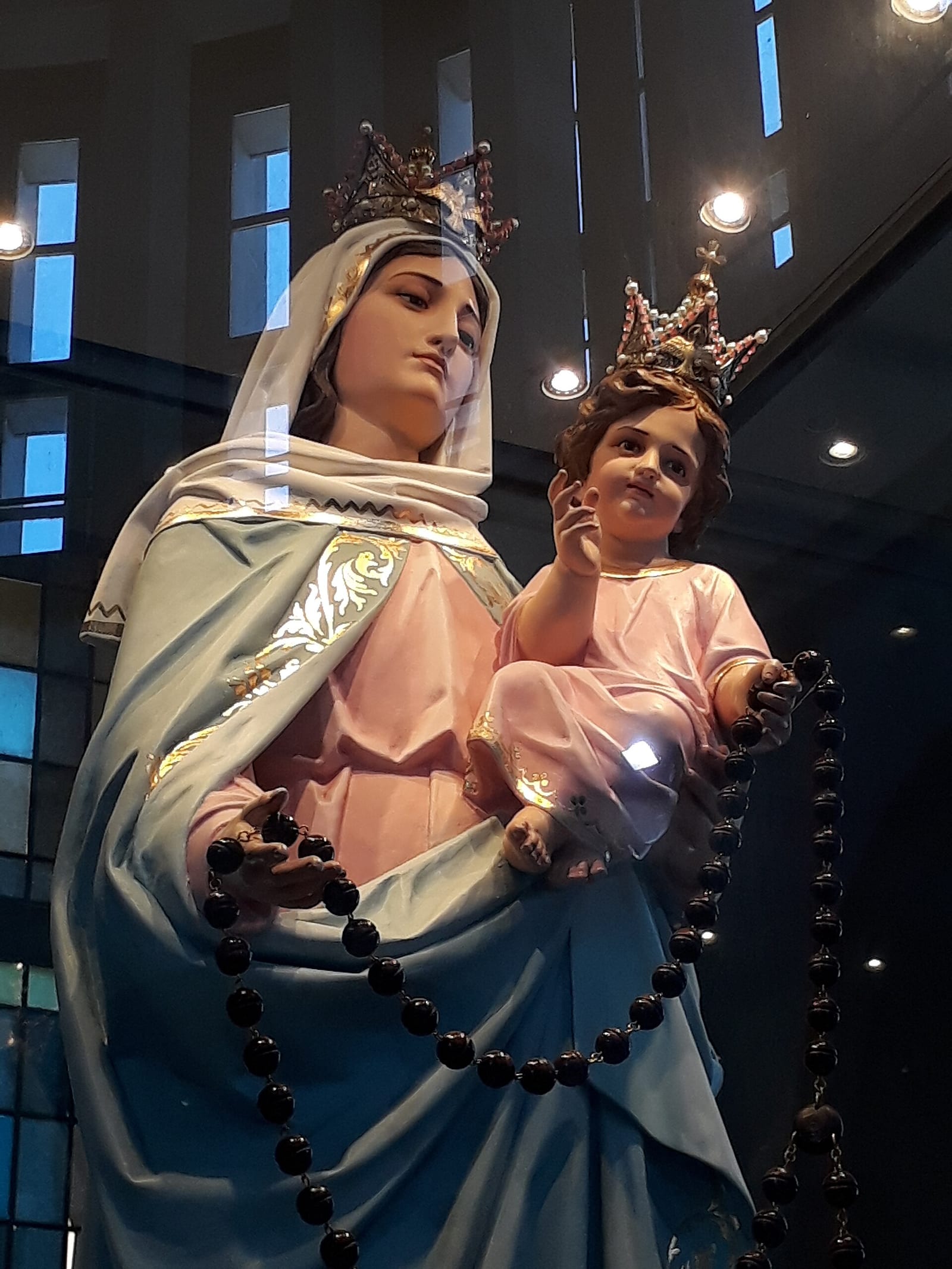
The Church: Bishop Bertrand-Sévère Laurence of Tarbes; the feast extended to the whole Church by Pius X (1907); Bernadette canonized (1933) — 18 January 1862

penancehealingthe RosaryThe full story →On the map →
Our Lady of Champion
1859

Our Lady of Champion

Champion, Wisconsin, United States · feast 9 October
Approved — local bishop

Seen by Adele Brise, a Belgian immigrant of twenty-eight

'I am the Queen of Heaven, who prays for the conversion of sinners, and I wish you to do the same. Gather the children in this wild country and teach them what they should know for salvation.'
The Church: Bishop David Ricken of Green Bay — the first apparition approved in the United States; a solemnity granted for 9 October (2023) — 8 December 2010

conversion of sinnerspenanceThe full story →On the map →
Our Lady, Help of Christians of Filippsdorf
1866

Our Lady, Help of Christians of Filippsdorf

Filipov (Filippsdorf), Bohemia, Czech Republic · feast 13 January
Approved — Holy See

Seen by Magdalena Kade, thirty-one, bedridden for years

'My child, from now on you are healed' — and she was.

The Church: The commission of Bishop Augustin Pavel Wahala of Litoměřice, which found the cure miraculous; the church a minor basilica (1926) — 1866 · 1926

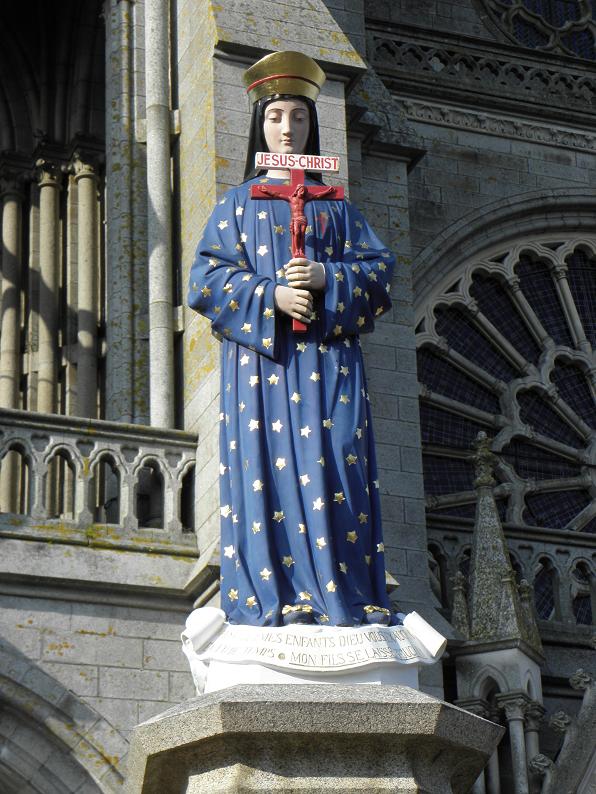
Our Lady of Hope of Pontmain
1871

Our Lady of Hope of Pontmain

Pontmain, Mayenne, France · feast 17 January
Approved — Holy See

Seen by Four children, as the Prussian army approached Laval

Written across the sky: 'But pray, my children. God will hear you in a little while. My Son allows himself to be moved.' The army turned back that night.

The Church: Bishop Casimir Wicart of Laval — 2 February 1872

Our Lady of Mercy of Pellevoisin
1876

Our Lady of Mercy of Pellevoisin

Pellevoisin, Indre, France
Nihil obstat (2024 norms)

Seen by Estelle Faguette, a dying housemaid of thirty-two, in fifteen apparitions

'I am all-merciful.' Estelle is healed and shown the scapular of the Sacred Heart; asked for calm, for confidence, and for the scapular to be spread.

The Church: The Dicastery for the Doctrine of the Faith, confirming the nihil obstat proposed by the Archbishop of Bourges — one of the first decisions under the 2024 norms; her cure had been recognised as miraculous in 1983 — 22 August 2024 · read it

Nothing stands in the way of the devotion; under the 2024 norms this is not a declaration that the apparitions were supernatural.

healingthe scapularconversion of sinnersThe full story →On the map →
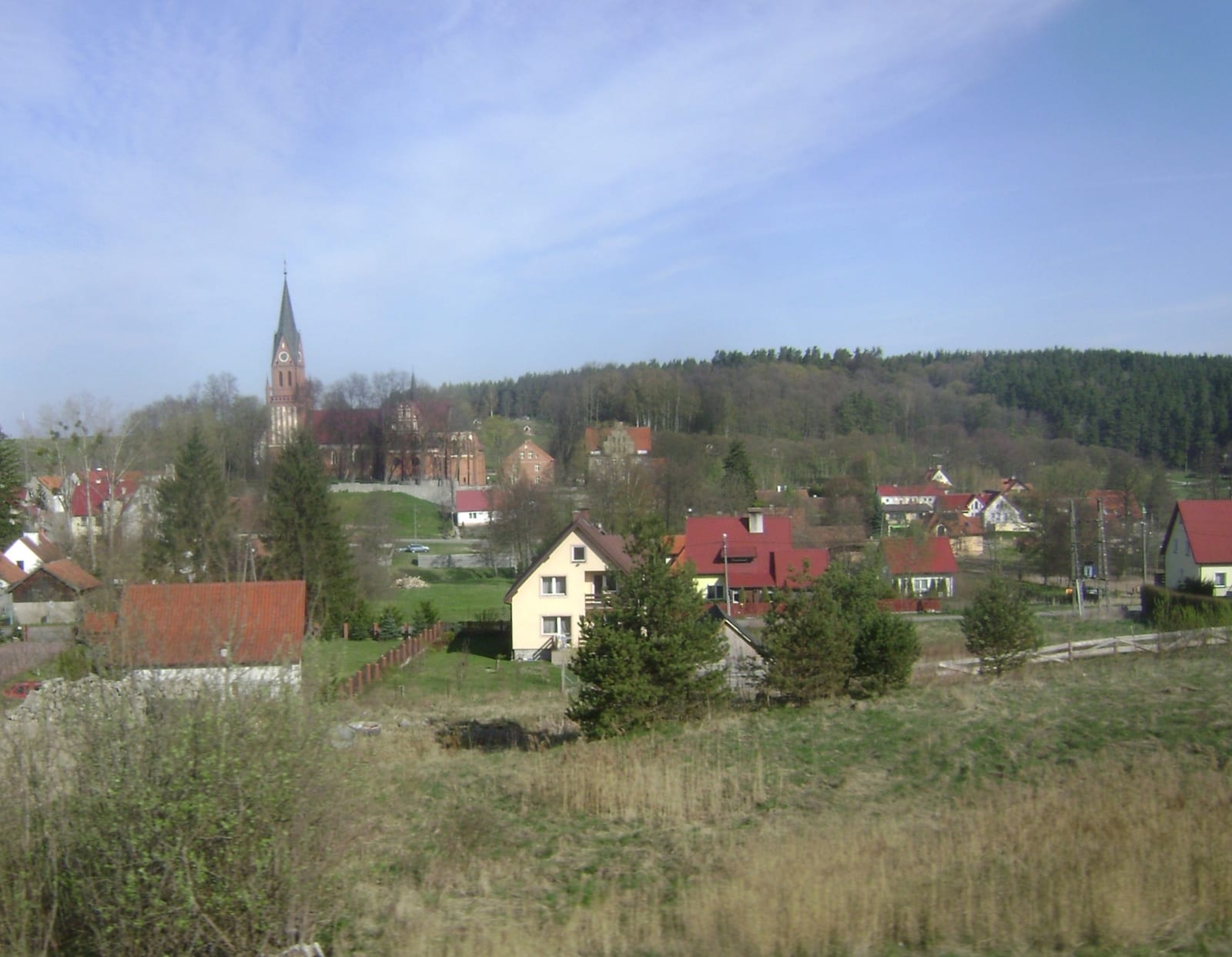
Our Lady of Gietrzwałd
1877

Our Lady of Gietrzwałd

Gietrzwałd, Warmia, Poland
Approved — Holy See

Seen by Justyna Szafryńska, thirteen, and Barbara Samulowska, twelve

In Polish, under the Prussian ban on the language: 'I wish you to pray the Rosary every day.'

The Church: Bishop Józef Drzazga of Warmia, on the centenary — Poland's only approved apparition — 11 September 1977

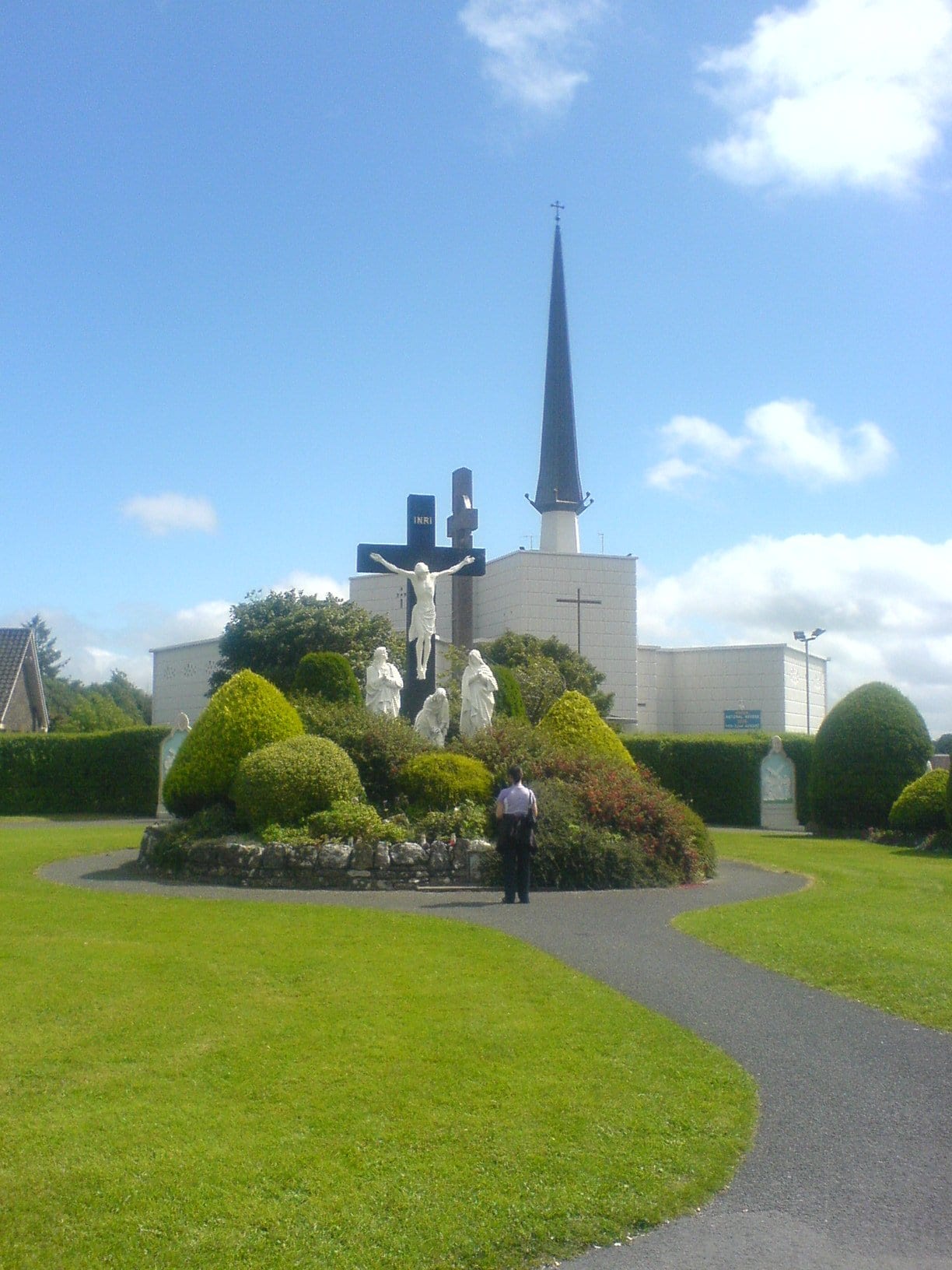
Our Lady of Knock
1879

Our Lady of Knock

Knock, County Mayo, Ireland · feast 21 August
Approved — Holy See

Seen by Fifteen witnesses, aged five to seventy-five, for two hours in the rain

No words at all: Mary, St. Joseph and St. John the Evangelist beside an altar with a lamb and a cross — the Apocalypse, seen from a gable wall.

The Church: Two diocesan commissions (1879, 1936) found the witnesses trustworthy; honoured by John Paul II's pilgrimage (1979) and by Francis (26 August 2018) — 1879 · 1936 · 1979 · 2018

Knock has never received a formal decree in the Lourdes style; its approval is the Church's continuous honour.

the Eucharisther sorrowsThe full story →On the map →
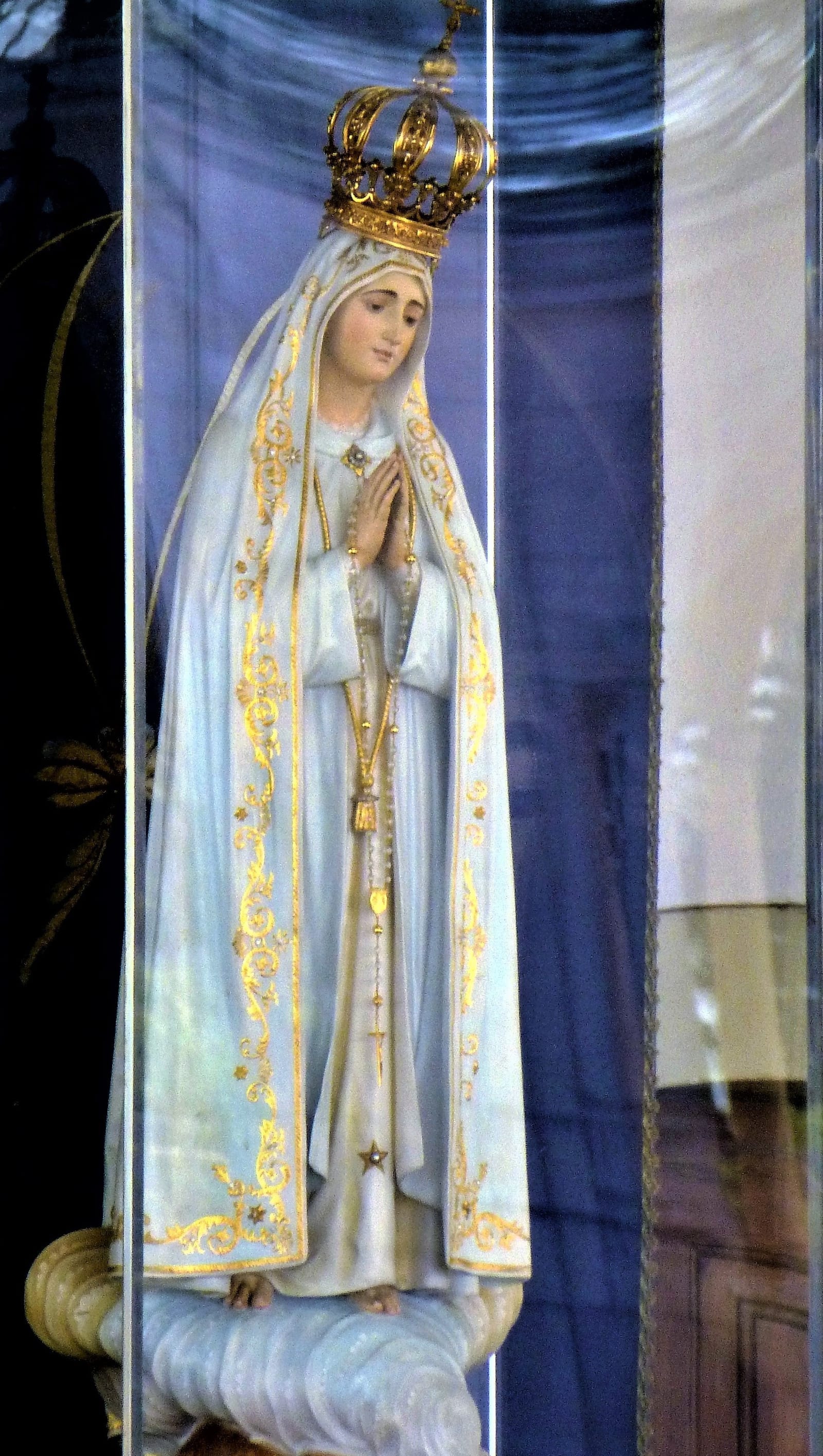
Our Lady of Fátima
1917

Our Lady of Fátima

Cova da Iria, Fátima, Portugal · feast 13 May
Approved — Holy See

Seen by Lúcia dos Santos, ten, and Sts. Francisco and Jacinta Marto, nine and seven

'I am the Lady of the Rosary.' The Rosary daily; penance; devotion to her Immaculate Heart; the consecration of Russia. 'In the end, my Immaculate Heart will triumph.'

The Church: Bishop José Alves Correia da Silva of Leiria; honoured by every pope since Pius XII; Francisco and Jacinta canonized (2017) — 13 October 1930

the Rosarypenancethe Immaculate Heartconsecrationreparationa warningThe full story →On the map →
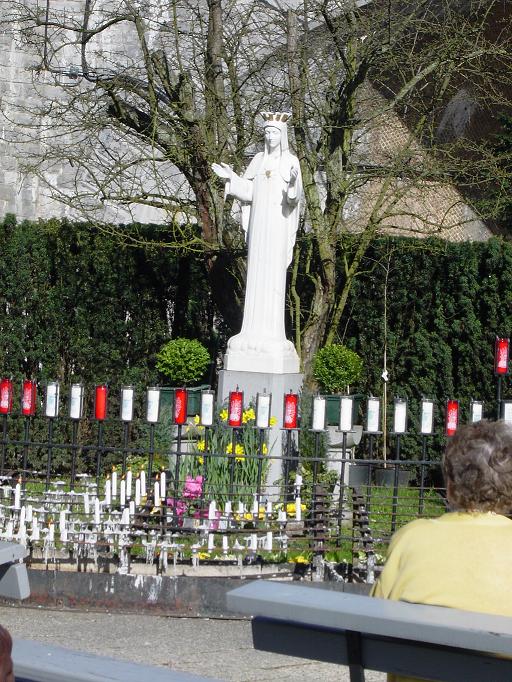
Our Lady of Beauraing
1932–33

Our Lady of Beauraing

Beauraing, Namur, Belgium
Approved — Holy See

Seen by Five children of two families, in thirty-three apparitions

'I am the Immaculate Virgin… the Mother of God, Queen of Heaven. Pray always.' She shows a heart of gold.

The Church: Bishop André-Marie Charue of Namur — 2 July 1949

the Rosarythe Immaculate Heartconversion of sinnersThe full story →On the map →
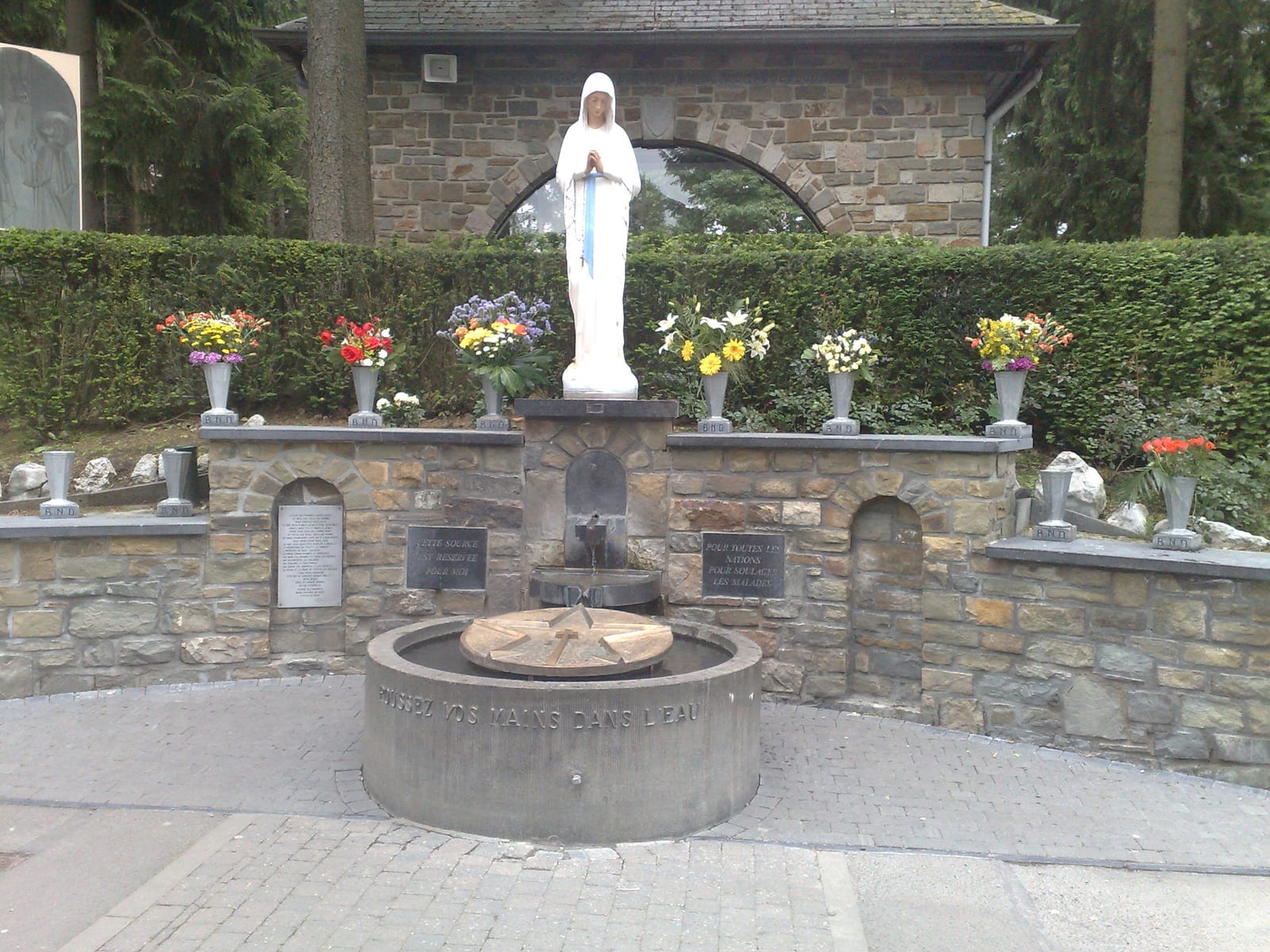
Our Lady of the Poor of Banneux
1933

Our Lady of the Poor of Banneux

Banneux, Liège, Belgium
Approved — Holy See

Seen by Mariette Beco, eleven, in eight apparitions

'I am the Virgin of the Poor.' Leading her to a spring: 'This spring is reserved for all nations — to relieve the sick.'

The Church: Bishop Louis-Joseph Kerkhofs of Liège — 22 August 1949

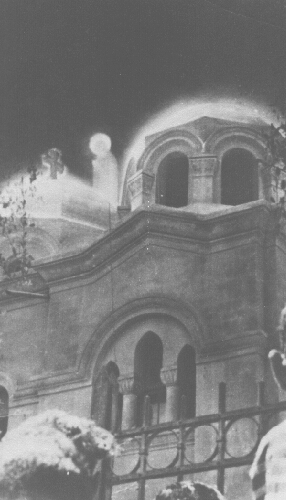
Our Lady of Zeitoun
1968–71

Our Lady of Zeitoun

Zeitoun, Cairo, Egypt
Approved — local bishop

Seen by Hundreds of thousands — Christian and Muslim — over three years, and the cameras

No words: a luminous figure of a woman on the domes of the Coptic church of St. Mary, bowing to the crowd, sometimes with doves.

The Church: Pope Kyrillos VI of the Coptic Orthodox Church (4 May 1968); affirmed by the Coptic Catholic Patriarch, Cardinal Stephanos I, for his own faithful — 4 May 1968

Approved by the Coptic Orthodox Church, not by the Holy See; the Catholic patriarch of Egypt concurred. The site records it because it is the most-witnessed apparition in history.

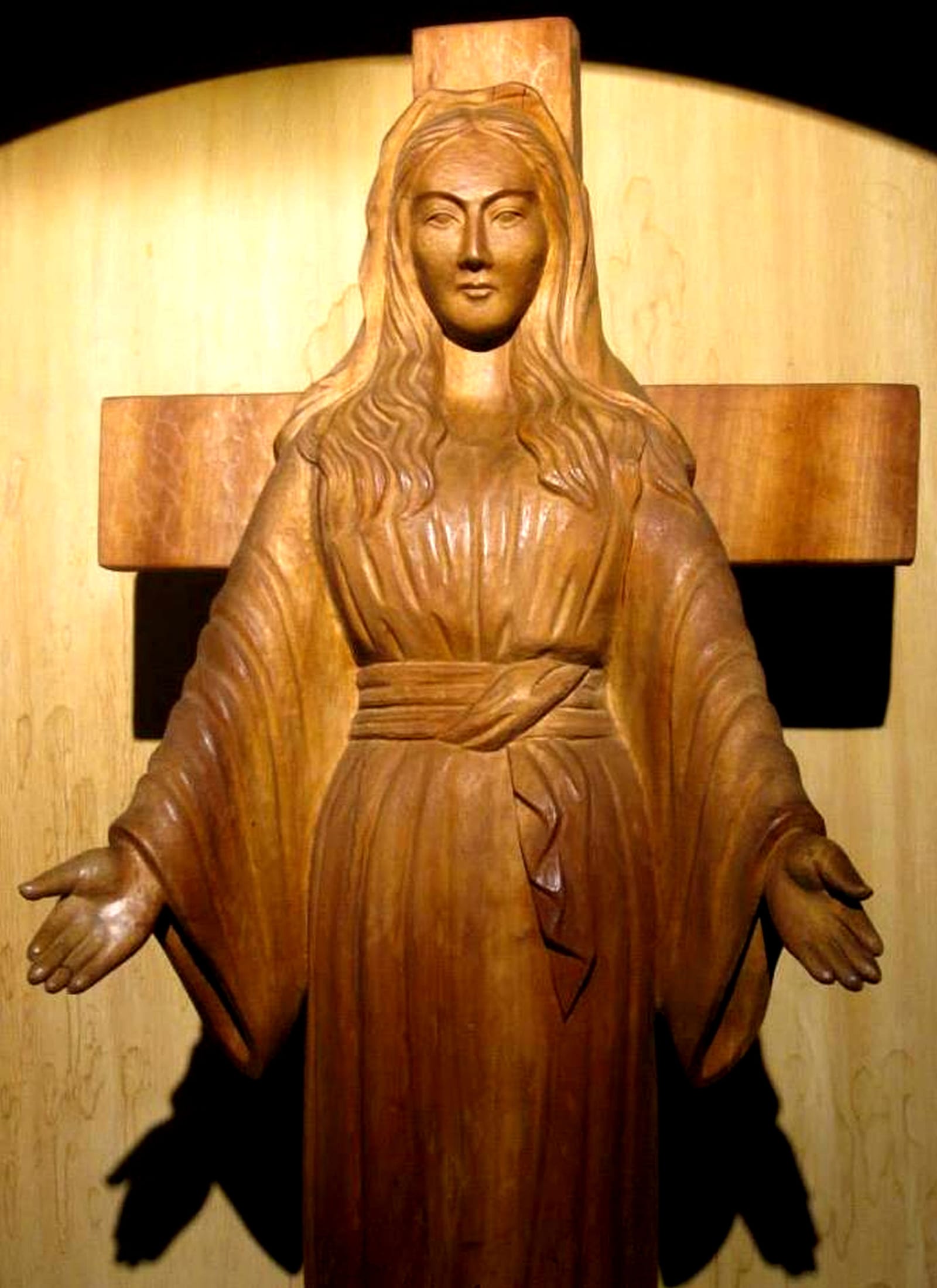
Our Lady of Akita
1973

Our Lady of Akita

Yuzawadai, Akita, Japan
Approved — local bishop

Seen by Sister Agnes Sasagawa, a deaf nun, before a wooden statue that wept 101 times

Three messages from the statue: prayer and reparation; a warning of chastisement 'greater than the deluge'; the Rosary as the weapon against the devil's work within the Church.

The Church: Bishop John Shojiro Ito of Niigata, by pastoral letter, after consultation with the Congregation for the Doctrine of the Faith — 22 April 1984

reparationa warningthe RosaryThe full story →On the map →
Our Lady, Reconciler of Peoples, of Betania
1976–84

Our Lady, Reconciler of Peoples, of Betania

Finca Betania, near Cúa, Miranda, Venezuela
Approved — local bishop

Seen by María Esperanza de Bianchini, and on 25 March 1984 more than a hundred people together

'I am Mary, Virgin and Mother, Reconciler of all Peoples and Nations.' Reconciliation, the Rosary, the family.

The Church: Bishop Pío Bello Ricardo of Los Teques, by pastoral instruction, after interviewing nearly five hundred witnesses himself — 21 November 1987

peacethe RosaryhealingThe full story →On the map →
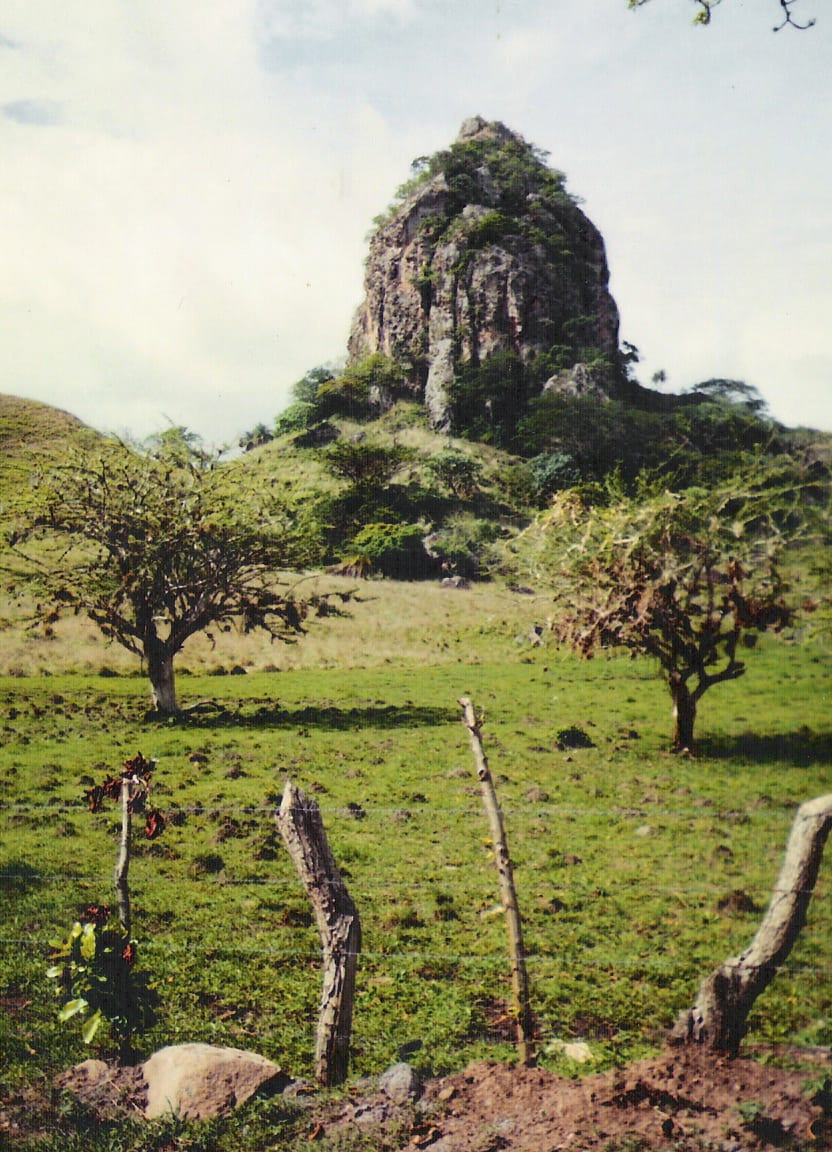
Our Lady of Cuapa
1980

Our Lady of Cuapa

Cuapa, Chontales, Nicaragua
Approved — local bishop

Seen by Bernardo Martínez, a sacristan of fifty, months after the Sandinista revolution

'Pray the Rosary every day, in the family… Nicaragua has suffered much since the earthquake; it will continue to suffer if you do not change.'

The Church: Bishop Pablo Antonio Vega of Juigalpa, by official statement — 13 November 1982

the Rosarypeacea warningThe full story →On the map →
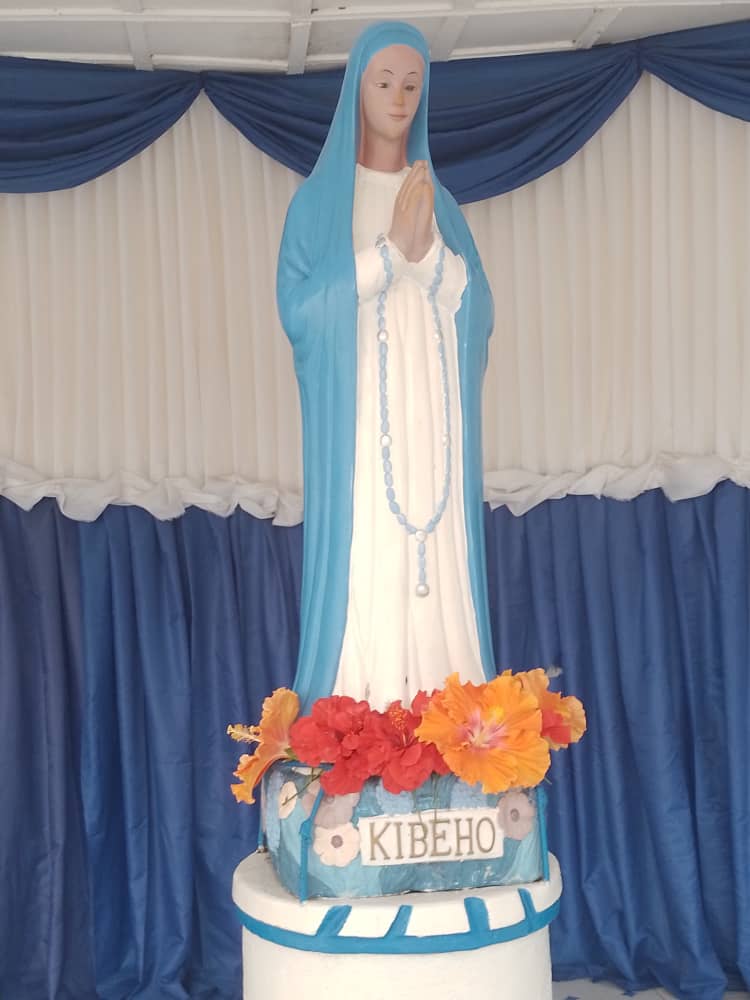
Our Lady of Sorrows of Kibeho
1981–89

Our Lady of Sorrows of Kibeho

Kibeho, Rwanda · feast 28 November
Approved — Holy See

Seen by Alphonsine Mumureke, Nathalie Mukamazimpaka and Marie Claire Mukangango, schoolgirls

'Nyina wa Jambo' — Mother of the Word. Repentance, and the Rosary of the Seven Sorrows, 'because a tragedy is coming to Rwanda': a vision of rivers of blood, five years before the genocide.

The Church: Bishop Augustin Misago of Gikongoro, with the approval of the Holy See — the only approved apparition in Africa — 29 June 2001

her sorrowspenancea warningthe RosaryThe full story →On the map →
Our Lady of the Rosary of San Nicolás
1983–90

Our Lady of the Rosary of San Nicolás

San Nicolás de los Arroyos, Argentina · feast 25 September
Approved — local bishop

Seen by Gladys Quiroga de Motta, a housewife with four years of schooling, in some 1,800 messages

The Rosary, the Eucharist, Scripture; a mother gathering her children in the last hour: 'I am the door of Heaven.'

The Church: Bishop Héctor Cardelli of San Nicolás — 22 May 2016

the Rosarythe Eucharistconversion of sinnersThe full story →On the map →

Five centuries, one message

Set the approved apparitions side by side and the striking thing is not their variety but their sameness. She comes to the poor — a widower on a hill outside Mexico City, a shepherdess, three children minding sheep, a sacristan, a housemaid, a nun in a chapel — almost never to the learned or the powerful. She asks for prayer, and from 1830 on she asks for the Rosary by name. She asks for penance and the conversion of sinners. She warns — of war, of chastisement, of a tragedy coming to Rwanda — and the warnings have a way of being kept. And she leaves a spring, a medal, a scapular, an image on a cloak, so that the visit outlasts the visionary.

The other constant is that she points away from herself. Guadalupe's 'Am I not here, who am your Mother?' is the mother's part; Cana's 'Do whatever he tells you' is the whole of it. Every approved message ends at the Eucharist, at confession, at the Cross. The Church has never approved an apparition whose message ended anywhere else.

Left open, or set aside

The famous claims the Church has not approved — one with a nihil obstat for its devotion, one unresolved for sixty years, two judged not supernatural. Stated exactly, because a reader who meets these names elsewhere deserves to know what the Church has actually said.

1945–59

The Lady of All Nations

Amsterdam, Netherlands
Judged not supernatural

Seen by Ida Peerdeman, in fifty-six reported apparitions

A prayer, and a demand that the Church define a fifth Marian dogma: Mary as Co-Redemptrix, Mediatrix and Advocate.

The Church: The Congregation for the Doctrine of the Faith (1974), a judgement approved by Paul VI; reaffirmed in 2020 after a local bishop had contradicted it, and confirmed again by the Dicastery in 2024 — 1974 · 2020 · 2024

Devotion to Mary under the title is permitted; the apparitions and messages may not be promoted as authentic.

a warning
1961–65

Garabandal

San Sebastián de Garabandal, Cantabria, Spain
Not established

Seen by Four girls aged eleven and twelve, some two thousand reported apparitions

Prayer, sacrifice, the Eucharist; a promised 'warning', 'miracle' and 'chastisement' still awaited.

The Church: Every Bishop of Santander since 1961: the supernatural character 'is not established'; private prayer at the site permitted since 1987, public promotion not — 1961 · 1965 · 1987

Neither approved nor condemned — the Church's oldest unresolved case of the modern era.

the Eucharistpenancea warning
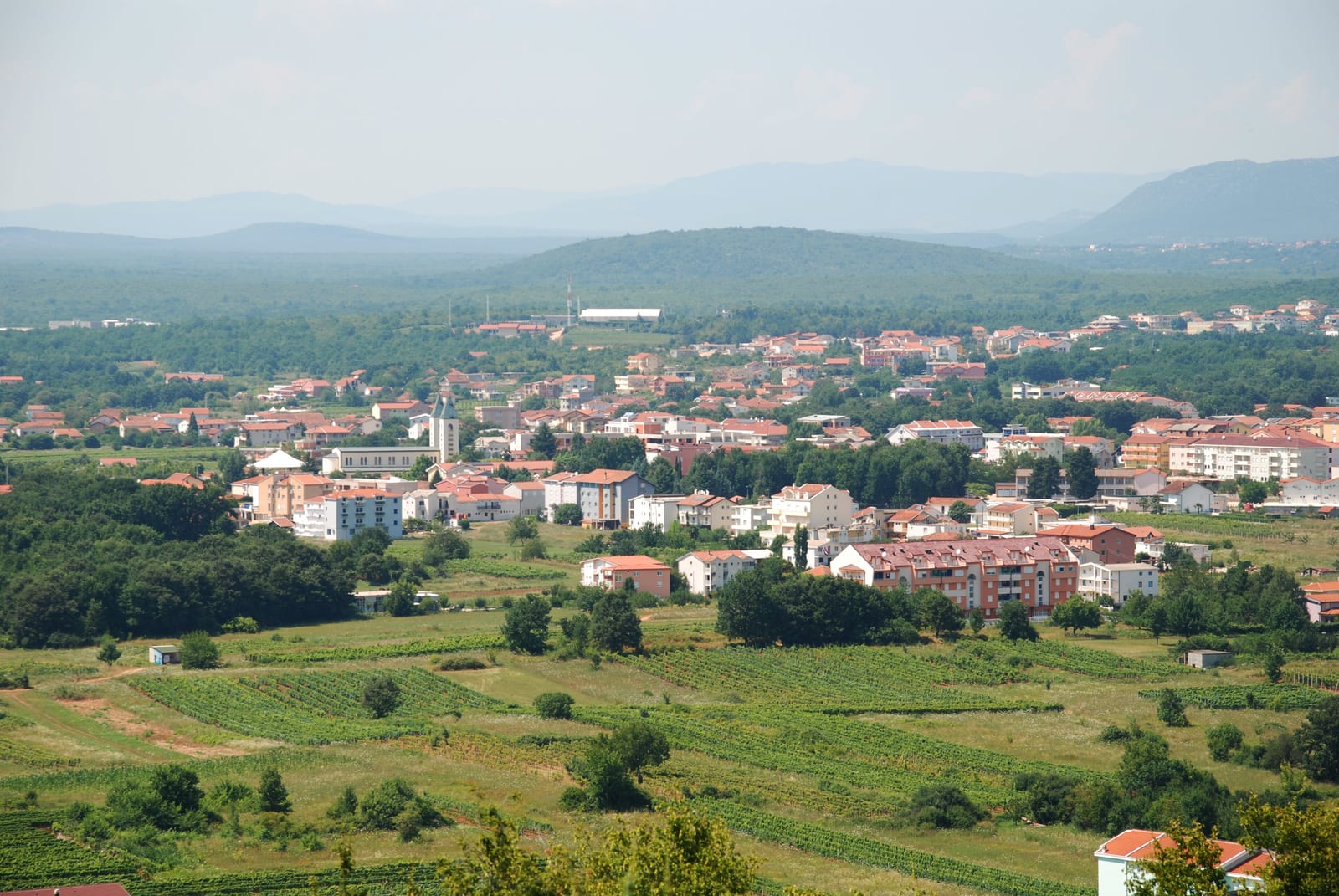
Medjugorje — the Queen of Peace
1981–

Medjugorje — the Queen of Peace

Medjugorje, Herzegovina, Bosnia and Herzegovina
Nihil obstat (2024 norms)

Seen by Six young people, from 24 June 1981; several report apparitions to this day

Peace, conversion, prayer, fasting, confession — 'the five stones'.

The Church: The Dicastery for the Doctrine of the Faith, in the note The Queen of Peace, approved by Pope Francis — after the Zadar declaration of the Yugoslav bishops (10 April 1991: 'non constat'), the Ruini commission (2010–14), and the authorisation of official pilgrimages (12 May 2019) — 19 September 2024 · read it

The devotion is approved and pilgrims may come; the Church has made no ruling that the apparitions are supernatural, and cautions against following the visionaries' messages as if it had.

peaceconversion of sinnerspenancethe RosaryThe full story →On the map →
2016–

Trevignano Romano

Trevignano Romano, Lazio, Italy
Judged not supernatural

Seen by Gisella Cardia, before a statue said to weep blood

Monthly messages of chastisement and warning.

The Church: Bishop Marco Salvi of Civita Castellana, by decree ('constat de non supernaturalitate'), confirmed by the Dicastery for the Doctrine of the Faith — the first case decided under the 2024 norms — 6 March 2024 · June 2024

a warning

What binds a Catholic

  • ✦No Catholic is obliged to believe that Our Lady appeared anywhere — not at Lourdes, not at Fátima. The Church's approval permits belief; it does not command it.
  • ✦What the messages ask — prayer, the Rosary, penance, confession, the Eucharist, reparation — binds because the Gospel asks it. That is precisely why the Church could approve them: they contain nothing new.
  • ✦Where the Church has judged a claim not supernatural, or forbidden its promotion, a Catholic may not promote it as authentic. Devotion to Mary under a title is often permitted even where the alleged apparitions behind it are not.
  • ✦Contempt is not permitted either. The Church has honoured the approved apparitions with feasts, basilicas, papal pilgrimages and canonized seers; a Catholic may hold them lightly, but not in scorn.

Every judgement on this page — who approved what, and on what date — was checked against a source before it was written, and the documents are linked where a public text exists. Where the Church has spoken, the page says so; where she has not, it says that too.