
The Shroud of Turin, the Sudarium of Oviedo, the Tilma of Guadalupe, the Black Madonna of Częstochowa, weeping statues of Akita and Civitavecchia, the True Cross — physical objects whose history, preservation, or behaviour the Church has chronicled as miraculous.
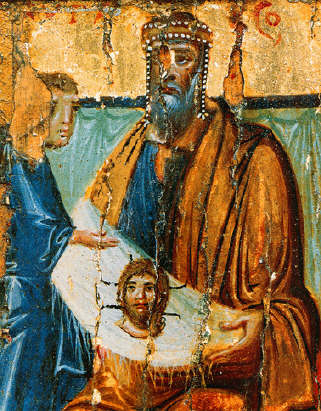
The Letter of Christ to King Abgar of Edessa
The earliest 'True Letter' of Christ in the Catholic tradition — a written exchange between King Abgar V of Edessa and Our Lord, preserved by Eusebius (Church History 1.13, c. AD 325), who reported he had personally examined the original Syriac documents in the city's archives.
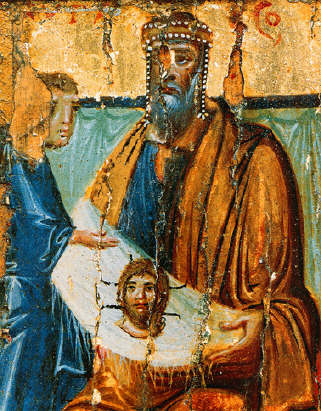
The Mandylion — the Image of Edessa
The cloth bearing the miraculously imprinted face of Christ, venerated at Edessa from the 1st century, translated with solemn procession to Constantinople in 944, and lost to the West with the sack of Constantinople in 1204 — by one major scholarly hypothesis the same cloth now known as the Shroud of Turin.
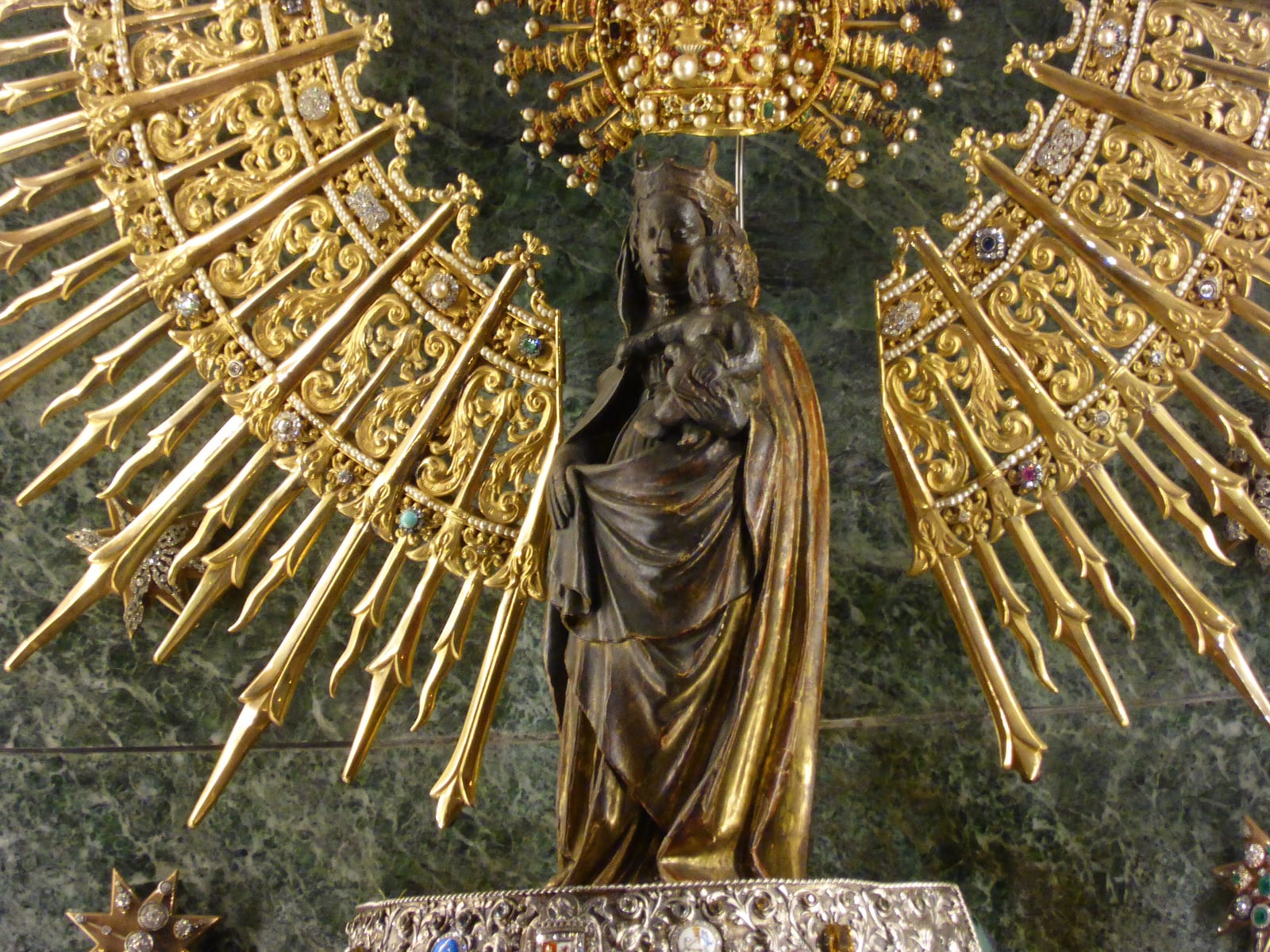
Our Lady of the Pillar (El Pilar)
The earliest Marian apparition by tradition — the Blessed Virgin appearing to St. James the Apostle on the banks of the Ebro at Zaragoza in AD 40, while she was still living, and leaving a pillar of jasper as a sign. The pillar and a small wooden image upon it have been continuously venerated since.
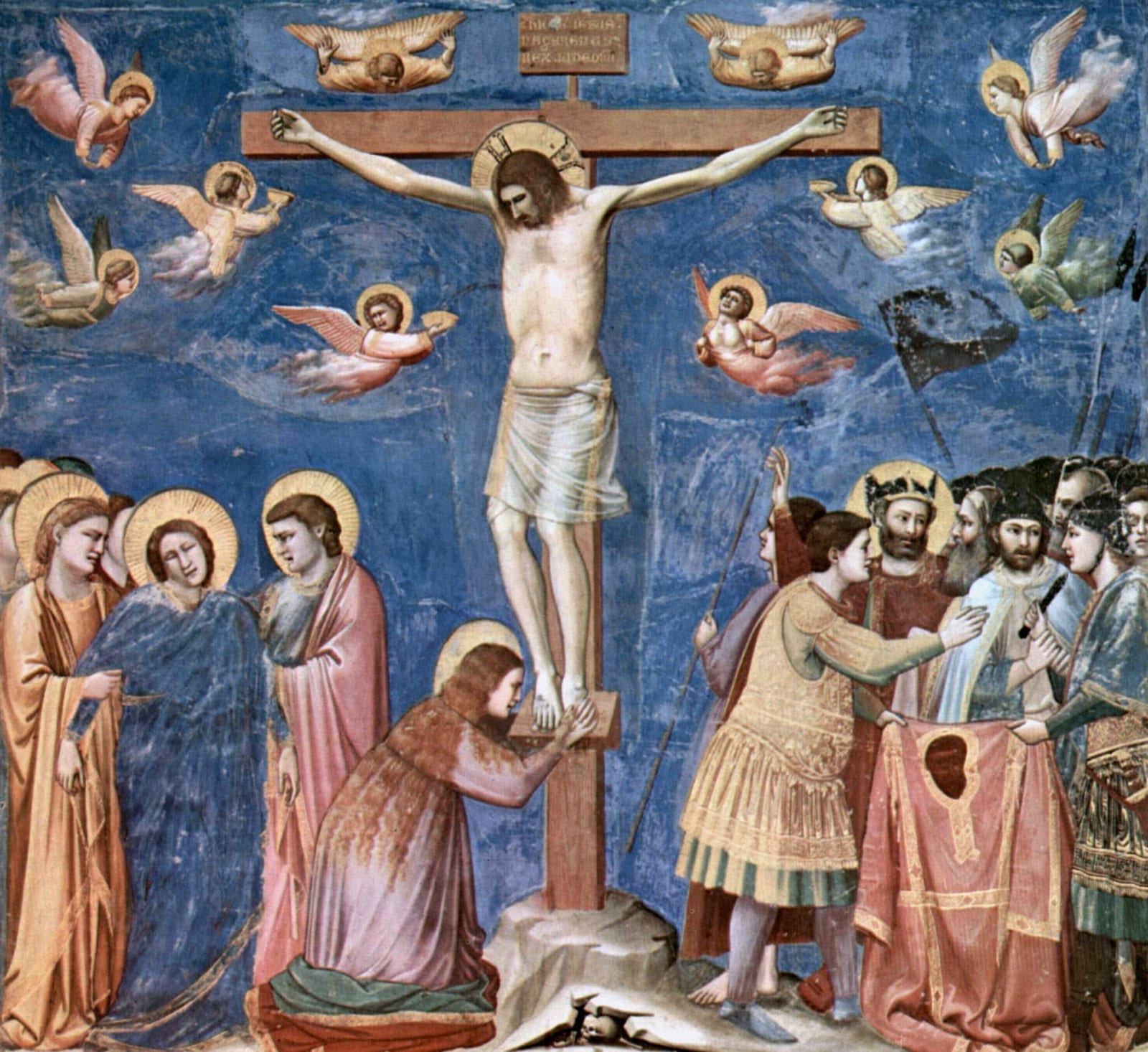
The True Cross
The cross of Christ's crucifixion, discovered by St. Helena, mother of Constantine, in excavations of Calvary c. 326. Fragments venerated across Christendom. Principal portions held at the Holy Sepulchre, Santa Croce in Gerusalemme (Rome), and Mt. Athos.
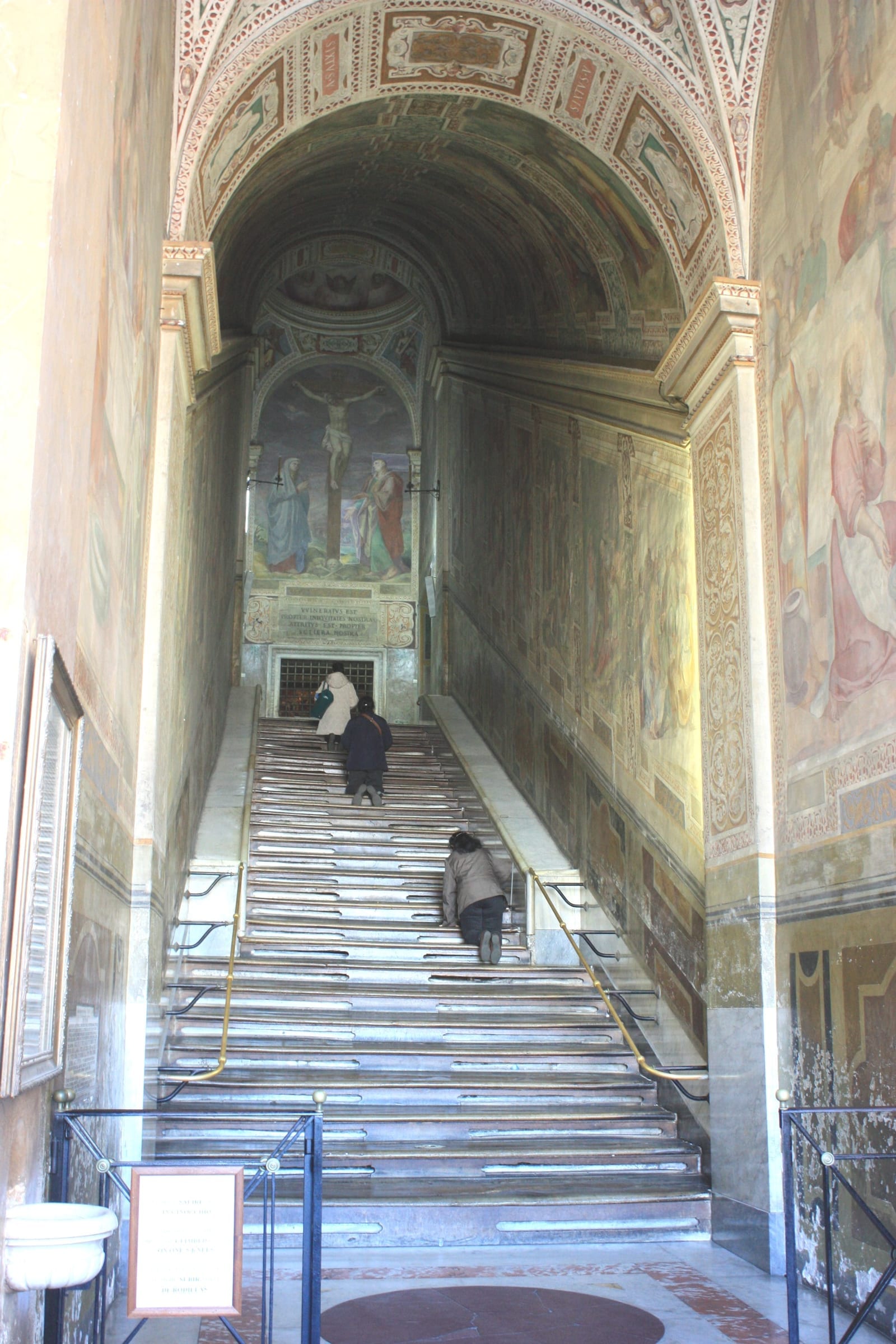
The Holy Stairs (Scala Santa)
Twenty-eight white marble steps brought from Jerusalem by St. Helena — traditionally identified as the stairs from Pilate's praetorium that Christ ascended on Good Friday. Climbed only on the knees; venerated by every pope for seventeen centuries.
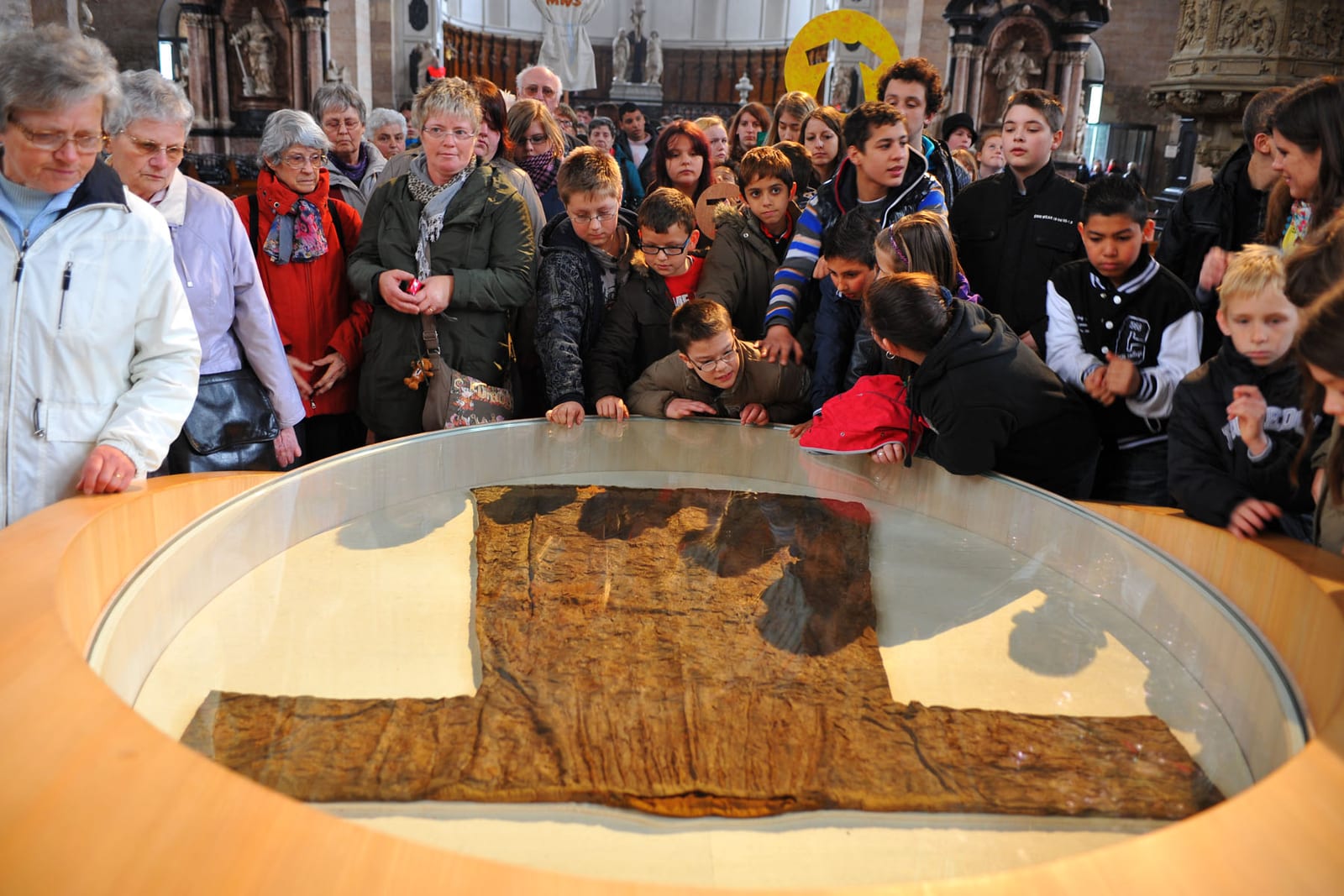
The Holy Coat of Trier
The seamless tunic of Christ — for which the soldiers cast lots at the foot of the Cross (John 19:23–24) — is preserved at the Cathedral of Trier. By tradition brought from the Holy Land by St. Helena, mother of Constantine, in the 4th century.
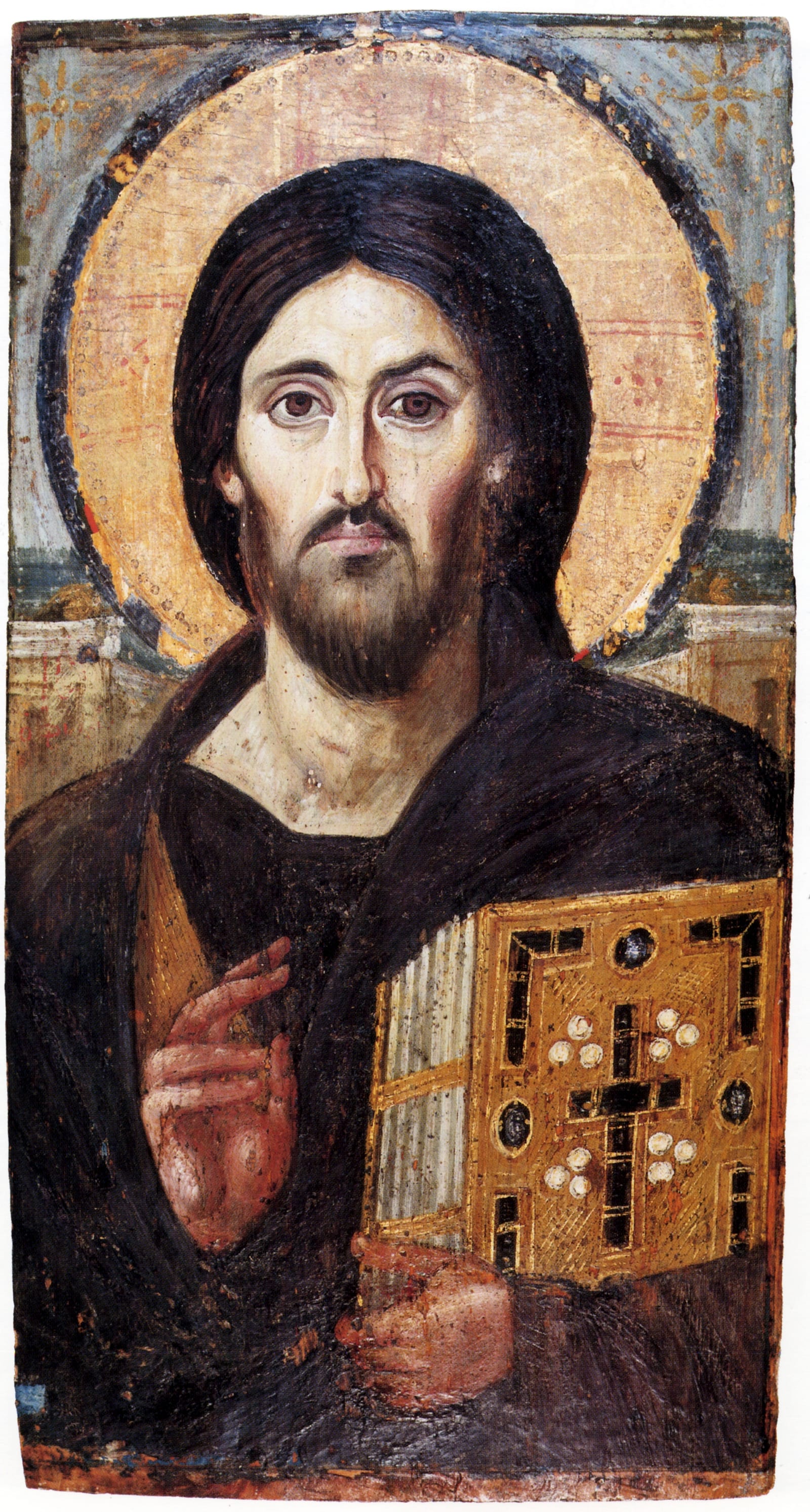
The Christ Pantocrator of Sinai
The oldest known panel icon of Christ in existence — the 6th-century encaustic Christ Pantocrator at St. Catherine's Monastery on Mount Sinai. The famous asymmetry of the face (one side serene, the other in judgement) has shaped Eastern Christian iconography for 1,500 years.
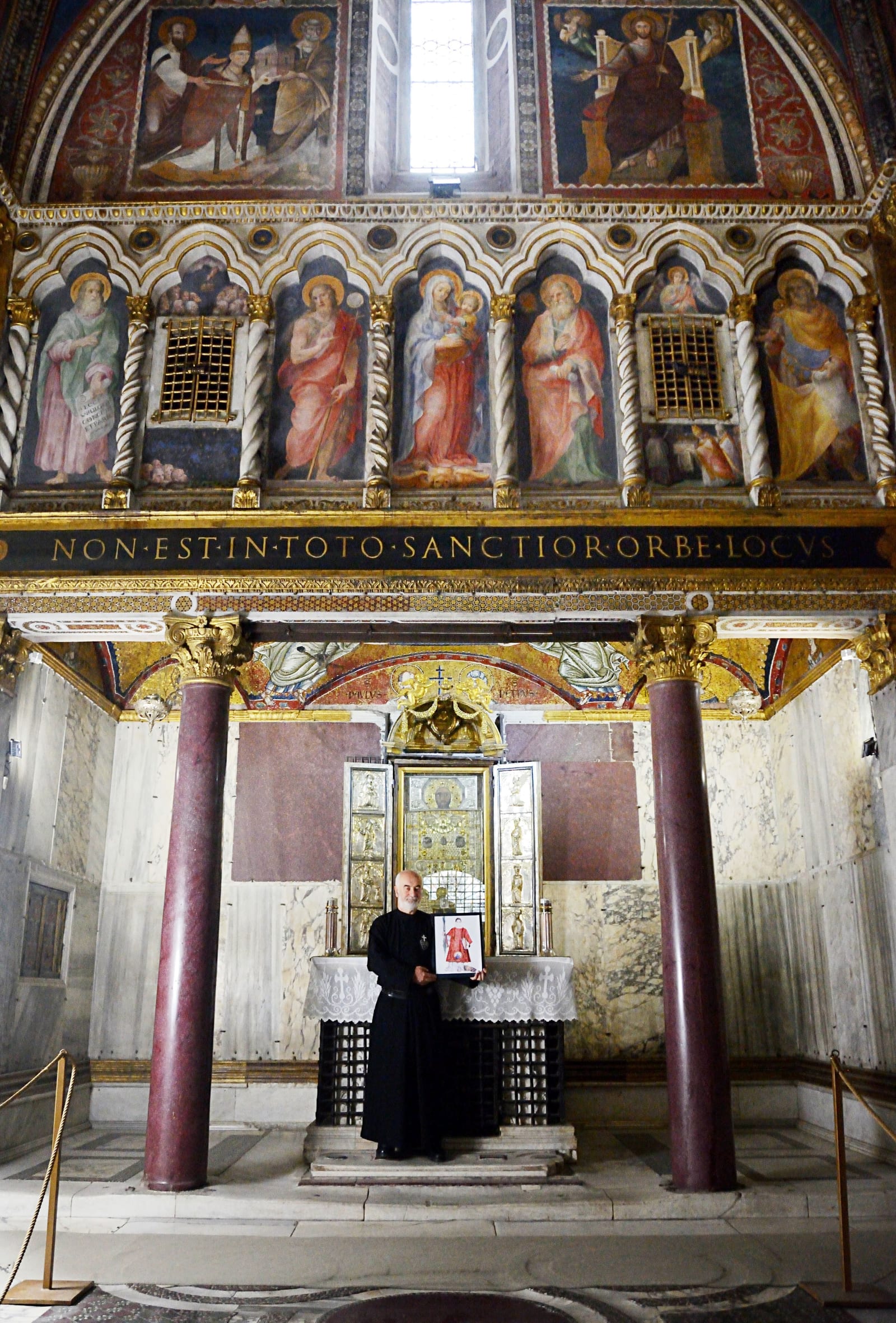
The Acheropita of the Sancta Sanctorum
A 5th- or 6th-century Byzantine panel icon of Christ enthroned, preserved in the pope's private chapel at the Lateran — venerated by every pope from St. Gregory the Great onward as an image 'not made by human hands' (acheiropoieton).
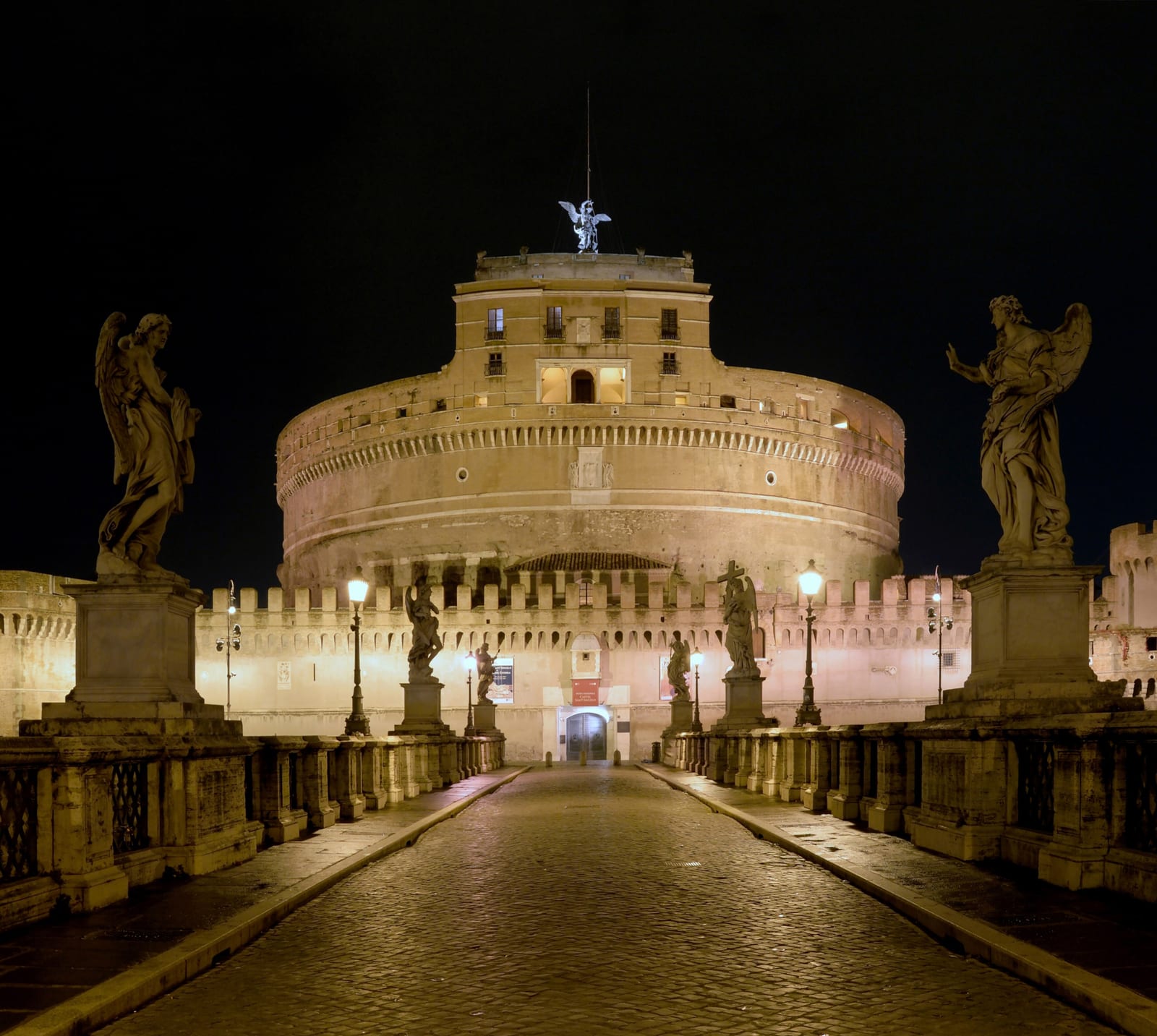
The Vision of St. Michael at Castel Sant'Angelo
At the end of the great plague of 590, Pope St. Gregory the Great led a penitential procession across the Tiber. Atop Hadrian's mausoleum he saw the Archangel Michael sheathing his sword — the sign the plague was over. The mausoleum has been called Castel Sant'Angelo ever since.
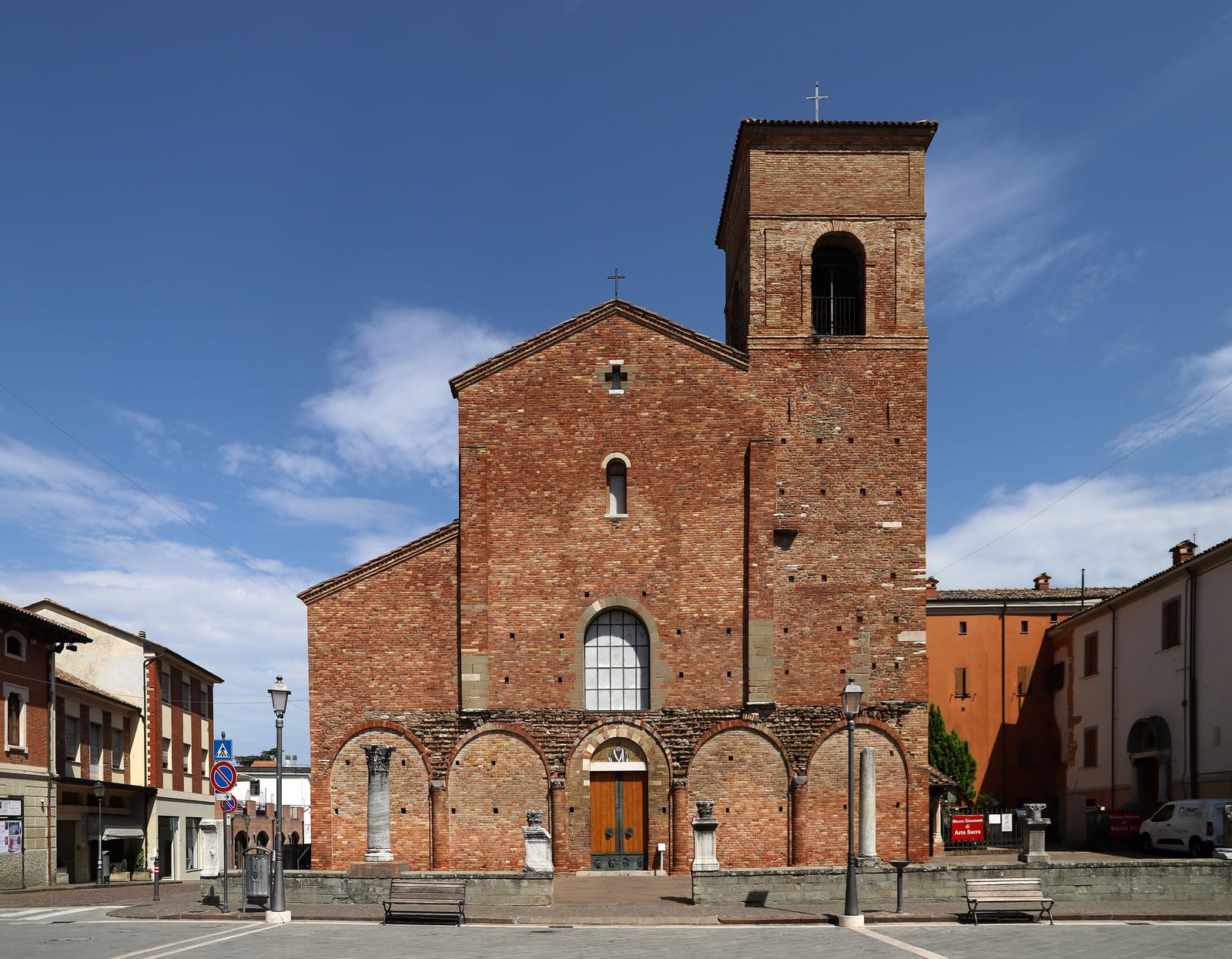
The Holy Blood of Sarsina-Cesena
A small relic of the Holy Blood preserved at the Basilica of Saint Vicinius in Sarsina (near Cesena, Emilia-Romagna), associated with the cult of the 4th-century bishop St. Vicinius — patron of those tormented by demons.
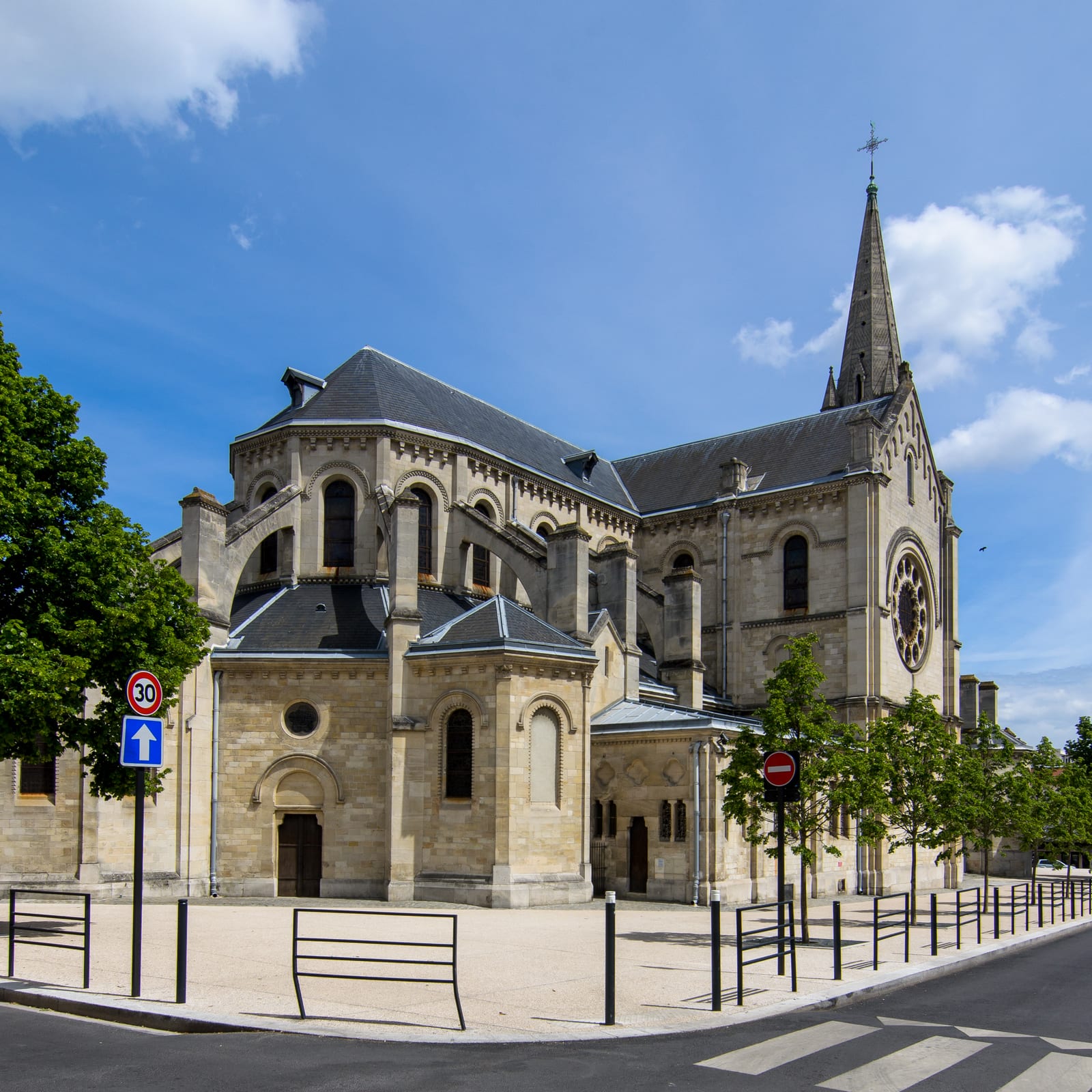
The Holy Tunic of Argenteuil
The 'tunic of suffering' — a second seamless tunic of Christ preserved at the Benedictine abbey of Argenteuil near Paris, given by Charlemagne's daughter Theodrada in the 9th century. Held to be the under-tunic worn during the scourging and Crucifixion.
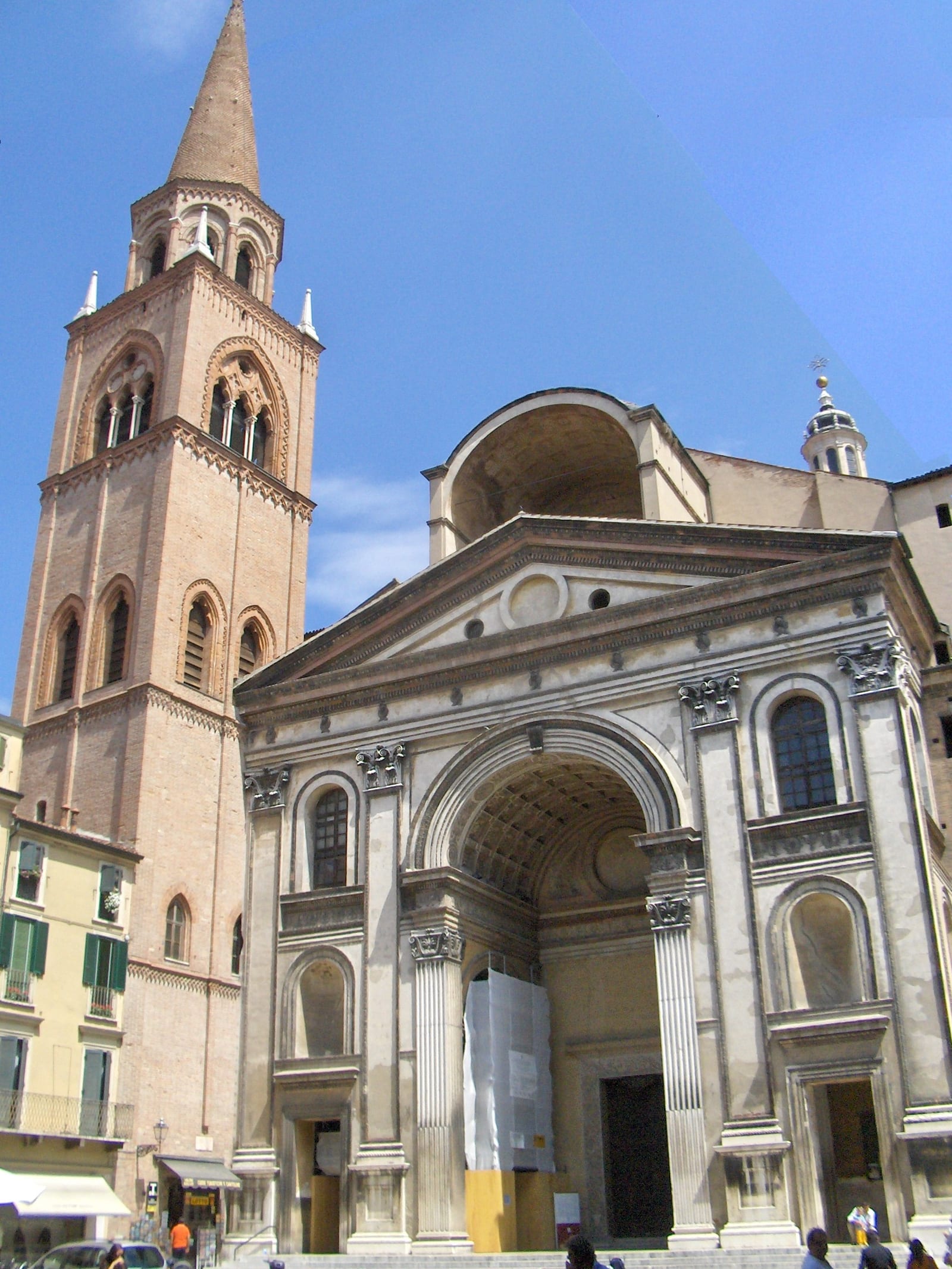
The Holy Blood of Mantua
Two vials of the blood of Christ — by tradition gathered at Calvary by the Roman centurion St. Longinus and brought by him to Mantua, where he was martyred. Rediscovered in AD 804 and again in 1048; preserved at the Basilica of Sant'Andrea designed by Alberti.
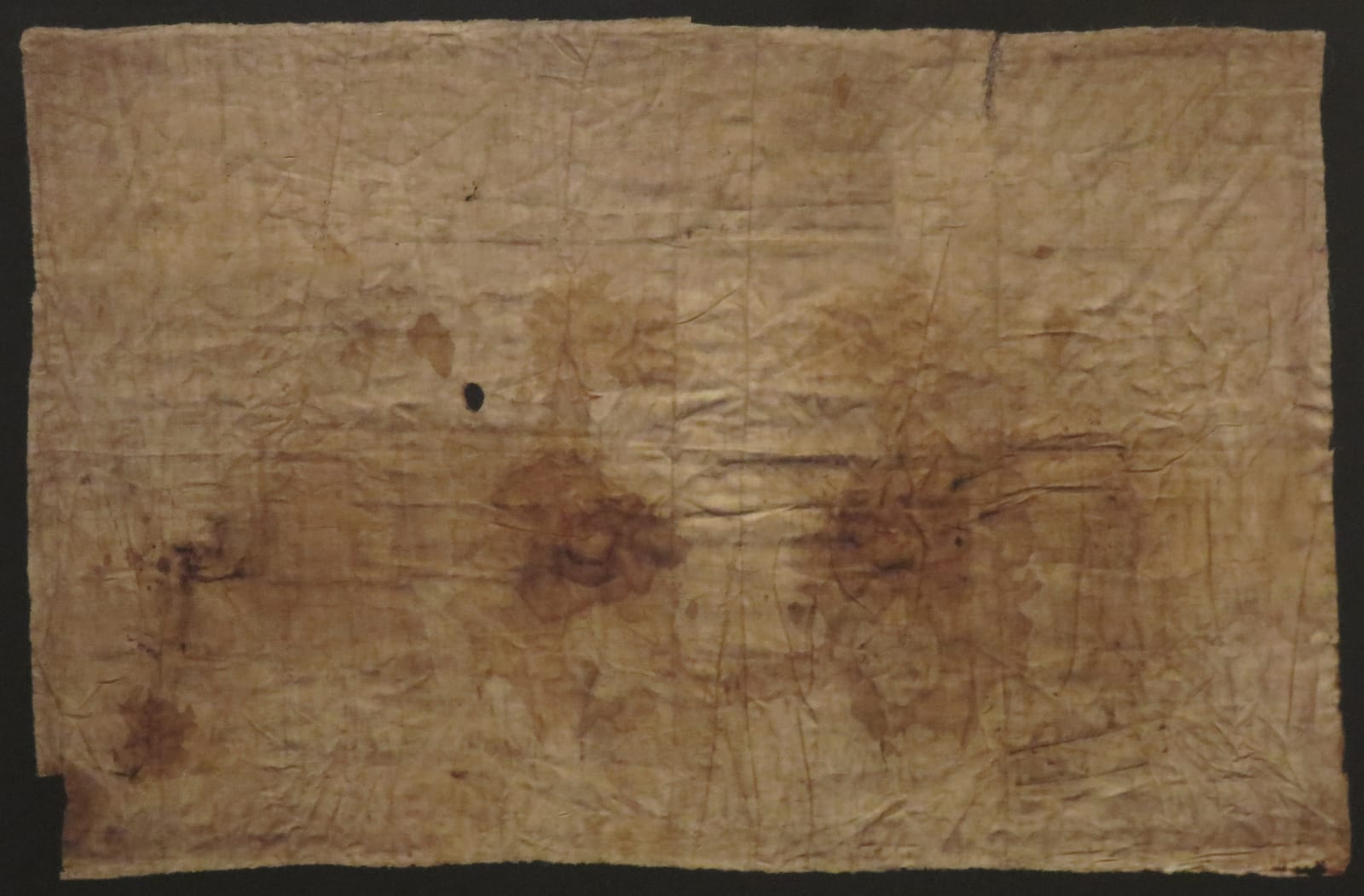
The Sudarium of Oviedo
A blood-stained linen face-cloth, identified by tradition with the soudárion mentioned in John 20:7. Forensic analysis of the blood patterns matches the facial wounds of the Shroud of Turin.
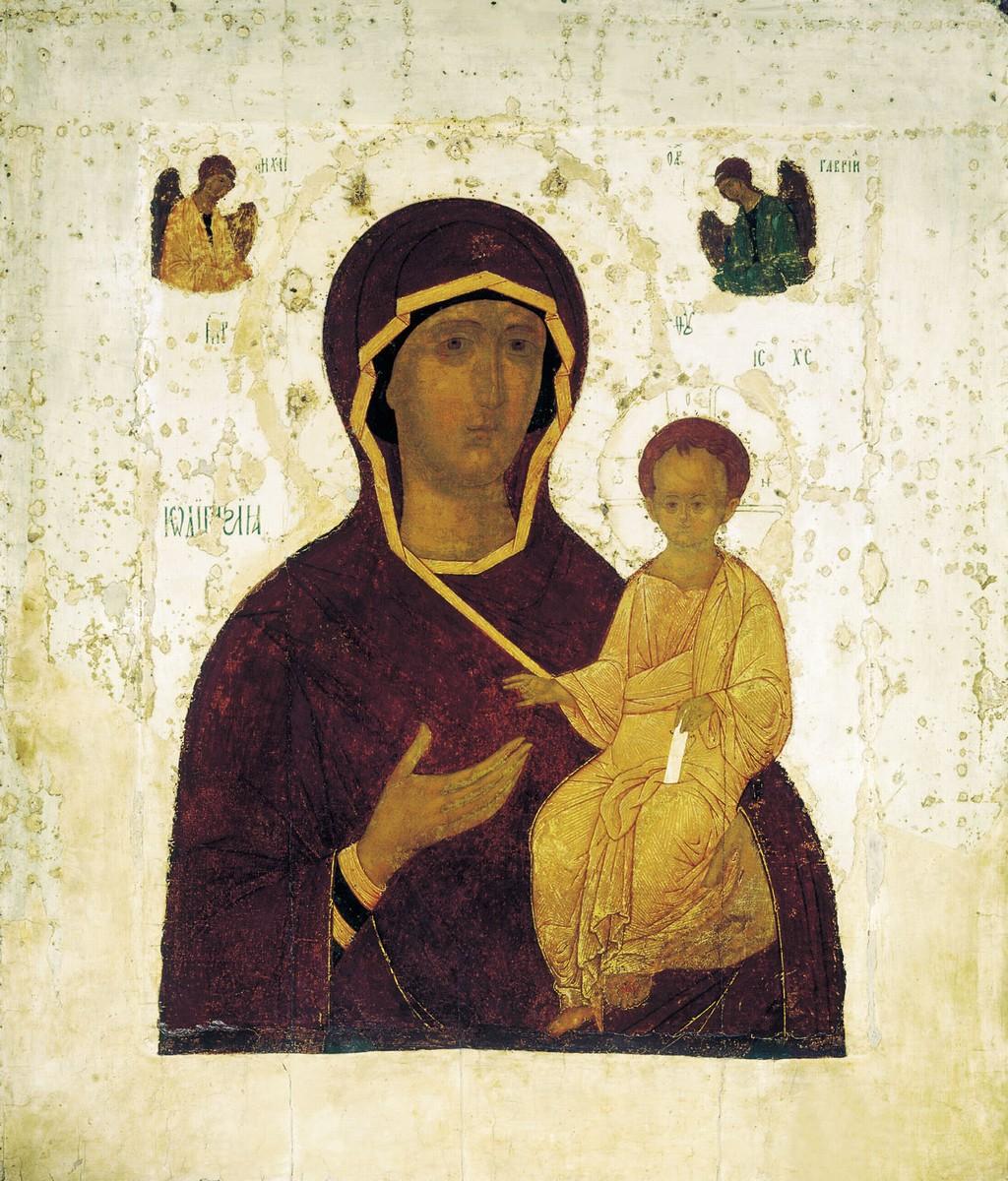
The Hodegetria of Smolensk
One of the great Russian Marian icons of the Hodegetria type — by tradition painted by St. Luke, brought to Russia by the Byzantine princess Anna Porphyrogenita on her marriage to Vsevolod Yaroslavich. Credited with the protection of Russia at the 1812 Battle of Borodino.
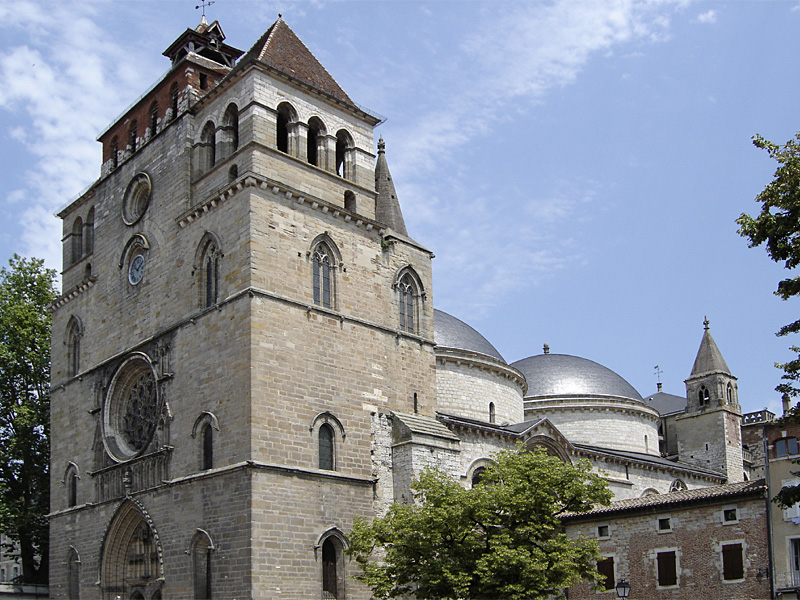
The Holy Coif of Cahors
A small linen relic at the Cathedral of Cahors in south-western France, traditionally identified as the coif (close-fitting head covering) of Christ — preserved together with the related Sudarium of Oviedo and Shroud of Turin as a third Passion cloth.
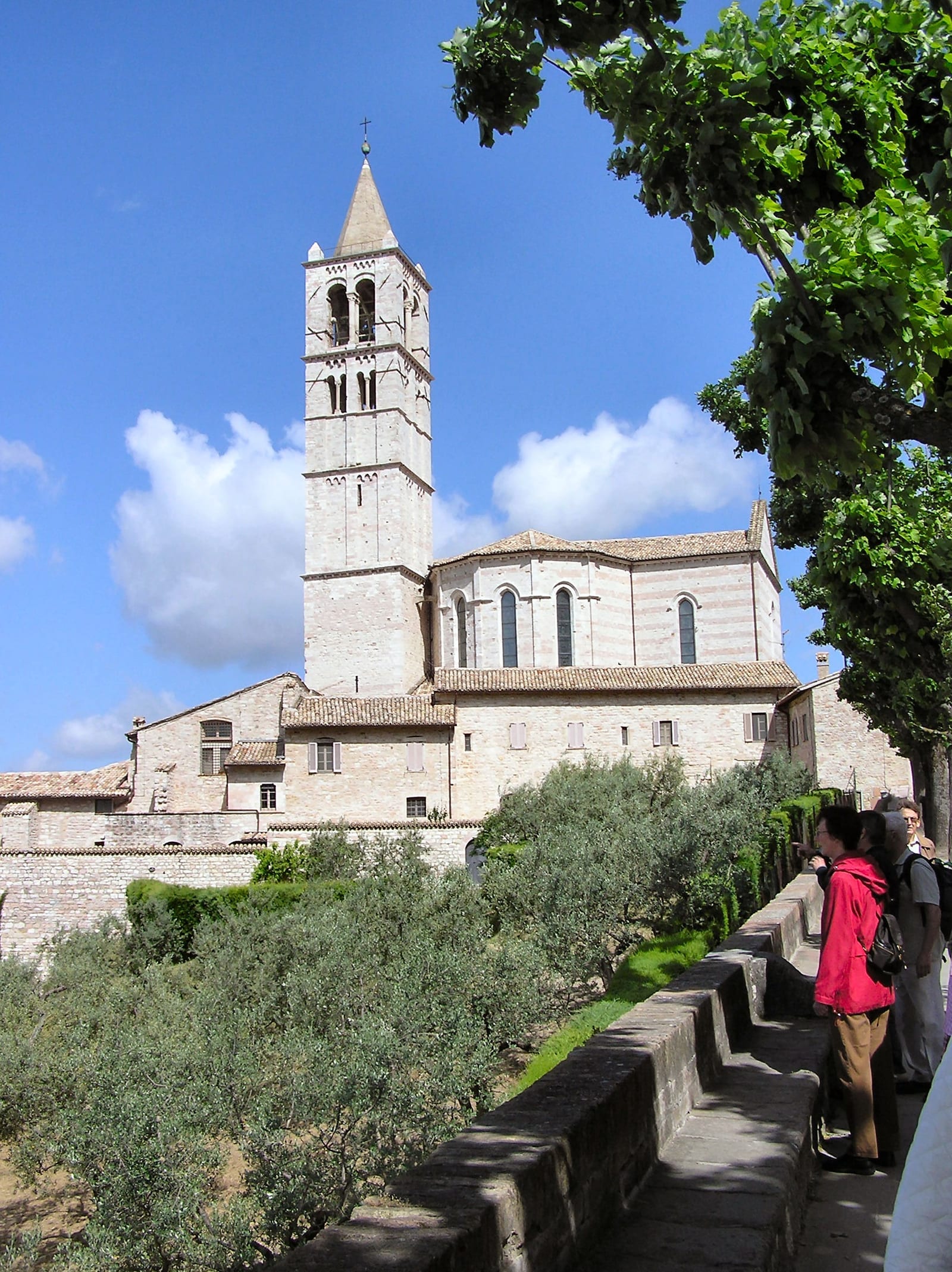
The Crucifix of San Damiano — the Voice to St. Francis
A 12th-century Umbrian icon-style crucifix. Praying before it in the ruined church of San Damiano outside Assisi, the young Francis Bernardone three times heard the figure of Christ speak: 'Francis, go and repair my house, which, as you see, is falling into ruin.' The Franciscan movement began with that voice; the crucifix hangs today in the Basilica of Santa Chiara.
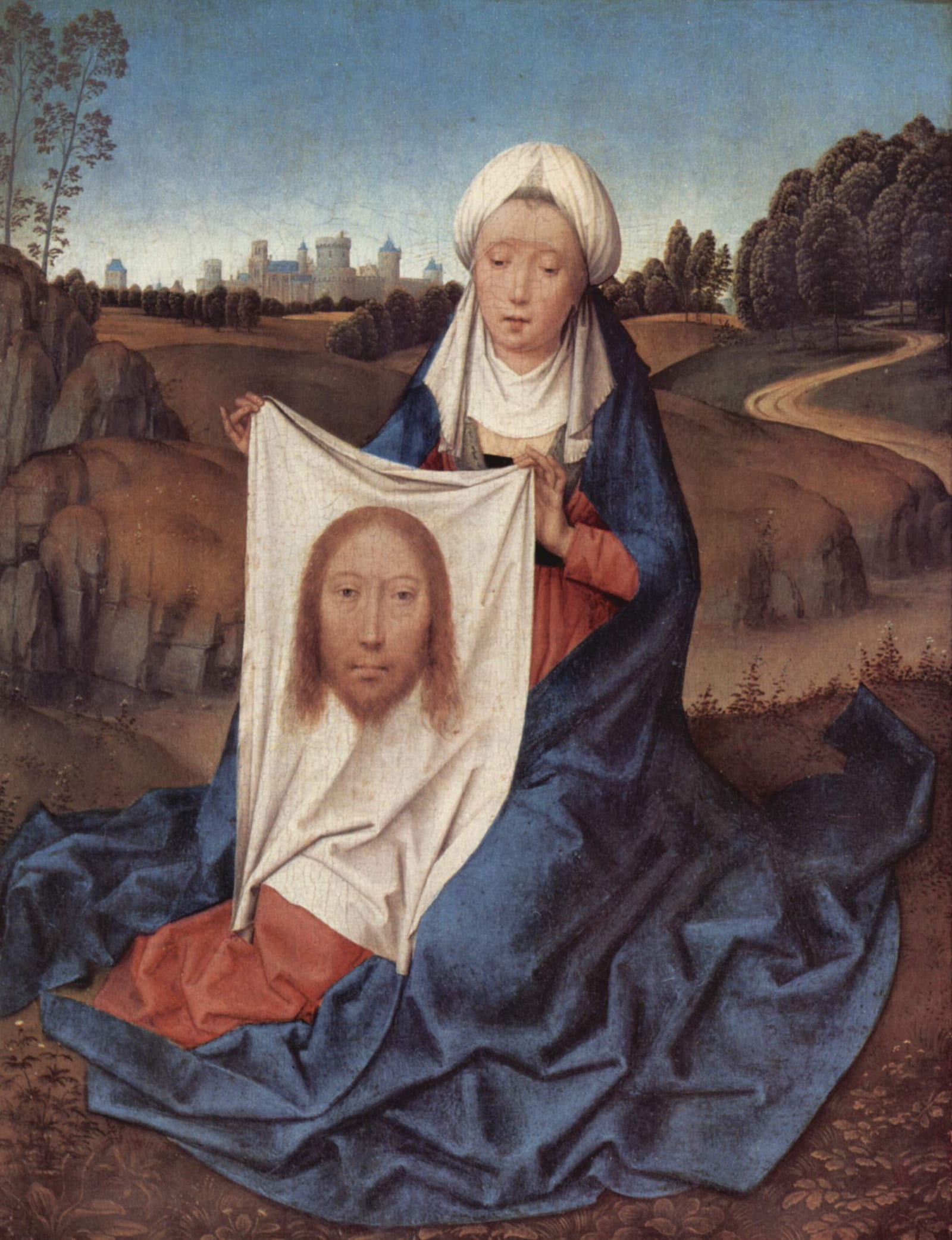
The Veil of Veronica (Vatican)
The cloth by which (per pious tradition) a woman named Veronica wiped the face of Christ on the way to Calvary, preserving the imprint of His features. Venerated at St. Peter's at least since the 11th century; one of the great medieval Roman pilgrimages.
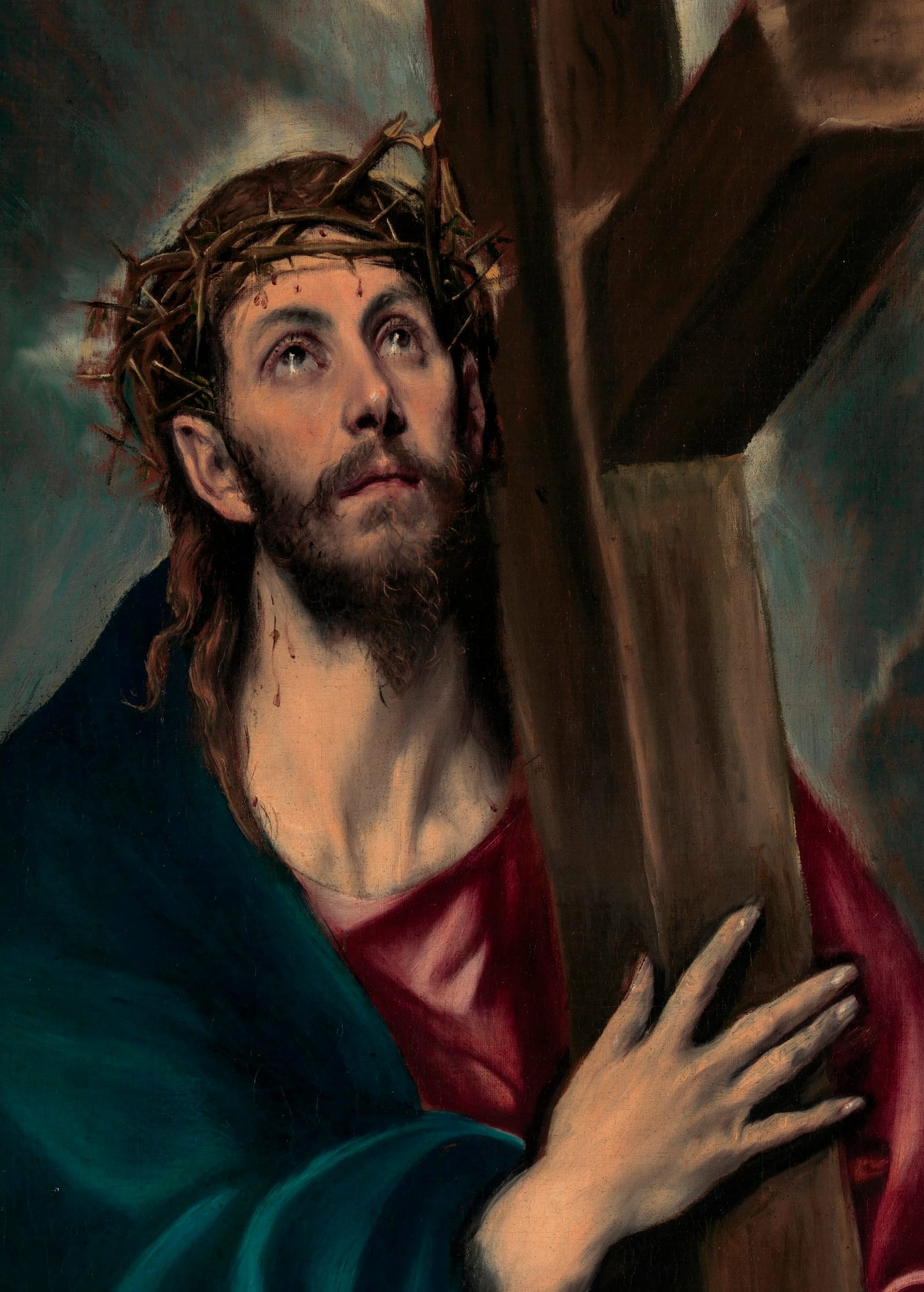
The Crown of Thorns
The crown of plaited rush placed on Christ's head in mockery (Matt 27:29). Acquired by St. Louis IX of France in 1239 from the impoverished Latin emperors of Constantinople; the Sainte-Chapelle was built to house it. Rescued from the Notre-Dame fire of 2019.
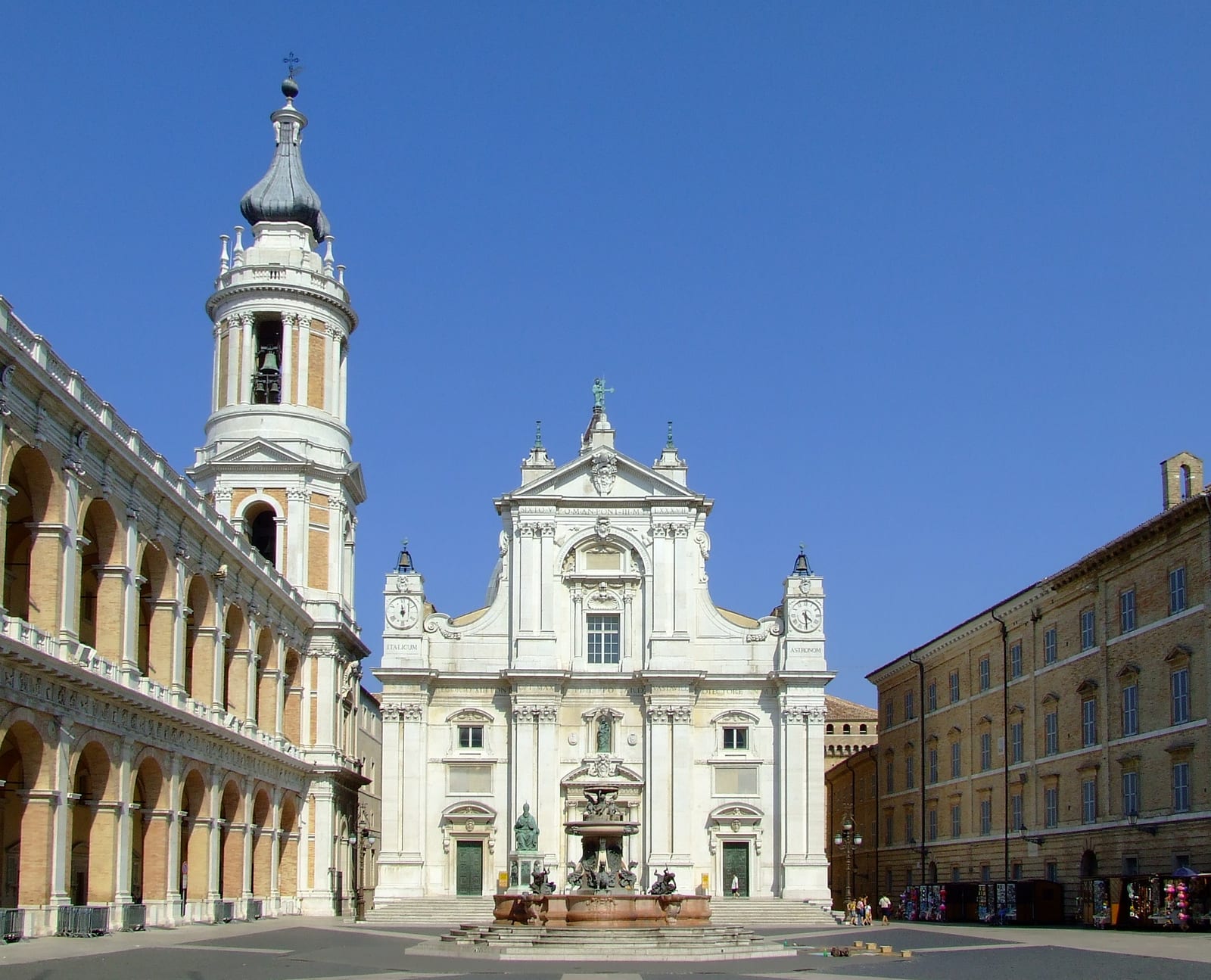
The Holy House of Loreto
Three walls of the small Nazarene house where the Virgin Mary received the Annunciation. Translated — according to tradition by angels, according to documents by the Crusading Angeli family of Epirus — from Nazareth to Tersatto (1291), Recanati (1294), and finally Loreto (1295).
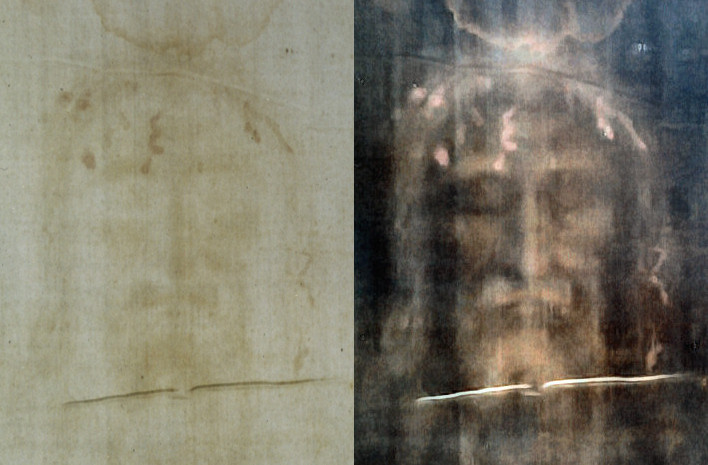
The Shroud of Turin
A 14-foot linen cloth bearing the front and back image of a crucified man. Held by Catholic tradition since at least the 14th century to be the burial cloth of Jesus Christ. Contested 1988 carbon dating, since challenged.
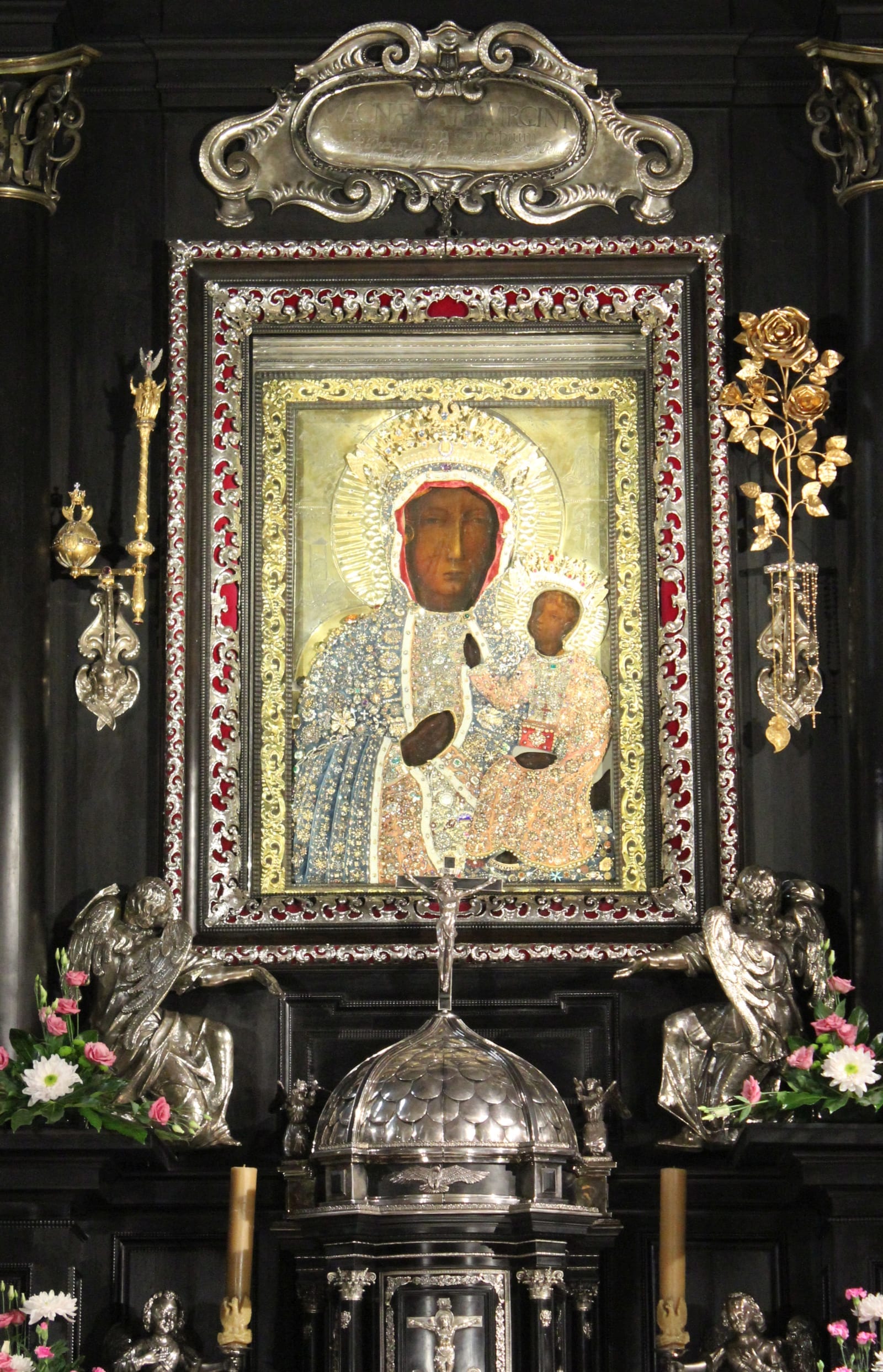
The Black Madonna of Częstochowa
A Byzantine-style icon of the Virgin and Child, attributed by tradition to St. Luke. Saved Poland from the Swedish invasion of 1655; defaced by scimitar cuts that have miraculously refused to be repaired. National icon of Poland.
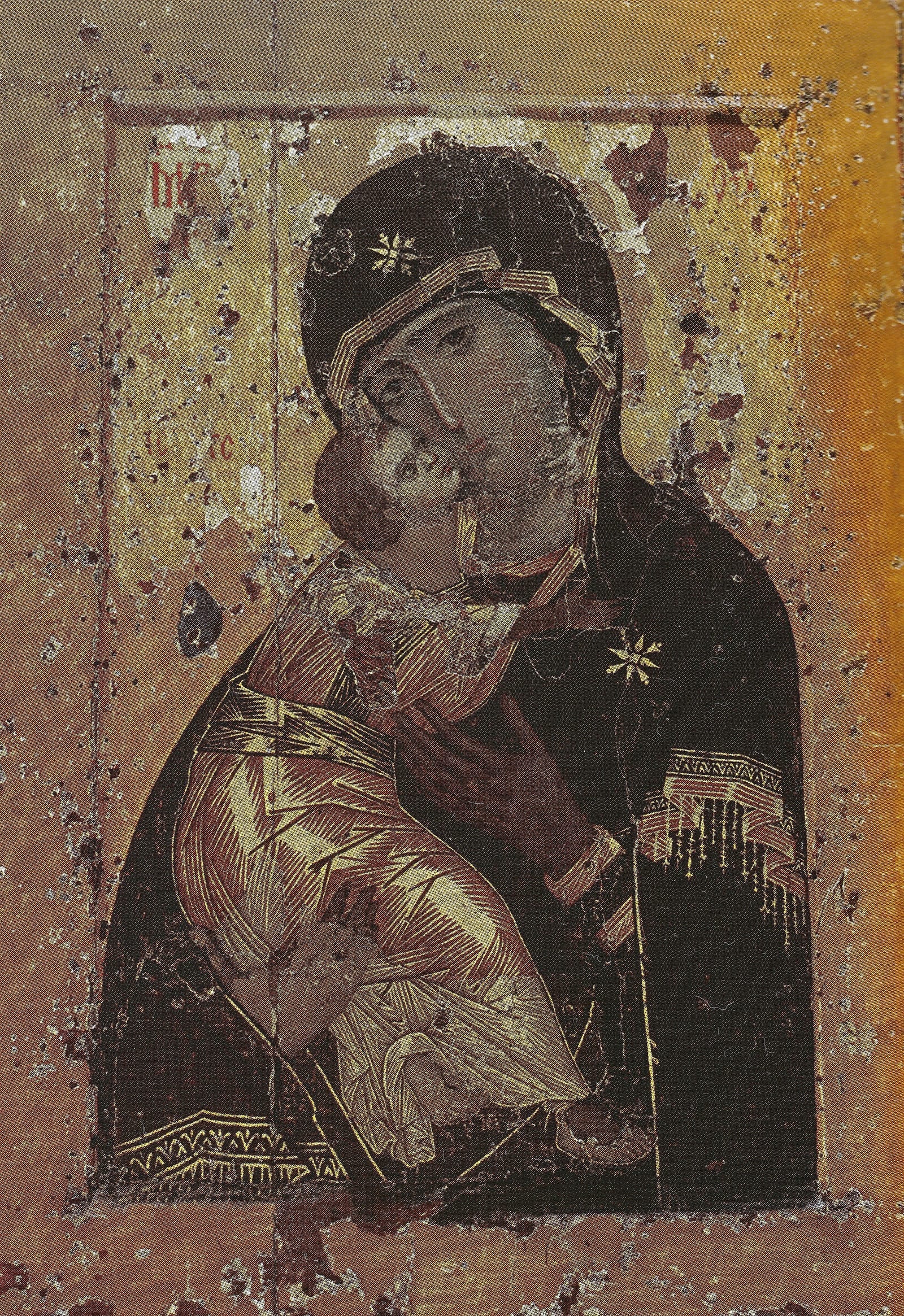
The Vladimir Mother of God
A 12th-century Byzantine icon of the Virgin tenderness type, sent from Constantinople to Kievan Rus. Carried to Moscow to defend against Tamerlane's invasion of 1395 — the invasion turned back. The principal religious icon of Russia.
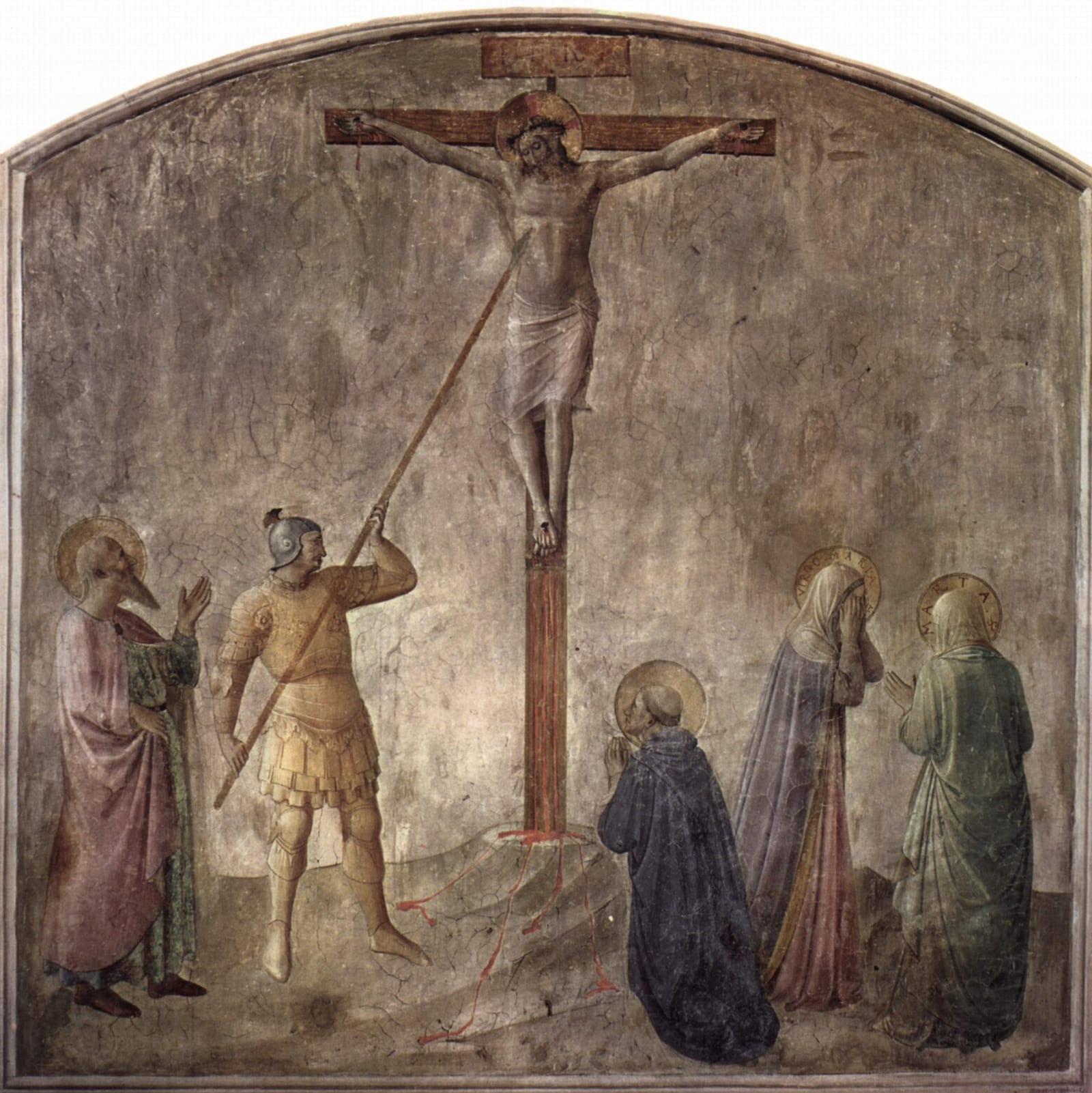
The Holy Lance (Spear of Destiny)
An iron lance-head, traditionally identified with the spear that pierced the side of Christ on the Cross (John 19:34). Used in the coronation of Holy Roman Emperors for over five centuries; preserved at the Hofburg.
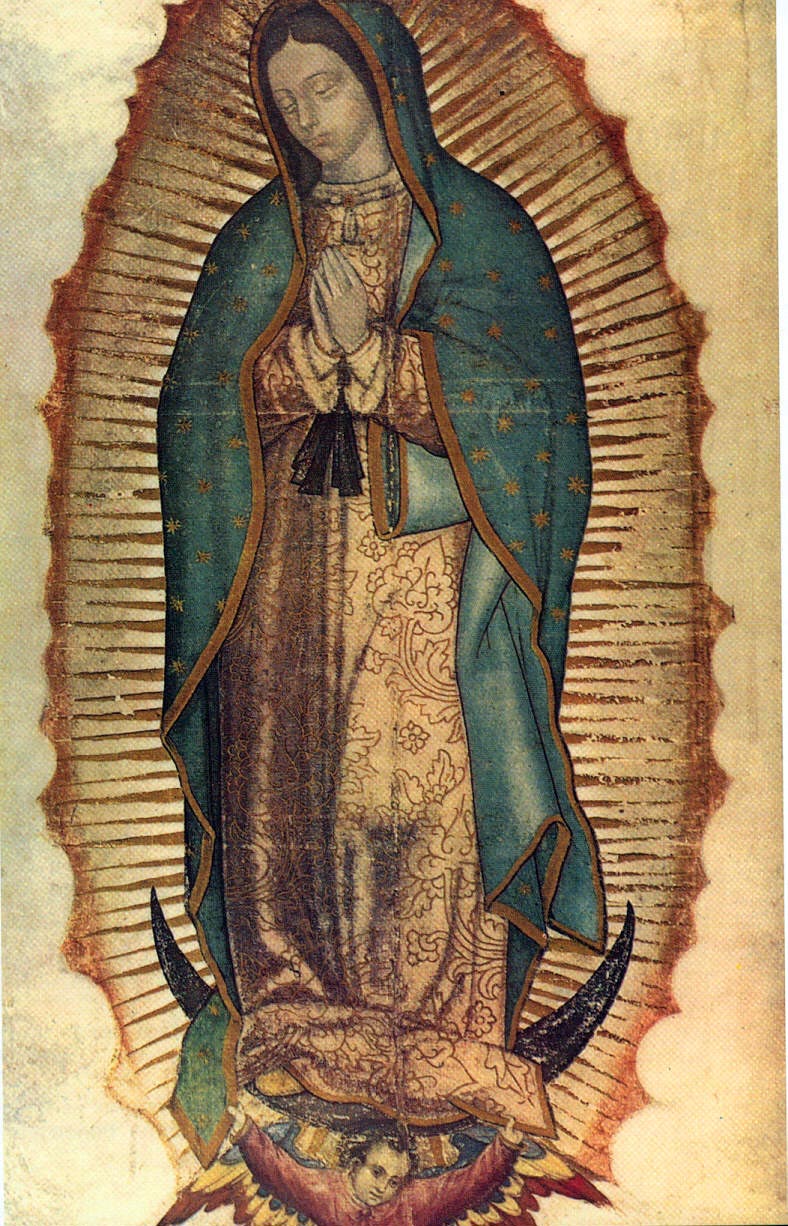
The Image on the Tilma of Guadalupe
The cactus-fibre cloak of St. Juan Diego, bearing the imprinted image of the Virgin Mary. Examined repeatedly, the image has no underlying sketch, no brushstrokes, no recognisable pigment — and the tilma itself has not decayed in nearly 500 years.
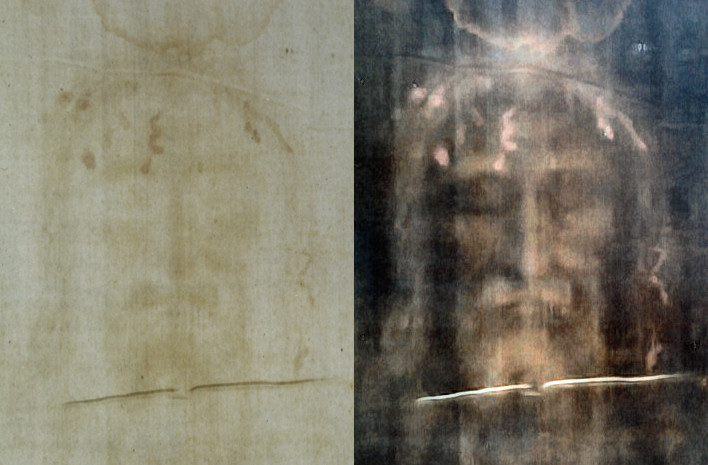
The Shroud of Turin Survives the Chambéry Fire
A fire broke out in the Sainte-Chapelle at Chambéry where the Shroud was kept. The silver reliquary partly melted and dripped molten drops onto the folded linen, burning the symmetric holes still visible today — but the image itself was preserved.
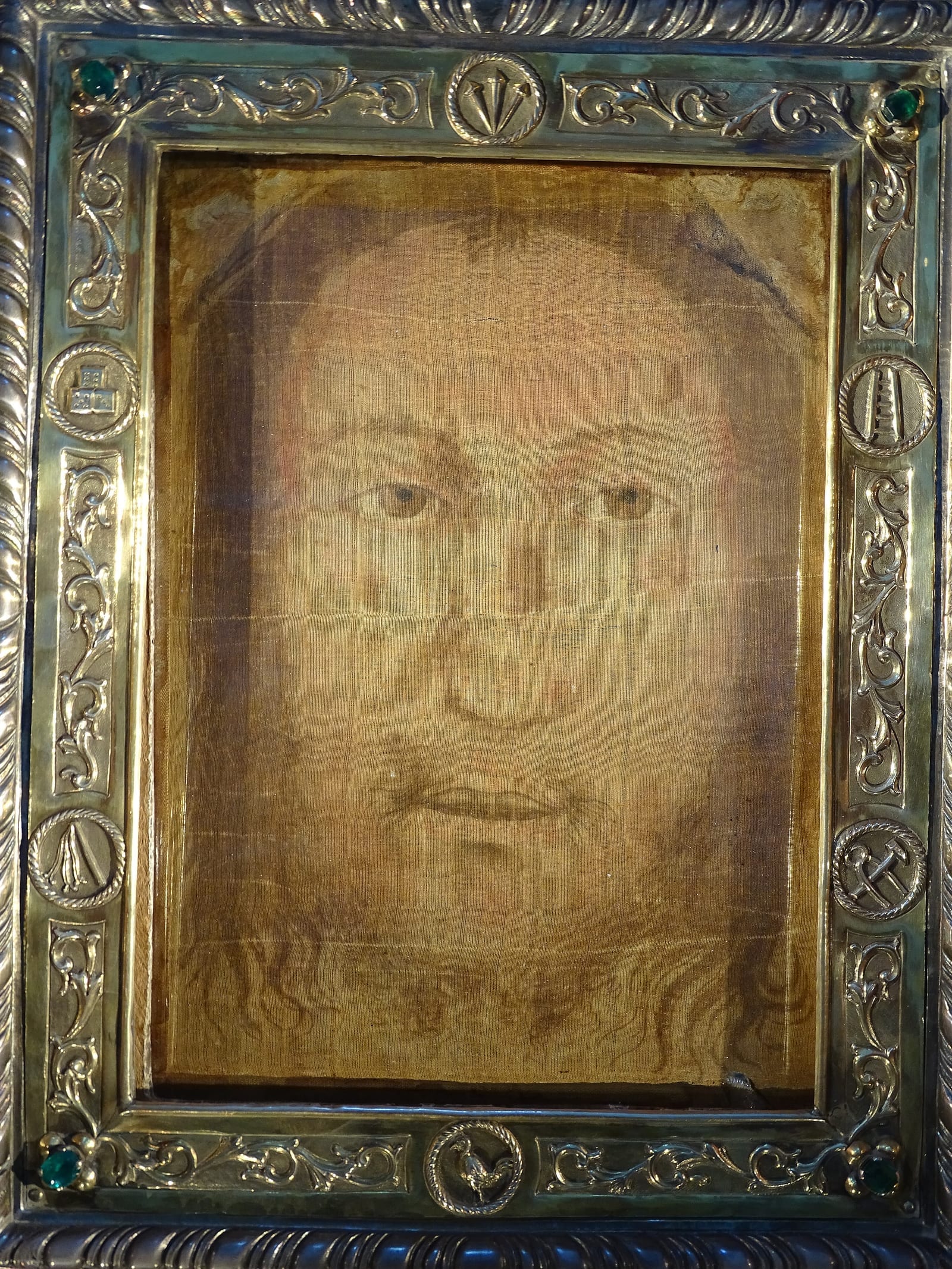
The Holy Face of Manoppello
A small veil of sea silk (bisso) bearing the face of a bearded man with open eyes — visible identically from both sides. Identified by some scholars with the lost Veil of Veronica; visited by Pope Benedict XVI in 2006.
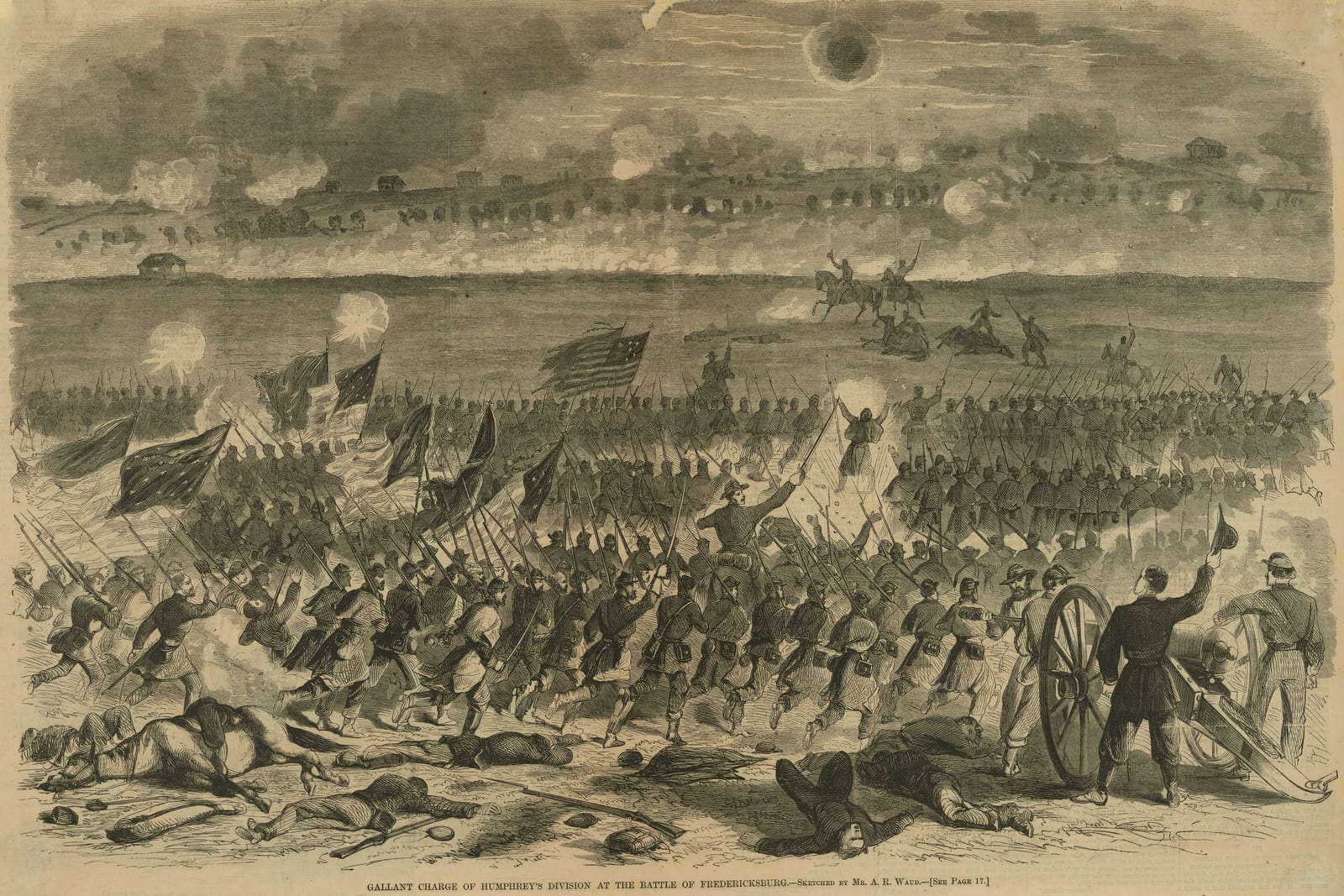
Charles W. Merrill's Pocket Testament — Fredericksburg
The pocket New Testament of Private Charles W. Merrill of the 19th Massachusetts Infantry stopped a Confederate bullet at the Battle of Fredericksburg. President Lincoln, hearing of the incident, sent Merrill an inscribed Bible. Both are preserved at the Peabody Essex Museum.
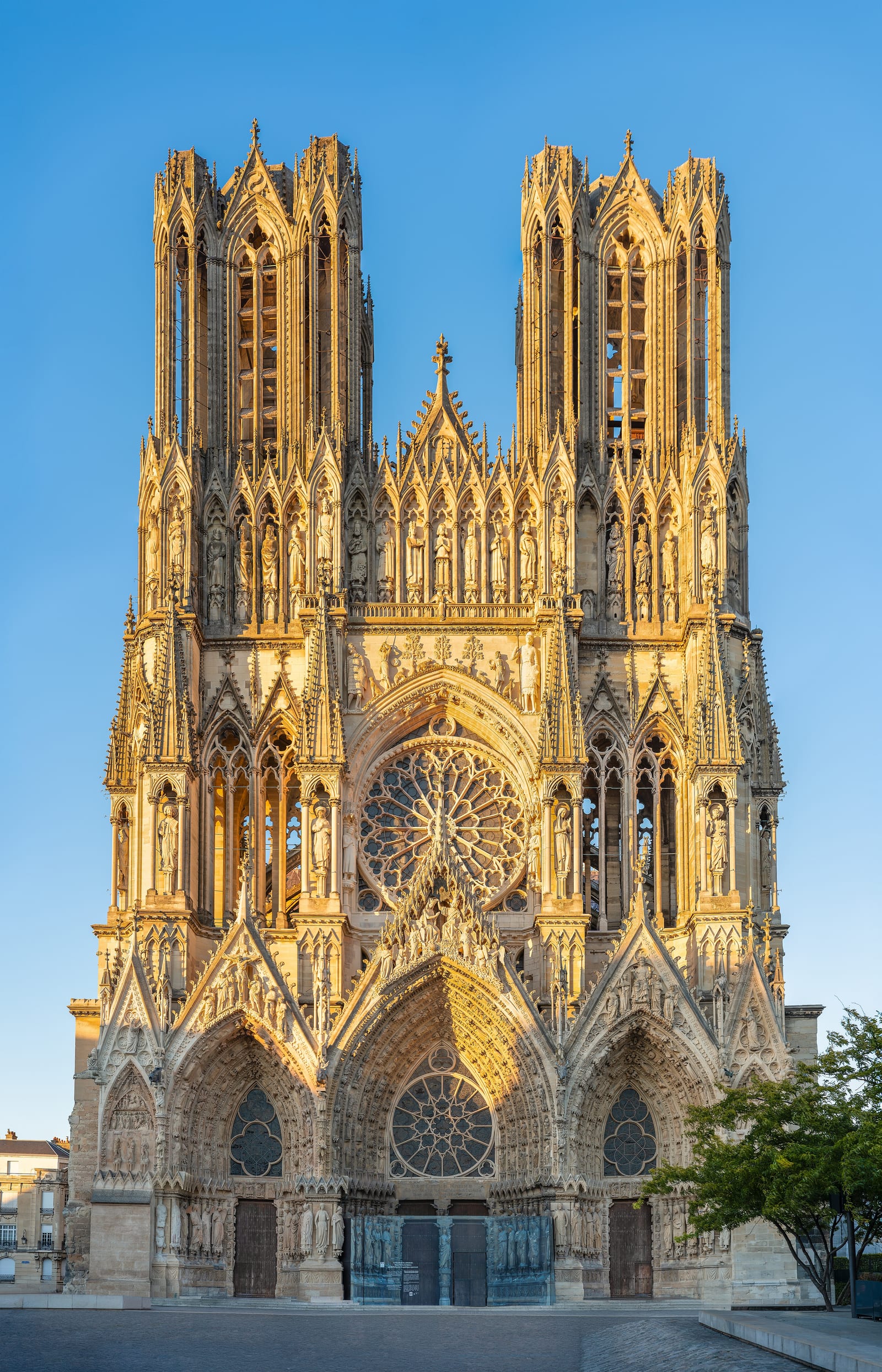
The Crucifix of Reims Cathedral Survives the 1914 Shelling
On September 19, 1914, German artillery began the shelling of Reims Cathedral — the coronation church of the kings of France since Clovis (498). By 1918 the roof had collapsed and the great sculpted portals were damaged. The seventeenth-century wooden crucifix that had hung in the north transept was found beneath fallen masonry after the initial fires, its corpus intact and the sanguineous scent of freshly cut wood on the wound in the side. The crucifix is preserved in the cathedral museum.
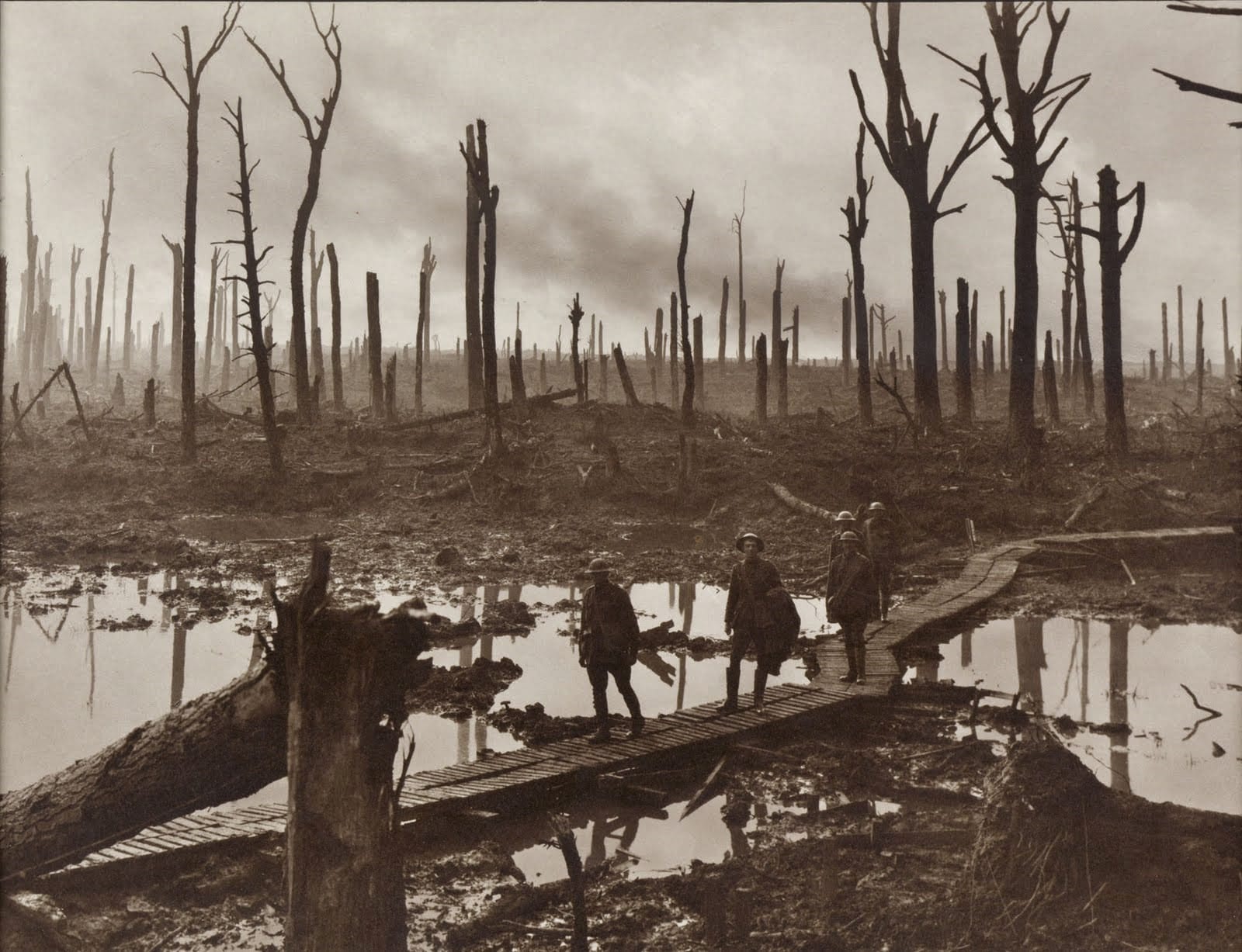
Pvt. Duncan MacFarlane's Bible — Passchendaele
A German bullet aimed at the chest of Pvt. Duncan MacFarlane of the Gordon Highlanders was stopped by the spine of the pocket Bible in his breast pocket. The Bible is preserved at the Gordon Highlanders Museum in Aberdeen.
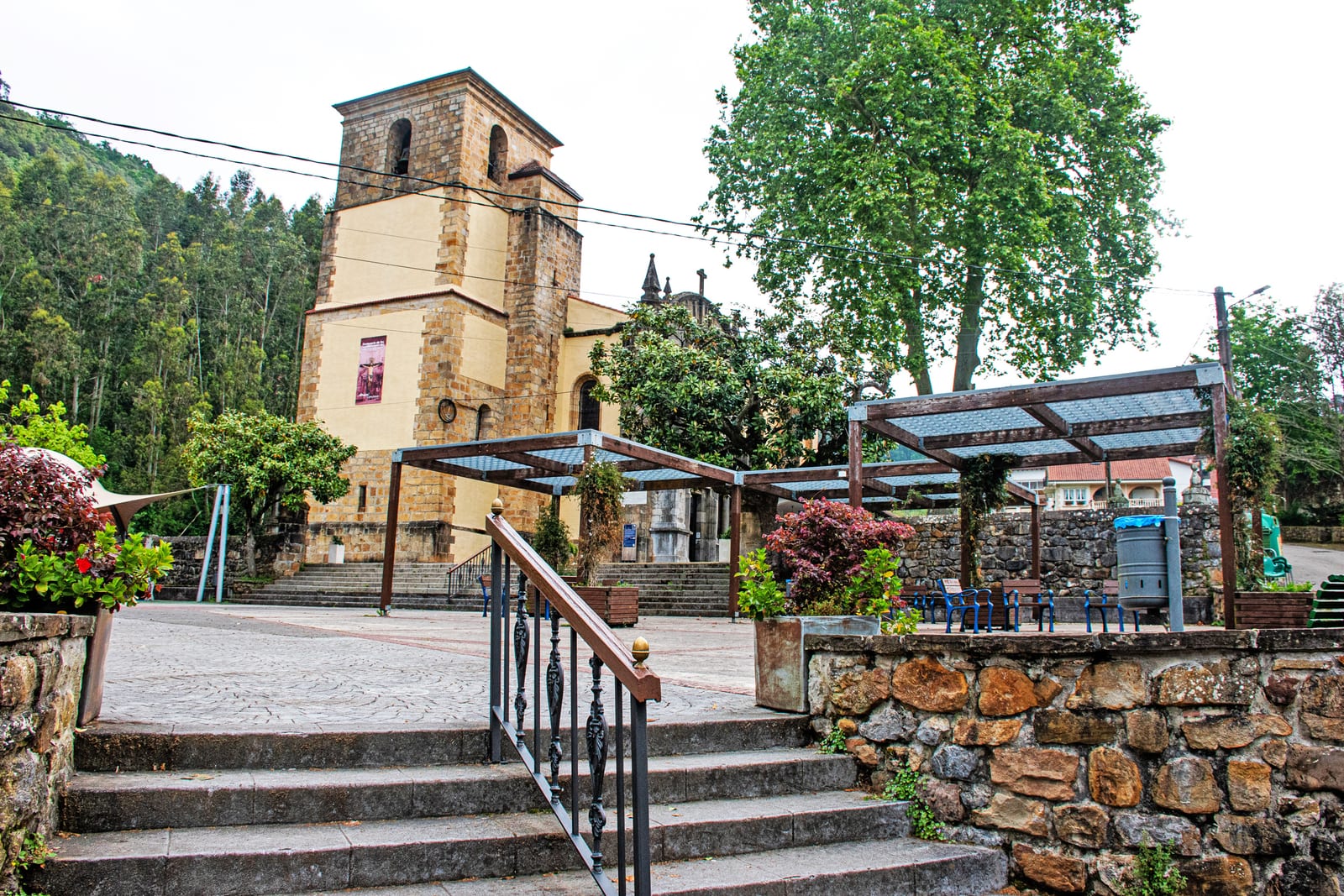
The Christ of Limpias Opens His Eyes
During a Capuchin parish mission at the Cantabrian town of Limpias, the large seventeenth-century wooden crucifix above the high altar was seen by hundreds of witnesses — over eight thousand depositions were eventually recorded by the diocese of Santander — to move its eyes, weep blood, and sweat during preaching. Bishop Vicente Santiago Sánchez de Castro approved public veneration in 1921.
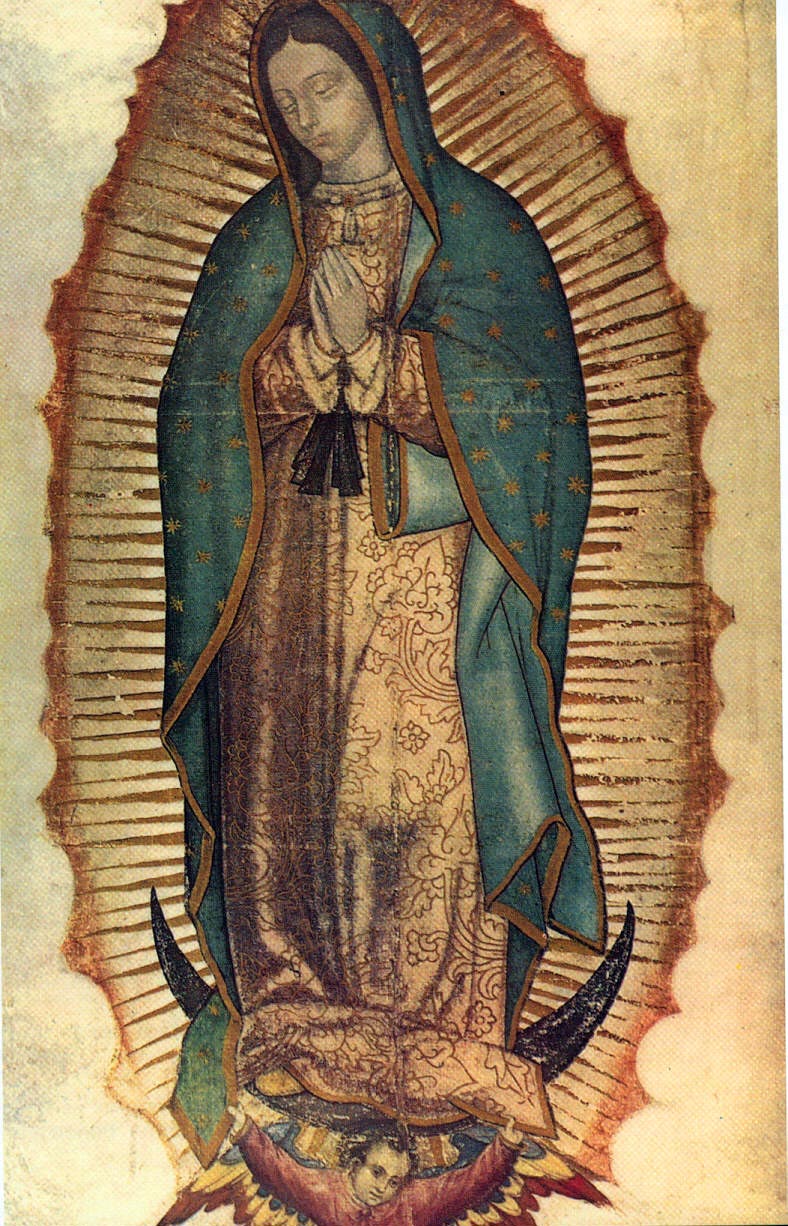
The Tilma of Guadalupe Survives the 1921 Bombing
On November 14, 1921, an operative of the anti-clerical Calles government, Luciano Pérez Carpio, hid a large stick of dynamite in a bouquet of flowers and placed it at the foot of the altar beneath the tilma of Guadalupe. The blast wrecked the marble altar, blew out stained glass, and bent a heavy bronze crucifix — but the tilma and the glass covering it were undamaged. The bent crucifix is displayed at the basilica.
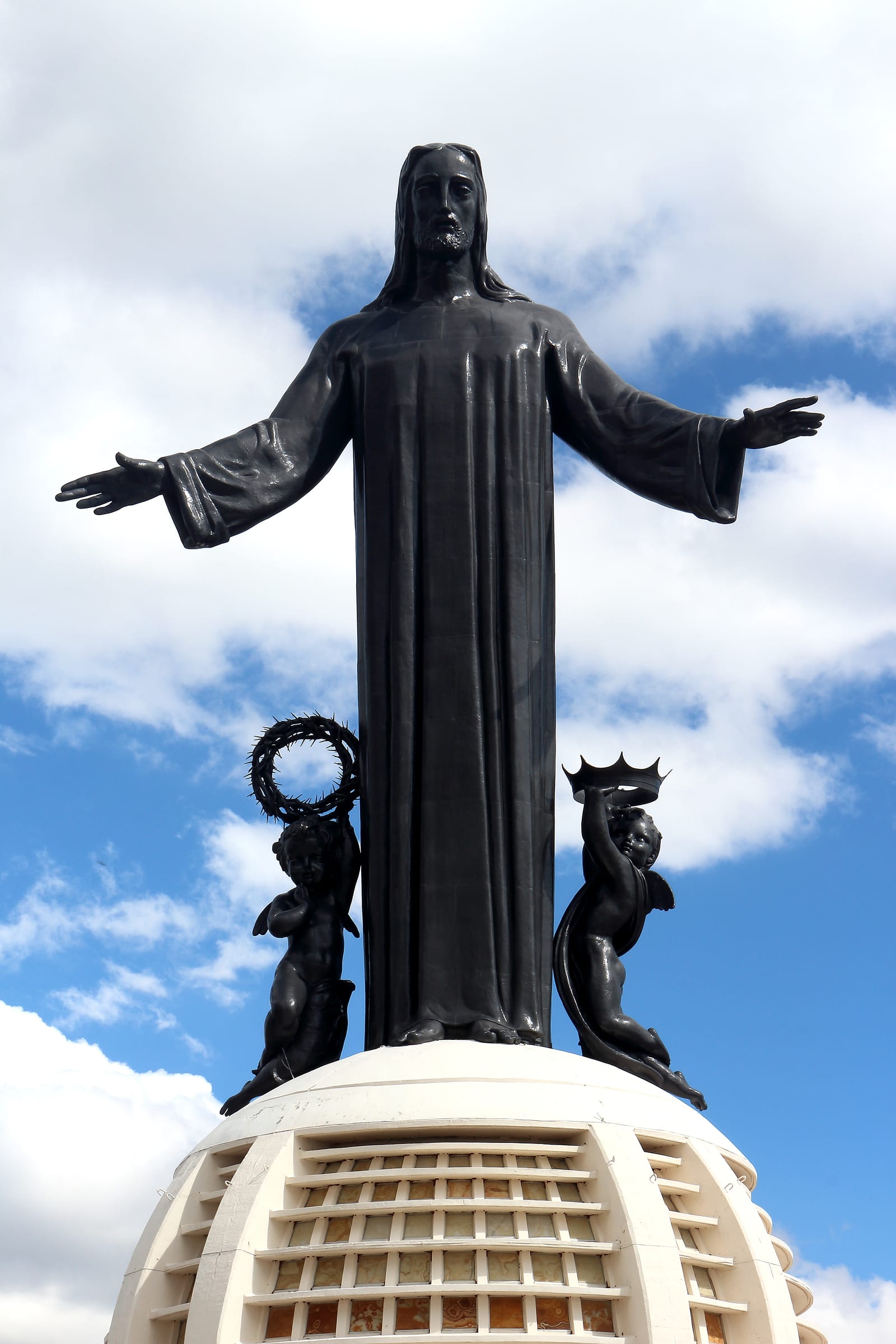
The Federal Bombing of Cristo Rey del Cubilete
During the Cristero War, federal aircraft dropped bombs on the small chapel and stone monument of Christ the King at the Cerro del Cubilete, the geographic center of Mexico. The chapel was destroyed, but the crown of the original statue was preserved and became a relic of the Cristero martyrs. The present colossal Christ, dedicated in 1950, stands at the same spot.
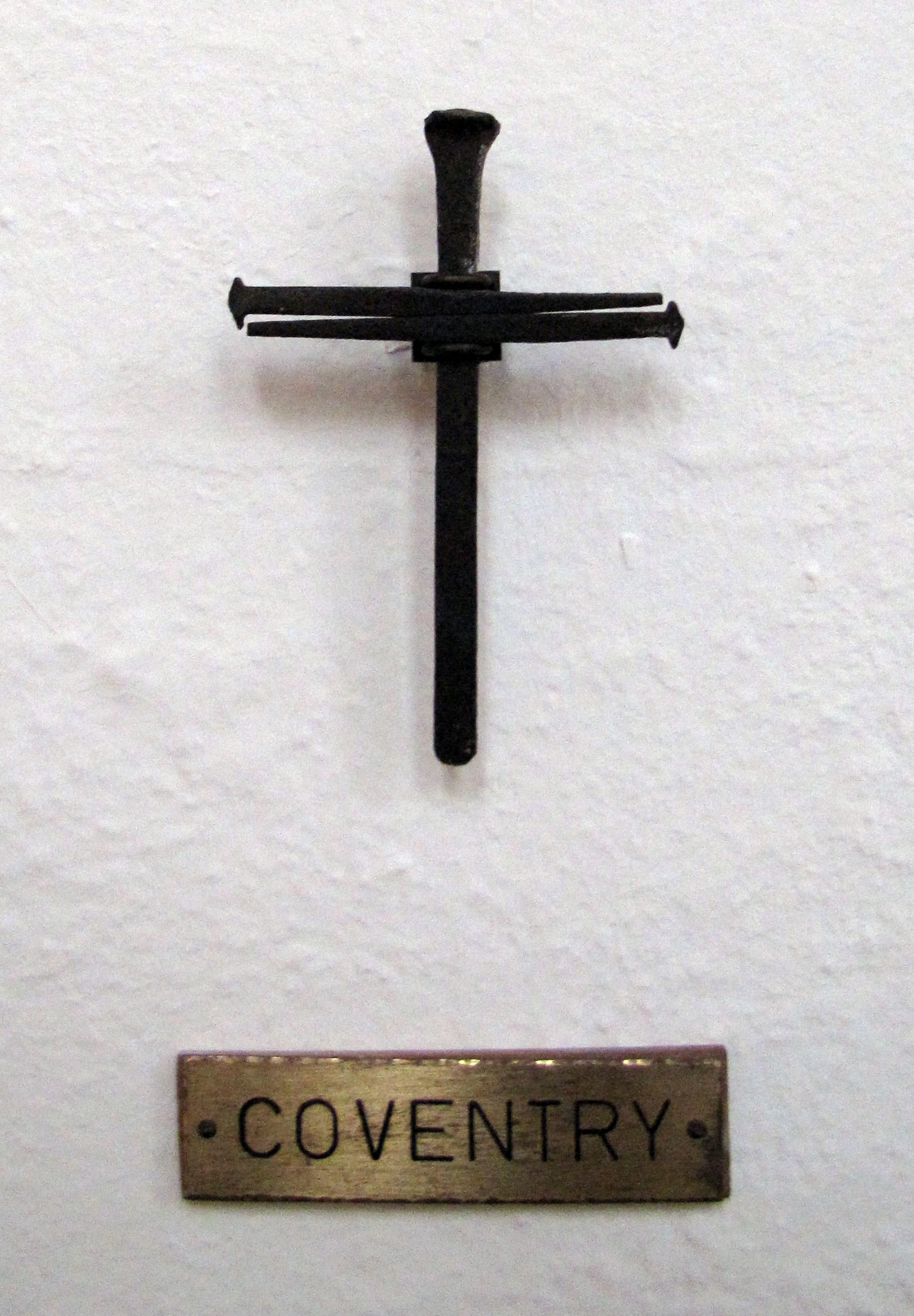
The Coventry Cross of Nails
During Operation Moonlight Sonata, five hundred Luftwaffe bombers destroyed Coventry Cathedral. The morning after, cathedral stonemason Jock Forbes wired together three of the medieval roof nails and stood them upright on the rubble of the sanctuary as a cross. Provost Richard Howard wrote the words 'FATHER FORGIVE' on the wall of the ruined chancel. The Cross of Nails has since become a global symbol of reconciliation.
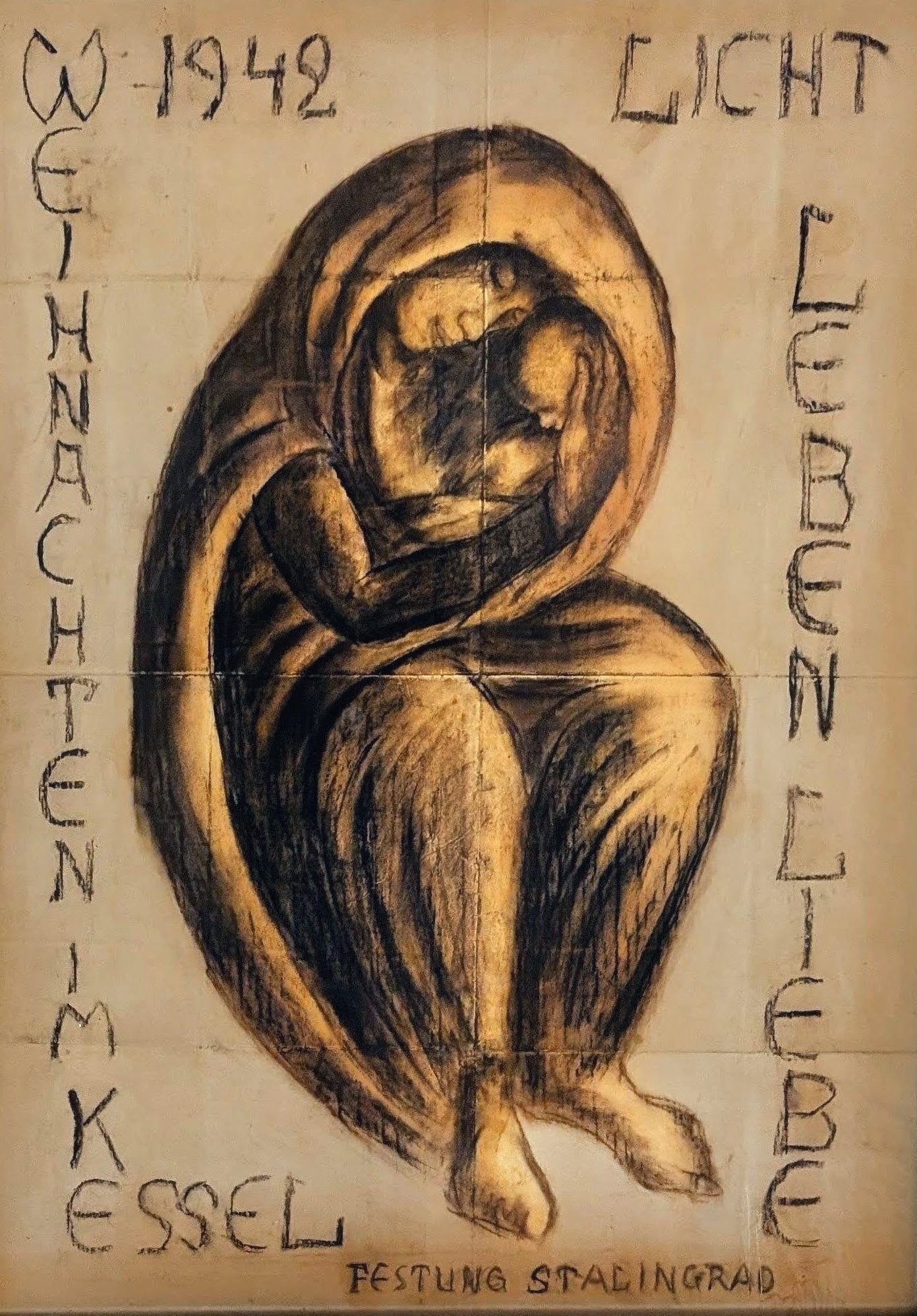
The Stalingrad Madonna
A charcoal drawing of the Virgin and Child made by the German army doctor and Lutheran pastor Kurt Reuber on a captured Soviet map inside the Stalingrad pocket at Christmas 1942 — flown out on one of the last German transport planes. The original is enshrined at the Kaiser Wilhelm Memorial Church in Berlin.
The Heart Shield Bibles of the Second World War
Steel-fronted pocket New Testaments — bearing a foreword by President Franklin D. Roosevelt — were issued to American servicemen in the Second World War. Multiple soldiers reported the steel-and-leather covers stopping bullets aimed at their hearts.
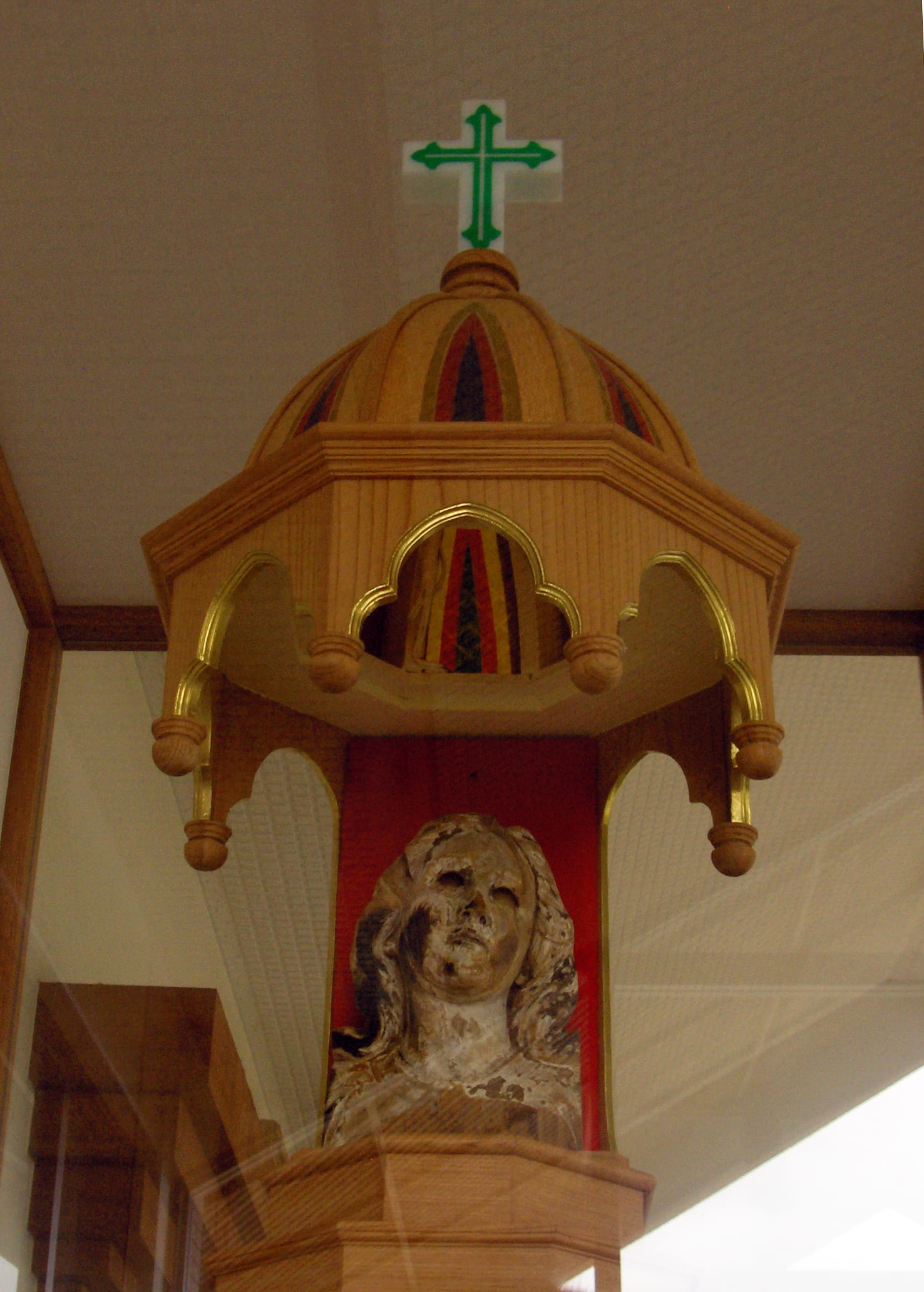
The Atom-Bombed Mary of Nagasaki
The wooden head of the Marian statue from the altarpiece of Urakami Cathedral — directly beneath the path of the second atomic bomb — was recovered from the cathedral's ruins by a Trappist monk. Pope Francis prayed before it on his 2019 visit to Nagasaki.
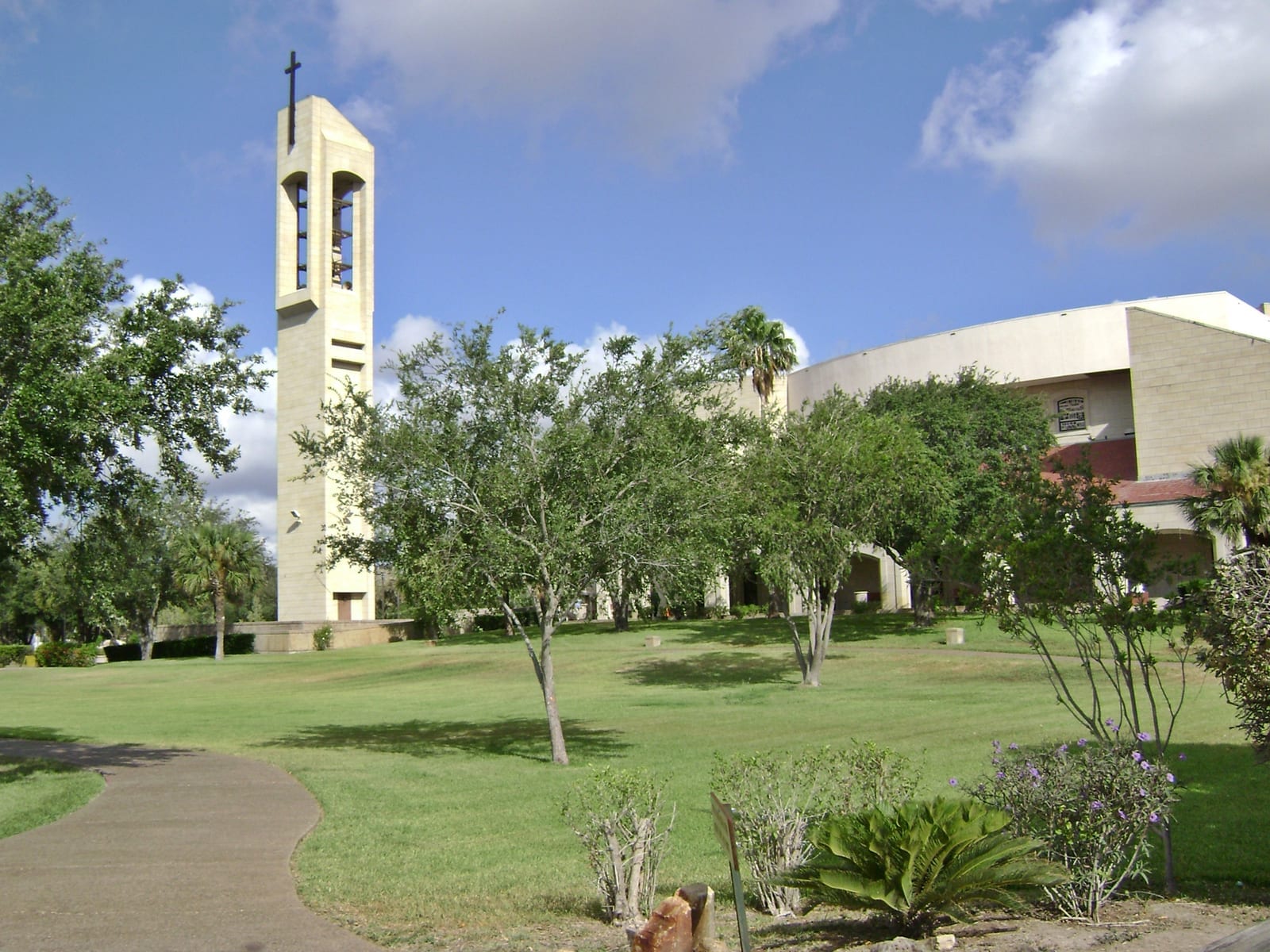
Our Lady of San Juan del Valle and the Airplane
On October 23, 1970, a deranged former priest deliberately flew a small Piper Cherokee airplane into the original Shrine of Our Lady of San Juan del Valle in south Texas. The building was destroyed; the pilot and three on the ground were killed; the small wooden statue of Our Lady was found among the rubble unharmed and was carried out untouched. The new basilica that replaced the shrine receives over a million pilgrims annually.
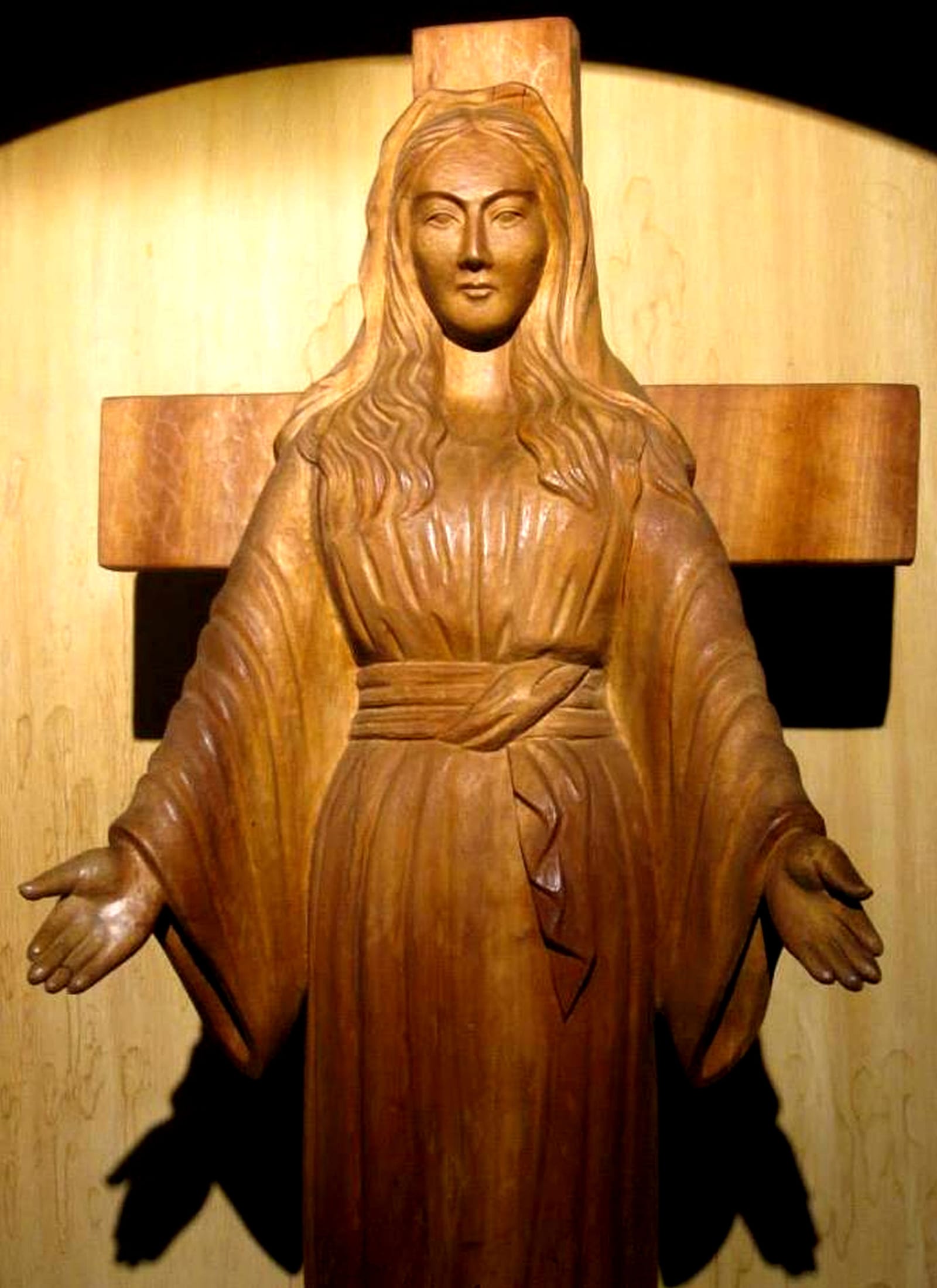
The Weeping Statue of Akita
A small wooden statue of Our Lady at a remote Japanese convent wept human tears 101 times over eight years, witnessed by hundreds. Recognised by the local bishop in 1984.
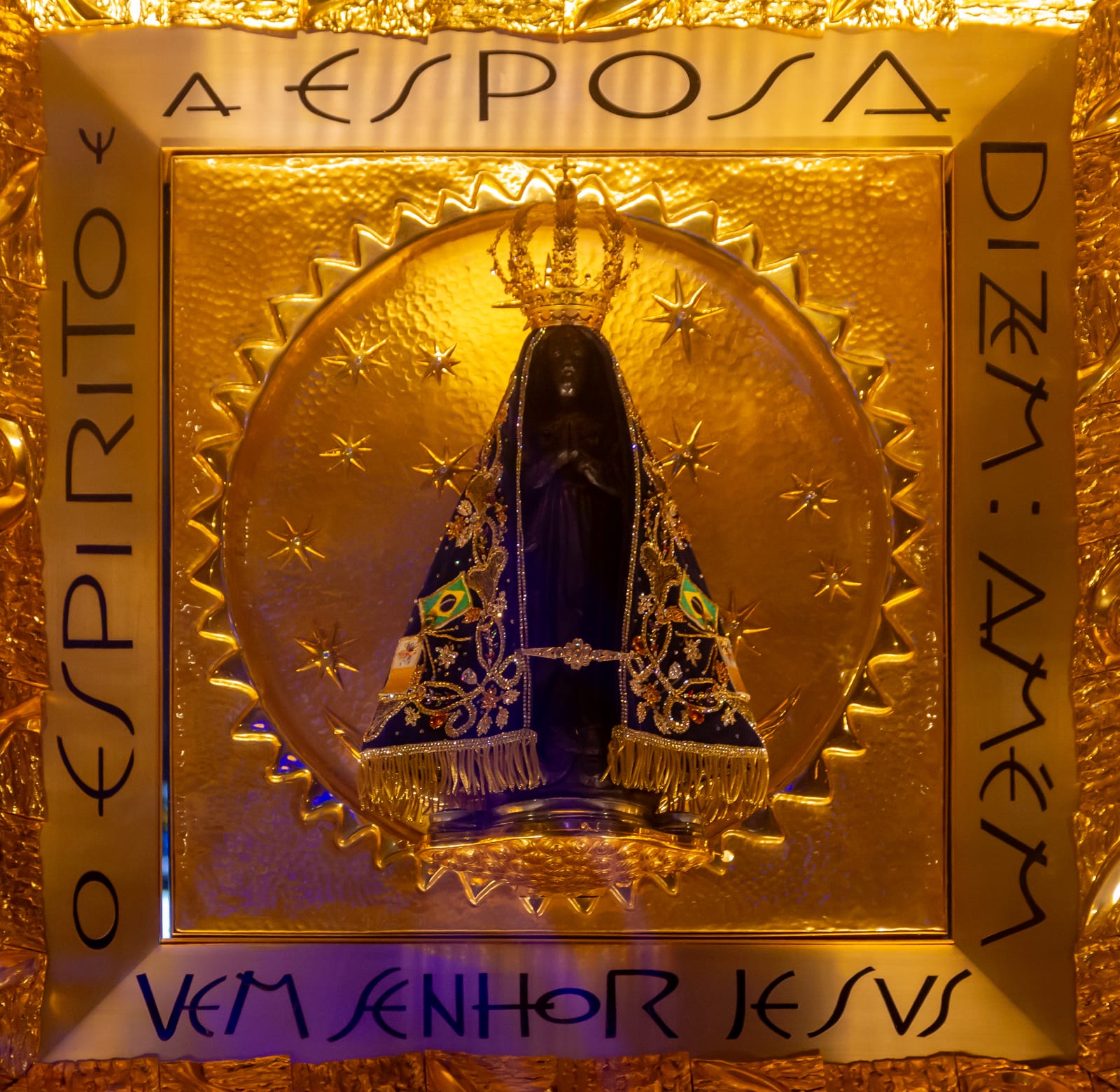
The Attack on the Statue of Our Lady of Aparecida
On 16 May 1978 — the forty-eighth anniversary of the statue's proclamation as patroness of Brazil — a young man snatched the terracotta image of Our Lady of Aparecida from its niche in the basilica during evening Mass and it shattered on the floor into more than two hundred fragments. The restorer Maria Helena Chartuni reassembled it in thirty-three days, and it returned to the sanctuary on 19 August 1978.
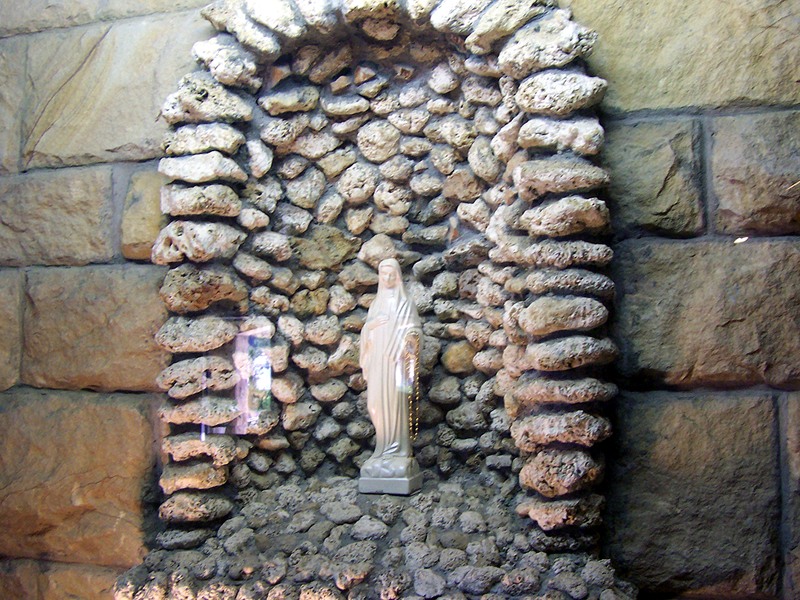
The Weeping Madonna of Civitavecchia
A small plaster statue of the Virgin of Medjugorje in a Civitavecchia family's garden wept blood 14 times between February and March 1995, including once during examination by the local bishop himself.
The Pulpit Bible That Survived Two Church Fires — Wisconsin
A 150-year-old pulpit Bible — first preserved through a fire at the original St. Paul's Church in the 1950s, then through a second fire at Springs United Methodist Church in 2019 — was found intact in the ashes both times.