
Thirty-eight saints have been named Doctors of the Church — teachers whose writing the Church holds up to everybody, not only to their own century or their own order. They are not the most famous saints, and they are not the ones with the most miracles. They are the ones whose words the Church still needs.
Not one of them was a Doctor of the Church in their lifetime. The title did not exist until 1298, when Boniface VIII conferred it on four men who had been dead for centuries, and the most recent was conferred on All Saints’ Day 2025. Read by the dates of the declarations rather than by the dates of the lives, the list stops being a hall of fame and becomes something more interesting: a record of what the Church has reached for, and when.
All 38 are here, each linked to their profile. Four are women, all four named since 1970; one wrote in Syriac and one in Armenian.
What the title requires
Eminent learning
Not merely holiness that taught by example, but a body of writing or teaching the Church can still use. The learning has to be extraordinary — doctrina eminens — and it has to have served the whole Church rather than one place or one order.
A high degree of sanctity
Canonisation first. Nobody has ever been made a Doctor who was not already a saint, which is why the list moves at the speed of causes: Newman waited from 1890 to 2019 to be canonised, and six years more for this.
A declaration by the Church
The title is conferred by the pope, or by a general council, and by nothing else. It is not acclamation and it cannot be assumed; however great the writer, a Doctor is made by an act.
The Fathers
Eighteen of the thirty-eight belong to the Church's first eight centuries. They are Doctors and Fathers both, and every one of them was named a Doctor more than six hundred years after dying.
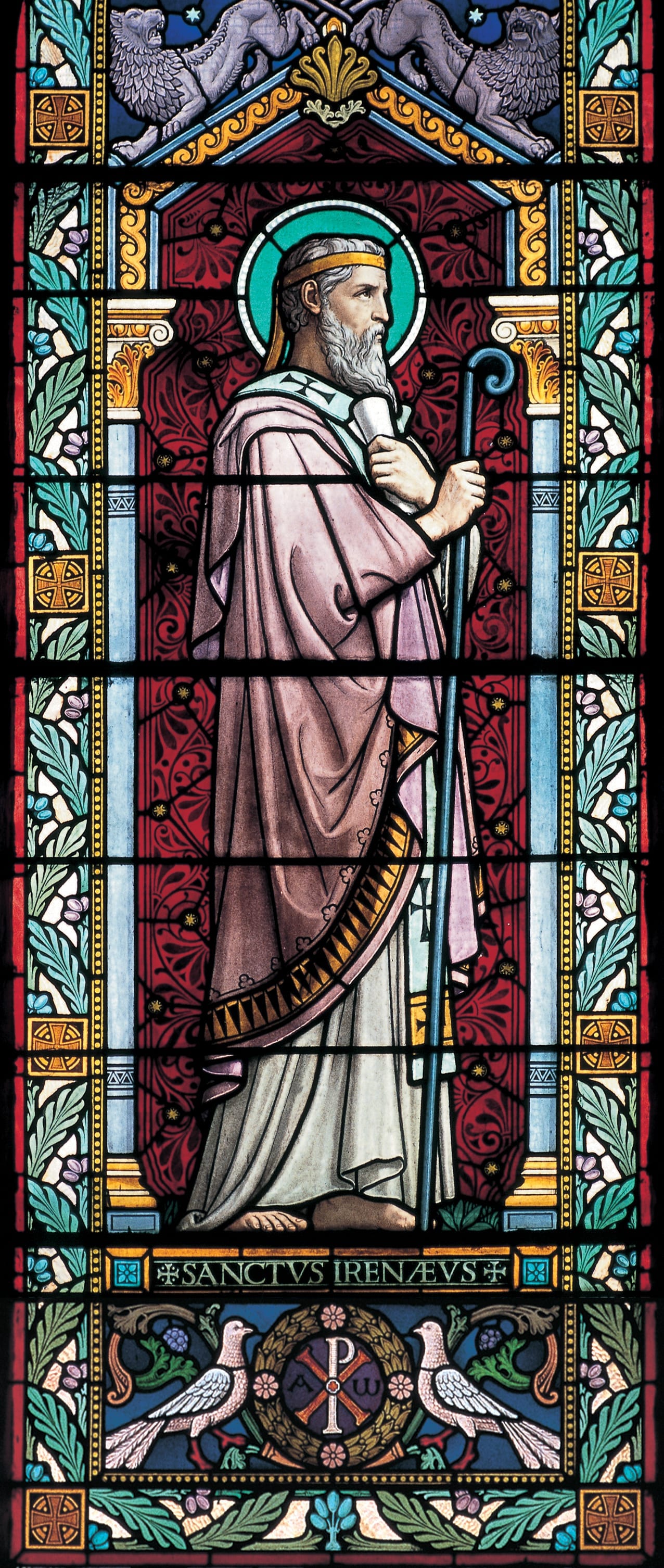
St. Irenaeus of Lyon
A Greek from Smyrna who became bishop in Gaul, a hearer of Polycarp who had heard John. Against the Gnostics he argued that the faith is public and traceable, and the title Francis gave him names what he was for: a man of the East and of the West at once.
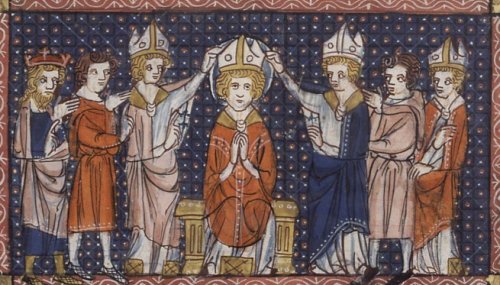
St. Hilary of Poitiers
The Athanasius of the West. He fought Arianism in Gaul, was exiled to Phrygia for it, and came back having learned the Greek arguments well enough to answer them in Latin.
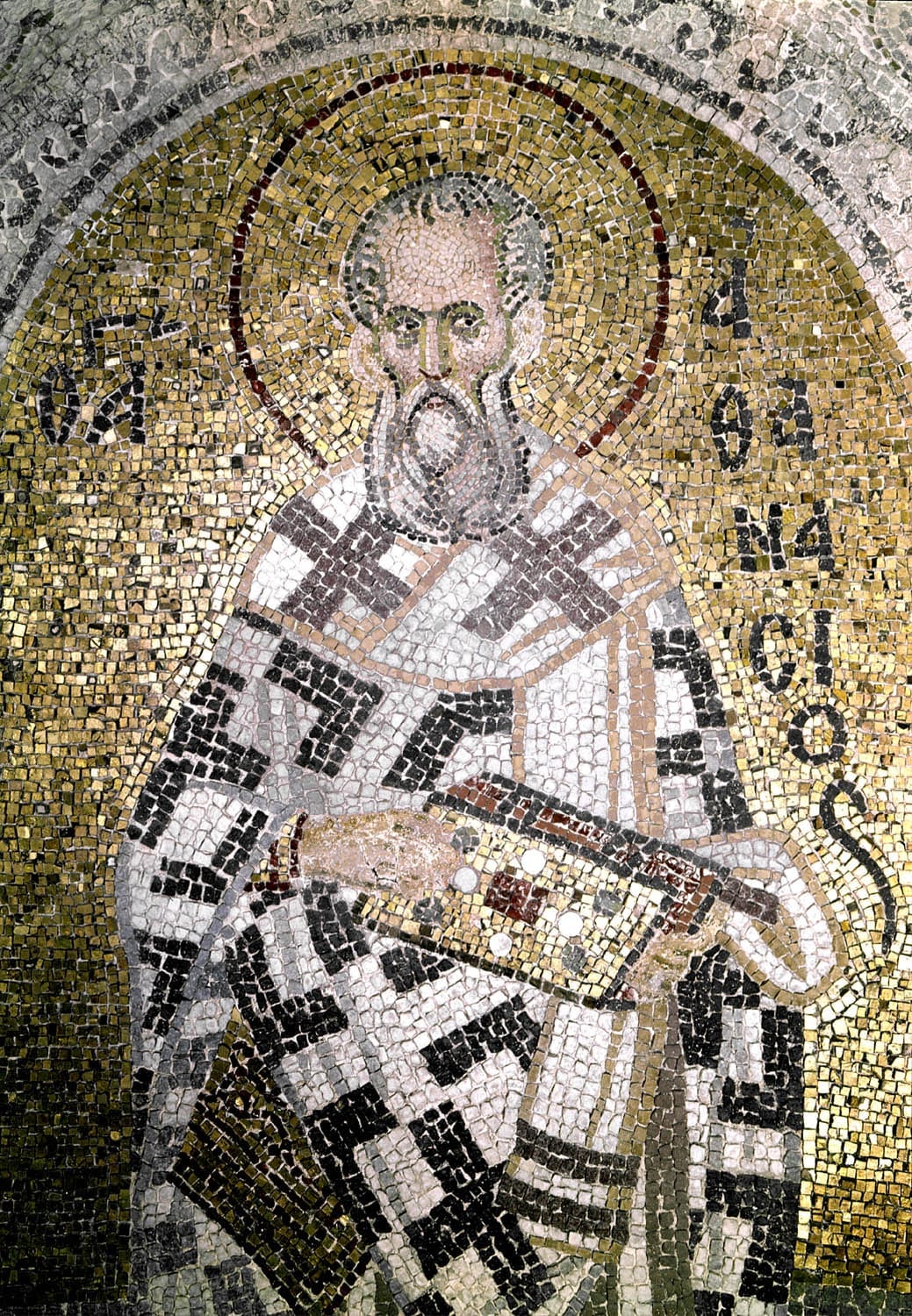
St. Athanasius of Alexandria
Exiled five times for refusing to let the Son be made a creature. Almost the whole hierarchy went Arian around him and he did not move, which is where the phrase Athanasius against the world comes from.
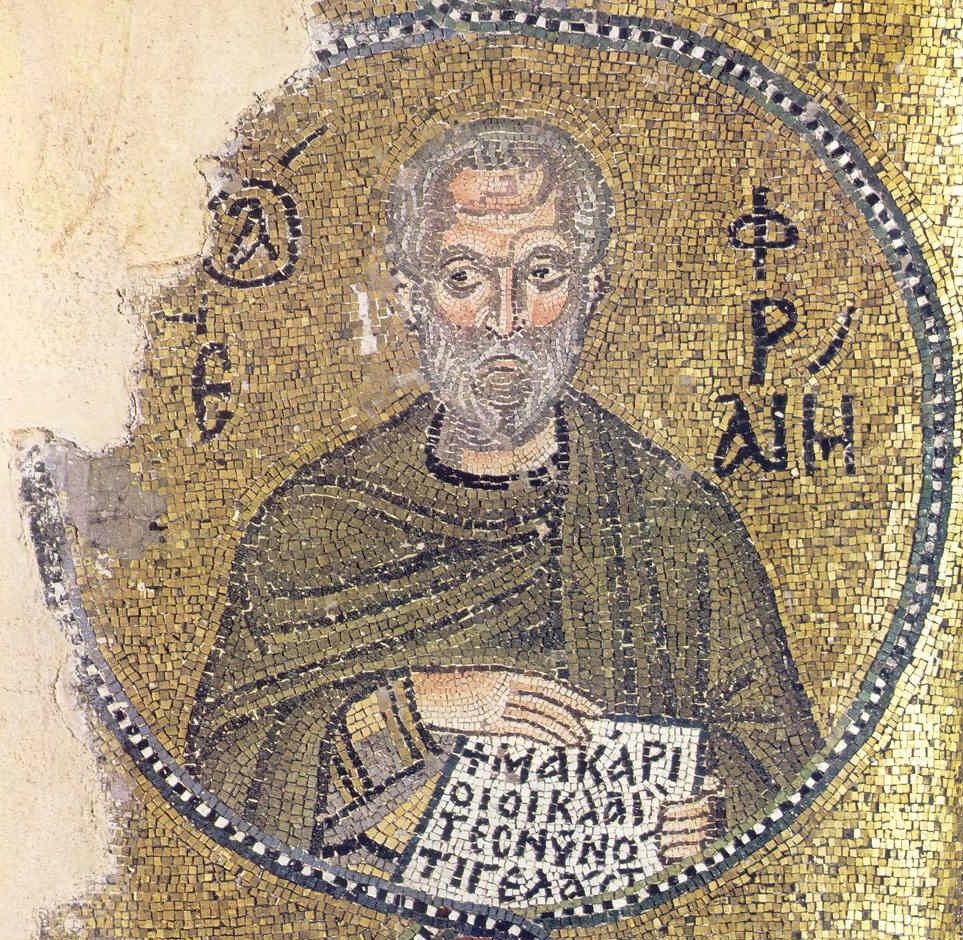
St. Ephrem the Syrian
The only Doctor who wrote in neither Greek nor Latin. His theology is in hymns, in Syriac, sung by choirs of women he trained; the Harp of the Holy Spirit is the East's name for him.
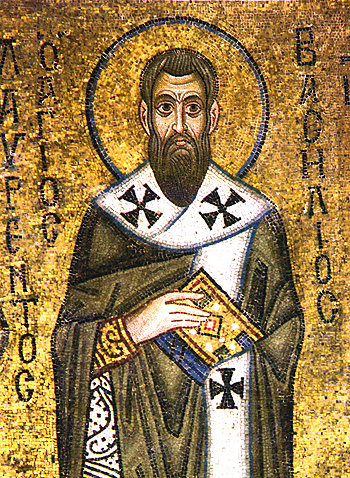
St. Basil the Great
He gave Eastern monasticism its rule and the Church much of its language for the Holy Spirit, and he built a hospital city outside Caesarea at a time when nobody built such things.
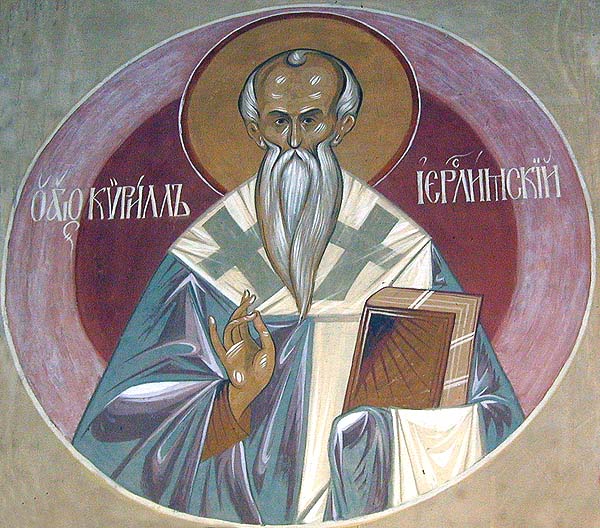
St. Cyril of Jerusalem
His catechetical lectures are the oldest full course of instruction for converts that survives, delivered in Jerusalem itself, and they describe the rites of initiation as they were actually performed in the fourth century.
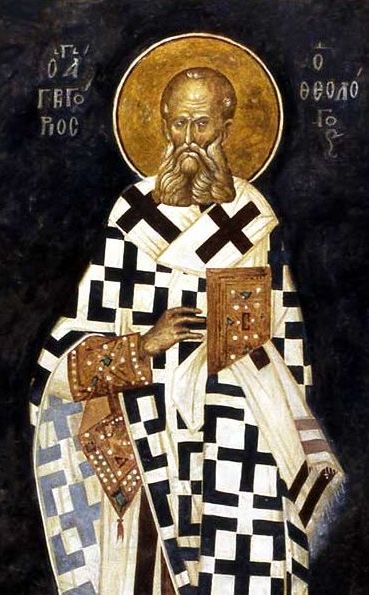
St. Gregory of Nazianzus
The East calls only three men the Theologian, and he is one. His five orations on the Trinity at Constantinople settled the language the Creed uses.
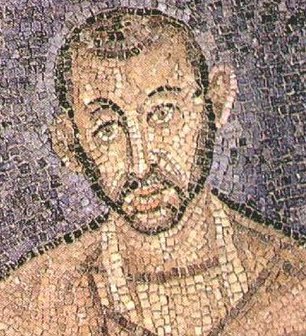
St. Ambrose of Milan
The bishop who taught the West to sing and made an emperor do penance. He baptised Augustine, and the hymns he wrote are still in the Breviary.
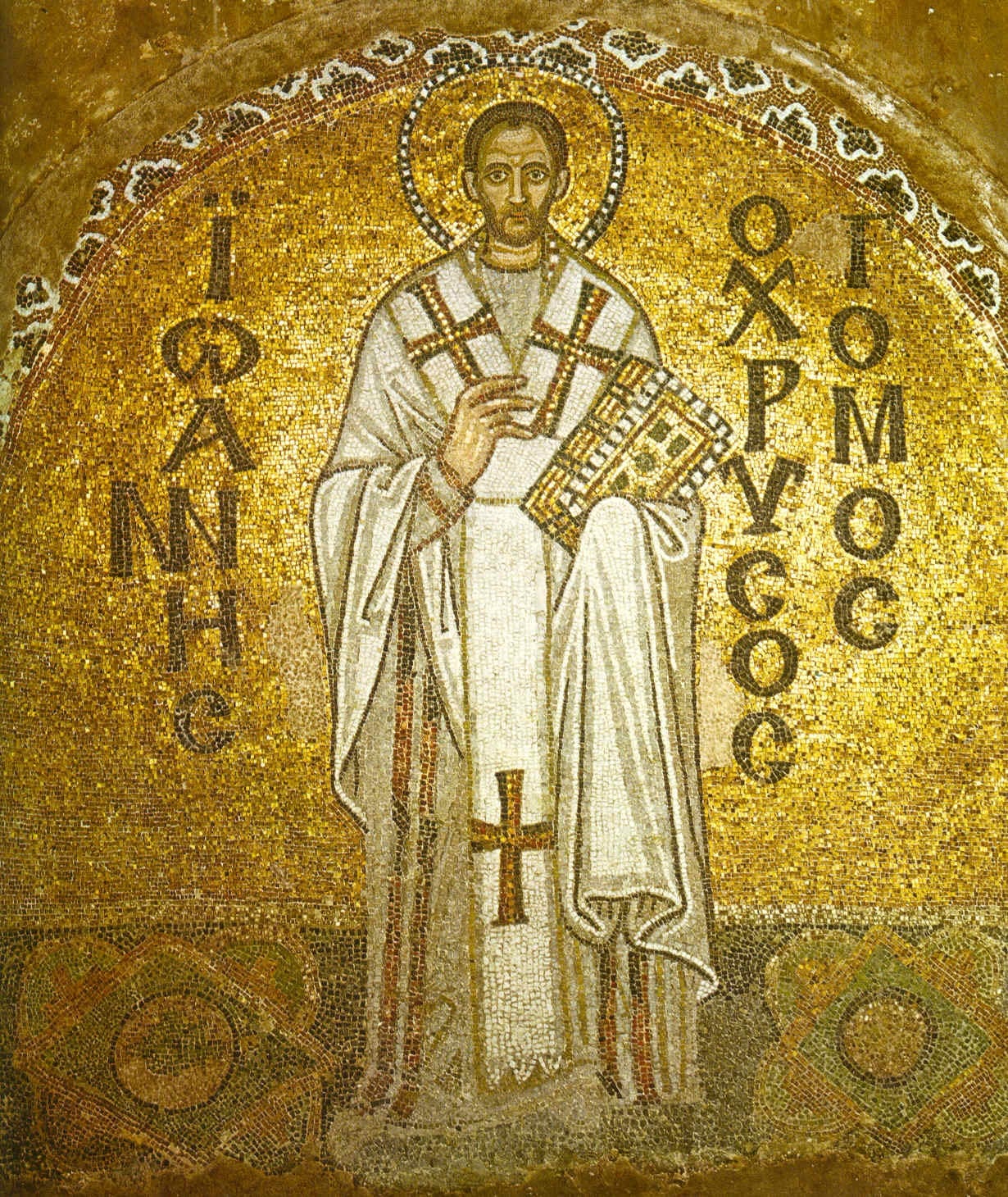
St. John Chrysostom
The greatest preacher of the ancient Church — golden-mouthed — and the one who most consistently turned doctrine into a demand about the poor. He was twice exiled for saying it to an empress.
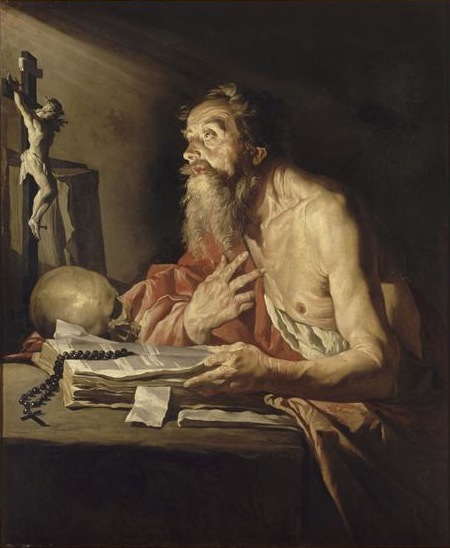
St. Jerome
He gave the West its Bible. The Vulgate was the text of Scripture in Europe for eleven hundred years, and he made it by learning Hebrew from rabbis in Bethlehem when almost no Christian scholar would.
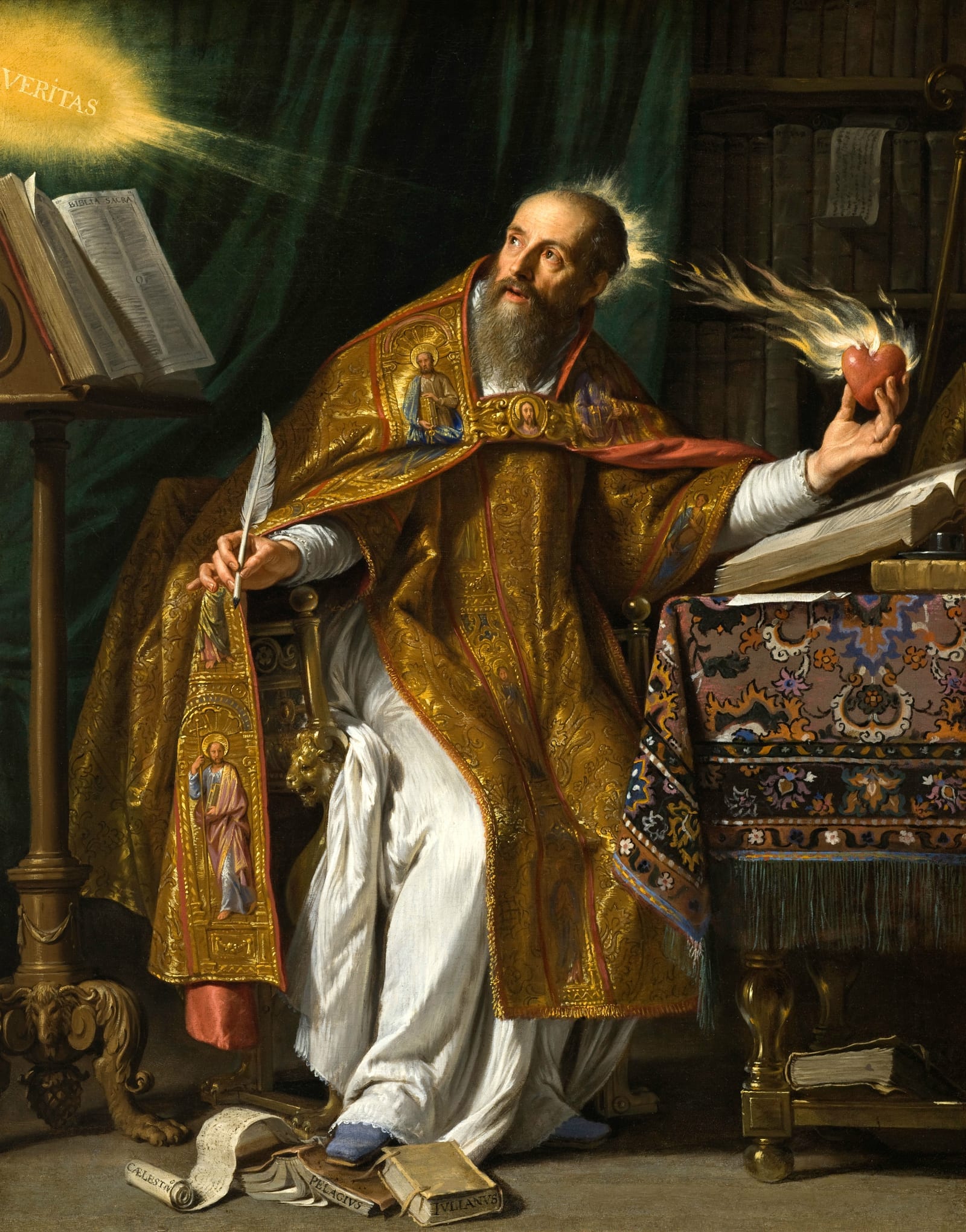
St. Augustine of Hippo
Everything the West says about grace, free will, original sin and the city of God it says in his vocabulary. No other Doctor has shaped so much of what later Doctors had to argue with.
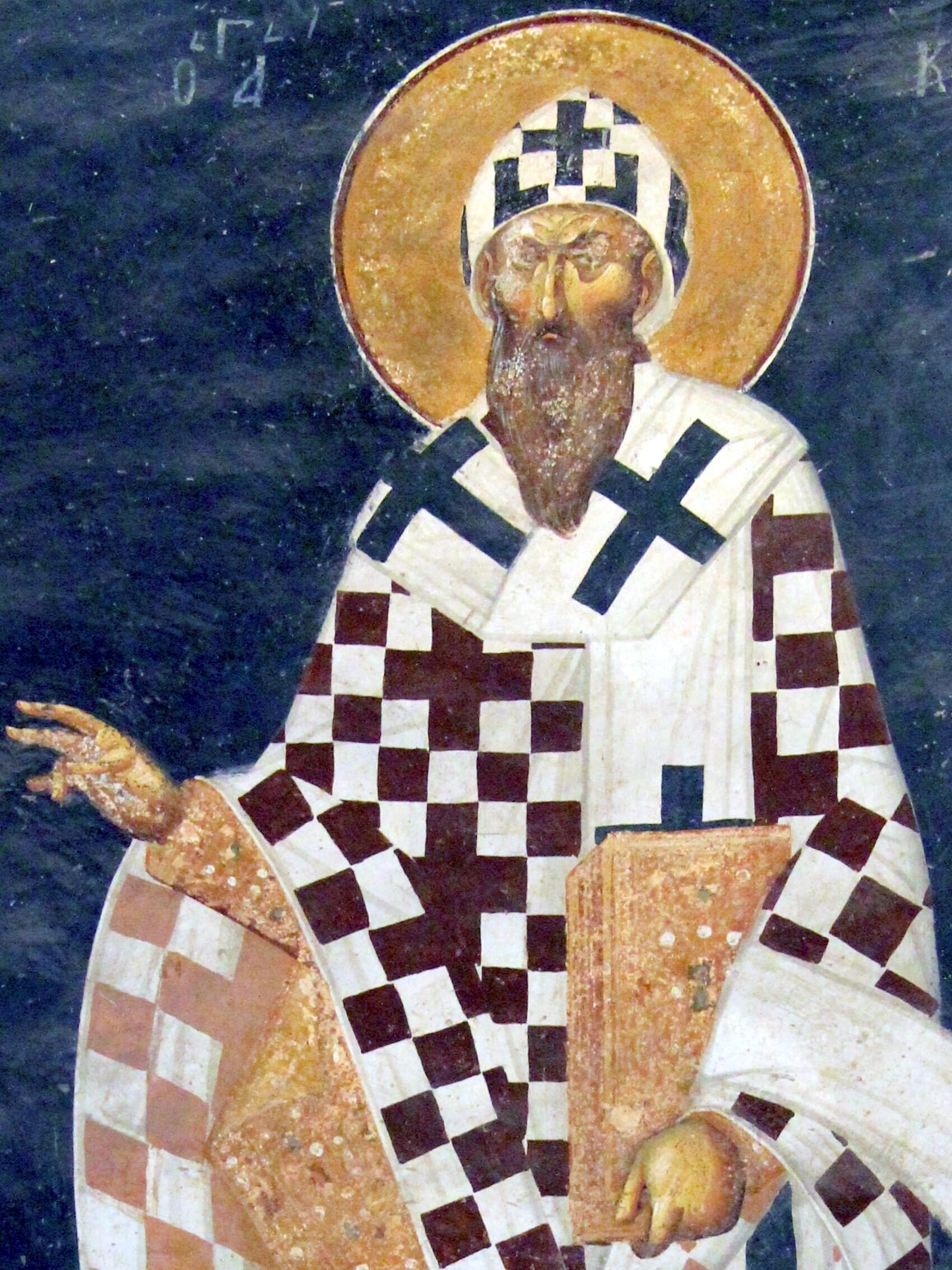
St. Cyril of Alexandria
He carried Ephesus in 431 and with it the title Theotokos, Mother of God — which is a statement about Christ before it is one about his mother. He was also a hard and sometimes brutal opponent, and the Church named him a Doctor anyway.
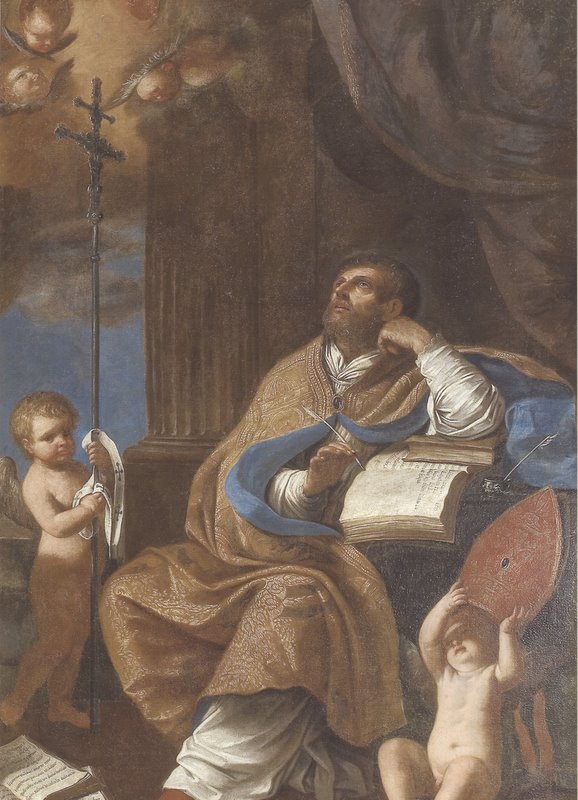
St. Peter Chrysologus
The golden-worded: short sermons at a time when sermons were long, on the Incarnation and the Creed, preached so plainly that a congregation could carry them home.
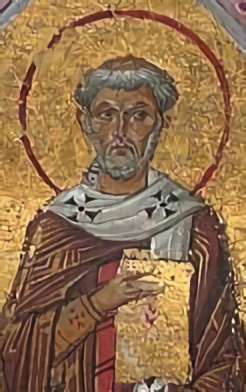
St. Leo the Great
His Tome settled how Christ can be God and man at once, and Chalcedon adopted it in 451 with the cry that Peter had spoken through Leo. He also rode out to meet Attila.
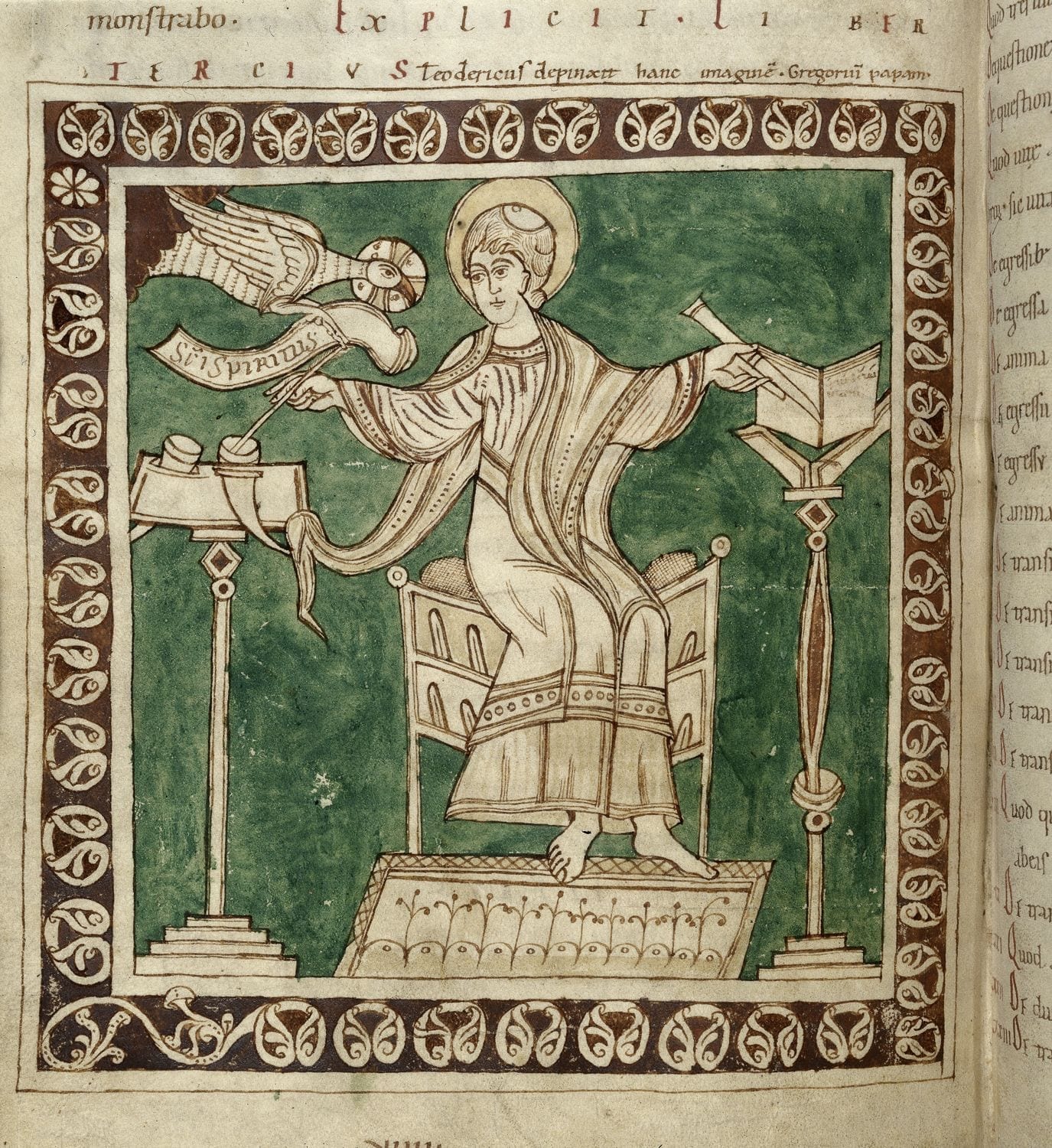
St. Gregory the Great
The pope who turned the Church's teaching into instructions a working bishop could follow. His Pastoral Rule was handed to bishops at their consecration for a thousand years, and Alfred the Great had it translated into English so his own clergy could read it.
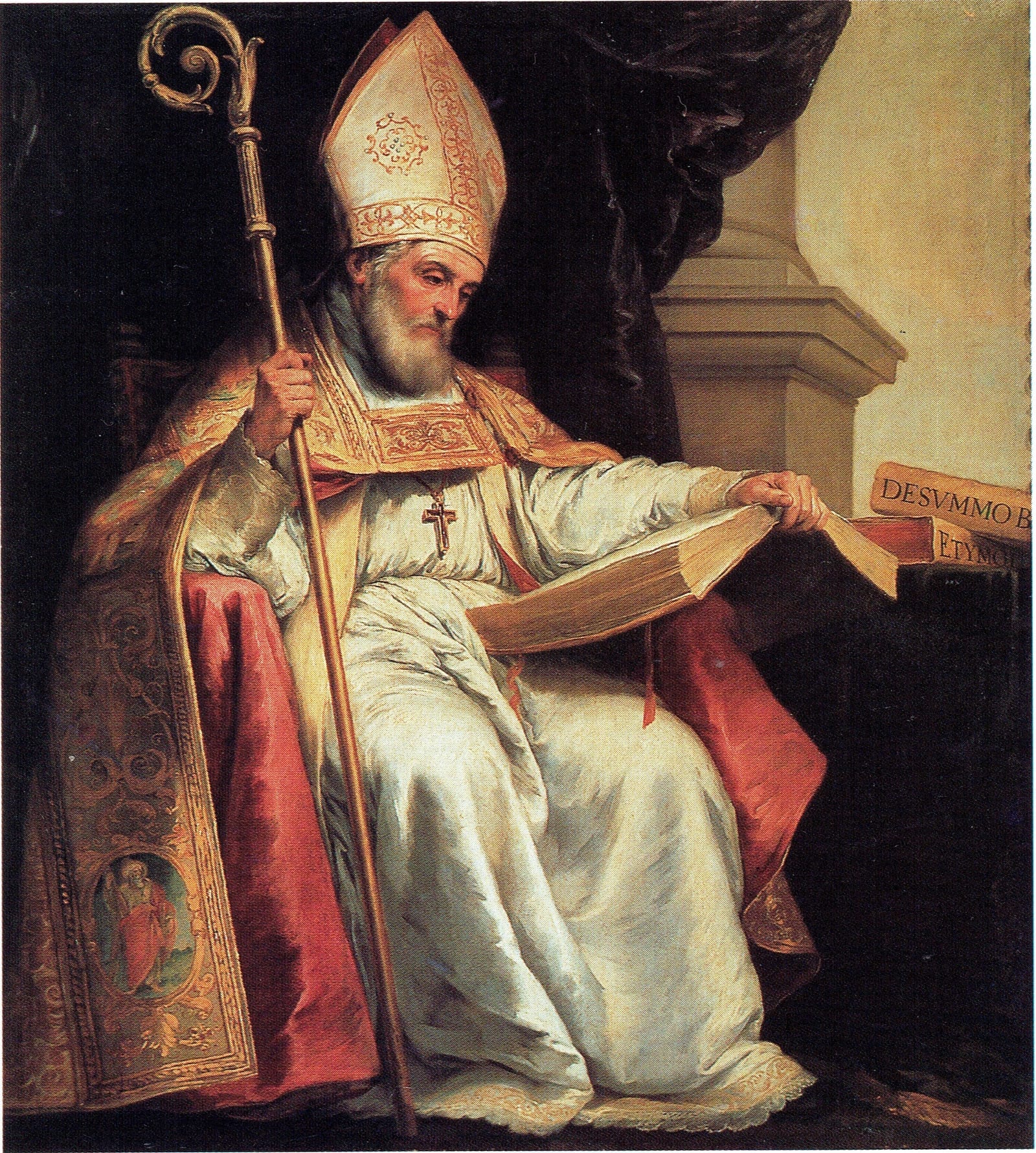
St. Isidore of Seville
He wrote down everything the ancient world still knew, in twenty books, as it was going under. The Etymologies kept classical learning alive through the centuries that had no access to it.
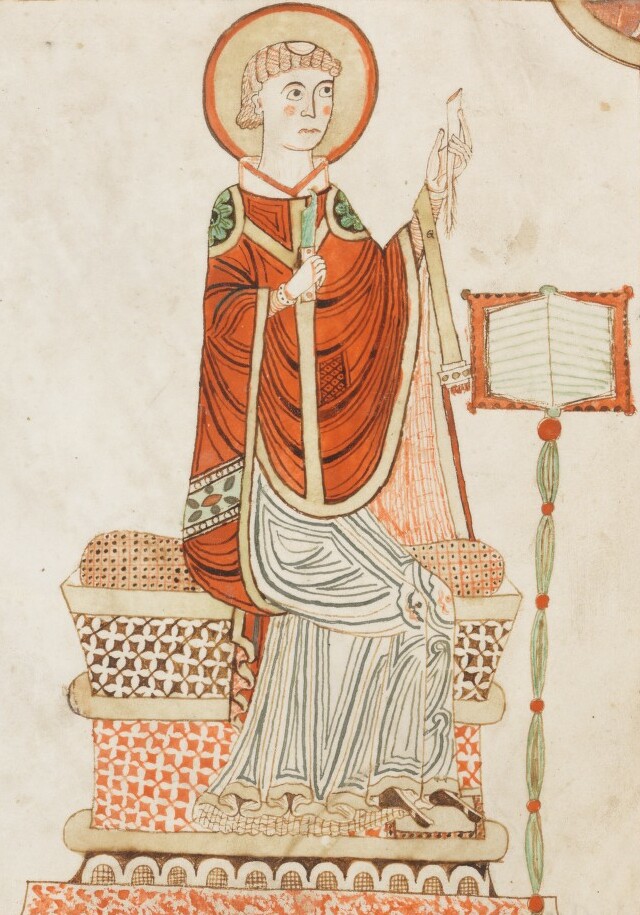
St. Bede the Venerable
He wrote the history of the English Church in a Northumbrian monastery and gave the West the habit of counting years from the Incarnation. Every date on this site is in his reckoning.
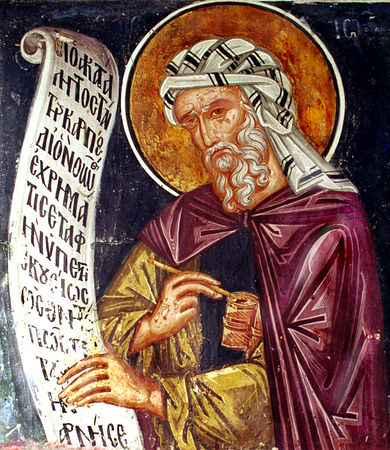
St. John of Damascus
He defended the images when the emperors were destroying them, from safely outside the empire, and his argument — that God having taken flesh can be depicted — is why there is Christian art. He also wrote the East's first systematic theology.
The Middle Ages
The monks and the schoolmen: an Armenian in his cell, a reforming hermit, an abbess who wrote to emperors, and the two friars whose systems the West still argues inside.
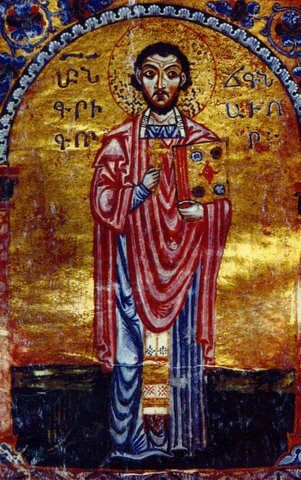
St. Gregory of Narek
An Armenian monk of the tenth century whose Book of Lamentations is still the most-read book in Armenia after the Bible. He is the only Doctor who never belonged to a church in communion with Rome, and Francis named him anyway.
St. Peter Damian
The hermit who was dragged into the reform of an eleventh-century Church deep in simony and clerical corruption, and who wrote about it without softening anything.

St. Anselm of Canterbury
Faith seeking understanding — his phrase, and the programme of scholasticism. He argued for God's existence from the idea of God, and explained the Atonement in terms the West used for eight hundred years.
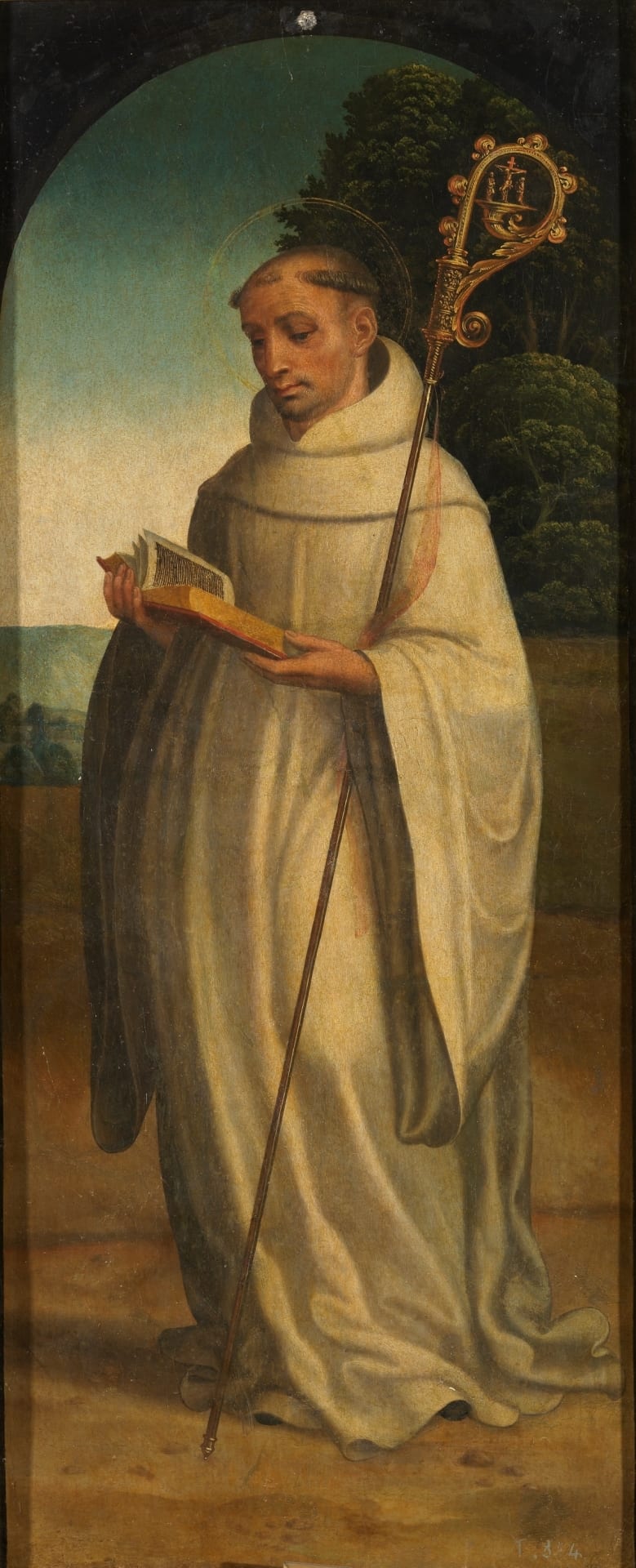
St. Bernard of Clairvaux
The last of the Fathers, by common reckoning: his sermons on the Song of Songs shaped Western devotion to Christ and to Our Lady more than any theologian between Augustine and Aquinas.
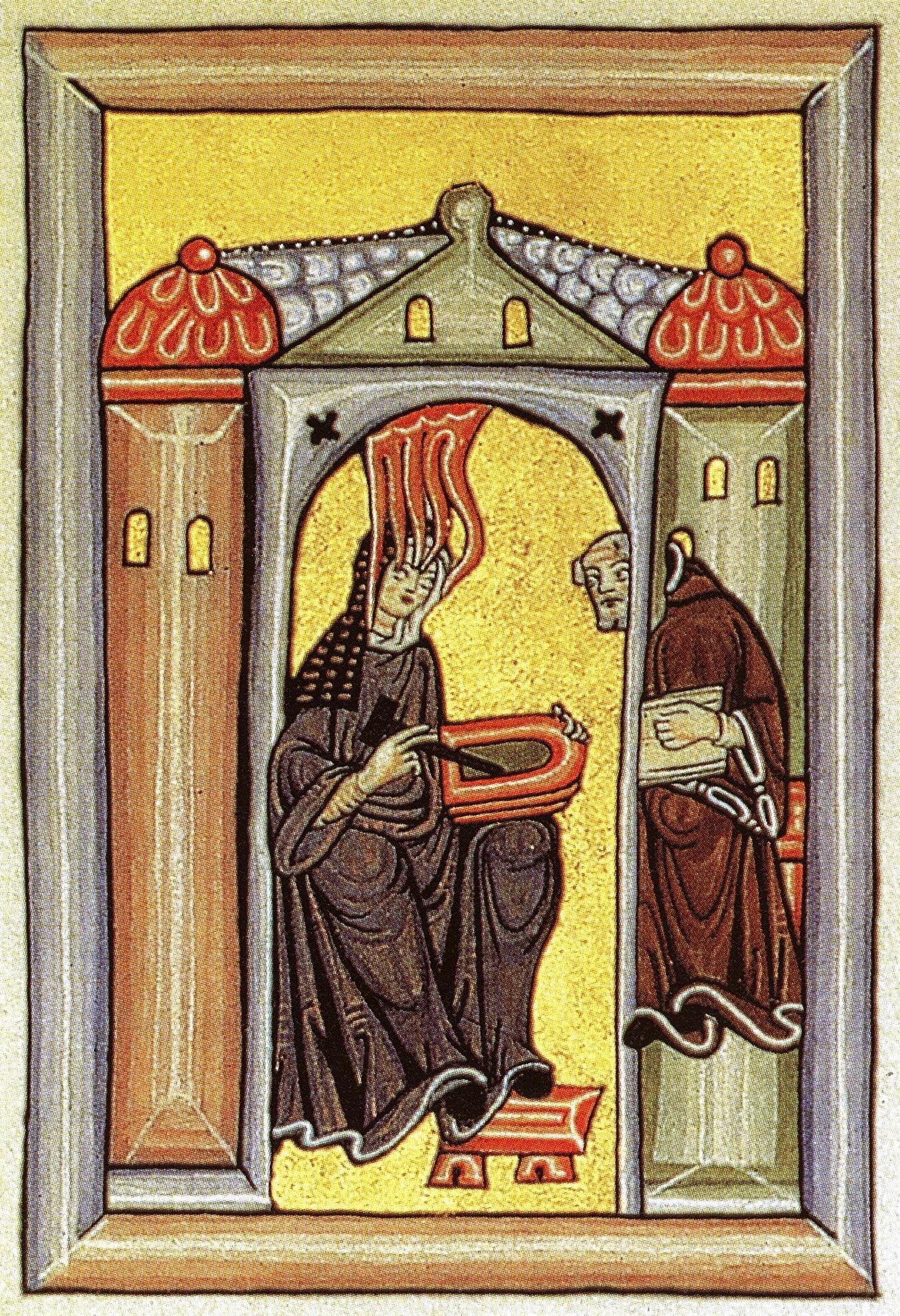
St. Hildegard of Bingen
Named a Doctor the same day as John of Ávila, eight hundred and thirty-three years after she died. Abbess, composer, natural philosopher and visionary, she wrote to emperors and popes and told them what she thought.
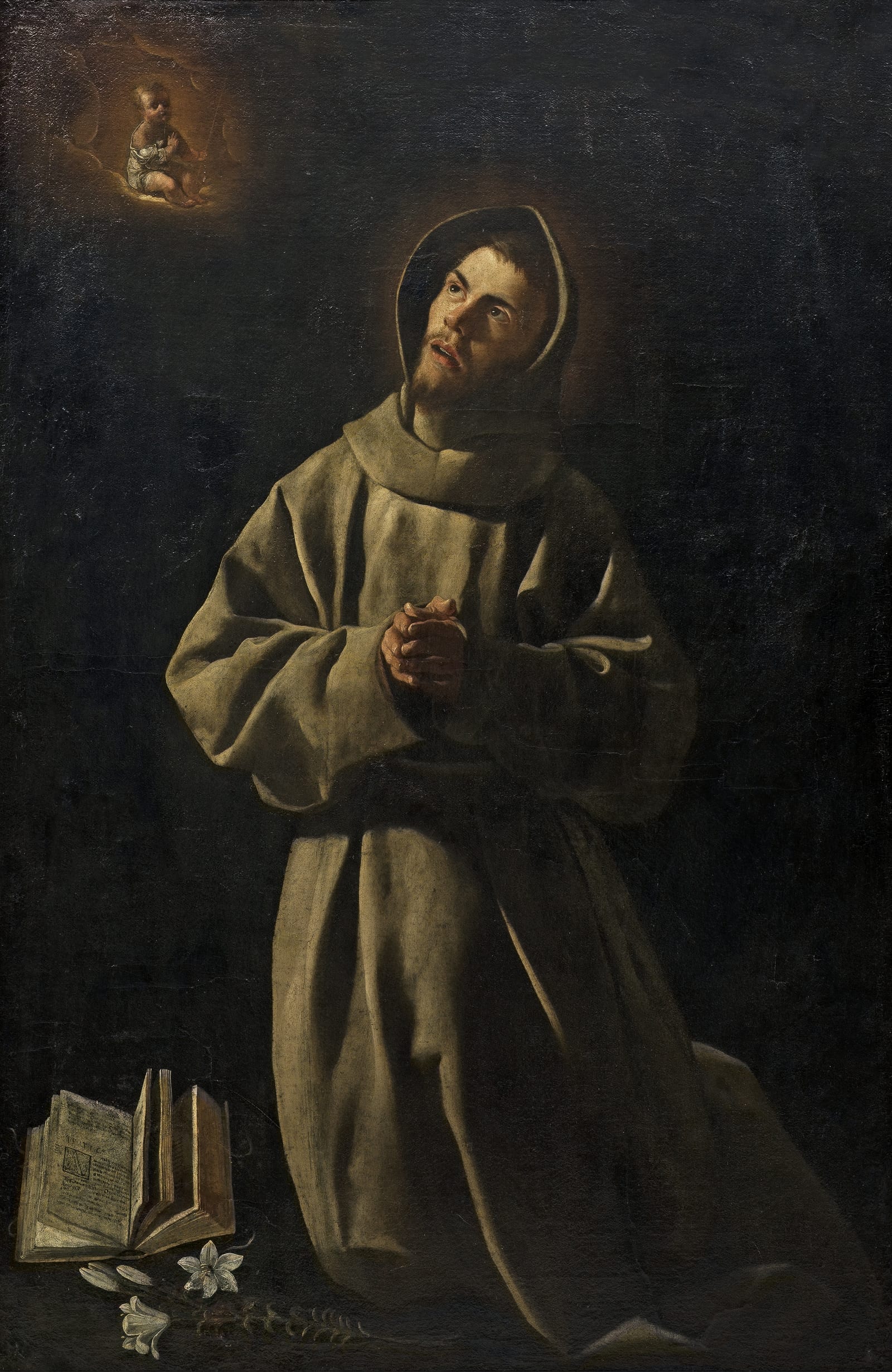
St. Anthony of Padua
Known now for finding lost things, he was in life the Franciscans' first theologian, appointed by Francis himself on condition that study did not put out the spirit of prayer.
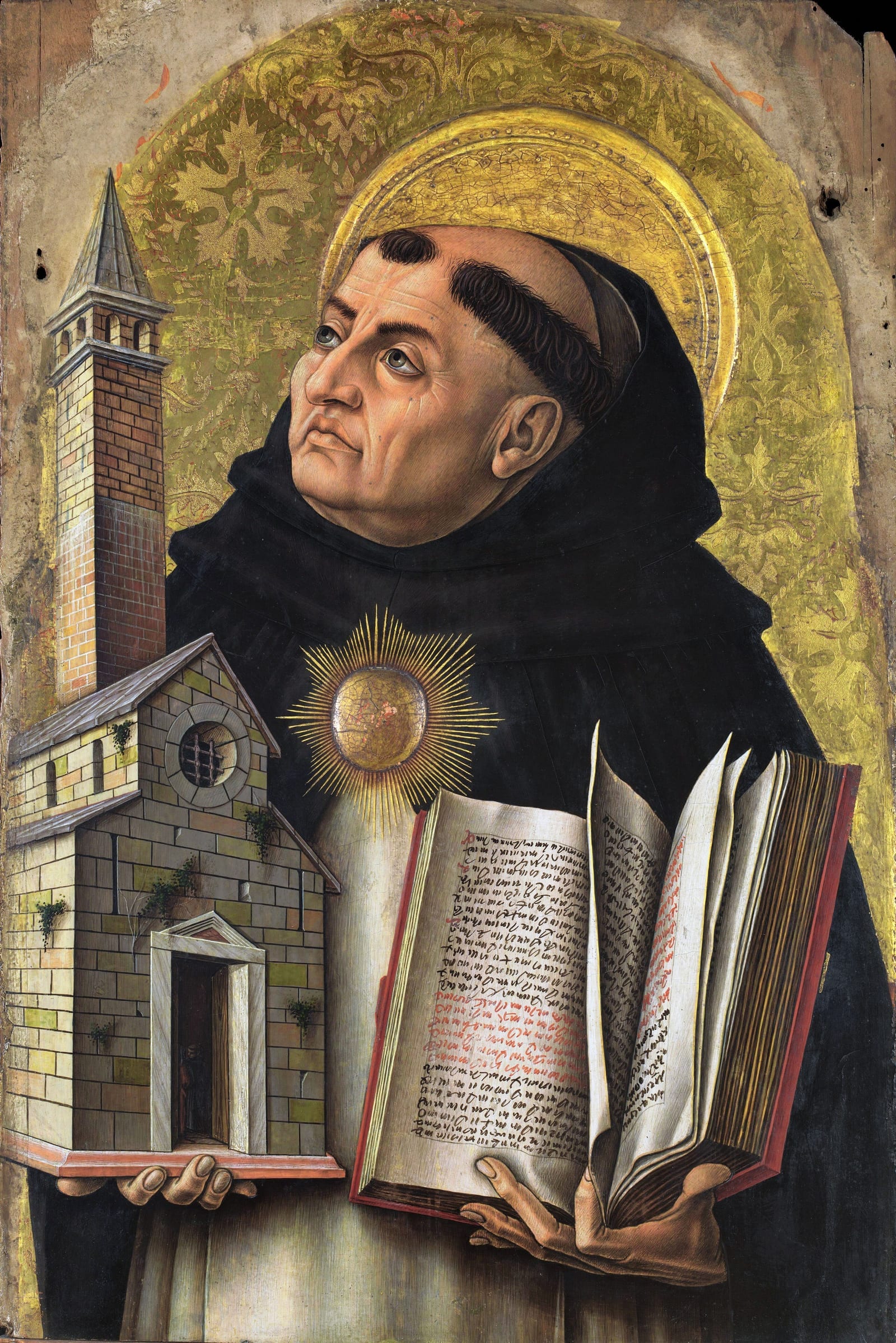
St. Thomas Aquinas
The Summa is the most complete attempt ever made to set out the whole of Christian teaching as a single argument. Leo XIII later made him the master of Catholic philosophy by decree, and Trent is said to have kept the Summa on the altar beside the Scriptures.
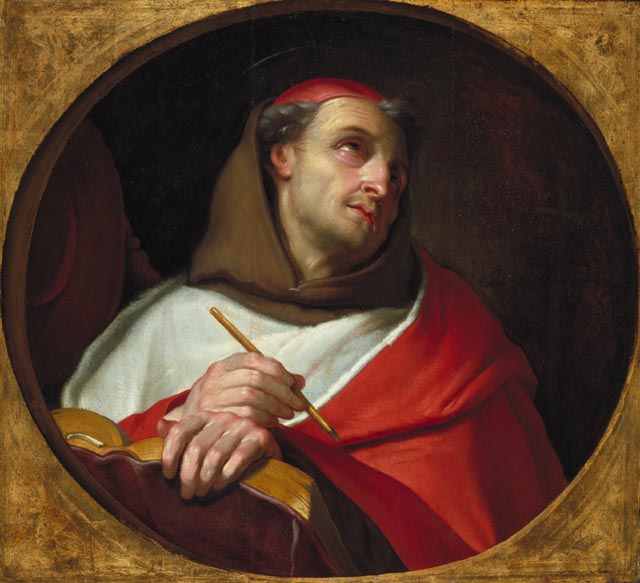
St. Bonaventure
Aquinas's contemporary and counterweight: where the Angelic Doctor reasons upward, the Seraphic Doctor loves upward. He also saved the Franciscans from tearing themselves apart.
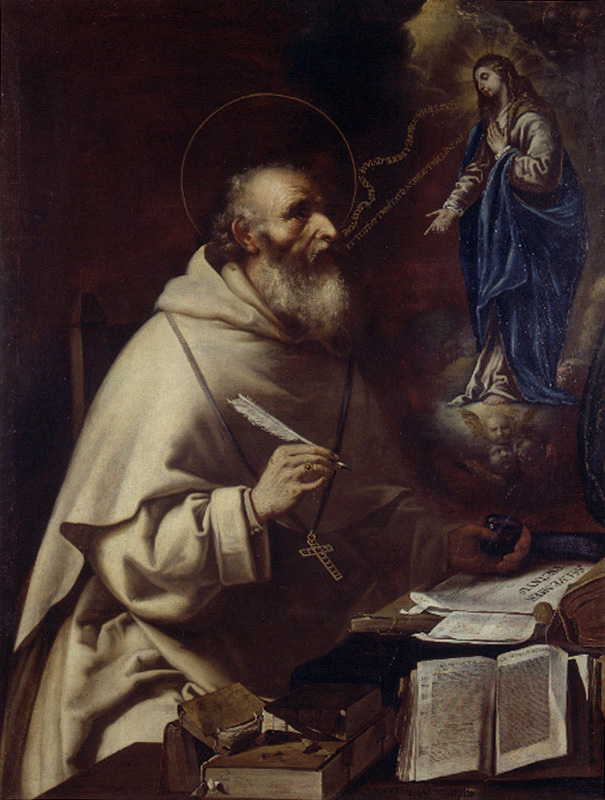
St. Albert the Great (Albertus Magnus)
Aquinas's teacher, and the man who argued that a Christian may study nature on nature's own terms. He is the patron of natural scientists, and he dissected plants and insects to find out how they worked.
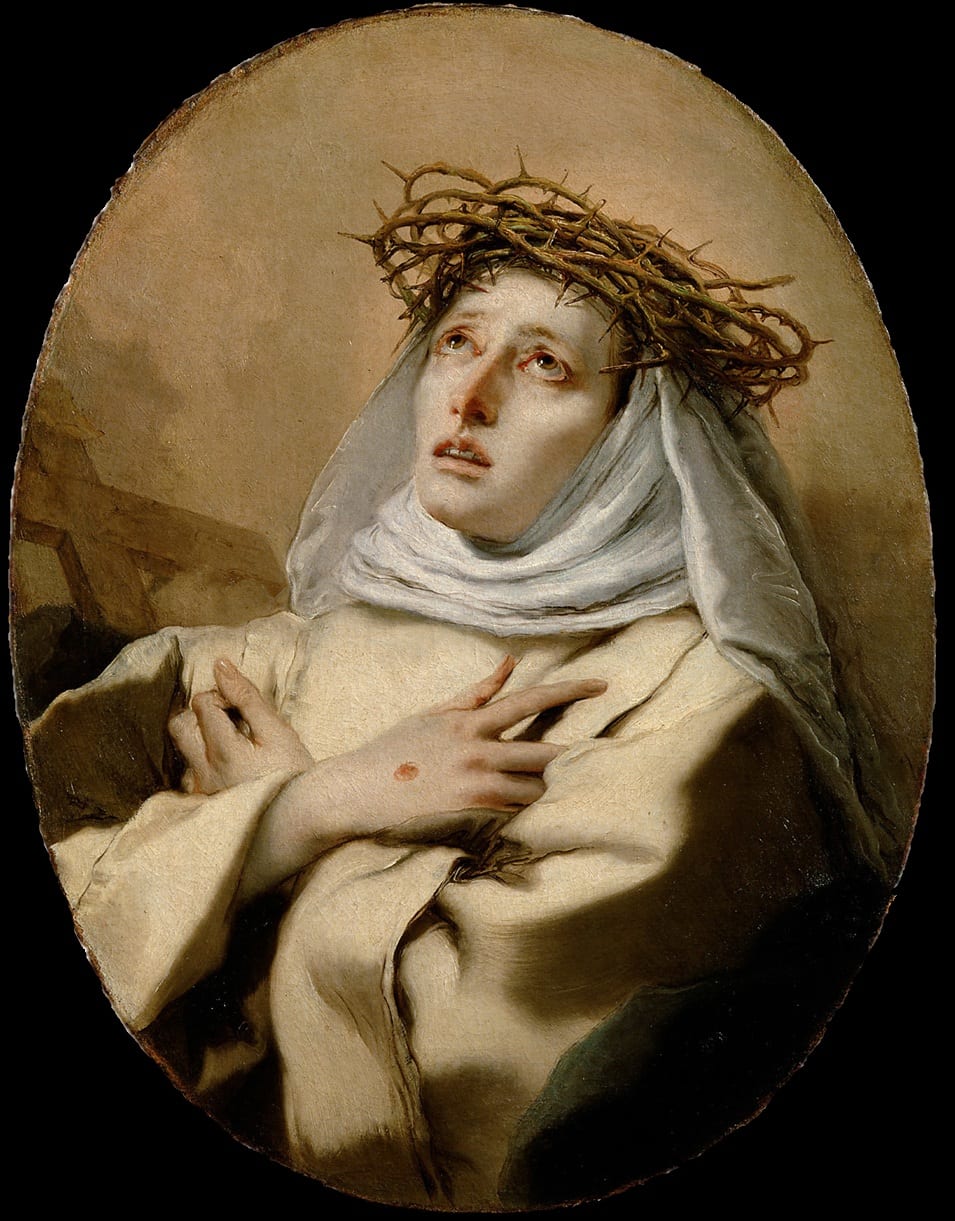
St. Catherine of Siena
Named a Doctor the same week as Teresa. She could not write and dictated the Dialogue; she told the pope to his face to go back to Rome, and he went.
Reformation and Counter-Reformation
Seven Doctors from the age of division, most of them named in the nineteenth and twentieth centuries — the Church reaching back to the people who had held things together.
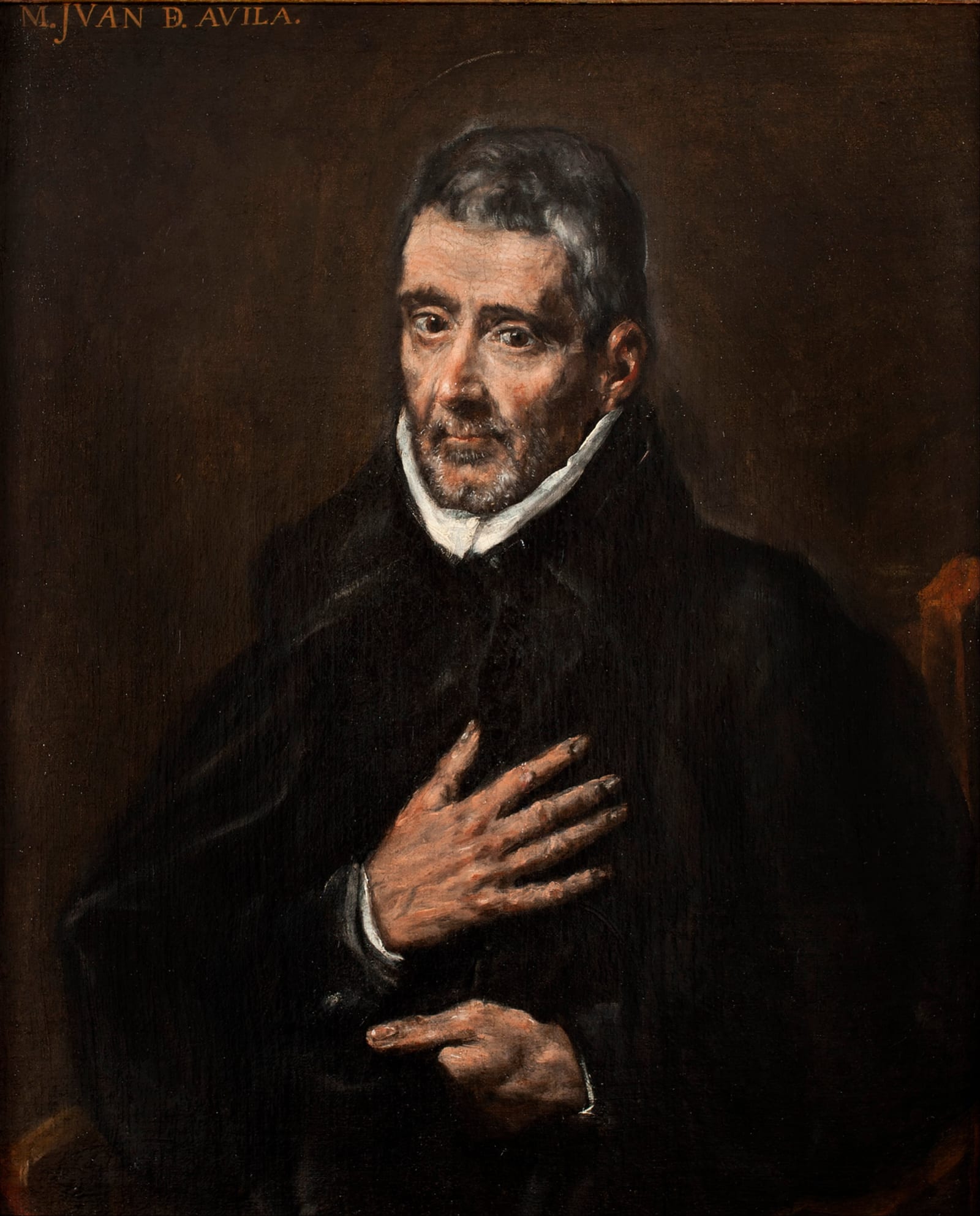
St. John of Ávila
The Apostle of Andalusia, who was tried by the Inquisition and acquitted, and who formed a generation of Spanish reformers — Teresa of Ávila and John of God among those who asked his counsel.
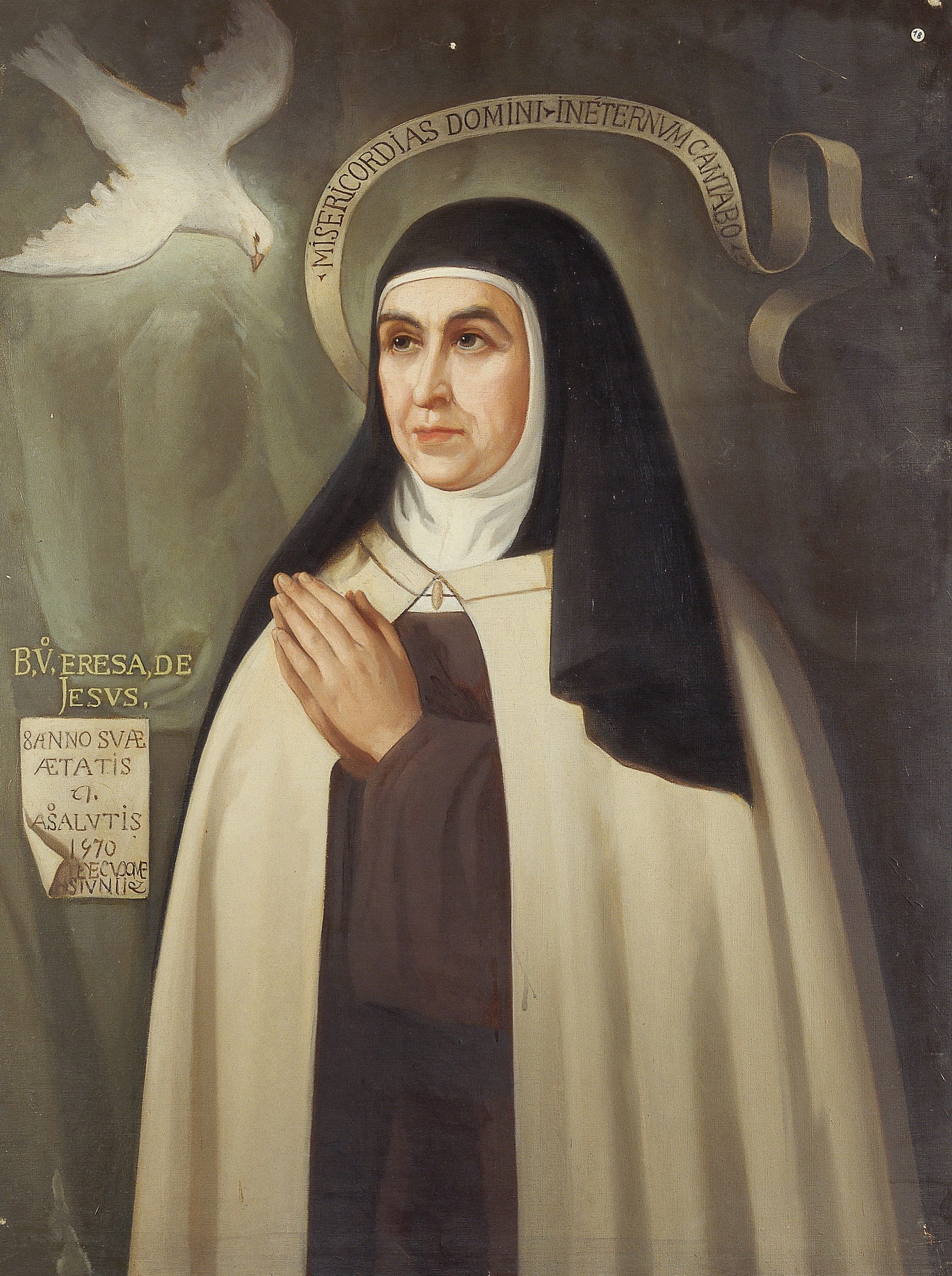
St. Teresa of Ávila
The first woman ever named a Doctor. The Interior Castle describes the stages of prayer from the inside, with an accuracy nobody had attempted, and she reformed an order while doing it.
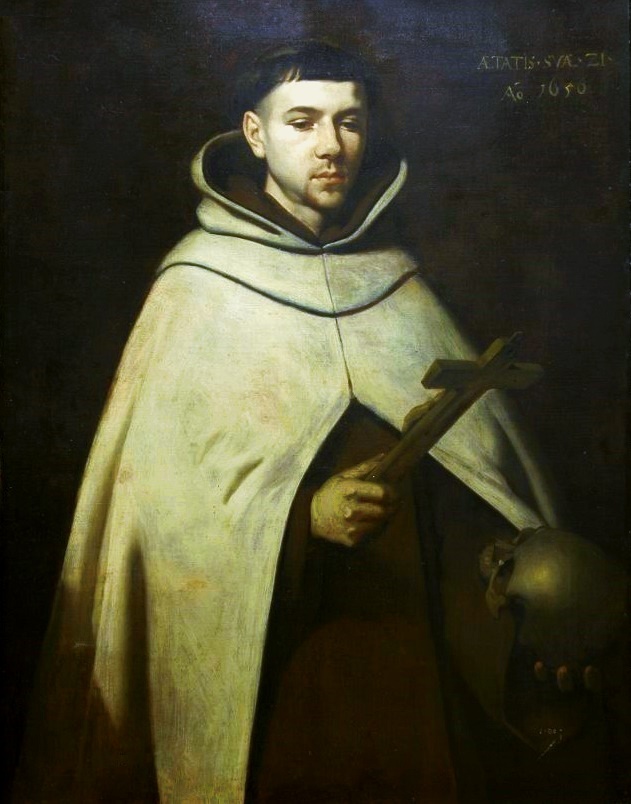
St. John of the Cross
He mapped the dark night of the soul — the stretch of the spiritual life in which consolation is withdrawn — and he wrote it as poetry, in a cell, having been imprisoned by his own brethren.
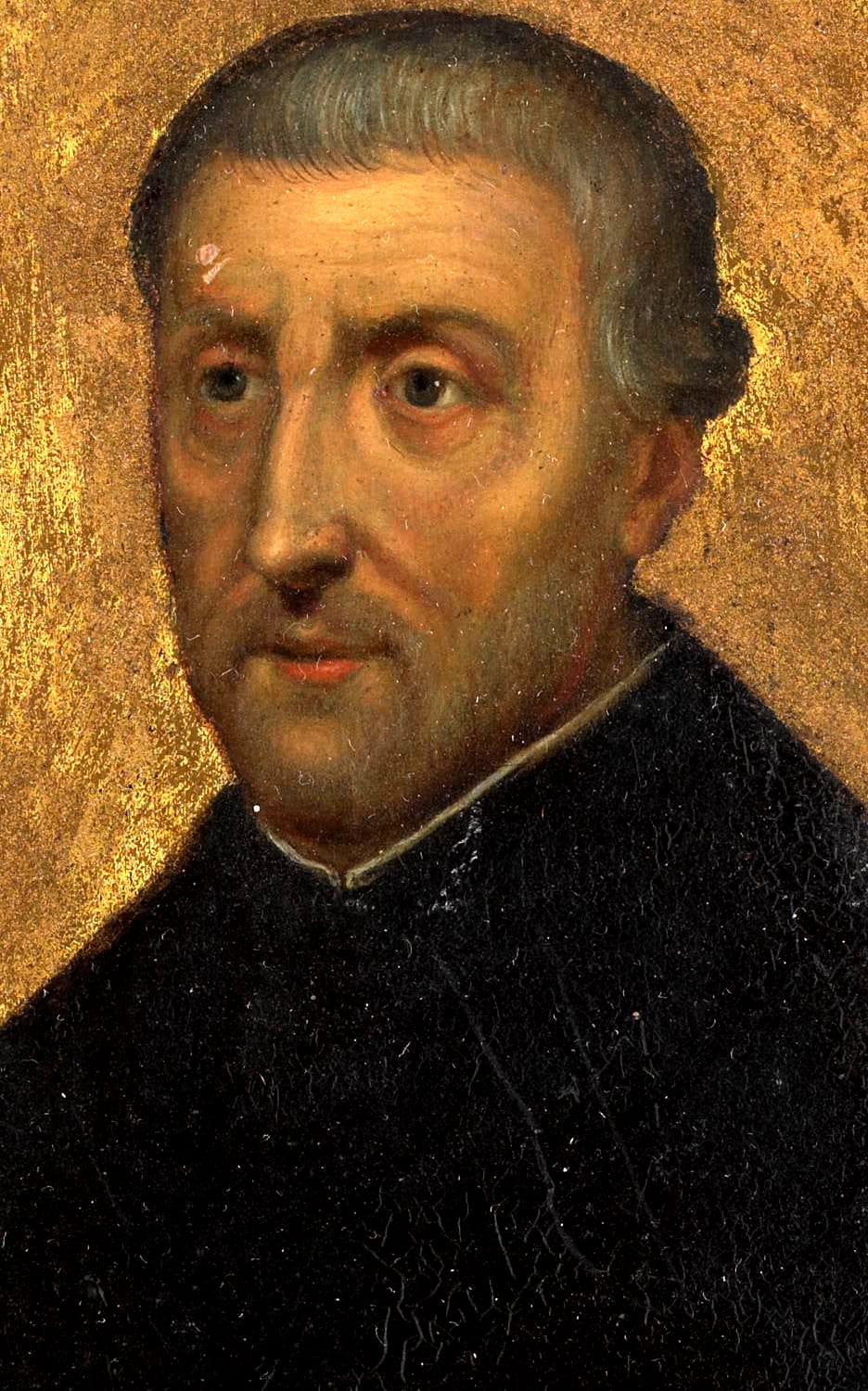
St. Peter Canisius
His catechisms went through hundreds of editions and held much of German-speaking Europe Catholic in the century after the Reformation, by explaining rather than by denouncing.
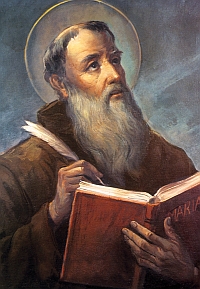
St. Lawrence of Brindisi
A Capuchin who preached in half a dozen languages, read Hebrew well enough to argue Scripture with rabbis on their own ground, and led an imperial army into battle at Székesfehérvár carrying a crucifix.
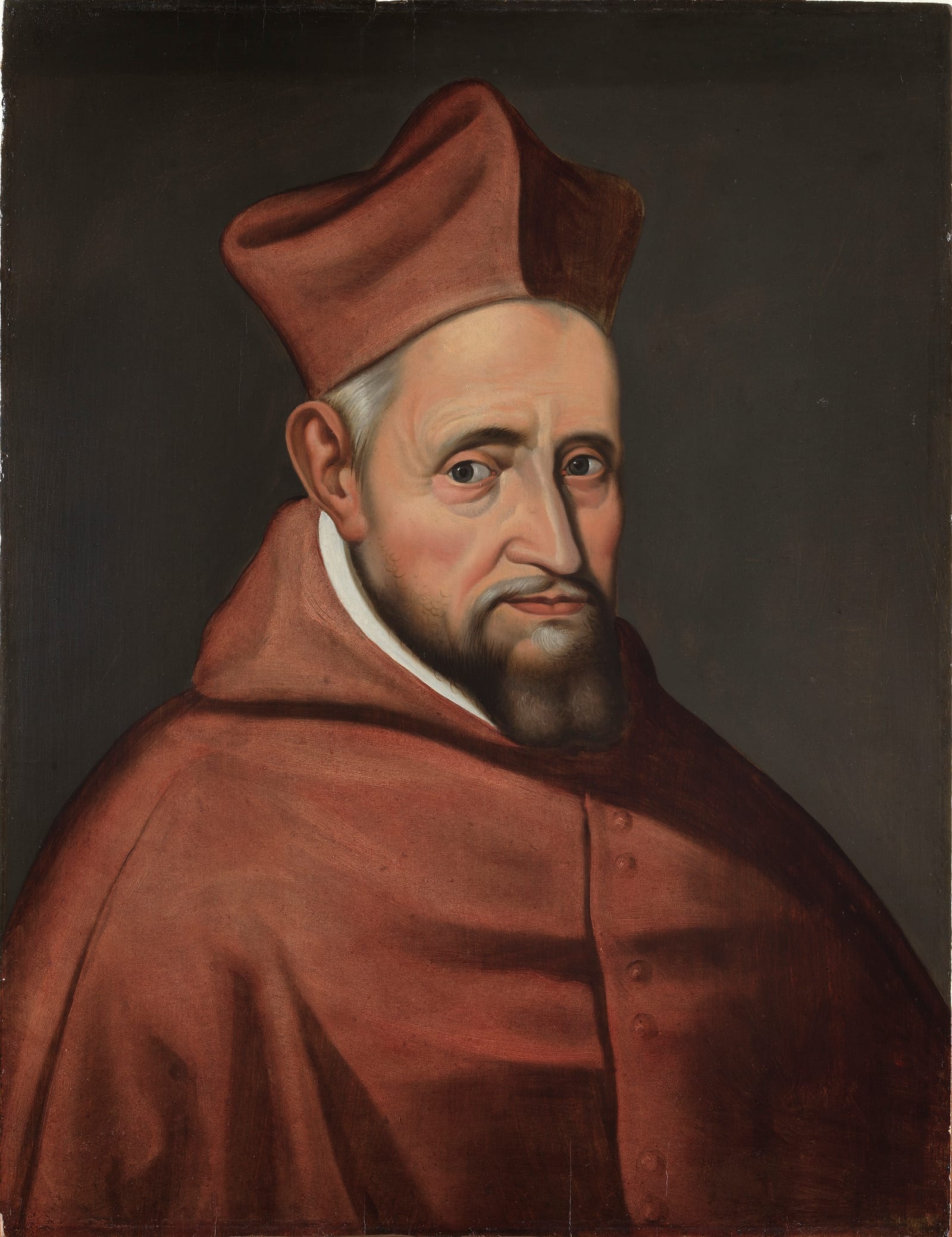
St. Robert Bellarmine
The Church's ablest controversialist in the age of religious war, who argued with Protestants by stating their case accurately first. He was also Galileo's cautious friend.
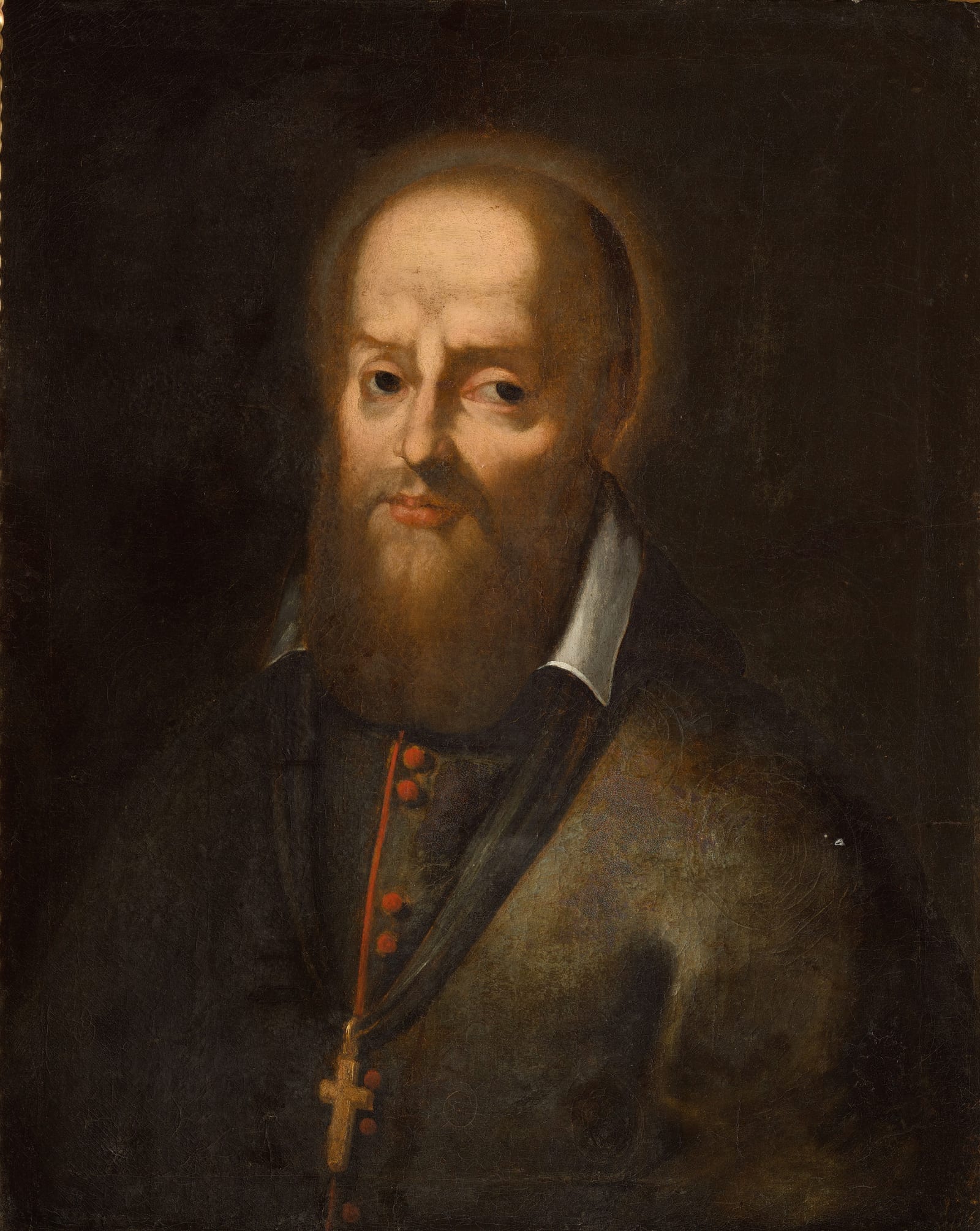
St. Francis de Sales
The Introduction to the Devout Life was written for a married laywoman, and it says that holiness is not for cloisters only. Three centuries later Vatican II called that the universal call to holiness.
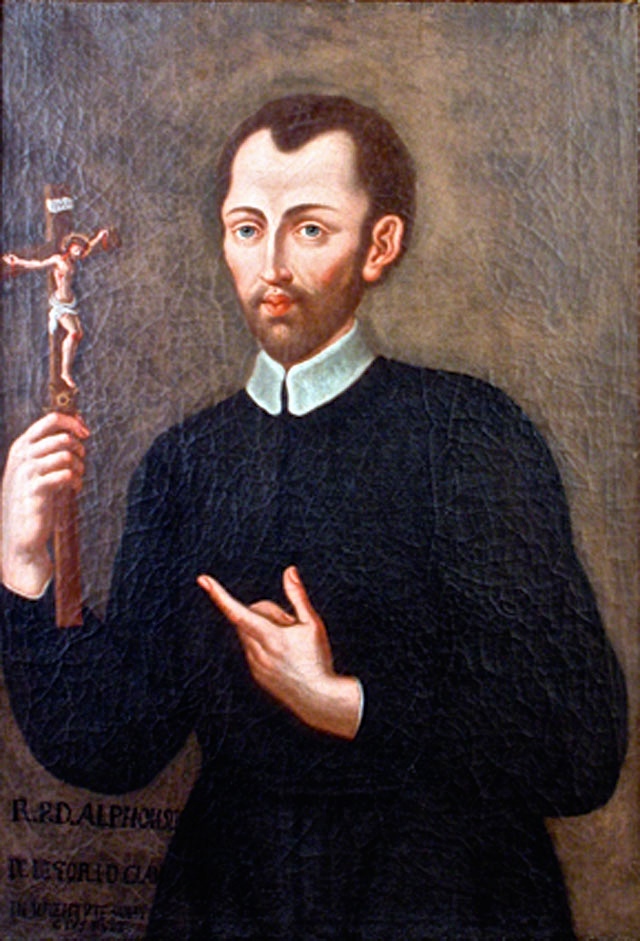
St. Alphonsus Liguori
He rescued moral theology from rigorism. Against confessors who made absolution nearly unobtainable, he argued for the liberty of the penitent, and the Church took his side; he is the patron of moral theologians and confessors.
The Modern Church
Three: a moral theologian who argued for mercy, a Carmelite who died at twenty-four, and an Oxford convert made a Doctor in 2025.
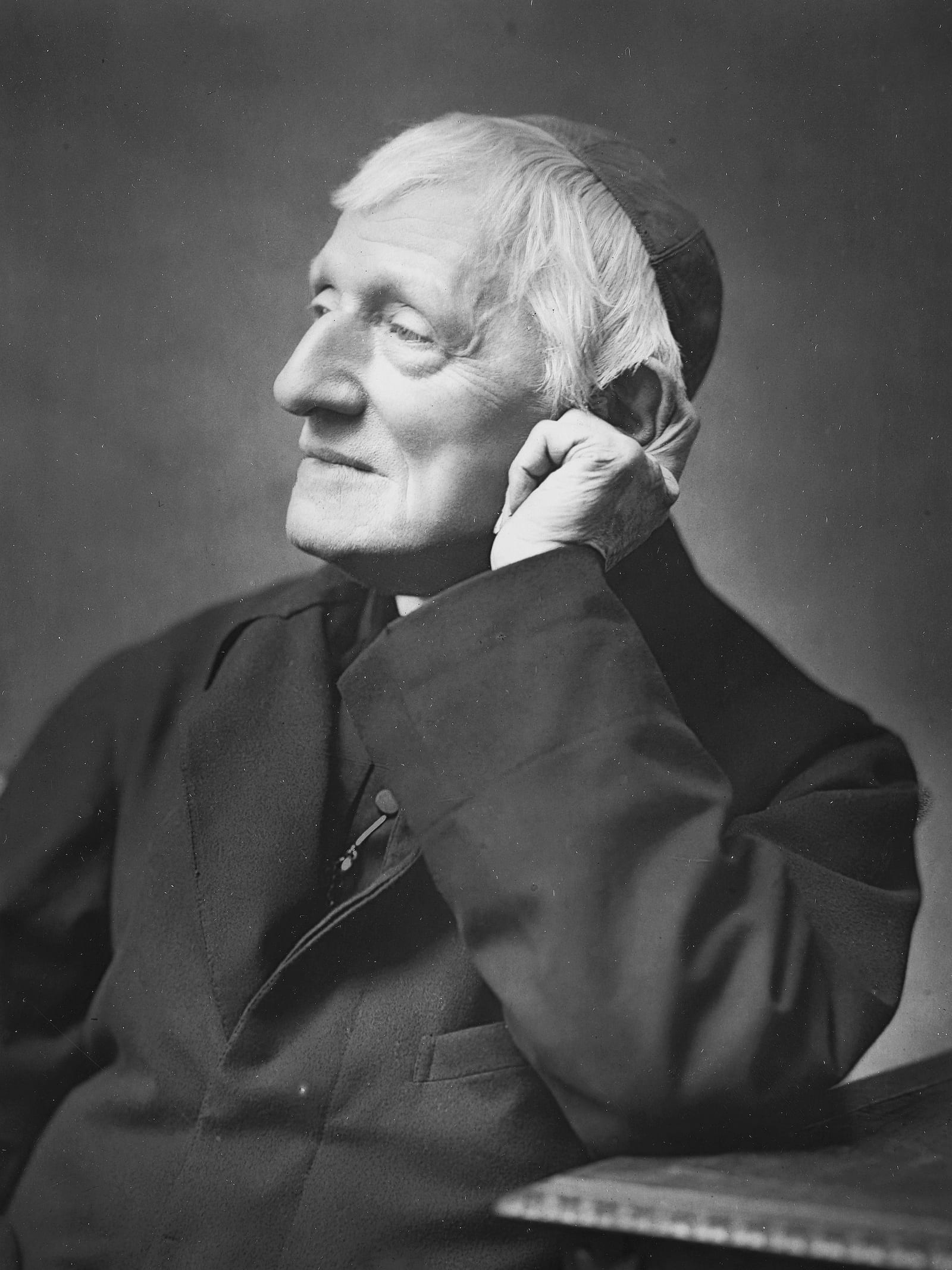
St. John Henry Newman
The thirty-eighth, proclaimed on All Saints' Day 2025 and made co-patron of Catholic education beside Aquinas. He gave the Church its account of how doctrine can develop without changing, and its defence of conscience as the aboriginal vicar of Christ.
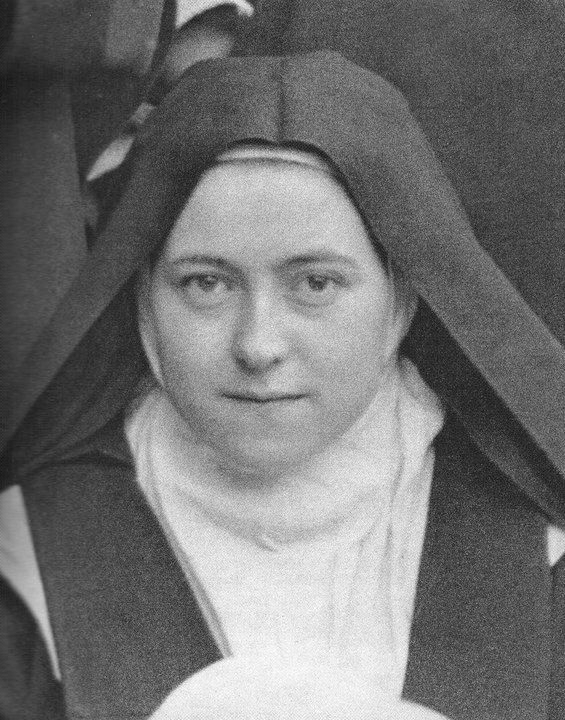
St. Thérèse of Lisieux
She died at twenty-four in a provincial Carmel having done nothing the world noticed, and her little way — holiness as trust rather than achievement — is the teaching for which the Church made her a Doctor a century later.
The four women
For six hundred and seventy-two years the title went only to men. In September 1970 Paul VI named Teresa of Ávila and, a week later, Catherine of Siena — one a reforming prioress who wrote the most exact account of prayer anybody has written, the other a laywoman who could not write and dictated her book. Thérèse followed in 1997 and Hildegard in 2012, eight hundred and thirty-three years after her death.
When the Church conferred it
Seven centuries of naming, in six movements. The gaps are as telling as the additions: there were four Doctors for two hundred and sixty-nine years.
- 1298
The four Latin Doctors
Boniface VIII names Gregory, Ambrose, Augustine and Jerome, and creates the title in the act of conferring it.
- 1567–1588
Aquinas, the Greeks, and Bonaventure
Pius V adds Aquinas in 1567 and the four great Greek Fathers in 1568, giving the list a second half and an eastern lung. Sixtus V adds Bonaventure twenty years later, and then nothing happens for a hundred and thirty-two years.
- 1720–1754
The scholastics and the bishops
Four eighteenth-century popes add Anselm, Isidore, Peter Chrysologus and Leo the Great — the first serious widening since the Reformation.
- 1828–1899
The long nineteenth century
Nine Doctors in seventy years, from Peter Damian to Bede. Pius IX and Leo XIII between them name seven, at a time when the papacy was losing everything it had held temporally and answering by reaching for the tradition.
- 1920–1959
Between the wars and after
Seven more, and the list stops being Latin-only for good: Ephrem in 1920, then Canisius, John of the Cross, Bellarmine, Albert, Anthony of Padua and Lawrence of Brindisi.
- 1970–2025
The women, and the widening
Paul VI names Teresa of Ávila and Catherine of Siena in the same week of 1970, the first women in six hundred and seventy-two years of the title. Thérèse follows in 1997, Hildegard and John of Ávila in 2012, Gregory of Narek in 2015, Irenaeus in 2022, and Newman on All Saints' Day 2025.
What the title does not mean
Six things the title is commonly taken to carry, and does not.
“A Doctor of the Church cannot have been wrong.”
Four of them were wrong about things the Church later settled the other way, and they are on this list anyway. Jerome rejected the seven deuterocanonical books that Trent defined as Scripture — this site quotes him at length doing it on the page about the canon. Aquinas denied the Immaculate Conception, and so did Bernard, who wrote to the canons of Lyon to tell them the feast was an innovation; the Church defined it in 1854. Augustine taught that unbaptised infants are damned, which the Church has never taught. The title is given for a body of teaching and its service to the Church, not as a certificate on every sentence.
“It is an office, or a kind of authority.”
It is neither. A Doctor holds no jurisdiction, defines nothing, and taught in life with exactly the authority their orders gave them — several were not bishops, two were laywomen in the sense that they held no clerical office at all, and one, Catherine of Siena, could not write. What the title says is that the Church commends their writing, not that she has delegated anything to it.
“It is an ancient honour the early Church conferred.”
It was first conferred in 1298, by Boniface VIII, on four men who had been dead between six and nine hundred years. Not one Doctor of the Church was called a Doctor of the Church in their lifetime. The gap between death and naming runs from eighty-four years, for Alphonsus Liguori, to more than eighteen centuries, for Irenaeus.
“Doctor and Father of the Church mean the same thing.”
They overlap and they are not the same. A Father is a witness of the Church's first eight centuries, and the title depends on antiquity; a Doctor may be of any century, and the title depends on an act of the Church. Aquinas, Teresa, Thérèse and Newman are Doctors and not Fathers. Origen and Tertullian shaped Christian thought as much as many on this list and are neither, because both ended outside what the Church could commend.
“The Doctors are the Latin West's own club.”
Eight of the first nine were Greek or Latin Fathers of the undivided Church, and the list has kept widening since. Ephrem wrote in Syriac. Gregory of Narek was an Armenian monk who died in 1003, whose church was not in communion with Rome then and is not now, and Francis named him a Doctor in 2015 — which was itself an argument about what the Church considers hers.
“There have always been about the same number.”
There were four for two hundred and sixty-nine years. There were sixteen in 1800 and thirty by 1959. The last fifty years added eight, including the first four women, the first Armenian and the first Englishman since Bede. The list is not a canon that was closed; it is a record of what the Church has wanted to hold up, and it is still being written.
A Doctor of the Church is not a saint the Church admires more than the others. It is a saint whose teaching she still puts in people’s hands — which is why the list keeps growing, and why it can include a man who denied the Immaculate Conception and a woman who died at twenty-four having done nothing the world noticed.