
Two hundred and sixty-seven men have held the office, and the Church has canonised eighty-one of them. What makes the list worth reading is not the number but where the saints are: forty-eight of the first fifty popes are saints, and then, for something like a thousand years, almost none.
The first bishops of Rome were killed for the office. The next were the men who held the city while the empire that built it fell apart. After that the papacy became the most powerful thing in Europe, and the canonisations very nearly stopped — a silence of some twelve centuries that the Church has never explained and does not need to. Then, in the twentieth century, four of them at once.
87 popes have a profile here, with 13 more whose records are too thin for one.
The age of the martyrs
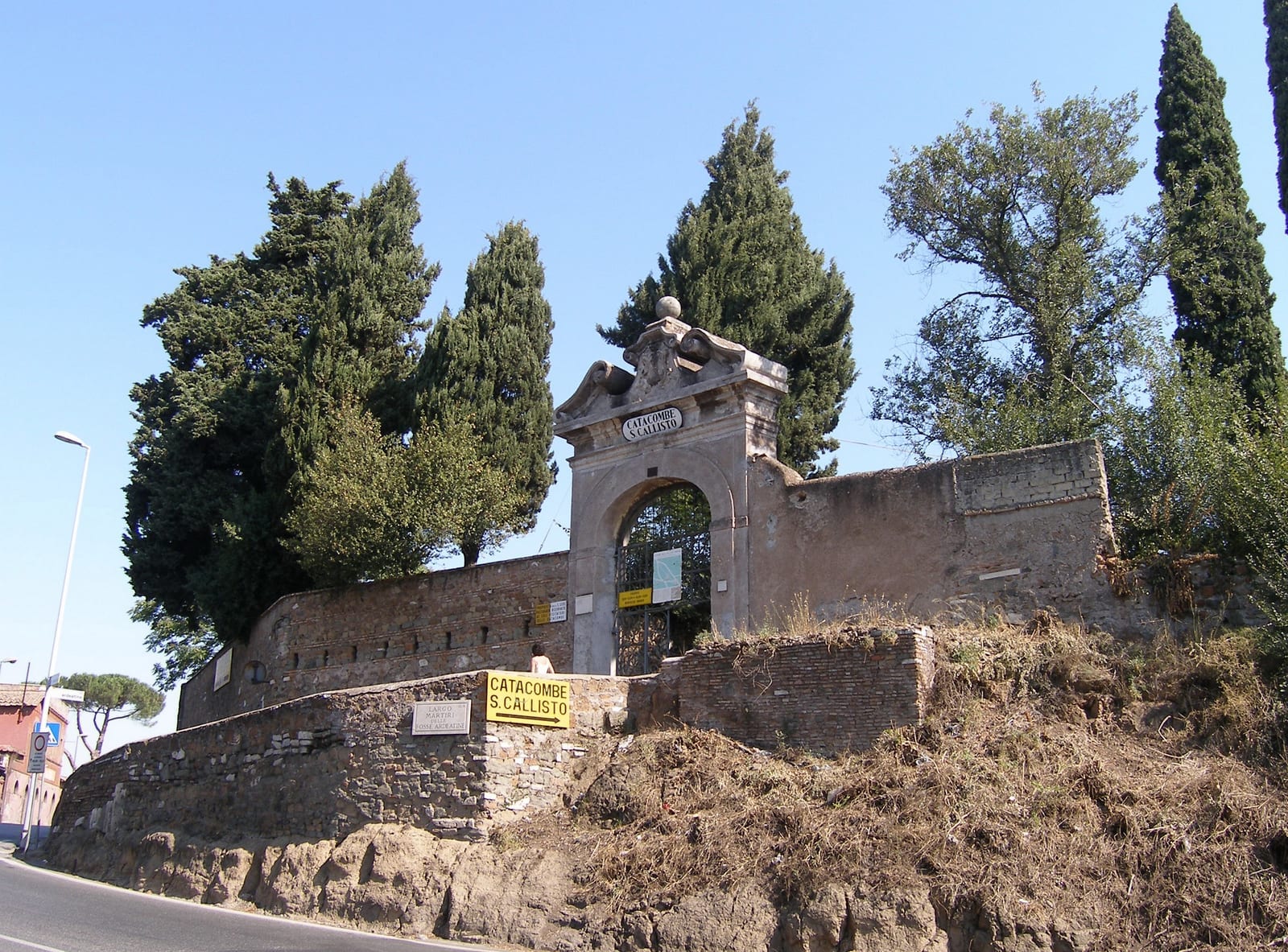
From Peter to the eve of the peace of the Church. Twenty-eight of the first thirty-one popes died martyrs, and the office was not a throne but a death sentence with a congregation attached. Most of them lie in the catacombs of San Callisto on the Via Appia, in the crypt the Romans still call the Crypt of the Popes.
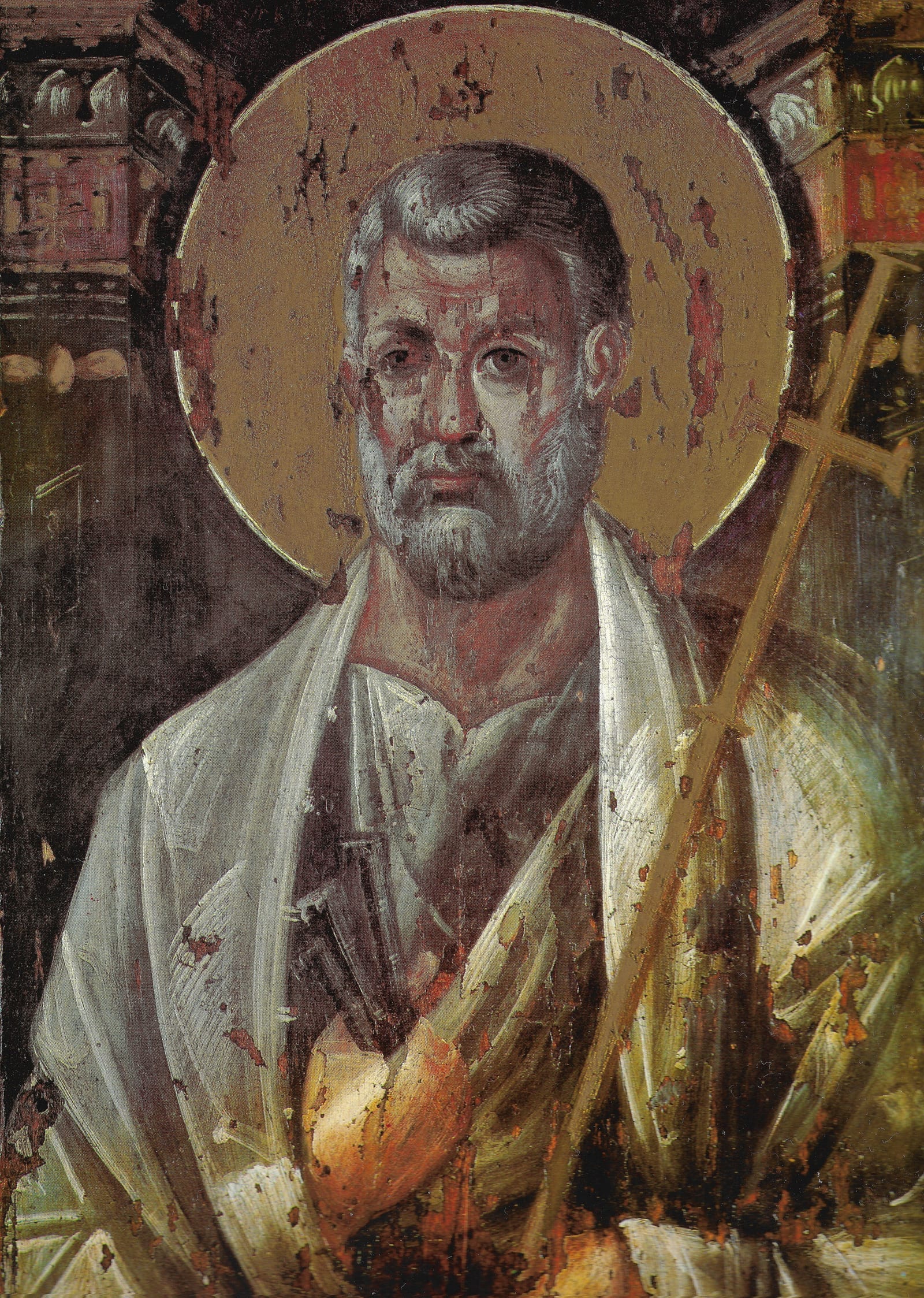
St. Peter the Apostle
Pope St. Linus
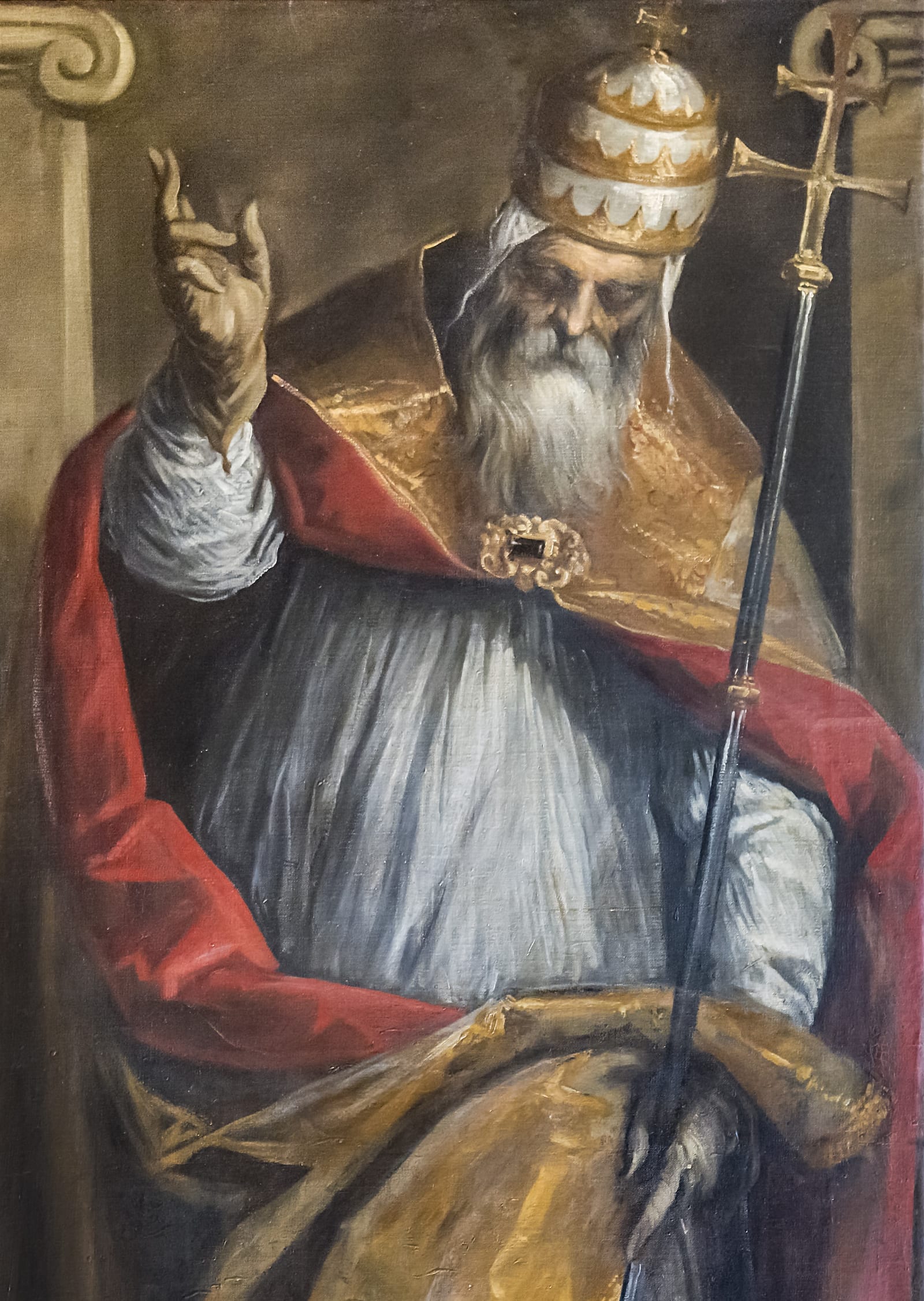
Pope St. Anacletus (Cletus)
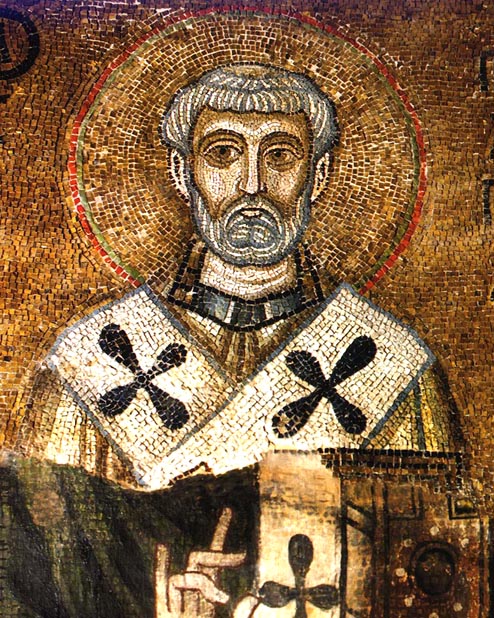
St. Clement of Rome
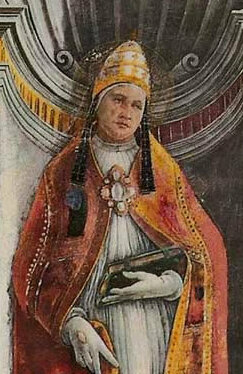
Pope St. Evaristus
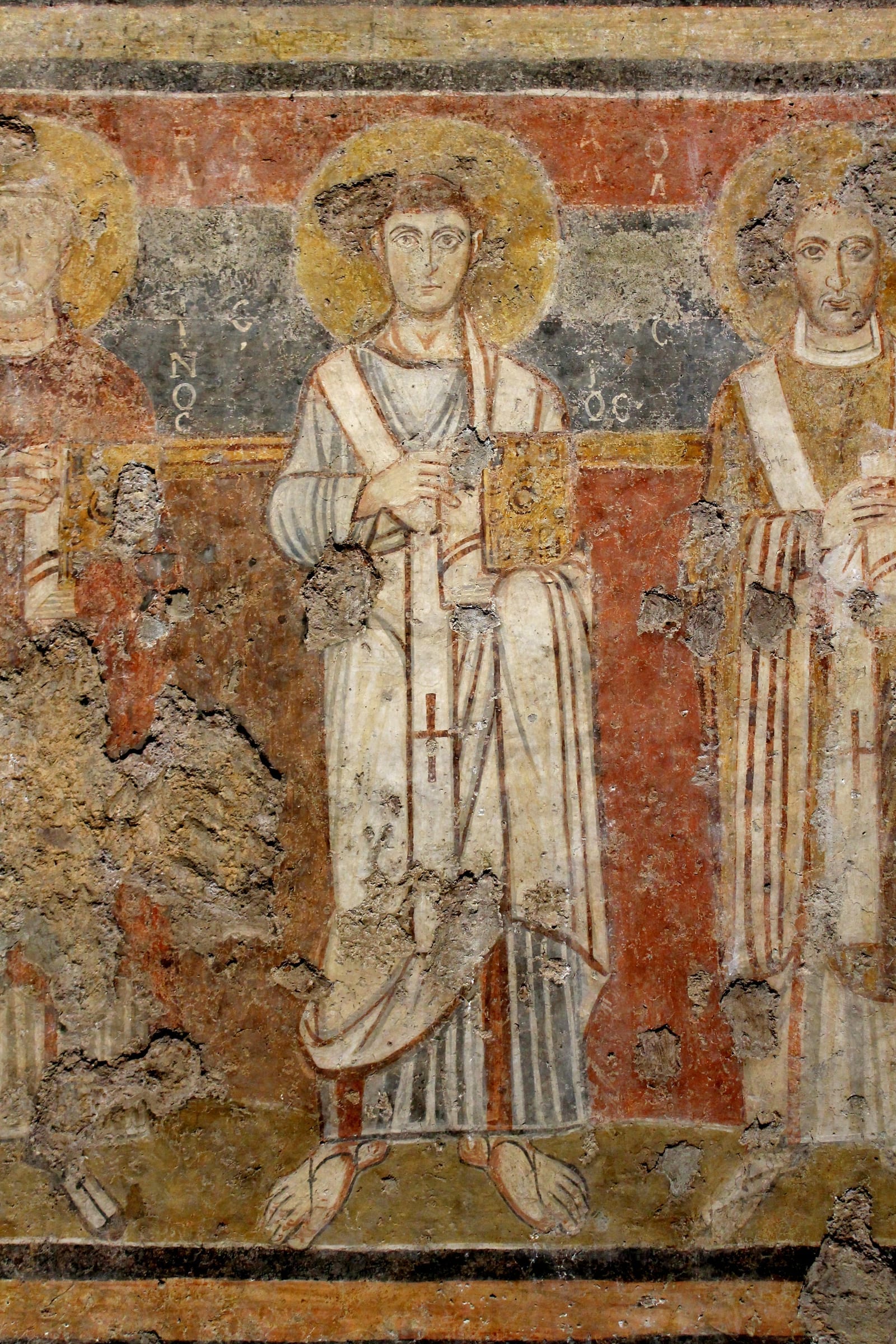
Pope St. Alexander I
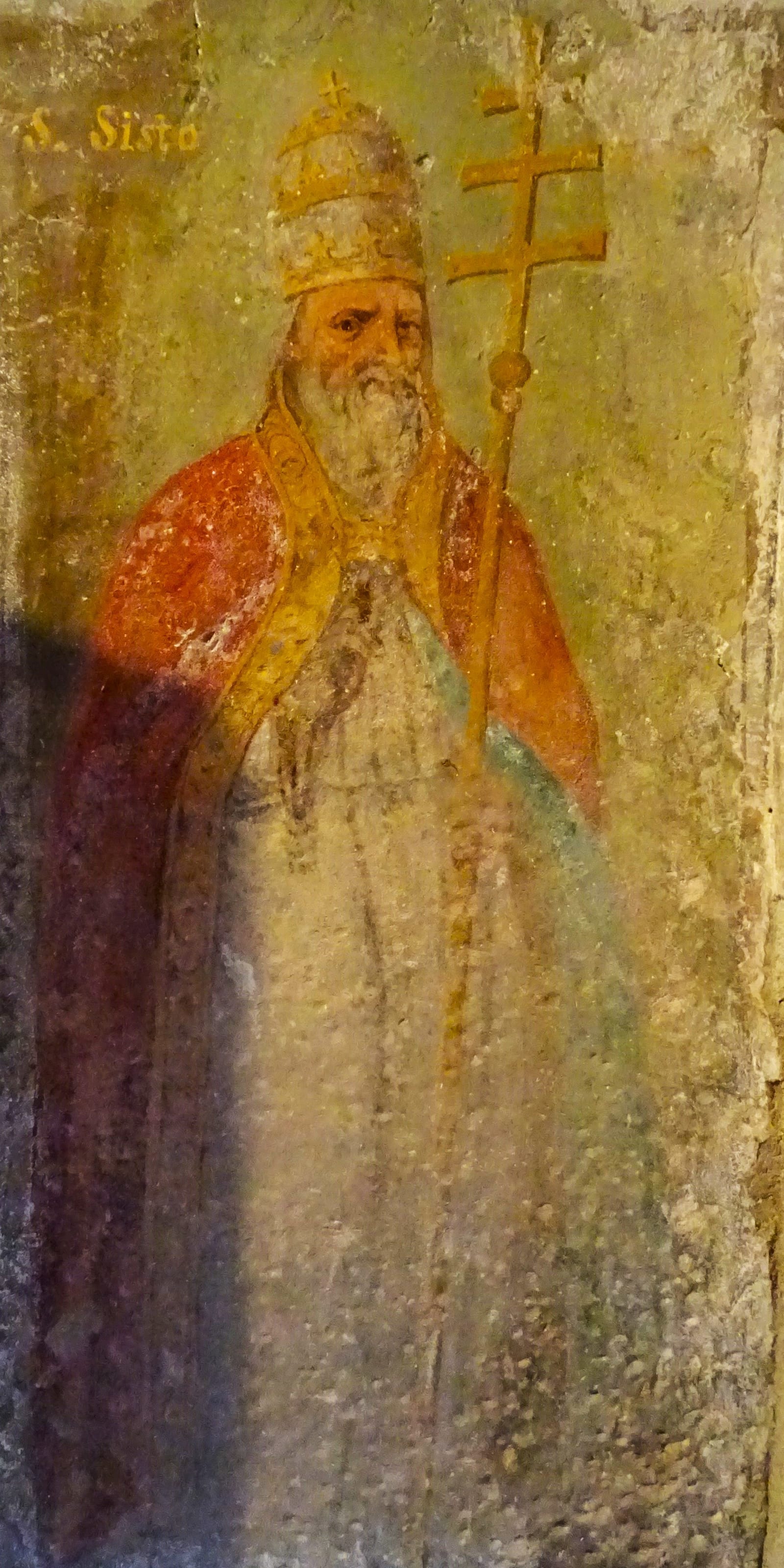
Pope St. Sixtus I
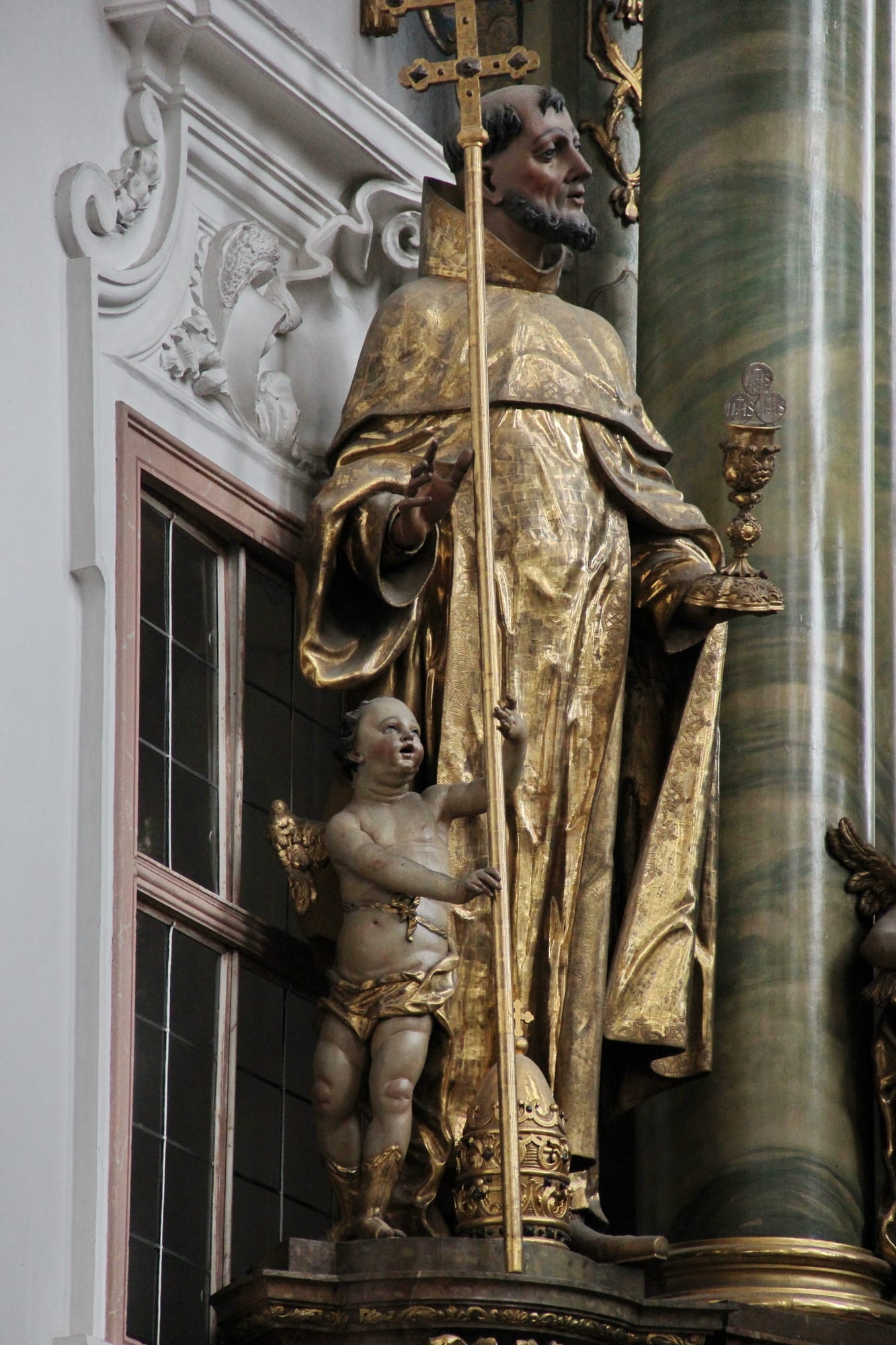
Pope St. Telesphorus
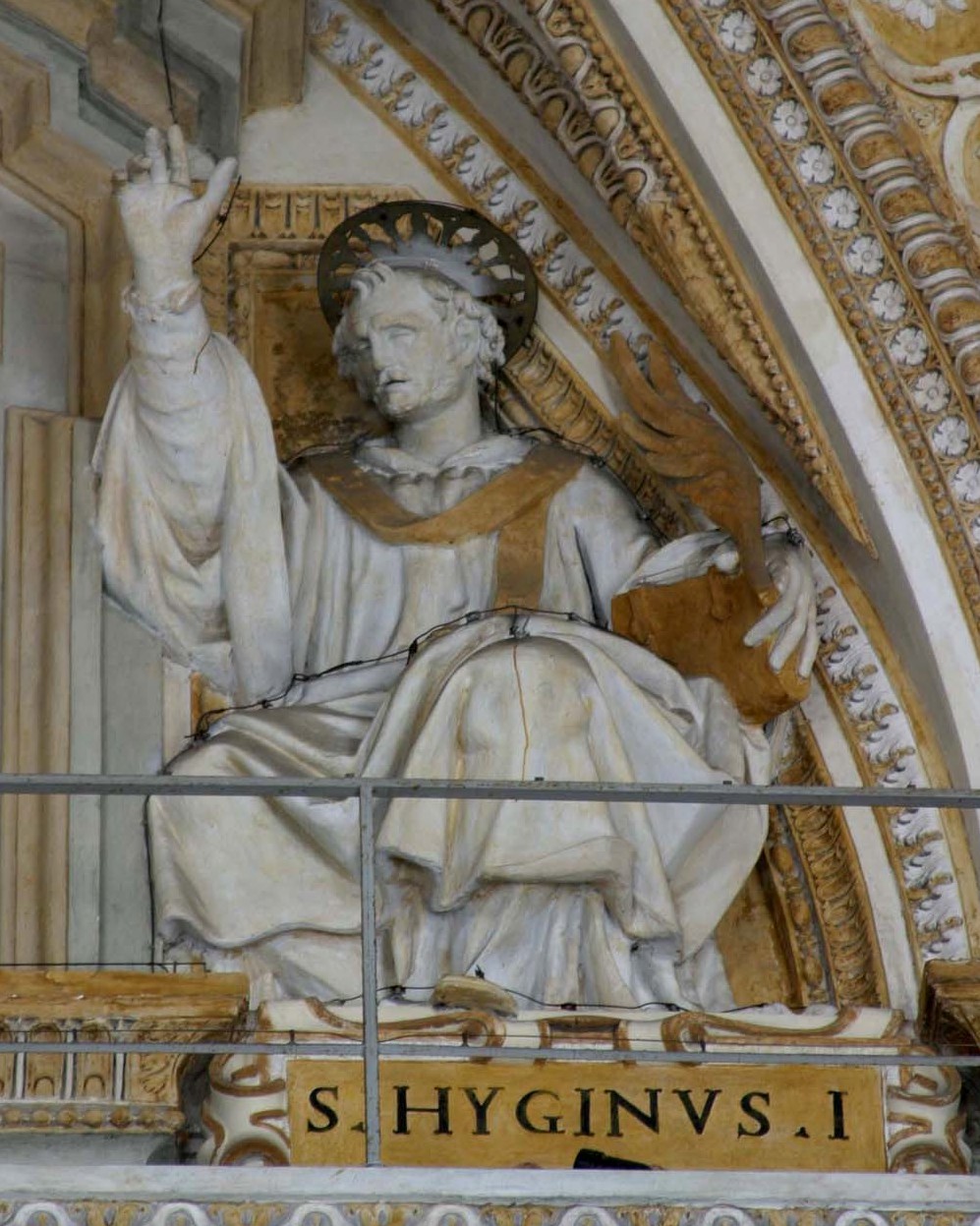
Pope St. Hyginus
Pope St. Pius I
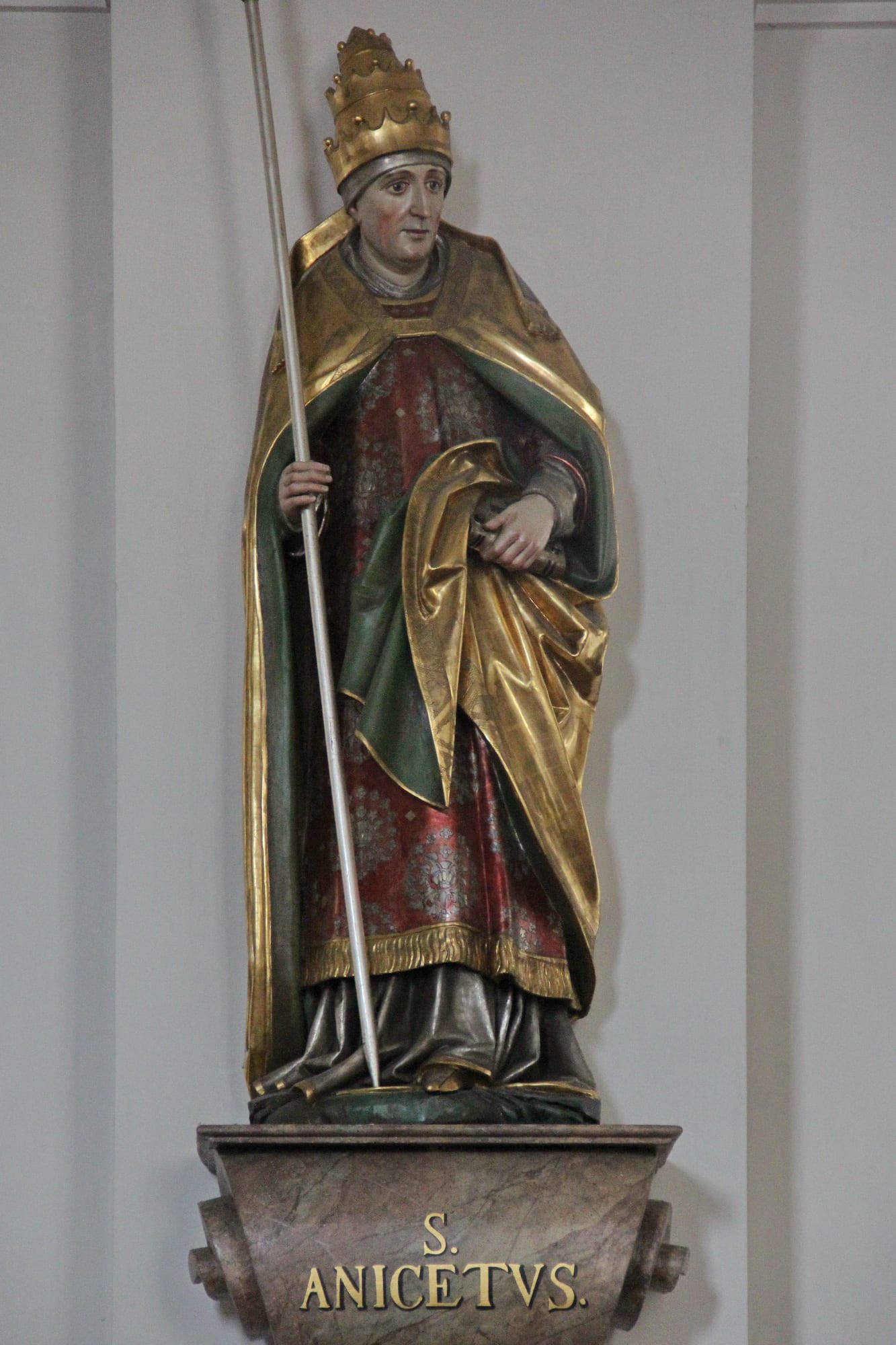
Pope St. Anicetus
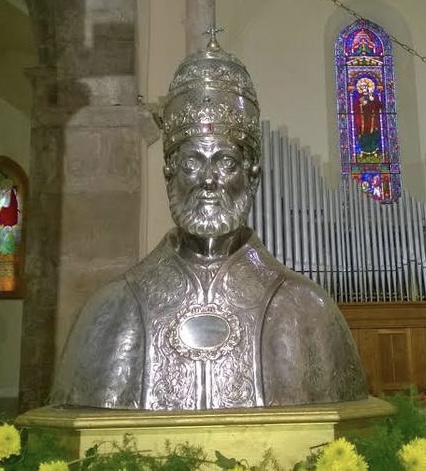
Pope St. Soter
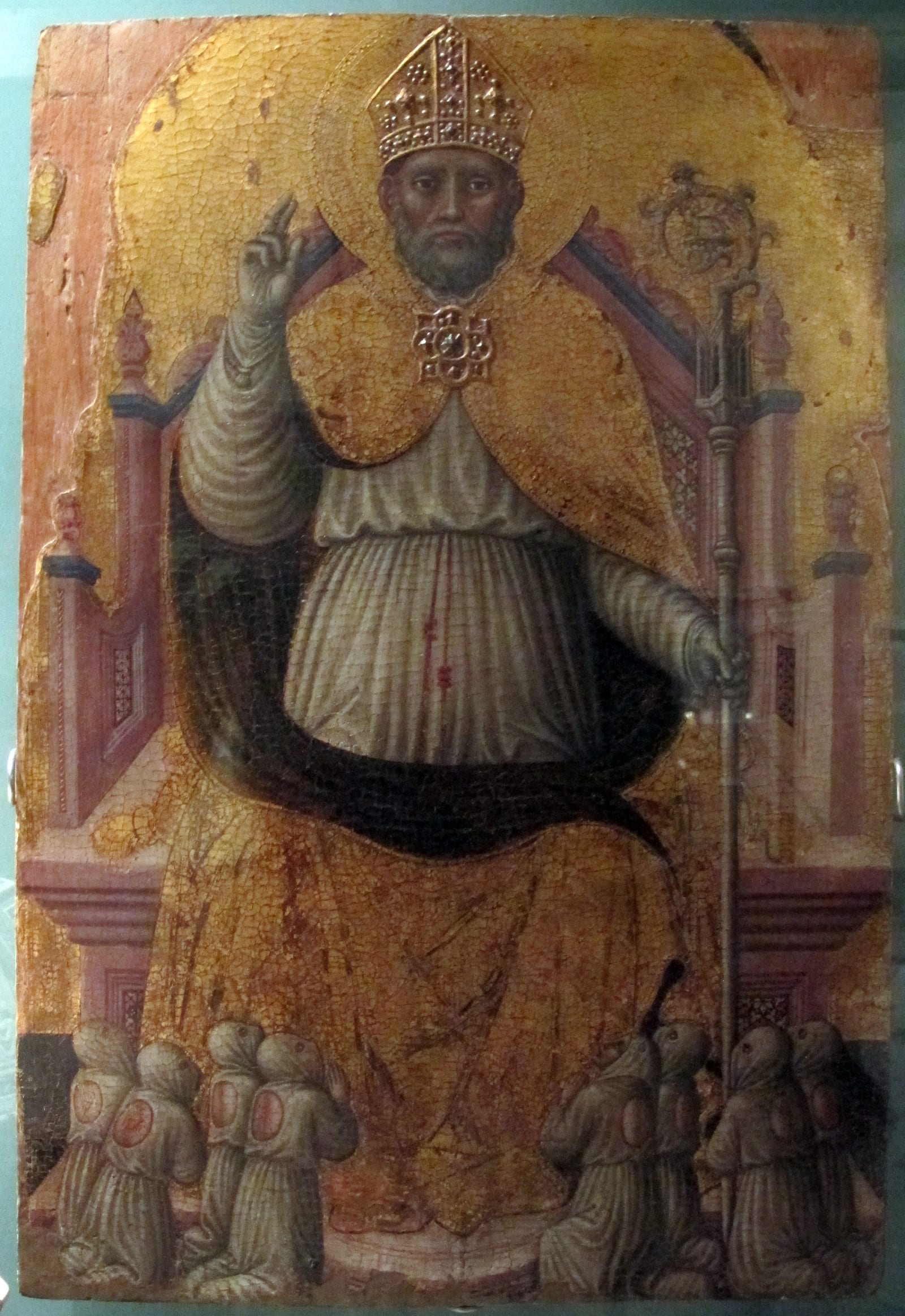
Pope St. Eleuterus
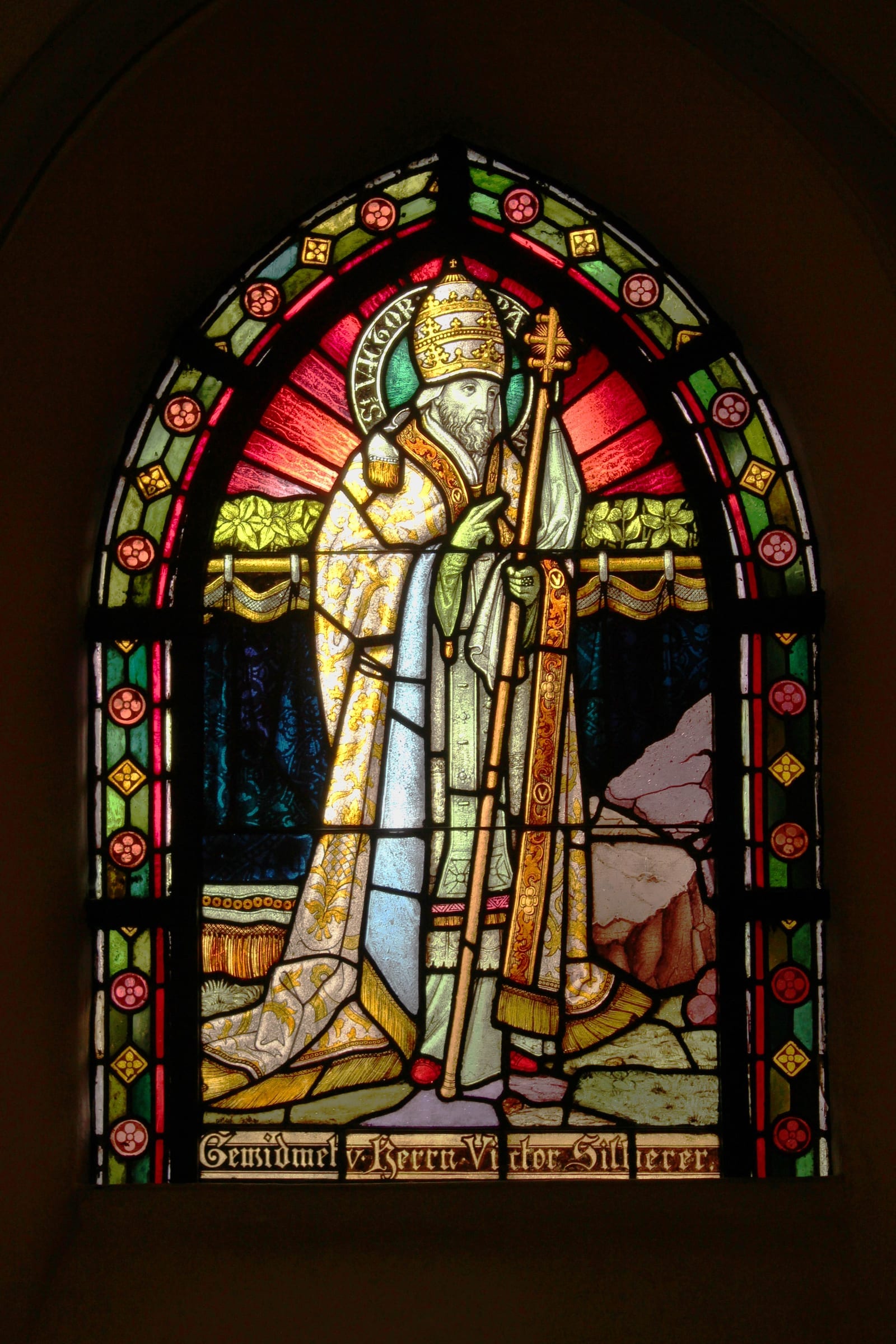
Pope St. Victor I
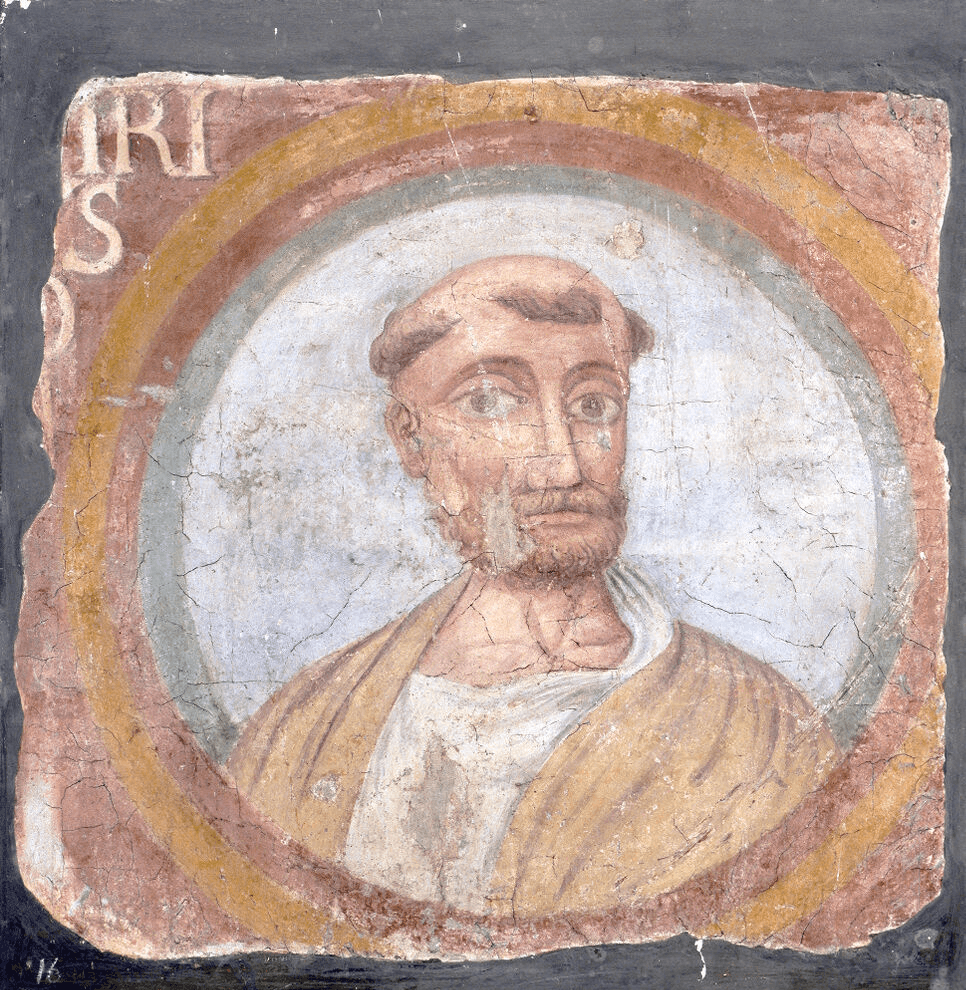
Pope St. Zephyrinus
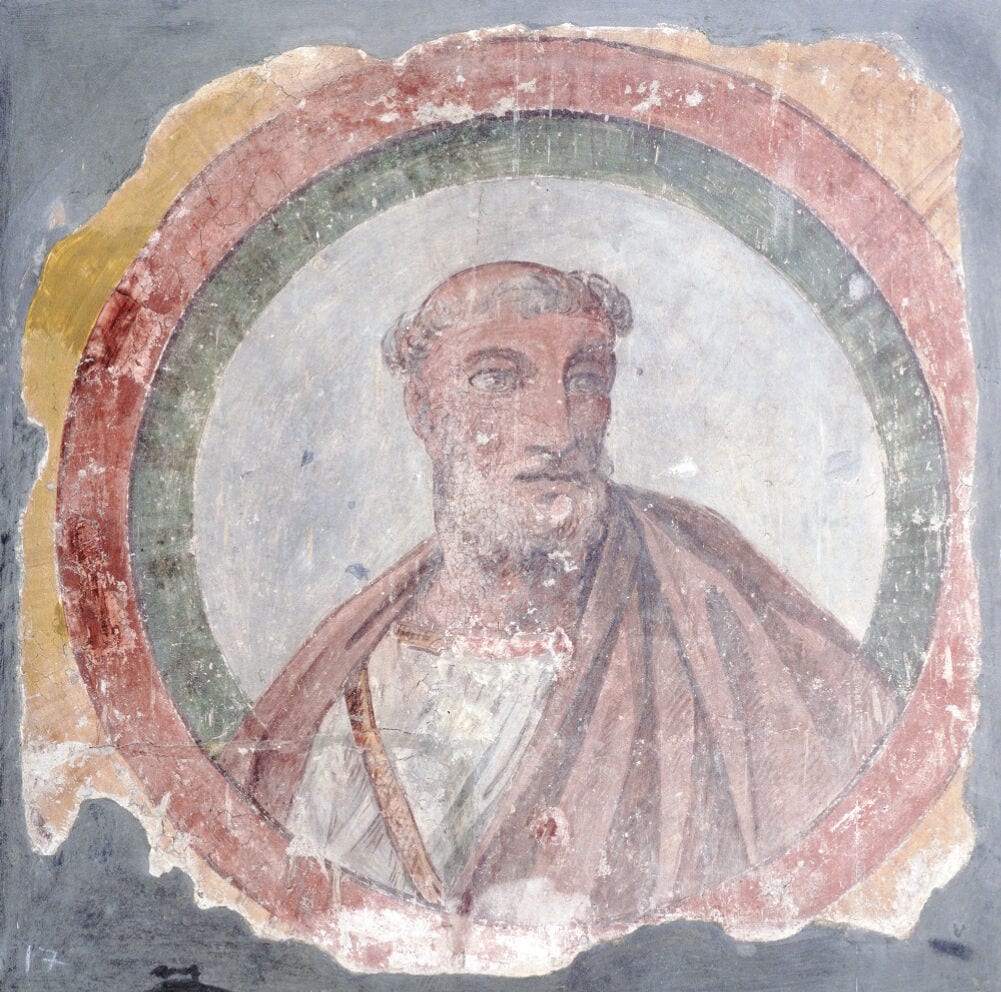
Pope St. Callixtus I
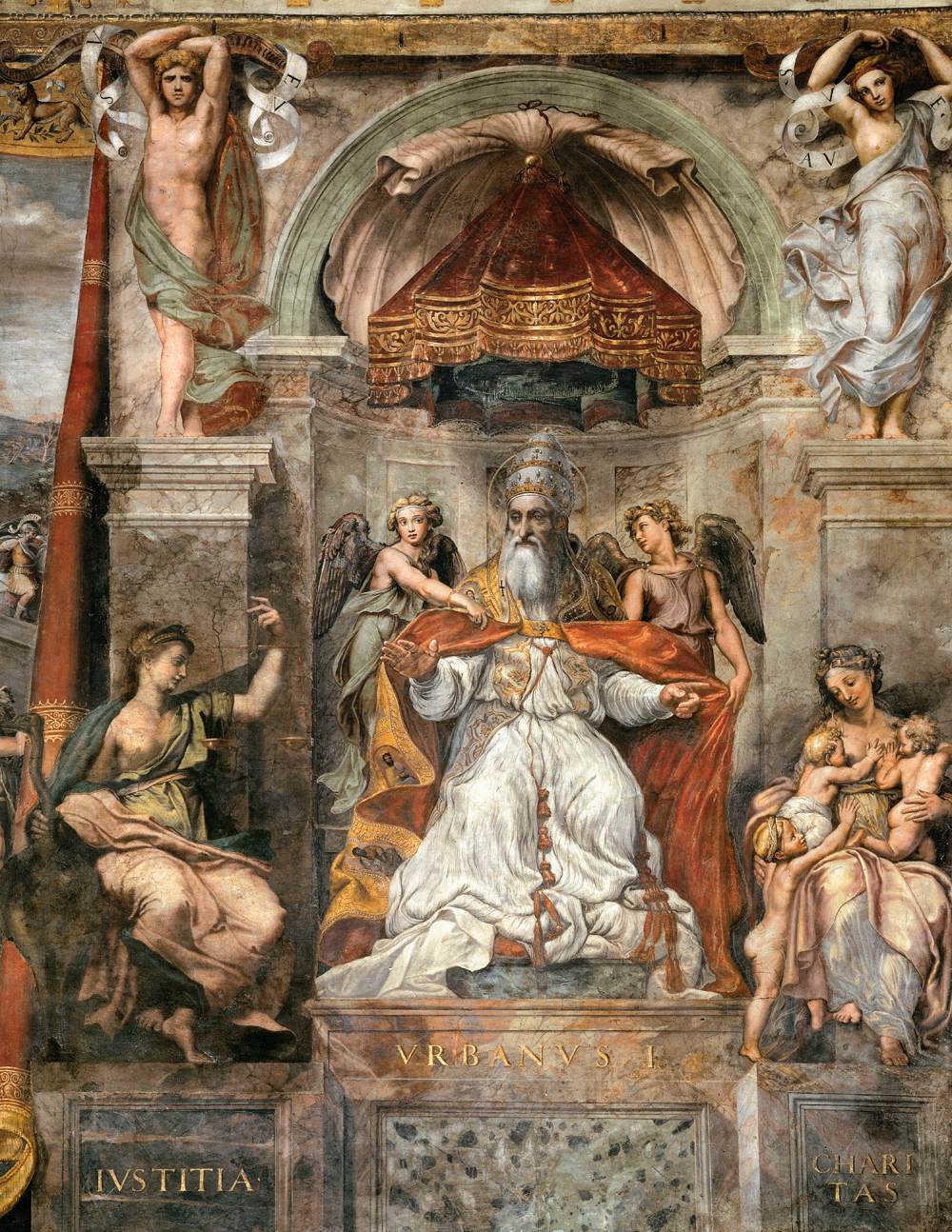
Pope St. Urban I
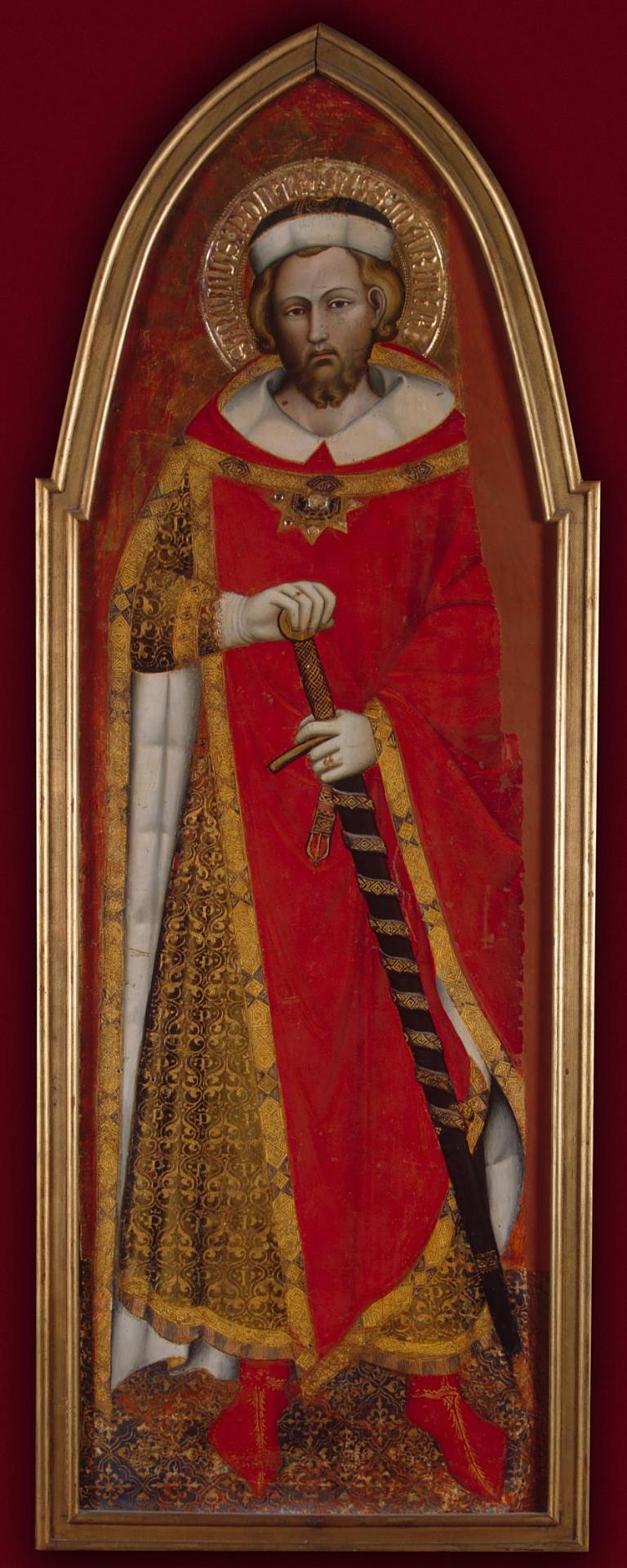
Pope St. Pontian
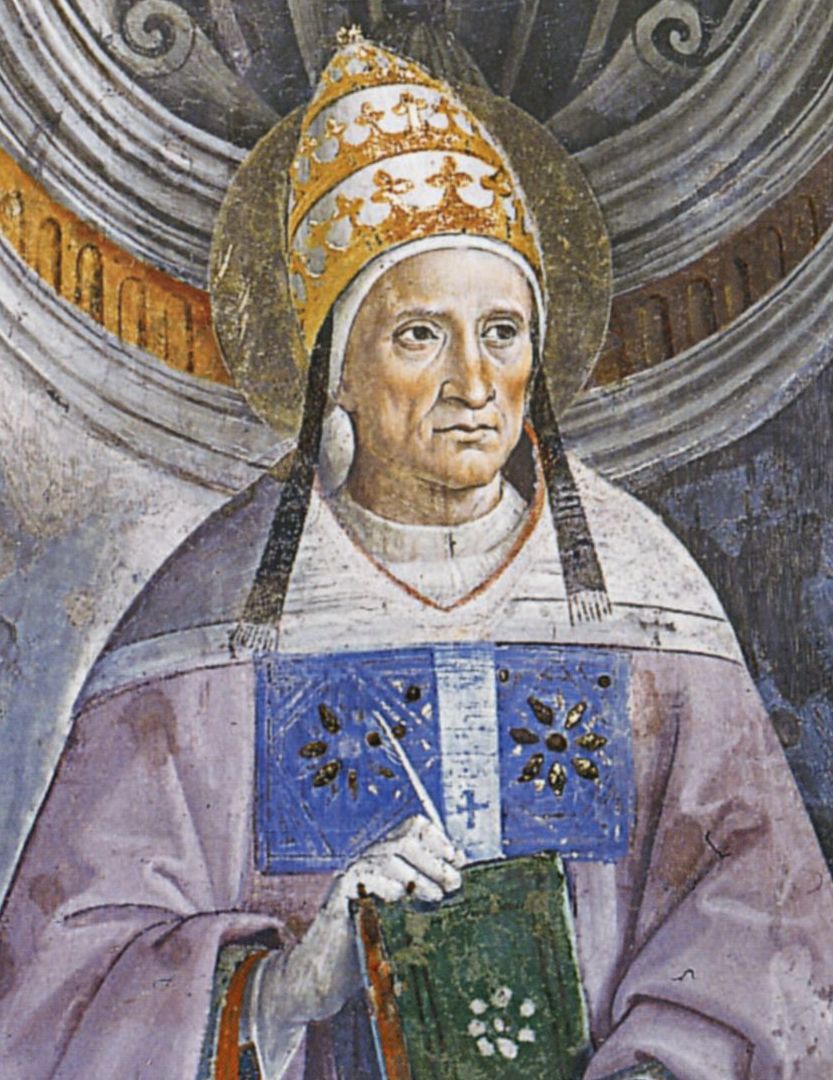
Pope St. Anterus
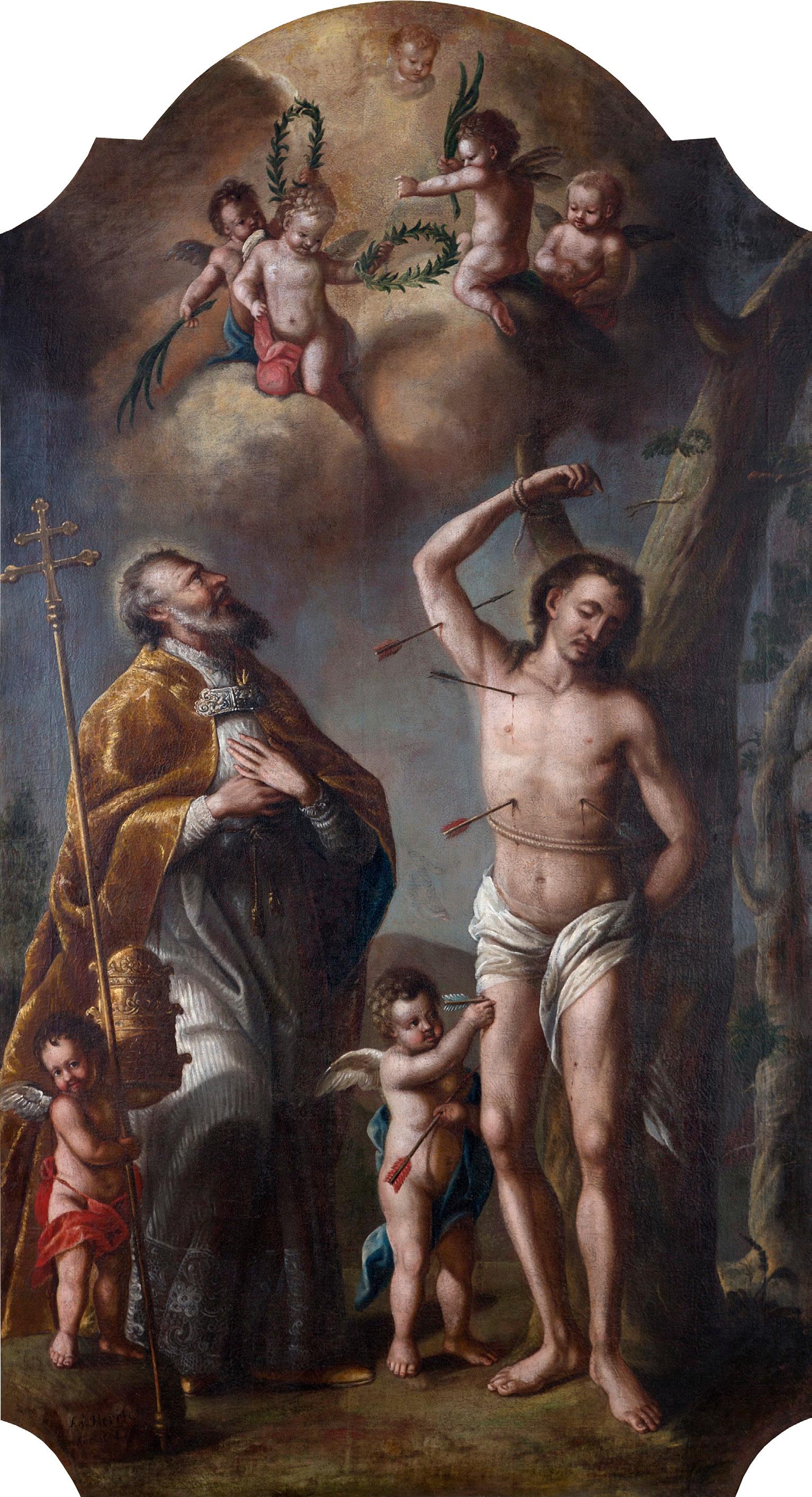
Pope St. Fabian
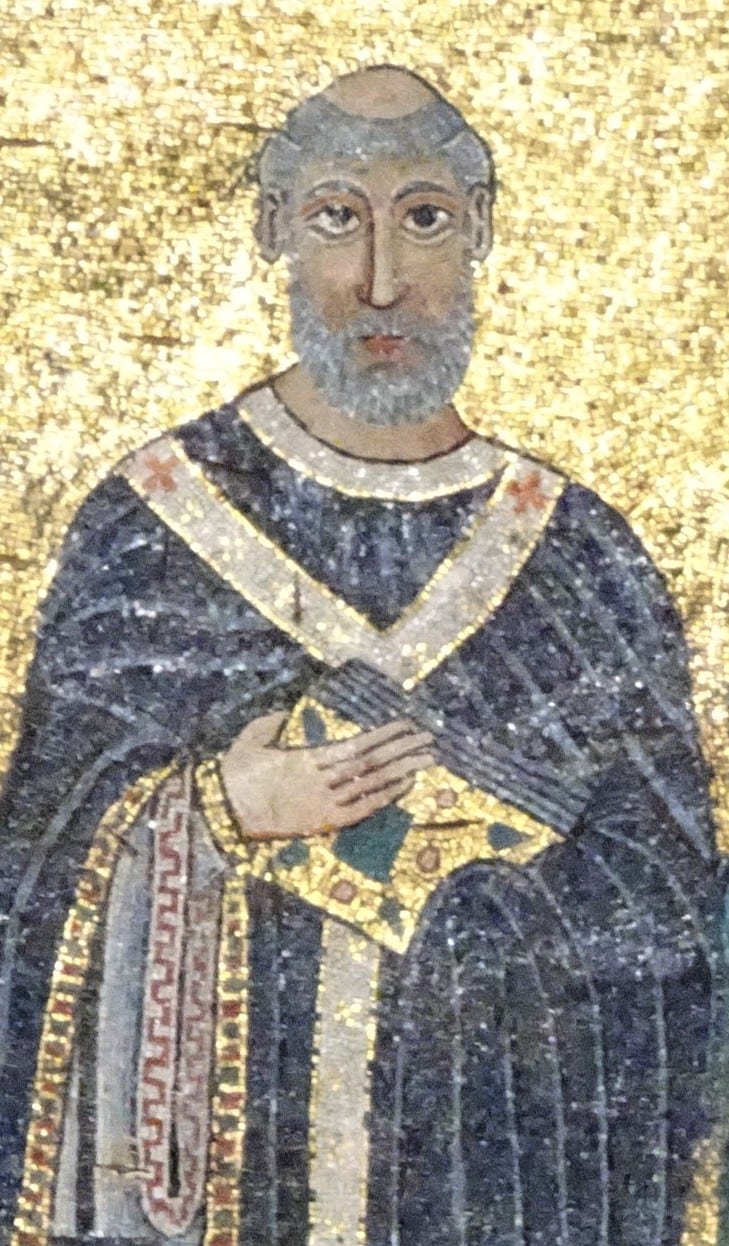
Pope St. Cornelius
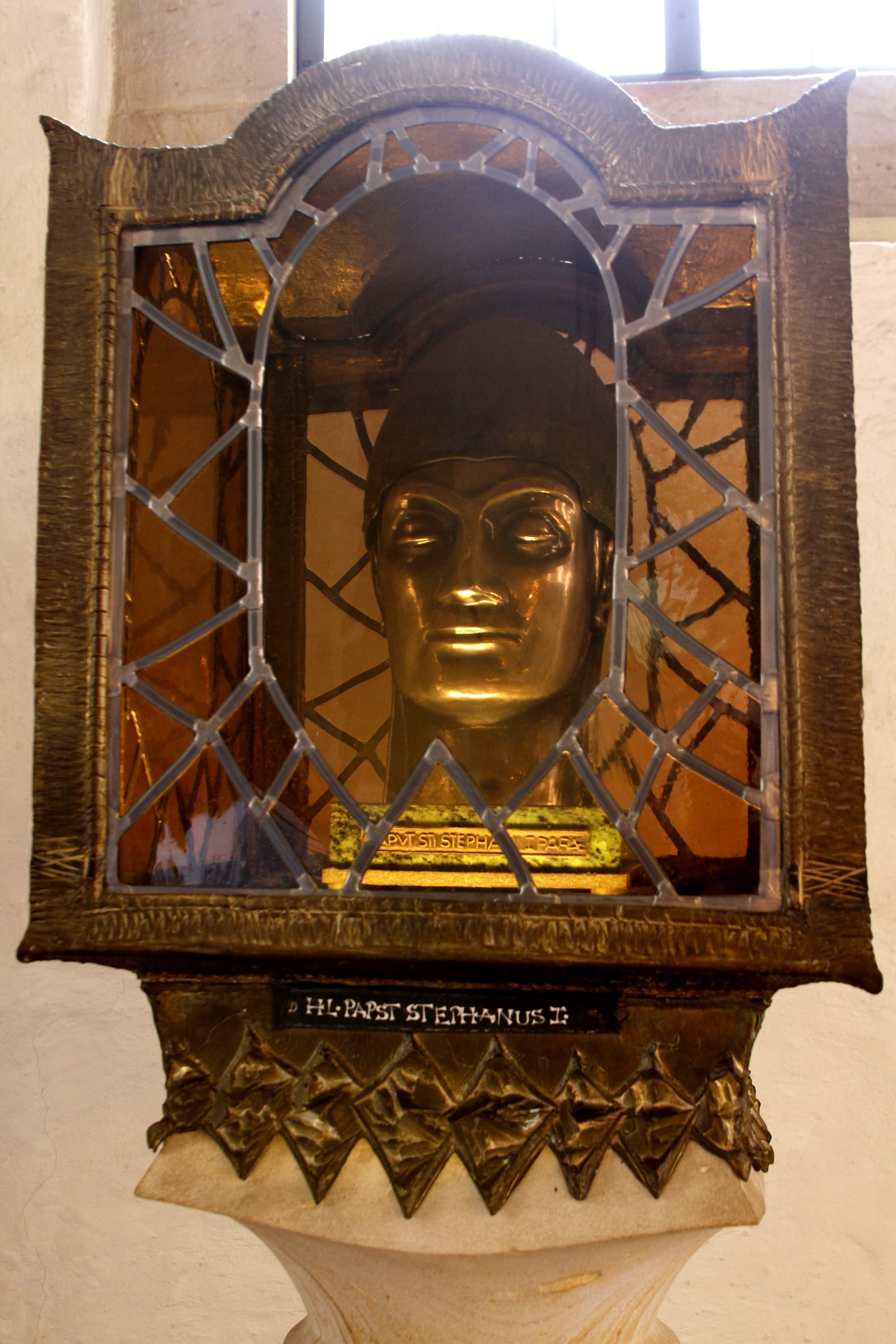
Pope St. Stephen I
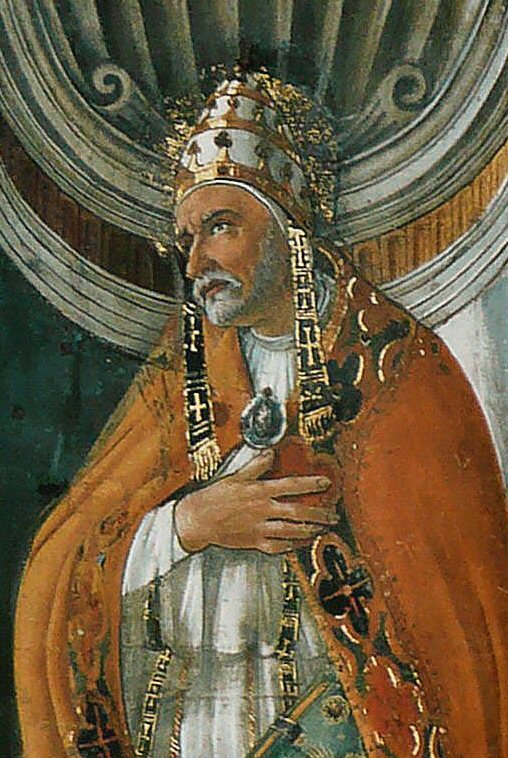
Pope St. Sixtus II
Pope St. Dionysius
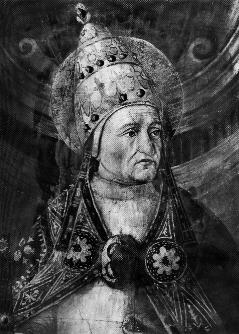
Pope St. Felix I
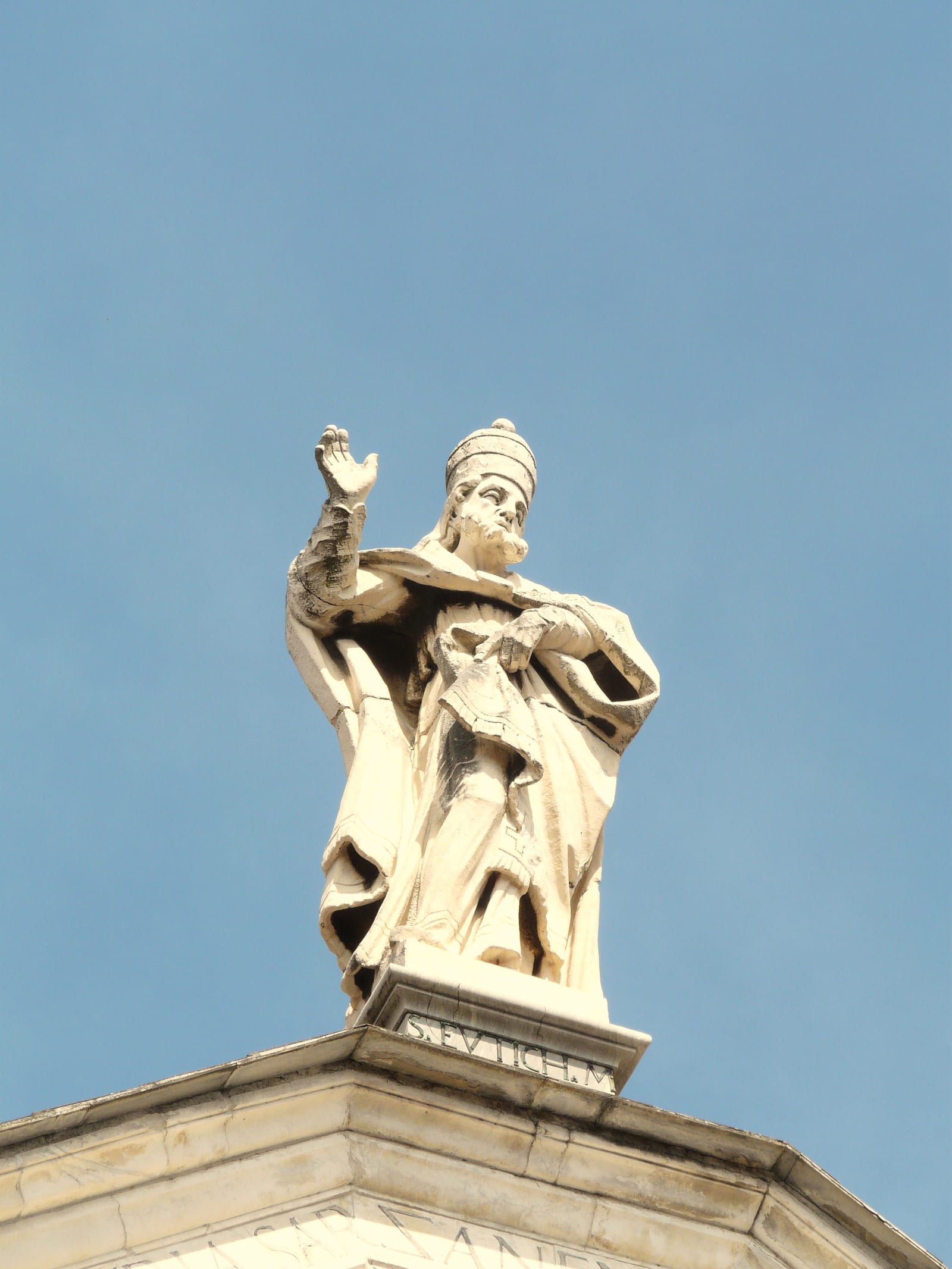
Pope St. Eutychian
Pope St. Caius (Gaius)
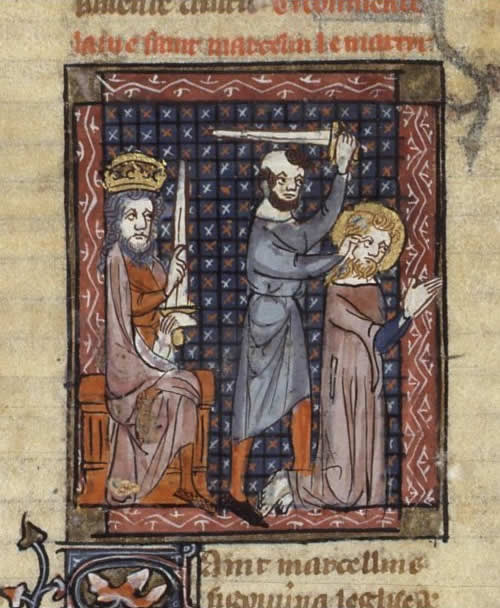
Pope St. Marcellinus
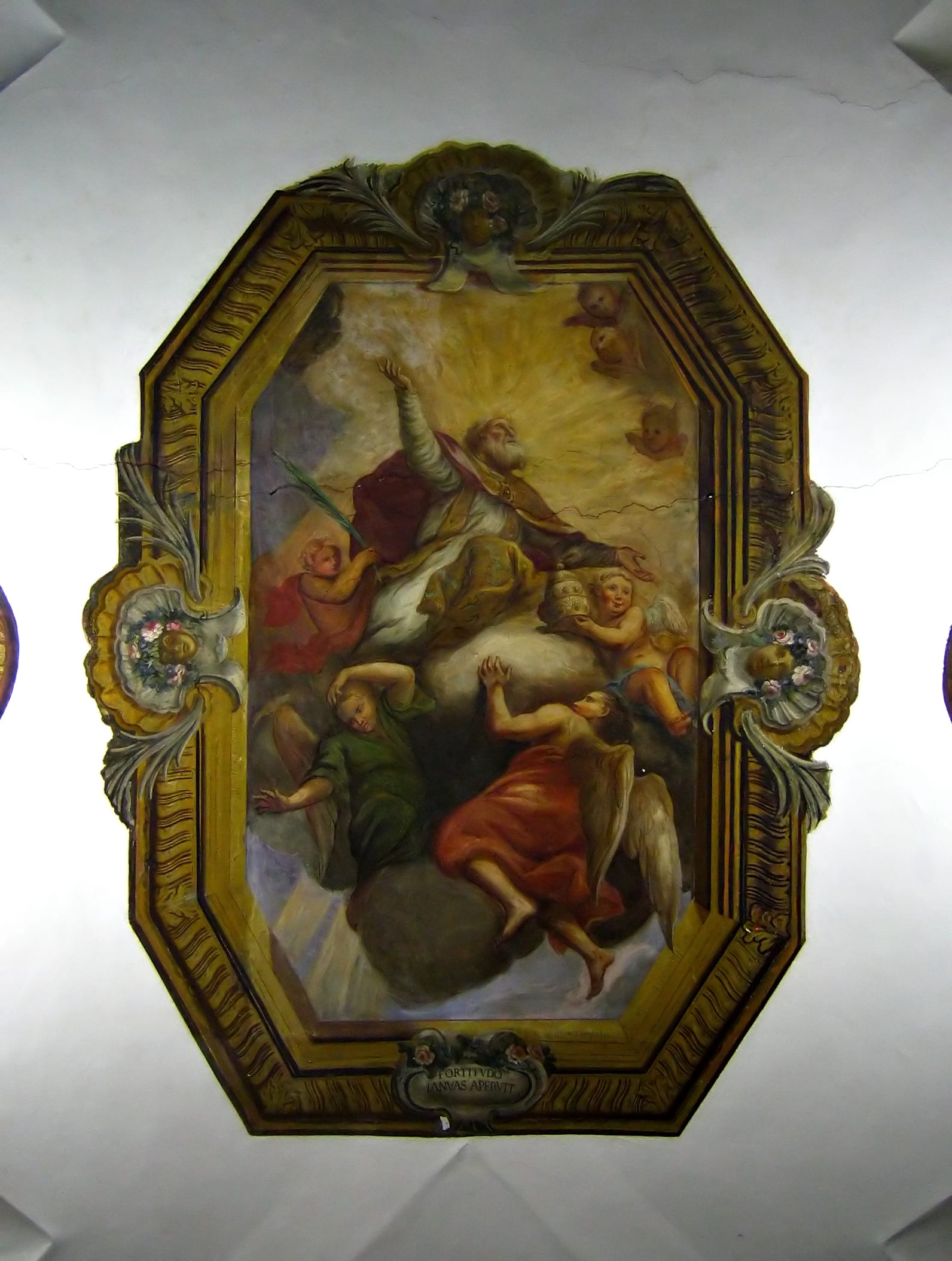
Pope St. Marcellus I
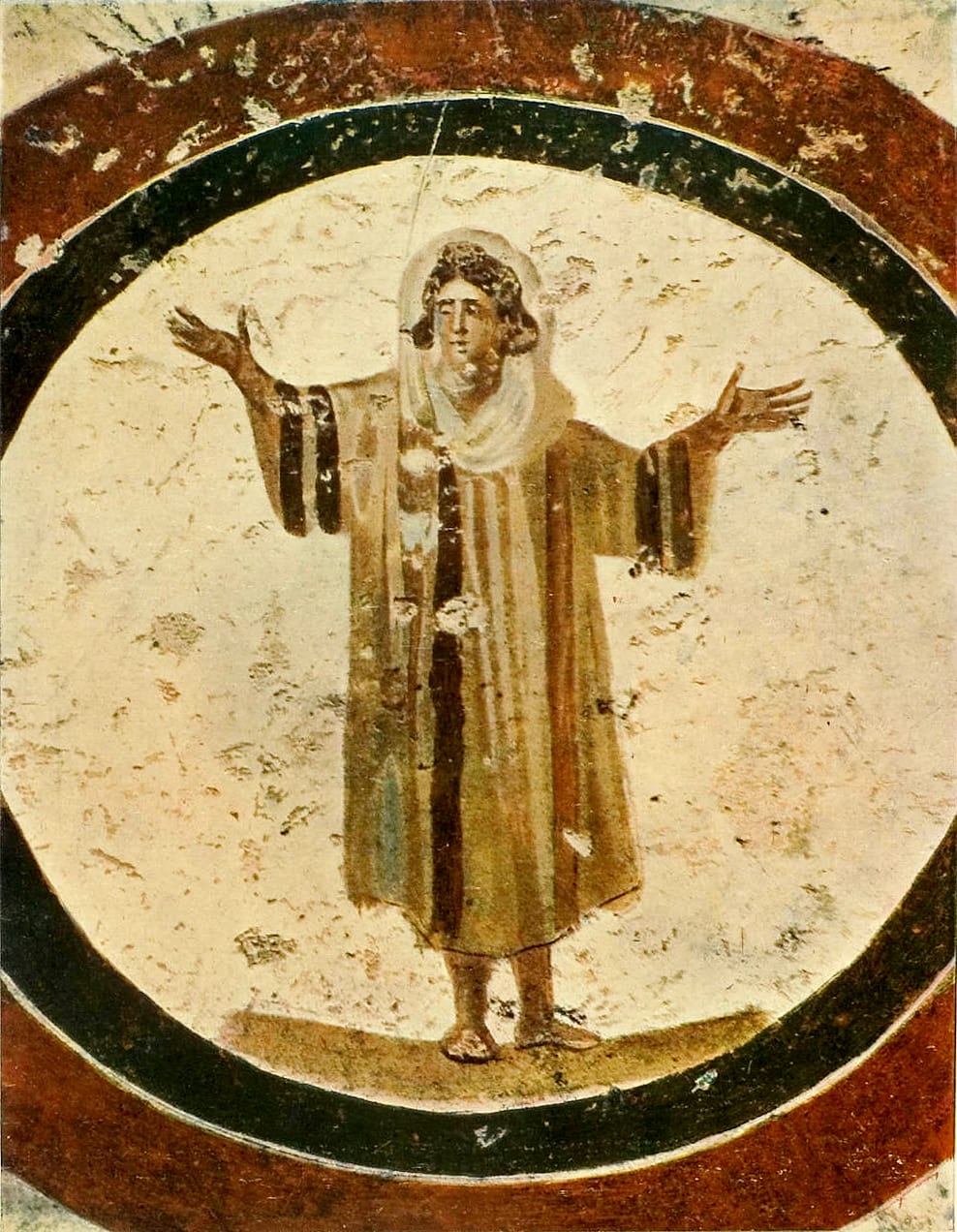
Pope St. Eusebius
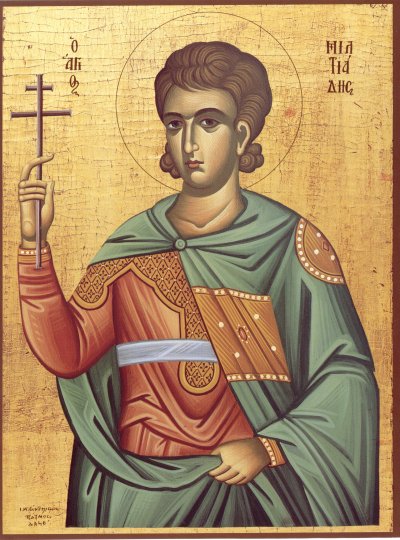
Pope St. Miltiades (Melchiades)
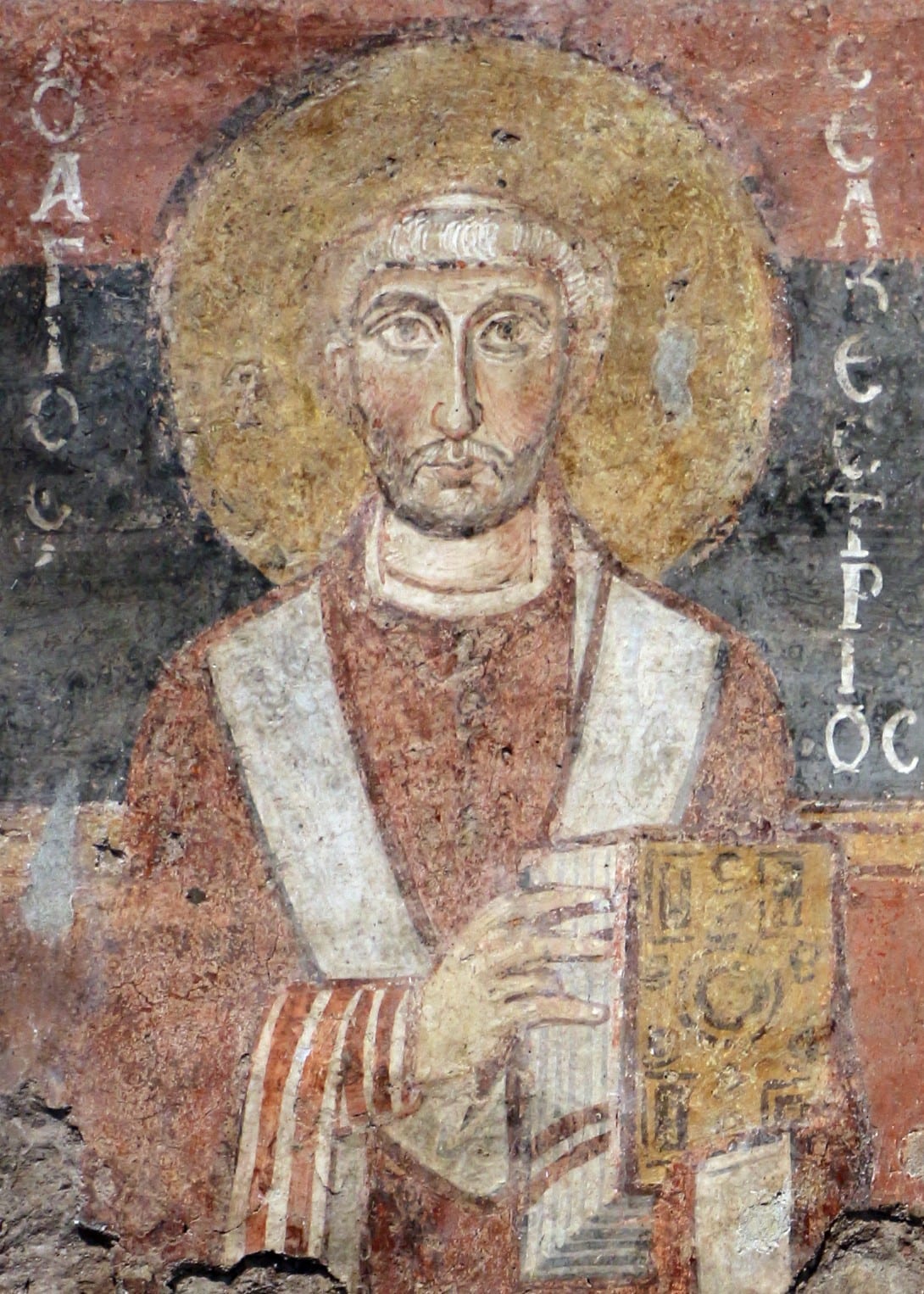
St. Sylvester I
The Fathers and the Byzantine centuries
The popes who settled what the Church believes and how she prays: Leo the Great at Chalcedon, Gregory the Great sending Augustine to the English, and a long line of Romans, Greeks and Syrians who held the city while the empire that built it came apart. Nearly every pope of these six centuries is a saint.
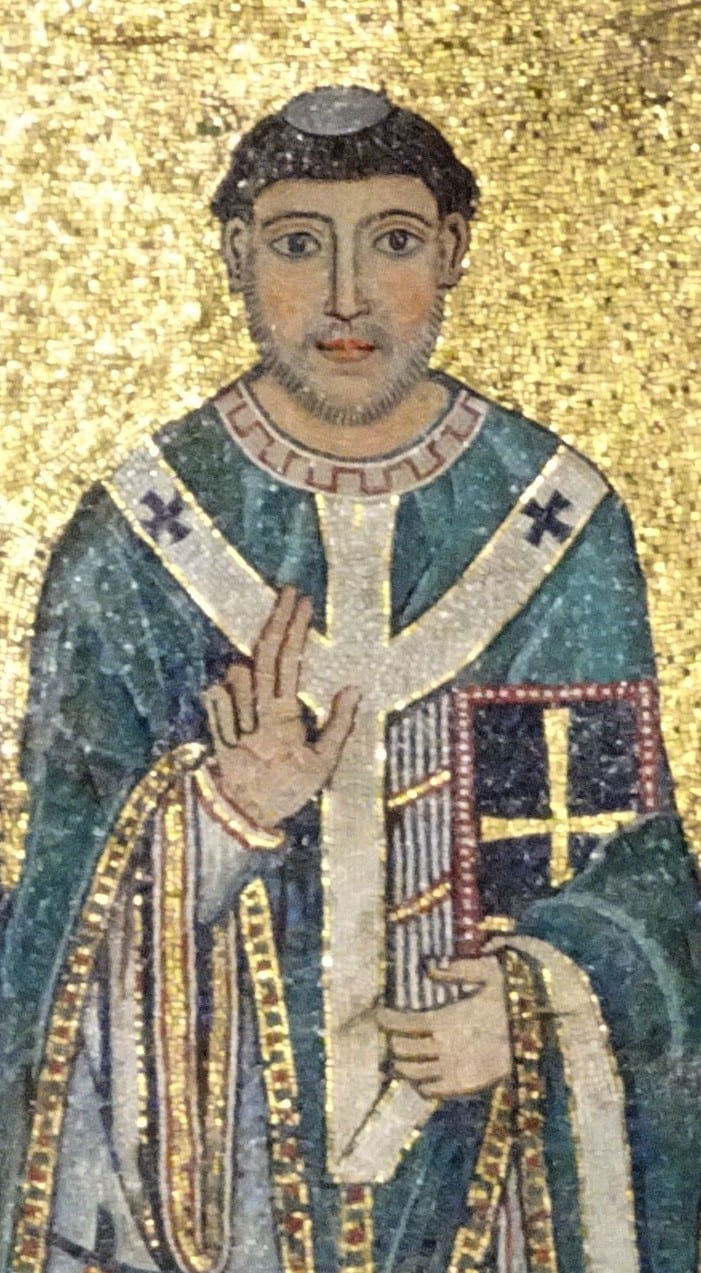
Pope St. Julius I
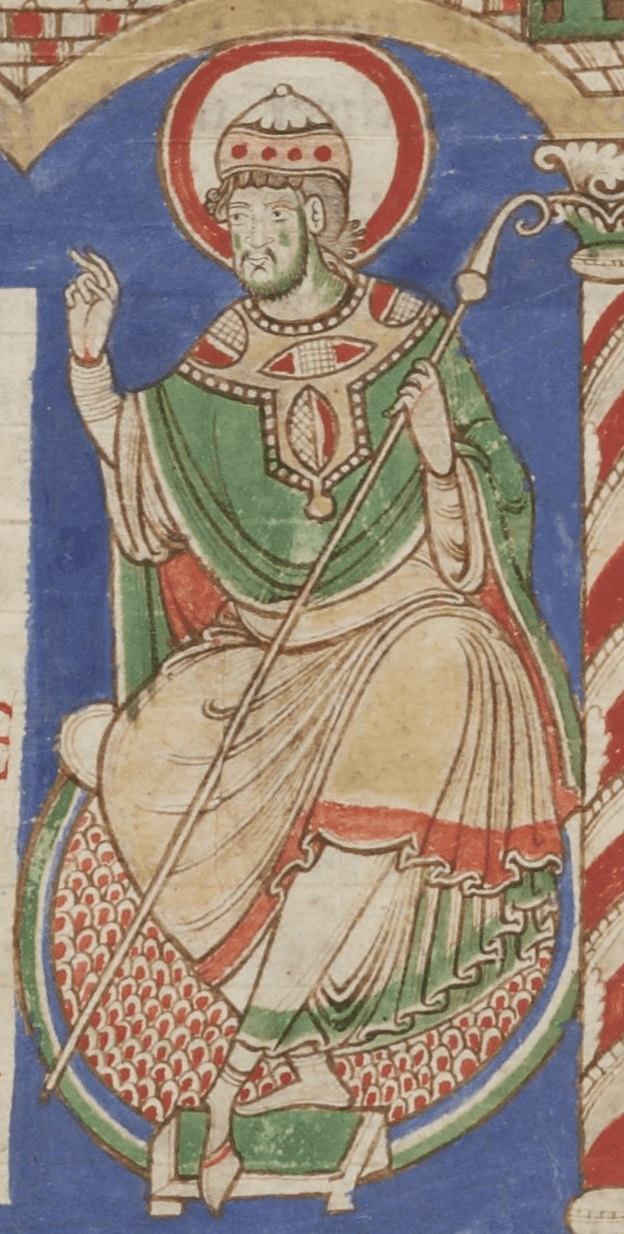
St. Damasus I
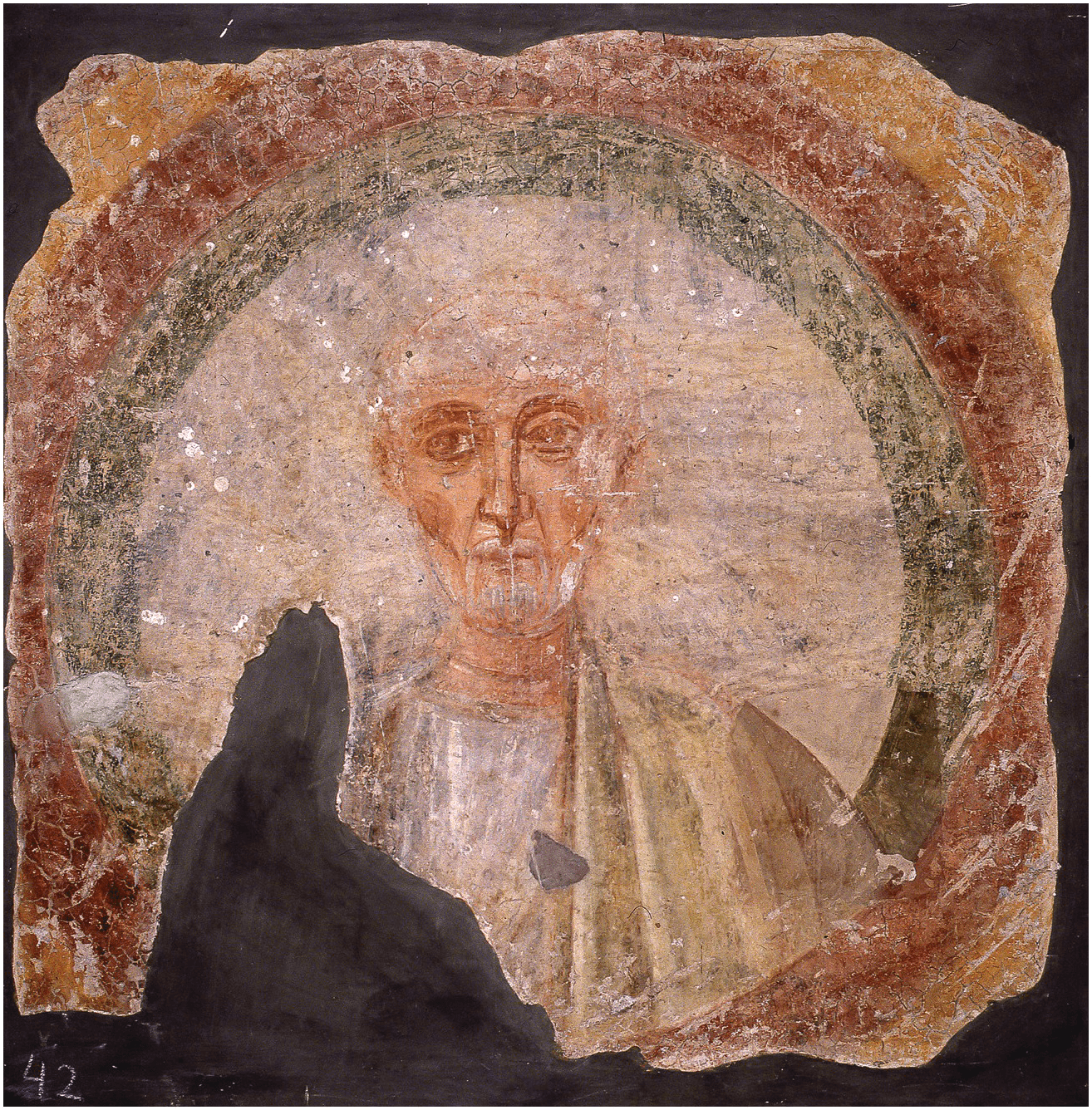
Pope St. Innocent I
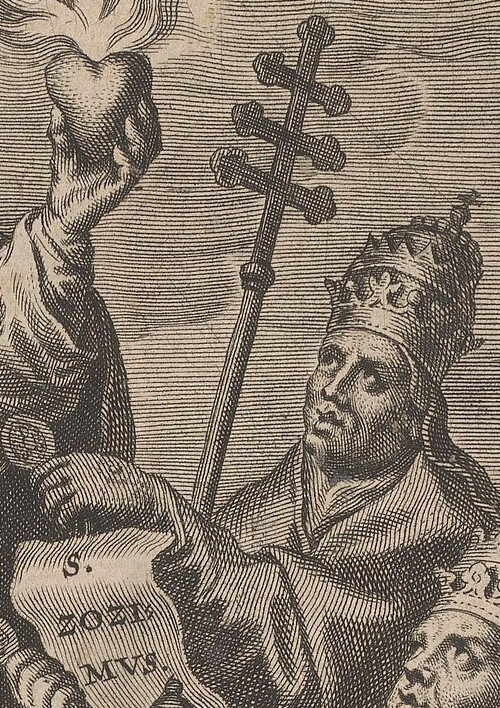
Pope St. Zosimus
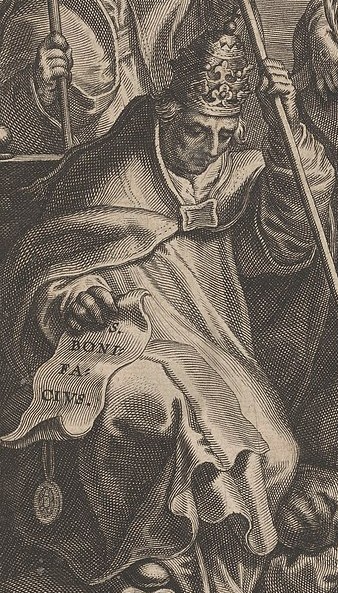
Pope St. Boniface I
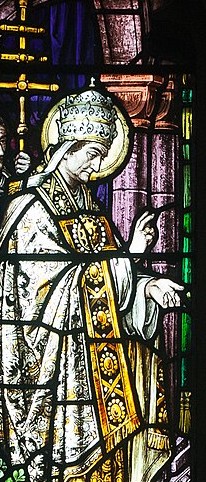
Pope St. Celestine I
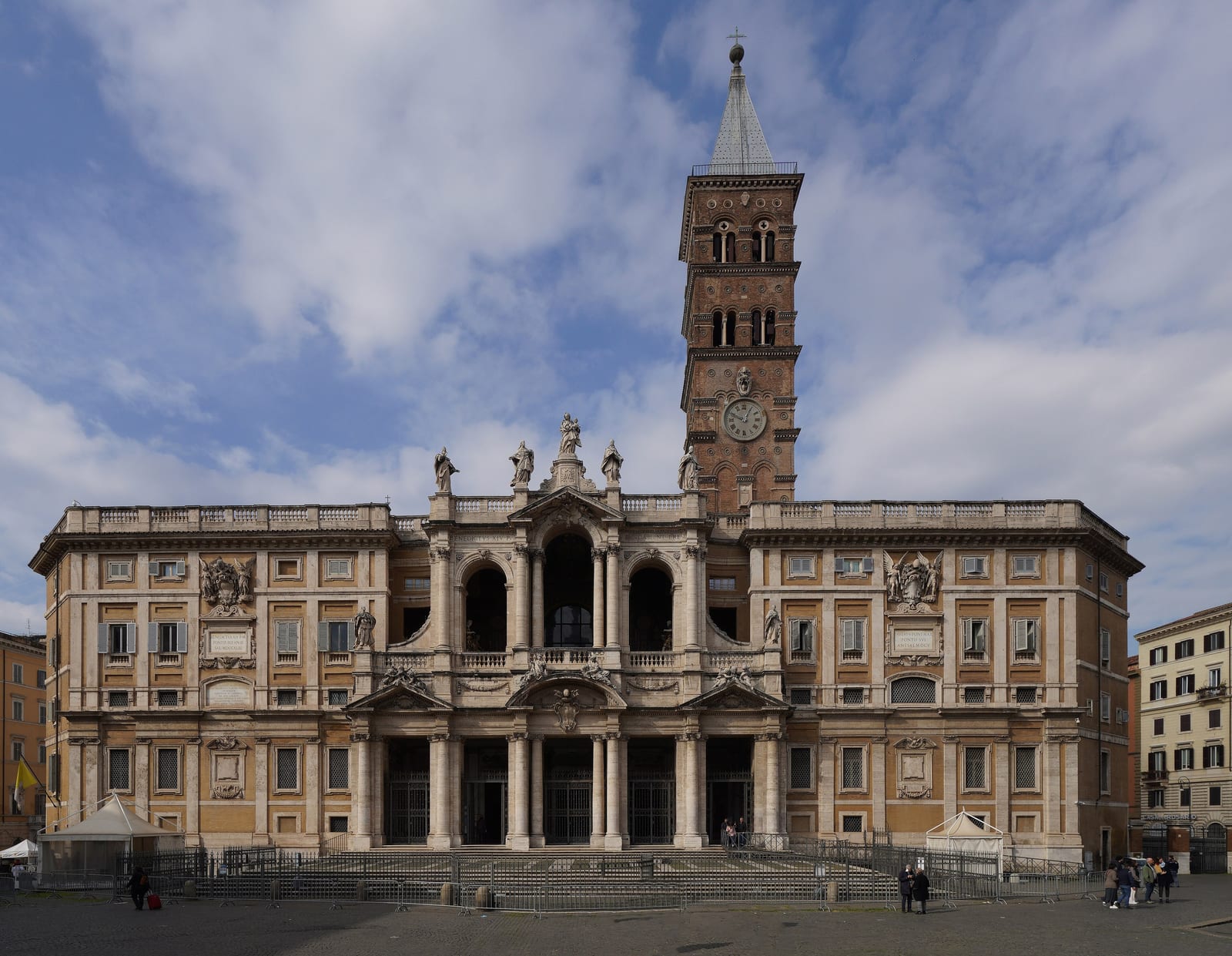
Pope St. Sixtus III
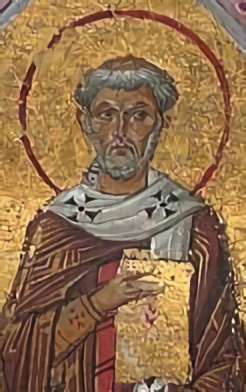
St. Leo the Great
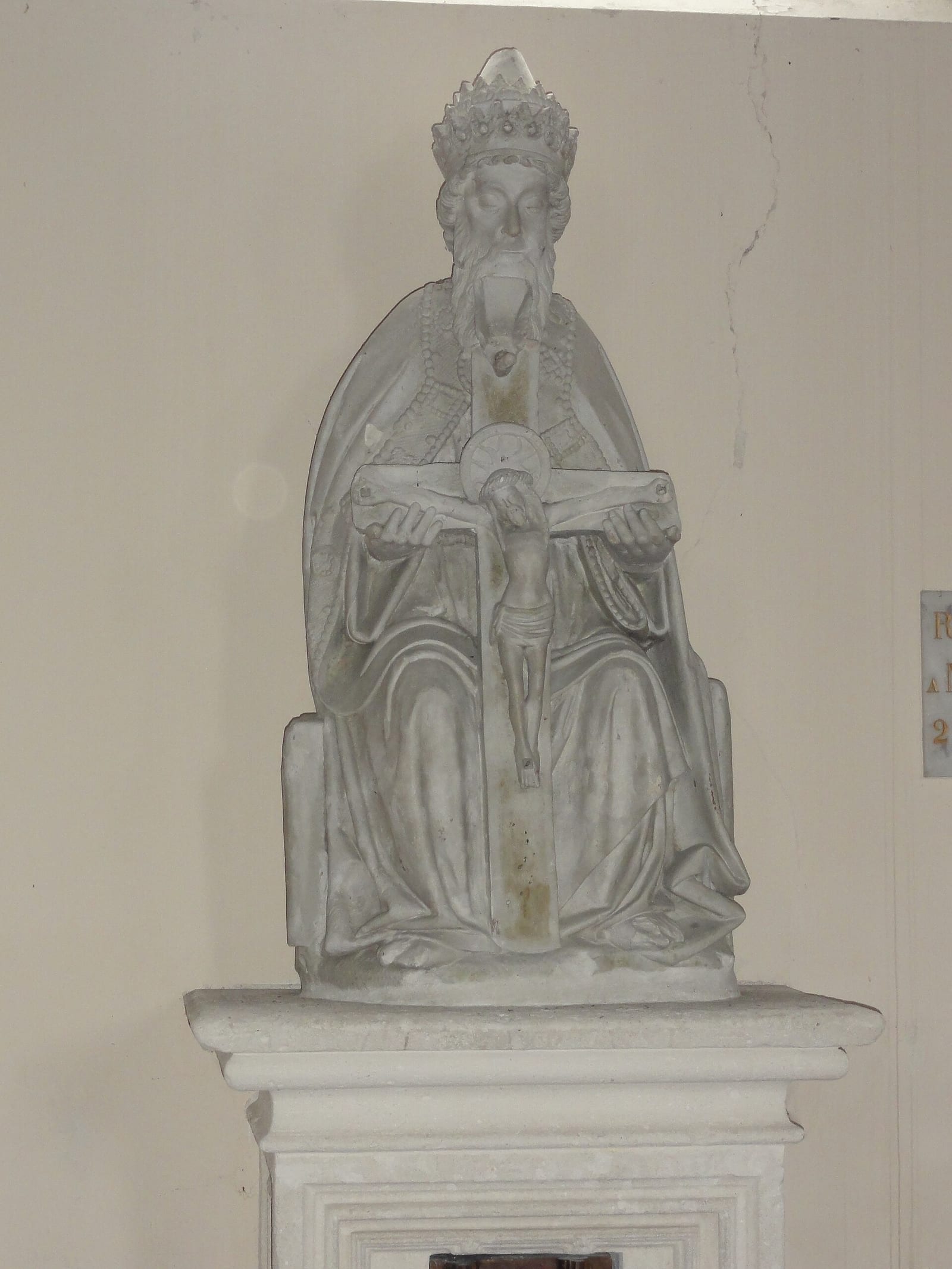
Pope St. Hilarius
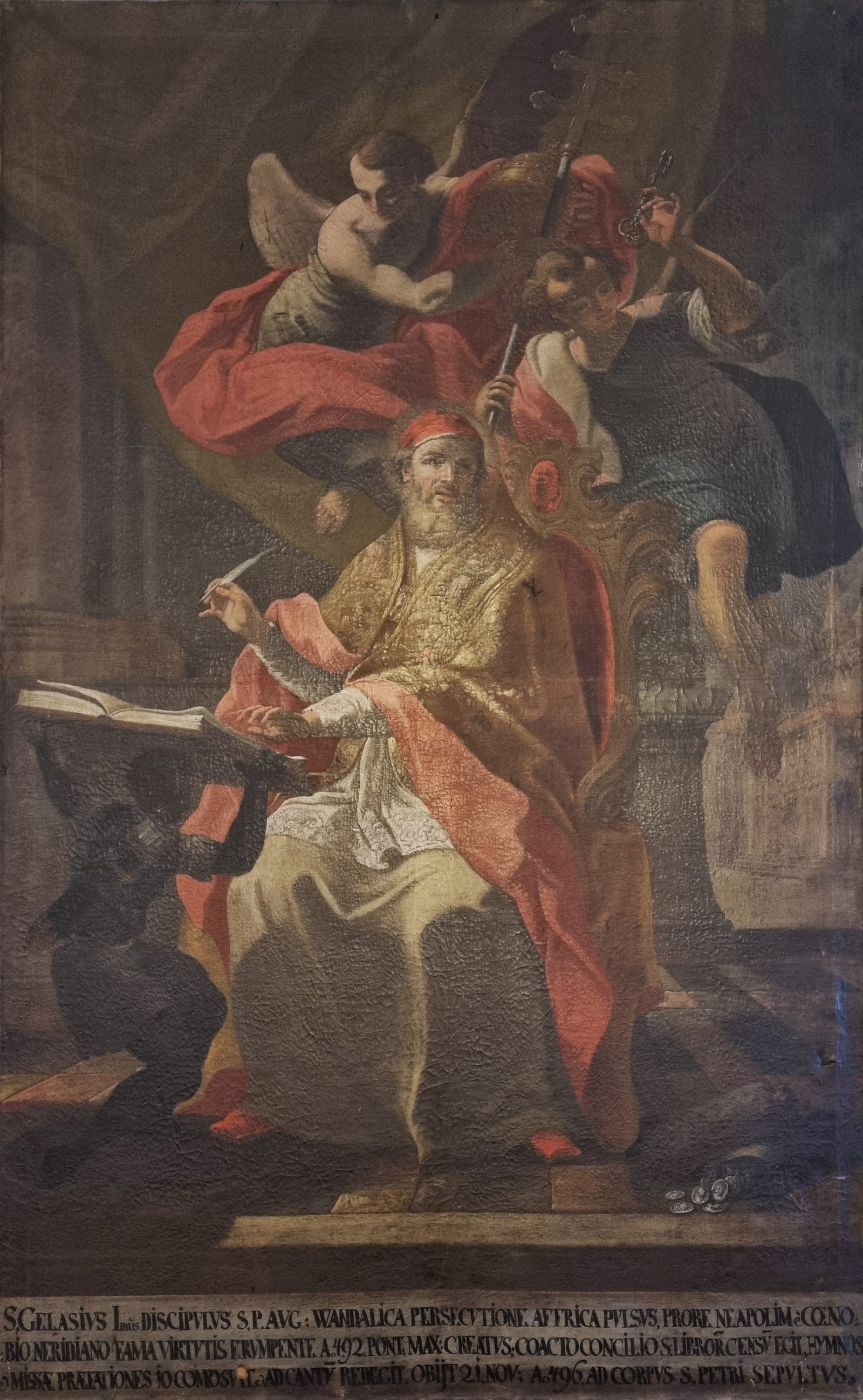
Pope St. Gelasius I
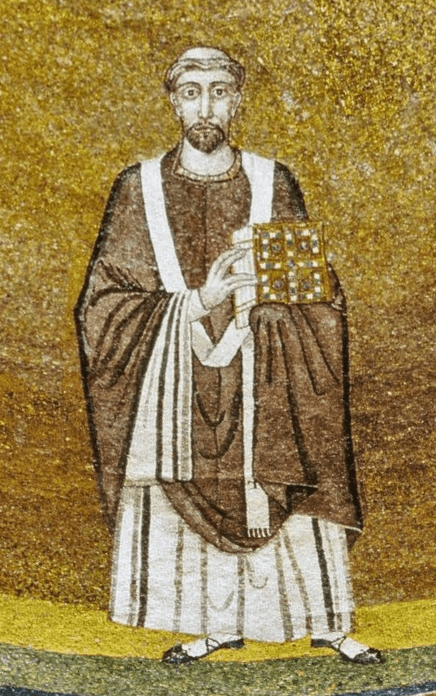
Pope St. Symmachus
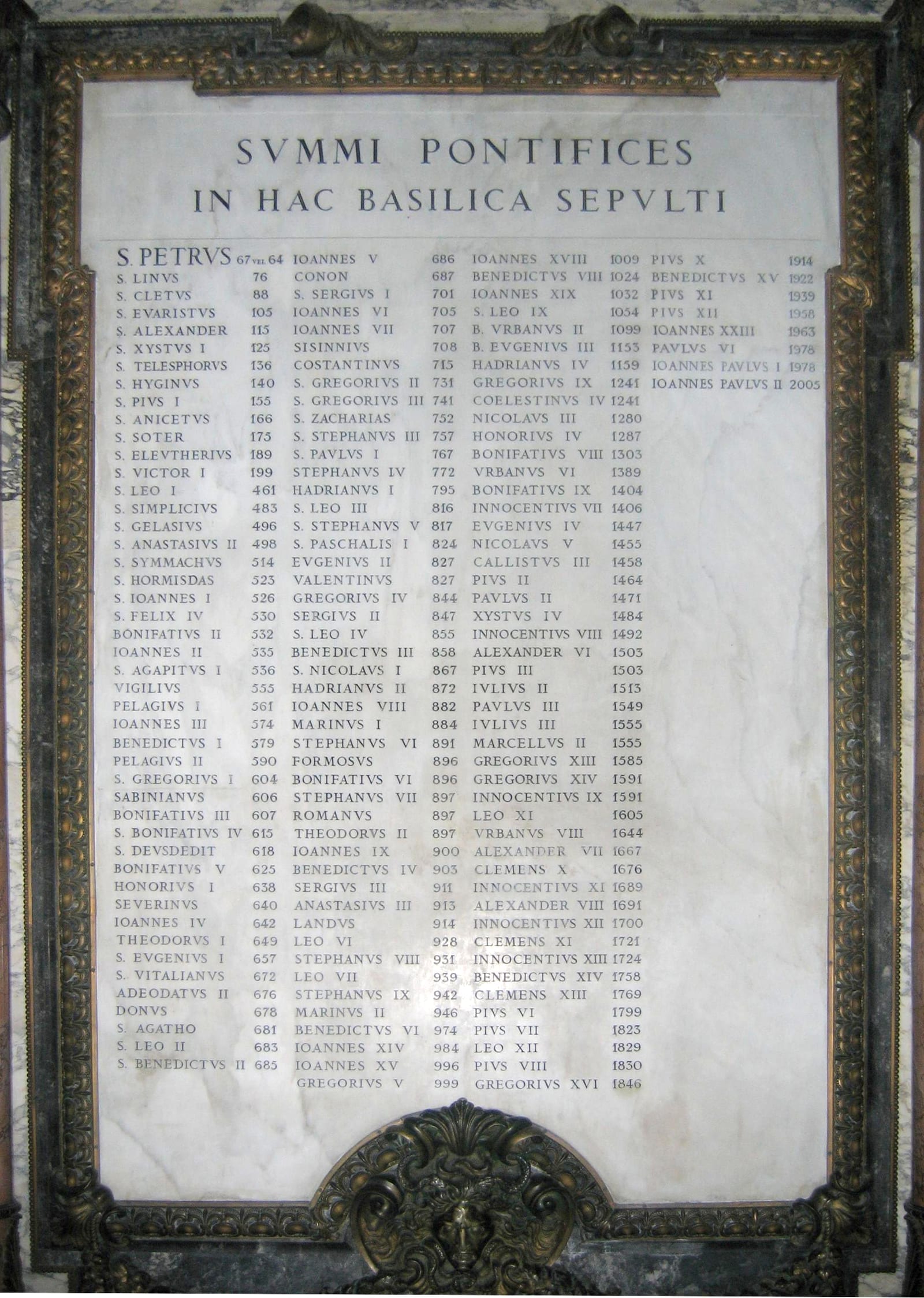
Pope St. Hormisdas
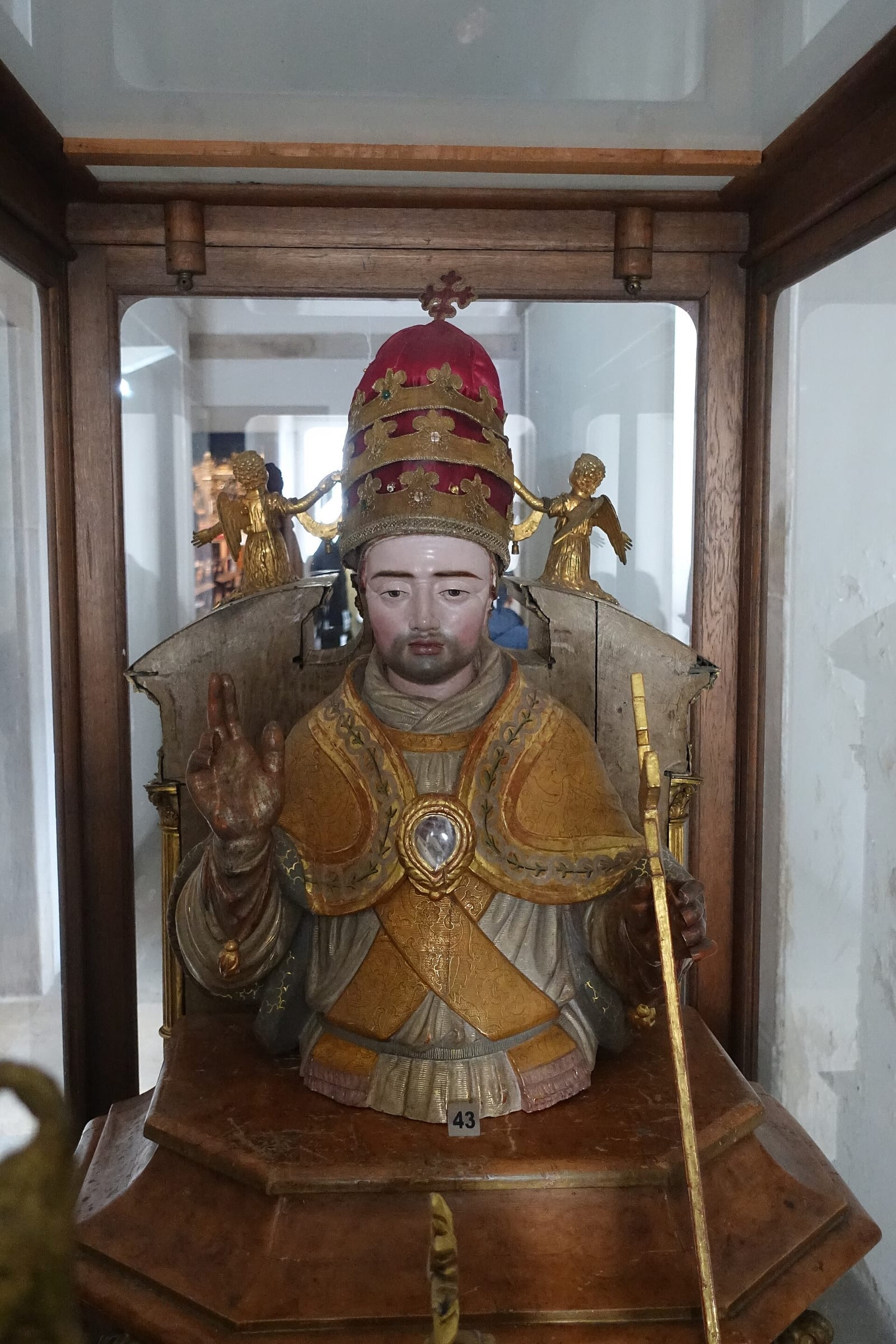
Pope St. John I
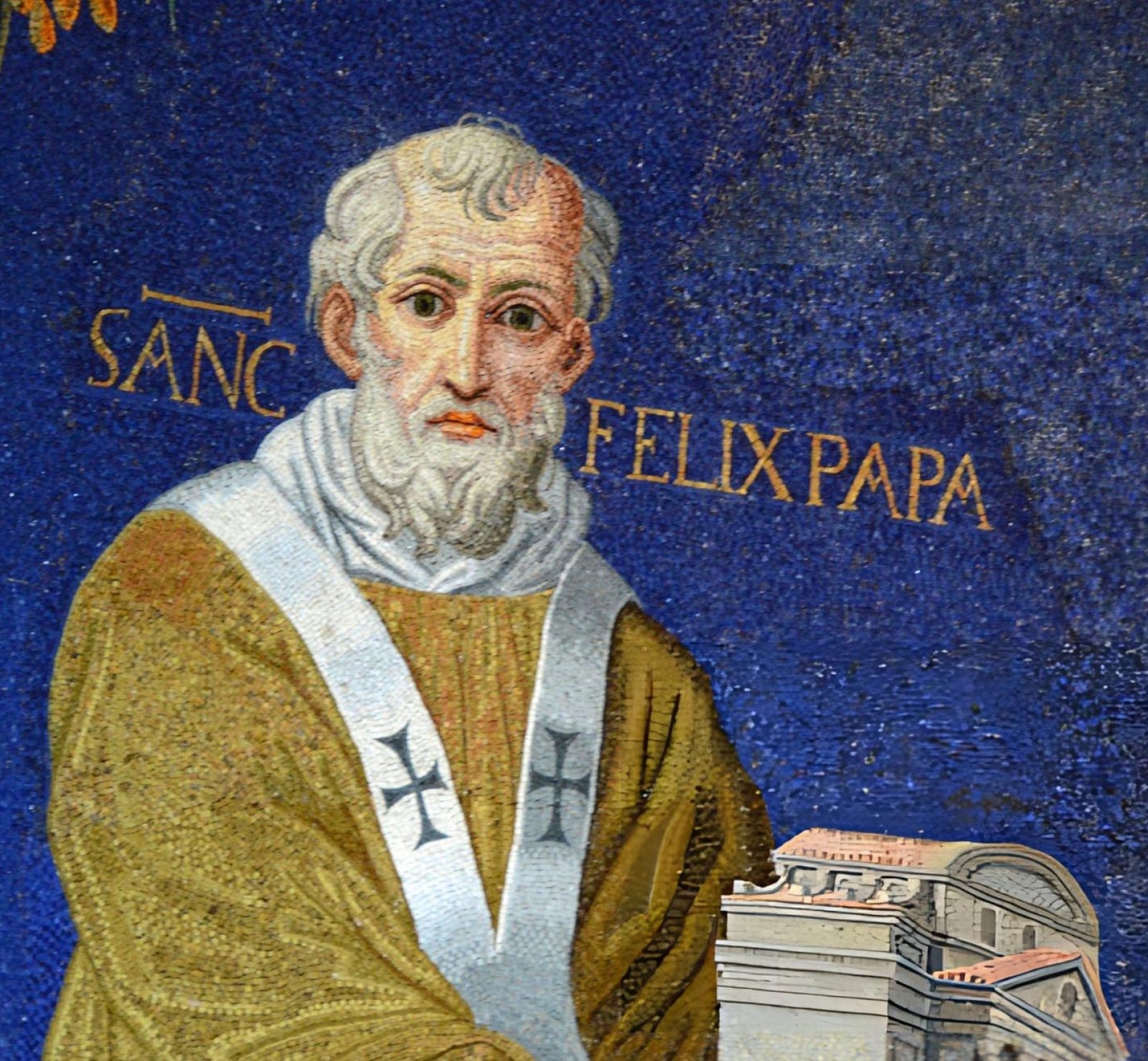
Pope St. Felix IV
Pope St. Boniface II
Pope St. Agapitus I
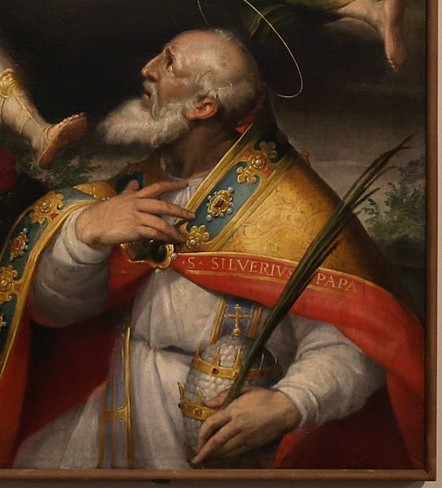
Pope St. Silverius
Pope St. Vigilius
Pope St. Pelagius I
Pope St. John III
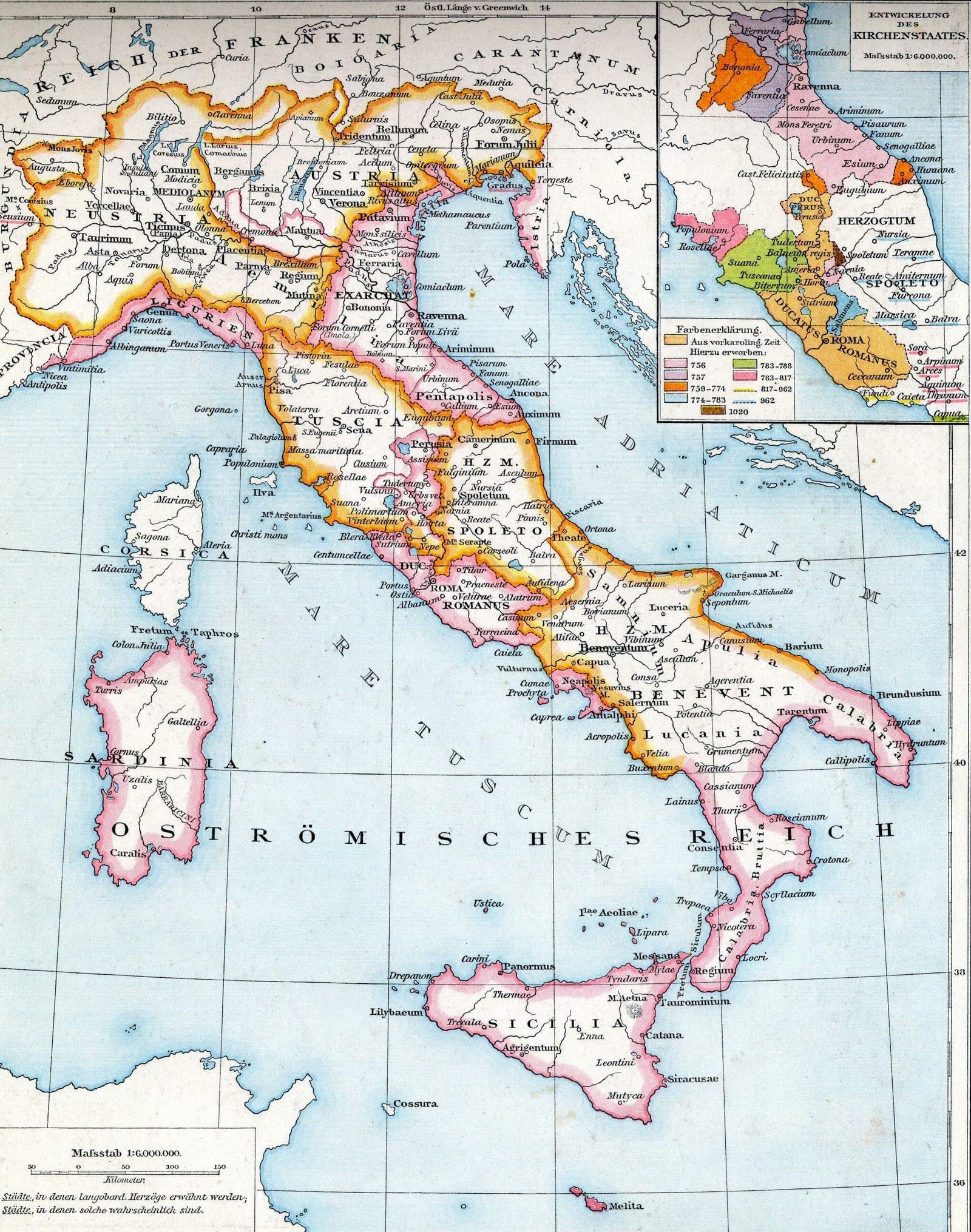
Pope St. Benedict I
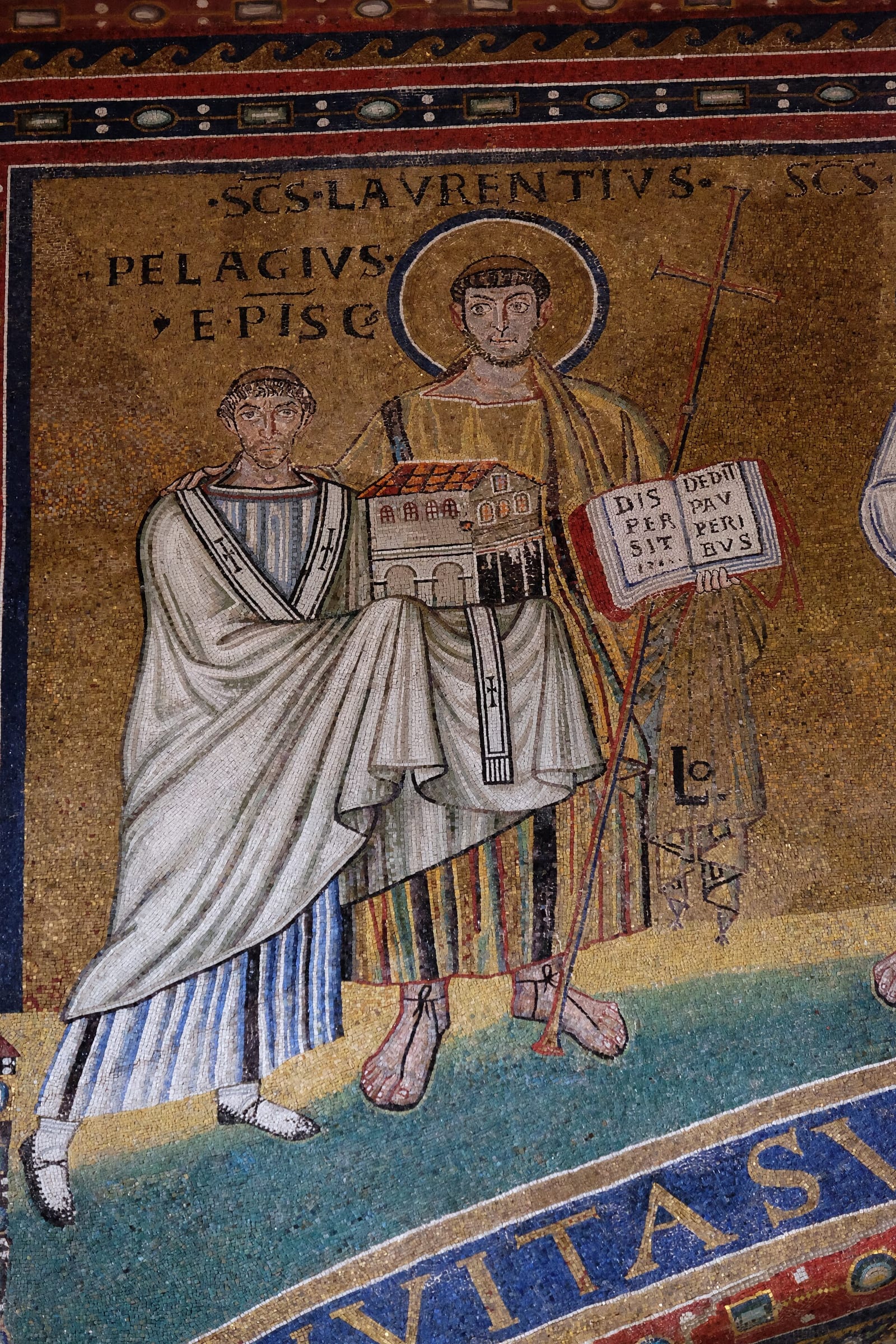
Pope St. Pelagius II
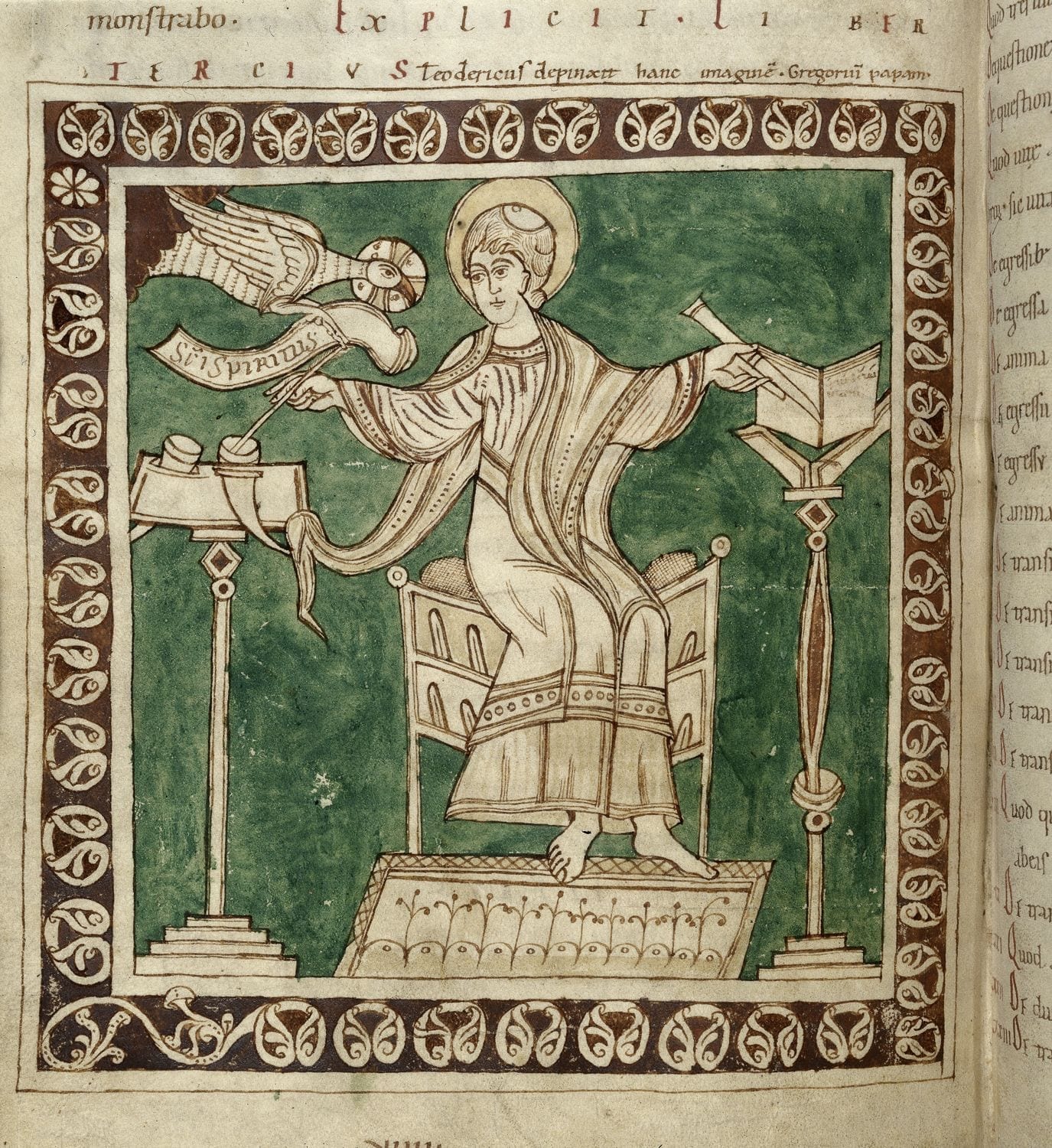
St. Gregory the Great
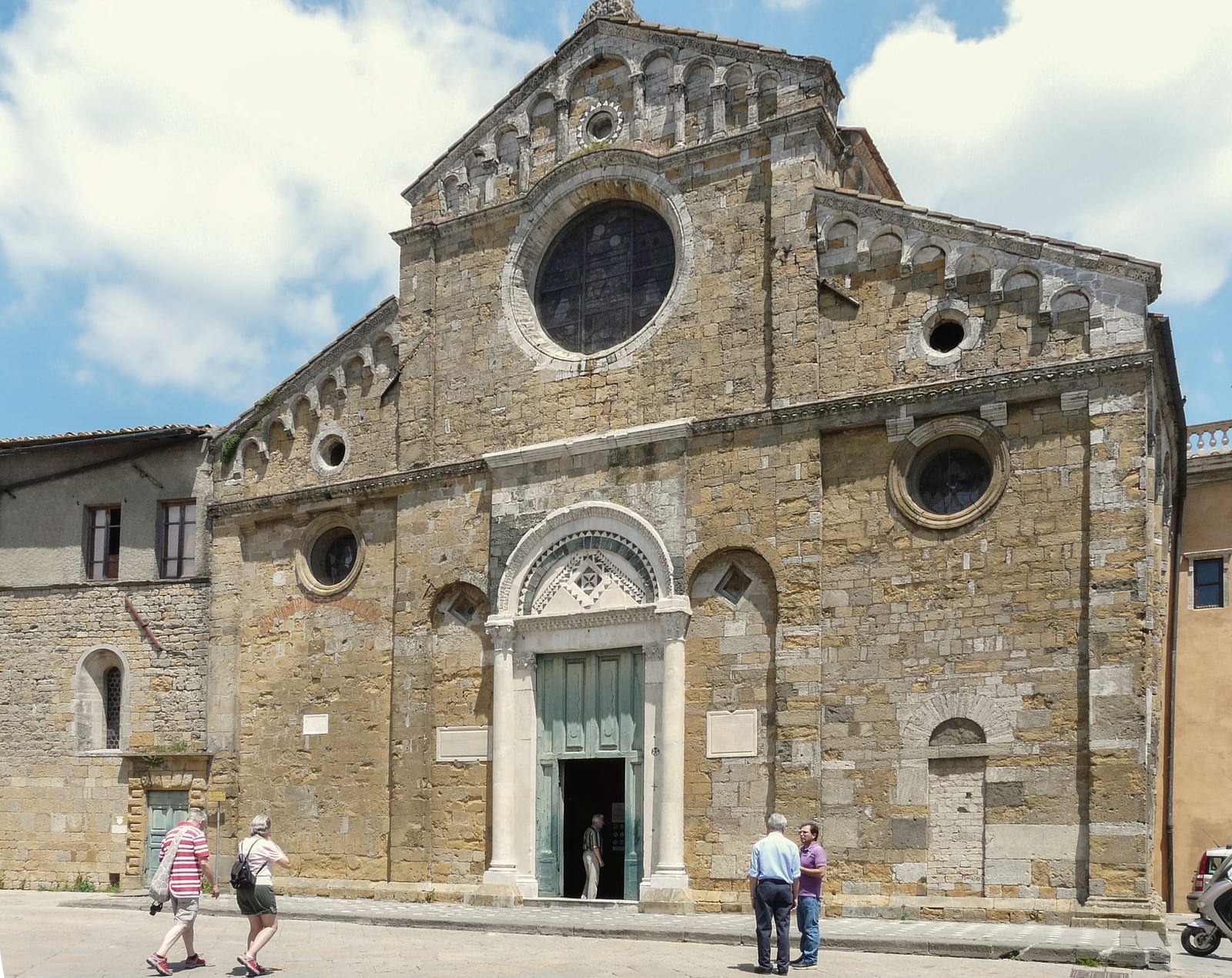
Pope Sabinian
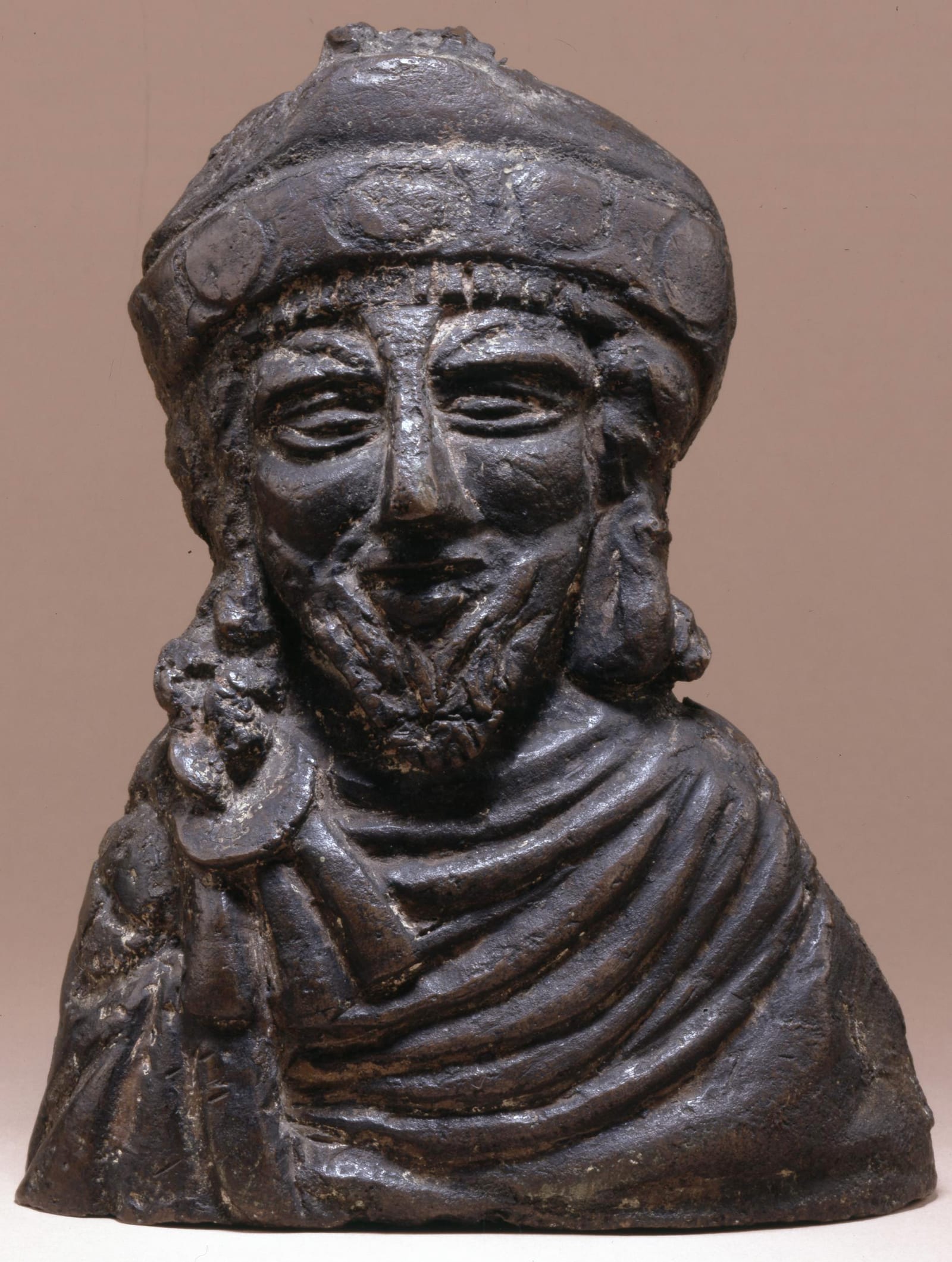
Pope Boniface III
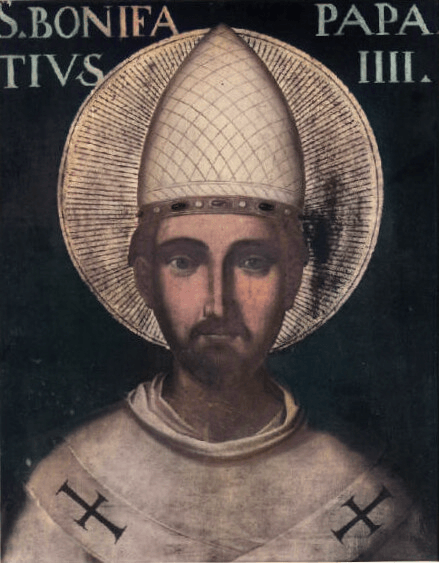
Pope St. Boniface IV
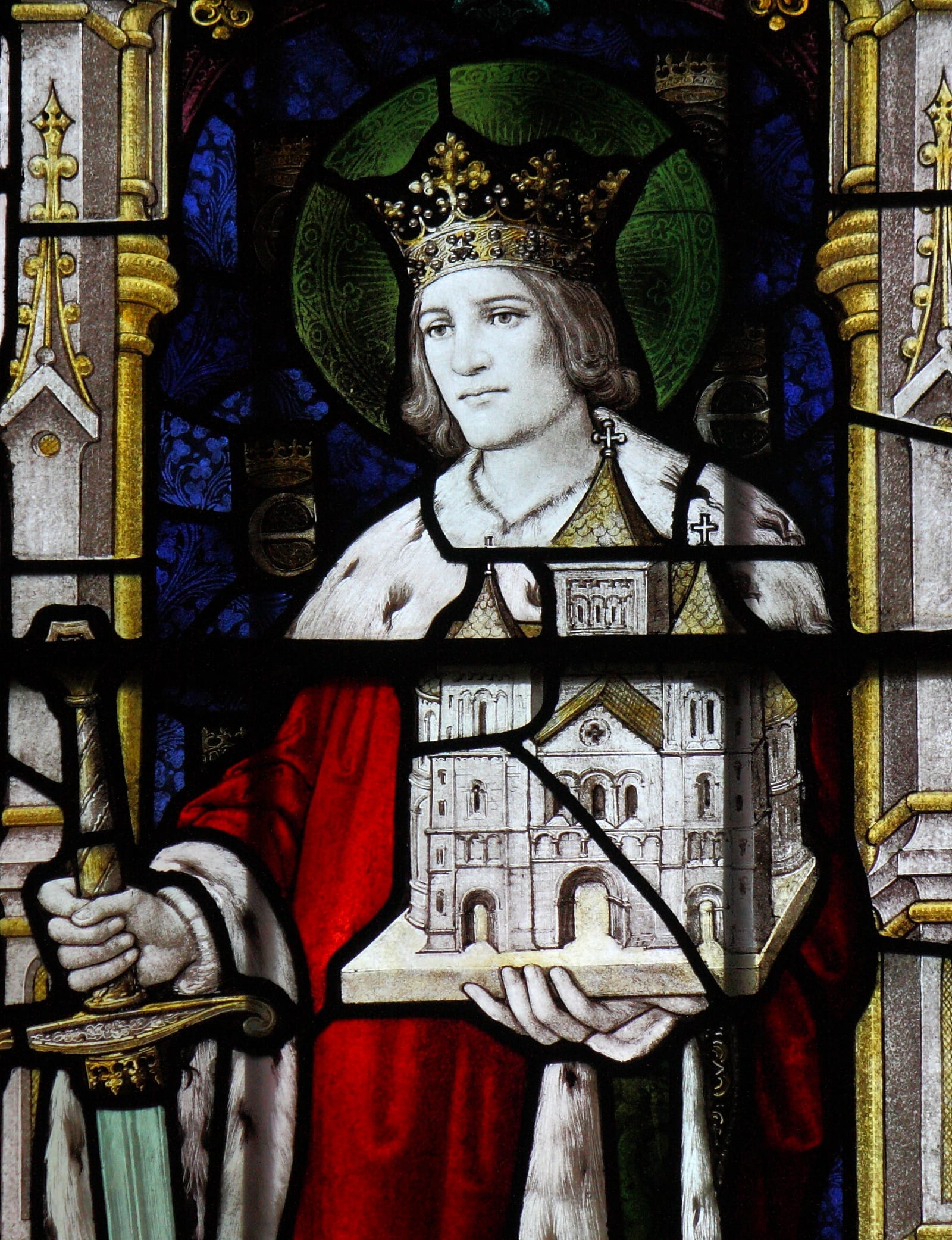
Pope Boniface V
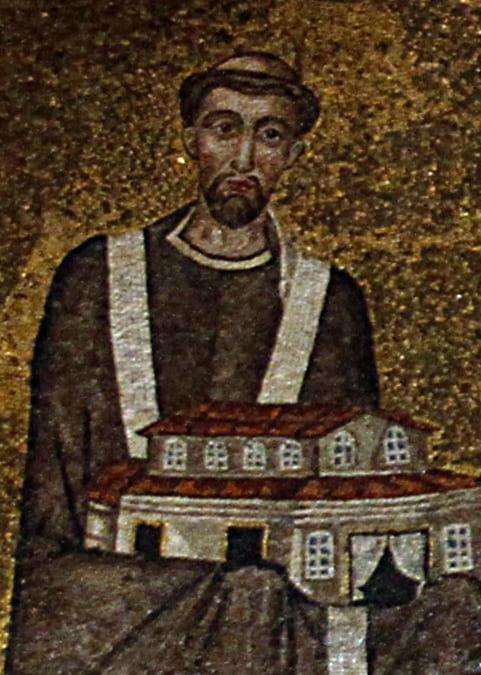
Pope Honorius I
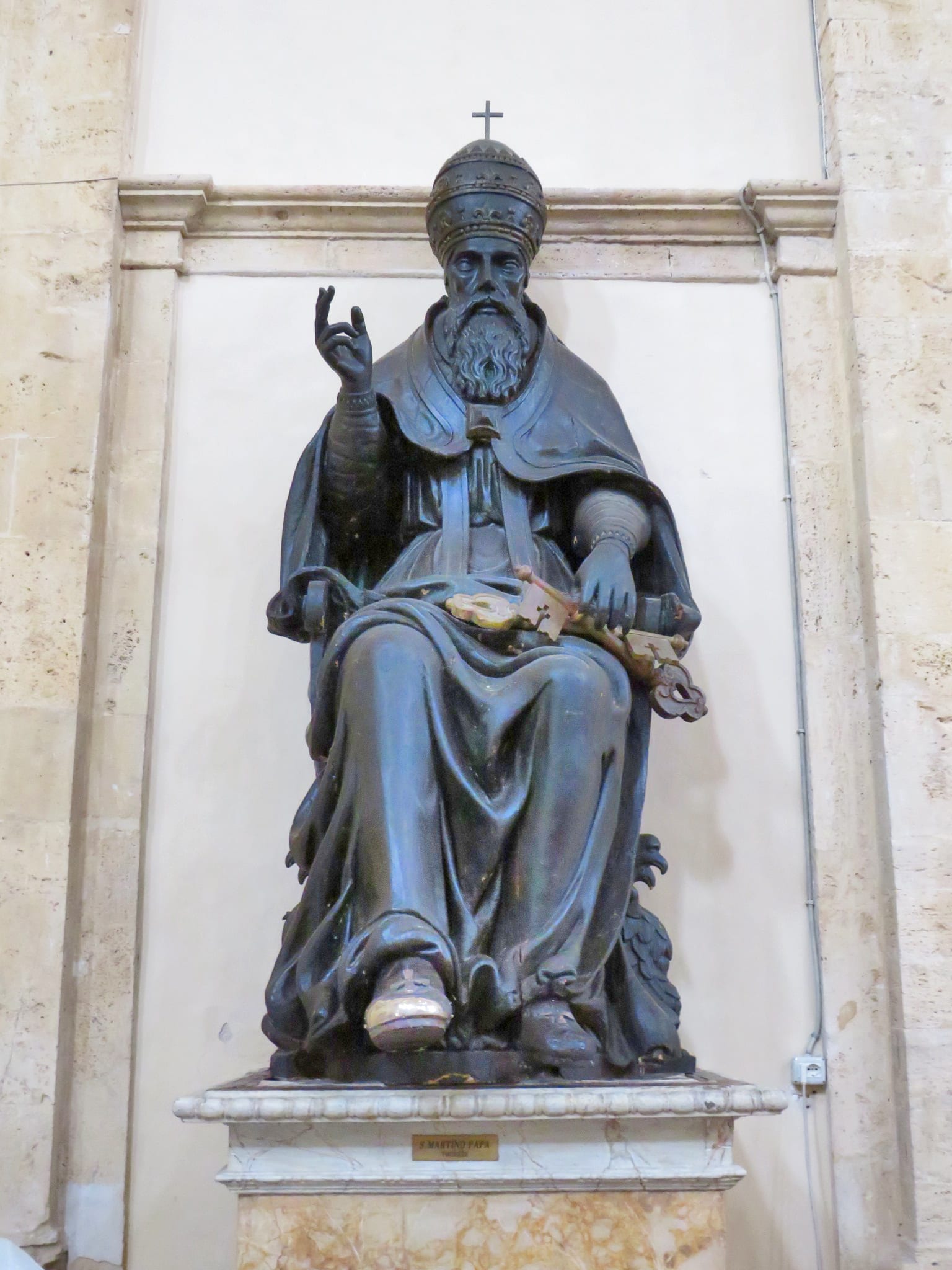
St. Martin I
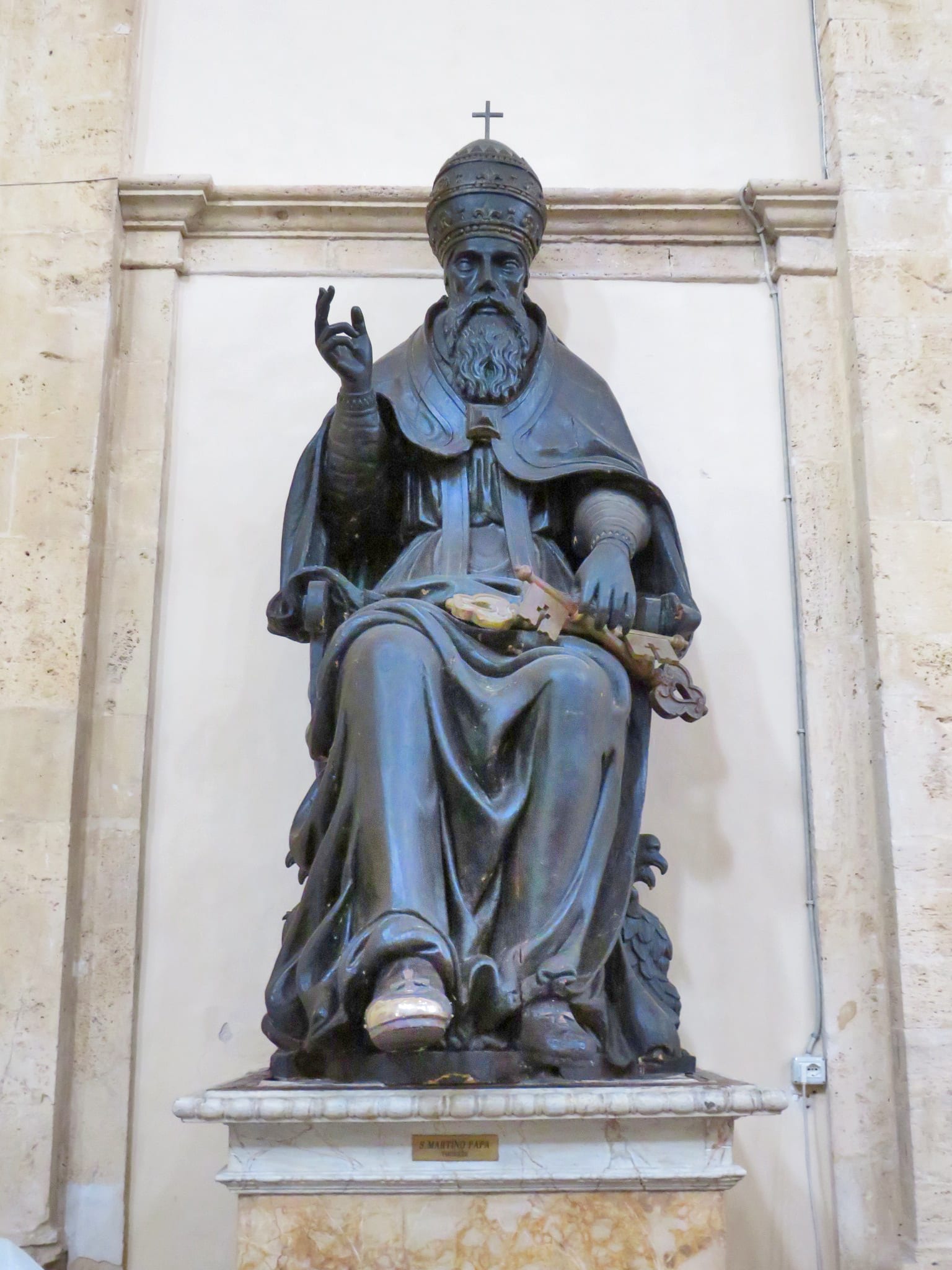
Pope St. Martin I
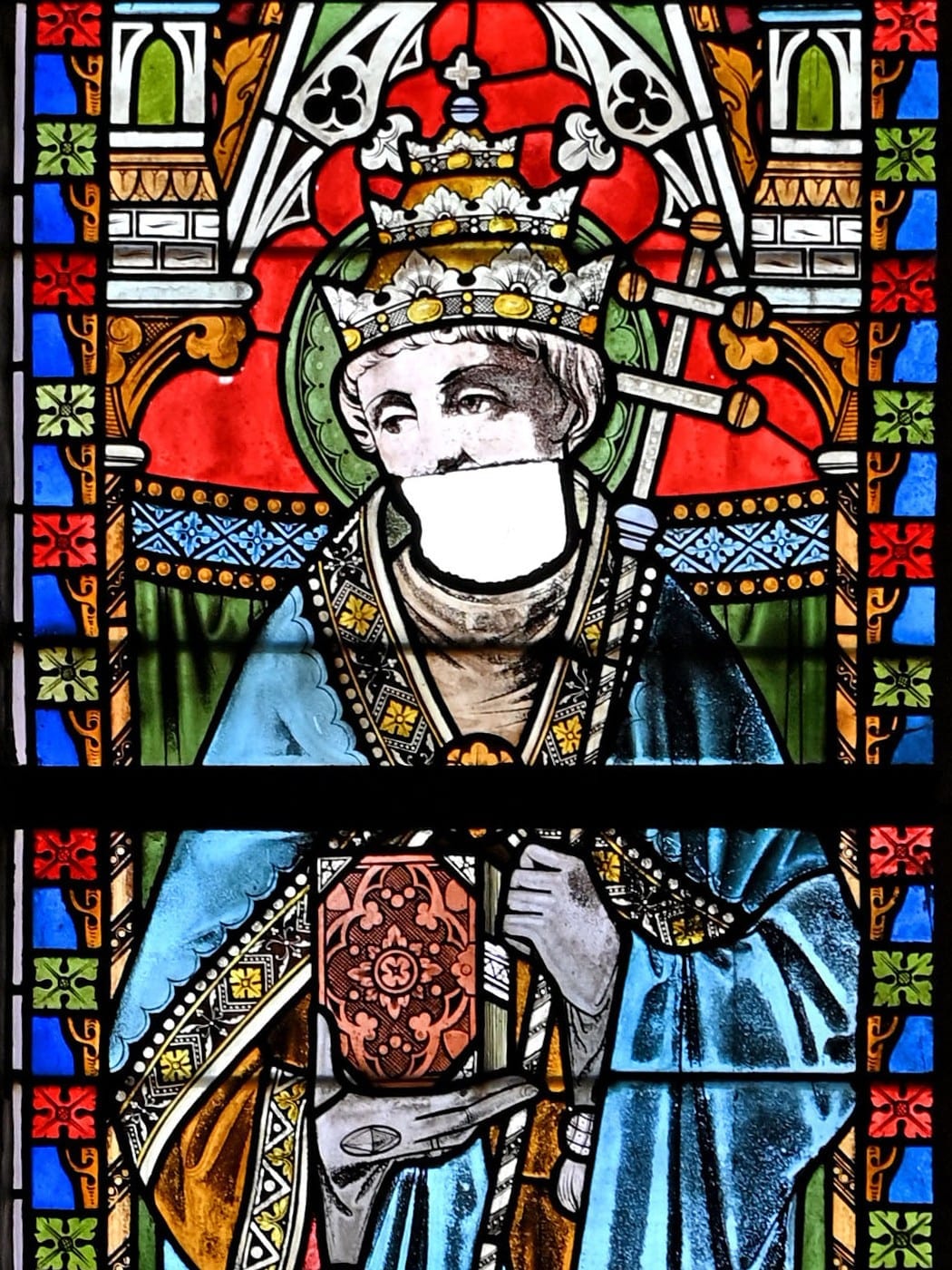
Pope St. Eugene I
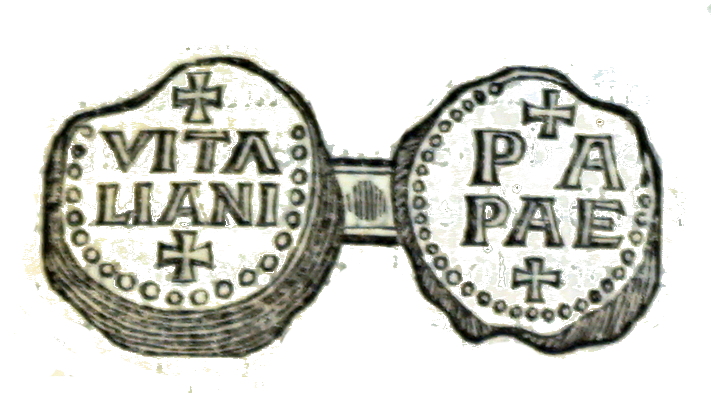
Pope St. Vitalian
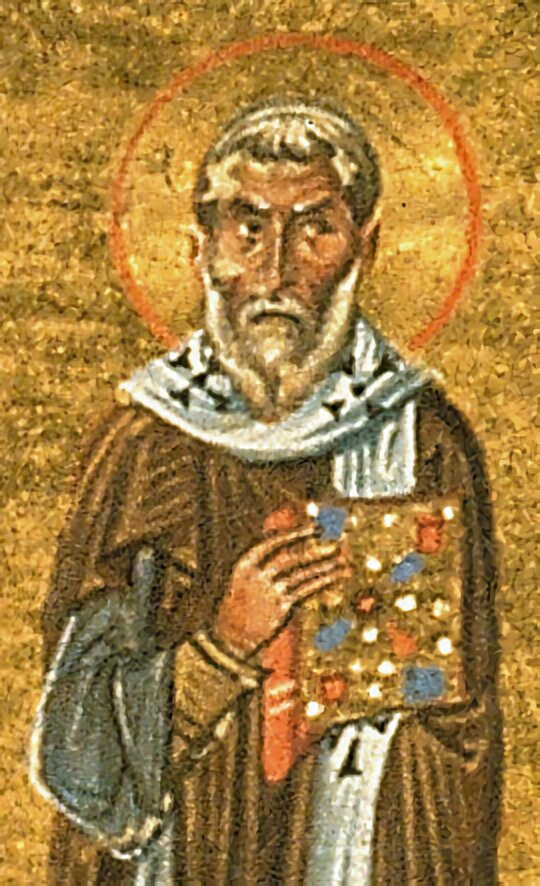
Pope St. Agatho
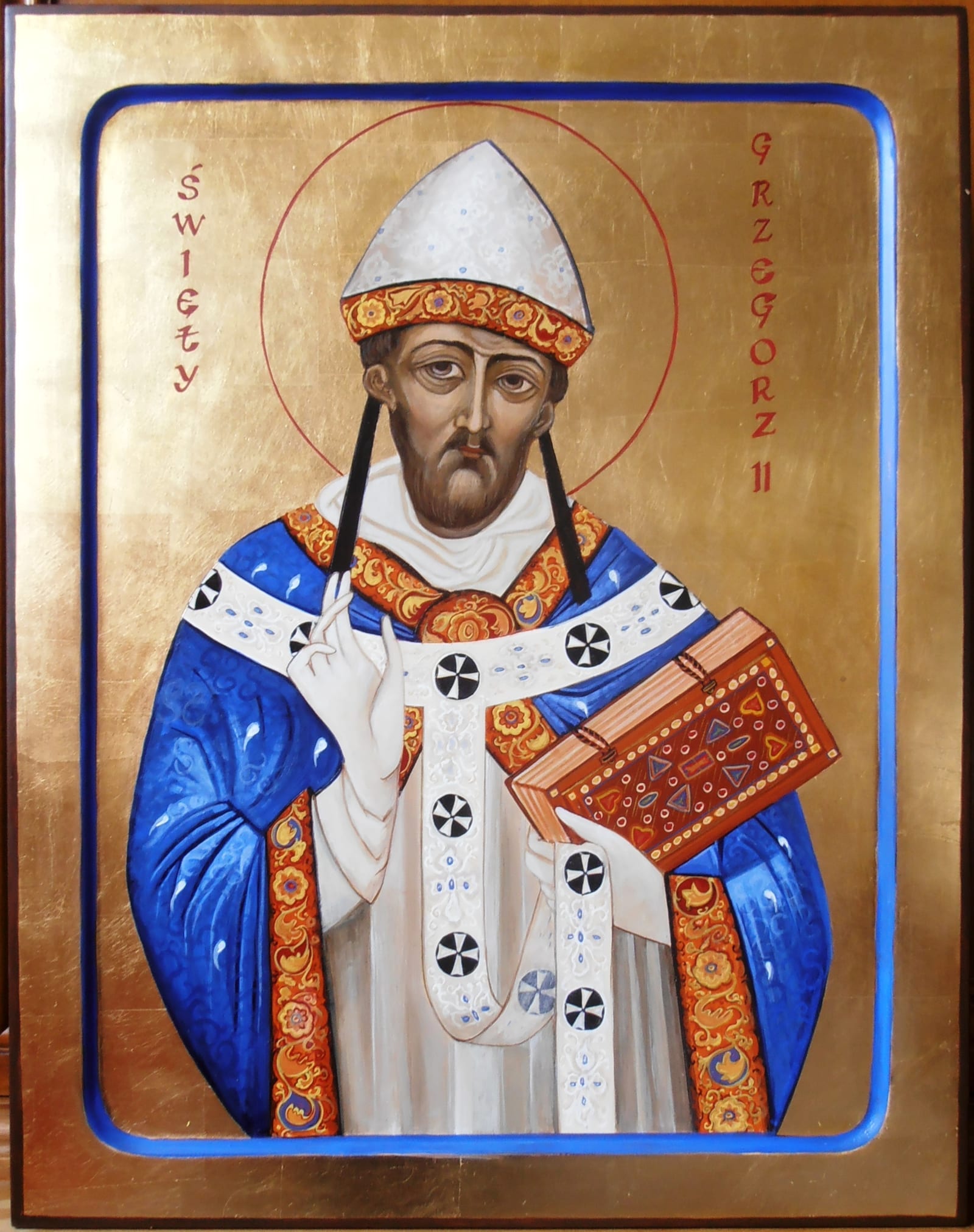
Pope St. Gregory II
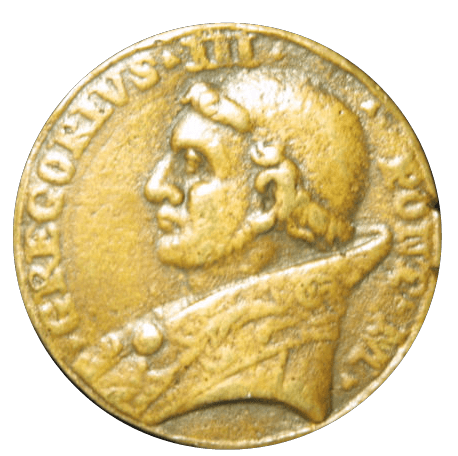
Pope St. Gregory III
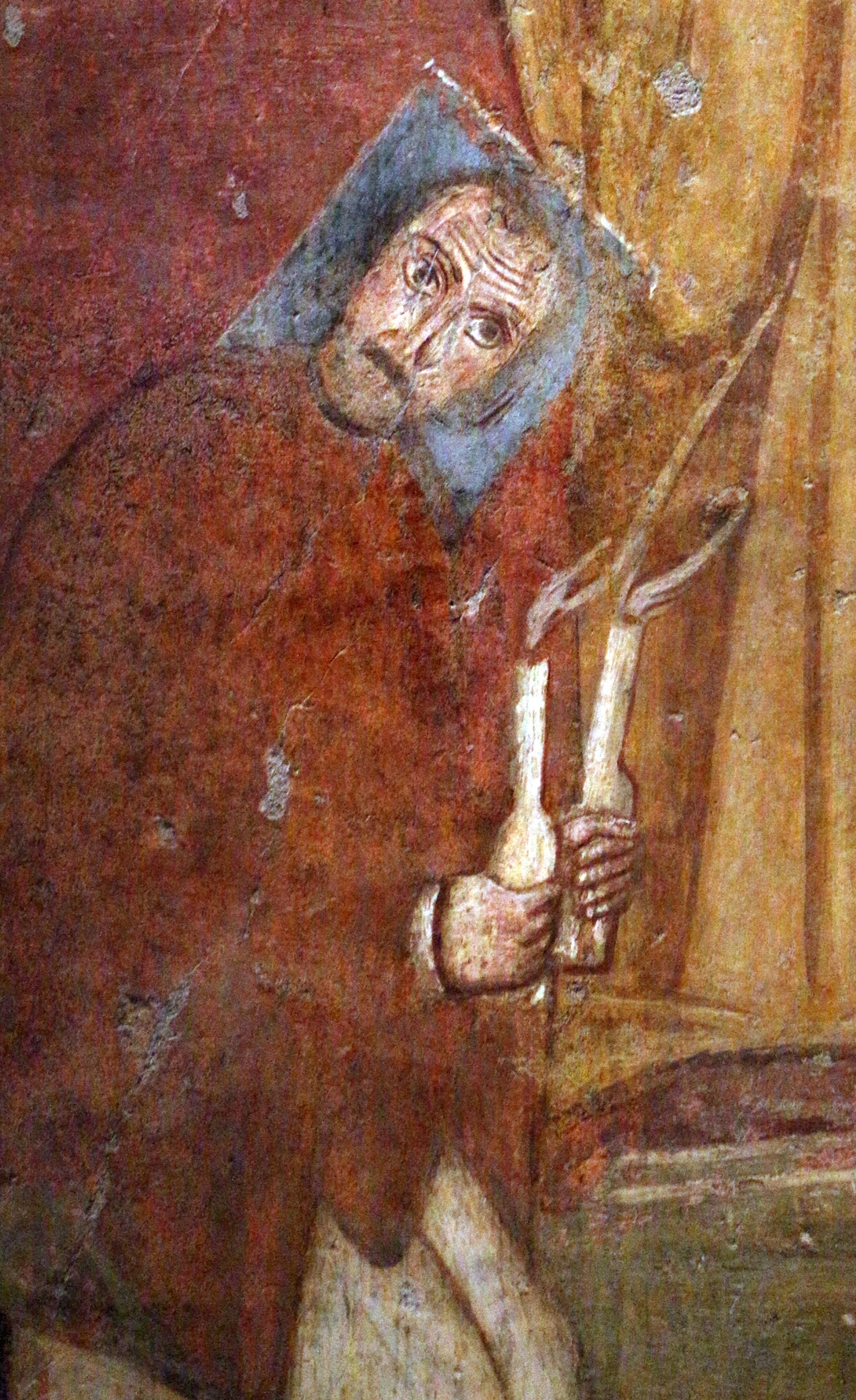
Pope St. Zachary
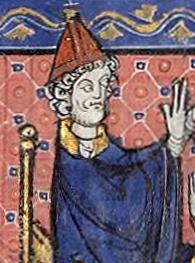
Pope St. Stephen II
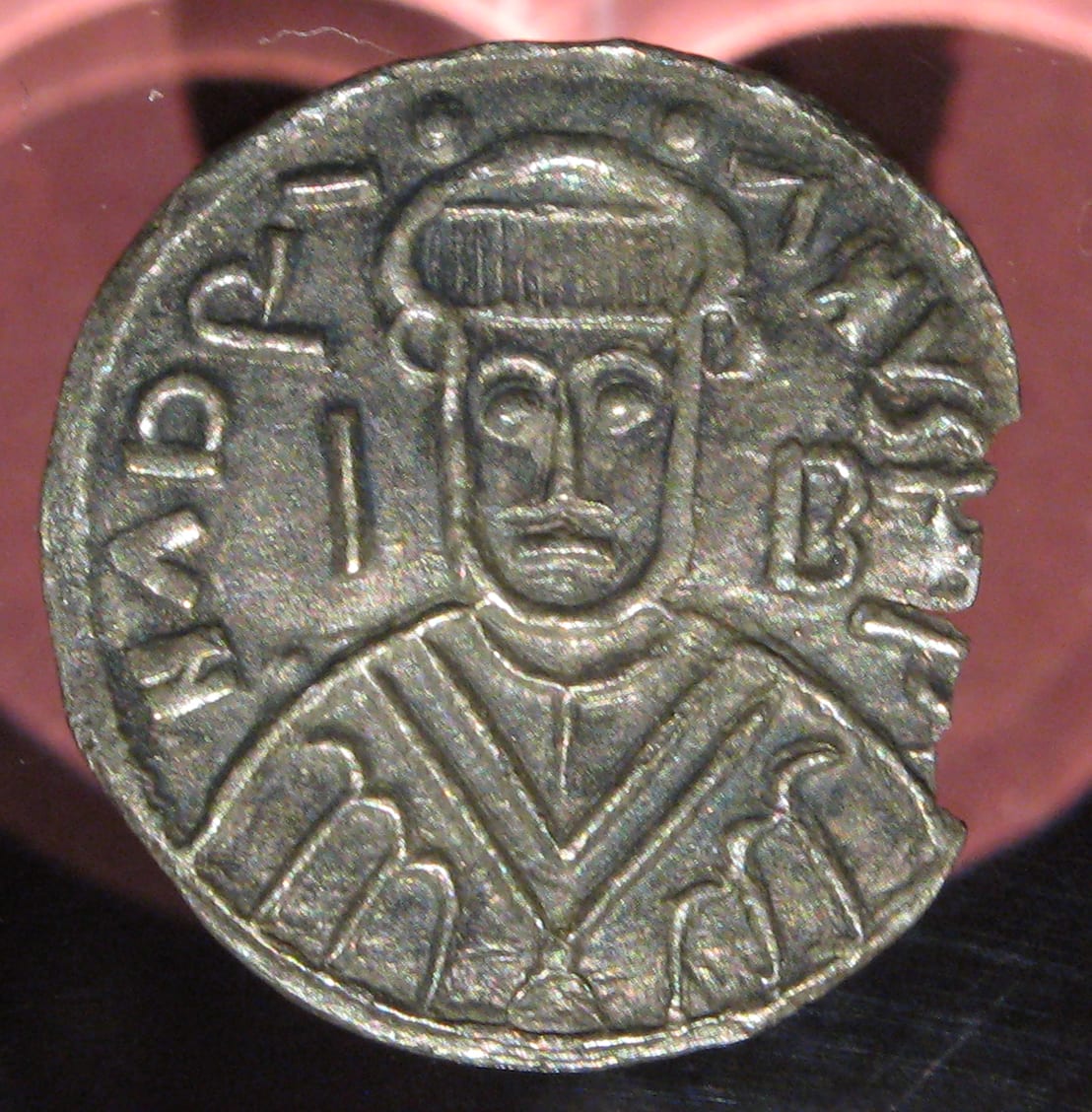
Pope St. Adrian I
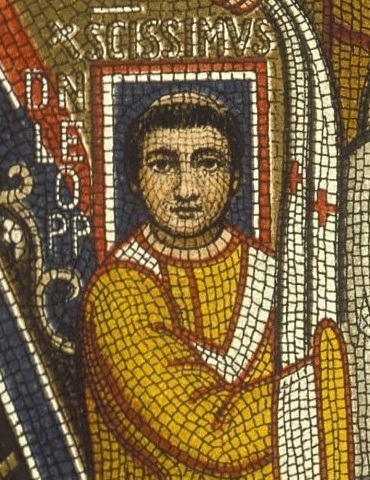
Pope St. Leo III
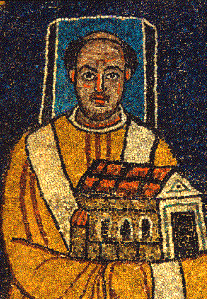
Pope St. Paschal I
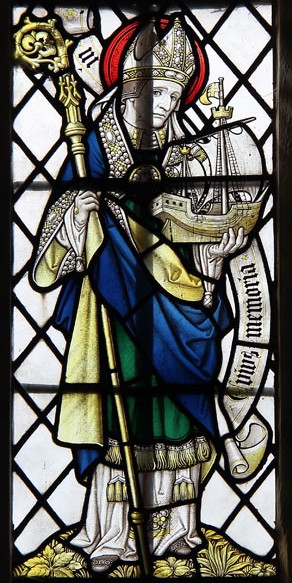
Pope St. Nicholas I the Great
The long silence
A thousand years in which the papacy became the most powerful office in Europe and produced almost no canonised saints. There are a handful — Leo IX, Gregory VII, Celestine V who resigned, Pius V of Lepanto — against more than a hundred and forty popes. The Church has never explained the gap and does not need to: the record is the explanation.
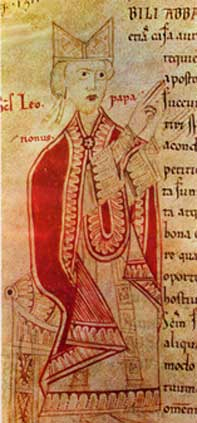
St. Leo IX
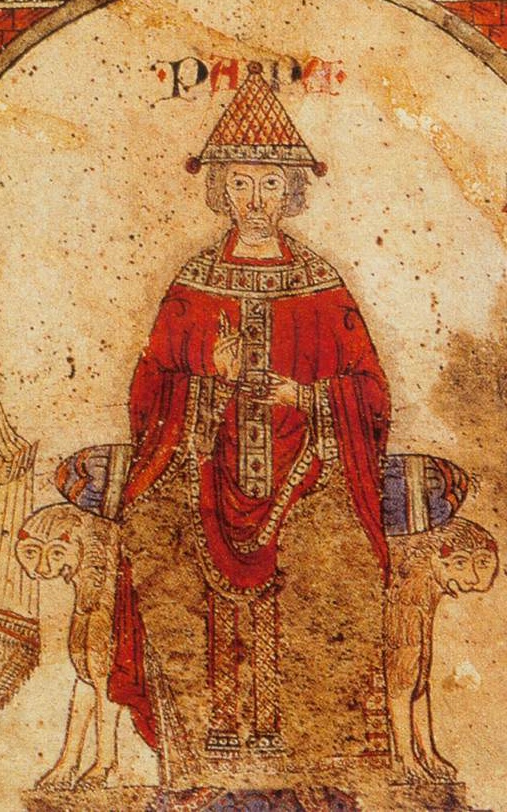
St. Gregory VII
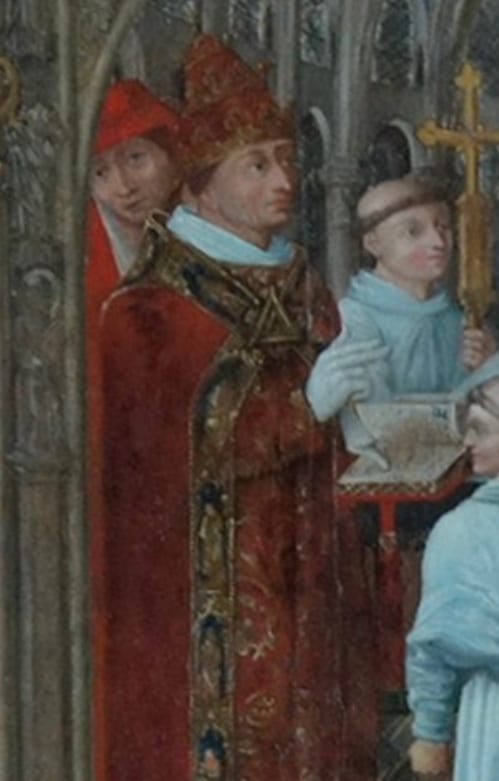
Bl. Eugene III
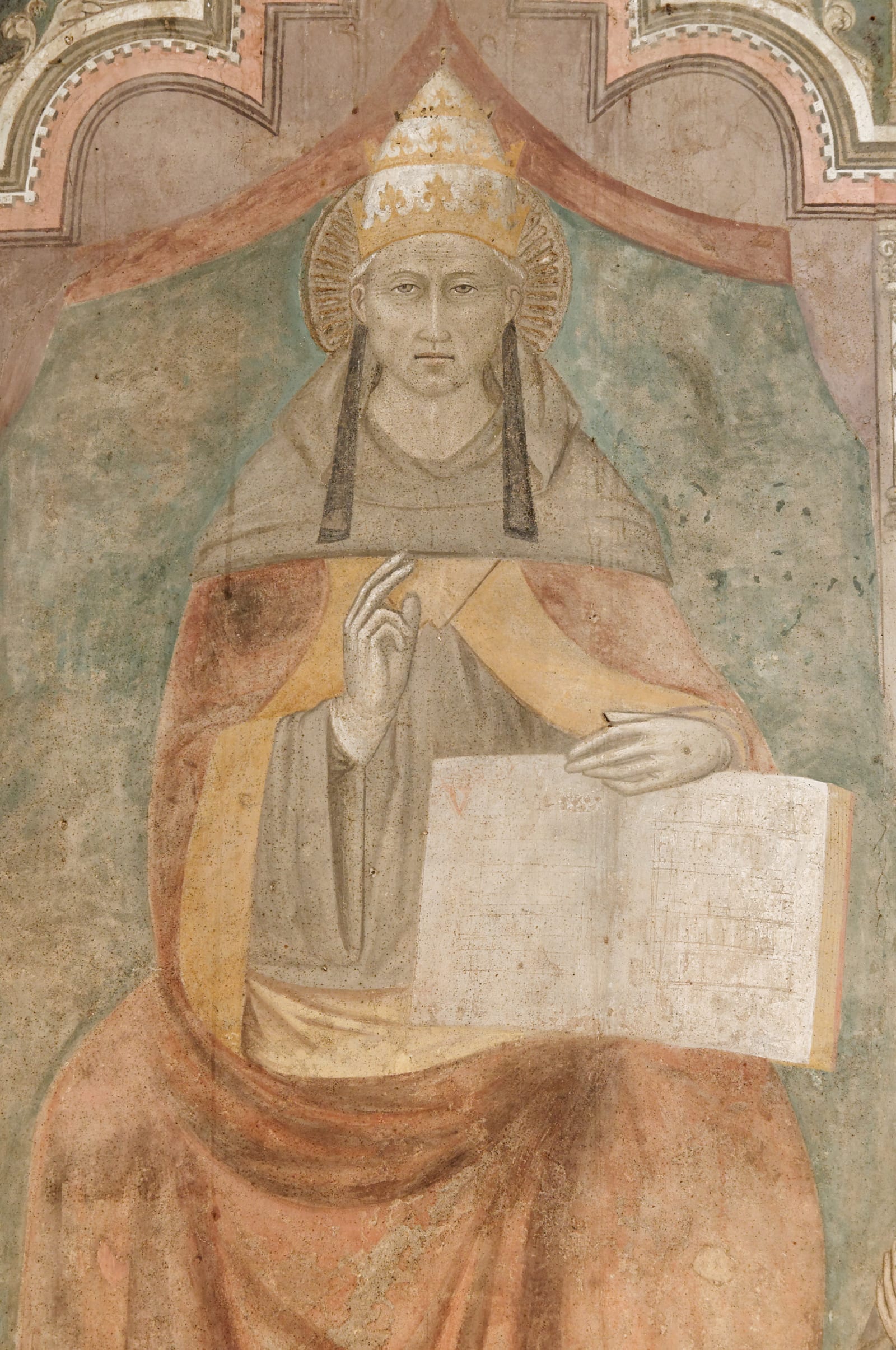
St. Celestine V
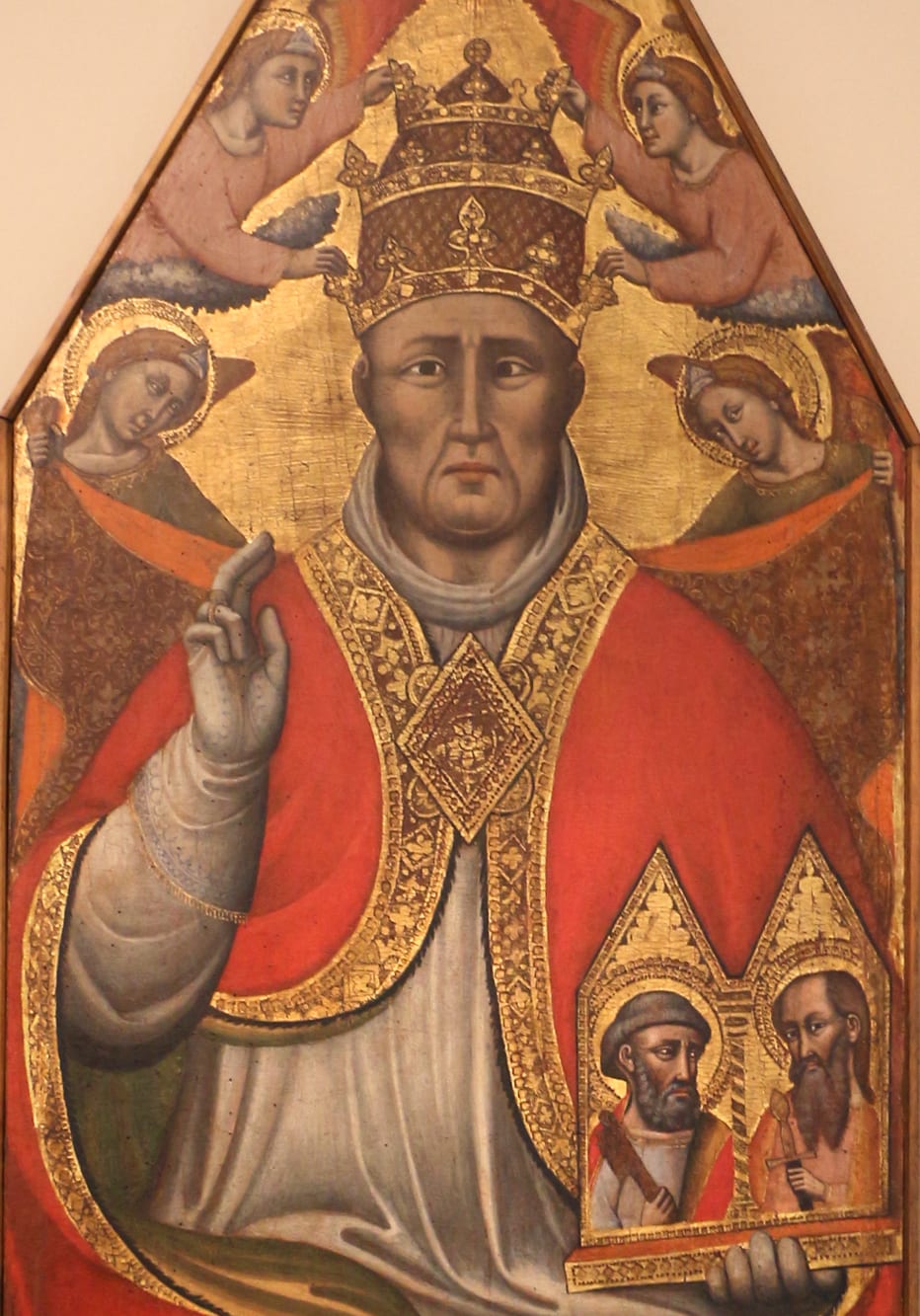
Bl. Urban V
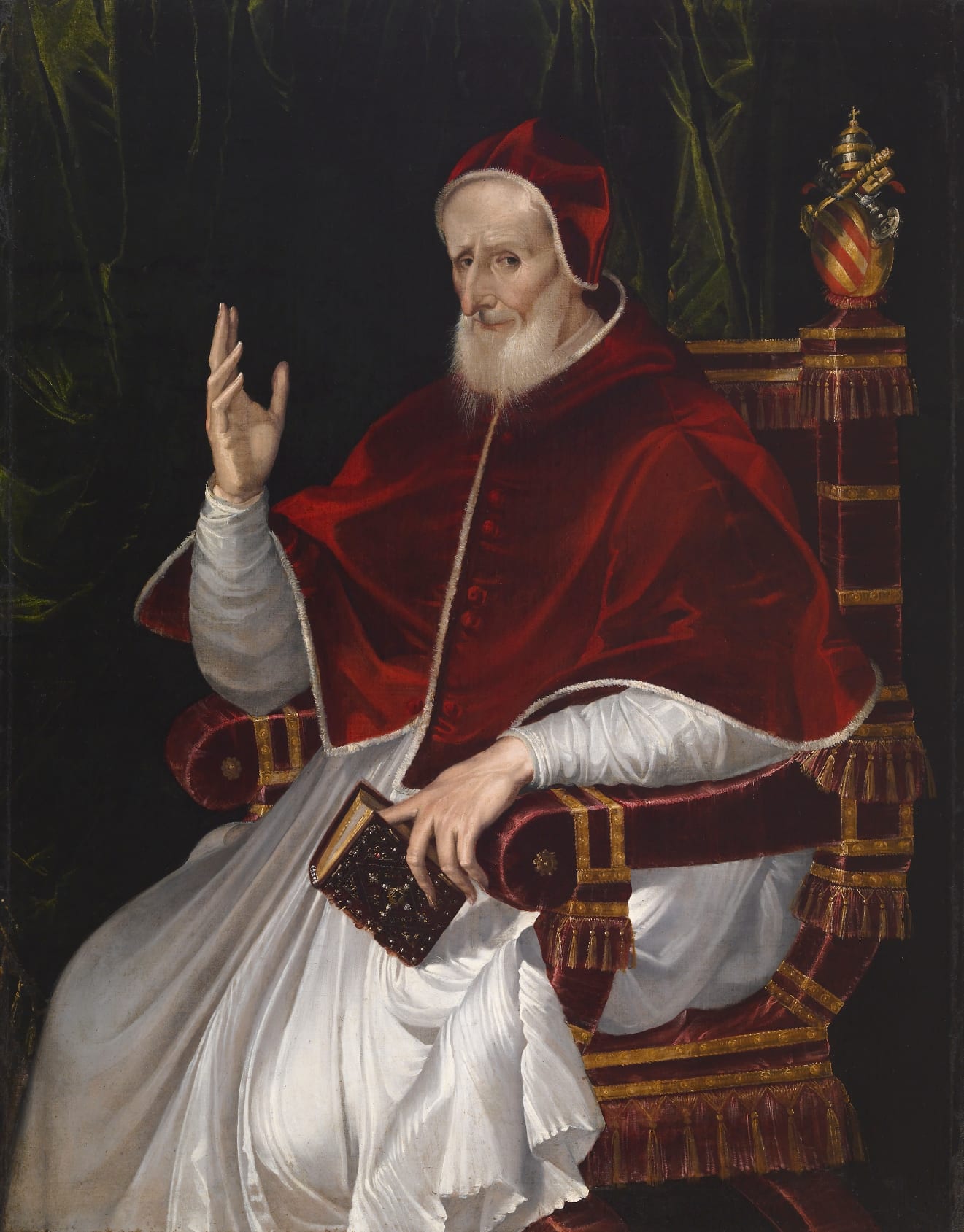
St. Pius V
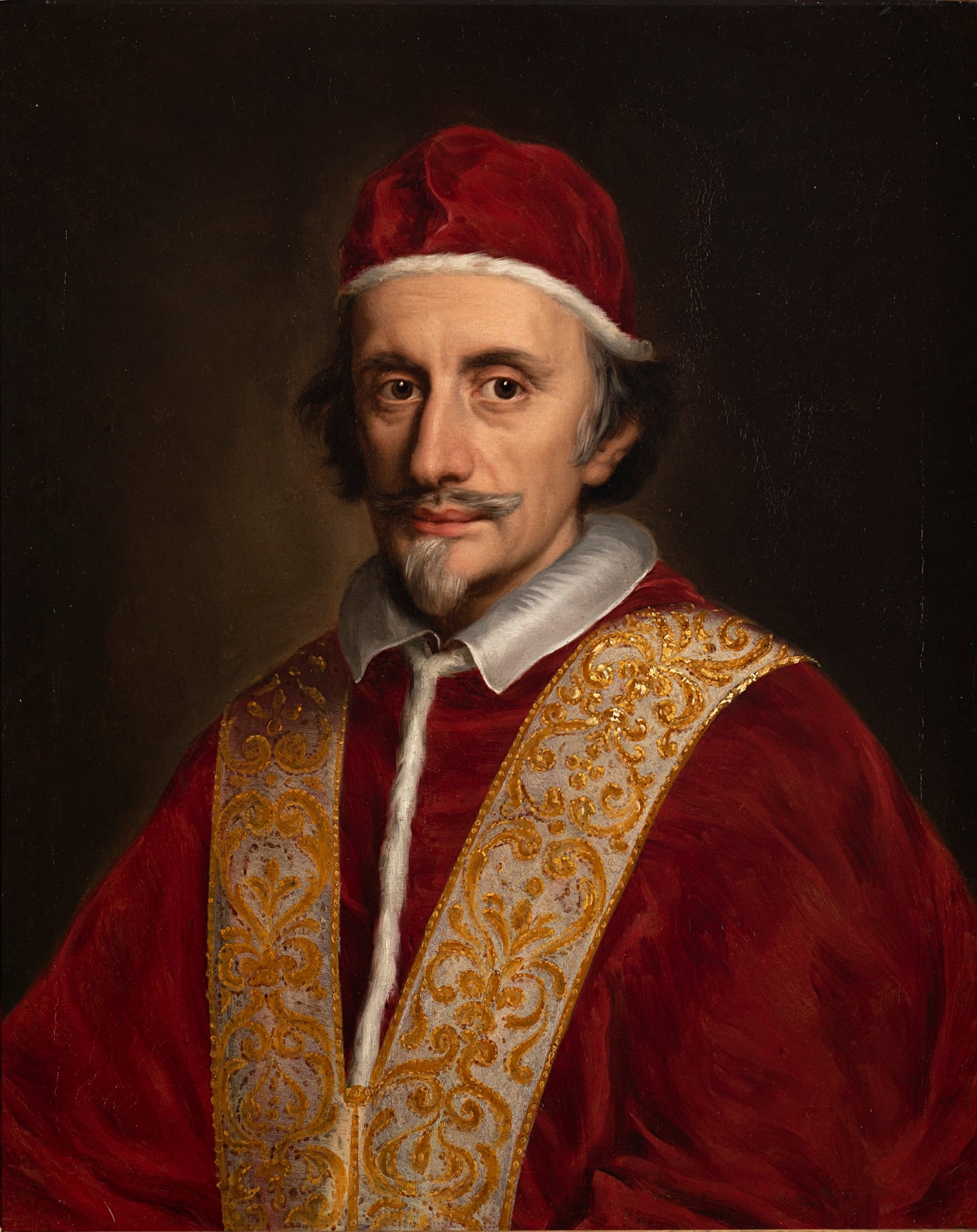
Bl. Innocent XI
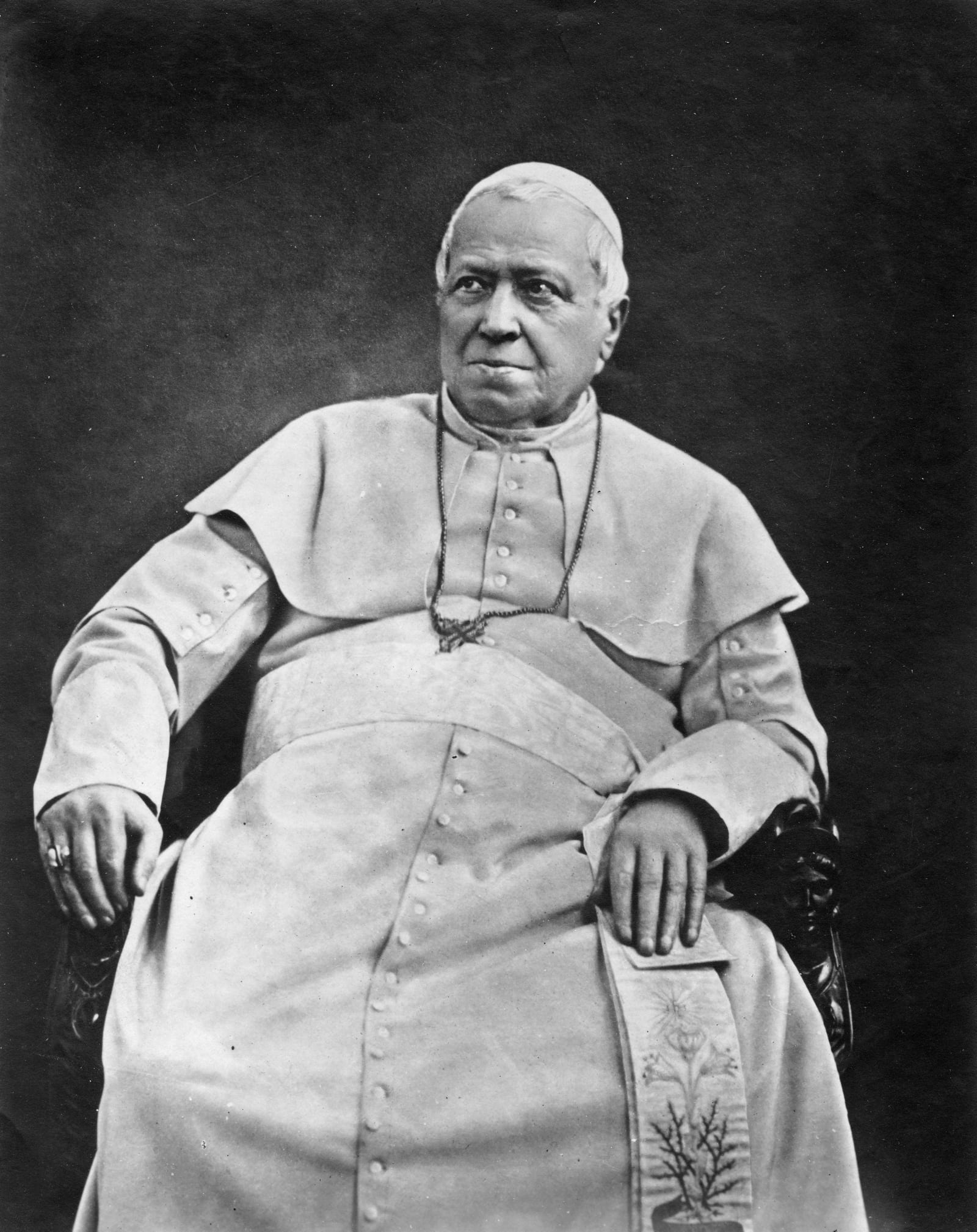
Bl. Pius IX
The modern return
Then, suddenly, a cluster. Pius X, John XXIII, Paul VI and John Paul II are canonised, John Paul I is beatified, and the cause of Benedict XVI is open. Four popes of one century are saints, which has not happened since the eighth.
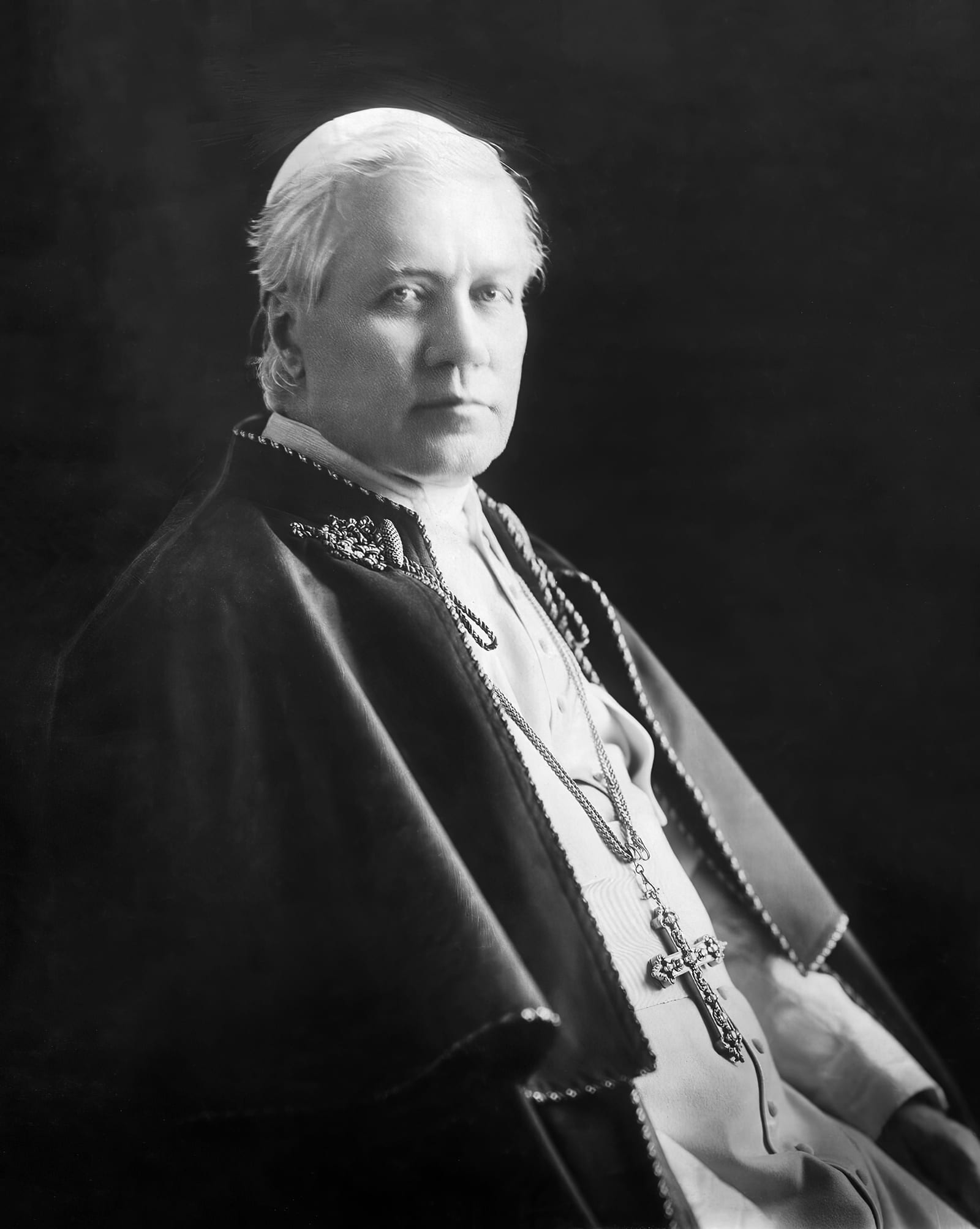
St. Pius X
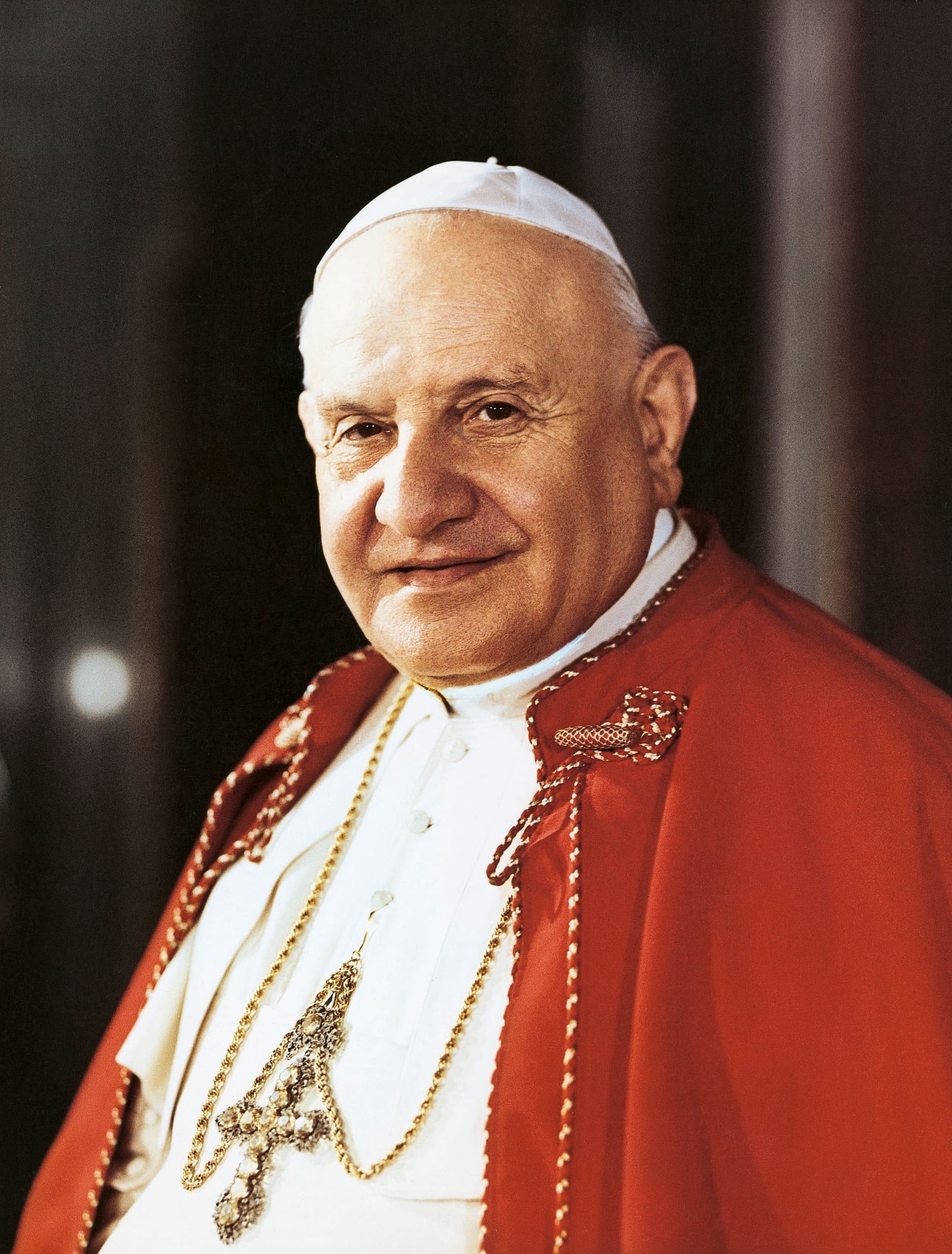
St. John XXIII
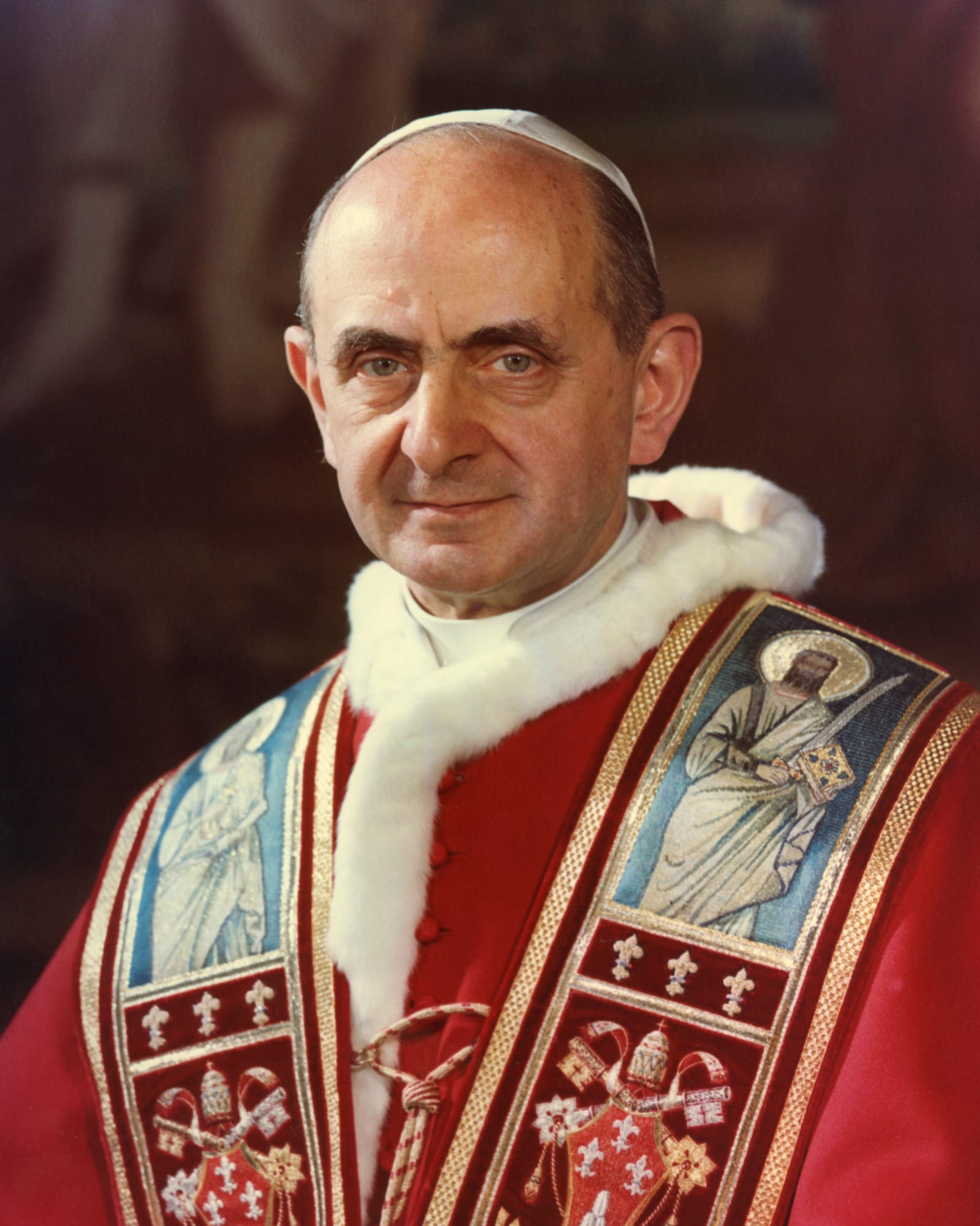
St. Paul VI
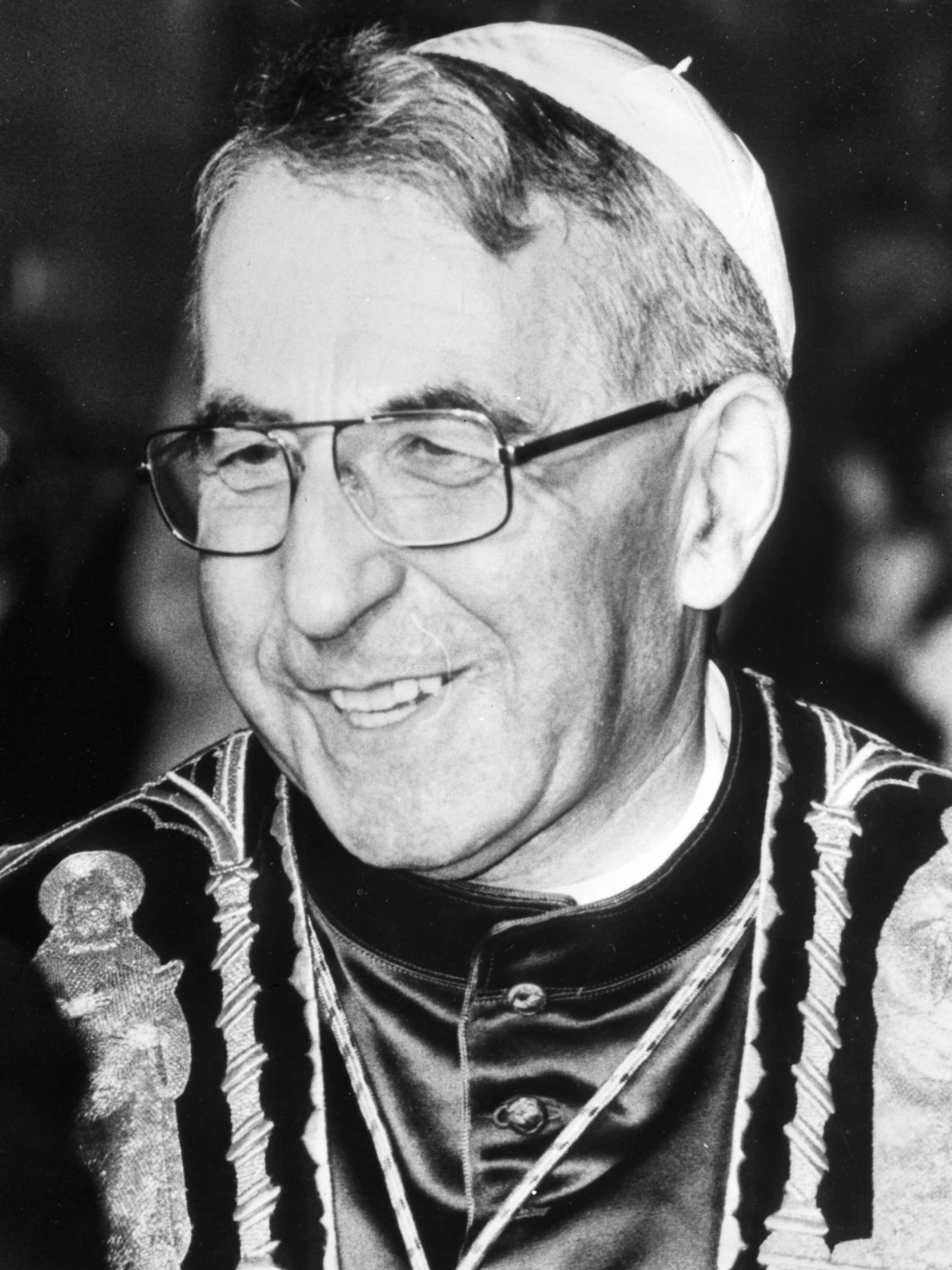
Bl. Pope John Paul I (Albino Luciani)
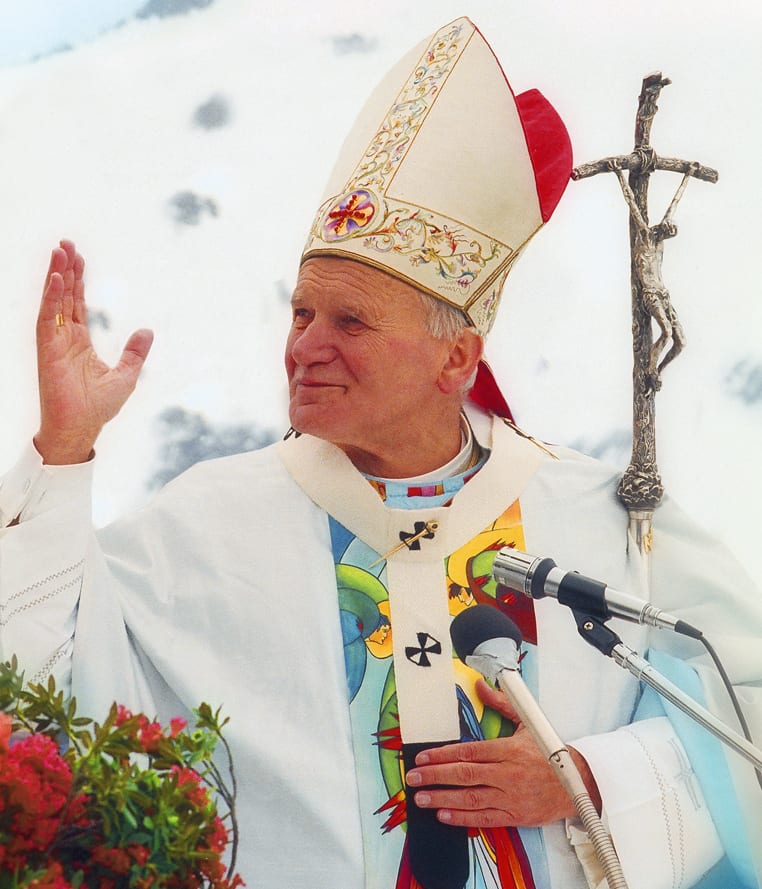
St. John Paul II
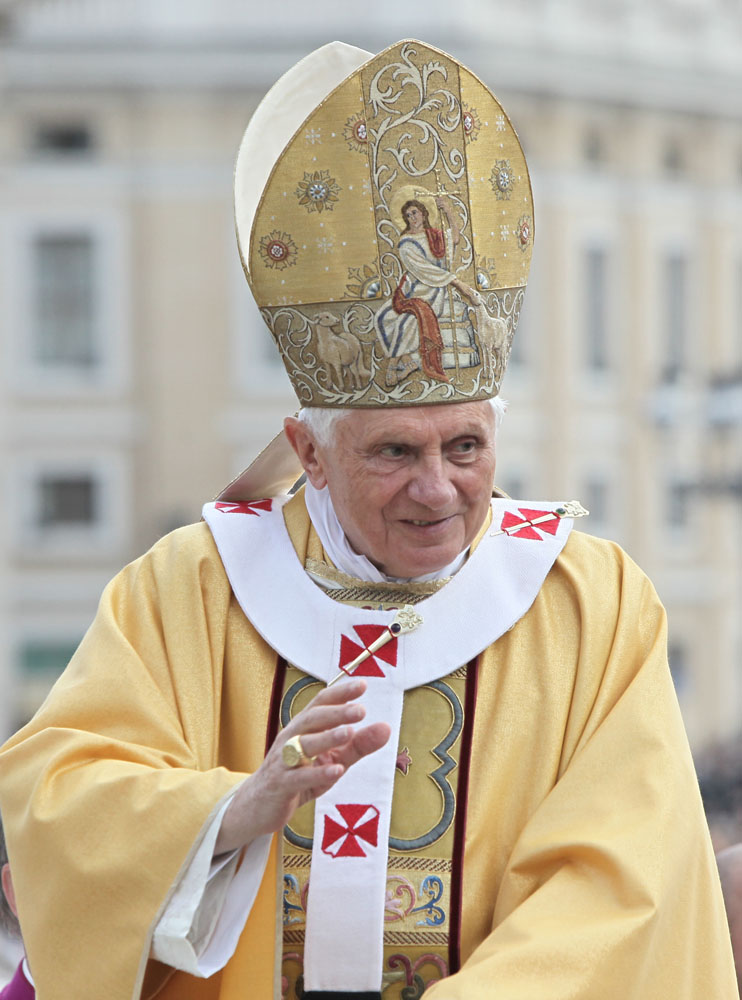
Servant of God Pope Benedict XVI
Sainted, and barely recorded
13 more popes the Church venerates as saints, of whom almost nothing survives but a name, a span of years and a feast. They are listed rather than written, because a page that invented detail for them would be worse than a table.
What the office does not mean
Five things the papacy is widely taken to carry — by its defenders as often as by its critics — and does not.
“The pope cannot sin.”
The Church has never taught it and her own records refute it. Infallibility is not impeccability: it is a protection on what the Church can define, not on how a man lives. The line includes popes who bought the office, popes who fathered children while holding it, and one who had his predecessor's corpse exhumed and put on trial. Eighty-one popes are saints; the other hundred and eighty-five are not, and some of them were very far from it.
“Everything a pope says is infallible.”
Almost nothing a pope says is. The definition of 1870 sets four conditions at once — he must speak as universal pastor, on faith or morals, defining rather than discussing, and binding the whole Church. Homilies, interviews, encyclicals and airborne press conferences are none of those. Since the definition, the conditions are commonly reckoned to have been met exactly once, in 1950 for the Assumption, with the definition of the Immaculate Conception in 1854 counted alongside it.
“There has always been a pope, in Rome.”
For sixty-eight years, from 1309 to 1377, the popes lived at Avignon. From 1378 to 1417 the Western Schism put two men in the office and then, after the Council of Pisa tried to settle it in 1409, three at once — each with cardinals, each with obedient kingdoms, each excommunicating the others. Saints were divided between the sides. Catherine of Siena spent her life telling the pope to go home to Rome.
“Popes are canonised as a matter of course.”
Eighty-one of two hundred and sixty-six, and they are not spread evenly. Forty-eight of the first fifty popes are saints; from the tenth century to the twentieth the Church canonised barely a handful. A pope's canonisation is a judgement on the man, and for a thousand years the judgement mostly went the other way — by silence.
“The first popes were called Pope.”
Papa — father — was used of bishops generally in the early centuries, in Africa and in Alexandria as much as in Rome, and it was not reserved to the bishop of Rome until the eleventh century, under Gregory VII. Peter was not called pope any more than he was called a cardinal. What the early Church attests of Rome is something else, and stronger for not being a title: that other churches wrote to it when they could not settle a question.
The oldest thing on this page is not a doctrine but an address. When the churches of the second century could not settle something among themselves, they wrote to Rome — and the men they wrote to were, for two hundred years, likely to be executed for answering.